If you have ever stared at a crisp moon photo and wondered how to get that texture yourself, you are in the right place. The best cameras for moon photography deliver clean detail, stable framing, and dependable performance in low light. Pair the right body with a long lens and smart apps like PhotoPills, and suddenly crater edges and lunar maria pop with clarity. Let’s explore the top picks that make those jaw-dropping moon shots achievable for you.
Sony A7R V
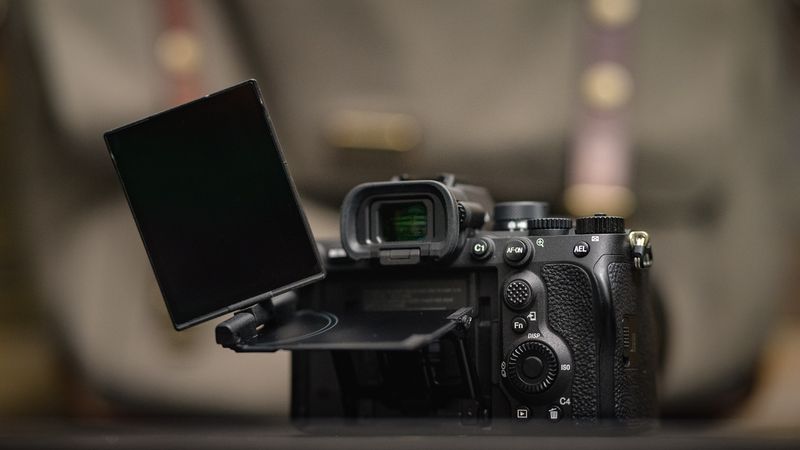
The Sony A7R V puts ultra-high resolution in your hands, which makes lunar detail easier to capture and crop. Pair it with a 200-600 mm or a 600 mm prime and you can fill the frame without pushing ISO too far. You get robust IBIS to steady framing, plus an autofocus system that locks confidently on bright lunar edges.
For exposure, start around ISO 100-400, f/8, and 1/125 sec, then adjust based on phase and haze. The generous dynamic range handles the bright disk against darker skies, smoothing tonal transitions across maria and crater rims. When you need more precision, manual focus with focus magnification gives tack-sharp clarity.
Use a solid tripod, disable unnecessary stabilization on sticks, and trigger a 2-second timer or remote release. If heat shimmer appears, shoot bursts and pick the sharpest frames, or try slightly later when air stabilizes. With PhotoPills, plan moonrise alignments and nail composition over landmarks.
Nikon Z7 II
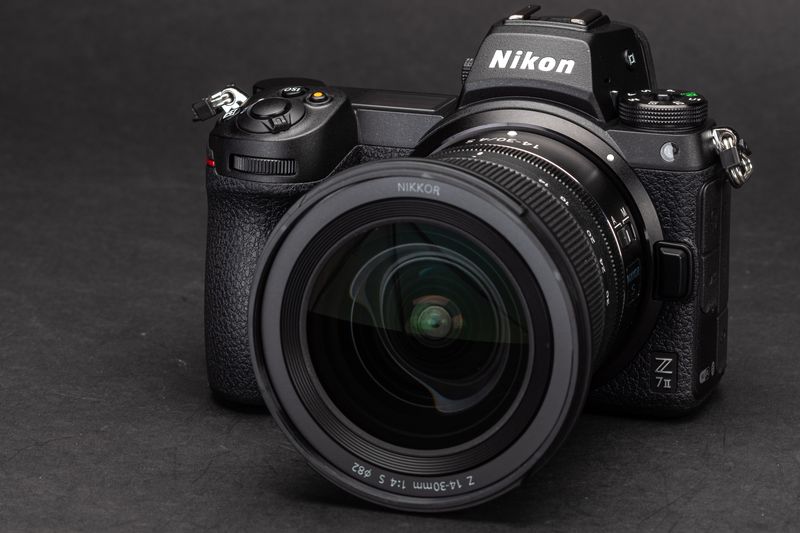
The Nikon Z7 II blends resolution and clean files, perfect for big prints of the Moon. Its full-frame sensor preserves subtle gray gradations across the lunar surface and holds noise impressively low. With a 300-600 mm lens or teleconverter, you can comfortably reach dramatic framing.
Set manual exposure to avoid metering confusion from the bright disk. Start near ISO 100-200, f/7.1-f/9, and 1/125-1/250 sec, then refine using live view. Focus peaking and magnification make manual fine-tuning straightforward, especially when the autofocus hunts in thin cloud.
For stability, use a sturdy tripod and enable electronic front-curtain shutter to reduce micro-vibrations. The Z7 II’s color fidelity keeps the Moon’s subtle warm-cool shifts natural, especially during low-altitude moonrise. Plan your shot timing with PhotoPills to catch atmospheric color while preserving crater relief.
Canon EOS R5 Mark II
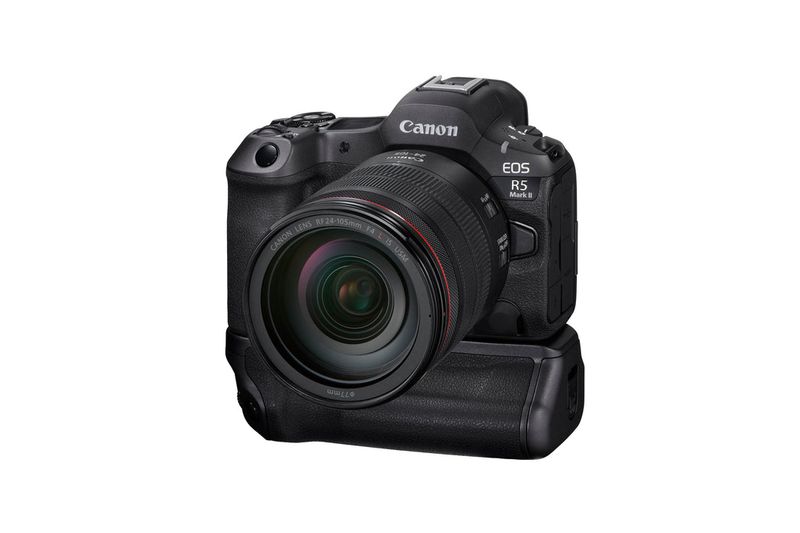
The Canon EOS R5 Mark II brings crisp detail and reliable autofocus that helps you lock onto the Moon quickly. With Canon’s RF 100-500 or a 600 mm lens, you can frame tightly while keeping ISO under control. Image stabilization steadies handheld tests, though a tripod still wins for absolute sharpness.
Manual mode helps avoid blown highlights on the bright lunar disk. Try ISO 100-200, f/8, and 1/125-1/250 sec to start, adjusting as the phase changes. Use focus magnification to nail razor-sharp crater rims, especially when atmospheric shimmer complicates focusing.
For compositions, plan moonrise alignments over landmarks using PhotoPills and a sturdy head for micro-adjustments. The R5 Mark II’s high resolution gives generous cropping headroom without sacrificing texture. Shoot short bursts to beat turbulence, then pick the cleanest frame for editing.
Sony A7S III
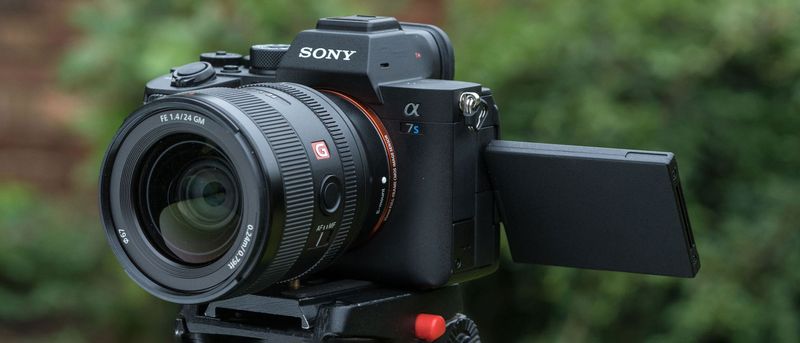
The Sony A7S III shines when light is scarce, giving you low-noise files even at moderate ISOs. While its resolution is lower than some, the clean signal and responsive live view make focusing on the Moon straightforward. Pair it with a 200-600 mm lens to offset pixel count through reach.
Start with ISO 100-400, f/8, and around 1/125 sec, shifting shutter speed for phase and altitude. Manual focus with magnification is your friend when haze softens edges. The camera’s responsive EVF helps confirm fine detail without lag.
On a tripod, use a remote or self-timer and consider disabling IBIS. Shoot a small burst to freeze moments of calm air, then pick the best frame. For moonrise landscapes, expose for the Moon and bracket for the foreground, or shoot a quick two-shot blend if needed.
Nikon Z6 II
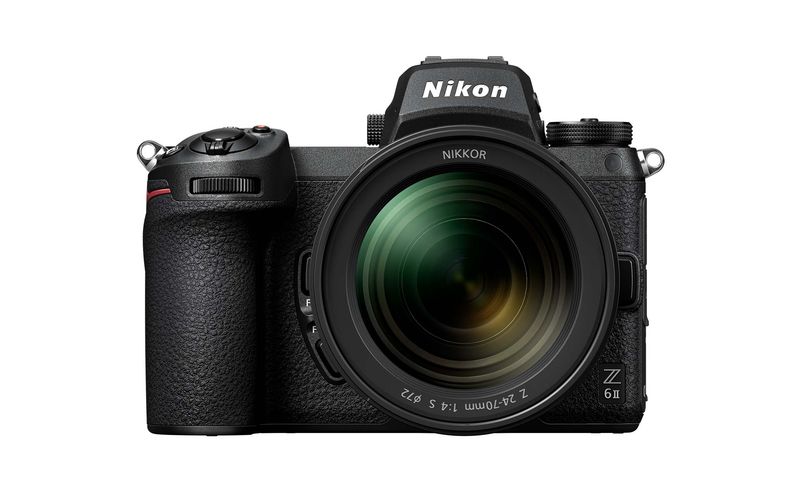
The Nikon Z6 II offers a balanced sensor that handles low-light moon scenes gracefully. Its dynamic range and manageable noise make it a dependable choice for beginners and enthusiasts. With a 200-500 mm zoom or 100-400 mm plus teleconverter, you can fill the frame without breaking the bank.
Try ISO 100-400, f/7.1-f/9, and 1/125-1/250 sec. Manual focus with magnification ensures clean crater ridges when autofocus hesitates. The Z6 II’s handling and customizable buttons help you work quickly while the moon’s altitude is optimal.
Stabilize on a sturdy tripod, use electronic front-curtain shutter, and avoid touching the camera during exposure. PhotoPills can guide timing so you catch the Moon at a pleasing size near the horizon. Process gently, lifting clarity and contrast while protecting highlight detail.
Canon EOS R6
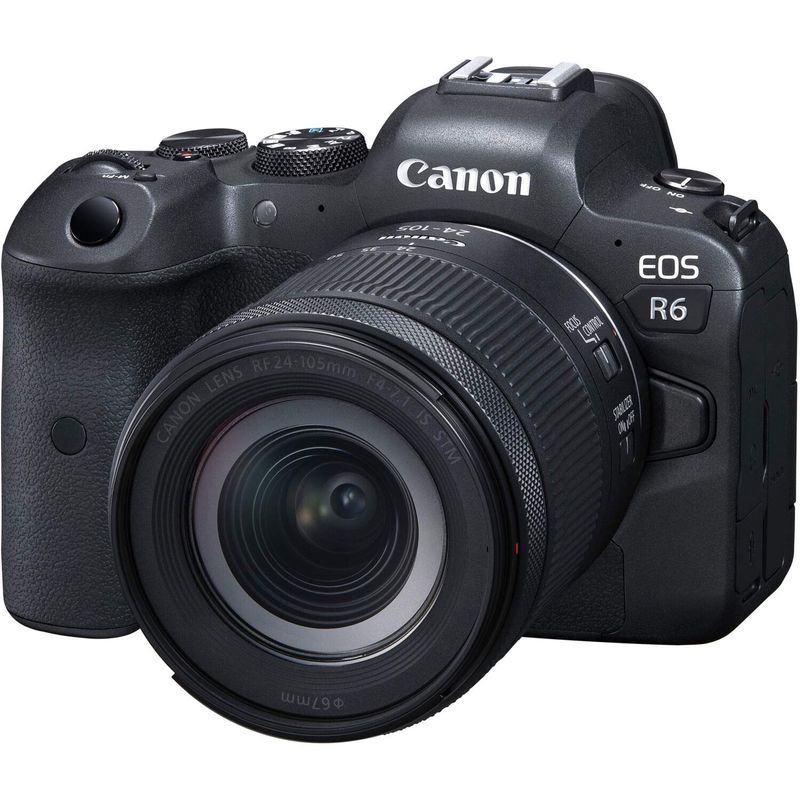
The Canon EOS R6 combines strong autofocus with excellent high-ISO behavior, handy when air conditions change quickly. Pair it with RF telephotos like the 600 mm or 100-500 mm for crisp lunar disks. Stabilization helps with framing, though you still want a tripod for the cleanest results.
Begin around ISO 100-400, f/8, and 1/125-1/250 sec, then fine-tune with live-view magnification. The R6’s responsive AF can lock to the bright rim, but manual focus remains reliable if haze appears. Use focus peaking to confirm micro-contrast on crater edges.
For compositions, plan moonrise against landmarks using PhotoPills and a level tripod. Consider bracketing if the foreground needs more exposure while keeping lunar highlights intact. The R6’s color science renders warm moonrise tones gracefully without harsh clipping.
Fujifilm X-H2S
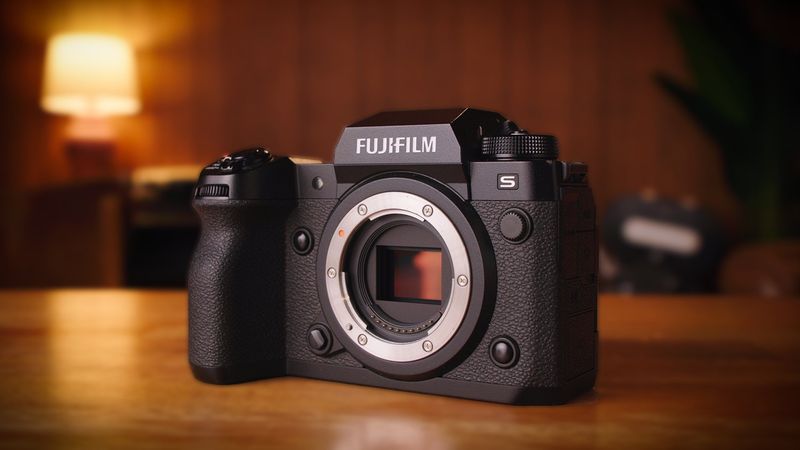
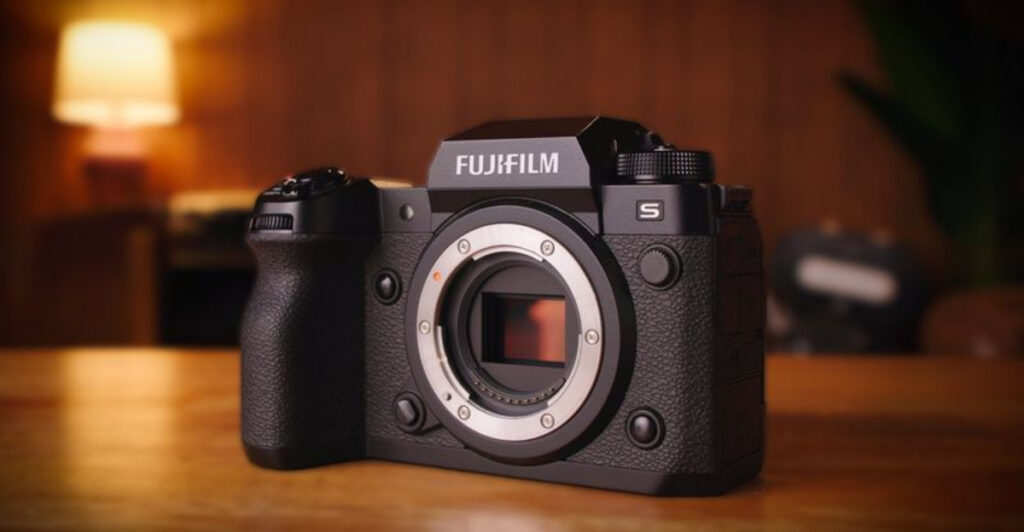
The Fujifilm X-H2S delivers excellent APS-C performance with speedy readout and strong stabilization. Its crop factor boosts apparent reach, making 600 mm feel even longer for tight lunar frames. Paired with the XF 150-600, you can capture striking crater detail without massive full-frame glass.
Try ISO 160-400, f/7.1-f/9, and 1/125-1/250 sec to start. Use manual focus and magnify to refine edges, especially in shimmering air. The camera’s snappy handling and custom buttons make quick adjustments simple while the Moon rises.
Fujifilm color leaves moonrise hues natural, and RAW files tolerate careful sharpening. Plan compositions with PhotoPills, placing the Moon near cliffs or lighthouses for scale. A gimbal head helps keep motion silky when tracking the Moon’s drift at high focal lengths.
Panasonic Lumix S1R
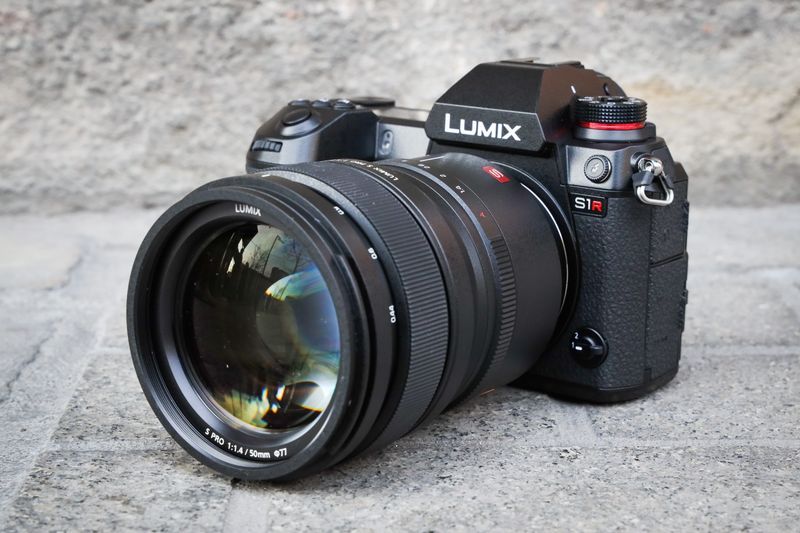
The Panasonic Lumix S1R offers high resolution and a stable platform for detail-rich lunar images. With a capable telephoto like a 200-600 equivalent or a teleconverter setup, you get excellent texture across the lunar surface. The body’s ergonomics and high-quality EVF aid precise focusing.
Set manual exposure around ISO 100-200, f/8, and 1/125-1/250 sec, then adjust based on phase. Turn on focus magnification to refine edges and check histogram to protect highlights. If you are on a tripod, disable IBIS to prevent micro jitter.
Use a remote or 2-second delay, and shoot a brief burst to overcome atmospheric wobble. The S1R’s files handle careful sharpening and contrast tweaks without banding. With PhotoPills planning, you can time moonrise over architecture and keep your composition balanced.
Nikon COOLPIX P1100
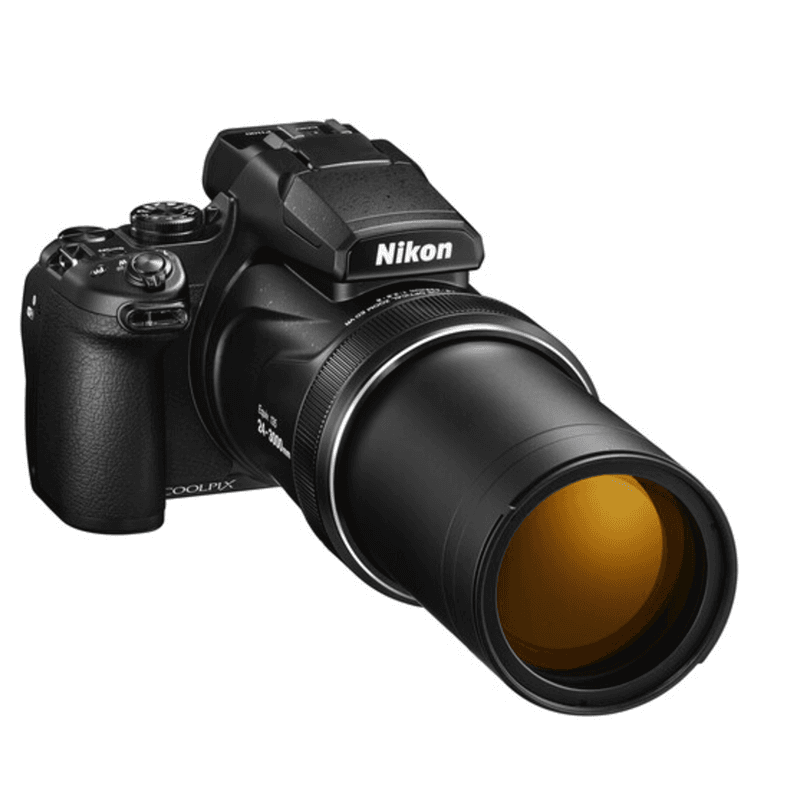
The Nikon COOLPIX P1100 is a superzoom that brings the Moon close without swapping lenses. Its extreme optical zoom can frame craters impressively for a compact camera. While the sensor is smaller, careful technique yields surprisingly detailed results.
Use lower ISO if possible and stabilize on a tripod to keep noise and blur down. Start near ISO 100-200, f/6.3-f/8, and 1/250-1/500 sec since the lens is long. Rely on manual focus or a dedicated moon mode if available, confirming clarity via magnified view.
Because air shimmer is magnified at long zoom, shoot several frames and choose the best. The P1100 makes moon photography accessible, ideal for travel or casual nights out. Plan timing with PhotoPills to catch colorful moonrise for dramatic context.
Canon PowerShot SX70 HS
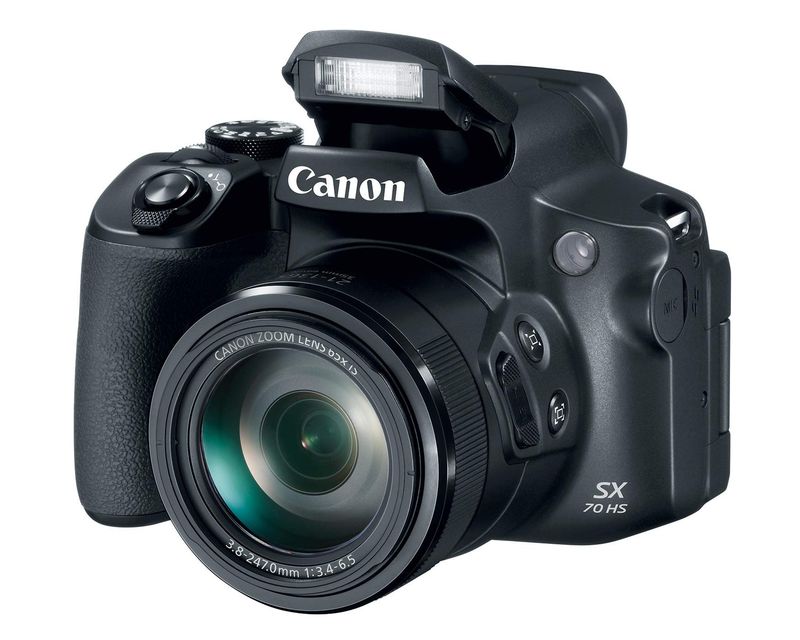
The Canon PowerShot SX70 HS offers a powerful 65x zoom that makes lunar close-ups feasible for beginners. Its compact design means you can carry it anywhere and be ready for a sudden moonrise. Manual controls help you dial in exposure so the Moon stays crisp, not blown out.
Start with ISO 100-200, f/6.5-f/8, and 1/250 sec, then refine using live view. Stabilize the camera and use a 2-second timer or remote to minimize shake. Manual focus with magnification is helpful when autofocus struggles at maximum zoom.
Shoot multiple frames to outsmart atmospheric turbulence, then pick the sharpest. The SX70 HS pairs well with PhotoPills for planning alignments over tree lines or buildings. With thoughtful settings and a steady stance, you can produce striking lunar disks on a budget.
Sony RX10 IV
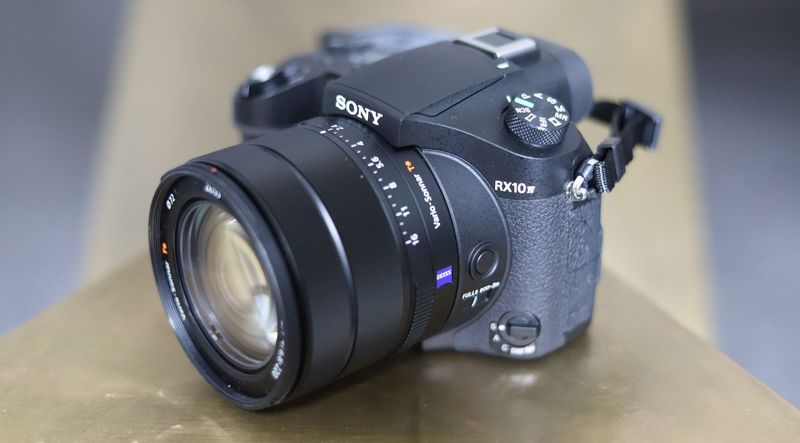
The Sony RX10 IV blends a 1-inch sensor with a 600 mm equivalent zoom, making a flexible moon rig in one body. Image quality outperforms most compact superzooms, and autofocus is fast for quickly acquiring the bright lunar disk. It is a great travel solution when you want simplicity.
Begin at ISO 100-200, f/5.6-f/8, and 1/250 sec, adjusting for haze and altitude. Manual focus plus focus peaking lets you refine sharpness across crater edges. Use a tripod for best results and a brief delay or remote trigger.
To add drama, plan moonrise over water using PhotoPills, then expose primarily for the Moon and manage reflections afterward. Shoot short bursts to mitigate shimmer and pick the cleanest frame. The RX10 IV’s JPEGs look good, but RAW gives more headroom for delicate sharpening.
Olympus OM-1 Mark II
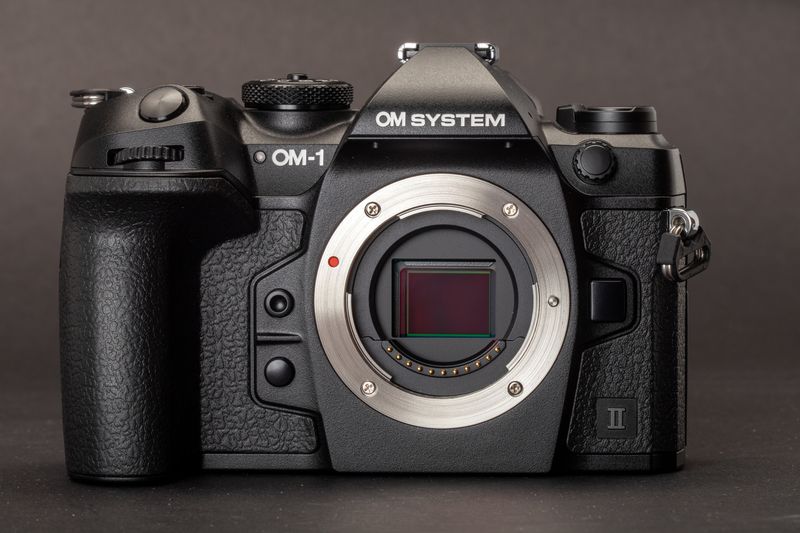
The Olympus OM-1 Mark II delivers class-leading stabilization and rugged reliability in a compact body. With a 300 mm Pro or 150-400 mm, the system’s crop factor yields excellent reach for lunar detail. The viewfinder and focus tools make manual tuning straightforward.
Start with ISO 200-400, f/7.1-f/9, and 1/250 sec, then adjust for phase and seeing conditions. Use manual focus with magnification and peaking to nail crater rims. On a tripod, turn stabilization off to avoid micro-movements.
Leverage high-res shot modes for static scenes if conditions are perfectly still. Plan moonrise or moonset with PhotoPills to place the disk neatly against peaks. The OM-1 Mark II is a dependable travel companion that punches above its size for clean lunar results.
Panasonic Lumix DC-FZ80 / FZ82
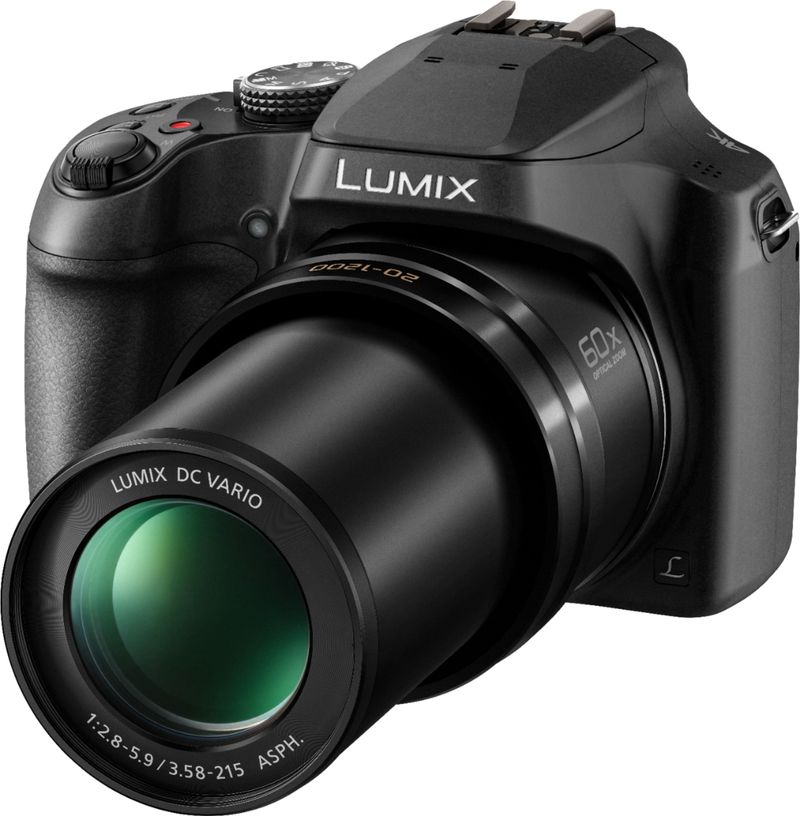
The Panasonic Lumix DC-FZ80, also called FZ82, is an excellent entry point for moon photography on a budget. Its 60x zoom lets you capture a sizable lunar disk without swapping lenses. With good technique, you can achieve sharp, contrasty results that impress friends and family.
Try ISO 100-200, f/6.3-f/8, and 1/250 sec, then refine while checking the histogram. Stabilize on a tripod and use a self-timer to limit shake. Manual focus helps when the autofocus hesitates at maximum zoom.
Atmospheric shimmer is your main enemy at long equivalent focal lengths, so capture short bursts and pick the best frame. Use PhotoPills to schedule colorful moonrises that add context to your image. The FZ80’s simplicity and reach make it a fun, practical choice for first moon shots.
Nikon Z9
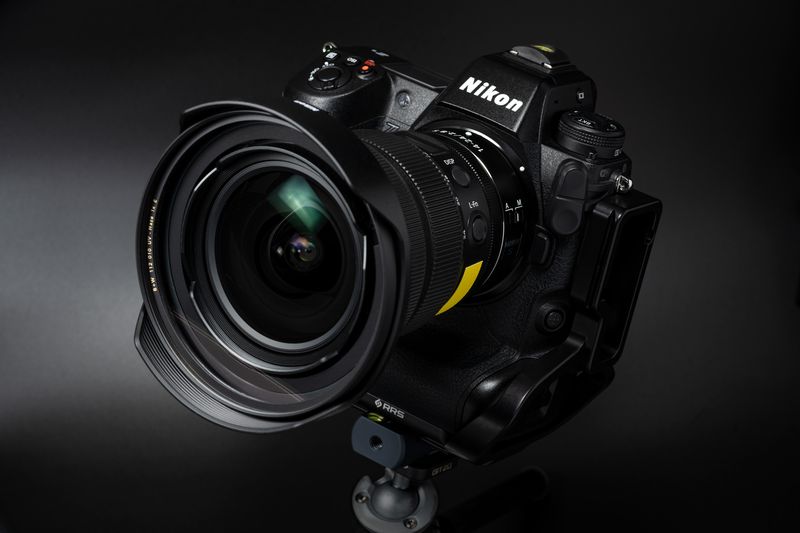
The Nikon Z9 is a pro workhorse that captures lunar texture with its 45.7 MP stacked sensor. Autofocus is confident, and the blackout-free view helps with precise framing at high focal lengths. With a 400 mm plus teleconverter or 600 mm lens, you can achieve exquisite crater detail.
Set manual exposure around ISO 64-200, f/8, and 1/200 sec, then refine for seeing. Use manual focus with magnification to overcome atmospheric shimmer. The Z9’s build and ergonomics make long sessions comfortable, even in cold conditions.
For compositions, plan telephoto moonrise against architecture using PhotoPills and a rock-solid tripod. Use the camera’s high-speed burst to cherry-pick moments of steady air. The files hold sharpening well, giving museum-grade prints when processed thoughtfully.
Share this story