America’s story includes countless brave individuals whose names rarely appear in textbooks. While we celebrate famous figures, many others worked tirelessly behind the scenes to secure the rights and freedoms we enjoy today. Their contributions shaped labor laws, civil rights, medical breakthroughs, and social justice movements that continue to impact millions of lives across the nation.
1. Frances Perkins
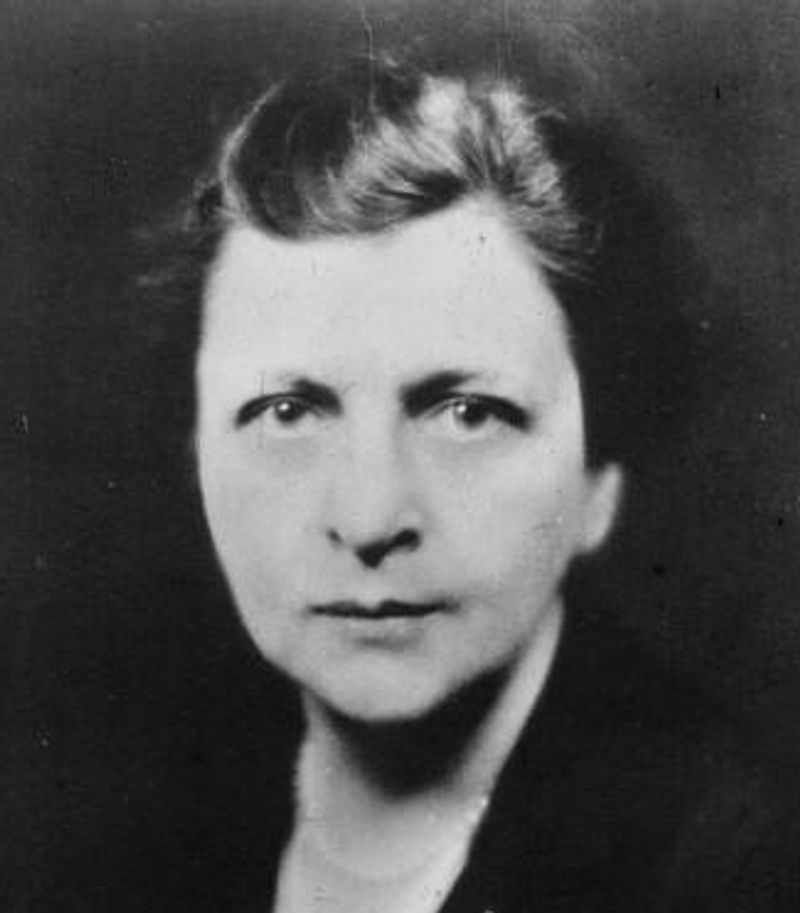
Frances Perkins broke barriers as the first woman to serve in a presidential cabinet. Working alongside President Franklin D. Roosevelt, she championed policies that transformed American life forever.
Her tireless advocacy brought us Social Security, which now supports millions of retirees and disabled Americans. She also fought for minimum wage laws, unemployment insurance, and the 40-hour work week. These protections remain essential to workers across the country, yet few people recognize her name or understand her enormous impact on everyday life.
2. Clara Lemlich
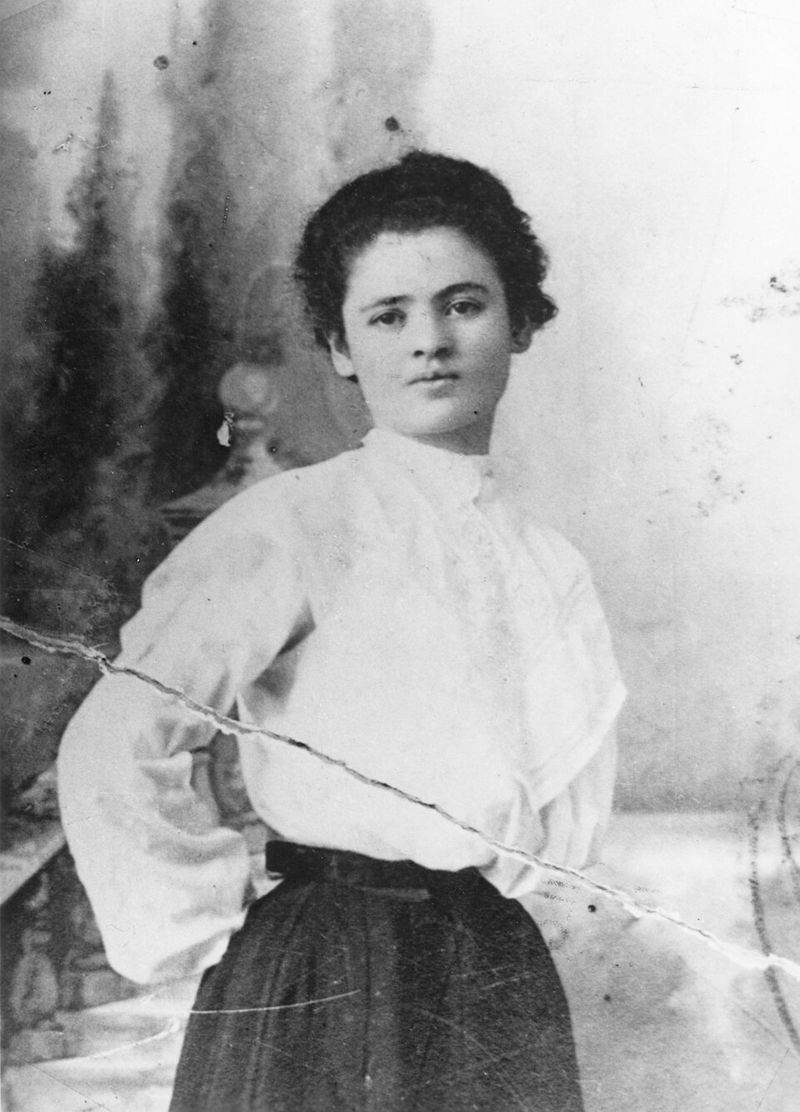
At just 23 years old, Clara Lemlich stood before thousands of garment workers and delivered a fiery speech in Yiddish. Her words sparked the massive 1909 Uprising of the 20,000, one of the largest strikes by women workers in American history.
Working in dangerous sweatshops herself, she understood the desperate need for change. The strike she helped ignite led to safer working conditions and better pay for thousands of immigrant workers. Her courage showed that ordinary people could stand up to powerful factory owners and win meaningful reforms.
3. Bayard Rustin

Behind the iconic 1963 March on Washington stood a brilliant strategist named Bayard Rustin. He orchestrated the logistics for over 250,000 people, creating one of history’s most powerful demonstrations for civil rights.
Despite his crucial role, Rustin remained largely invisible in history books. His identity as a gay man meant other leaders often pushed him to the background, fearing controversy. Yet his expertise in nonviolent protest shaped the entire civil rights movement, influencing tactics that brought about landmark legislation and social change across America.
4. Claudette Colvin
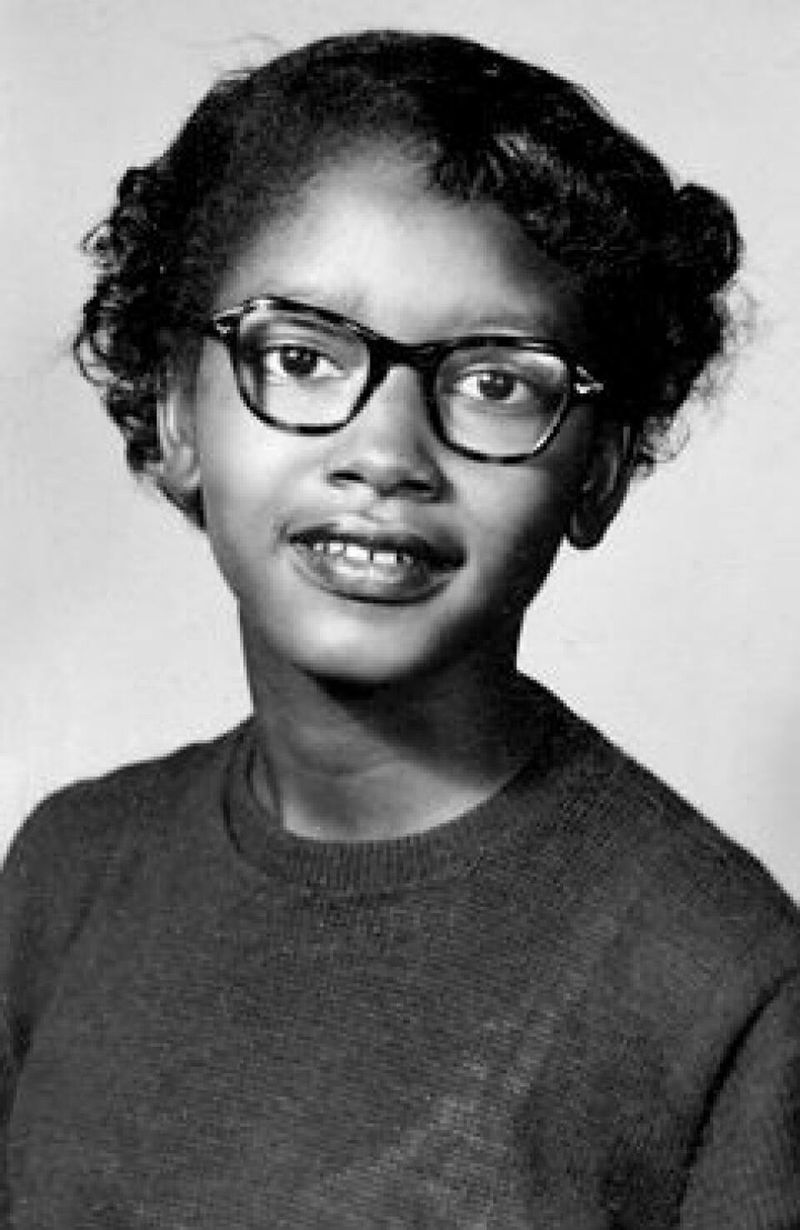
Nine months before Rosa Parks, 15-year-old Claudette Colvin refused to surrender her bus seat in Montgomery, Alabama. Police dragged her off the bus, arrested her, and charged her with violating segregation laws.
Her bravery didn’t end there. Colvin became one of four plaintiffs in Browder v. Gayle, the federal case that actually ended bus segregation in Montgomery. Though younger and less polished than Parks, her willingness to fight in court proved essential to the legal victory that changed transportation forever.
5. Pauli Murray
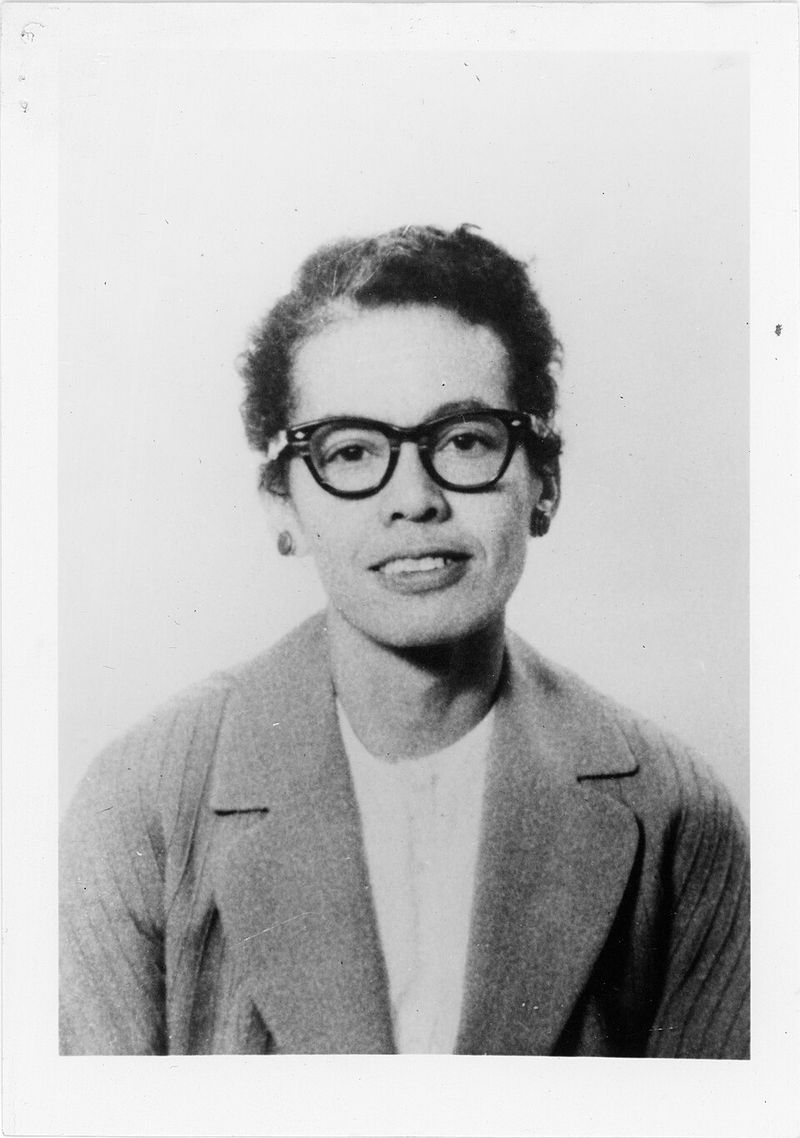
Pauli Murray’s brilliant legal mind challenged both racial and gender discrimination simultaneously. As a lawyer, writer, and activist, Murray developed arguments that would later appear in landmark Supreme Court cases.
Ruth Bader Ginsburg cited Murray’s work when arguing for gender equality before the highest court. Murray also helped found the National Organization for Women and became one of the first African American women ordained as an Episcopal priest. Their scholarship created frameworks for understanding intersecting forms of discrimination that continue guiding civil rights law today.
6. Charles Hamilton Houston
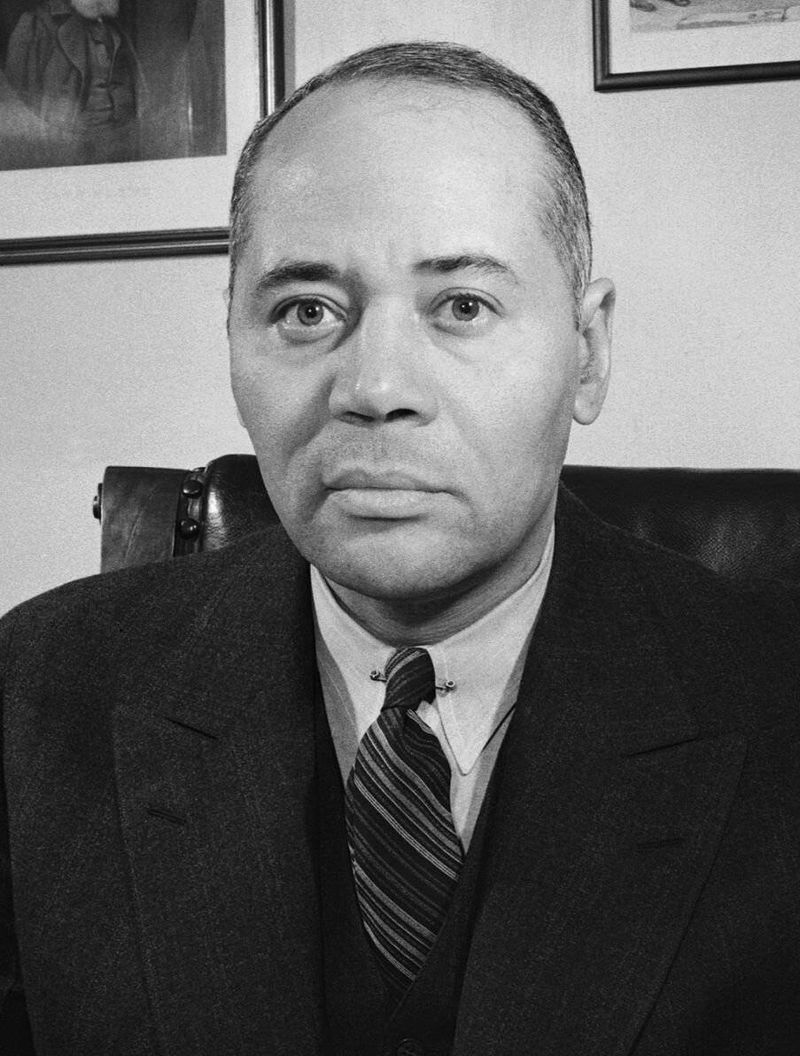
Charles Hamilton Houston transformed Howard University Law School into a training ground for civil rights warriors. His students, including Thurgood Marshall, would go on to dismantle segregation through the courts.
Houston himself argued several cases before the Supreme Court, developing the legal strategy that eventually toppled Jim Crow laws. He believed lawyers should be social engineers, using the law to rebuild society more justly. His methodical approach to challenging segregation laid every brick in the foundation that made Brown v. Board of Education possible.
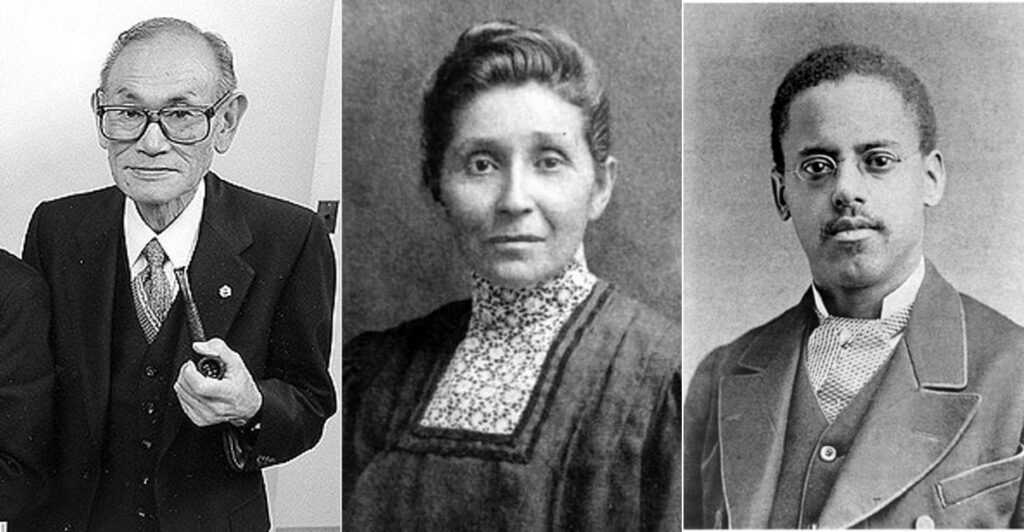
7. Fred Korematsu
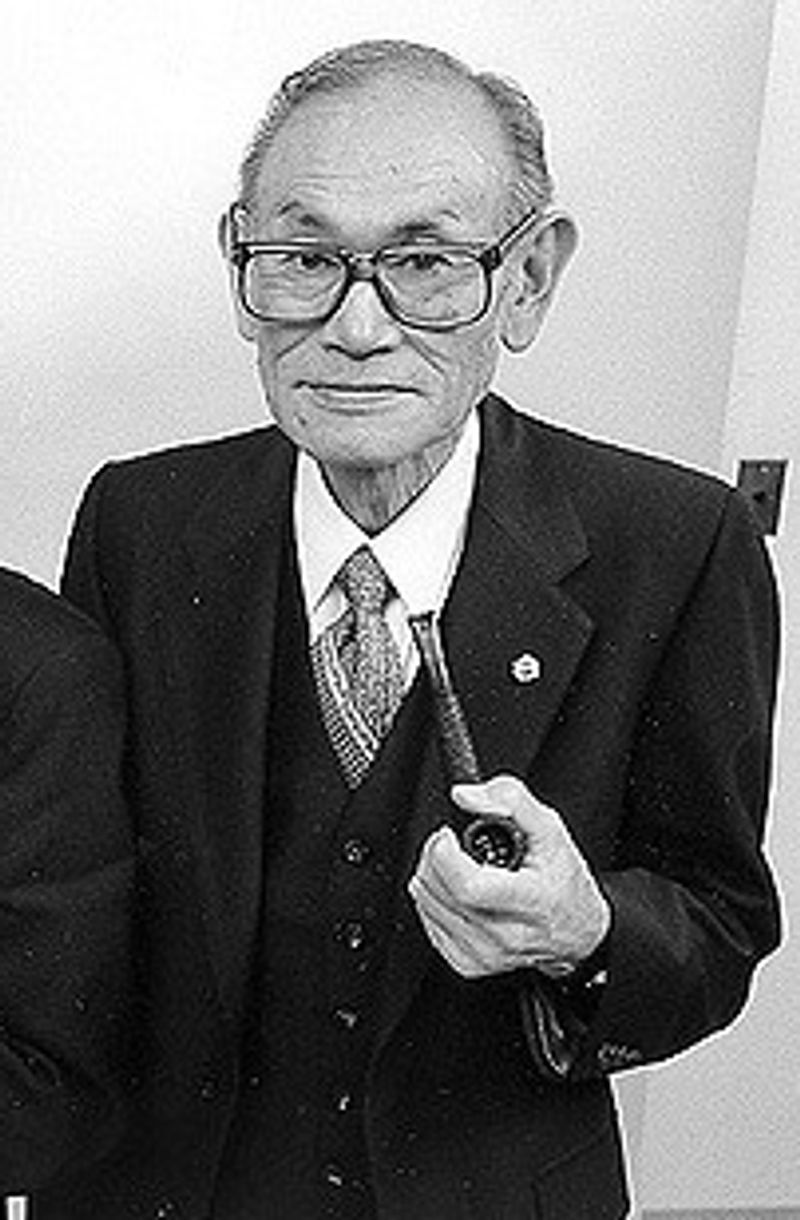
When the government ordered Japanese Americans into internment camps during World War II, Fred Korematsu refused to go. His defiance led to arrest and a Supreme Court case that bears his name.
Though he lost the case in 1944, decades later a federal court overturned his conviction, finding government misconduct. Korematsu’s stand became a powerful symbol of resisting injustice even when courts fail. His case is still studied and cited whenever constitutional rights face threats during national emergencies or crises.
8. Dr. Susan La Flesche Picotte
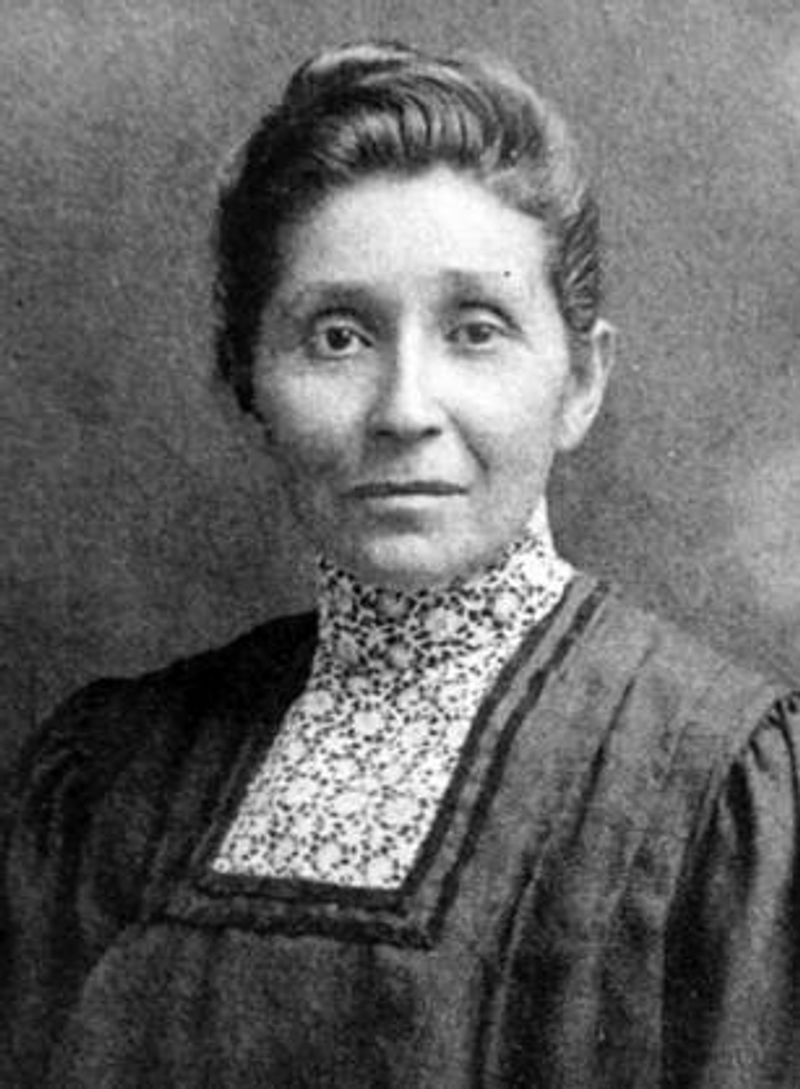
Dr. Susan La Flesche Picotte became the first Native American woman to earn a medical degree in 1889. She returned to her Omaha community in Nebraska to provide care across a vast rural territory.
Often traveling by horse and buggy, she treated hundreds of patients while advocating for public health improvements and Native rights. Picotte also fought against alcohol sales on reservations and worked to secure land rights for her people. Her combination of medical expertise, cultural understanding, and tireless advocacy transformed healthcare access for an underserved community.
9. Zitkala-Ša
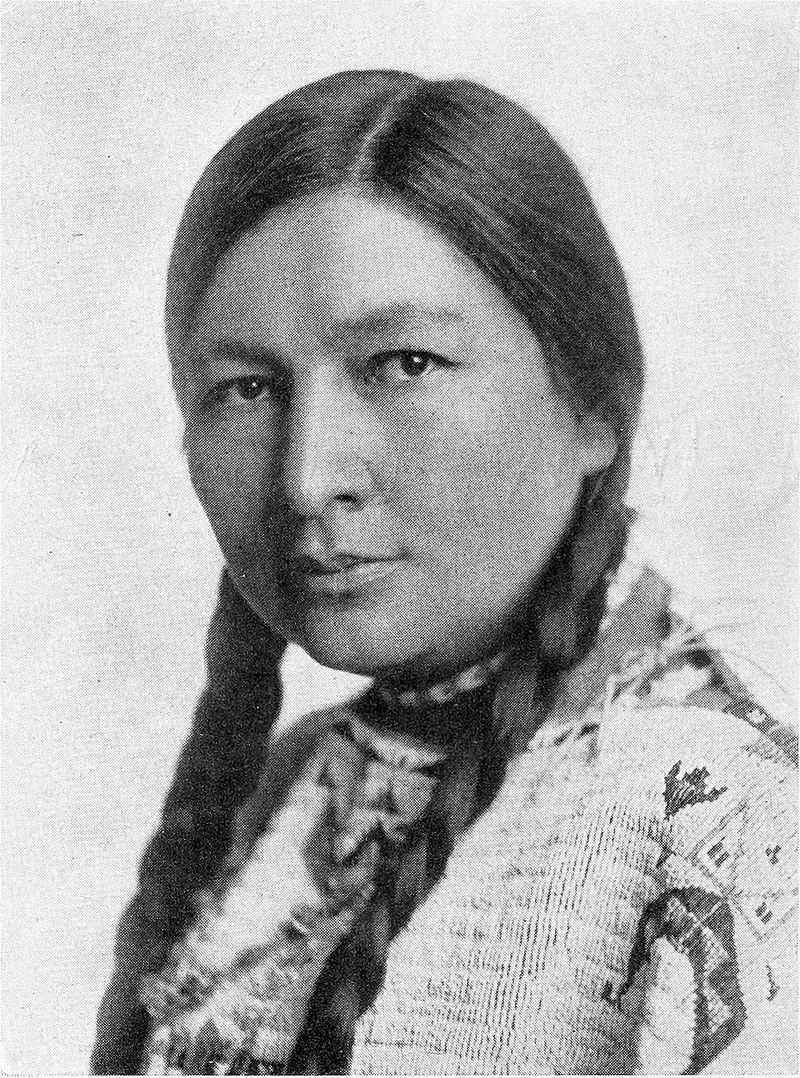
Zitkala-Ša, born Gertrude Bonnin, used her pen as a weapon against injustice. Her essays and stories exposed the harsh realities of Native American boarding schools and federal policies that harmed Indigenous communities.
She co-founded the National Council of American Indians and lobbied Congress for citizenship rights and better treatment. Zitkala-Ša also collected traditional stories and composed music, preserving cultural heritage while fighting for political change. Her multifaceted activism helped secure the Indian Citizenship Act of 1924, granting citizenship to all Native Americans born in the United States.
10. Robert Smalls
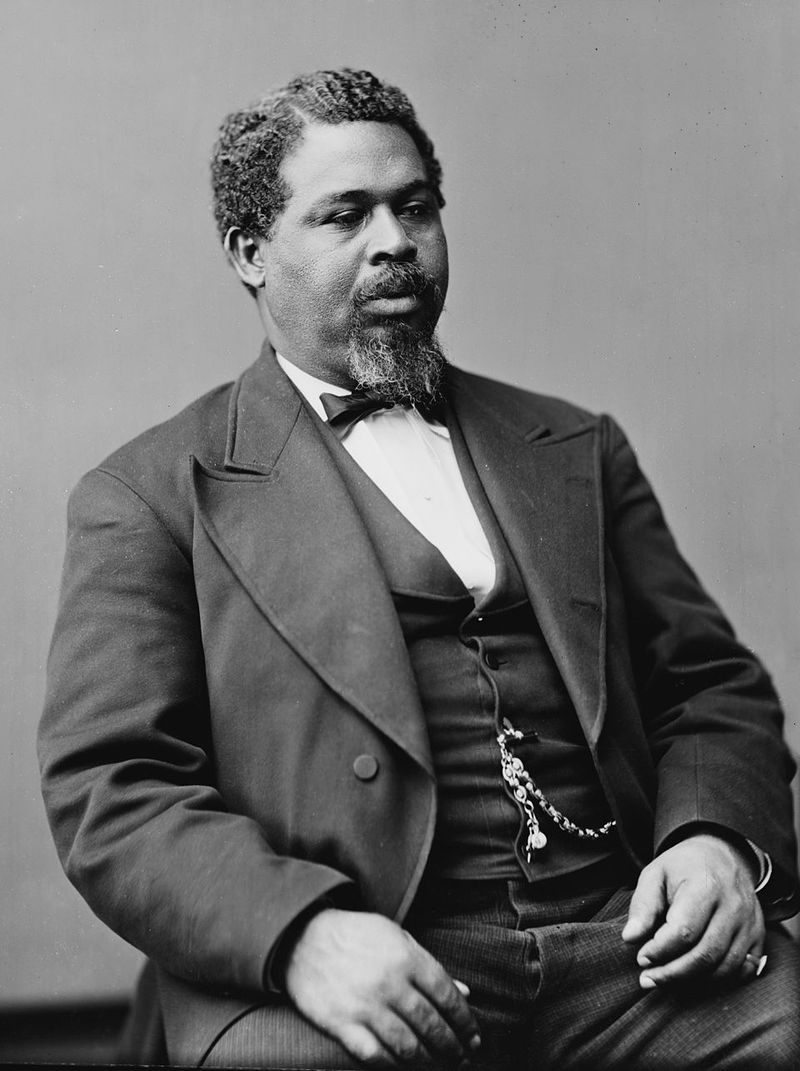
Robert Smalls pulled off one of the Civil War’s most daring escapes in 1862. Enslaved and working as a ship pilot, he commandeered the Confederate steamer Planter and sailed it past enemy fortifications to Union lines, freeing himself and 15 others.
His heroic act earned him fame and a position in the Union Navy. After the war, Smalls served five terms in Congress during Reconstruction, fighting for civil rights and education. His remarkable journey from slavery to the halls of power demonstrates extraordinary courage and leadership.
11. Lewis Latimer
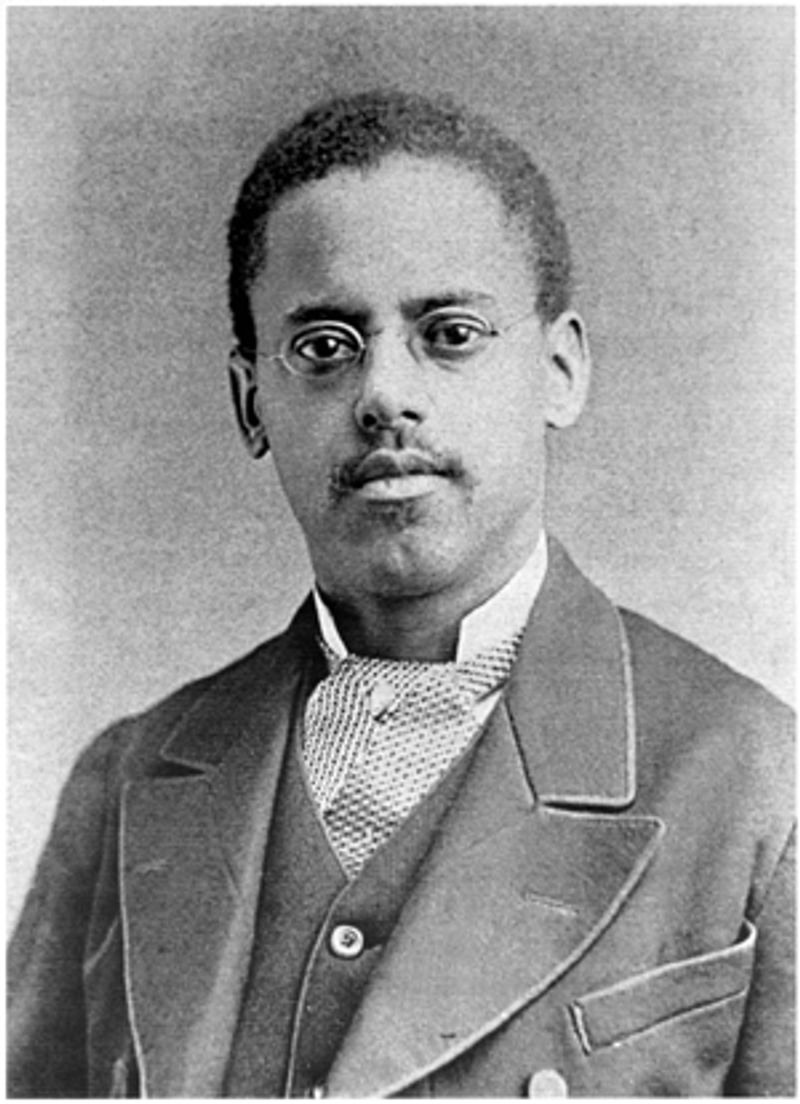
Lewis Latimer’s innovations made electric lighting practical for everyday use. Working with both Alexander Graham Bell and Thomas Edison, he improved carbon filaments to make light bulbs last longer and cost less.
His technical drawings helped secure Bell’s telephone patent, and he wrote the first book explaining electric lighting systems. Latimer also supervised installation of lighting in New York, Philadelphia, and London. Despite his crucial contributions to technologies we use daily, his name rarely appears alongside the famous inventors he worked with and sometimes surpassed in ingenuity.
12. Virginia Hall

Virginia Hall became one of the most effective Allied spies in Nazi-occupied France despite having a prosthetic leg. She organized resistance networks, coordinated supply drops, and planned sabotage operations right under German noses.
The Gestapo desperately hunted her, calling her the most dangerous Allied spy. Hall escaped across the Pyrenees mountains on foot, then returned to France to continue her dangerous work. She earned the Distinguished Service Cross, becoming the only civilian woman to receive this high military honor during World War II for her extraordinary courage and effectiveness.
13. Dr. Mary Edwards Walker

Dr. Mary Edwards Walker served as a surgeon during the Civil War, often crossing Confederate lines to treat wounded soldiers. Her medical skills and bravery led to her capture and imprisonment as a spy.
After the war, President Andrew Johnson awarded her the Medal of Honor, making her the only woman ever to receive this recognition. Walker also championed women’s rights and dress reform, often wearing men’s clothing when arrested for it. Her refusal to conform and her dedication to service challenged every expectation of what women could do or be.
14. Dr. Charles Drew
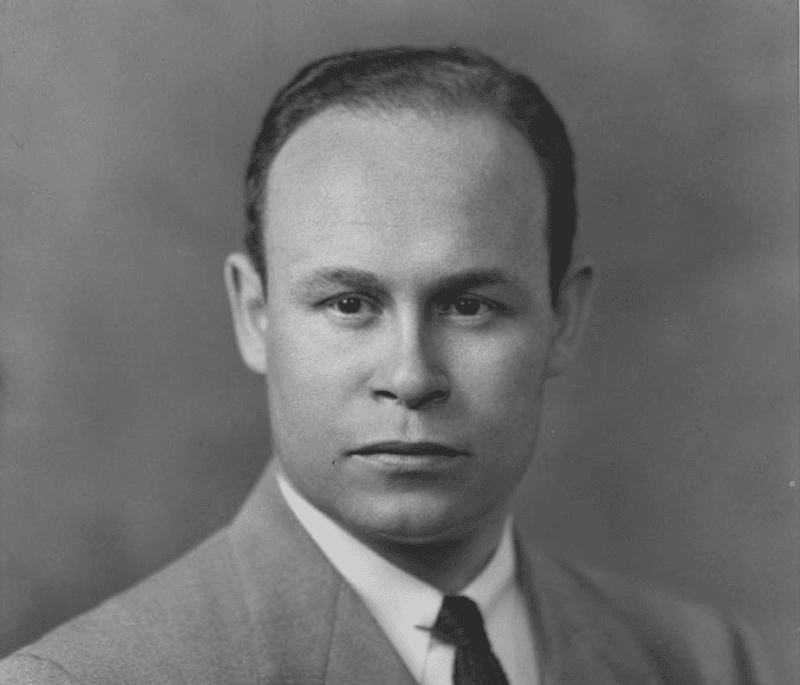
Dr. Charles Drew revolutionized emergency medicine by developing large-scale blood banks and improved methods for preserving blood plasma. His research during World War II saved countless lives on battlefields and in hospitals.
He directed the first major blood bank programs in both Britain and America. Tragically, Drew resigned from the Red Cross when it insisted on segregating blood donations by race, a policy he knew had no scientific basis. His medical innovations continue saving lives daily, while his stand against discrimination reminds us that scientific truth must overcome prejudice.
15. Alice Ball
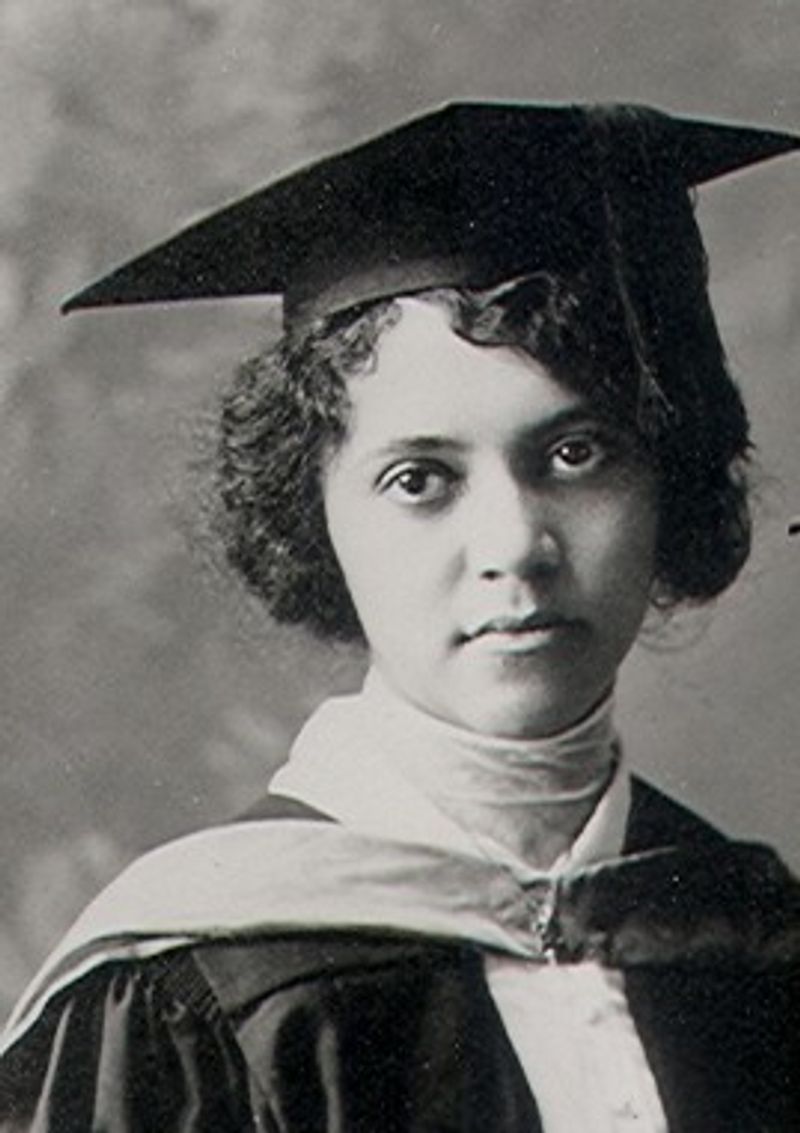
Alice Ball developed the most effective treatment for Hansen’s disease, commonly called leprosy, when she was just 23 years old. Her innovative method using chaulmoogra oil derivatives offered real hope to thousands suffering from this devastating illness.
Tragically, Ball died at 24 before publishing her findings. A colleague took credit for her work, calling it the Dean Method instead of acknowledging her breakthrough. Decades later, historians uncovered the truth and restored her rightful recognition. Ball’s short life produced scientific advances that relieved suffering for countless patients worldwide.
16. Vivien Thomas

Vivien Thomas never attended medical school, yet he developed groundbreaking heart surgery techniques at Johns Hopkins Hospital. Working alongside surgeon Alfred Blalock, Thomas perfected a procedure to treat blue baby syndrome, a deadly heart defect.
Despite his crucial contributions, Thomas received a janitor’s salary for years because of his race. He trained generations of surgeons in delicate cardiac procedures while being denied the title of doctor himself. Johns Hopkins eventually awarded him an honorary doctorate, recognizing that his hands and mind had transformed cardiac surgery and saved thousands of young lives.
17. Jovita Idár
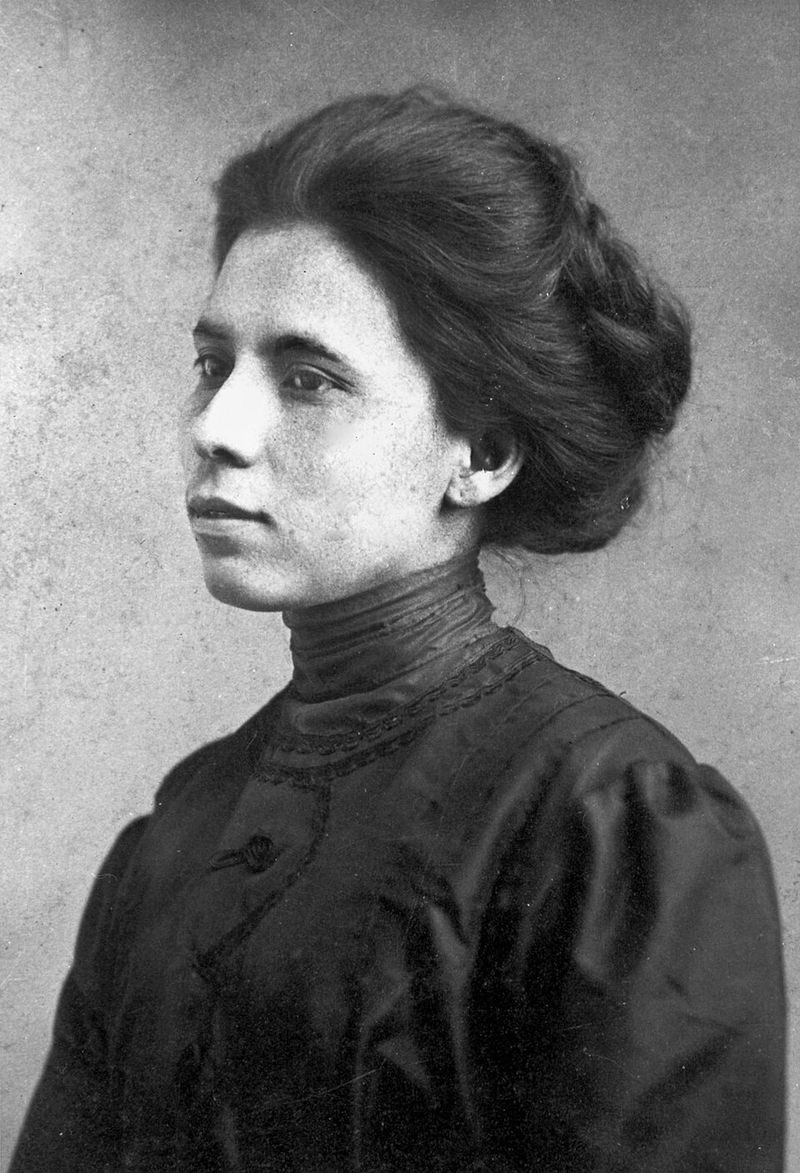
Jovita Idár used journalism to fight injustice along the Texas-Mexico border in the early 1900s. She wrote fearlessly about discrimination, violence against Mexican Americans, and educational inequality.
When Texas Rangers tried to shut down her newspaper for criticizing President Wilson, Idár stood in the doorway and refused them entry. She also organized La Liga Femenil Mexicanista to provide education for Mexican American children. Her courage in using the press as a tool for justice and her willingness to physically stand against intimidation made her a pioneering voice for civil rights decades before the movement gained national attention.
Share this story