The 1950s sparkle in memory like a polished chrome bumper, but everyday life back then ran on rules that would stun you now. Peek behind the black-and-white glow and you will find habits that felt sensible at the time, and risky or quirky today. Consider what you accept as normal this week, then imagine it flipped. Ready to time travel a little and compare notes with your grandparents?
1. Smoking Everywhere – Even in Hospitals

In the 1950s, lighting up almost anywhere felt ordinary, from hospital rooms to office desks and airplane aisles. Even advertisements featured doctors smiling with a pack in hand.
Today, smoke-free signs guard most doors, and secondhand smoke is widely recognized as dangerous. You probably would not even consider sparking one indoors. That shift came through research, lawsuits, and public health campaigns. We traded the ashtray for clean air and designated spaces.
2. TVs With Just Three Channels
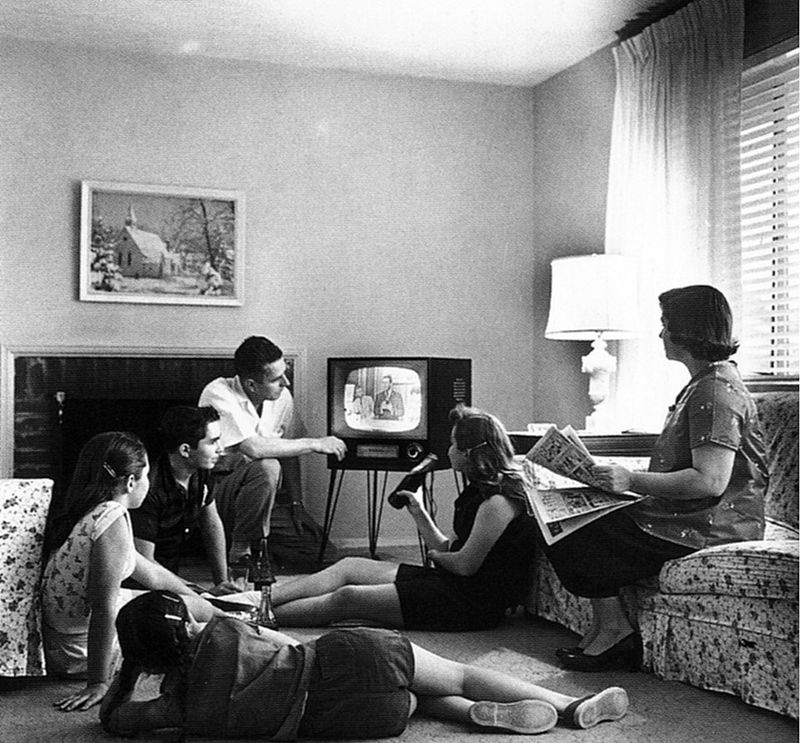
You did not scroll for hours. In the 1950s, most households had three broadcast channels, maybe a local station, and later PBS. Changing shows meant walking up and turning the dial, often adjusting rabbit ears like a miniature ritual.
Now you juggle streaming apps, recommendation algorithms, and endless queues. Back then, programming united neighborhoods because everyone watched the same shows. Appointment TV created shared jokes at school and work. Fewer choices meant deeper conversations and less FOMO.
3. Kids Roaming Free All Day
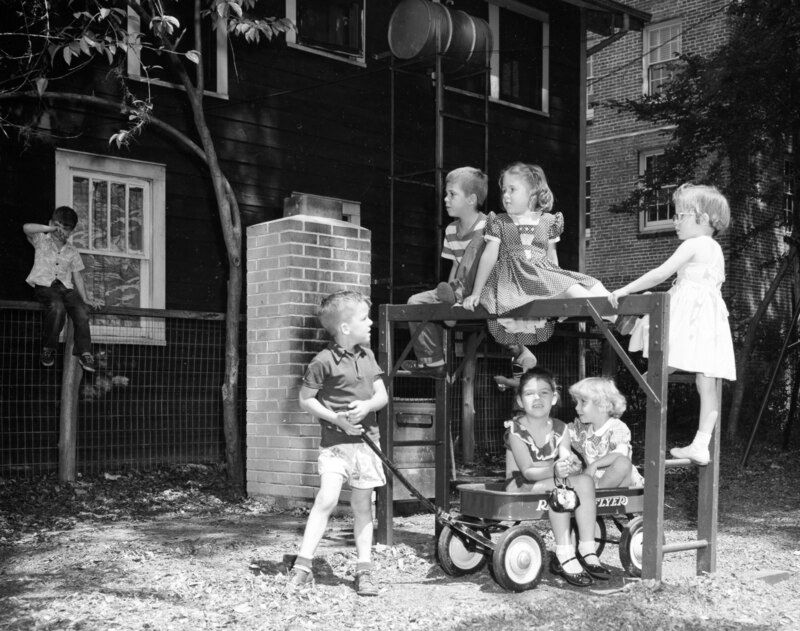
Summer mornings started with a shout: be home before dark. Kids roamed on bikes, explored creeks, and traded baseball cards without check-ins. No phones, no GPS, just informal rules and neighborhood watchfulness.
Today, group texts, location sharing, and organized activities structure play. You might schedule hangouts instead of wandering. The old freedom felt expansive, but it relied on tighter-knit communities and different risk tolerance. Many still chase that spirit with parks, trail time, and screen breaks.
4. Fixing Things Instead of Replacing Them
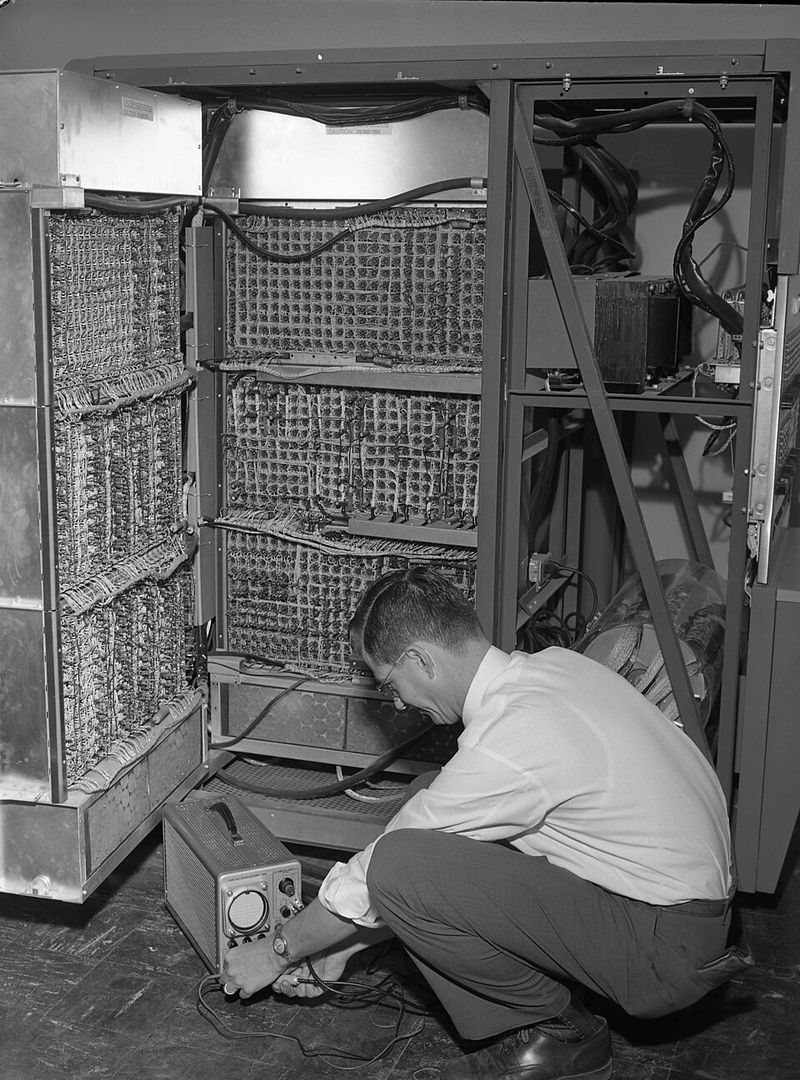
When something broke, you grabbed a screwdriver, not a shopping cart. Toasters, radios, and shoes went to repair shops, and socks got darned by lamplight. The default was fix, not toss.
Today, sealed devices, cheap imports, and fast shipping entice you to replace. Repair culture is returning through right-to-repair laws and maker spaces. The 1950s mindset stretched budgets and skills, creating pride in keeping things running. It turns out maintenance can feel empowering, and sustainable too.
5. One Car per Family (If That)
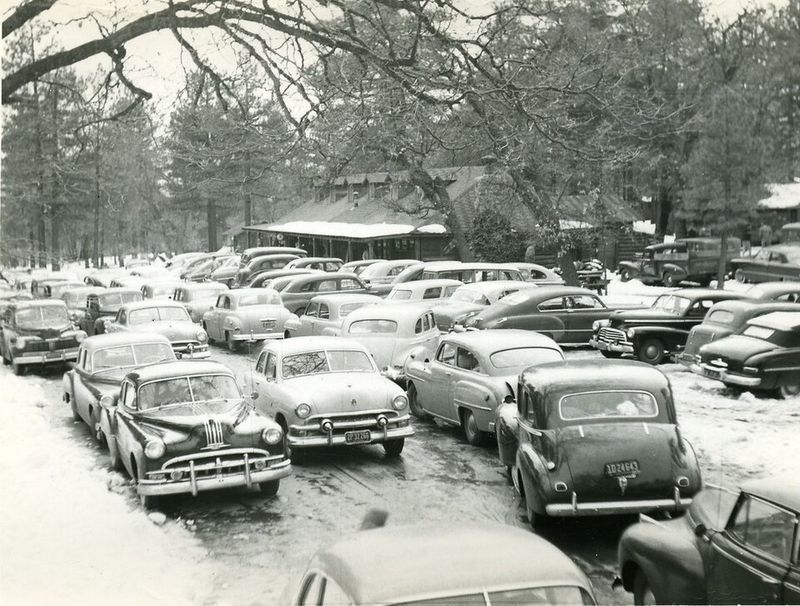
Many families owned one car, and Dad usually drove it to work. Errands waited, carpools mattered, and weekend drives were events. Streets felt slower, and parking lots smaller.
Now, two-car households are common, rideshares abound, and transit options differ by city. You might barely notice how mobility shapes schedules. In the 1950s, planning revolved around that single set of keys. Sharing a car created patience, negotiation, and the art of making one trip count.
6. Milk Delivered to Your Doorstep
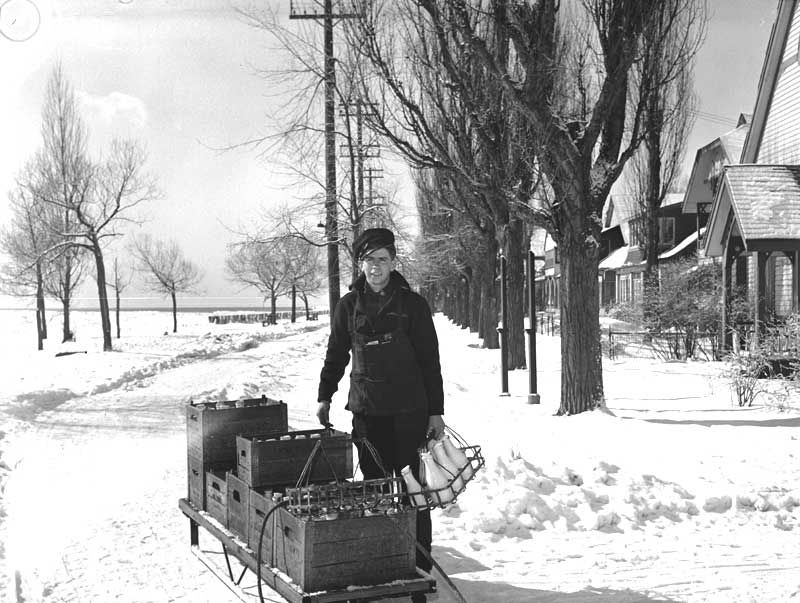
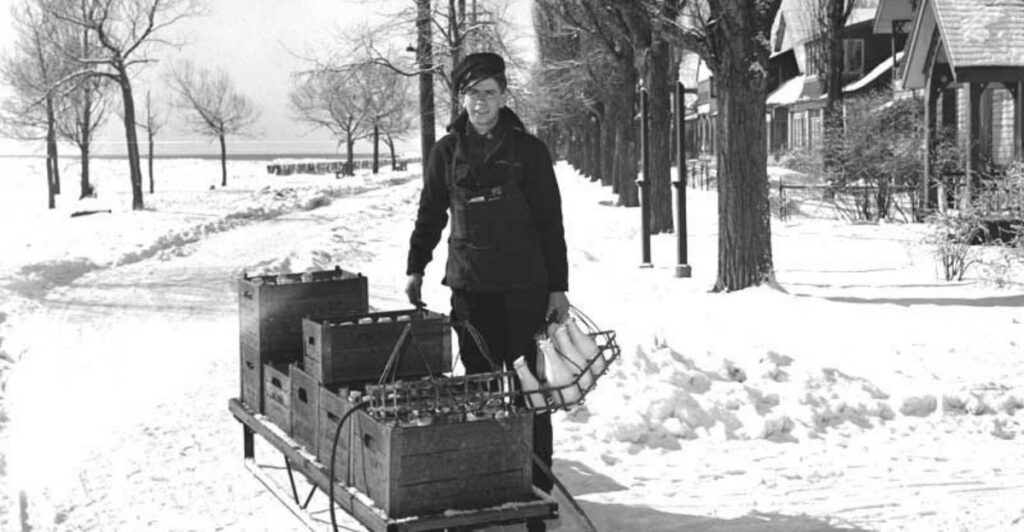
The milkman knew your route, swapped empties for fresh glass, and left a handwritten tab. Refrigerators were smaller, and local dairies were part of everyday rhythm.
Today, grocery apps and supermarkets replaced the doorstep ritual, though some neighborhoods revive it with boutique dairies. You would likely scroll and tap instead of listening for a truck. Still, the nostalgia lingers. The practice connected neighbors and makers, turning breakfast into a tiny community moment.
7. Women Always Wearing Dresses
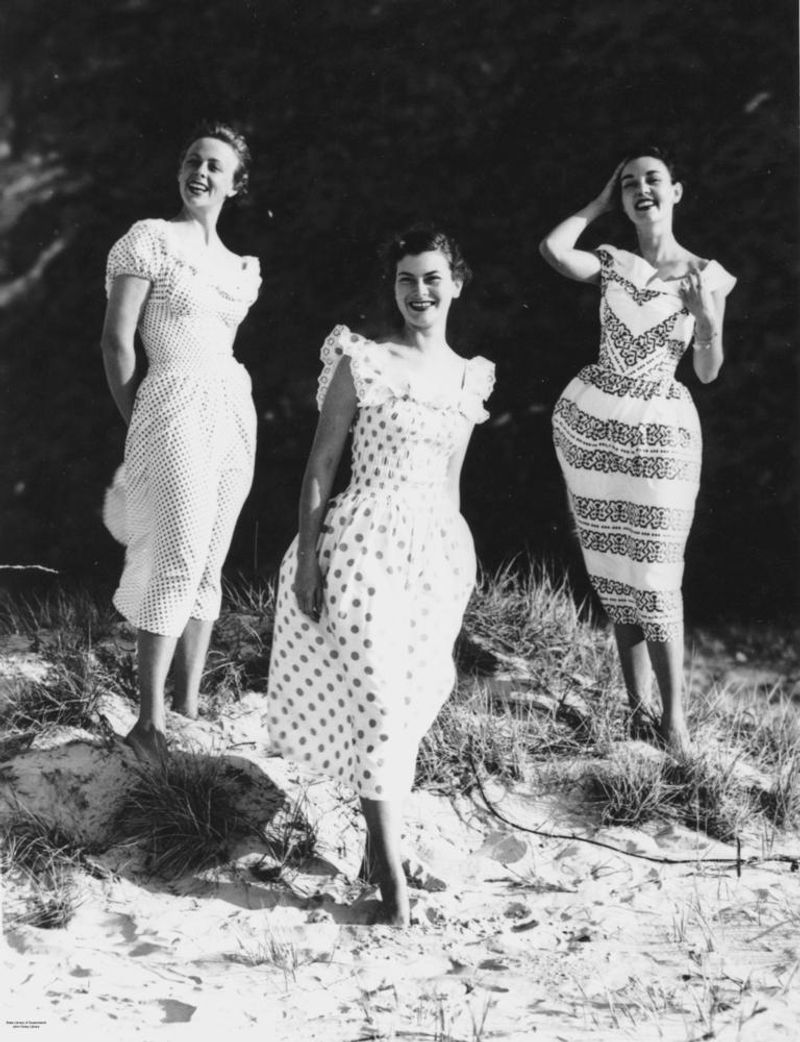
Housework in heels was not a joke in glossy ads. Dresses, stockings, and pearls presented a polished ideal for women, even while vacuuming or serving dinner. Home looked like a stage, and outfits played a part.
Today, leggings and sneakers rule the weekend, and dress codes have relaxed everywhere. You might still enjoy dressing up, but it is a choice, not an expectation. The shift reflects changing gender roles and comfort winning over performative neatness.
8. Everyone Dressed Up to Fly
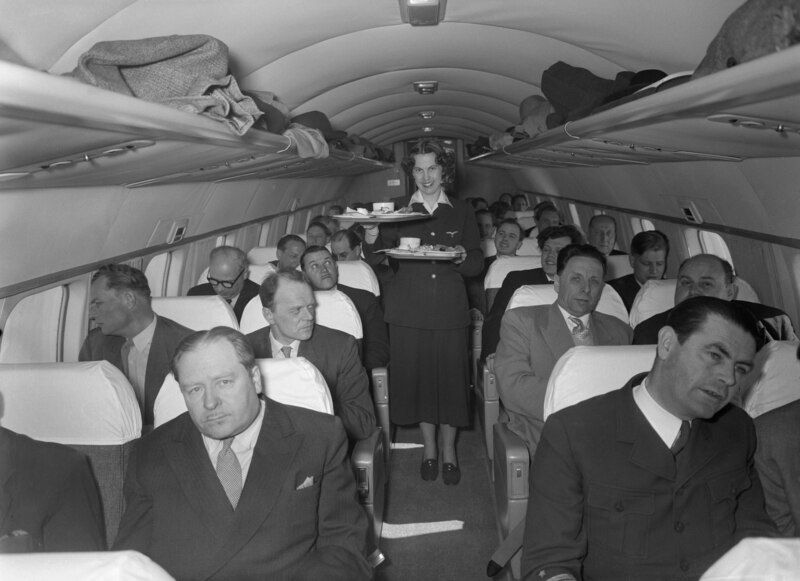
Flying felt glamorous, expensive, and rare. Travelers put on suits, ties, and elegant dresses, treating the cabin like a theater. Meals arrived on real plates with silverware, and service had ceremony.
Today, you might board in hoodies and headphones, prioritizing comfort and price. Air travel is accessible and routine, which turned the dress code casual. The romance faded, but more people can see the world. That tradeoff reshaped expectations around space, cost, and manners.
9. House Calls from the Doctor
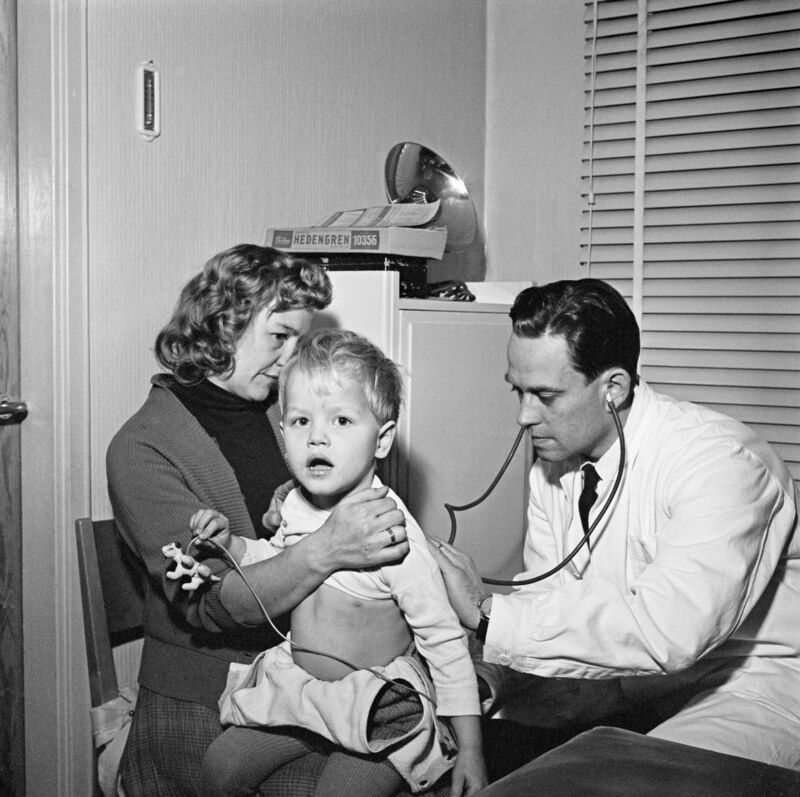
Feeling sick meant waiting on the couch for a knock. Doctors carried black bags, listened by lamplight, and wrote prescriptions on your coffee table. Payment might be cash or a note.
Today, urgent care, telehealth, and insurance portals structure care. You probably message a nurse instead of calling a family doctor. House calls still exist, but they are niche. The 1950s model prized continuity and proximity, something modern systems try to rebuild with digital tools.
10. Cold War Duck-and-Cover Drills
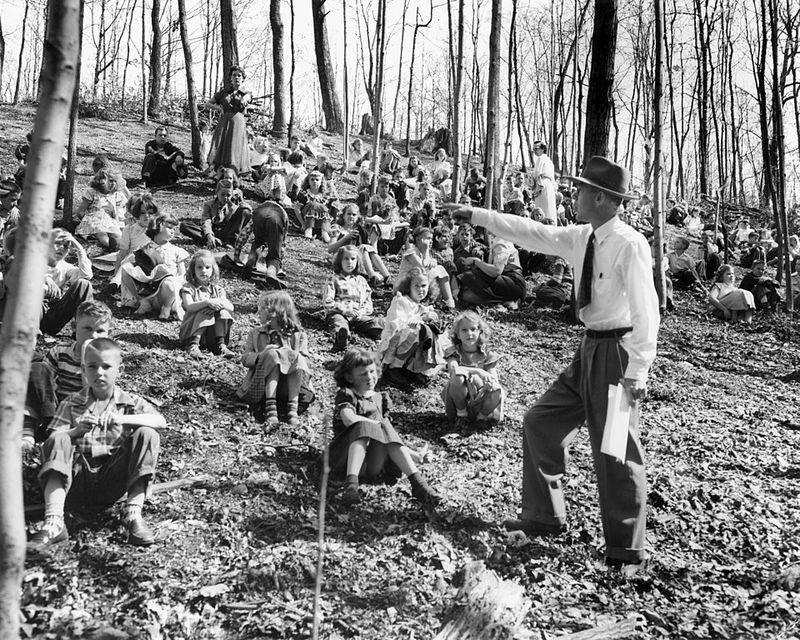
School days sometimes paused for sirens and drills. Kids tucked under desks, covered necks, and practiced for nuclear blasts as if wood could stop radiation. It was a ritual of reassurance more than protection.
Today, safety drills focus on different threats, and nuclear education looks franker. You might learn the history and feel the anxiety baked into those films. The 1950s fear shaped architecture, public messaging, and childhood memories.
11. Only One Bathroom in the House

Morning rush with one bathroom demanded choreography. A family of five shuffled through brushing, shaving, and showering on a tight clock. Privacy was scarce, and patience was currency.
Today, multiple baths feel standard in many homes, shrinking those lines. You probably would not tolerate that wait now. Still, the old setup taught cooperation and quick routines. It turned a hallway into a stage for everyday negotiation.
12. TV Dinners on Metal Trays
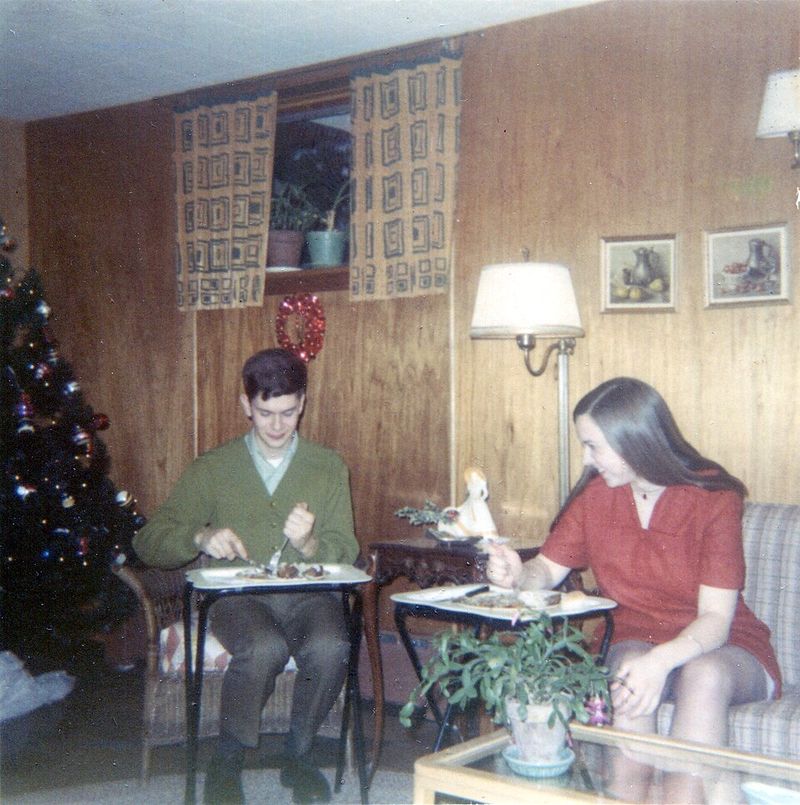
Frozen meals arrived like miniature banquets in compartmented aluminum. You popped them in the oven, slid them onto tray tables, and ate while watching the evening lineup. Convenience tasted futuristic.
Today, microwaves, meal kits, and delivery make dinner even faster. You might still love a nostalgic bite, but expectations changed around nutrition and packaging. Those little sections promised variety, even if peas met gravy. The ritual made television the dining room centerpiece.
13. Advertising with Outrageous Claims

Ads confidently promised miracles. You saw doctors endorsing cigarettes, soaps promising better sleep for babies, and tonics for everything. Fine print was flimsy, and trust was glossy.
Today, regulations, disclaimers, and watchdogs curb wild claims. You still see hype, but evidence matters more. You probably search reviews before buying. The old approach reveals how authority and aesthetics once sold risk as reassurance.
14. Sunday Was a Day of Rest — Literally
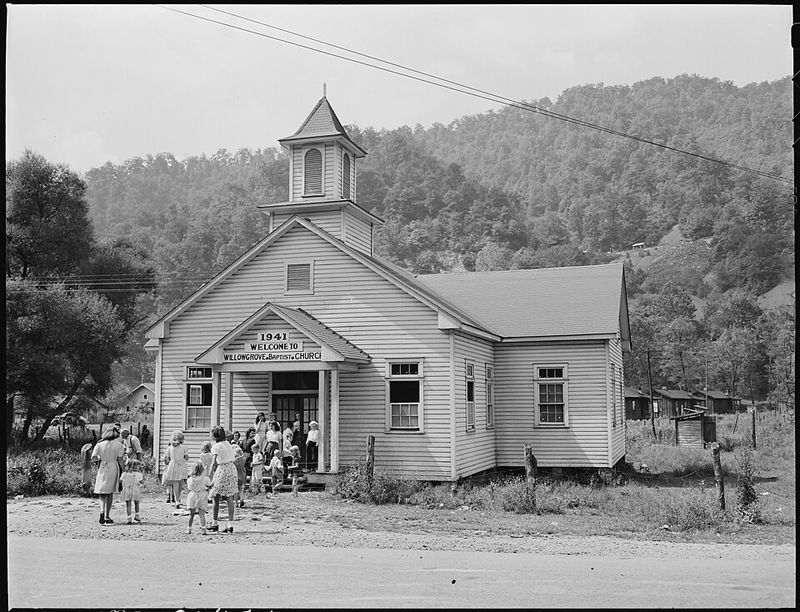
Sunday slowed to a hush. Stores locked doors, streets felt empty, and families gathered for meals after church or neighborhood visits. The rhythm enforced rest and togetherness.
Today, 24-7 commerce, streaming, and side hustles blur weekends. You might squeeze errands into every spare hour. Blue laws faded, but so did built-in pauses. Some people now schedule digital sabbaths to recapture that pause on purpose.
Share this story