Ready to ditch parking hassles and glide through cities at street level Instead of fighting traffic, you can drift from café to museum to riverside path with nothing but comfy shoes and a transit card. These destinations reward curiosity, offering compact centers, pedestrian zones, and fast connections that keep you moving with zero stress. Come see how effortless urban exploring can be when the city is designed around you.
Paris, France — Strollable Boulevards & Iconic Sights

Start your Paris day along the Seine, where quays turn into promenades and bridges invite detours. You can wander from the Louvre to Notre Dame, then pause for flaky pastries without worrying about parking or traffic. Metro lines knit everything together, so longer hops feel easy and spontaneous.
Neighborhoods like Le Marais, Saint Germain, and Montmartre reward slow strolling with galleries, vintage shops, and corner cafés. Broad boulevards and intimate courtyards mix effortlessly, creating routes that feel both grand and personal. When feet tire, trams and buses glide you toward river beaches or leafy parks.
Car free habits fit naturally here, with bike lanes and pedestrianized streets leading to markets brimming with cheese, flowers, and chatter. You can chase sunset at Trocadéro, then drift home along lamp lit avenues. Every turn delivers a postcard moment, and the journey feels as satisfying as the destination.
Tokyo, Japan — Efficient Transit & Walkable Districts
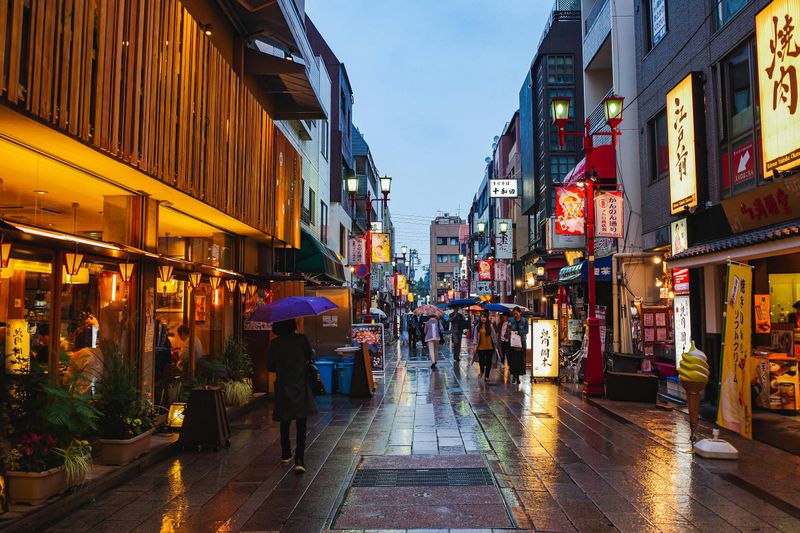
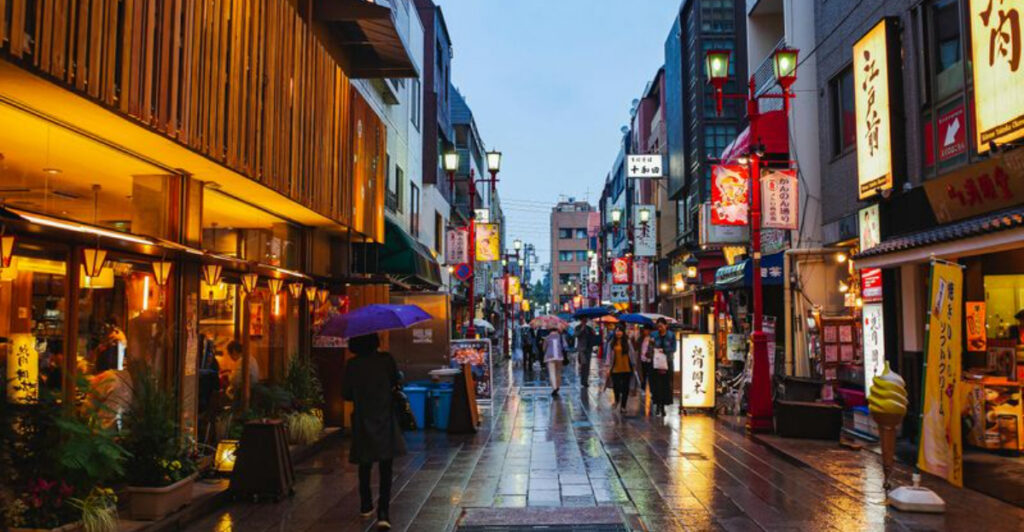
Tokyo makes car free travel feel seamless, thanks to punctual trains and subways that thread every district. You can step off in Shibuya for the scramble crossing, then wander to boutique alleys and ramen counters. Wayfinding is clear, stations are spotless, and transfers rarely take more than minutes.
Walk Asakusa’s temple grounds in the morning, then ride to Harajuku for crepe stands and quirky fashion. Parks like Ueno and Yoyogi deliver green breaks, while arcades and depachika food halls tempt between steps. Quiet residential lanes reveal shrines, vending machines, and neighborhood cafés.
With Suica or Pasmo in your pocket, planning melts away and curiosity leads. Trains arrive frequently, so detours feel encouraged rather than risky. Even late at night, streets stay lively and safe, making long walks between stations a pleasure instead of a chore.
Amsterdam, Netherlands — Canals, Bikes & Flat Streets
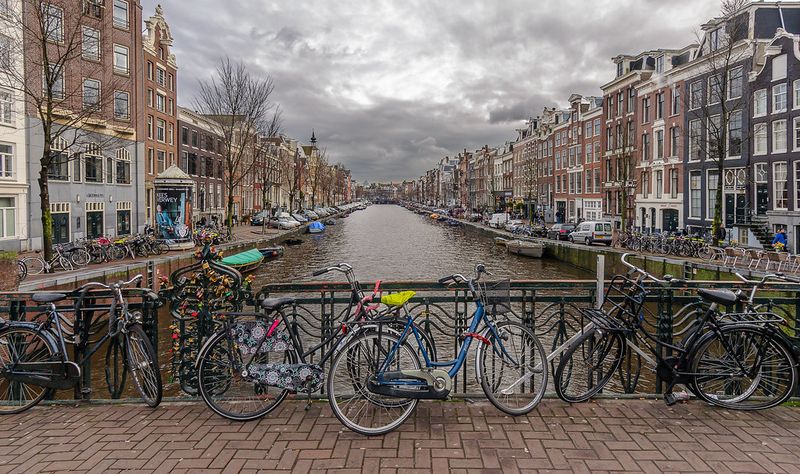
Amsterdam invites you to move slowly, with flat streets and waterways guiding your pace. You can wander canal belts, stop for a stroopwafel, and photograph tilted gables without dodging heavy traffic. Trams hum reliably, while ferries whisk you across the IJ for art spaces and waterfront views.
Car light streets prioritize people and bikes, so every errand becomes a scenic loop. Museumplein sits within easy reach, linking the Rijksmuseum, Van Gogh Museum, and green lawns. Markets pop up with cheeses and tulips, and narrow alleys reveal brown cafés where time drifts.
If biking feels tempting, dedicated lanes make it feel approachable for visitors. Still, walking works beautifully, connecting bridges, courtyards, and quiet quays. Even in drizzle, the city shines, and each short stroll adds another layer to the story you came to find.
Copenhagen, Denmark — Pedestrian-First Urban Design

Copenhagen proves how calm a capital can feel when people come first. Strøget’s car free stretch strings together shops and squares, perfect for unhurried browsing. When you need range, the metro and S train network make crossings quick, predictable, and stress free.
Nyhavn’s painted facades glow near sunset, and you can follow bike lanes to parks, harbors, and food halls. Bridges connect islands into a tight urban fabric, making long walks surprisingly efficient. Even major intersections feel gentle, with signals favoring pedestrians and cyclists.
Grab a cinnamon roll, then drift toward contemporary architecture at the waterfront. You can hop a harbor bus, watch swimmers at city baths, and end with candles and hygge at a cozy bistro. The whole experience feels balanced, beautiful, and remarkably easy without a car.
Barcelona, Spain — Wide Boulevards & Historic Quarters
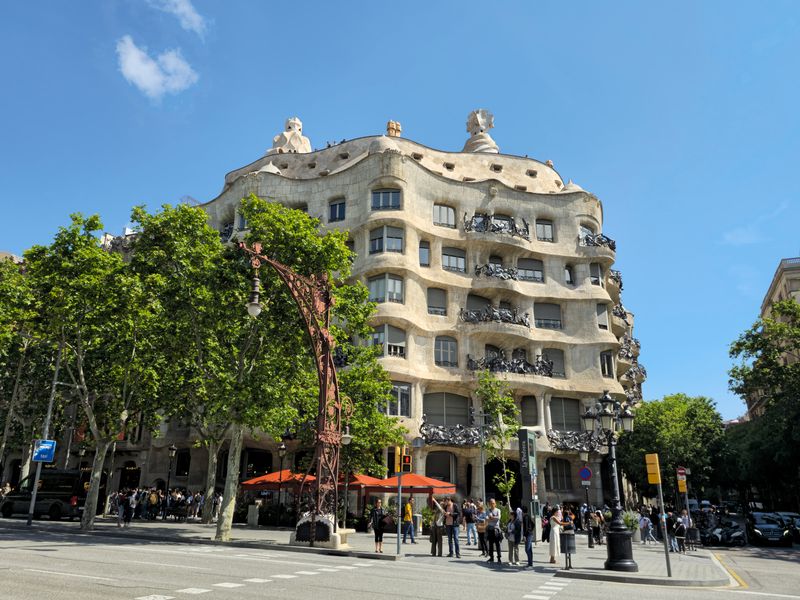
Barcelona layers seaside light over stone alleys, creating walks that feel cinematic. You can cross from the Gothic Quarter to El Born in minutes, lingering in plazas for tapas and guitar. When distance grows, the metro arrives fast, linking museums, beaches, and hillside viewpoints.
Grand boulevards like Passeig de Gràcia offer window shopping and Gaudí icons in one sweep. Markets like Boqueria energize mornings, while neighborhood bodegas make evenings friendly. Even with crowds, side streets provide calm, and pedestrian crossings feel frequent and intuitive.
Stroll to Barceloneta for a salty breeze, then ride to Park Güell for mosaics and views. Trams and buses fill gaps so your day never stalls. With so much within reach, you end up walking more by choice than necessity, savoring each sunlit block.
London, UK — Connected Streets & Transit Everywhere
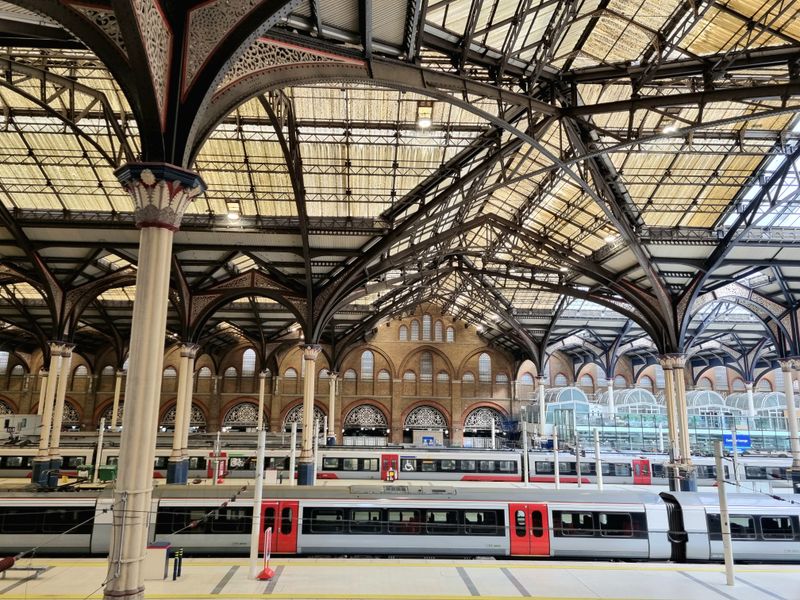
London rewards curiosity with a dense web of streets, squares, and shortcuts. The Tube, buses, and trains make longer jumps effortless, so you can string together museums and markets in one day. Contactless tap in and out, then roam by foot between landmarks clustered in central neighborhoods.
Walk the South Bank for river views, street food, and theatre buzz. Detour through Covent Garden, then on to Soho for cafés and vinyl shops. Green parks punctuate the core, turning routes into pleasant sequences of lawns and paths.
Even with size, London feels navigable when you break it into walkable pockets. Signage keeps bearings clear, and frequent stations offer easy exits. By evening, a pub beckons nearby, and you realize a car would only have slowed the adventure.
Zurich, Switzerland — Compact & Well-Served
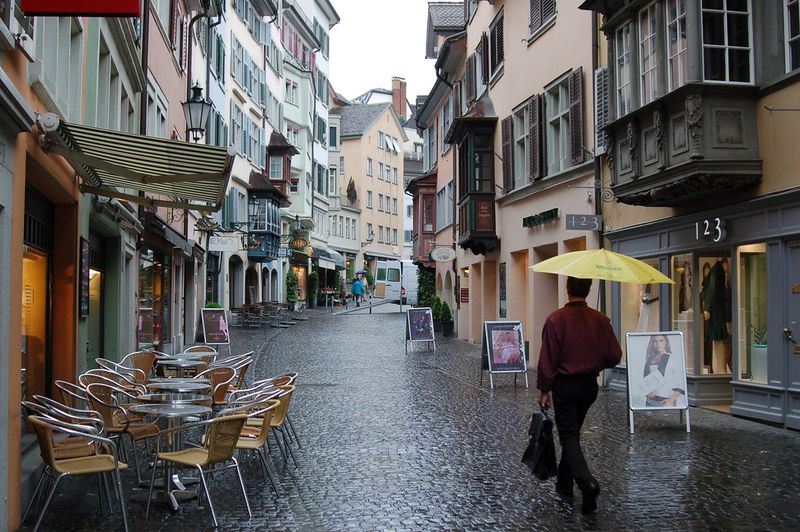
Zurich distills everything into a neat, walkable package. You can step from Bahnhofstrasse to the lake in minutes, then climb into the Old Town’s lanes for cafés and viewpoints. Trams and trains run with Swiss precision, making car free days feel natural and calm.
Waterfront promenades set an easy pace, especially near sunset when the Alps blush. Museums cluster within short distances, and river bridges create scenic loops. Even errands feel graceful here, with spotless stations and reliable timetables.
When you want greenery, a short ride brings you to forested hills and panoramic paths. Back in the center, fountains and church spires guide your sense of direction. It is all close, connected, and soothing, inviting one more stroll before calling it a night.
Berlin, Germany — Walkable Districts & Easy Transit
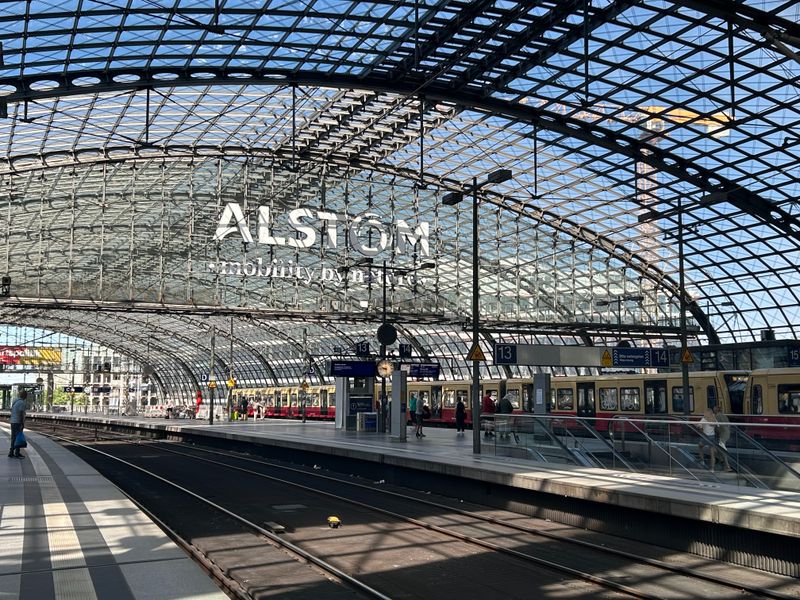
Berlin’s scale feels generous, but everyday exploring stays easy. Wide sidewalks and bike lanes pair with an extensive U Bahn and S Bahn network, so you cover ground without effort. Districts like Mitte, Kreuzberg, and Prenzlauer Berg invite slow wanders between galleries and green courtyards.
History pops up constantly, from museum islands to remnants of the Wall. Markets and canal paths thread through neighborhoods, and cafés spill onto sunny corners. With frequent trains, spontaneous detours rarely cost time, encouraging serendipity.
Even late, rides feel straightforward and safe, returning you near your stay. Street art, parks, and lakes multiply options when the sun appears. The city’s rhythm favors pedestrians, making a car not just unnecessary but inconvenient.
Melbourne, Australia — Tram-Rich & Walkable Core
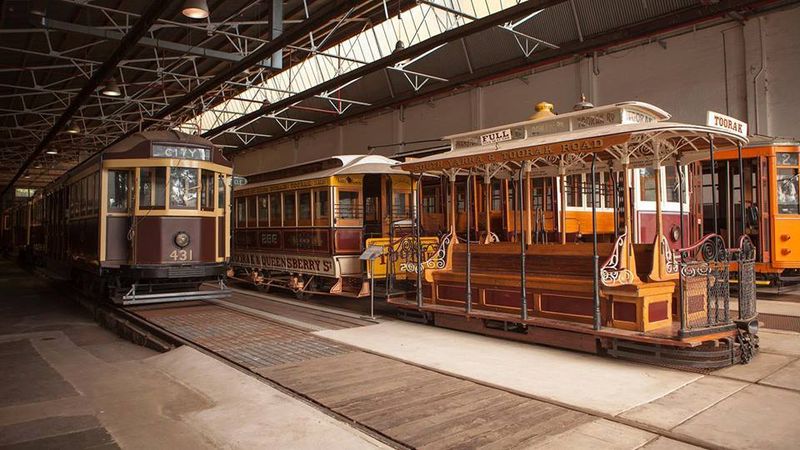
Melbourne’s downtown grid makes navigation easy, and trams keep you moving smoothly. You can slip through laneways for espresso and murals, then roll to riverside paths in minutes. The Free Tram Zone simplifies quick hops, inviting effortless, car free days.
Arcades connect heritage storefronts, creating weather safe strolls that feel intimate and stylish. Markets, galleries, and gardens sit within short distances, so planning can stay loose. When you need range, frequent services reach neighborhoods buzzing with music and food.
Evenings glow with rooftop bars and theatre crowds, all reachable on foot. You can loop back along the Yarra for city views and a cool breeze. By bedtime, steps add up pleasantly, and you never once miss a steering wheel.
Vancouver, Canada — Grid Streets & Transit Access
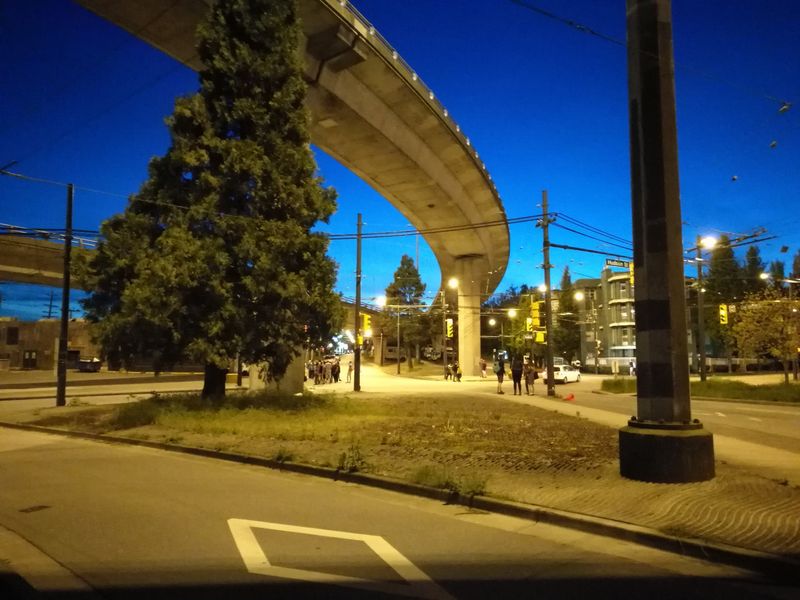
Vancouver pairs mountain views with a city built for moving on foot. Downtown’s grid and the seawall turn simple errands into scenic walks. When distance grows, SkyTrain and buses arrive fast, taking you from beaches to breweries without stress.
Neighborhoods like Gastown and Yaletown connect by short strolls lined with cafés and patios. Parks weave through the core, offering shade and ocean air. Even rain feels manageable under canopies and frequent transit stops.
You can bike or walk the seawall, pause for sushi, then ride to a garden across town. Trails, markets, and galleries stay comfortably close. The whole setup makes car keys feel optional, freeing you to follow views instead of traffic.
Lisbon, Portugal — Historic Neighborhoods & Trams
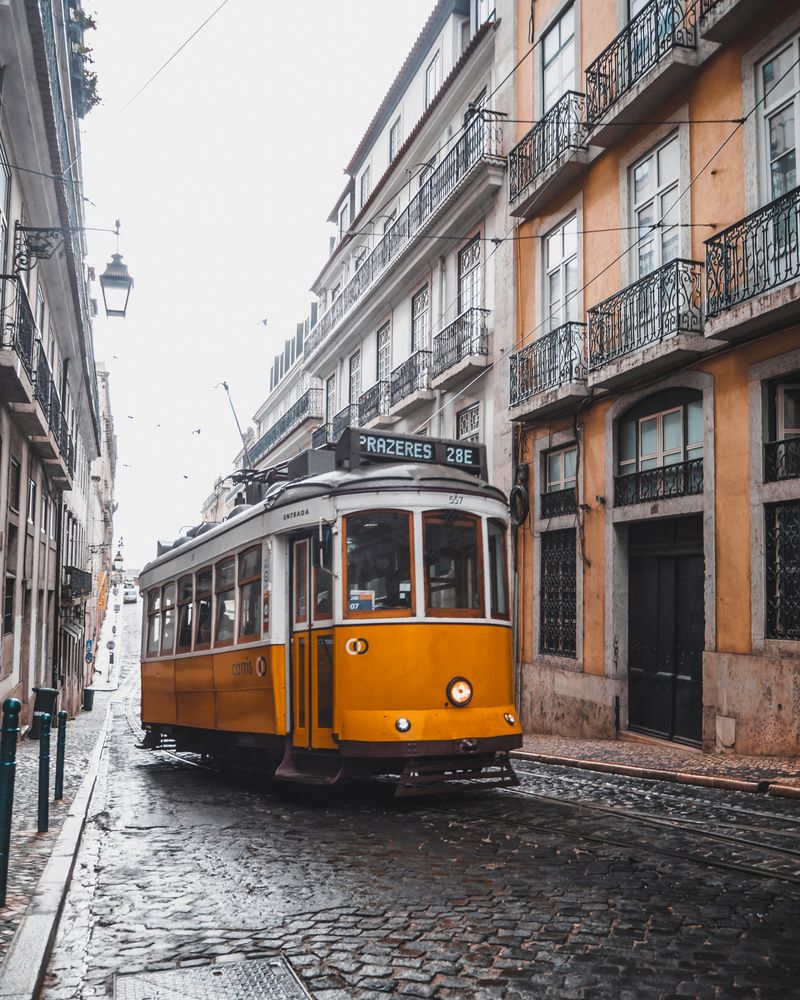
Lisbon climbs and dips, but walking feels rewarding at every turn. Alfama’s alleys twist toward viewpoints, revealing tiles and fado drifting from doorways. Trams rattle up steep streets, helping you bridge hills without breaking stride.
You can wander to Belém for monuments, custard tarts, and riverside breezes. Between neighborhoods, stairs and elevators appear like helpful shortcuts. Metro lines and ferries extend your reach, keeping far flung sights in easy play.
Sunset paints rooftops rosy from the miradouros, and dinners stretch into slow, happy nights. Shoes with grip help, but distances stay compact. It all adds up to a city that begs exploration at street level, no car required.
Prague, Czech Republic — Walkable Historic Centre
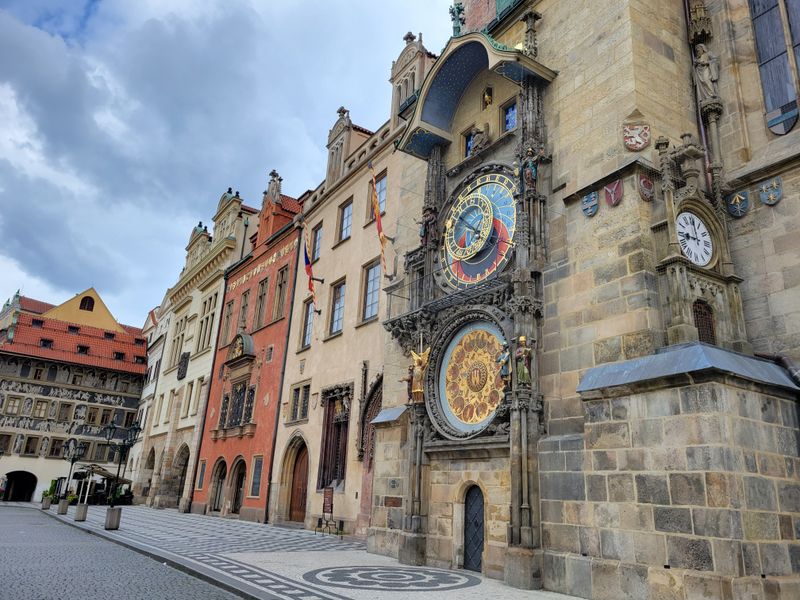
Prague’s core compresses centuries into a strollable map. You can cross the Charles Bridge at dawn, then slip through lanes toward Old Town Square. Trams and the metro connect effortlessly, but most highlights sit within comfortable walking distance.
Gothic towers, Baroque halls, and quiet courtyards appear block after block. Markets bustle near church spires, and riverside paths calm the pace. With so many car light streets, lingering becomes the default, not the exception.
Climb to the castle for panoramas, then descend into cafés with strudel and conversation. Even after dark, lanterns make cobbles glow invitingly. By the time you head home, you realize the best souvenir was how naturally you moved through it all.
Share this story