Baby Boomers grew up in a world that moved slower, felt closer, and sounded different. From rotary phones to drive-in movies, everyday life had a rhythm and charm that many younger generations never experienced. These memories aren’t just about objects or routines – they’re about a way of living that shaped an entire generation.
1. The milkman and clinking glass bottles on the porch
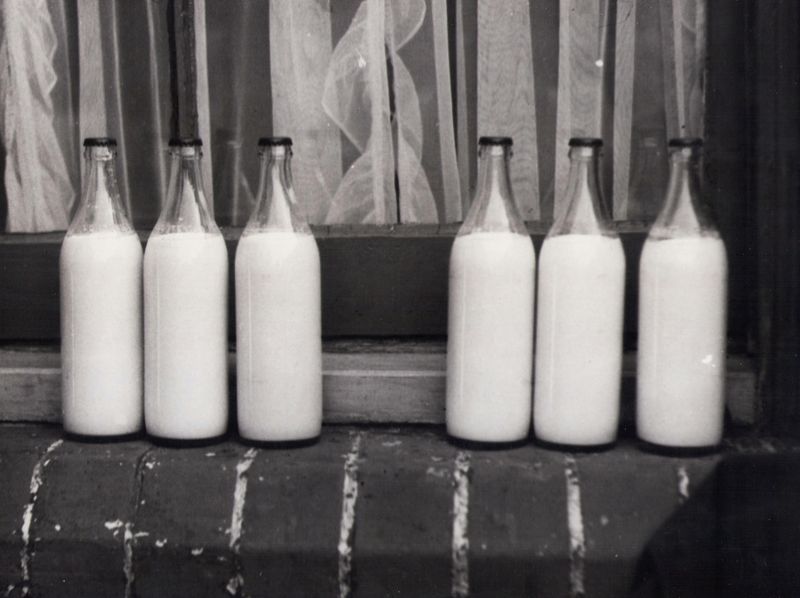
Early mornings came with a familiar sound: glass bottles clinking as the milkman made his rounds. Home milk delivery used to be common, then steadily faded as shopping habits and refrigeration changed. Families left empty bottles out, and fresh milk appeared like clockwork.
Kids loved the ritual, and parents appreciated the convenience. There was something comforting about knowing your milkman by name. It was a small connection in a world that felt more neighborly and less rushed than today.
2. Flipping through the Sears Big Book catalog

Every season, the Sears catalog arrived like a treasure chest of possibilities. Families gathered around the kitchen table, dog-earing pages and circling wish lists. Sears stopped producing its general catalog in 1993, turning a once-iconic ritual into a memory.
Kids spent hours dreaming over toys and bikes. Parents planned purchases months in advance. The catalog wasn’t just shopping—it was entertainment, anticipation, and a window into what life could look like with just a little more.
3. Party-line phones (and the accidental eavesdropping)
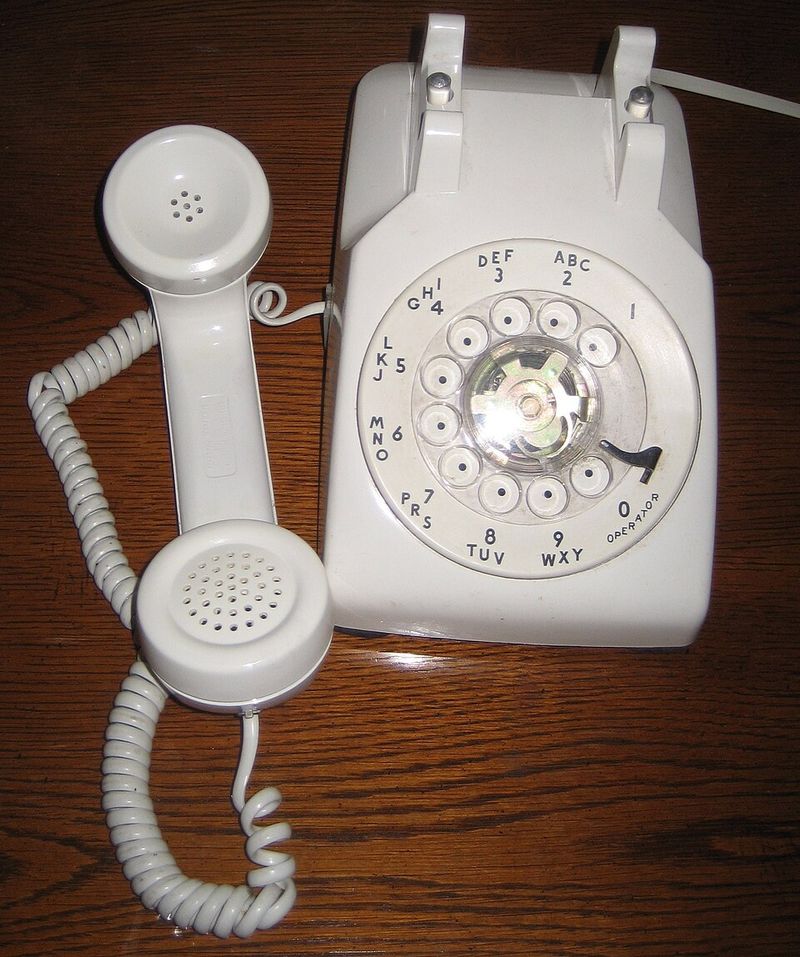
Shared party lines were a real thing, especially in rural areas, before private lines became standard. You’d pick up the phone and sometimes hear your neighbor mid-conversation. Etiquette required patience and a little awkward politeness.
Eavesdropping wasn’t always intentional, but it happened. Some folks got to know their neighbors better than they ever planned. It was inconvenient, sure, but it also created a sense of community—even if that community occasionally listened in on your Friday night plans.
4. Drive-in movie nights
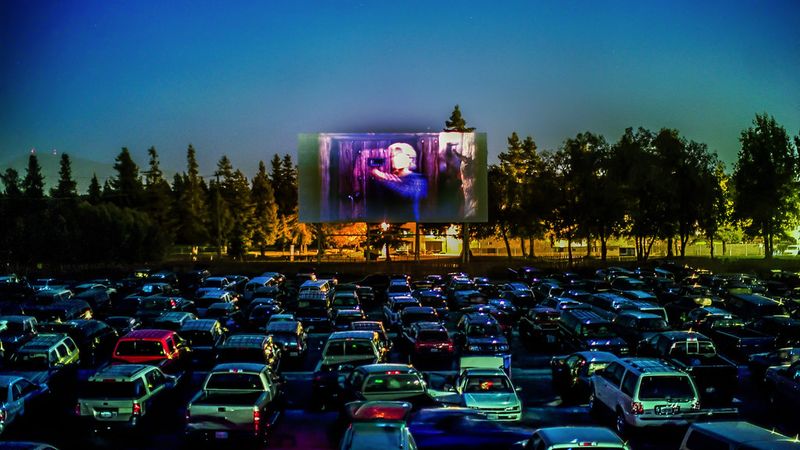
A uniquely mid-century kind of outing—part entertainment, part hangout, part summer tradition. Families loaded up the car with blankets and snacks, arriving just before sunset. The big screen glowed against the night sky, and tinny speakers hung from the window.
Kids played on the playground until showtime. Teenagers turned it into a date night destination. Drive-ins offered freedom and fun in a way indoor theaters never could, blending movies with fresh air and the simple joy of being together.
5. 8-track tapes (especially in the car)
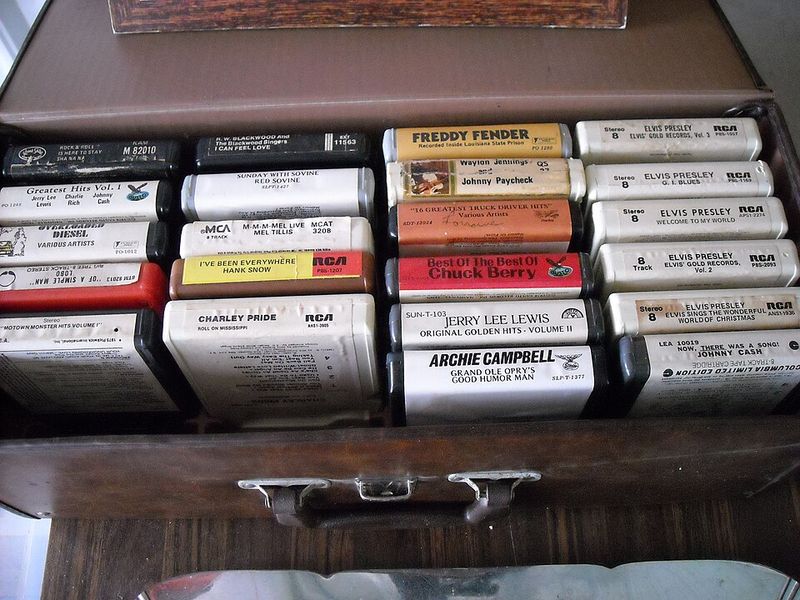
The 8-track cartridge arrived in 1964 and became a very specific kind of on-the-road soundtrack. You’d slide a tape into the dashboard player, and suddenly your car had a soundtrack. Songs sometimes cut off mid-chorus as the track switched, but nobody seemed to mind much.
Road trips meant bringing a stack of tapes. Everyone had their favorites, and swapping them out was part of the journey. The sound quality wasn’t perfect, but it was yours, loud, and mobile.
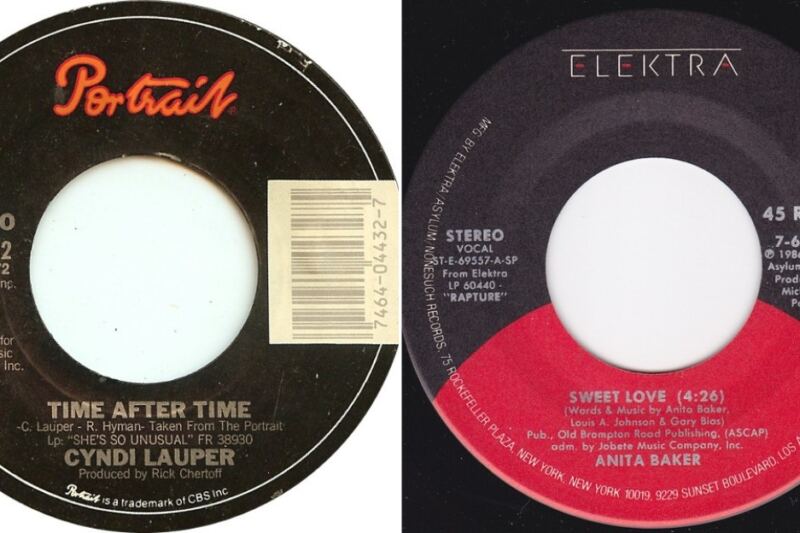
6. Putting a record on and listening to a whole album
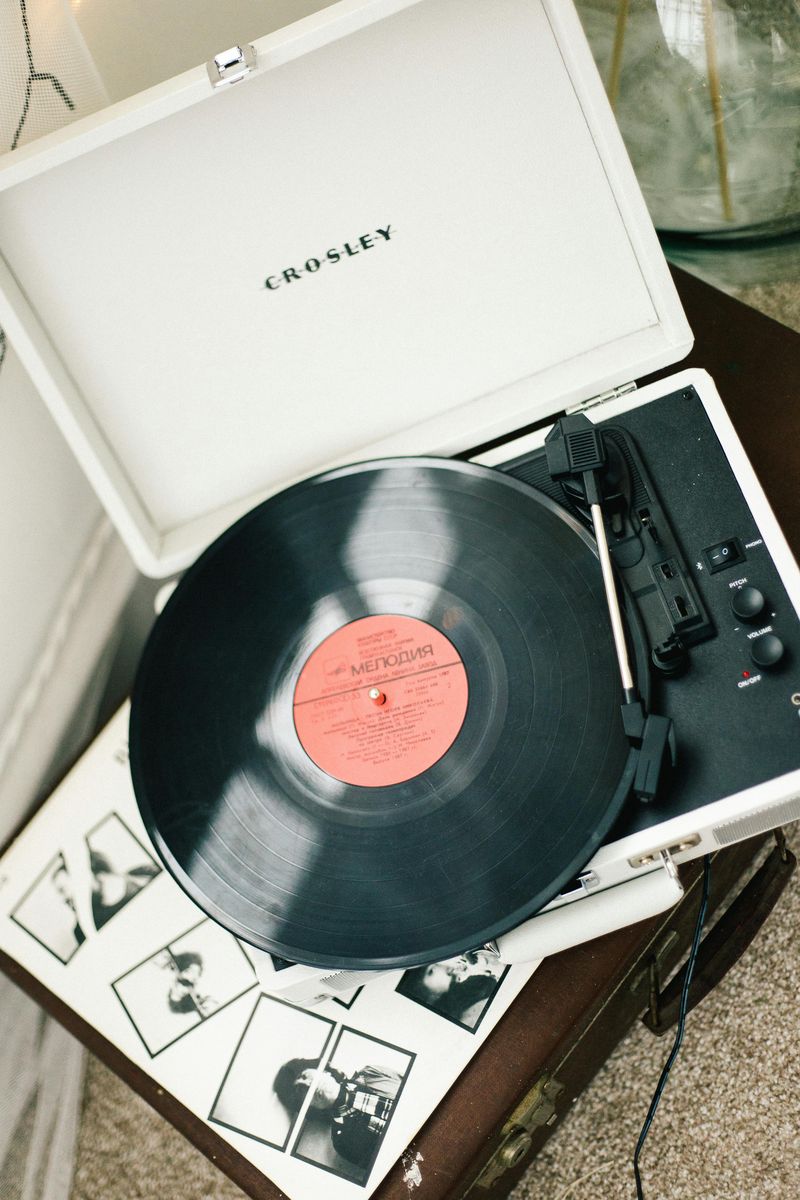
Not skipping around—just letting Side A play and reading the liner notes. Vinyl records demanded attention and patience. You’d carefully place the needle, settle in, and experience music the way the artist intended.
Album art mattered. Lyrics were studied, and every crackle and pop became part of the experience. Flipping to Side B felt like intermission. Listening to a full album wasn’t background noise—it was an event, a moment where music took center stage and nothing else competed.
7. Top 40 radio DJs who felt like local celebrities

The voice of the town, the music of the moment, the countdowns, the dedications. Radio DJs weren’t just playing songs—they were personalities, storytellers, and the heartbeat of local culture. You tuned in not just for the music, but for them.
They announced concert dates, shared inside jokes, and made listeners feel connected. Hearing your dedication read on air was a huge deal. These DJs shaped musical tastes and created shared experiences across entire communities, one broadcast at a time.
8. Rabbit-ear antennas and the art of getting a clear picture

The little adjustments, the don’t move command, and the minor miracles of a stable channel. Rabbit ears sat atop every TV, and getting a clear picture required patience, luck, and sometimes a volunteer to stand in just the right spot.
You’d twist, tilt, and wrap foil around the tips, hoping for improvement. Static and snow were constant companions. But when the picture finally cleared, it felt like a small victory—proof that persistence and a little creativity still mattered.
9. The Sunday newspaper (comics, classifieds, ads, all of it)

A whole household ritual: sections spread out, pages traded, and fingers inked. Sunday mornings meant a thick newspaper delivered to the door. Families divided it up—Dad got sports, Mom took lifestyle, kids dove straight into the comics.
Classifieds held treasures, coupons got clipped, and crossword puzzles were serious business. The rustle of newsprint and the smell of fresh ink created a comforting routine. It was slow, messy, and wonderfully communal—a far cry from scrolling headlines alone.
10. Soda fountains and old-school counter service

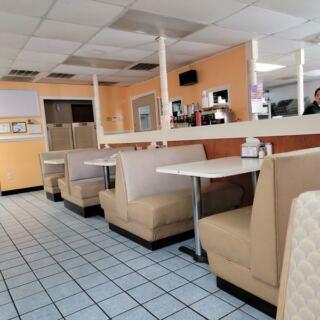
The vibe: stools, sundaes, milkshakes, and the feeling of being out without it being a whole production. Soda fountains were neighborhood gathering spots where you could sit, sip, and chat. Counter service felt personal—the soda jerk knew your order.
Kids spun on swivel stools while waiting for their treats. Adults lingered over coffee and conversation. Everything from the chrome fixtures to the checkered floors added charm. It was simple, affordable, and wonderfully social—a place where everyone felt welcome.
11. Five-and-dime stores and simple little errands

Small purchases, small joys, and that I’ll just pop in for one thing optimism. Five-and-dime stores were packed with odds and ends—toys, candy, thread, notebooks, trinkets. Everything cost next to nothing, and browsing was half the fun.
You’d go in for a pencil and leave with three things you didn’t know you needed. The aisles were narrow, the inventory eclectic. These stores made errands feel less like chores and more like little adventures in everyday life.
12. Neighborhood corner stores where kids could buy candy with coins
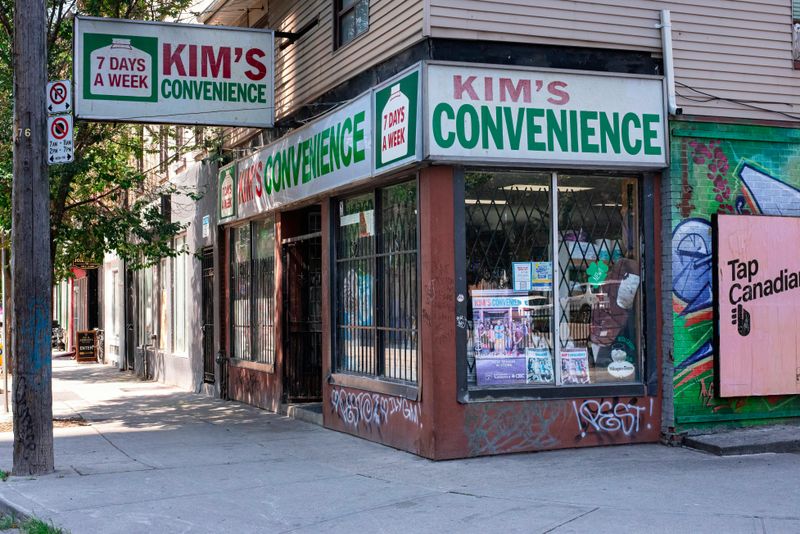
A tiny taste of freedom: walk there, pick something, walk home—no adult needed. Corner stores were kid-friendly zones where a few coins could buy a handful of candy. You’d count your pennies, weigh your options, and make your selection carefully.
Store owners knew every kid by name. Choosing between jawbreakers and licorice felt monumental. These small transactions taught responsibility, math, and independence—all while satisfying a serious sweet tooth and creating memories that lasted a lifetime.
13. Writing letters (and actually waiting for replies)

Slower, sweeter communication—where handwriting meant something. Letter writing required thought, effort, and patience. You’d sit down with pen and paper, compose your thoughts, and mail it off, knowing a reply might take days or weeks.
Checking the mailbox became a daily ritual. Receiving a letter felt special—someone took time just for you. Handwriting revealed personality, and keeping letters created tangible keepsakes. It was communication with heart, weight, and anticipation that texts and emails simply can’t replicate.
14. Film cameras and picking up prints days later
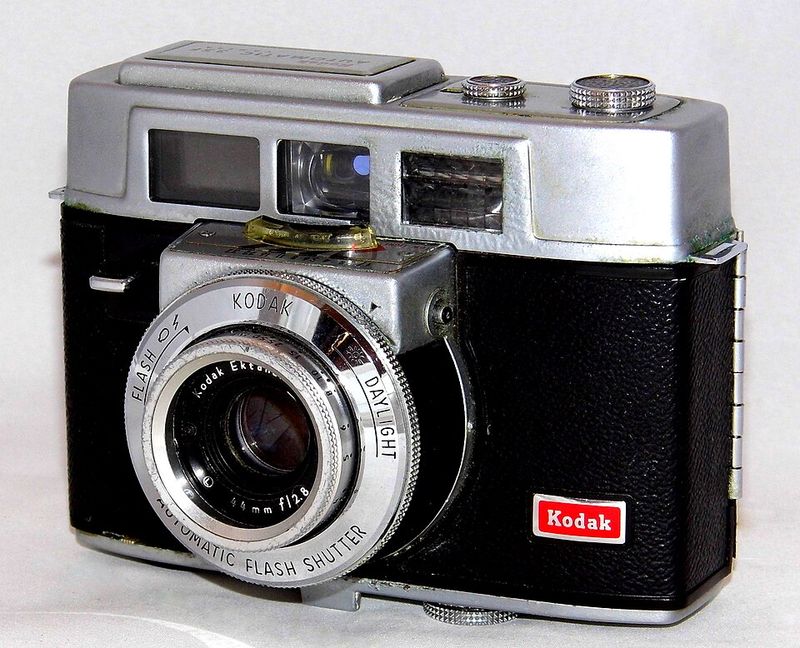
You didn’t know what you got until later, which made the good shots feel like treasures. Film cameras required skill, patience, and a little luck. You had 24 or 36 exposures per roll, so every shot counted.
After finishing a roll, you’d drop it off for developing and wait days for prints. Opening that envelope was always exciting—some photos turned out great, others hilariously bad. The anticipation and surprise made photography feel more intentional and rewarding.
15. Polaroids—the instant photo that made everyone gather around
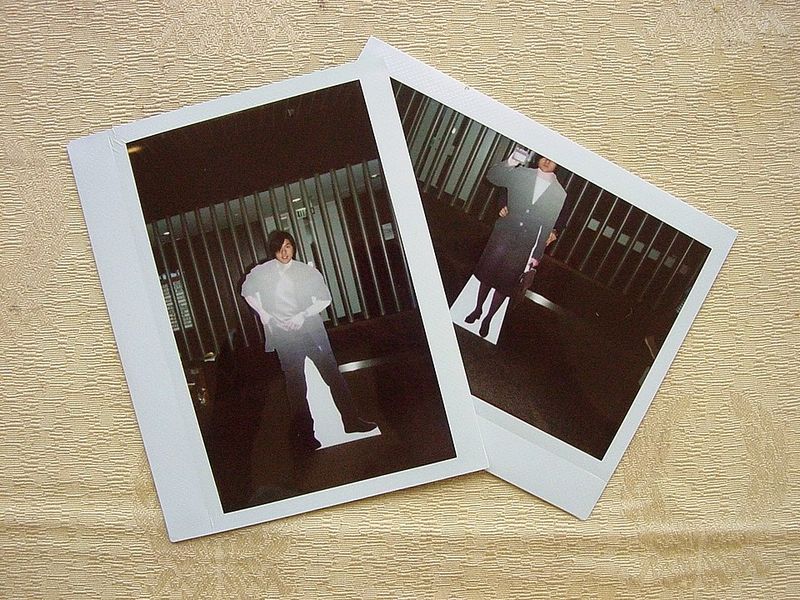
Polaroid’s first Land Camera went on sale in late 1948, helping make instant photos a real-life wow moment. You’d snap a picture, and within minutes, an image slowly appeared like magic. Everyone crowded around, shaking the photo and watching it develop.
Polaroids captured spontaneous moments with instant gratification. No waiting, no developing—just immediate memories. The photos had a unique look and feel, and each one was precious because you couldn’t make copies. It was photography with personality and immediacy.
16. TV trays and the classic TV dinner moment
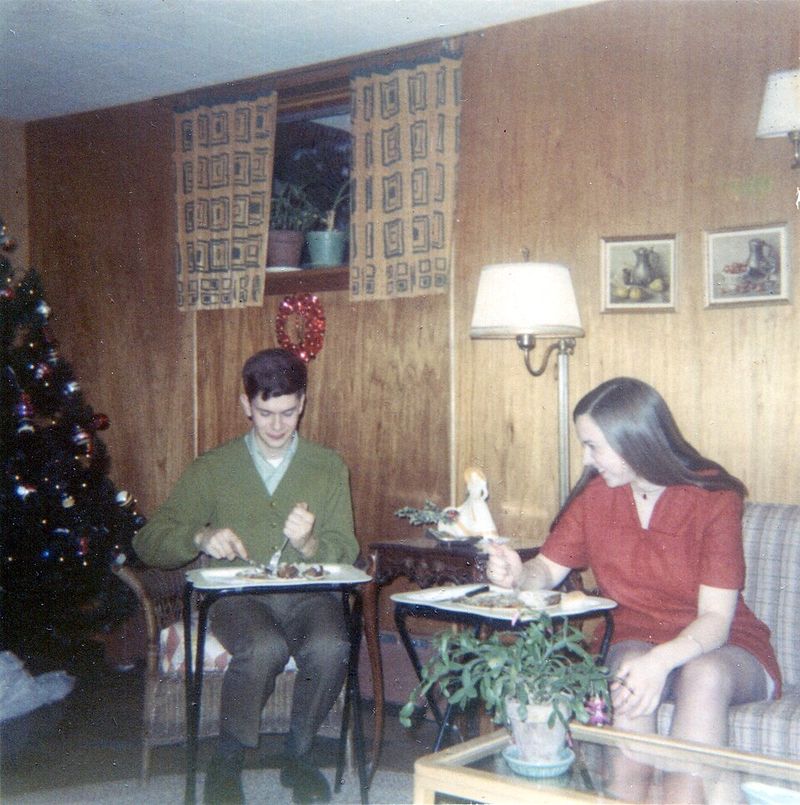
Swanson introduced TV dinners to consumers in 1953, and it became a very of-its-time kind of convenience. Families set up TV trays in the living room, balancing foil-covered meals while watching evening programs. It wasn’t fancy, but it felt special.
Kids loved the novelty—dinner in front of the TV was a treat. The compartmentalized trays kept everything separate, and the ritual felt modern and fun. TV dinners represented convenience, togetherness, and a shift in how American families spent their evenings at home.
17. Encyclopedia sets on the shelf

When looking it up meant flipping pages, not opening a browser. Encyclopedia sets were prized possessions, often displayed prominently in living rooms or dens. Parents invested in them, and kids used them for homework, research, and curious exploration.
You’d pull out a volume, search the index, and read related entries along the way. Learning felt tangible and deliberate. Encyclopedias represented knowledge, education, and a commitment to having answers at your fingertips—even if those fingertips had to do a little more work.
18. Road atlases, folded maps, and planning the route together

And the unspoken family roles: navigator, driver, and the person who cannot refold the map. Road trips required preparation—spreading maps across the kitchen table, highlighting routes, and calculating distances. GPS didn’t exist, so planning was everything.
The navigator held serious responsibility, calling out turns and tracking progress. Getting lost was part of the adventure. Folding the map back correctly was nearly impossible, but the teamwork and shared decision-making made every journey feel collaborative and memorable.
19. Cruising and car culture as a social life
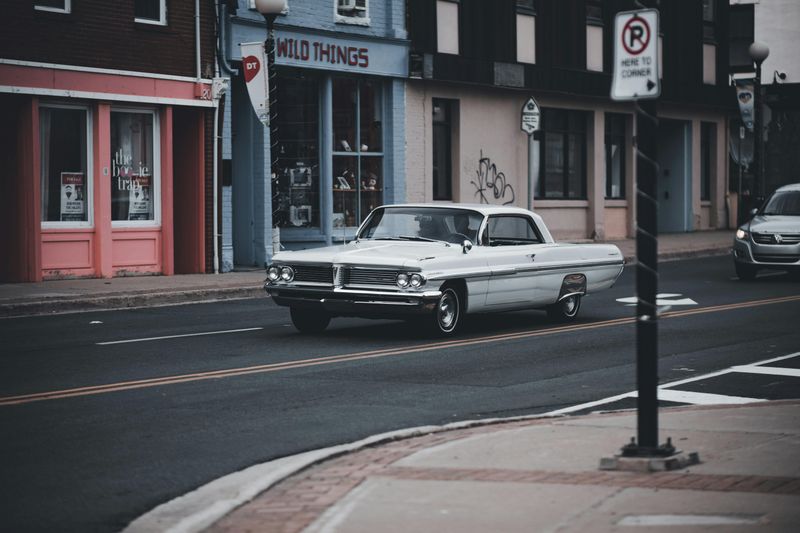
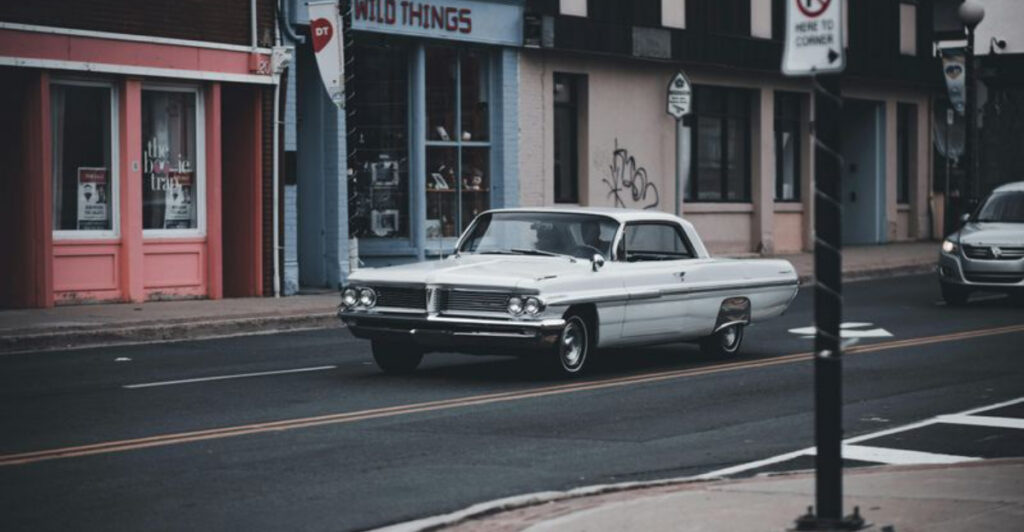
Not just transportation—cars as a place to talk, listen to music, and be seen. Cruising was a weekend ritual, especially for teenagers. You’d drive the same loop through town, windows down, radio up, waving at friends and checking out who was where.
Cars became mobile hangouts, rolling expressions of personality. Parking lots turned into social hubs. Cruising wasn’t about getting somewhere—it was about being somewhere, together, with freedom, music, and the open road as your backdrop.
20. Fixing things instead of replacing them

Toasters, radios, small appliances—more people tried to repair first. When something broke, you didn’t automatically throw it away. You opened it up, figured out the problem, or took it to someone who could fix it.
Repair shops were common, and people took pride in making things last. It saved money, reduced waste, and fostered a mindset of resourcefulness. Today’s throwaway culture feels wasteful by comparison, and many Boomers still miss the satisfaction of a good repair job.
Share this story