When we think about D-Day, we often picture nameless soldiers storming the beaches of Normandy. But among those brave warriors were people who would later become household names in sports, entertainment, and literature. Some were already famous leaders making history-changing decisions that day. Here are fifteen remarkable individuals whose D-Day stories might surprise you.
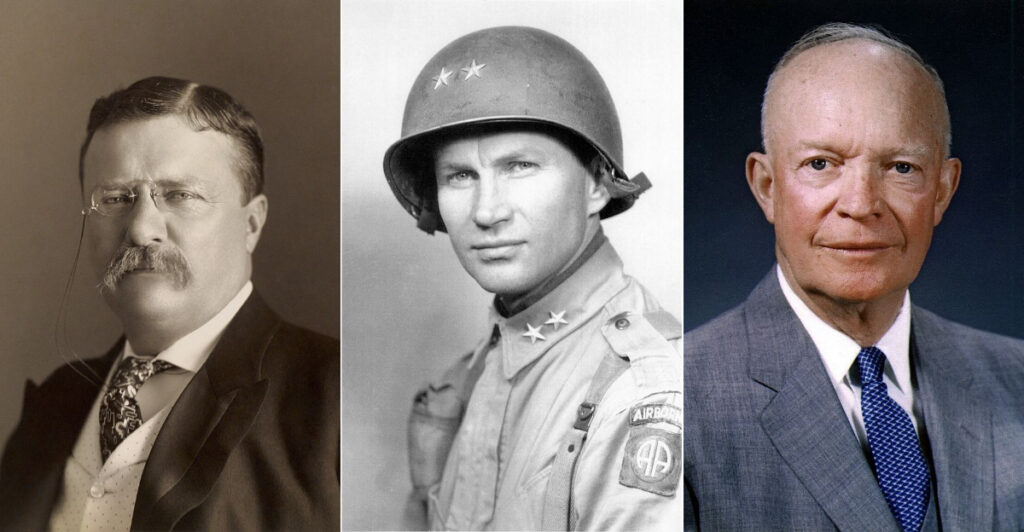
1. Dwight D. Eisenhower
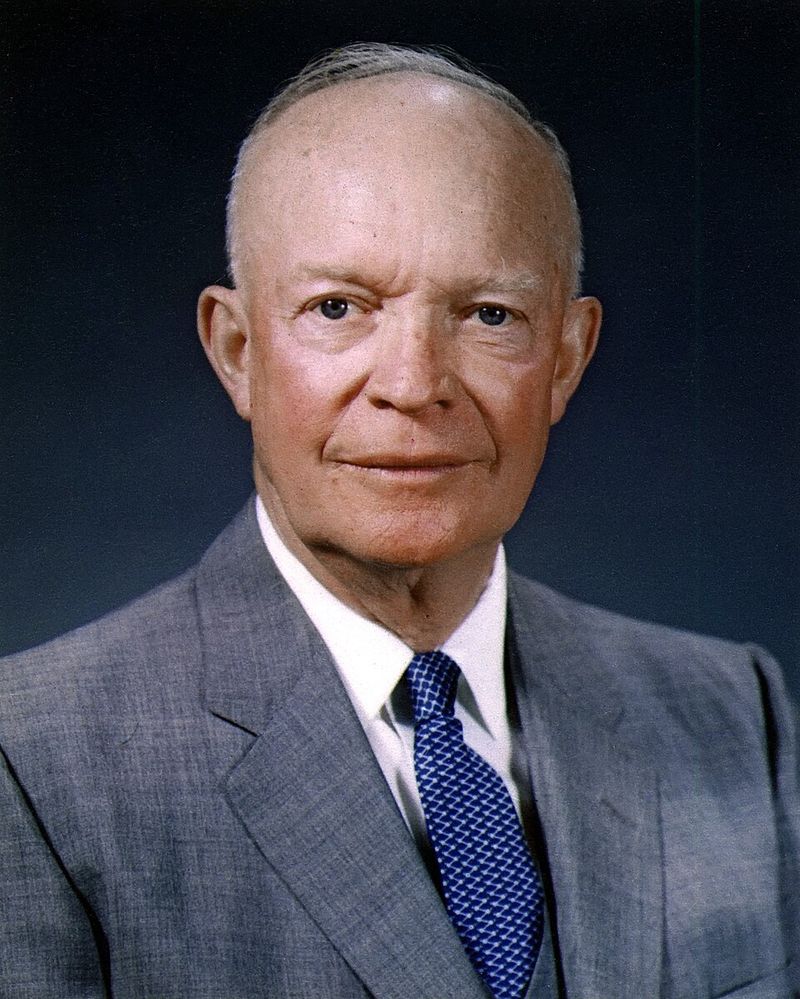
Ike stood at the top of the entire Allied command structure when June 6, 1944 arrived. He carried the weight of the free world on his shoulders, knowing that one wrong decision could doom thousands of men and the entire war effort. After studying weather reports and consulting his commanders, he gave the final green light for the invasion.
His leadership extended far beyond that single choice. Eisenhower coordinated armies from multiple nations, balanced egos of powerful generals, and kept everyone focused on victory. That experience would later help him become President of the United States.
2. Bernard Montgomery

Montgomery earned his reputation as a meticulous planner who left nothing to chance. Under Eisenhower’s overall command, he took charge of all ground forces hitting the beaches and refined the assault strategy into its final form. His attention to detail helped ensure that troops knew exactly what to do when landing craft doors dropped open.
Known for his confidence that sometimes bordered on arrogance, Monty inspired fierce loyalty among British troops. His planning helped coordinate the massive operation across five separate beach landings. The invasion’s success owed much to his careful preparation.
3. Omar Bradley
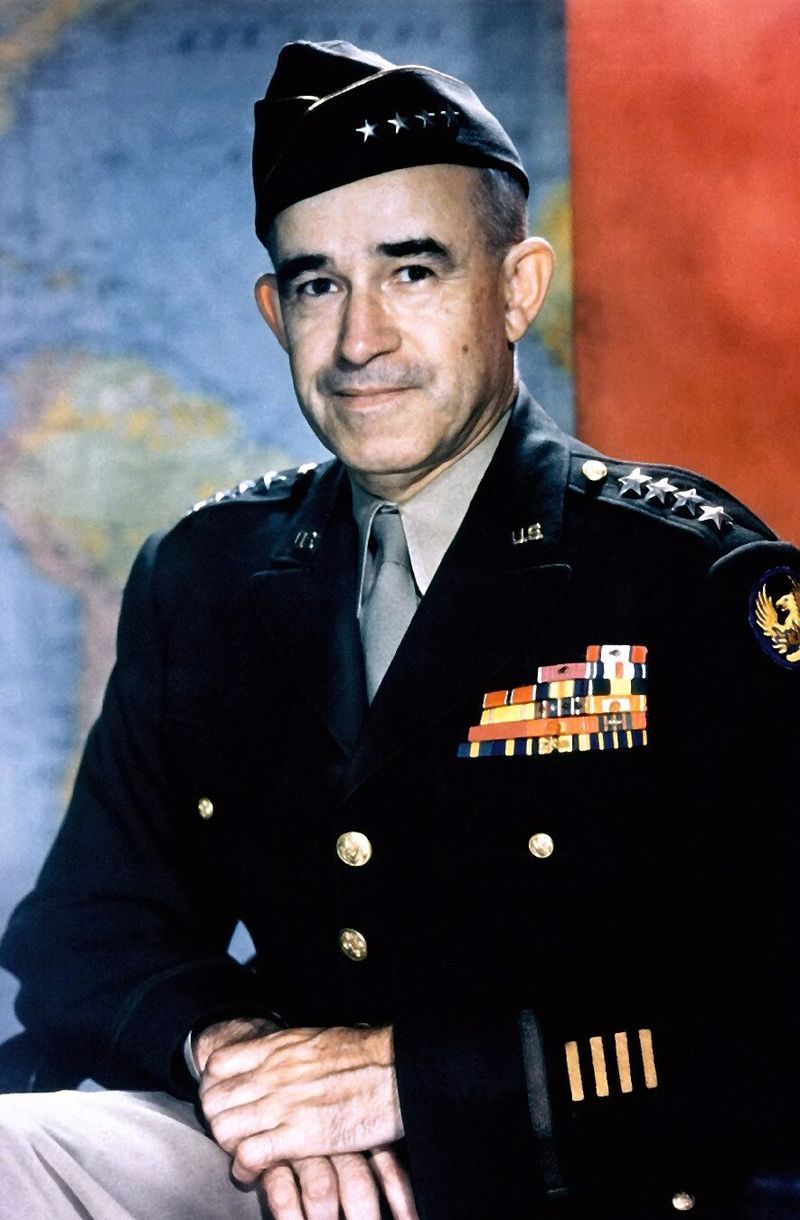
Bradley watched American boys head toward Omaha and Utah beaches knowing many would not return. As commander of the U.S. First Army, he bore responsibility for the American sector of the invasion. His calm demeanor and strategic thinking earned him the nickname “the soldier’s general” because troops trusted his judgment completely.
Omaha Beach became a nightmare of casualties and chaos that morning. Bradley had to make quick decisions as reports filtered back about the desperate situation. His steady leadership helped turn near-disaster into eventual victory, though the cost was terribly high.
4. Admiral Bertram Ramsay
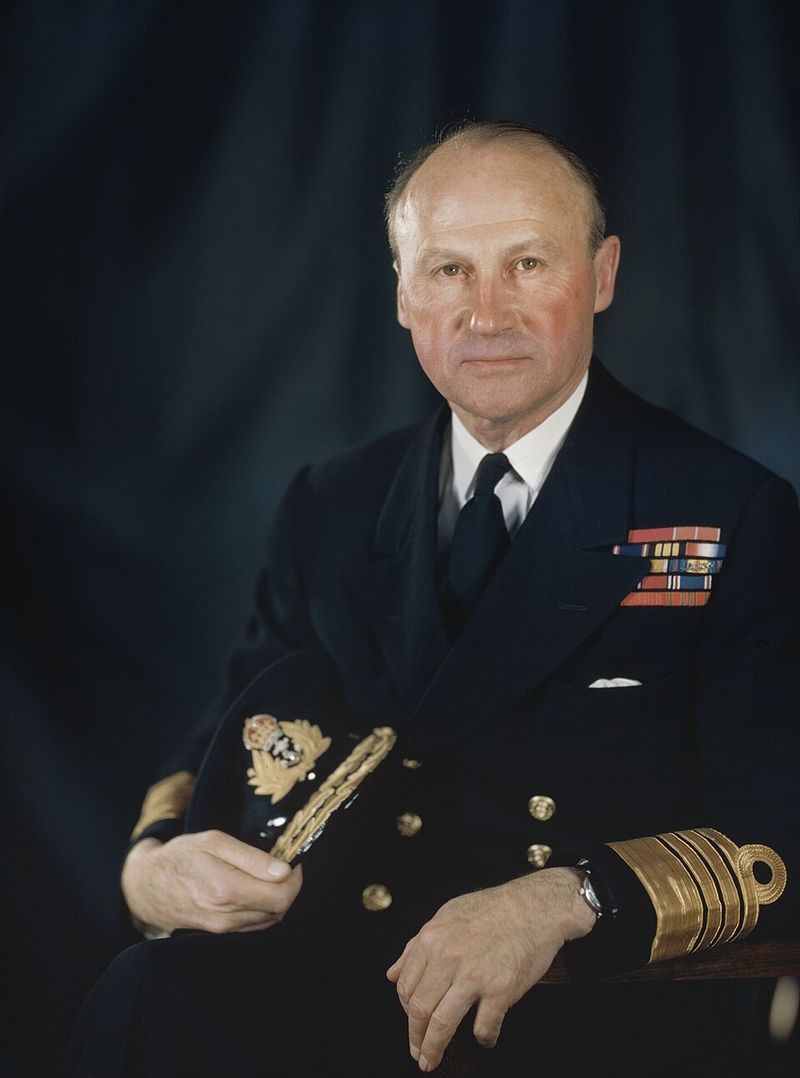
Ramsay coordinated over 5,000 ships and landing craft that carried the invasion force across the English Channel. His naval expertise made the impossible possible, turning the dream of landing on Hitler’s Fortress Europe into reality.
Without Ramsay’s genius, soldiers would never have reached Normandy’s shores. He planned everything from minesweeping operations to the precise timing of landing waves. His work remained largely invisible to the public, but every soldier who stepped onto French soil owed their arrival to his brilliant planning.
5. Miles Dempsey
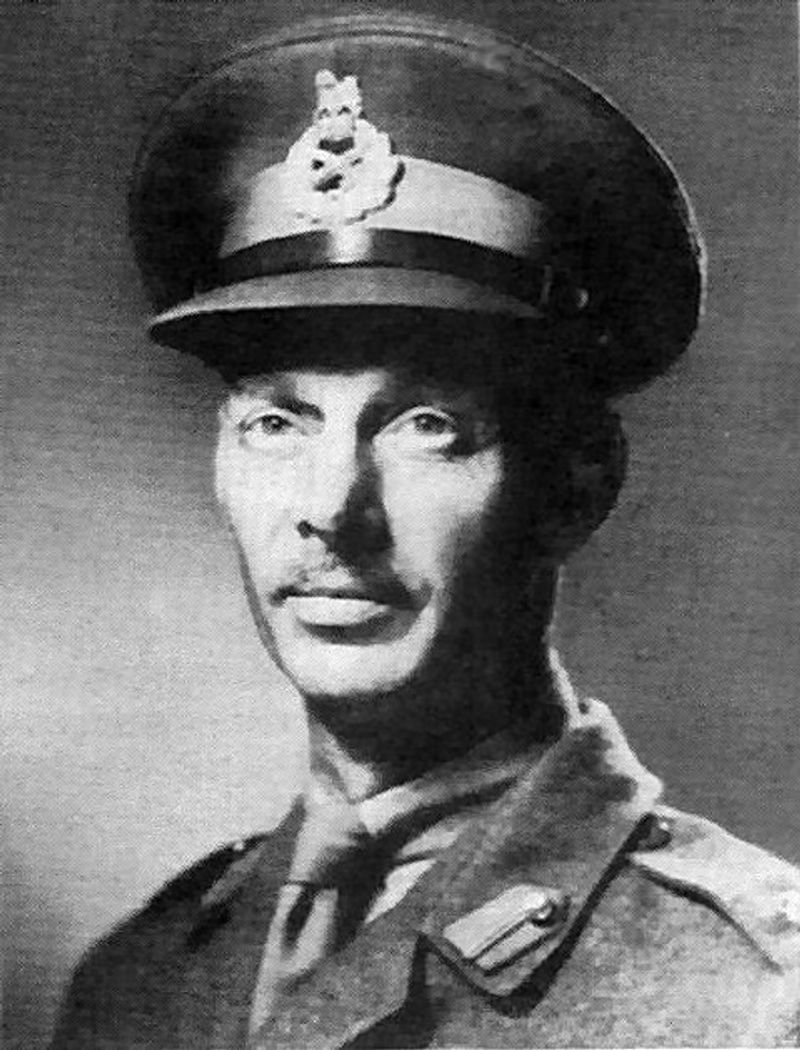
Dempsey led the British Second Army into battle on three beaches that morning. His forces included not just British soldiers but also brave Canadians who fought with tremendous courage. Gold, Juno, and Sword beaches all fell under his command, representing half of the entire invasion front.
Despite commanding such a massive force, Dempsey remained relatively unknown compared to flashier generals. He preferred letting his actions speak louder than words. His quiet competence and tactical skill helped secure the eastern flank of the invasion, protecting the entire operation from German counterattacks.
6. Theodore Roosevelt Jr.
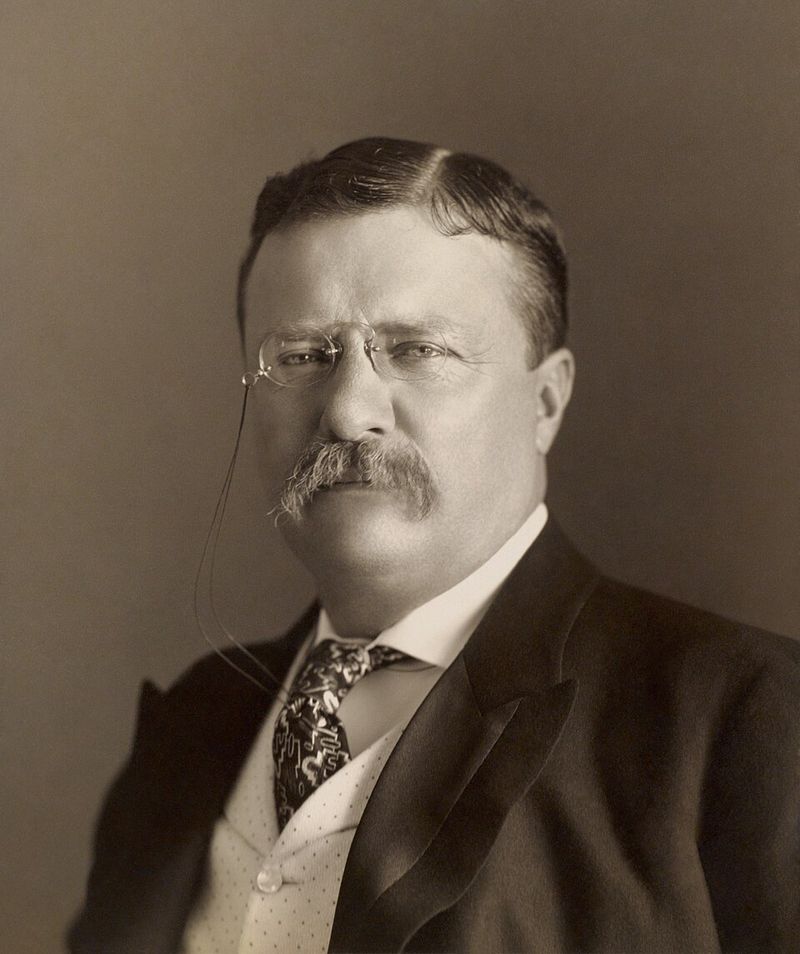
At 56 years old with a heart condition and arthritis, Roosevelt had no business being in the first wave at Utah Beach. But the son of President Teddy Roosevelt insisted on leading his men from the front, not from behind a desk. He hobbled ashore with a cane in one hand, becoming the oldest soldier in the initial assault.
When his landing craft hit the wrong beach, Roosevelt made an instant decision. “We’ll start the war from right here,” he declared, then reorganized the entire landing under enemy fire. His bravery earned him the Medal of Honor.
7. James M. Gavin
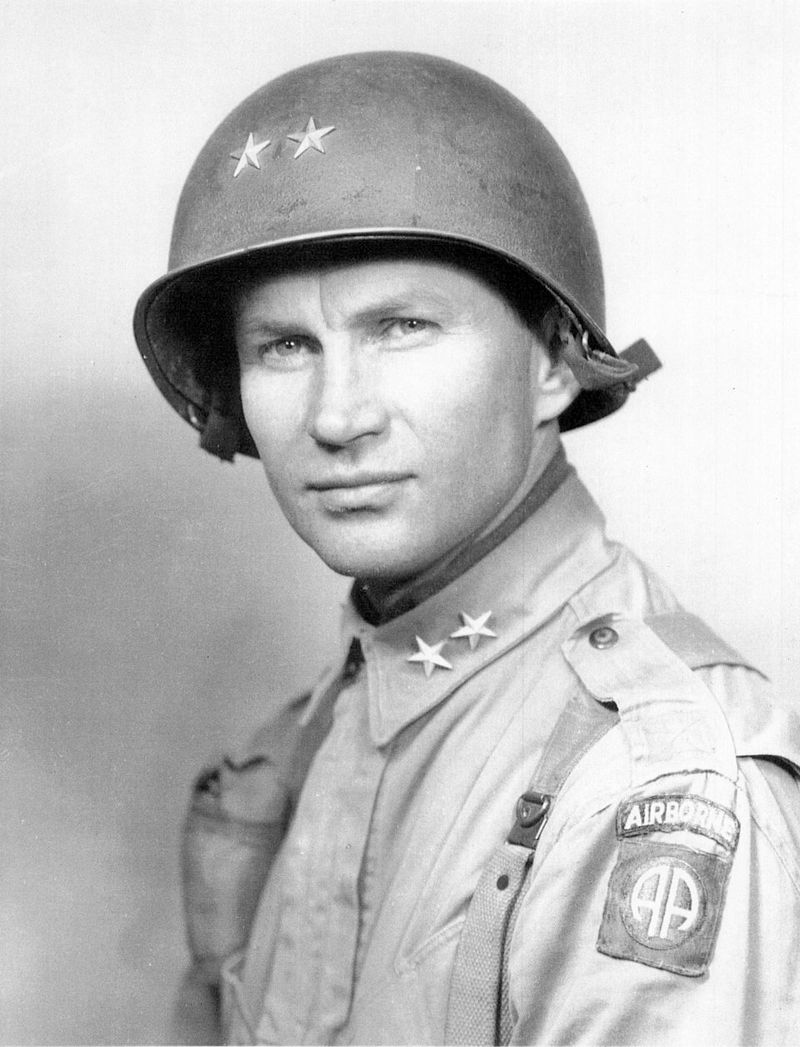
Gavin jumped out of an airplane into the darkness over Normandy, not knowing if he would land in a field or a tree. As one of the youngest generals in the U.S. Army, he led by example, parachuting alongside his troops instead of watching from headquarters. His personal courage inspired the paratroopers who followed him into combat.
The airborne assault scattered soldiers across the countryside in chaos. Gavin rallied scattered units and led them in achieving their objectives despite the confusion. His actions during D-Day and the following campaign made him a legend among American paratroopers.
8. Richard Gale

Gale commanded British paratroopers who dropped behind enemy lines to protect the invasion’s left flank. His 6th Airborne Division seized vital bridges and destroyed key German positions before the beach landings even began. Their success prevented German reinforcements from crushing the invasion in its vulnerable early hours.
Leading airborne troops required special courage because once they jumped, there was no turning back. Gale’s men fought isolated and outnumbered until beach forces could link up with them. Their sacrifice bought precious time for the invasion to succeed, holding positions against fierce German counterattacks.
9. James Earl Rudder
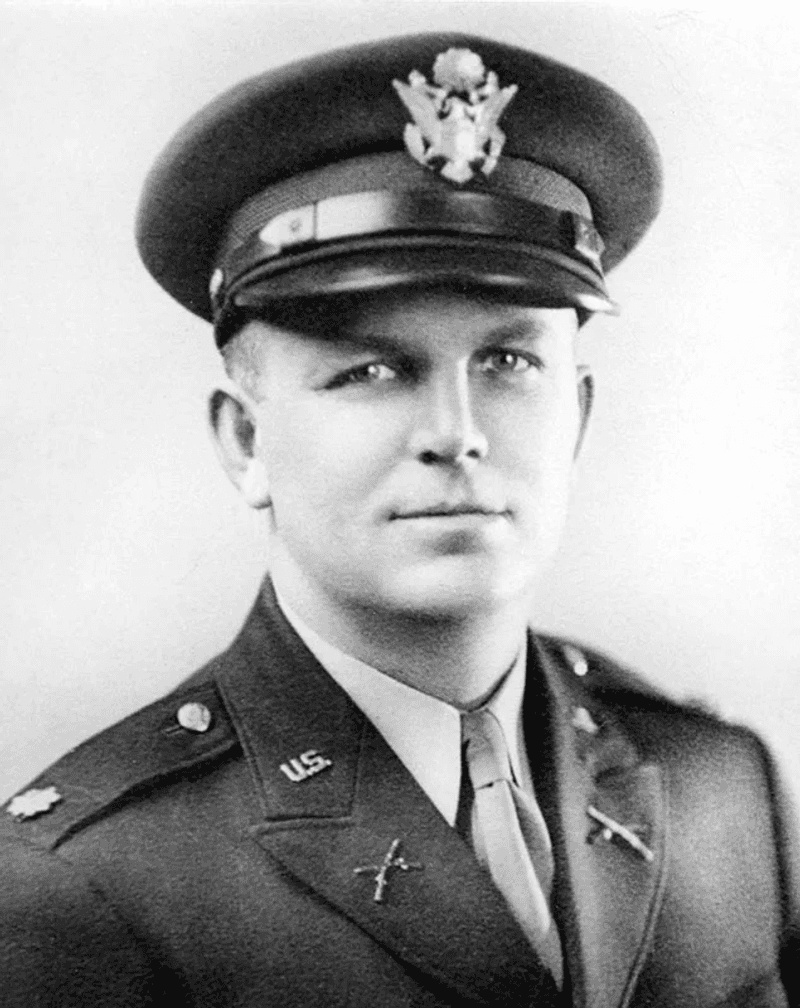
Rudder looked up at the 100-foot cliffs of Pointe du Hoc and knew his mission bordered on suicide. German guns positioned on top threatened both Omaha and Utah beaches. His Rangers had to climb those cliffs under enemy fire, scale them with ropes and ladders, then destroy the artillery positions.
Everything went wrong from the start. Landing craft drifted off course, delaying the assault. Germans shot down at the climbing Rangers, cutting ropes and dropping grenades. Yet Rudder’s men persevered, reached the top, and accomplished their mission despite horrific casualties.
10. Richard “Dick” Winters
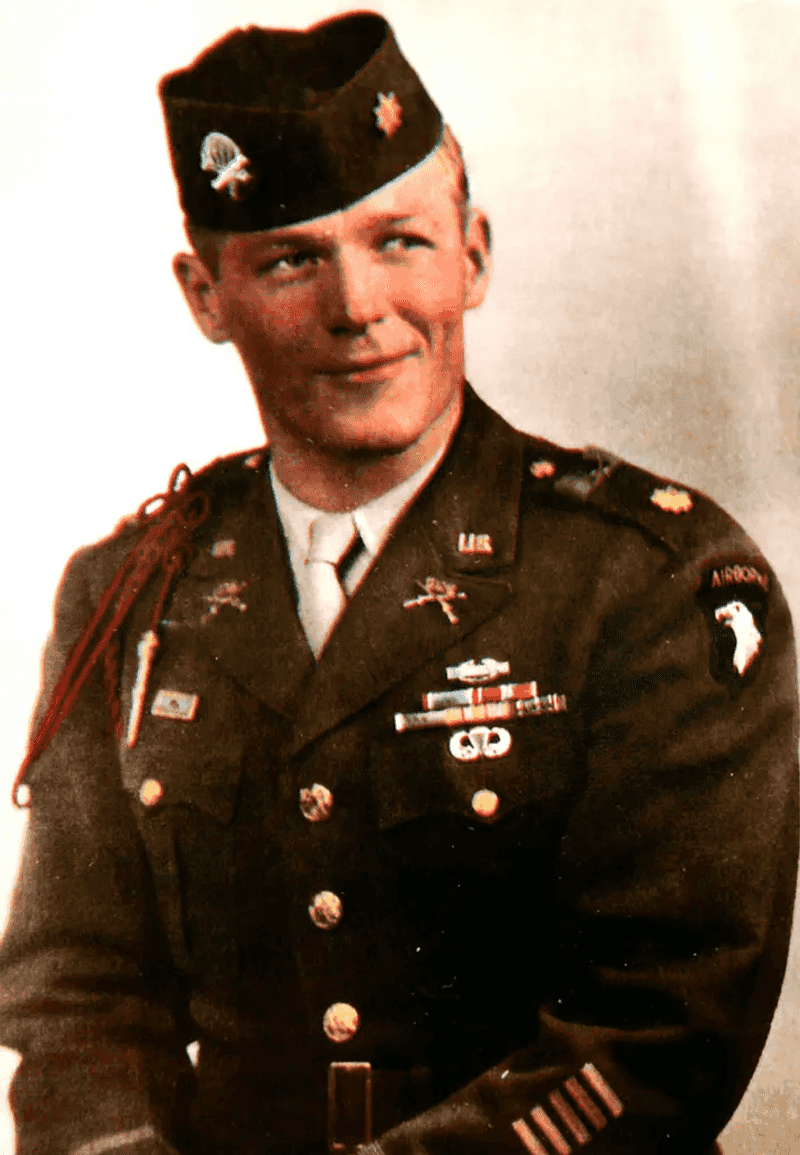
Winters parachuted into Normandy with thousands of other screaming eagles from the 101st Airborne. Hours after landing, he led a textbook assault on German artillery at Brecourt Manor that was later taught at West Point. His calm leadership under fire saved countless lives on Utah Beach by silencing those guns.
Decades later, the HBO series Band of Brothers made Winters famous worldwide. But on June 6, 1944, he was just a young officer doing his duty. His actions that day exemplified the extraordinary heroism of ordinary soldiers during the invasion.
11. Major John Howard

Howard and his men crash-landed gliders in the middle of the night just yards from their objective. Their mission was capturing two critical bridges intact before Germans could destroy them. Success meant Allied forces could advance inland; failure meant the invasion might stall on the beaches.
The glider assault achieved complete surprise. Within minutes of landing, Howard’s troops had seized Pegasus Bridge in what became one of D-Day’s most daring operations. They held it against German counterattacks until reinforcements arrived, securing a vital route for the advancing army.
12. Richard Todd

Todd landed in Normandy as a British paratrooper, fighting in Operation Tonga alongside other airborne forces. Few people watching his later film performances knew he had actually lived through the chaos and terror of D-Day. His unit secured vital objectives on the invasion’s eastern flank during those crucial first hours.
Years after the war, Todd became a successful actor appearing in numerous films. In a strange twist of fate, he even played a role in The Longest Day, a movie about D-Day itself. His real combat experience brought authenticity to his wartime film roles.
13. J.D. Salinger

Before writing one of America’s most famous novels, Salinger waded ashore at Utah Beach carrying a rifle and a typewriter. The future author of The Catcher in the Rye experienced combat for the first time during the Normandy invasion. He continued writing even during the campaign, processing the horror around him through his craft.
The war deeply affected Salinger’s later writing and his reclusive personality. D-Day was just the beginning of months of brutal combat across France. Those experiences shaped the themes of alienation and loss that would define his literary work for decades to come.
14. Yogi Berra
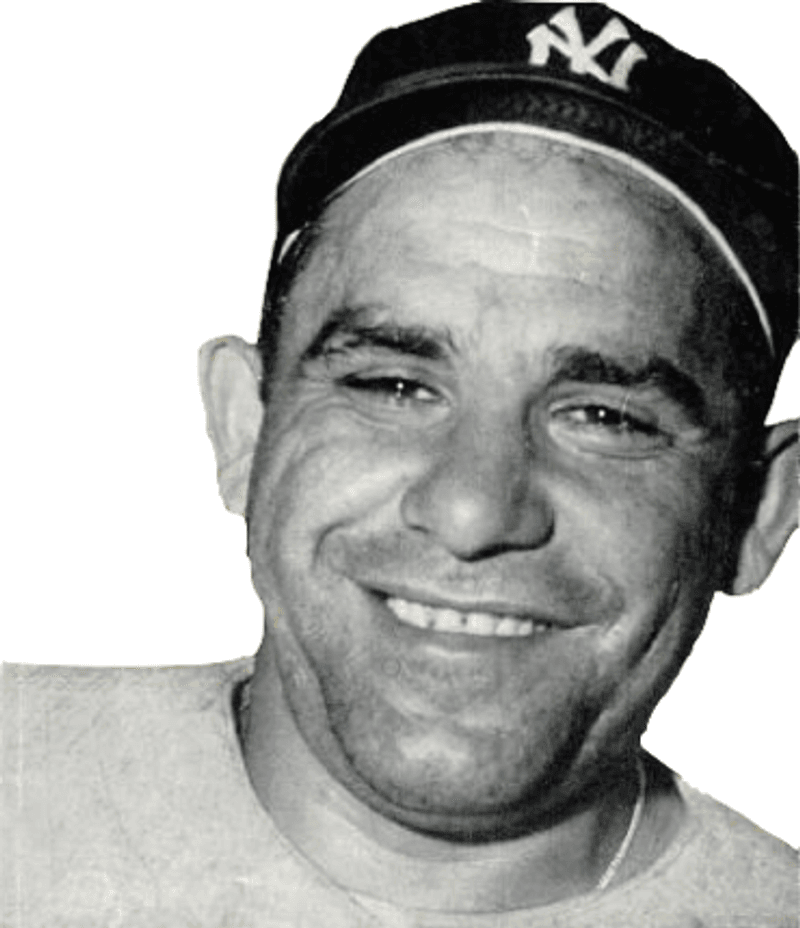
Long before his famous malapropisms and baseball career, Yogi served as a gunner’s mate in the U.S. Navy. His ship supported the D-Day invasion, with Berra manning guns that protected the landing craft heading toward the beaches. He witnessed the massive naval bombardment that preceded the assault.
Berra rarely talked about his wartime service, preferring to focus on baseball after returning home. But his D-Day participation showed the same courage he later displayed behind home plate. The future Hall of Famer was just another young sailor doing his part in the greatest invasion ever attempted.
15. James Doohan
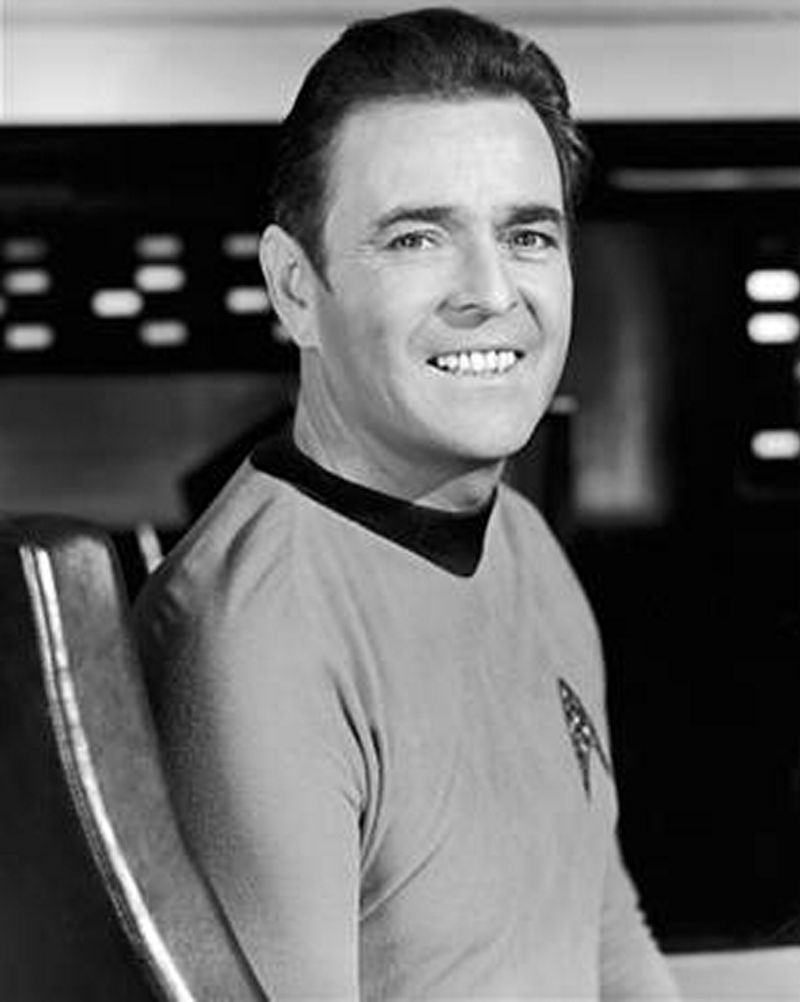
Doohan stormed Juno Beach with Canadian forces, facing withering German fire from the moment his landing craft doors opened. The future Star Trek actor led his men through minefields and machine gun nests during the brutal fighting. Later that day, he was wounded by friendly fire, taking bullets to his hand and leg.
One bullet struck a cigarette case in his chest, likely saving his life. Doohan lost a finger from his injuries, which he cleverly hid during his acting career. Scotty’s famous line “I’m giving her all she’s got, Captain” took on new meaning knowing the actor’s real-life heroism.
Share this story