Popular destinations across America are fighting back against tourism that has spiraled out of control. From Vermont’s leaf-peeping roads to Alaska’s cruise ports, communities are imposing new rules, limits, and fees to protect their way of life. These crackdowns reveal a growing tension between welcoming visitors and preserving what makes these places special in the first place.
1. Pomfret, Vermont
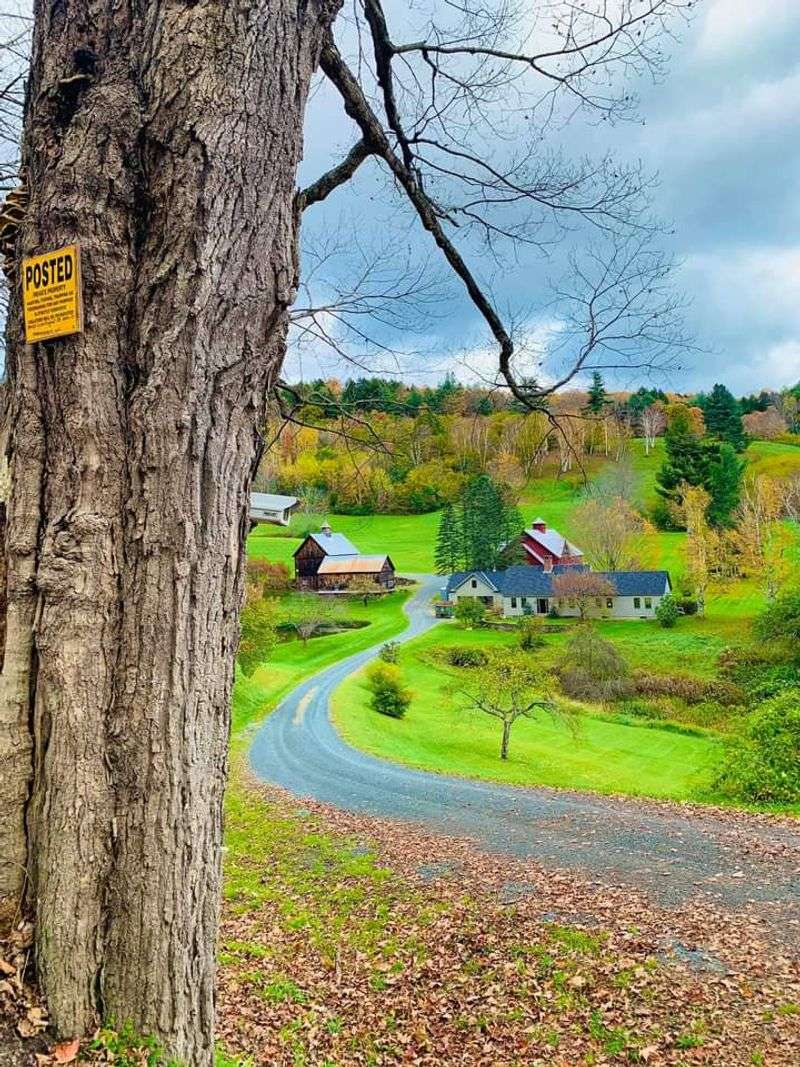
Viral Instagram photos turned a quiet country road into a traffic nightmare. Cloudland Road became so jammed with leaf-peepers snapping selfies that locals couldn’t get to work or home.
Town officials stepped in with temporary restrictions after residents complained about rude behavior and dangerous parking. Some visitors blocked driveways, trampled private property, and left trash behind.
The crackdown sparked debate about whether small towns should sacrifice peace for tourism dollars. Pomfret chose residents over revenue, at least during peak fall weekends.
2. Woodstock, Vermont
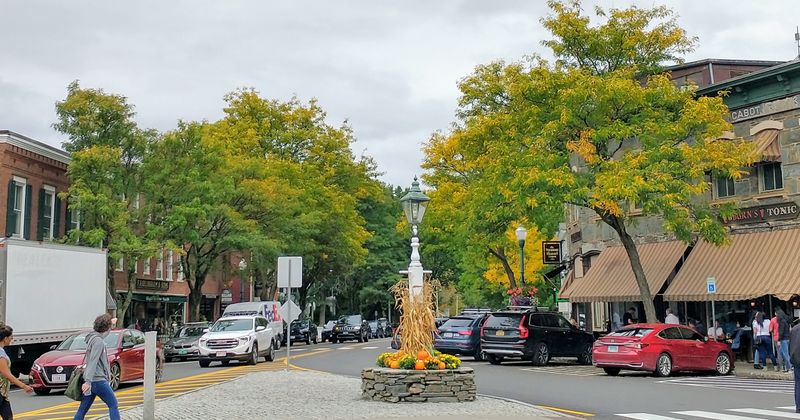
Just down the road from Pomfret, Woodstock faced identical autumn chaos. The back road connecting these two towns became a bottleneck as thousands chased the perfect fall photo.
Traffic crawled for hours while visitors hopped out for pictures, creating safety hazards. Local families found themselves trapped in their own neighborhoods during what should be a beautiful season.
Enforcement measures mirrored Pomfret’s approach, showing how even neighboring communities must band together. The fall-foliage gold rush proved too much for infrastructure built for a few hundred residents, not thousands of daily visitors.
3. Stowe, Vermont
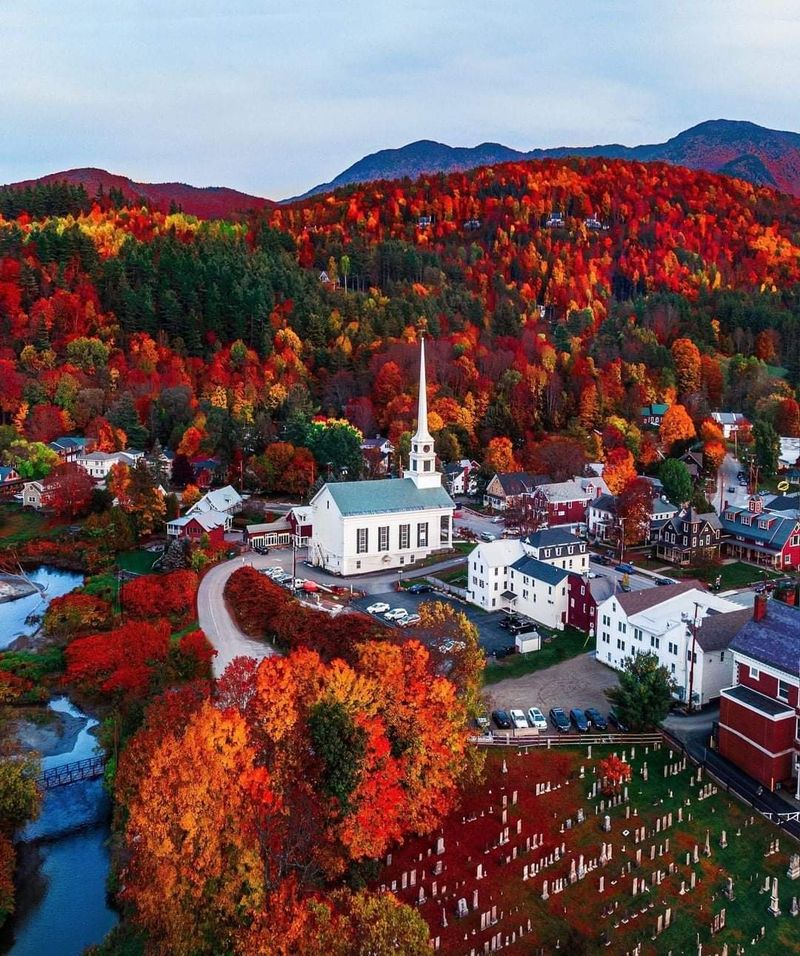
Housing has become nearly impossible for people who actually work in this famous ski town. Short-term rentals gobbled up apartments and houses that workers desperately need, forcing employees to commute from an hour away.
Peak-season traffic turns the charming village into a gridlocked mess. Parking becomes a blood sport, with visitors circling for spots while locals just want groceries.
Officials are wrestling with how to preserve the tourism economy without losing the community entirely. When teachers and nurses can’t afford to live where they work, something has broken.
4. Bar Harbor, Maine
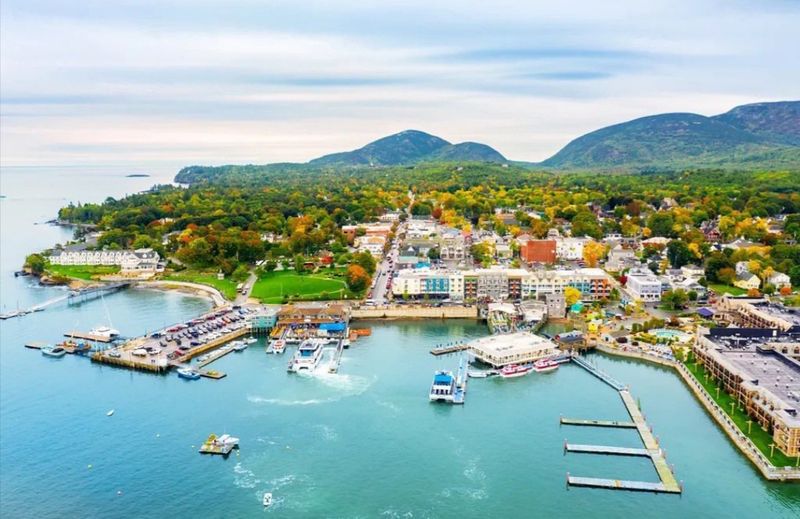
Cruise ships dump thousands of passengers into this tiny coastal town several times a day. Residents said their quality of life tanked as downtown became impassable and local businesses catered only to day-trippers.
After surveys confirmed the damage, voters pushed for cruise-ship limits. The backlash was fierce, triggering lawsuits and national headlines about who controls a town’s future.
Bar Harbor’s fight illustrates the cruise-industry dilemma: massive crowds, minimal spending, maximum disruption. The legal battles continue, but residents made their voices heard.
5. Key West, Florida
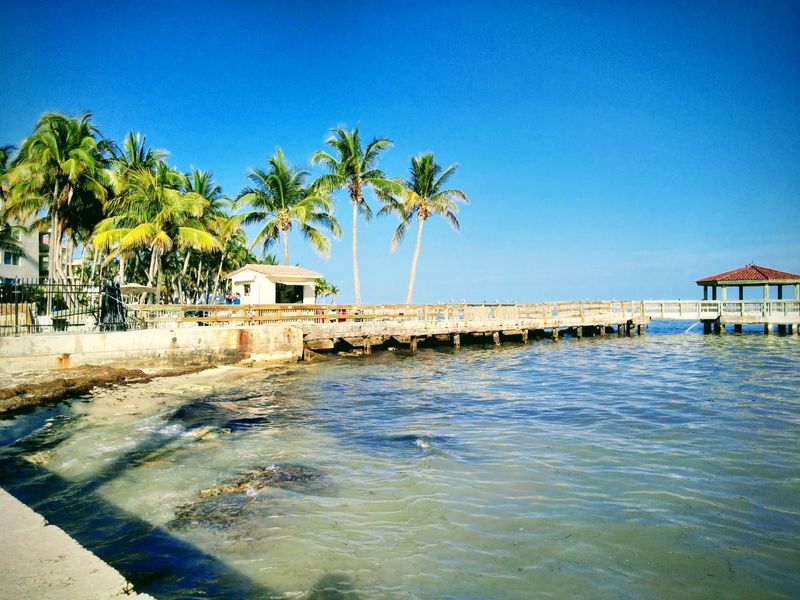
Voters approved stricter cruise limits to protect their island paradise from being loved to death. Then state lawmakers swooped in and overturned key parts of the local decision, reigniting fury.
The community remains bitterly divided over tourism’s impact on island character. Some see economic necessity, others see cultural destruction as chain stores replace quirky local shops.
Key West’s struggle highlights how outside political forces can override local control. When your home becomes someone else’s three-hour port stop, who gets to decide its future?
6. Sedona, Arizona
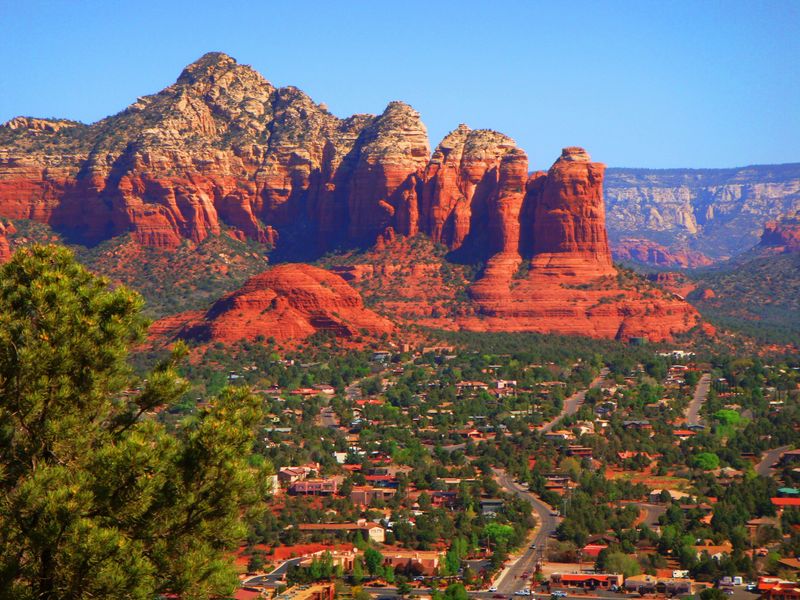
Red-rock beauty attracted so many visitors that workers can no longer afford to live here. Short-term rentals transformed neighborhoods into revolving-door hotels, erasing the sense of community.
Residents sound alarms about quality of life as traffic clogs once-peaceful roads. Hiking trails require early-morning arrivals to avoid crowds, and parking lots fill before breakfast.
National reporting linked Sedona’s housing crisis directly to the vacation-rental boom. When every home becomes an investment property, actual residents get priced out of paradise.
7. Jackson, Wyoming
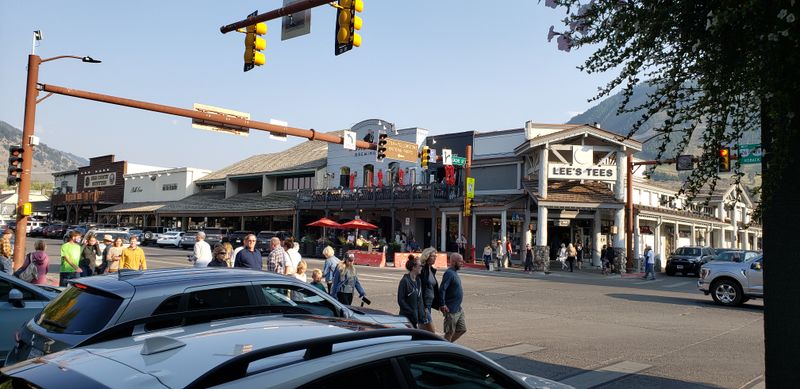
Billionaires bought up properties as second homes, creating what experts call super-gentrification. Workers who keep the town running now commute an hour or more because they can’t afford Jackson.
The wealth gap is staggering: celebrities and hedge-fund managers own vacation mansions while restaurant staff sleep in vans. Local reporting captured this surreal economic divide.
Jackson’s transformation shows how extreme wealth can hollow out a community. The town still functions, but only because workers sacrifice hours of daily driving to serve the ultra-rich.
8. Moab, Utah
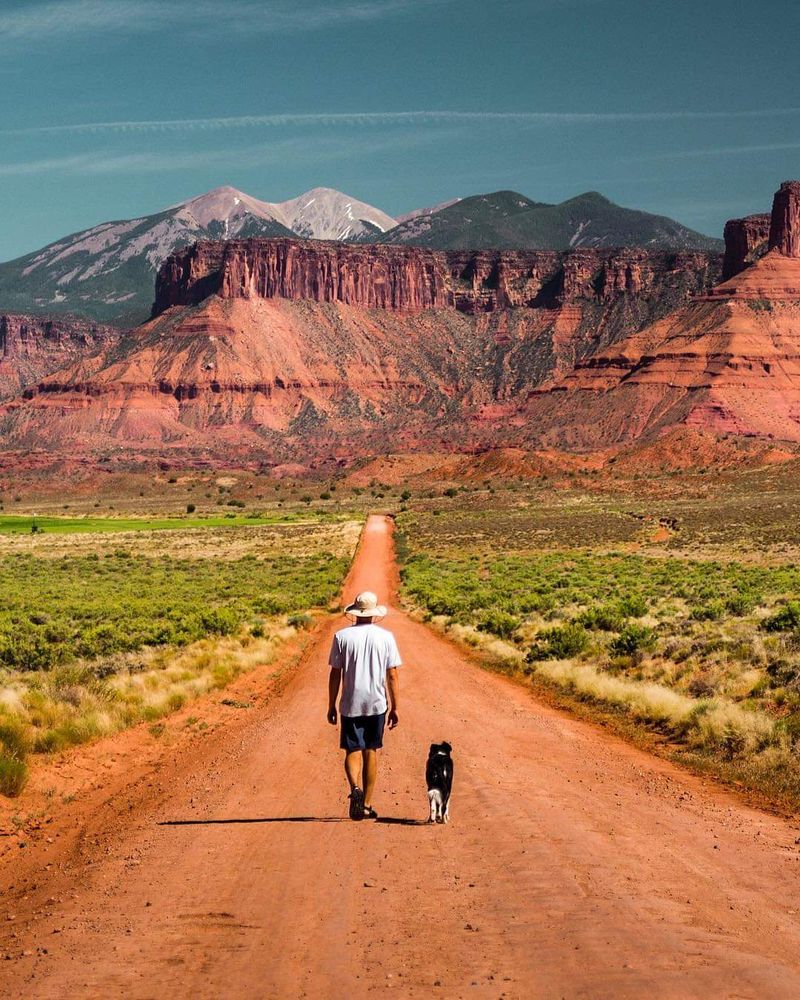
Explosive growth near Arches National Park pushed this desert town past its limits. Housing shortages force workers into cramped arrangements or long commutes through empty desert.
Timed-entry debates at Arches pit local government against some businesses worried about lost revenue. The park system exists to protect resources, but businesses fear fewer visitors mean fewer dollars.
Moab’s struggle reflects the tension between preservation and profit. When natural wonders draw millions, small gateway towns absorb impacts far beyond their capacity to manage.
9. Springdale, Utah
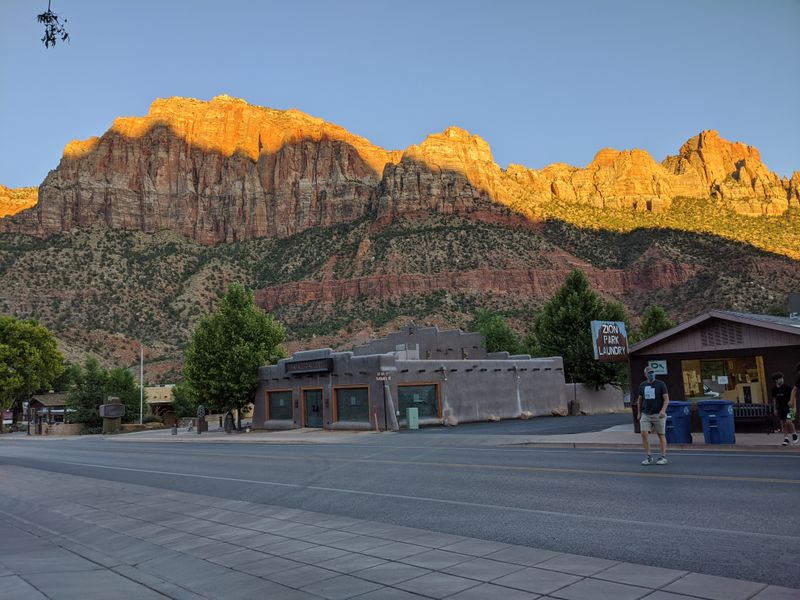
Sitting at Zion’s entrance, this tiny town became a parking lot as visitors overwhelmed the park. Cars once clogged every street and trailhead, creating dangerous conditions and pollution.
The shuttle system exists precisely because private vehicles made the area unlivable. Local officials describe congestion challenges that forced major infrastructure changes.
Springdale’s experience shows how national park popularity directly impacts gateway communities. The town adapted by limiting cars, but the sheer volume of humanity still strains resources and patience daily.
10. Park City, Utah
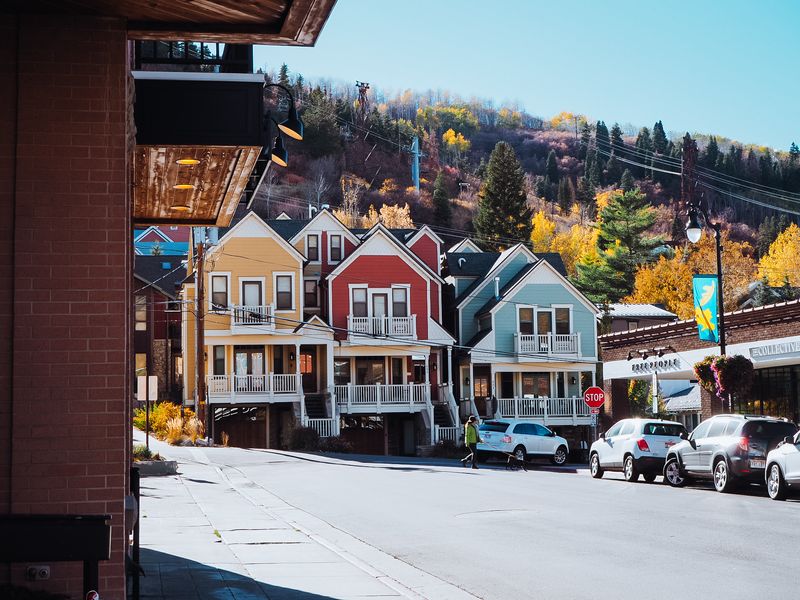
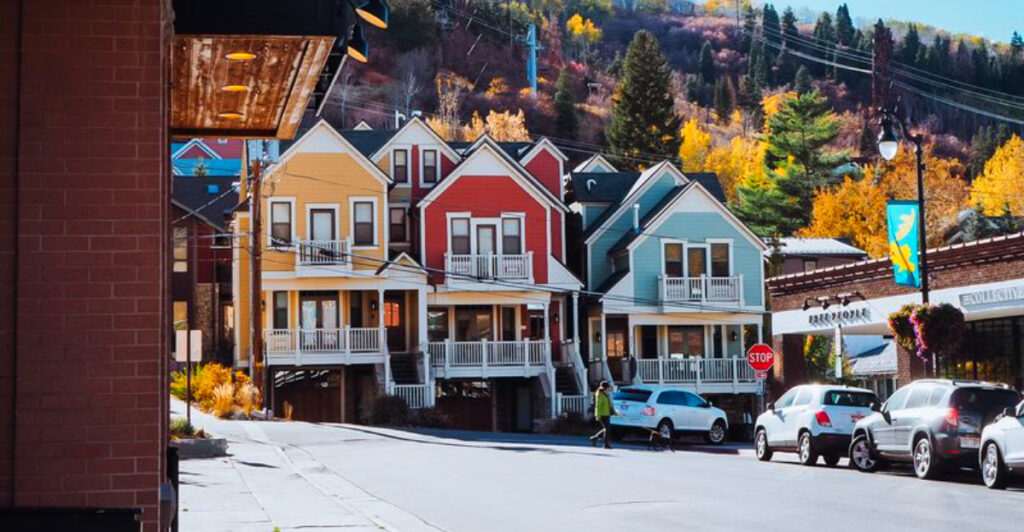
An unusually high percentage of housing sits empty most of the year, reserved for short-term rentals. State reporting highlighted how this ski town sacrificed residential neighborhoods for tourist accommodations.
Workers struggle to find housing within an hour’s drive, even with decent wages. The seasonal economy compounds the problem, leaving staff scrambling during peak ski and summer seasons.
Park City illustrates how tourism gold rushes create housing deserts. Homes become commodities instead of communities, and the people who make tourism possible become collateral damage.
11. Estes Park, Colorado
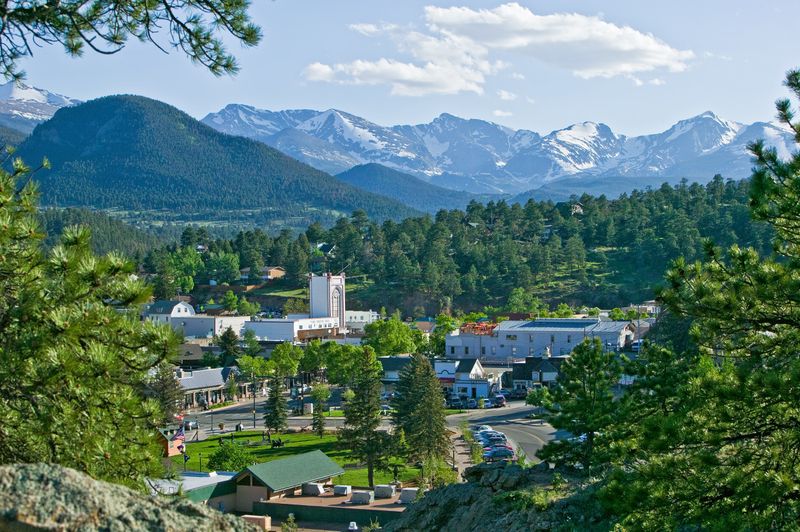
Rocky Mountain National Park implemented timed-entry to manage crushing demand, but traffic and crowds spill into Estes Park. The town absorbs overflow parking, congestion, and peak-season chaos.
Local reporting covers how summer weekends transform the town into gridlock. Visitors circle endlessly for parking while residents avoid downtown entirely during tourist season.
Estes Park’s challenges show how park restrictions push problems onto neighboring communities. The town benefits economically but pays a price in livability and infrastructure strain that never stops.
12. Vail, Colorado
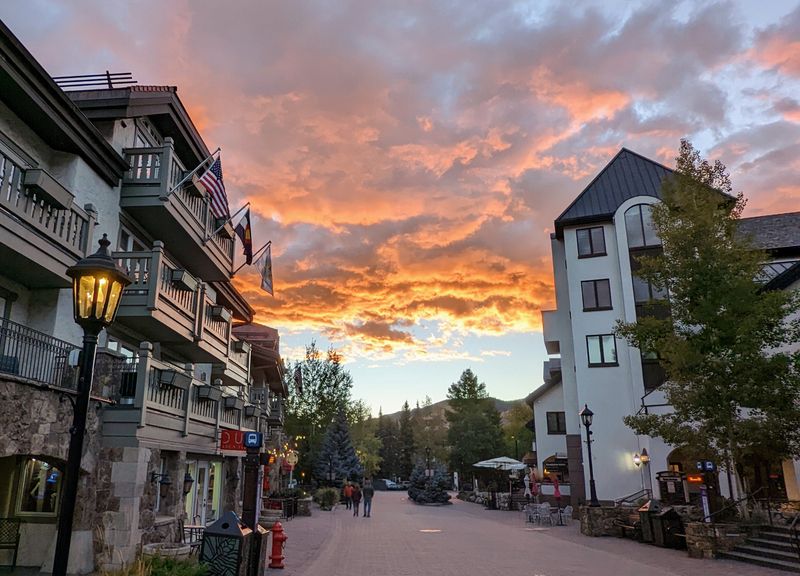
Housing shortages triggered major policy battles, including controversial short-term rental tax proposals. Even high-profile workforce housing negotiations made headlines as the town grappled with where employees would live.
Workers earning decent wages still can’t afford Vail, forcing impossible commutes over mountain passes. The town’s tourism economy depends on staff who must live elsewhere.
Vail’s fights reveal how resort economies can self-destruct without worker housing. You can build luxury hotels, but if nobody can afford to clean them, the whole system collapses.
13. Frisco, Colorado
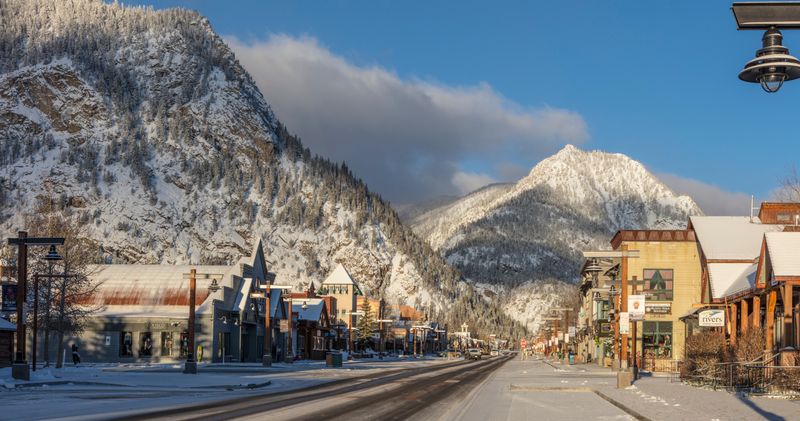
Town officials capped short-term rental licenses, explicitly tying the limit to protecting housing stock. They openly framed the decision as balancing tourism revenue with community livability.
Frisco’s approach shows proactive policy can work before crisis hits. By limiting STRs early, the town preserved neighborhoods instead of watching them vanish into booking platforms.
The cap sparked debate but demonstrated local control in action. Frisco chose to remain a town where people live, not just a collection of vacation properties managed by algorithms.
14. Telluride, Colorado
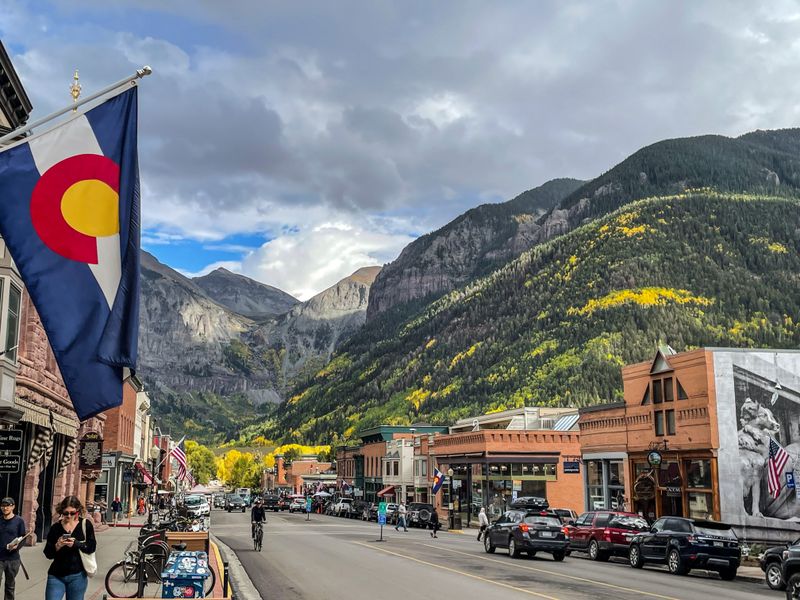
Policy reversals and studies document an intense tug-of-war between tourism and housing. Telluride’s short-term rental caps, debates, and changing regulations show how fraught these decisions become.
The town’s economic dependence on tourism conflicts with residents’ need for stable neighborhoods. Each policy shift triggers fierce reactions from property owners, workers, and long-time residents.
Telluride’s experience proves there are no easy answers when tourism is your economy. Balancing visitor revenue with community survival requires constant adjustment and uncomfortable compromises.
15. Steamboat Springs, Colorado
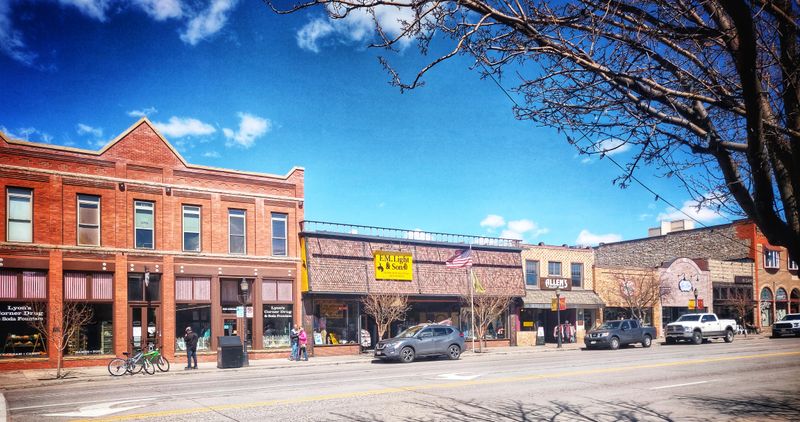
Local reporting noted the town approving a major tax on vacation rentals specifically to fund workforce housing. The tax acknowledges that short-term rentals created the housing crisis they now help solve.
Workers in this ski town faced impossible choices: leave or accept substandard housing far from work. The tax represents an attempt to make tourism pay for its own infrastructure needs.
Steamboat’s approach offers one model for communities seeking solutions. Make vacation rentals contribute to the housing they displaced, funding homes for the people who keep the town running.
16. Truckee, California
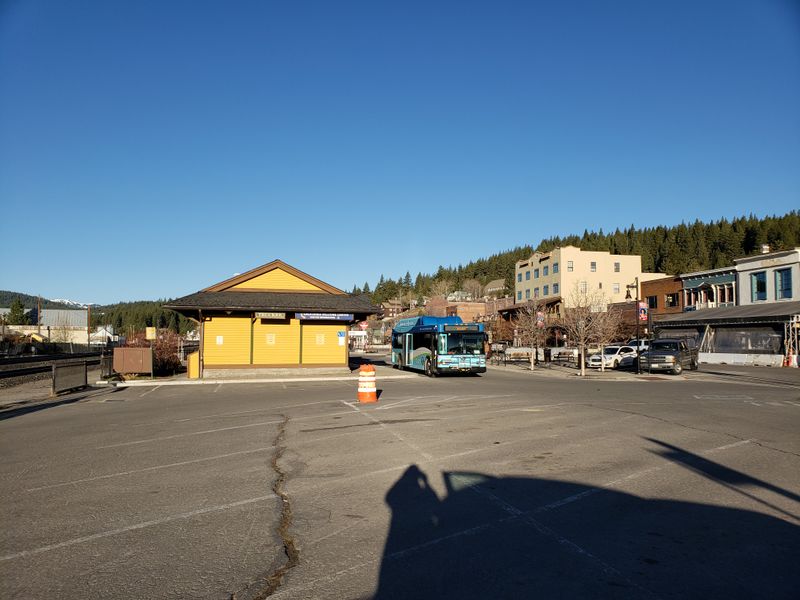
The town’s ordinance frames short-term rental regulation as reducing neighborhood nuisance while still welcoming visitors. Truckee tried threading the needle between tourism revenue and residential peace.
Regulations acknowledge that vacation rentals change neighborhood character in measurable ways. Noise, parking, and revolving-door occupants erode the community feel that made the town attractive initially.
Truckee’s balanced approach shows regulation doesn’t mean elimination. The town sought middle ground, protecting neighborhoods without killing the tourism economy that supports local businesses.
17. South Lake Tahoe, California
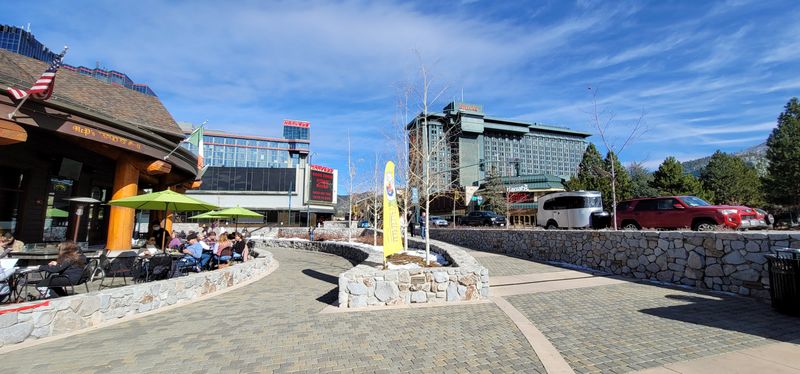
A judge struck down the city’s Measure T limits, revealing how heated the tourism-versus-neighborhoods battle became. Voters supported restrictions, but legal challenges overturned their decision.
The fight underscores deep divisions about South Lake Tahoe’s future. Property owners want rental income, residents want neighbors, and the court system becomes the battleground.
South Lake Tahoe’s legal defeat shows that even popular local measures can fail. When courts prioritize property rights over community character, residents lose control of their own neighborhoods.
18. Lake Elsinore, California
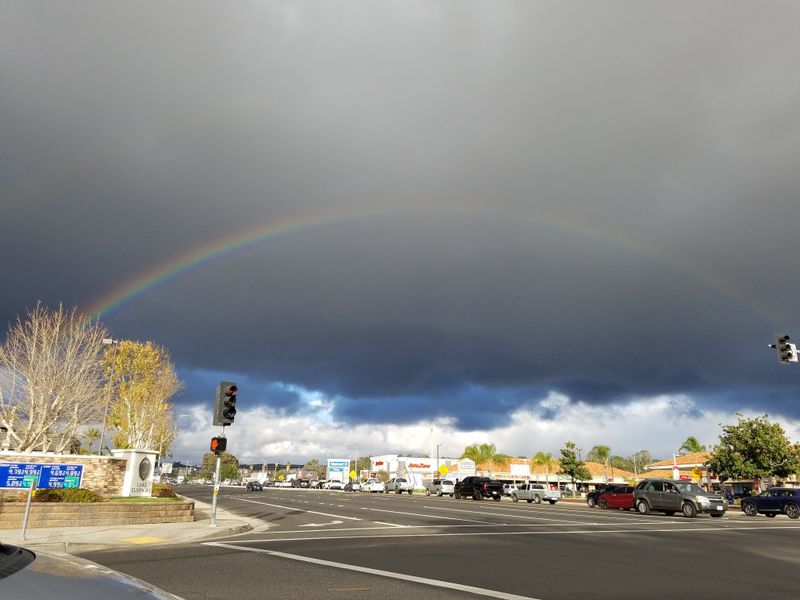
Social media turned wildflower blooms into crushing crowds that damaged the landscape. National reporting compared Lake Elsinore’s Instagram-fueled overcrowding to Vermont’s fall-foliage chaos.
Visitors trampled fragile poppies for selfies, creating ecological damage and traffic nightmares. The town wasn’t equipped for thousands of people descending after a viral post.
Lake Elsinore’s story highlights social media’s dark side for nature. One viral photo can destroy the very beauty it celebrates, as crowds rush to replicate the shot.
19. Joshua Tree, California
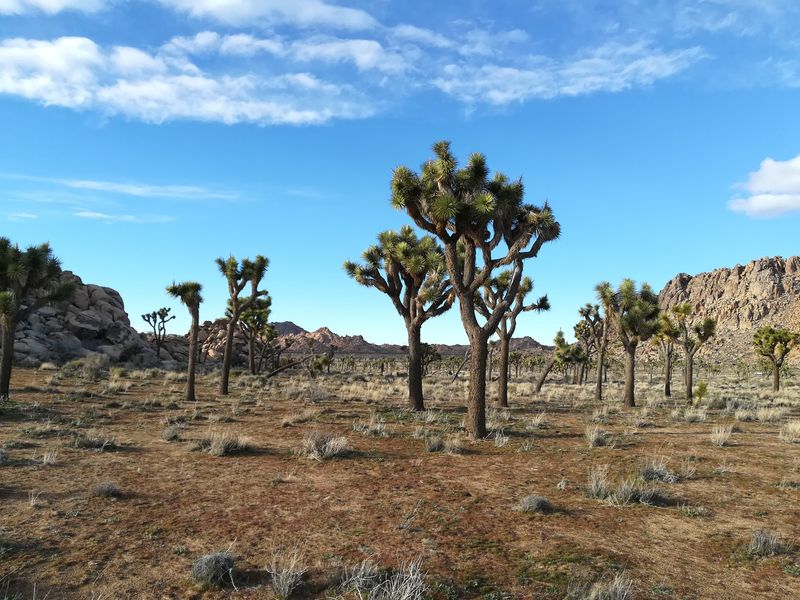
Rapid short-term rental growth transformed this desert community almost overnight. Coverage documented the explosion of vacation properties and resulting tension over housing and neighborhood change.
Artists and long-time residents who gave Joshua Tree its character found themselves priced out. The quirky desert vibe got replaced by investment properties catering to weekend visitors.
Joshua Tree’s transformation shows how quickly tourism can reshape a place. The community that attracted visitors in the first place disappears, replaced by empty houses awaiting the next booking.
20. Yucca Valley, California
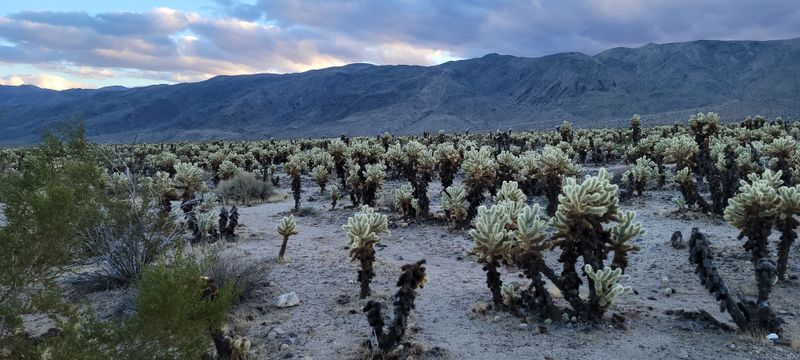
Regional reporting tracked dramatic short-term rental growth here too, tied to Joshua Tree area tourism demand. Even neighboring communities felt the vacation-rental wave.
Yucca Valley absorbed overflow as Joshua Tree saturated with rentals. The same housing pressures and neighborhood changes rippled outward from the park.
The town’s experience shows tourism impacts spread beyond the main attraction. Gateway communities and their neighbors all face consequences when one area becomes a destination hotspot.
21. Landers, California
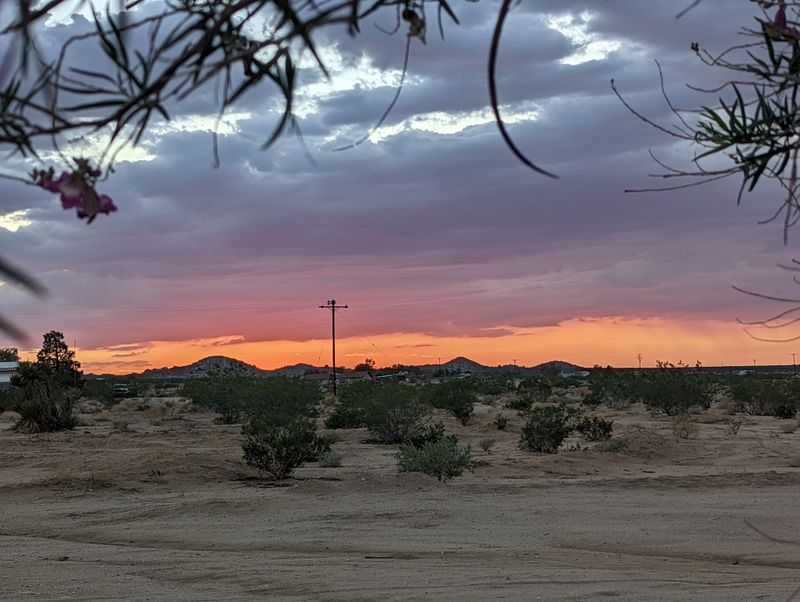
Even tiny Landers got pulled into the short-term rental wave documented across the region. The Joshua Tree tourism boom rippled outward to the most unlikely places.
This remote desert spot saw investment properties appear as visitors sought any available lodging. The rental surge changed the character of a community most people never heard of.
Landers proves tourism’s reach extends far beyond the destination itself. When a national park or attraction gets popular, the effects spread like desert wildflowers after rare rain.
22. Twentynine Palms, California
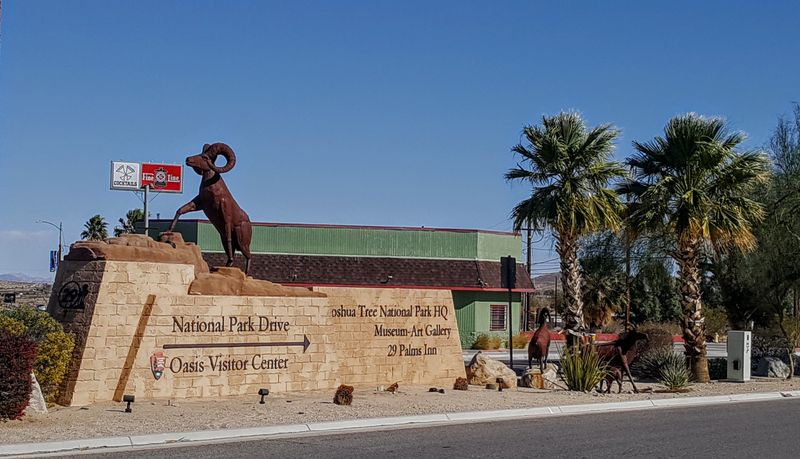
A new hotel opening was framed against rising demand and short-term rental tensions in the area. Even new construction couldn’t keep pace with tourism growth.
The town serves both Joshua Tree visitors and the nearby Marine base, creating unique pressures. Tourism demand competes with military families for limited housing.
Twentynine Palms shows how multiple factors compound tourism impacts. When a community serves different populations, adding vacation-rental pressure creates a perfect storm of housing shortages.
23. Three Rivers, California
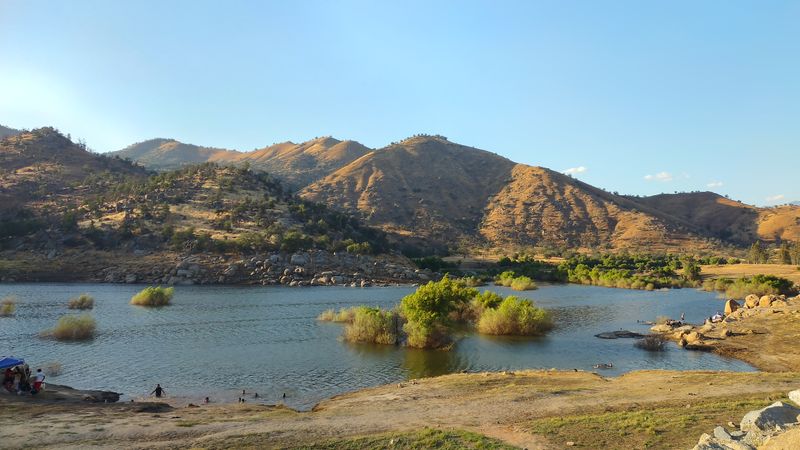
Reporting describes a community overwhelmed by short-term rental proliferation. Neighbors disappeared, replaced by weekly guests who leave trash and don’t care about the community.
Housing impacts hit hard as properties converted to vacation rentals. Workers at nearby Sequoia National Park struggle to find places to live.
Three Rivers lost its neighborhood feel entirely, becoming a hotel district without the hotel. The sense of community that made the town special vanished when residents were replaced by tourists.
24. Juneau, Alaska
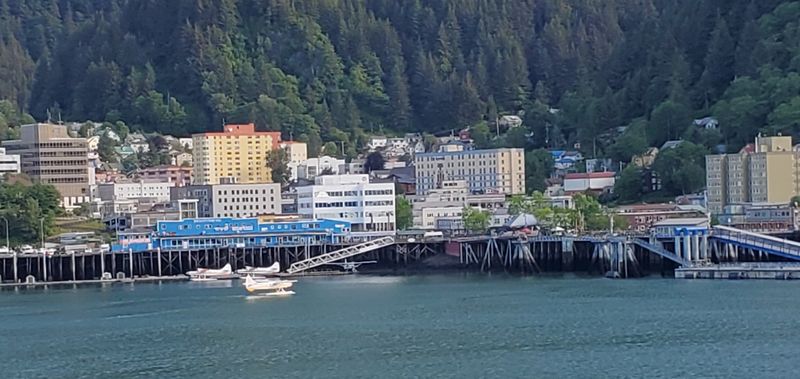
Residents pushed back hard against cruise-ship volume and proposals to limit peak-day crowding. Coverage described a community fighting to maintain identity amid tourist floods.
Multiple massive ships can dock simultaneously, dumping thousands into a small capital city. Downtown becomes impassable as cruise passengers swarm jewelry stores and tourist shops.
Juneau’s fight mirrors Bar Harbor’s struggle with cruise-industry dominance. When your town becomes a port stop, you lose control over how many visitors arrive and when.
25. Santa Paula, California
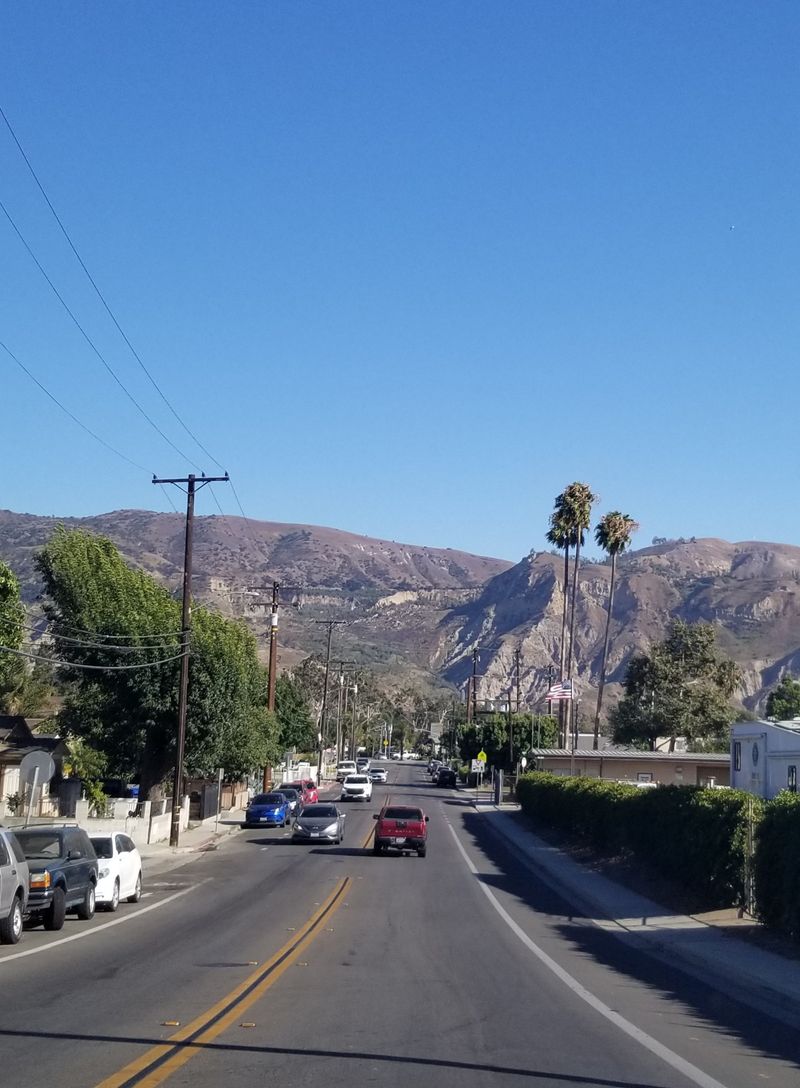
Pandemic-era surges brought crowds, trash, and closures to Santa Paula Canyon. National reporting highlighted how social-distancing refugees overwhelmed outdoor spaces.
Visitors unfamiliar with wilderness ethics left garbage, created illegal trails, and damaged fragile ecosystems. The canyon couldn’t handle sudden popularity from city dwellers seeking escape.
Santa Paula’s experience shows pandemic tourism’s environmental cost. Places that seemed remote got discovered overnight, and the resulting damage will take years to heal, if it ever does.
Share this story