Maryland sits right on the Chesapeake Bay, and that means seafood here is more than just food – it’s a way of life. Locals grow up learning how to crack crabs, slurp oysters, and spot the difference between real Bay fish and imposters. When you eat seafood in Maryland, you’re tasting tradition, pride, and a whole lot of Old Bay.
1. Steamed Hard Chesapeake Bay Blue Crabs (Heavy Seasoning, Hands-Only)
Nothing says Maryland summer like a table covered in newspaper, a mountain of bright red crabs, and a cloud of spicy steam rising into the air. Steamed hard crabs are the ultimate test of patience and skill. You crack, you pick, you work for every single sweet bite.
Visit Maryland calls Chesapeake Bay blue crab iconic, and steamed hard crabs are the classic experience everyone expects. The ritual is simple but serious: heavy seasoning (usually Old Bay or J.O.), no utensils except a mallet, and the understanding that eating crabs is a slow, messy, social event. Tourists might get frustrated, but locals know the effort is part of the magic.
Crabs are measured, graded, and priced by size. Jumbo males (called jimmies) cost more but offer more meat, while smaller crabs are cheaper and still delicious if you have the time to pick them.
2. Soft-Shell Crabs (Eat the Whole Crab—Shell Included)

Soft-shell crabs are blue crabs caught right after they molt, when their new shell is still tender and edible. That narrow window makes soft-shell season feel like a celebration that only lasts a few weeks each year. Locals mark their calendars and plan meals around it.
Visit Maryland highlights soft shells as a seasonal treasure because the same crab that requires a mallet one week can be eaten whole the next. The entire crab—legs, claws, body—gets breaded and fried or sautéed. No picking, no cracking, just pure crab flavor in every bite.
Restaurants advertise when soft shells arrive, and menus change overnight. You might see them on sandwiches, over salads, or simply plated with lemon and drawn butter. Miss the season, and you wait until next year.
3. Crab Cakes (Because Crabmeat Is the Staple)
Ask a Marylander about crab cakes, and you’ll get strong opinions fast. Real Maryland crab cakes are about the crab, not the filler. Breadcrumbs should barely hold things together, and you should see big lumps of meat in every bite.
Visit Maryland lists crab cakes among the core regional crabmeat dishes, and locals expect them everywhere from dive bars to fancy restaurants. The debate never ends: broiled versus fried, mustard versus mayo, Old Bay versus secret spice blends. Everyone has a favorite spot, and everyone thinks theirs is the best.
Tourists sometimes order crab cakes without realizing they’re walking into a minefield of local pride. Serving a cake stuffed with bread or using fake crab is basically an insult. Good crab cakes cost more because good crabmeat costs more, and locals will pay it.
4. Maryland Crab Soup (A Go-To Crabmeat in a Bowl Order)
When the weather cools down or you just want something warm and filling, Maryland crab soup is the move. It’s a tomato-based vegetable soup loaded with crabmeat, and it’s one of the dishes that screams comfort and tradition at the same time.
Maryland’s tourism office explicitly names crab soup as a regional crabmeat staple, and nearly every seafood restaurant keeps a pot simmering. Recipes vary wildly—some families add lima beans, others throw in corn or okra, and spice levels range from mild to fiery. But crabmeat is always the star.
Locals order crab soup as a starter or a full meal, depending on the day. It’s the kind of dish grandmothers pass down through generations, and everyone swears their version is the right one. Pair it with crackers or cornbread, and you’ve got a Maryland classic.
5. Cream of Crab Soup (Richer, Cozier, Still Very Maryland)
Cream of crab soup is the fancier, richer cousin of Maryland crab soup. Instead of tomato and vegetables, you get a thick, creamy base loaded with crabmeat and often a splash of sherry. It’s indulgent, warming, and unmistakably Maryland.
Visit Maryland lists cream of crab right alongside regular crab soup in the official crabmeat staples lineup. Locals pick this one when they want something more velvety and luxurious, especially on cold days or special occasions. The texture is smooth, the flavor is rich, and the crab still shines through.
Some restaurants serve it as a cup, others as a bowl, and a few even offer it as a sauce over fish or pasta. It’s not an everyday order for most people, but when the craving hits, nothing else will do. Expect to find it on menus year-round.
6. Crab Imperial (Old-School, Baked, Crab-Forward)

Crab Imperial is one of those dishes that feels like stepping back in time. It’s baked crabmeat mixed with mayo, mustard, and seasonings, often topped with a little extra cheese or breadcrumbs for a golden crust. Locals recognize it instantly as real Maryland cooking.
Maryland’s tourism office singles out Crab Imperial in the same guide of crabmeat classics, and it’s a menu staple at old-school seafood houses. The dish is rich but not heavy, and the crab flavor stays front and center. Some places serve it in scallop shells, others in ramekins, but the idea is always the same: simple, classic, delicious.
It’s not trendy or flashy, but that’s exactly why locals love it. Crab Imperial represents tradition and quality, and ordering it shows you know what Maryland seafood is really about.
7. Raw Oysters (Try Different Places Around the Bay)

Oysters are like wine in Maryland—where they come from changes everything. Locals love comparing oysters from different parts of the Bay because salinity, water temperature, and bottom conditions all affect flavor. One spot might give you briny, crisp oysters, while another offers something sweeter and creamier.
Visit Maryland specifically notes that oysters from different Bay locations taste different, and serious oyster fans keep mental maps of their favorite harvesting areas. You’ll hear names like Choptank Sweets, Barren Island, or St. Jerome Creek tossed around like badges of honor. Trying oysters from multiple places isn’t just fun—it’s practically required.
Raw bars and seafood shacks post daily oyster menus listing origins, and locals read them carefully. If you’re new to oysters, ask for recommendations. If you’re a regular, you probably already have your top three.
8. Oyster Stew (The Cold-Weather Move)
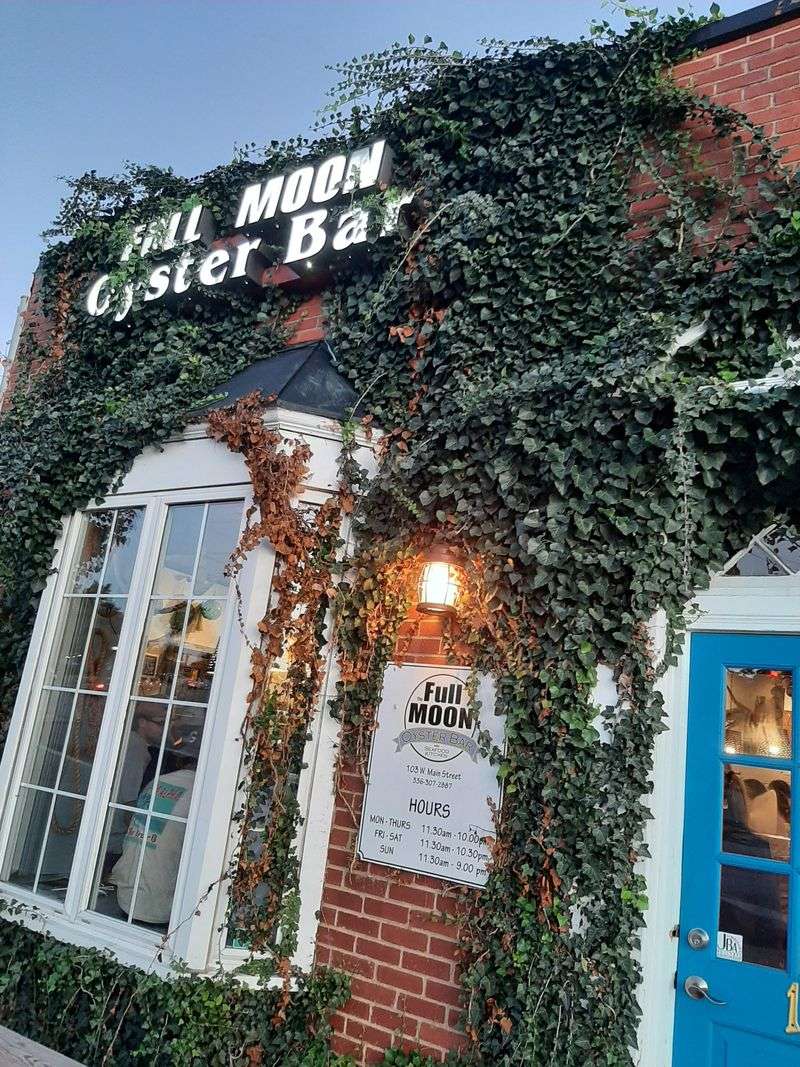
When the temperature drops and the Bay gets choppy, locals turn to oyster stew. Visit Maryland flat-out says that in the cooler months, oysters are the Maryland seafood of choice, and oyster stew is one of the classic follow-up orders.
The dish is simple: oysters, milk or cream, butter, and seasonings. Some people add a little celery or onion, but the focus stays on the oysters themselves. The stew is rich, warming, and perfect for a chilly evening by the water. It’s comfort food that still feels special.
Oyster stew shows up on fall and winter menus across the state, and locals know which spots make it best. Some prefer it thick and creamy, others like it lighter and brothier. Either way, it’s a Maryland tradition that never goes out of style, especially when the wind picks up.
9. Fried Oysters (Crispy, Briny, and Very Chesapeake)
Not everyone wants to eat oysters raw, and that’s where fried oysters come in. Locals who love oysters but prefer them cooked order these without hesitation. The oysters get breaded (usually with cornmeal or breadcrumbs) and fried until golden and crispy on the outside, tender and briny on the inside.
Visit Maryland calls out fried oysters alongside raw oysters and stew as a classic alternative, proving it’s not just a backup plan—it’s a legitimate choice. Fried oysters show up on po’ boy sandwiches, in baskets with fries, or as appetizers with cocktail sauce and lemon. The texture contrast is perfect: crunchy coating, soft oyster, big flavor.
Some purists argue that frying hides the oyster’s natural taste, but locals know better. A well-fried oyster still tastes like the Bay, just with a little extra crunch and comfort thrown in.
10. Oysters Rockefeller (When You Want Oysters Plus Richness)
Oysters Rockefeller might sound fancy, but in Maryland, it’s just another way to enjoy the Bay’s oysters. The dish features oysters on the half shell topped with a rich mixture of butter, herbs, breadcrumbs, and sometimes cheese, then baked until bubbly and golden.
Visit Maryland gives Rockefeller its own mention in the oyster rundown, proving it’s not just a random menu add-on. Locals order it when they want oysters but crave something a little more indulgent and cooked. The topping adds richness and flavor without completely overwhelming the oyster itself.
It’s a popular appetizer at nicer seafood restaurants and special-occasion dinners. Some places make it traditional, others add their own twist with spinach, bacon, or hot sauce. Either way, it’s a Maryland-approved way to enjoy oysters with a little extra flair and a lot of butter.
11. Hard-Shell Clams (A Real Maryland Fishery, Not Just Generic Clams)

Hard clams have a documented history as a Maryland fishery going back to at least the 1880s, especially in areas like Tangier and Pocomoke Sounds. That long history means clams aren’t just generic seafood—they’re a genuinely local choice, as long as you know where they’re sourced.
Maryland Department of Natural Resources tracks hard clam harvests and management, and locals know that buying Maryland clams supports watermen and keeps the tradition alive. You’ll find them steamed, in chowder, or raw on the half shell. Sizes range from tiny littlenecks to big cherrystones, and each size works best for different dishes.
When you see Maryland clams on a menu, it’s worth asking where they came from. Real local clams taste like the Bay—briny, sweet, and fresh. They’re not as famous as crabs or oysters, but they’re just as important to the people who fish them.
12. Bay-Fried Fish Platters (Spot, Croaker, White Perch)
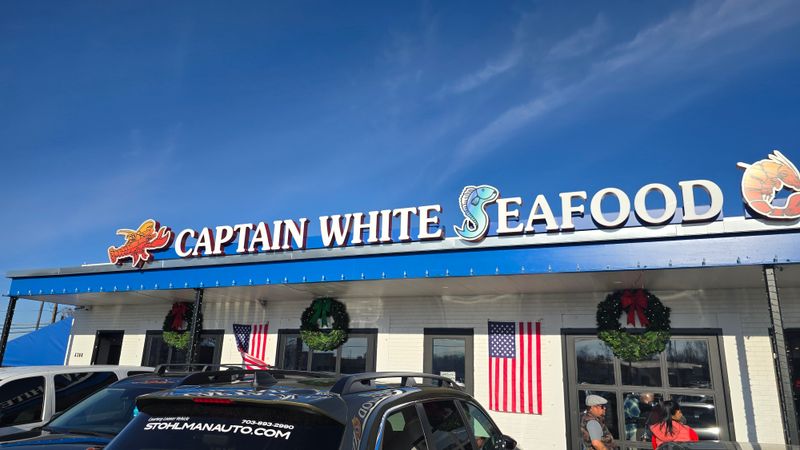
If you see spot, croaker, or white perch on a menu, that’s a locals’ signal. Maryland Department of Natural Resources describes spot as one of the most frequently caught recreational species in Maryland, white perch as a delectable and important recreational species, and provides current guidance for Atlantic croaker. All three are part of the broader Chesapeake fish culture.
Bay-fried fish platters are the kind of thing you order at a no-frills seafood shack where the fish is caught locally and fried fresh. These aren’t fancy fish—they’re small, bony, and full of flavor. Locals grew up eating them, and they know how to pick around the bones without thinking twice.
Ordering a Bay-fried platter shows you understand Maryland seafood beyond crabs and rockfish. It’s a humble, honest meal that connects you to the Bay’s fishing traditions and the people who still catch these fish for fun and food.
Share this story