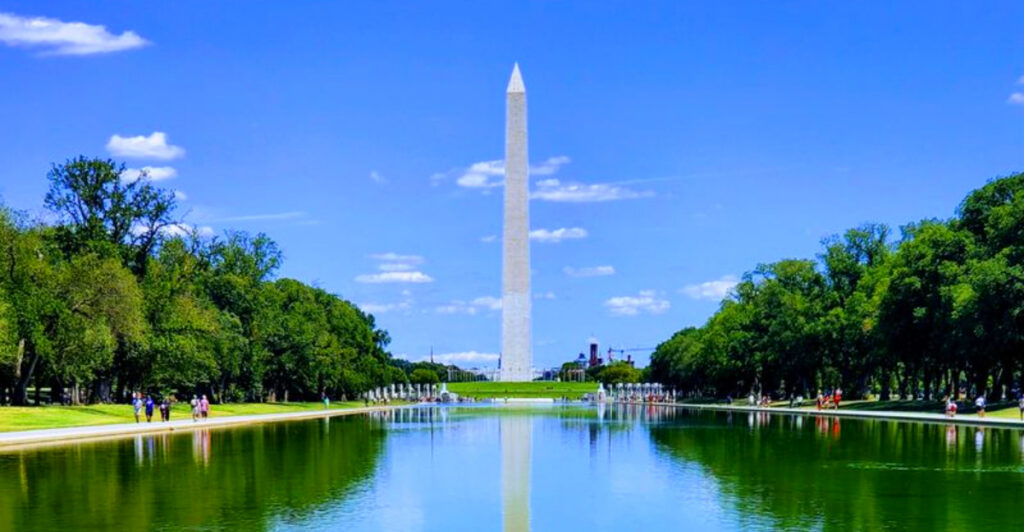
America’s most iconic attractions have stories that go far beyond their current appearances. Many of the places we visit today looked completely different decades or even centuries ago, shaped by time, tourism, and human intervention. From natural wonders that have been altered by development to urban landmarks that have been rebuilt from the ground up, these transformations reveal how our relationship with famous sites continues to evolve. Join us as we explore how fifteen beloved destinations have changed in ways that might surprise you.
1. Times Square, New York City
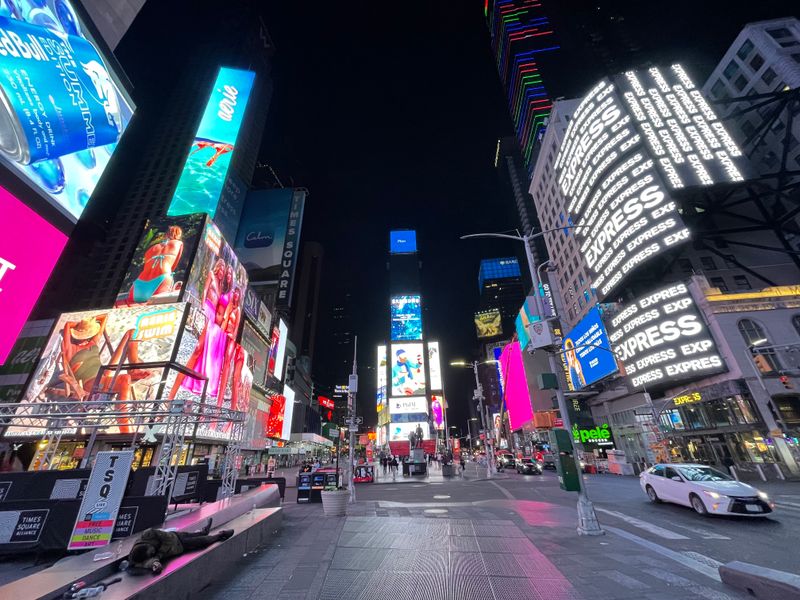
Walking through Times Square today, you’d never guess it was once one of the most dangerous places in Manhattan. Back in the 1970s, this iconic intersection was filled with crime, adult theaters, and a reputation that kept families far away.
The transformation began in the 1990s when city officials decided to clean up the area completely. They removed the seedy businesses, brought in major corporations, and created pedestrian plazas where people could safely gather.
Now it’s packed with chain restaurants, Broadway theaters, and massive digital billboards that light up the night sky. Tourists from around the world flock here to take selfies and experience the electric energy. What was once avoided is now one of the most visited spots on Earth, though some locals miss its grittier, more authentic past.
2. The Las Vegas Strip, Nevada
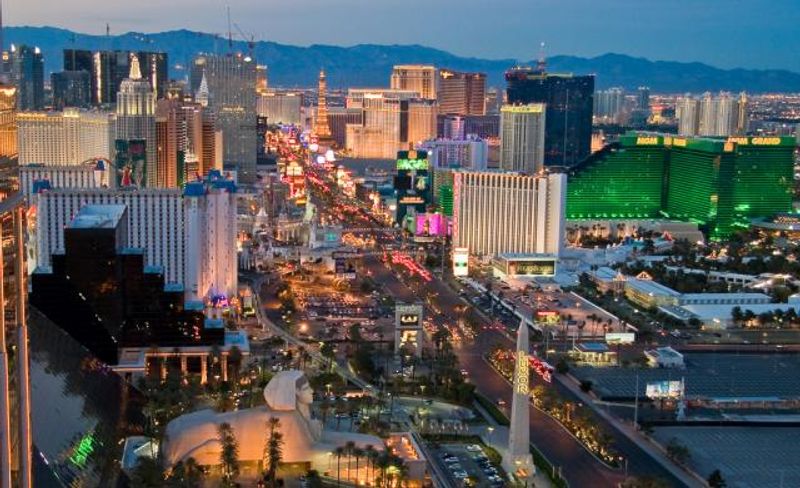
Picture a dusty desert highway lined with small motels and a few flickering neon signs. That’s what the Las Vegas Strip looked like when it first started attracting visitors in the 1940s and 1950s.
Each decade brought bigger and bolder projects. The Flamingo started the trend, but it was nothing compared to what followed. Hotels began competing to create the most outrageous themes, from Egyptian pyramids to medieval castles to replicas of Paris and Venice.
Today’s Strip is an overwhelming corridor of massive resort complexes that stretch for miles. The buildings tower over the street, featuring elaborate fountains, roller coasters, and entertainment venues that hold thousands. The modest desert motels have been completely replaced by billion-dollar properties. It’s a testament to how ambition and tourism dollars can transform a landscape beyond recognition.
3. Niagara Falls, New York
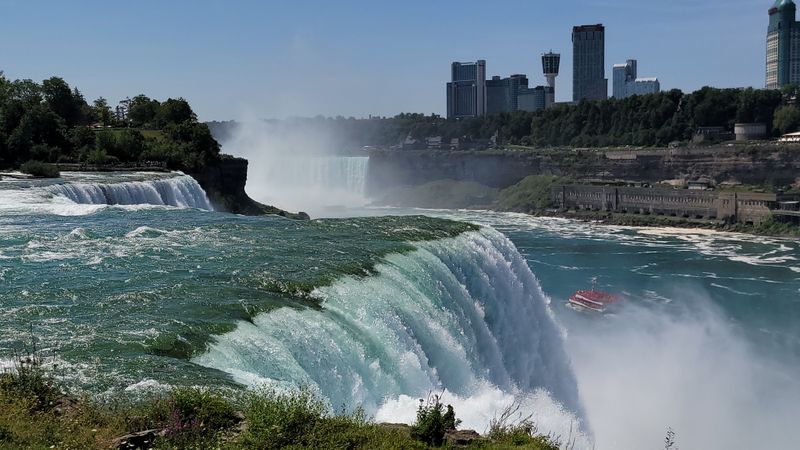
Niagara Falls has been breathtaking visitors for centuries, but the experience has changed dramatically. Early photographs from the 1800s show the falls surrounded by relatively untouched wilderness, with the water thundering down at full natural force.
Development started creeping in as tourism grew. Hotels, observation decks, and souvenir shops began crowding the shoreline. Even more significantly, engineers started diverting huge amounts of water for hydroelectric power generation, especially at night when fewer tourists are watching.
The surrounding area now feels more like a theme park than a natural wonder. Casinos, restaurants, and attractions compete for attention with the falls themselves. While the waterfall remains impressive, it’s estimated that only about half the natural water flow goes over the edge during peak tourist hours. The rest powers homes and businesses across the region, making this natural marvel also a heavily managed resource.
4. Mount Rushmore, South Dakota
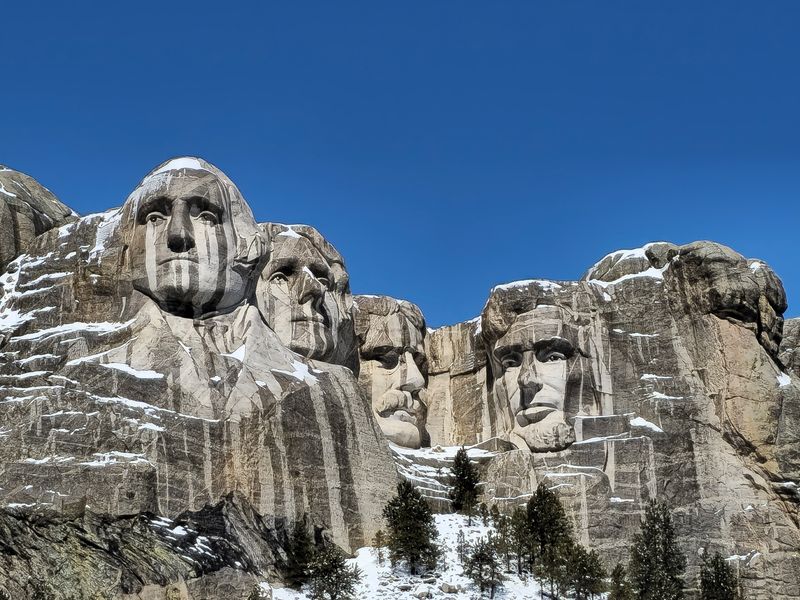
Before 1927, this mountain in South Dakota’s Black Hills was just another granite peak. The Lakota Sioux, who considered it sacred, knew it as Six Grandfathers. Then sculptor Gutzon Borglum arrived with dynamite and a vision.
Over 14 years, workers blasted and carved 450,000 tons of rock to create the 60-foot-tall faces of Washington, Jefferson, Theodore Roosevelt, and Lincoln. The transformation was total and irreversible, changing the mountain’s silhouette forever.
What visitors see today is entirely manmade, though many forget that fact when they arrive. The monument has become so iconic that it’s hard to imagine the mountain any other way. Yet old photographs remind us that this famous landmark is actually one of the most dramatic alterations of natural landscape in American history. The mountain went from sacred natural formation to patriotic sculpture, sparking debates about art, history, and respect for indigenous lands that continue today.
5. The Hollywood Sign, California

Everyone recognizes those nine white letters perched on Mount Lee, but the sign started as a temporary advertisement. In 1923, a real estate developer put up HOLLYWOODLAND to promote a housing development, expecting to remove it after about a year and a half.
The sign fell into disrepair over the decades. By the 1970s, the letters were literally falling apart, with the H collapsed and the O’s looking like lowercase letters. That’s when celebrities and donors stepped in to fund a complete reconstruction.
The last four letters were removed during the restoration, shortening it to just HOLLYWOOD. The new version used sturdier materials and was built to last. Now it’s maintained by a nonprofit and protected by security cameras and motion sensors. What began as disposable marketing has become one of the most photographed landmarks in America, though it took near-destruction and community effort to get there.
6. Central Park, New York City
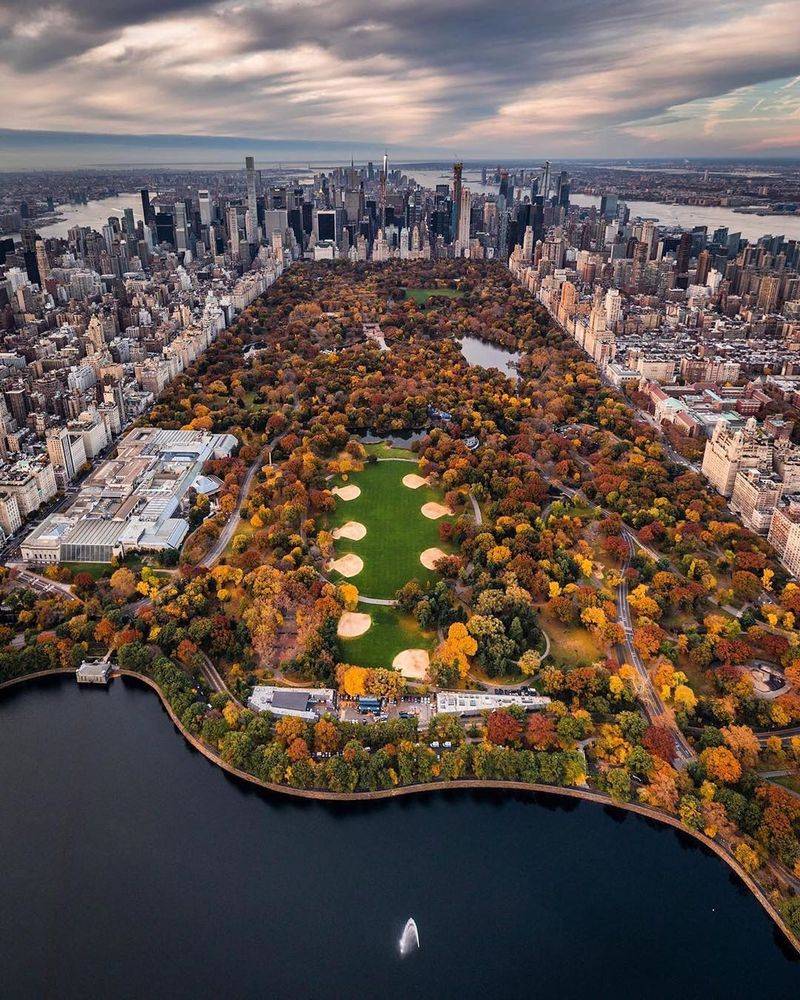
Central Park looks so natural that many visitors assume it’s always been there. Actually, the entire 843-acre space is completely designed and built by humans. Before 1857, the area was home to rocky outcrops, swamps, and small settlements including Seneca Village, a thriving community of free Black property owners.
Designers Frederick Law Olmsted and Calvert Vaux won a competition to create the park. They moved millions of cubic yards of soil, imported thousands of trees, and created artificial lakes and meadows where none existed before. Entire communities were displaced to make room for this vision of nature.
Every tree, path, and body of water you see today was deliberately placed. The park requires constant maintenance to keep looking effortlessly beautiful. It’s one of the most successful examples of landscape architecture in the world, but it’s also a reminder that even our green spaces are carefully constructed rather than naturally preserved.
7. Disneyland, California

Opening day at Disneyland in 1955 was famously chaotic. Rides broke down, freshly poured asphalt trapped women’s high heels, and some areas were literally unfinished plywood facades. Walt Disney called it Black Sunday, though guests were still enchanted.
That original park had just 18 attractions across five themed lands. Sleeping Beauty Castle was much smaller than people expected, and Tomorrowland looked more like a 1950s science fair than the future. The technology was experimental and frequently malfunctioned.
Decades of continuous upgrades have transformed every corner. Attractions now use sophisticated animatronics, projection mapping, and computer systems that would have seemed like magic in 1955. New lands have been added, old ones completely reimagined. Even the trees are bigger, creating shade that didn’t exist when the park opened. Today’s Disneyland shares little with Walt’s original vision except the basic layout and his commitment to constant improvement.
8. Ellis Island, New York
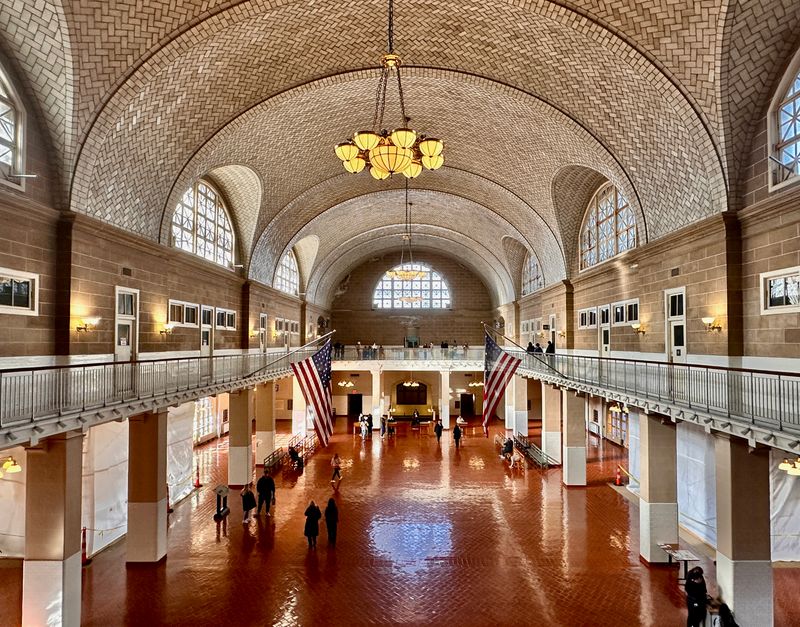
Between 1892 and 1954, over 12 million immigrants passed through Ellis Island’s processing facilities. During peak years, the buildings were crowded, noisy, and overwhelming, with thousands of anxious people waiting in long lines every single day.
After the immigration station closed, the buildings sat abandoned for decades. Weather, vandalism, and neglect took a heavy toll. Roofs collapsed, windows shattered, and the island became a haunting reminder of its busier past.
A massive restoration project in the 1980s brought the main building back to life as the Ellis Island National Museum of Immigration. Now visitors walk through clean, quiet galleries instead of chaotic processing rooms. The experience is educational and moving, but completely different from what immigrants actually encountered. The building has been preserved as a monument rather than a working facility, transforming from a place of anxiety and hope into a place of reflection and remembrance.
9. The Grand Canyon, Arizona
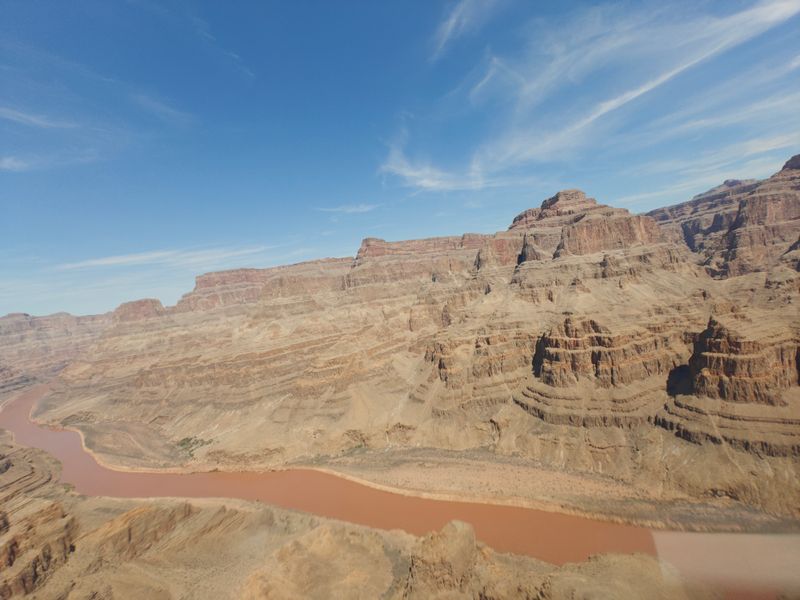
The Grand Canyon itself hasn’t changed much in millions of years, but how we experience it certainly has. Early visitors in the late 1800s arrived by stagecoach and camped on the rim with minimal facilities. The journey was difficult and the experience was raw.
As tourism grew, so did the infrastructure. Roads were carved into the landscape, lodges built near the rim, and designated overlooks created with railings and parking lots. The Skywalk, a glass bridge extending over the canyon, represents how dramatically human additions have altered the experience.
Today, millions of visitors arrive by car, tour bus, or even helicopter. Traffic jams are common during peak season. Rangers manage crowds at popular viewpoints, and reservation systems control access to certain areas. While the canyon’s natural beauty remains awe-inspiring, the experience is now carefully managed and heavily developed. What was once a remote wilderness destination has become one of America’s most accessible and structured national parks.
10. Fisherman’s Wharf, San Francisco
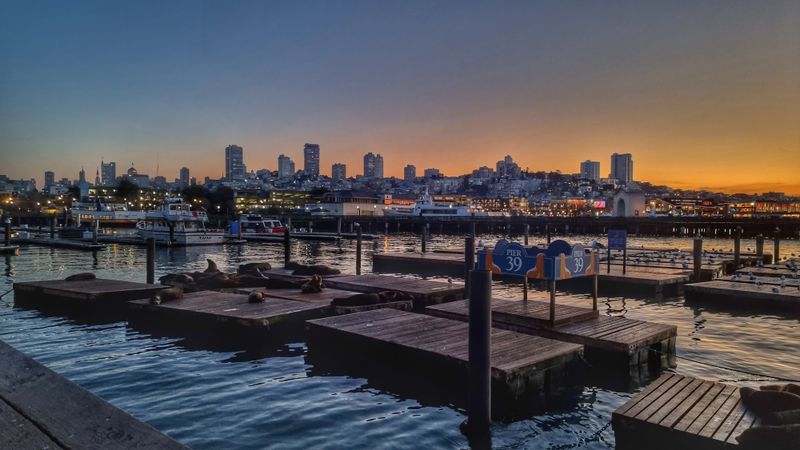
San Francisco’s Fisherman’s Wharf was once exactly what its name suggests. Italian immigrant fishermen docked their boats here, unloaded their catches, and sold fresh seafood right off the boats. The smell of fish and salt water filled the air.
Tourism started changing the character of the area in the mid-1900s. Restaurants replaced fish stalls, and souvenir shops moved into spaces where fishing equipment was once stored. The working waterfront gradually became an entertainment district.
Today, Fisherman’s Wharf is one of San Francisco’s biggest tourist draws, but actual fishing activity is minimal. Visitors come for clam chowder in bread bowls, street performers, and attractions like the sea lions at Pier 39. Chain restaurants and gift shops dominate where fishing families once made their living. A few seafood vendors remain as nods to the past, but the area has completely transformed from working dock to tourist destination. Locals rarely visit what has become a place designed primarily for out-of-town guests.
11. Yosemite Valley, California
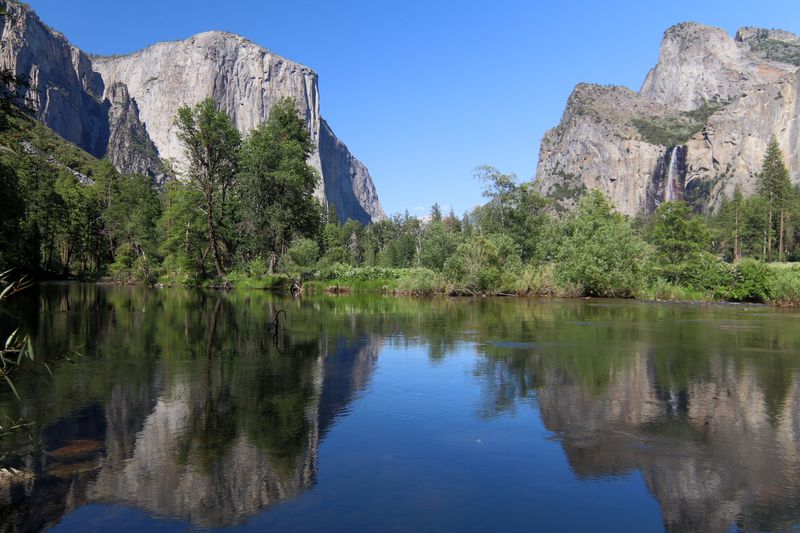
When photographer Ansel Adams captured Yosemite in the early 1900s, his images showed a pristine wilderness with hardly any human presence. The valley floor was open meadow, and visitors were few enough that solitude was easy to find.
Popularity brought change. Hotels and lodges were built, roads paved, and parking lots created. Curry Village, Yosemite Village, and other developments turned parts of the valley into what resembles a small town. During summer, traffic jams are common.
Park managers now struggle with balancing access and preservation. Shuttles transport thousands of visitors daily, and reservation systems limit entry during peak times. Bridges, paved trails, and viewing platforms direct where people can go. While the granite cliffs and waterfalls remain spectacular, the valley floor experience is vastly different from what early visitors encountered. What was once remote wilderness is now one of America’s most visited and managed natural areas, requiring constant human intervention to protect it from too much human presence.
12. Route 66
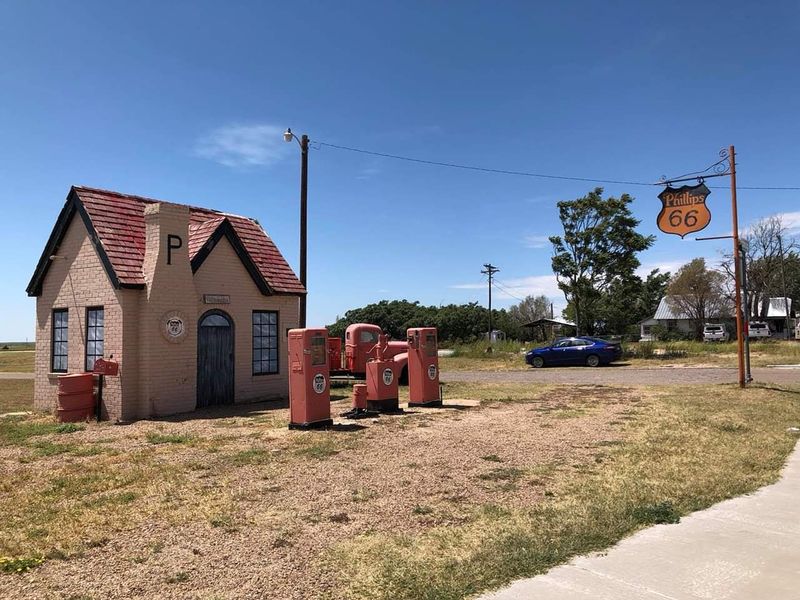
Route 66 was America’s highway dream from 1926 to 1985. Families drove from Chicago to Los Angeles on this 2,400-mile road, stopping at motor courts, diners, and roadside attractions that defined mid-century American travel culture.
The interstate highway system killed Route 66. As faster, more efficient highways were built in the 1960s and 1970s, traffic abandoned the old road. Towns that depended on Route 66 travelers watched their economies collapse as cars zoomed past on distant interstates.
Today, large sections are cracked, overgrown, or completely gone. Some stretches have been preserved as historic routes, attracting nostalgic tourists who want to experience a piece of Americana. Vintage motels and diners survive in places, but many more sit abandoned or demolished. What was once the main connection between America’s heartland and the West Coast is now a fragmented memory, kept alive more by nostalgia than actual use. The transformation from vital highway to historical curiosity happened in just a few decades.
13. Coney Island, New York
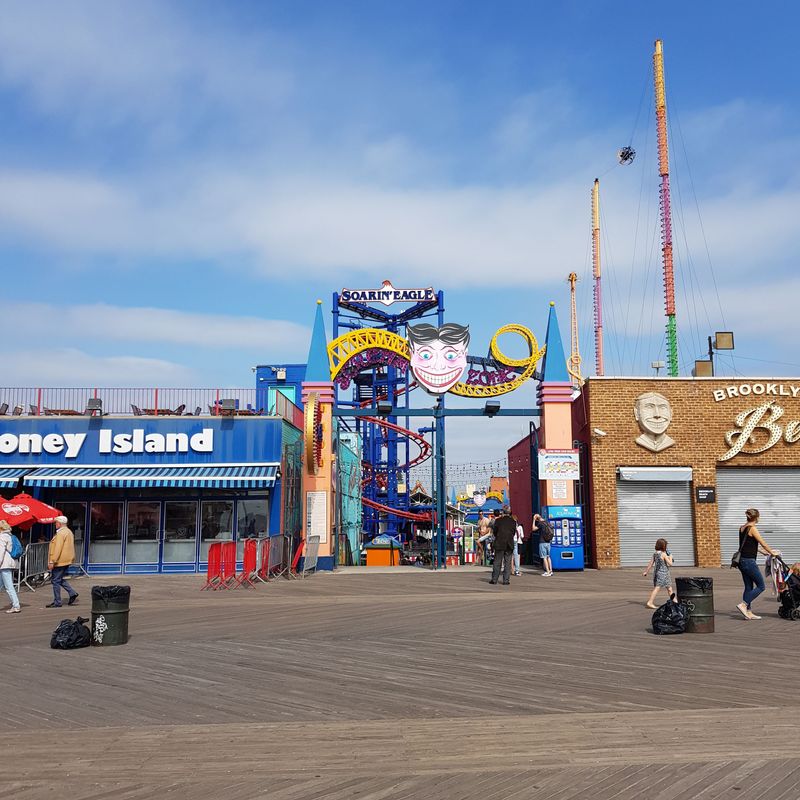
In the early 1900s, Coney Island was the amusement park capital of the world. Elaborate parks like Luna Park, Dreamland, and Steeplechase featured incredible architecture, exotic attractions, and cutting-edge entertainment that drew millions of visitors each summer.
Fires, the Great Depression, and changing tastes led to decline. The grand parks closed one by one, and by the 1960s, Coney Island had become rundown and dangerous. The elaborate buildings were replaced by simpler rides and vacant lots.
Recent decades have brought partial revival. New versions of historic rides have opened, and efforts to restore some of Coney Island’s former glory continue. However, it will never match the scale and spectacle of its golden age. The boardwalk remains popular, but it’s a simpler, grittier version of what once existed. Coney Island has transformed multiple times, from lavish resort to troubled neighborhood to revitalized attraction, with each version reflecting the era’s economic realities and entertainment preferences.
14. The French Quarter, New Orleans
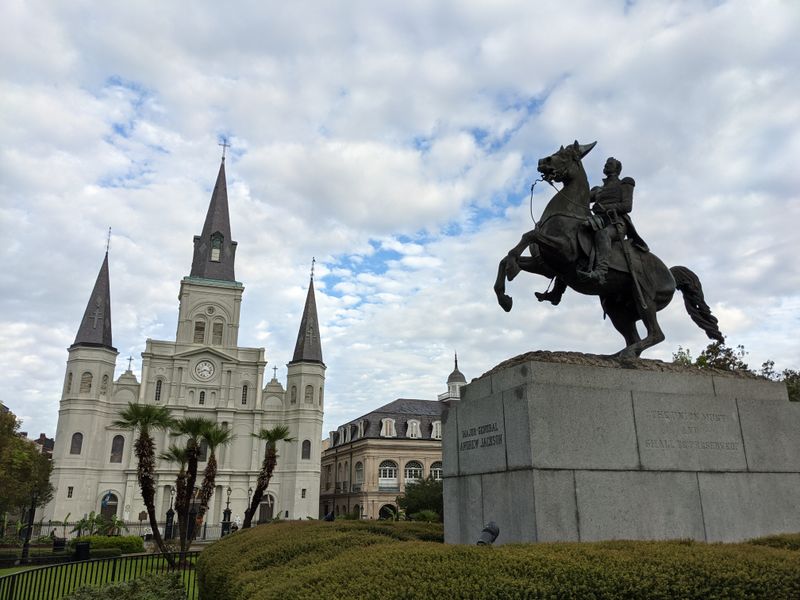
The French Quarter was originally built as the entire city of New Orleans in the early 1700s. For generations, it functioned as a real neighborhood where people lived, worked, and conducted business. Families occupied the buildings, and local shops served residents rather than tourists.
Tourism gradually transformed the area, especially after World War II. Bourbon Street evolved from a regular commercial street into an entertainment district known for bars, clubs, and nightlife. Residents moved out as property values and noise levels increased.
Today, the French Quarter is primarily a tourist destination. The architecture remains historic, but the businesses inside cater almost entirely to visitors. Souvenir shops, restaurants with inflated prices, and bars with live music dominate. Few actual residents remain in what has become more of an outdoor entertainment complex than a living neighborhood. The buildings look similar to how they did centuries ago, but the function and atmosphere have completely changed. It’s now a place people visit rather than a place where people build lives.
15. The National Mall, Washington, D.C.
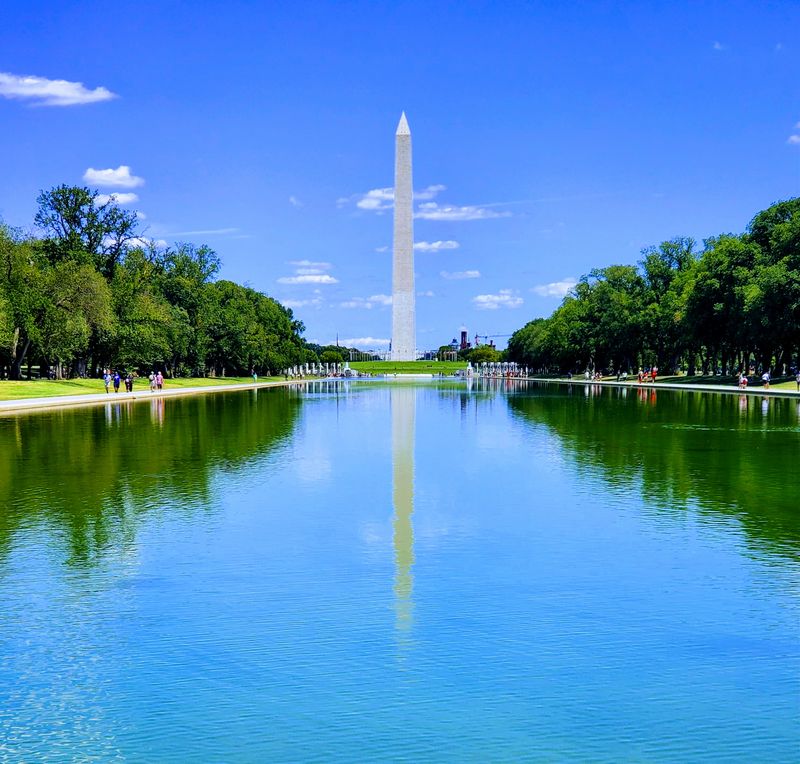
The National Mall was part of Pierre L’Enfant’s original 1791 plan for Washington, but it took over 150 years to actually build. Early photographs from the 1800s show an uneven, muddy field with a railroad station and scattered trees rather than the grand public space we know today.
The McMillan Plan of 1901 reimagined the Mall as a formal, symmetrical space inspired by European design. Over decades, the land was graded, grass planted, and monuments carefully positioned. The Lincoln Memorial, Washington Monument, and reflecting pool were all added during major construction phases.
What visitors see today is the result of continuous design and redesign. Every tree, path, and sightline was deliberately planned. New monuments continue to be added, and debates about what belongs on this symbolic space remain intense. The Mall has transformed from an incomplete, somewhat shabby public field into America’s most important ceremonial landscape. It looks timeless now, but it’s actually a relatively recent creation that required moving earth, removing buildings, and imposing order on what was once chaotic terrain.
Share this story