America’s past comes alive when you walk through its preserved historic homes. These beautiful houses tell stories of presidents, writers, wealthy families, and everyday people who shaped our nation. From colonial cottages to grand mansions, each home offers a unique window into how Americans lived, worked, and dreamed across different time periods.
Mount Vernon — Virginia

George Washington’s beloved estate rests beautifully above the Potomac River, welcoming visitors into the world of America’s first president. Originally constructed in the mid-1700s, this Georgian gem combines elegant architecture with working farms and gardens that show how Washington lived as both a farmer and a leader.
Walking through the mansion reveals Washington’s personal study, family bedrooms, and rooms where important decisions were made. The preserved furnishings and decorations help you imagine daily life during colonial times. Outside, the grounds stretch across acres of beautiful landscape.
Beyond the main house, you’ll find a working blacksmith shop where craftsmen demonstrate old techniques, plus a distillery that produces whiskey using Washington’s original methods. The museum galleries display artifacts and tell stories about colonial America. Wandering these paths, you’re literally following in the footsteps of the nation’s founding father.
Mount Vernon isn’t just a museum—it’s a living reminder of where American democracy began. The estate’s careful preservation lets each generation connect with the past and understand the challenges and triumphs of early America.
Monticello — Virginia
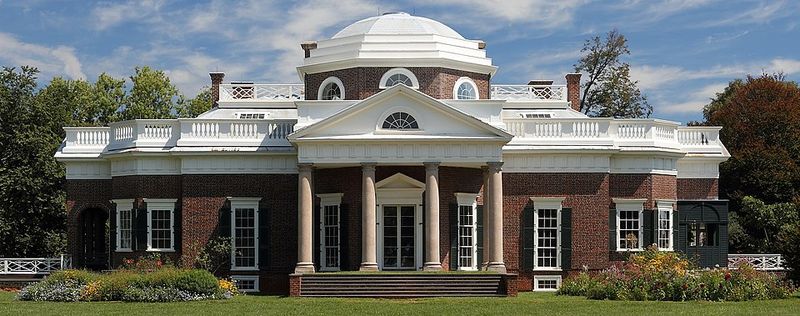
Thomas Jefferson didn’t just live in this hilltop home—he designed every detail himself. Monticello showcases neoclassical style with its famous dome, graceful porticos, and rooms filled with Jefferson’s inventions and ideas. His passion for learning shows everywhere, from the books lining his library to the scientific instruments scattered throughout.
The gardens surrounding the mansion reflect Jefferson’s love of plants and farming experiments. He tested new crops and studied how different species grew in Virginia’s climate. Walking these gardens today, you see the same vegetables and flowers Jefferson himself cultivated.
Tours here go deeper than just pretty rooms and furniture. Guides share honest stories about Jefferson’s complicated legacy, including the enslaved people who built and maintained this estate. Their lives and contributions are now central to understanding Monticello’s full history.
Architecture students and history lovers alike marvel at Jefferson’s creative solutions to everyday problems. Hidden staircases, rotating book stands, and clever storage spaces show his inventive mind at work. Monticello remains a testament to one man’s vision and the many people who made it real.
The Breakers — Rhode Island
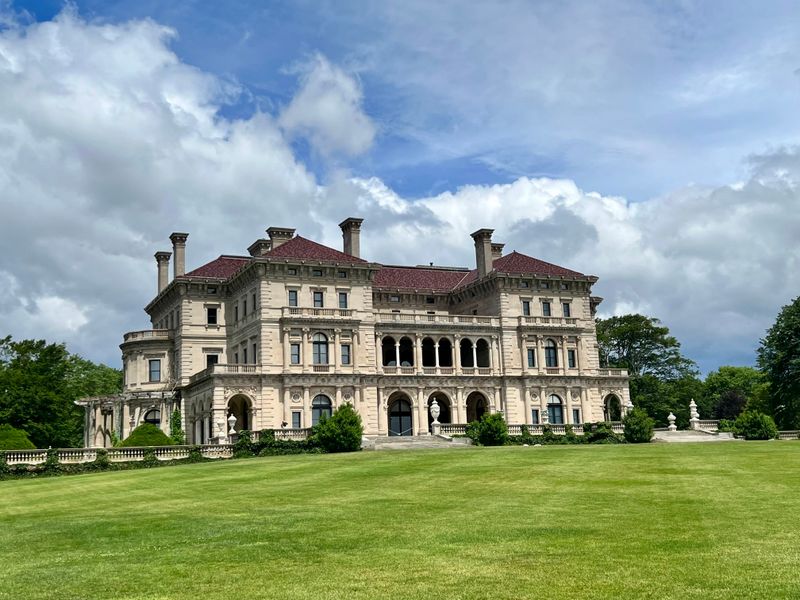
Cornelius Vanderbilt II’s summer cottage is anything but small. The Breakers stretches along Newport’s coastline with 70 rooms packed with European art, golden decorations, and luxurious details that show off the incredible wealth of America’s industrial age. Built in the late 1800s, this Italian Renaissance palace was where the richest families gathered and socialized.
Touring the mansion takes you from grand ballrooms to private family quarters, then down to the servants’ areas where dozens of workers kept everything running smoothly. The contrast between these spaces tells an important story about social class and labor during the Gilded Age.
Ocean breezes sweep across the formal gardens and terraces, offering stunning views that wealthy guests once enjoyed during elaborate parties. The carriage houses and outbuildings show how much support was needed to maintain this lifestyle. Every chandelier, tapestry, and marble column was imported from Europe.
Today’s visitors often gasp at the sheer extravagance on display. The Breakers represents both the incredible achievements and stark inequalities of late 19th-century America, making it more than just a pretty house—it’s a lesson in history.
Rosecliff — Rhode Island
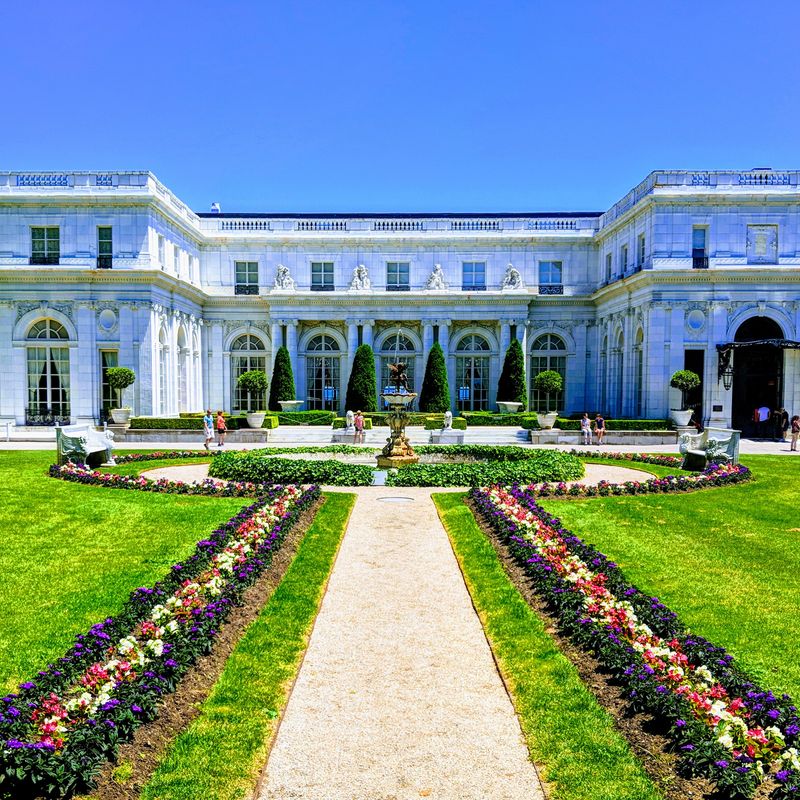
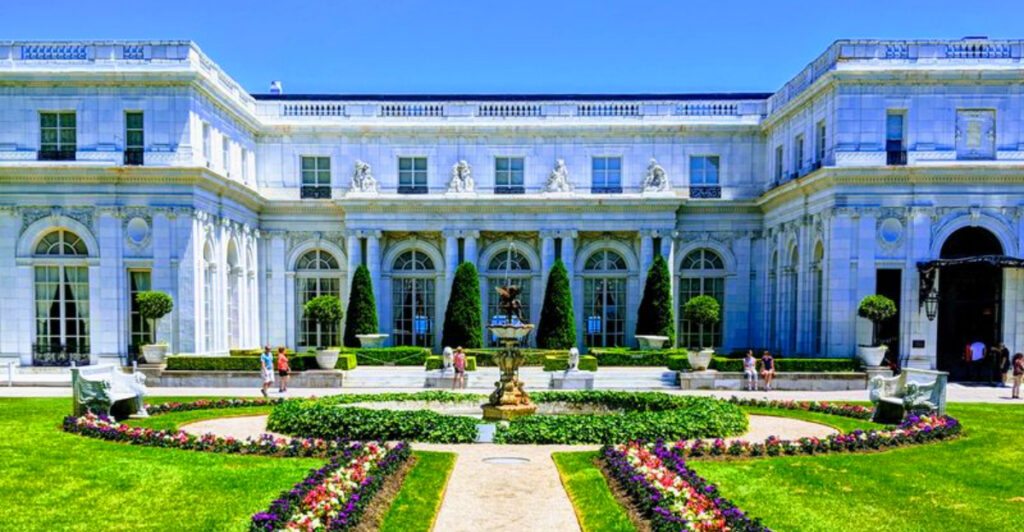
Built for parties and social gatherings, Rosecliff embodies French elegance transplanted to American shores. This Newport treasure was designed specifically for entertaining, with its spectacular ballroom serving as the stage for some of the most famous social events of the early 1900s. The white facade and graceful proportions mirror the Grand Trianon at Versailles.
Sweeping staircases invite guests upward while grand salons provide perfect spaces for conversation and dancing. The architect planned every room to create flow and drama during elaborate gatherings. Wealthy Americans competed to host the most memorable parties, and Rosecliff often won that contest.
Modern visitors recognize Rosecliff from movies filmed here, including scenes from The Great Gatsby. The mansion’s timeless beauty makes it ideal for photo shoots and special exhibitions. Throughout the year, different programs bring the Gilded Age back to life through period costumes and historical reenactments.
Unlike some historic homes that feel frozen in time, Rosecliff still buzzes with activity and events. Walking through these elegant rooms, you can almost hear the music and laughter from century-old celebrations. It’s a place where history and beauty combine perfectly.
Vanderbilt Mansion — New York
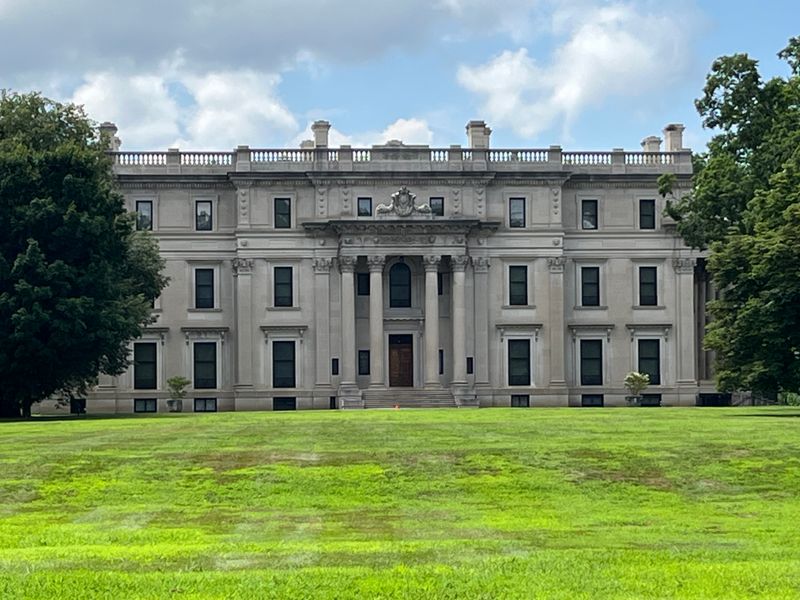
Frederick William Vanderbilt chose Hyde Park for his country retreat, creating a Beaux-Arts masterpiece that perfectly captures early 1900s refinement. Unlike his family’s more famous Newport mansions, this Hudson River estate emphasizes natural beauty and peaceful elegance over flashy displays of wealth. The mansion’s design balances grandeur with surprisingly comfortable living spaces.
Formal gardens cascade down toward the river, offering breathtaking views that change with each season. The Vanderbilts entertained guests here during weekends away from New York City’s bustle. Interior rooms feature rich wood paneling, imported furnishings, and artwork collected during European travels.
As a National Historic Site, the mansion now serves as a window into America’s aristocratic past. Rangers and guides share stories about the family’s lifestyle and the servants who made it possible. The contrast between public entertaining spaces and private family areas reveals much about social expectations of the era.
Visitors often pair their mansion tour with nearby Franklin D. Roosevelt’s home, making Hyde Park a full day of historical exploration. The Vanderbilt estate shows how America’s wealthiest families balanced tradition, comfort, and display in their country homes.
Paul Revere House — Massachusetts
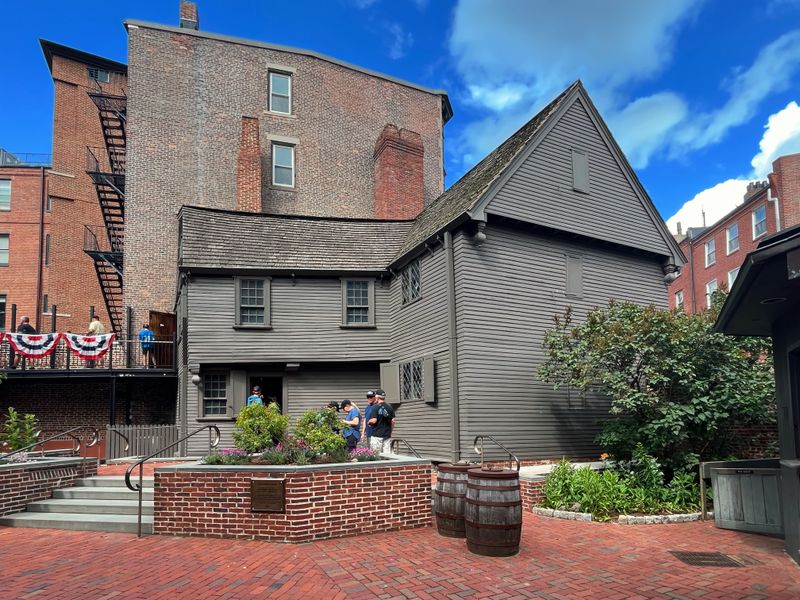
Boston’s oldest building stands quietly in the North End, a modest wooden house that witnessed the birth of American independence. Paul Revere lived here with his large family during the Revolutionary War years, and these rooms saw him plan his famous midnight ride. The house’s simple colonial construction contrasts sharply with the grand mansions built later.
Wide plank floors creak underfoot as you explore rooms furnished with period pieces that show everyday colonial life. Central chimneys provided heat for cooking and warmth, while small windows kept out winter cold. The Revere family lived much differently than we do today, without electricity, running water, or modern conveniences.
Interpretive exhibits explain both Revere’s role as a patriot and his work as a skilled silversmith. His craftsmanship and business sense made him successful long before his famous ride. The house’s location on the Freedom Trail makes it easy to visit alongside other Revolutionary War sites.
Standing in these rooms connects you directly to America’s founding era. Unlike grander historic homes, the Paul Revere House shows how ordinary colonists lived, worked, and became extraordinary when their country needed them.
Mark Twain House — Connecticut
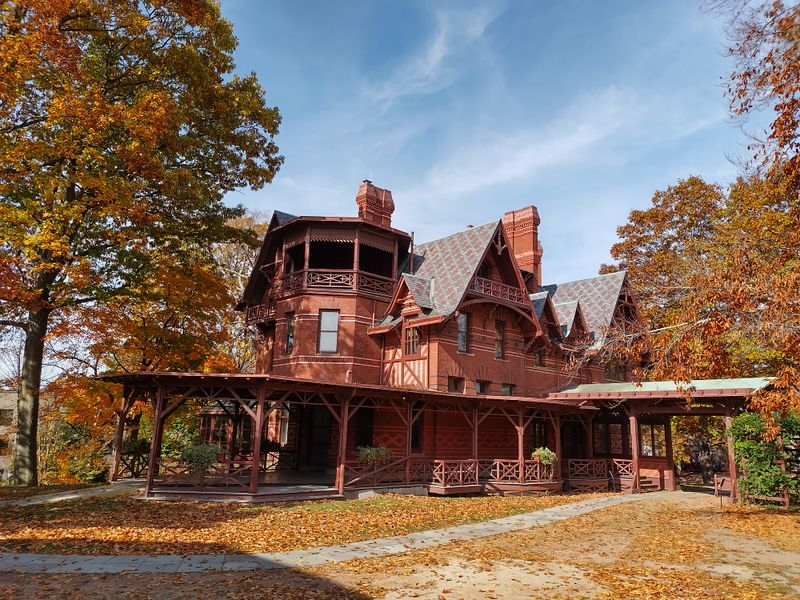
Samuel Clemens—known worldwide as Mark Twain—created some of America’s greatest literature within these Victorian Gothic walls. Built in 1874, the Hartford mansion reflects Twain’s personality: unconventional, creative, and full of surprises. The author’s family loved this home, and its unique design encouraged his imaginative storytelling.
Ornate woodwork decorates every room, while stained-glass windows cast colorful light across period furnishings. Twain’s study remains much as he left it, the desk where he wrote The Adventures of Tom Sawyer and Adventures of Huckleberry Finn still positioned for inspiration. Family rooms show the domestic side of the famous writer’s life.
Architect Edward Tuckerman Potter designed the house to stand out, and it certainly does. The building’s asymmetrical shape, decorative brickwork, and painted interiors were considered quite daring for their time. Twain wanted a home as distinctive as his writing, and he got it.
Guided tours reveal how the house influenced Twain’s work and family life. The connection between place and creativity becomes obvious as guides share stories about the author’s daily routines. For literature fans, visiting feels like meeting an old friend in his favorite room.
Gamble House — California
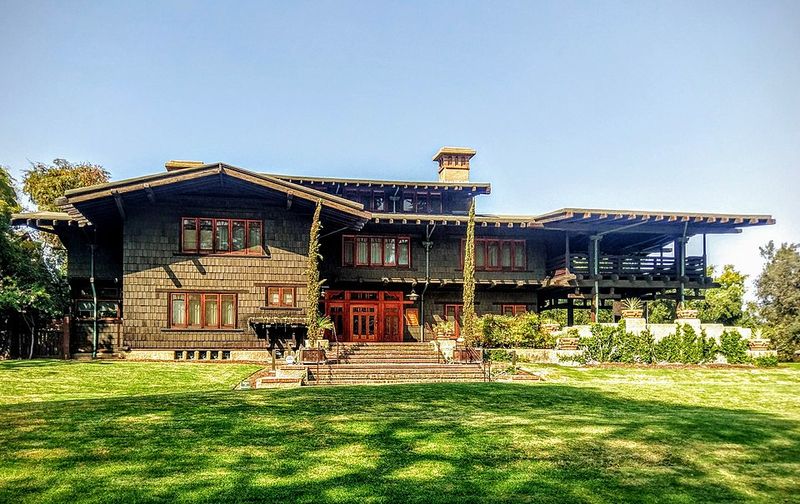
Charles and Henry Greene designed this Pasadena masterpiece for David and Mary Gamble, creating what many consider the finest example of American Arts and Crafts architecture. Every detail—from custom furniture to decorative metalwork—was handcrafted specifically for this home. The 1908 design philosophy emphasized natural materials, honest construction, and harmony between building and landscape.
Smooth teak and mahogany woodwork glows throughout the interior, each joint and connection visible as part of the design rather than hidden away. The brothers believed beautiful craftsmanship should be celebrated, not concealed. Stained-glass windows, custom light fixtures, and built-in furniture demonstrate their total design vision.
The house sits comfortably in its garden setting, with terraces and porches connecting indoor and outdoor spaces. Southern California’s mild climate influenced the open, flowing floor plan. Visitors often comment on how peaceful and timeless the spaces feel, despite being over a century old.
Architecture students travel from around the world to study the Gamble House’s innovative details. The Greene brothers’ influence on American residential design continues today. Tours focus on both the artistic achievement and the skilled craftspeople who brought the architects’ vision to life.
Lee–Fendall House — Virginia
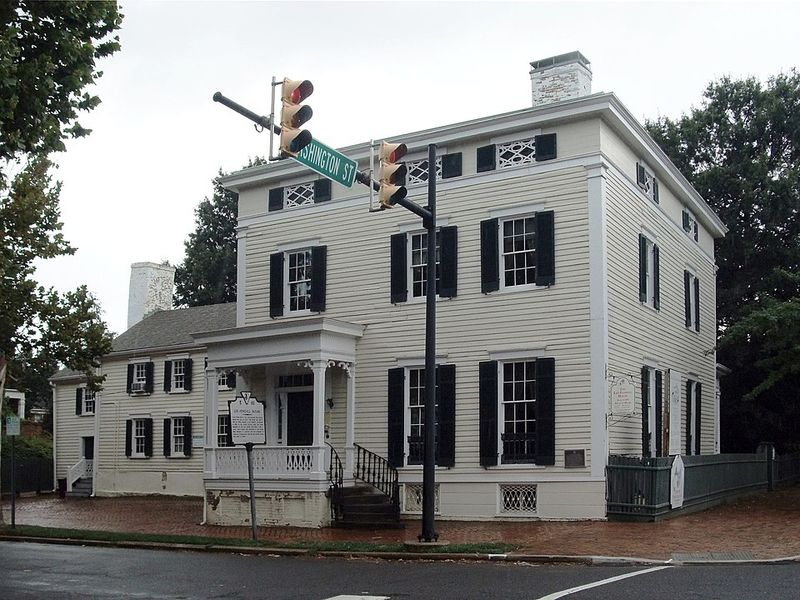
Built in 1785, this Alexandria home witnessed dramatic chapters of American history unfold across generations. Members of the prominent Lee family lived here first, followed by other residents who experienced everything from early republic optimism to Civil War tragedy. The house’s long timeline makes it special—few homes tell such a complete historical story.
During the Civil War, Union forces converted the house into a hospital for wounded soldiers. Rooms that once hosted elegant dinners became medical wards where doctors fought to save lives. This transformation reflects Alexandria’s complicated position as a Southern city occupied by Northern troops.
Today’s museum exhibits explore both the Lee family’s influence and the broader social changes that swept through America. Period gardens have been restored to show how 18th and 19th-century families used outdoor spaces. Each room contains artifacts and furnishings that help visitors understand different historical periods.
The Lee-Fendall House proves that history isn’t just about famous battles and important documents—it’s also about how ordinary people adapted to extraordinary times. Walking through these rooms, you experience history as a continuous story rather than isolated events.
Anderson House — Washington, D.C.
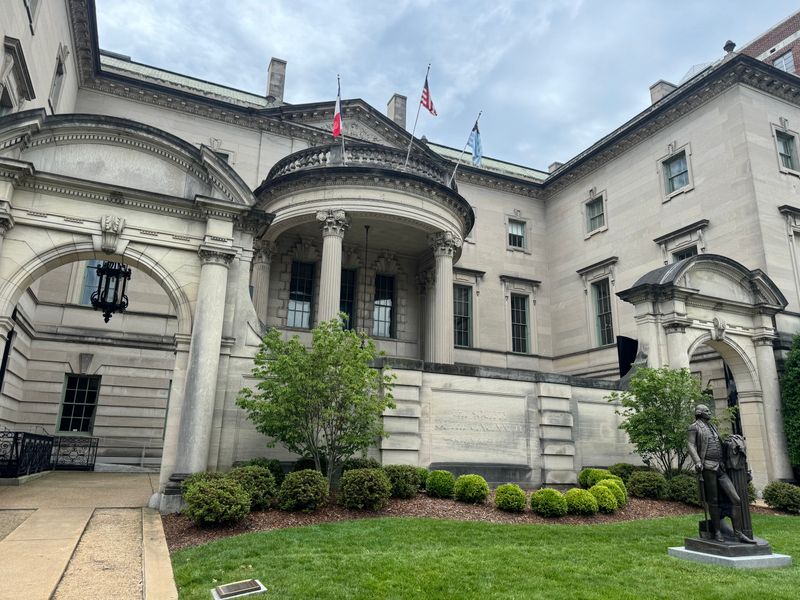
Larz and Isabel Anderson built their Washington mansion to impress, and more than a century later, it still does. Constructed between 1902 and 1905, this Beaux-Arts palace served as both a private residence and a showcase for the couple’s extensive art and artifact collections. The Andersons traveled constantly, filling their home with treasures from around the world.
Today the mansion serves as headquarters for the Society of the Cincinnati, an organization of descendants of Revolutionary War officers. This connection links the building’s Gilded Age splendor with America’s founding era. Museum exhibits explore military history, decorative arts, and early 20th-century collecting practices.
Walking through the grand rooms reveals the Andersons’ sophisticated tastes and social ambitions. Marble staircases, painted ceilings, and period furnishings create an atmosphere of refined elegance. The house represents how Washington’s elite lived during the city’s emergence as a world capital.
Unlike many historic homes that feel dusty or distant, Anderson House remains vibrant and active. Special programs, lectures, and exhibitions keep the space engaged with contemporary audiences. The mansion bridges past and present, showing how one couple’s vision created a lasting cultural institution.
Lebold Mansion — Kansas

Native Kansas limestone forms the walls of this 1880 Victorian treasure in Abilene, proving that architectural sophistication wasn’t limited to East Coast cities. Conrad Lebold built this impressive mansion to showcase his success and provide a comfortable home for his family. The 23 rooms span three stories, each space decorated with period details that reflect Victorian sensibilities.
Listed on the National Register of Historic Places, the mansion now operates as a museum focusing on decorative arts and Victorian lifestyle. Original furnishings mix with period pieces to recreate the atmosphere of prosperous 19th-century Kansas. Intricate woodwork, ornate plasterwork, and original fixtures survived decades of changing tastes.
Guided tours take visitors through formal parlors, family bedrooms, and service areas that show how wealthy Midwestern families lived. The mansion’s preservation tells an important story about Kansas history beyond cowboys and pioneers. Abilene developed as a sophisticated community with cultural aspirations and architectural ambitions.
The Lebold Mansion surprises many visitors who don’t expect to find such elegance in a small Kansas town. Its survival and restoration demonstrate local commitment to preserving regional history and architectural heritage.
Goundie House — Pennsylvania

Bethlehem’s first brick house stands as a symbol of the town’s growth from Moravian settlement to thriving American community. Built in 1810, the Goundie House represents Federal-style architecture adapting to Pennsylvania’s regional traditions. Its solid brick construction was considered quite modern compared to earlier log and stone buildings.
The house’s simple elegance reflects early 19th-century ideals of proportion and restraint. Federal architecture emphasized balanced facades, refined details, and classical influences without excessive decoration. Walking through these rooms shows how American builders developed their own architectural identity distinct from European models.
Today the house hosts exhibitions about Bethlehem’s history and architectural evolution. Pop-up vintage markets and community events bring regular activity to the historic space. This combination of preservation and contemporary use keeps the building relevant to current residents while honoring its past.
The Goundie House might not be as grand as Newport mansions or presidential estates, but its importance to local history makes it significant. Every community has buildings that mark important transitions, and this brick house represents Bethlehem’s emergence as an established American town. Its continued use proves that historic preservation can be both educational and practical.
Ball-Paylore House — Arizona
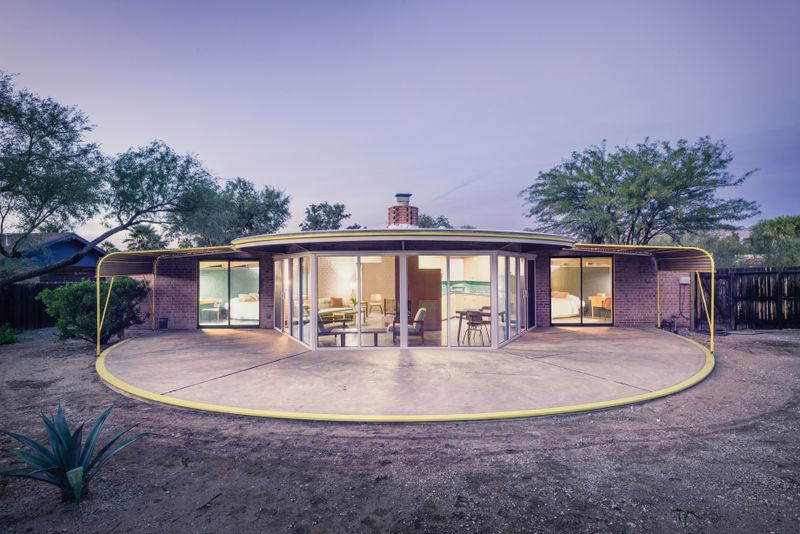
Arthur T. Brown’s 1952 design brought mid-century modern thinking to the Sonoran Desert, creating a house that responds intelligently to Arizona’s challenging climate. Unlike the colonial and Victorian homes that dominate most historic house tours, the Ball-Paylore House represents post-World War II architectural innovation. Its clean lines, open spaces, and desert integration feel surprisingly contemporary even today.
The house demonstrates how architects adapted modernist principles to regional conditions. Large overhangs provide shade, strategic window placement captures breezes, and the floor plan embraces outdoor living. These solutions addressed desert living without air conditioning’s constant hum. Brown’s design respected the landscape rather than fighting against it.
What makes this house truly unique among historic homes is its dual purpose: you can tour it during the day or actually stay overnight. This immersive experience lets visitors understand mid-century living in ways traditional museum tours cannot. Sleeping in a historic house creates personal connections to architectural history.
The Ball-Paylore House proves that historic preservation isn’t only about old colonial cottages and Gilded Age mansions. Modern architecture deserves protection and appreciation too. Tucson’s commitment to preserving this mid-century gem ensures future generations can study and enjoy innovative desert design.
Share this story