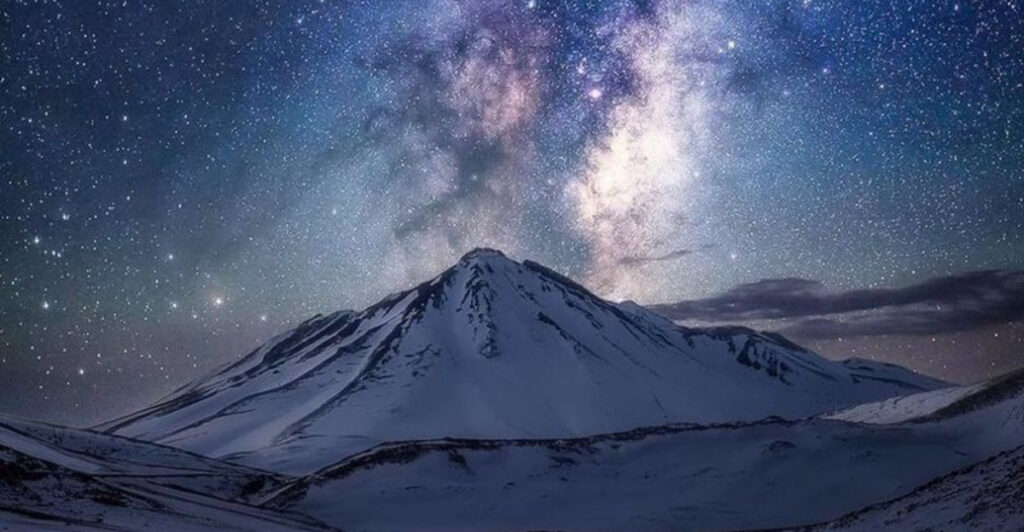
Our planet holds places so harsh, so remote, and so unforgiving that simply reaching them requires courage and careful preparation. From blistering deserts where ground temperatures can cook an egg to frozen wastelands where breath turns to ice crystals, these destinations push human endurance to its limits. Only the boldest travelers dare to explore these extreme corners of Earth, where nature’s raw power creates landscapes that seem almost alien.
Danakil Depression — Ethiopia
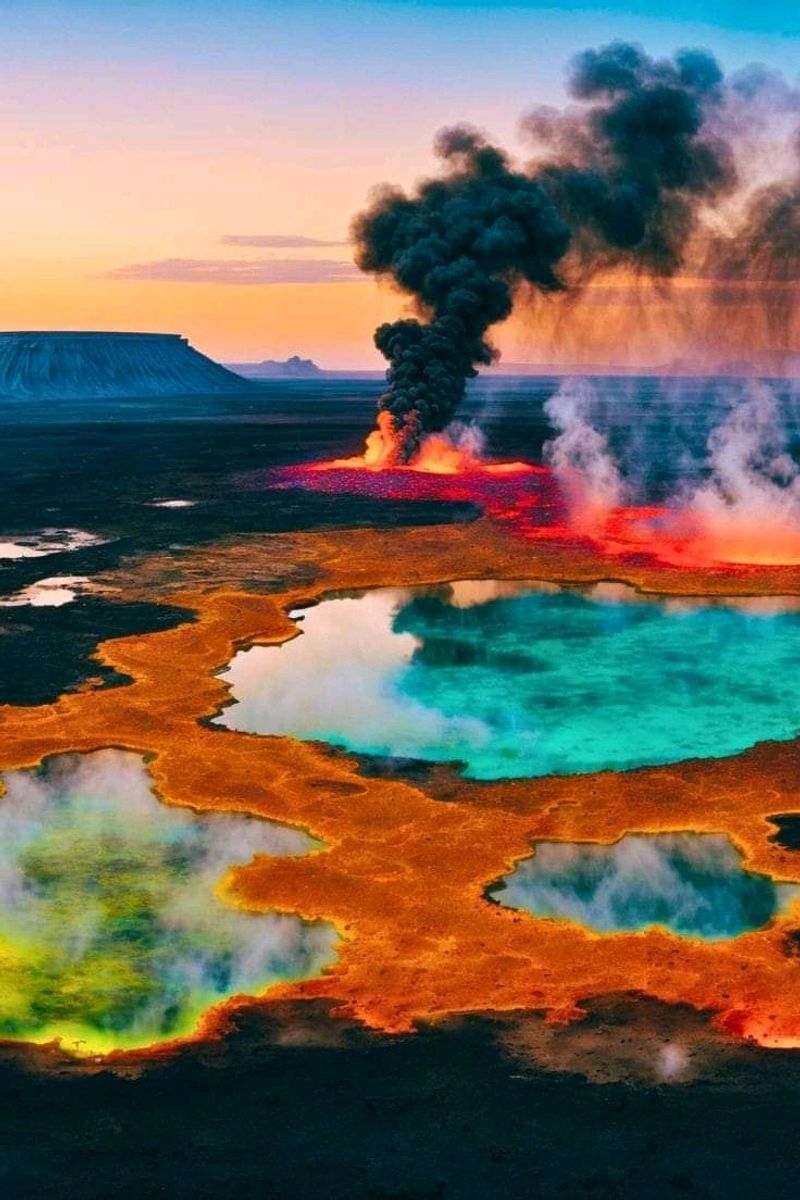
Northeast Ethiopia harbors a geological wonder that feels ripped from another planet. The Danakil Depression sits roughly 100 meters below sea level, where some of the highest average ground temperatures on Earth turn the landscape into a furnace. This rift valley showcases nature’s extremes through brightly colored acidic springs, sprawling salt flats, and continuously active volcanoes like Erta Ale with its mesmerizing lava lakes.
Hyper-arid conditions mean rainfall is virtually nonexistent here. The relentless sun beats down on sulfur fields that glow yellow and orange, while salt plains stretch endlessly toward shimmering horizons. Daytime temperatures regularly exceed what most humans consider survivable without serious preparation.
Experienced guides become essential companions for anyone brave enough to trek through this hostile terrain. Ample water supplies, protective gear, and careful timing of excursions make the difference between unforgettable adventure and dangerous emergency. The reward? Witnessing raw tectonic and volcanic forces that sculpt Earth’s crust in real-time, creating scenery so surreal it challenges your perception of what our planet can look like.
Oymyakon — Russia
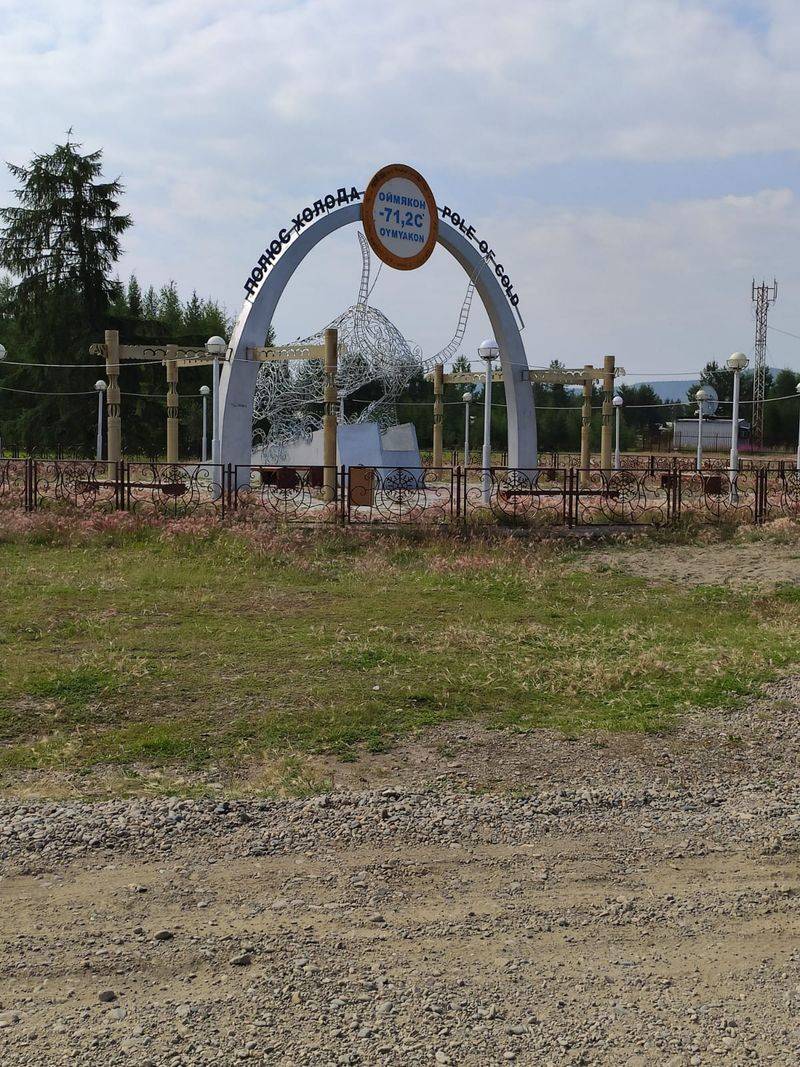
Imagine a place where your breath freezes mid-air and car engines refuse to start without special heating systems. Welcome to Oymyakon, deep in Siberia, where winter temperatures routinely drop below −50 °C and the record low approaches a staggering −67 °C. This isn’t just cold—it’s a climate that redefines what humans can endure.
Permanent residents have adapted their entire way of life to survive here. Buildings feature specialized insulation, and daily routines revolve around preventing frostbite during even the shortest outdoor exposure. For visitors, every moment outside becomes a calculated risk that demands proper gear and constant vigilance.
Yet adventurers still journey to this frozen outpost, drawn by the challenge of experiencing Earth’s coldest inhabited place. The landscape possesses an eerie beauty—crystalline horizons stretching endlessly under pale Arctic sun, where silence feels absolute and nature’s power becomes undeniable. Testing your limits against such extreme cold creates stories that last a lifetime, though surviving the experience requires meticulous preparation and deep respect for the environment’s unforgiving nature.
Atacama Desert — Chile
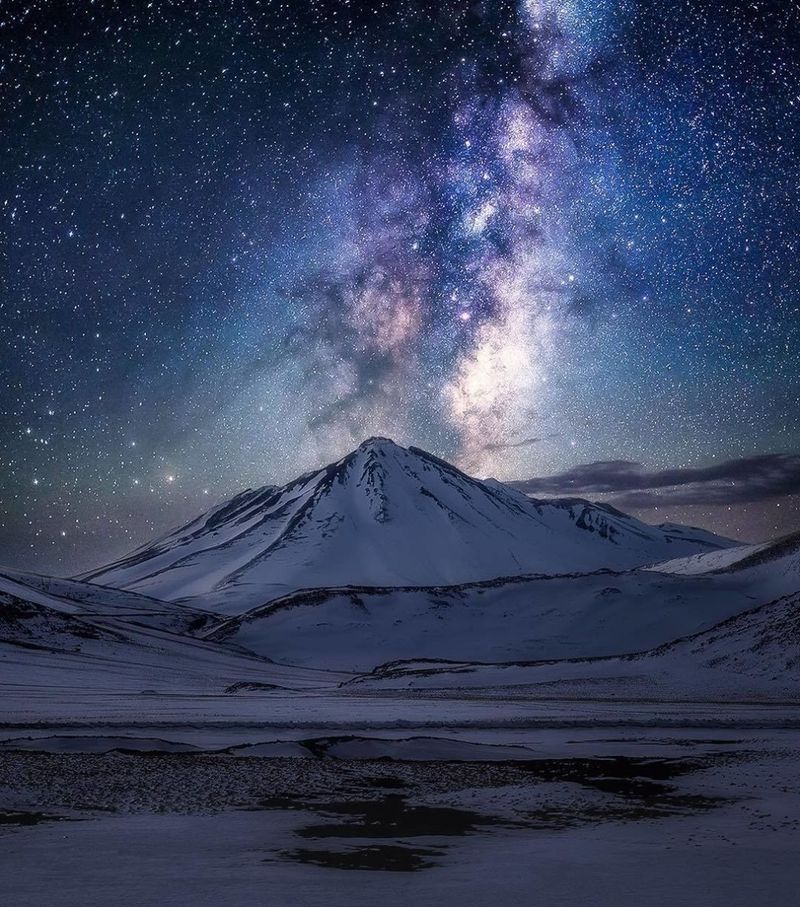
Some weather stations in Chile’s Atacama Desert haven’t recorded measurable rainfall in decades. This otherworldly landscape holds the title of Earth’s driest non-polar desert, where salt flats, rocky plateaus, and barren plains create vistas that could easily pass for Mars. Scientists and photographers flock here precisely because of these extreme conditions.
High altitude on the Chajnantor Plateau combines with exceptional aridity to create some of the clearest skies on the planet. World-class observatories dot the region, taking advantage of air so dry and transparent that stars seem close enough to touch. For stargazers and astronomers, few places on Earth offer such pristine viewing conditions.
Visitors quickly learn that beauty comes with challenges in the Atacama. The harsh sun beats down relentlessly on landscapes devoid of shade or water sources. Survival depends entirely on bringing adequate supplies and respecting the desert’s unforgiving nature. Those who prepare properly discover terrain so unique and visually stunning that it justifies every difficulty, offering a glimpse of what planetary exploration might feel like.
Death Valley — USA

California’s Death Valley earned its ominous name honestly. On July 10, 1913, thermometers here recorded 56.7 °C (134 °F)—the highest air temperature ever reliably measured on Earth. Summer days regularly reach levels that can prove fatal without proper precautions, making this one of North America’s most extreme environments.
The valley’s dramatic features include Badwater Basin, the lowest point in North America at 282 feet below sea level. Vast salt flats stretch across the valley floor, while towering sand dunes and rugged canyons create a landscape of harsh beauty. Titus Canyon’s narrow walls and colorful rock layers attract geology enthusiasts willing to brave the heat.
Smart travelers visit during cooler months or explore at dawn and dusk when temperatures become more manageable. Carrying abundant water isn’t optional—it’s survival equipment. Despite the dangers, Death Valley rewards the bold with ecological and geological wonders found nowhere else. Standing at such a climatic extreme provides perspective on nature’s power and Earth’s incredible diversity of environments.
Mount Everest Base Camp — Nepal/Tibet
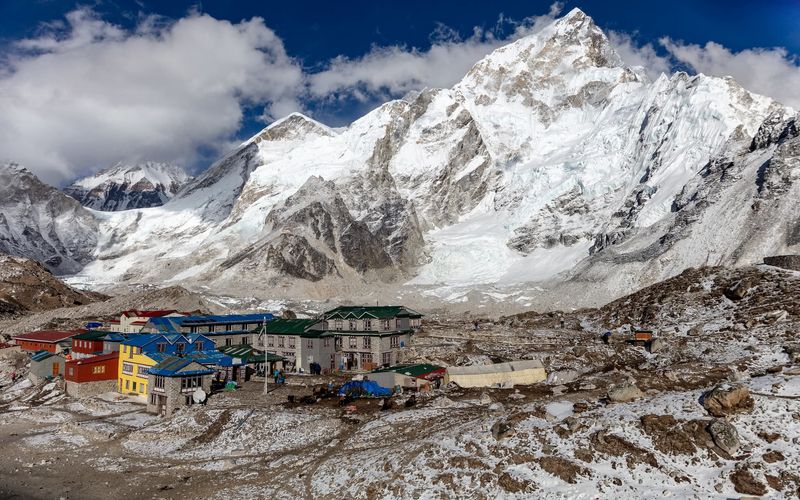
Standing at over 5,300 meters (17,400 feet), Everest Base Camp represents a milestone that many adventurers dream about reaching. While the summit itself remains the domain of elite mountaineers, even the trek to Base Camp pushes human endurance through thin air, unpredictable weather, and challenging terrain that tests every step.
Altitude affects everything at this elevation—breathing becomes labored, sleep grows difficult, and simple tasks require extra effort. Proper acclimatization isn’t just recommended; it’s essential for avoiding potentially life-threatening altitude sickness. Trekkers spend days gradually ascending, allowing their bodies to adapt to decreasing oxygen levels.
Cold temperatures and long marches through Himalayan valleys add to the physical demands. Yet reaching Base Camp delivers an incomparable reward: standing in the shadow of the world’s highest peak, surrounded by some of Earth’s most dramatic mountain scenery. Local Sherpa guides provide invaluable knowledge and support, making the journey safer while sharing their deep connection to these sacred peaks. For many, this trek represents a personal mountaineering achievement that requires courage, preparation, and unwavering determination.
Dallol Hydrothermal System — Ethiopia
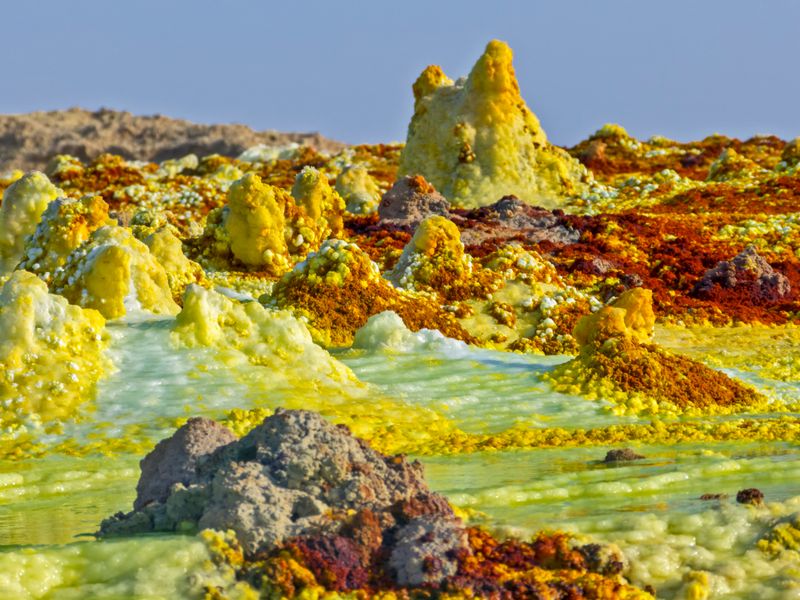
Within the already extreme Danakil Depression lies Dallol, a hydrothermal area so bizarre it seems designed by science fiction writers. Vividly colored acidic pools bubble and steam across a landscape painted in neon yellows, greens, and oranges by mineral deposits. Ground temperatures soar to levels that make standing in certain areas genuinely dangerous.
The chemistry here ranks among Earth’s most hostile to life. Acidic springs create an environment where pH levels would dissolve most organic material, while sulfur compounds fill the air with acrid smells. Salt formations crystallize into fantastical shapes that crunch underfoot, and geysers occasionally erupt without warning.
No casual visitor should attempt Dallol without experienced guides who understand the hazards. The lack of shade means exposure to relentless heat, while the acidic nature of pools and springs demands constant vigilance. Yet photographers and adventurers who make the journey properly prepared witness one of Earth’s most alien-looking landscapes. The surreal beauty offers a window into our planet’s volatile geological processes, where chemistry and heat combine to create something truly extraordinary and unforgettable.
Tristan da Cunha — Remote Atlantic Island
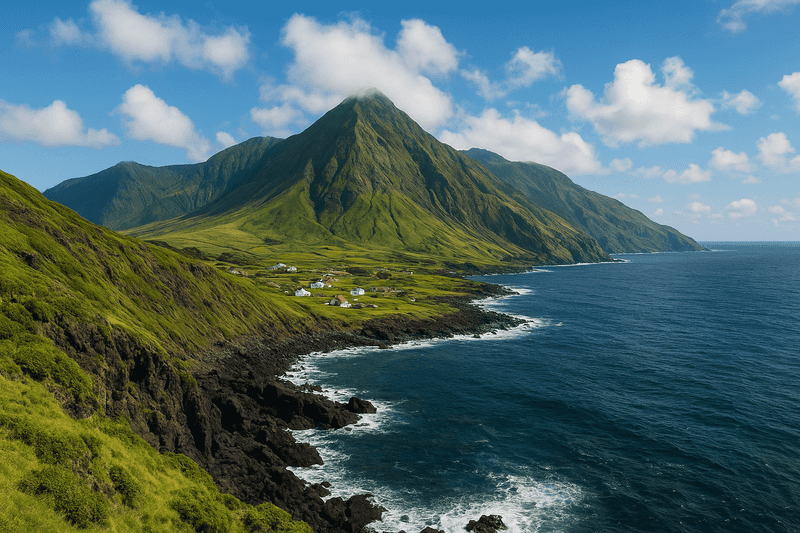
More than 1,500 miles from the nearest continental landmass, Tristan da Cunha holds the title of world’s most remote inhabited archipelago. Getting there requires a weeks-long boat journey across often-turbulent South Atlantic waters, with no airport to provide easier access. This isolation shapes everything about life on these volcanic islands.
Rough seas frequently delay or cancel boat arrivals, making travel schedules unpredictable at best. Emergency medical services remain limited, and supplies arrive only when weather permits ships to approach. The small population has adapted to self-sufficiency out of necessity, creating a unique culture shaped by their extreme remoteness.
For travelers seeking ultimate solitude and cultural immersion, Tristan da Cunha offers experiences impossible to find elsewhere. Windswept landscapes showcase the islands’ volcanic origins, while seabird colonies and marine life thrive in the surrounding waters. The journey itself becomes part of the adventure—testing patience and determination while building anticipation. Those who finally step ashore discover a community that exemplifies human resilience and a landscape that rewards the effort required to reach it.
Skeleton Coast — Namibia
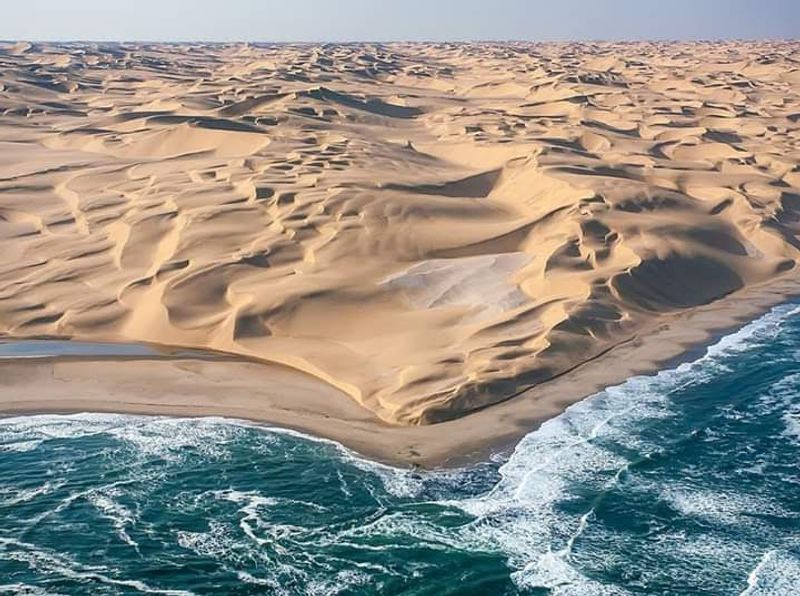
Early sailors gave Namibia’s Skeleton Coast its haunting name after countless ships met their doom along this treacherous Atlantic shoreline. Dense fogs roll in without warning, combining with powerful ocean swells and unpredictable winds to create conditions that have claimed vessels for centuries. Rusted wrecks still dot the coastline, half-buried in windswept sand.
The coast pushes multiple extremes simultaneously—isolation, harsh weather, and an environment that offers little shelter or fresh water. Wind constantly whips sand inland from towering dunes that march right to the ocean’s edge. The landscape feels raw and indifferent to human presence, demanding respect from anyone who ventures here.
Yet this desolation holds a strange beauty that draws adventurous photographers and explorers. The contrast between desert and ocean creates dramatic vistas, while the skeletal remains of ships tell stories of maritime tragedy. Seal colonies thrive along certain stretches, and desert-adapted wildlife demonstrates nature’s resilience. Exploring the Skeleton Coast requires thorough preparation and ideally experienced guides, but rewards visitors with landscapes and atmospheres found nowhere else on Earth.
Namib Desert — Namibia
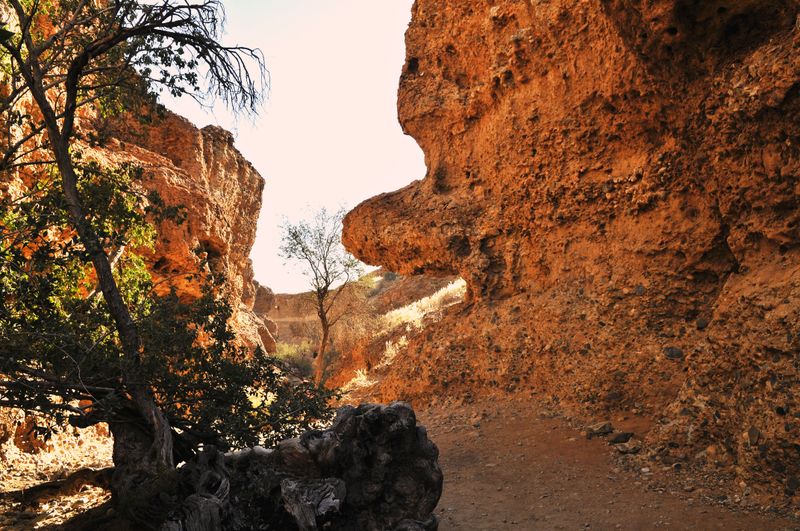
Geologists estimate the Namib Desert’s age at somewhere between 55 and 80 million years, making it possibly Earth’s oldest desert. This ancient landscape features some of the planet’s tallest sand dunes, with Dune 7 and Big Daddy reaching heights that dwarf most buildings. The desert’s longevity has allowed unique adaptations to develop in the sparse life that persists here.
Rainfall remains minimal throughout the year, while temperatures swing from scorching daytime heat to surprisingly cold nights. Sossusvlei’s iconic dunes glow orange and red during sunrise and sunset, creating photographer’s paradise. The nearby Deadvlei features a white clay pan dotted with ancient dead trees—a surreal scene that looks frozen in time.
Fog from the Atlantic Ocean provides crucial moisture for specialized beetles and plants that have evolved remarkable survival strategies. For visitors, the Namib represents deep geological time made visible, where landscapes shift with wind patterns that have repeated for millions of years. The stark beauty and extreme conditions create an environment that feels both timeless and constantly changing, offering adventure seekers a glimpse into Earth’s ancient past.
Vostok Station — Antarctica

On July 21, 1983, thermometers at Vostok Station recorded −89.2 °C (−128.6 °F)—the coldest temperature ever measured on Earth’s surface. This Russian research station sits atop Antarctica’s vast ice sheet, surrounded by endless white in every direction. During winter, months of darkness add psychological challenges to the already extreme physical environment.
Only specialized research teams inhabit this frozen outpost, rotating through assignments that test human endurance and mental resilience. Every aspect of survival requires technological support—heating systems, food supplies, communication equipment—all carefully maintained against conditions that would freeze exposed skin in seconds. Mechanical systems struggle to function in such cold, making even routine maintenance a challenge.
Few travelers or scientists ever reach Vostok, as the logistics of visiting are extraordinarily complex and expensive. Those who do gain profound appreciation for Earth’s climatic extremes and the ingenuity required to sustain human presence in such hostile conditions. The station represents the outer limits of where humans can establish a permanent presence, offering insights into both planetary science and human adaptability in the face of nature’s harshest challenges.
Mount Saint Elias — Alaska/Yukon
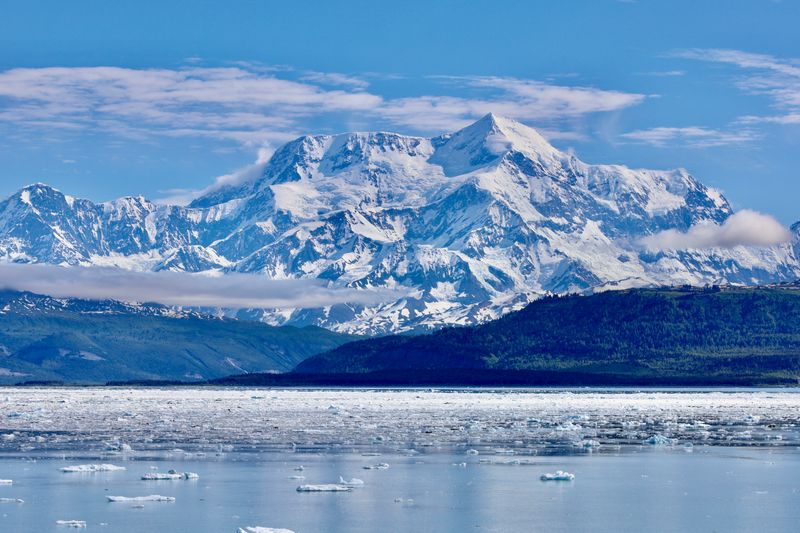
Rising from near sea level to over 18,000 feet (5,489 meters) in just a few miles, Mount Saint Elias creates one of Earth’s most extreme vertical reliefs. This dramatic elevation change generates its own weather systems, as moisture-laden air from the Pacific Ocean crashes into the mountain and unleashes devastating storms with little warning.
Climbers attempting Saint Elias face hurricane-force winds, heavy snowfall, and rapid weather changes that can trap expeditions for days. Technical climbing difficulties combine with intense cold and altitude to create a mountain that surprises even experienced alpinists. Many who underestimate its challenges find themselves retreating or calling for rescue.
The mountain straddles the Alaska-Yukon border, part of the Saint Elias Range that includes numerous challenging peaks. Its proximity to the ocean creates unique conditions rarely found on other high mountains—maritime weather patterns collide with alpine environments, producing some of North America’s most treacherous climbing conditions. Only well-prepared, experienced mountaineers should attempt Saint Elias, but those who succeed gain bragging rights to conquering one of the continent’s most formidable peaks and extreme environments.
Hang Sơn Đoòng — Vietnam
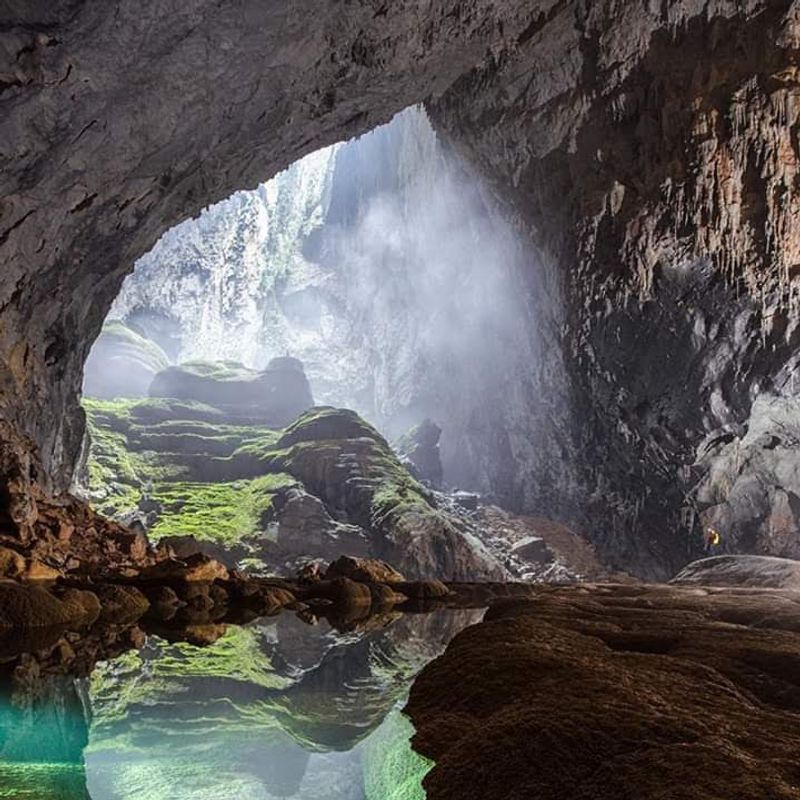
Vietnam’s Phong Nha-Ke Bang National Park conceals Hang Sơn Đoòng, the largest known cave passage in the world. Discovered only in 1991 and not fully explored until 2009, this underground realm features chambers so vast that entire city blocks could fit inside. Sections of the cave have collapsed over millennia, creating sinkholes that allow sunlight to penetrate and jungle to grow deep underground.
The cave generates its own localized weather system, with mist and clouds forming inside the massive chambers. An underground river flows through sections of the passage, while unique flora and fauna have adapted to this subterranean environment. Stalagmites reach heights of 70 meters, and cave pearls form in rare pools.
Only limited permits are issued each year to protect this fragile ecosystem, making expeditions highly exclusive. Visitors traverse through giant chambers, swim across underground rivers, and camp inside the cave—an adventure that feels both scientific and primal. The scale defies comprehension until you stand inside, dwarfed by geological formations that took millions of years to create. Hang Sơn Đoòng represents a different kind of extreme: not harsh climate, but overwhelming size and otherworldly beauty hidden beneath Earth’s surface.
Lut Desert — Iran
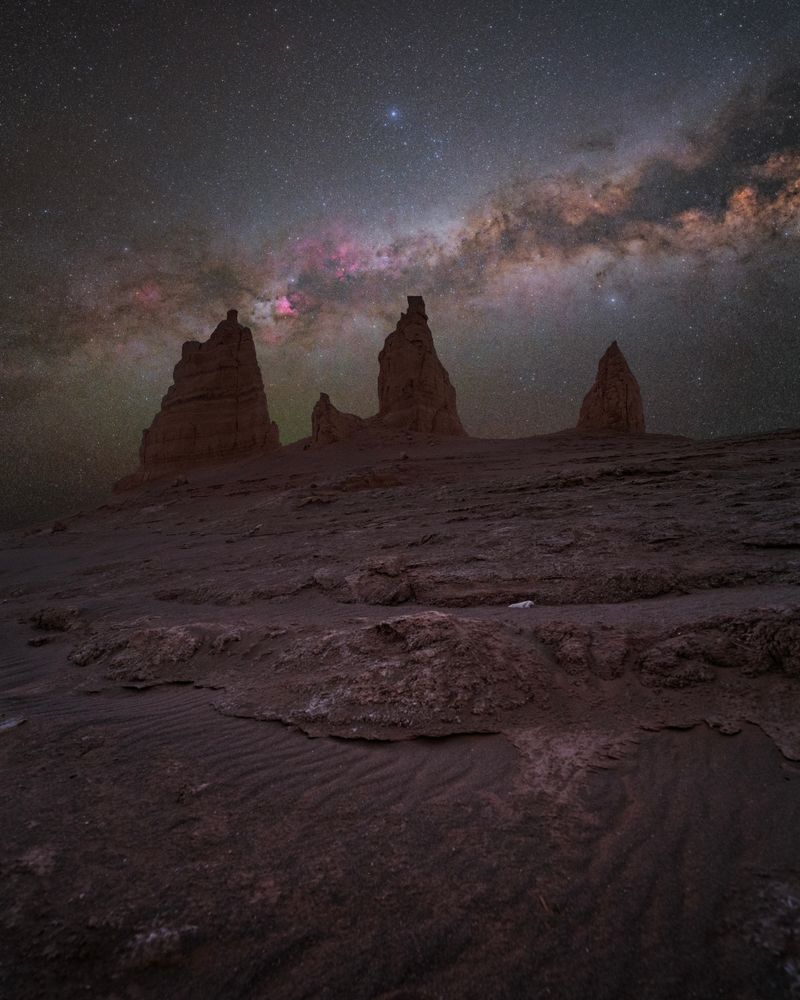
NASA satellite measurements have recorded surface temperatures in Iran’s Lut Desert (Dasht-e Lut) exceeding 70 °C (158 °F)—some of the highest ground temperatures ever measured on Earth. These extreme heat levels occur in areas covered by dark volcanic lava, which absorbs and radiates solar energy with devastating efficiency. Simply touching the ground during peak heat could cause severe burns.
Beyond the temperature extremes, the Lut showcases geological wonders carved by relentless wind. The Kaluts—massive wind-sculpted rock formations—rise like ancient fortresses across the landscape, their shapes constantly evolving under erosion. Salt flats stretch across other sections, while vast sand ridges create patterns visible from space.
Adventurers who venture into the Lut do so primarily during cooler months, seeking to photograph the surreal landscapes and experience such uncompromising heat. The desert’s remoteness adds another layer of challenge, as infrastructure is minimal and self-sufficiency becomes essential. The alien-looking terrain attracts geologists, photographers, and extreme environment enthusiasts who want to witness one of Earth’s hottest and most geologically fascinating deserts, where nature’s forces create beauty through harsh extremes.
Death Zone on Everest — Nepal/Tibet

Above 8,000 meters (26,247 feet) on Mount Everest, climbers enter what mountaineers grimly call the Death Zone. At this altitude, the human body literally begins dying—oxygen levels are insufficient to sustain life for extended periods, and no amount of acclimatization can fully prepare the body for these conditions. Every minute spent here increases risk.
Cognitive function deteriorates rapidly in the thin air, making decision-making difficult precisely when good judgment becomes most critical. Physical exhaustion sets in quickly, while frostbite threatens any exposed skin. Weather systems can change in minutes, transforming manageable conditions into life-threatening storms with hurricane-force winds.
Only climbers with extensive high-altitude experience, proper acclimatization, and top-tier support teams should attempt the Death Zone. Even then, tragedy strikes regularly—bodies of those who didn’t survive remain on the mountain, grim reminders of the risks. Summiting Everest requires passing through this zone twice—ascending and descending—with the latter often proving more dangerous due to exhaustion. The Death Zone represents the absolute limit of where humans can venture without technological life support, a threshold that demands ultimate respect and preparation.
Socotra Island — Yemen
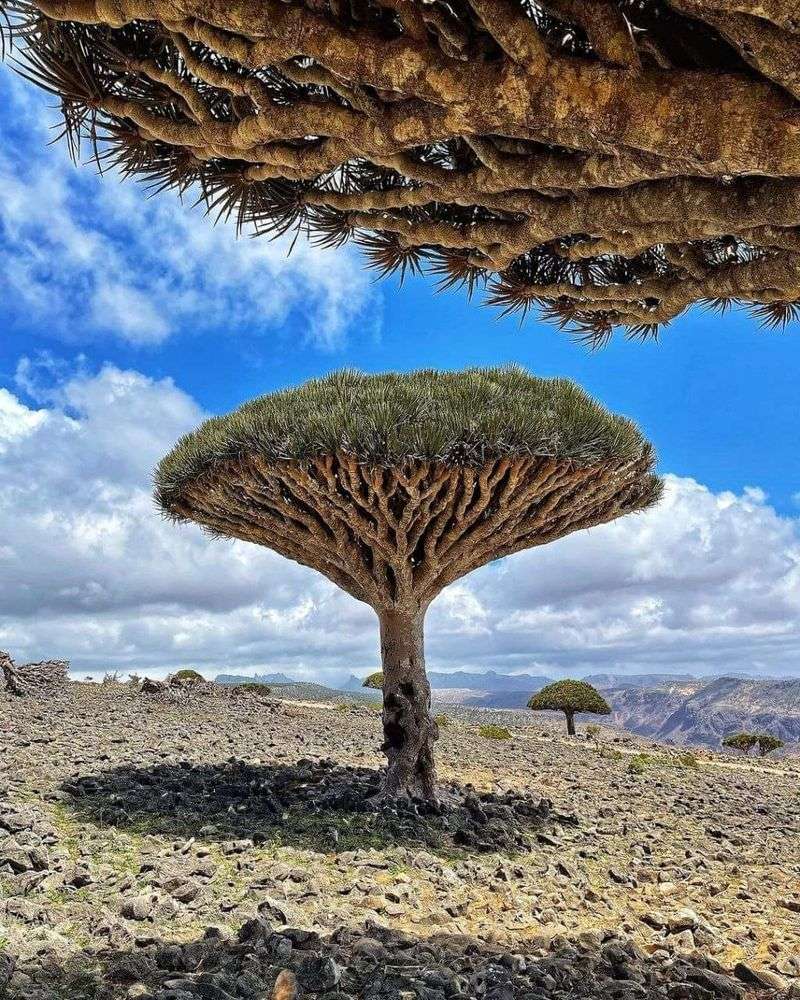
In the Indian Ocean off Yemen’s coast lies Socotra, an island so biologically unique it’s often called the most alien-looking place on Earth. Roughly one-third of its plant species exist nowhere else on the planet, including the iconic dragon’s blood tree with its umbrella-shaped canopy and red sap that ancient civilizations prized. The landscape looks designed by an imaginative artist rather than evolution.
Socotra’s extreme isolation—separated from mainland Africa for millions of years—allowed evolution to take unique paths. Desert roses (Adenium obesum socotranum) grow into bizarre bottle-shaped forms, while cucumber trees and other endemic species create ecosystems found nowhere else. The island’s biodiversity makes it a UNESCO World Heritage Site.
Reaching Socotra requires careful planning due to its remote location and regional political conditions. Flights are limited, and travel logistics can be complex. Yet for naturalists, botanists, and adventurers seeking truly unique landscapes, the effort pays off spectacularly. Walking among the dragon’s blood trees feels like stepping onto another planet, while the island’s beaches, caves, and mountains offer diverse exploration opportunities. Socotra rewards those bold enough to venture far off the beaten path with an extraordinary sense of biological discovery.
Share this story