For centuries, people have journeyed great distances not just to see remarkable sites, but to seek meaning, devotion, or spiritual transformation. Sacred places around the globe continue to draw millions of pilgrims, worshippers, and curious travelers each year. From ancient temples nestled in mountain valleys to grand cathedrals in bustling cities, these destinations offer glimpses into humanity’s deepest beliefs and most enduring traditions.
Mecca — Saudi Arabia
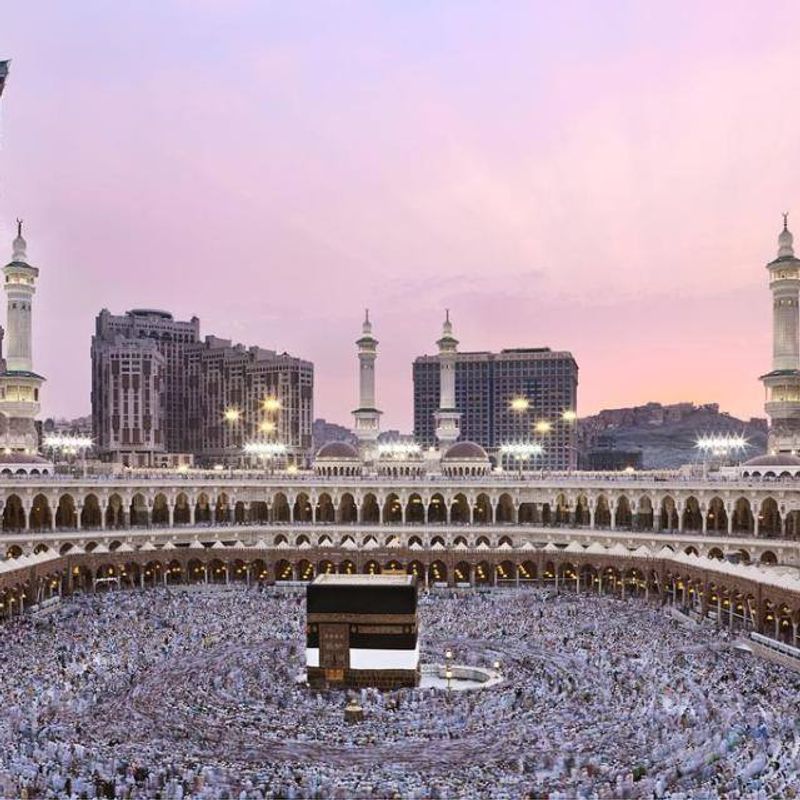
Mecca holds the title of Islam’s holiest city, drawing more than 15 million visitors annually who come to fulfill one of their faith’s most sacred duties. At the heart of the city stands the Kaaba, a cube-shaped structure draped in black silk, located within the sprawling Masjid al-Haram mosque. Muslims worldwide face this direction five times daily during prayer, making it the spiritual center of their religious life.
The Hajj pilgrimage occurs once a year during the Islamic month of Dhul-Hijjah, bringing together believers from every corner of the planet. Those who complete this journey earn the honored title of Hajji. Beyond the annual Hajj, millions also perform Umrah, a shorter pilgrimage that can happen any time throughout the year.
Non-Muslims cannot enter Mecca, preserving its sacred character exclusively for Islamic worship. The sheer scale of human devotion visible here is breathtaking—pilgrims circle the Kaaba seven times, drink from the Zamzam well, and walk between the hills of Safa and Marwah. For many Muslims, visiting Mecca represents the spiritual pinnacle of their lives, a journey they save for and dream about for decades.
Imam Reza Shrine — Mashhad, Iran
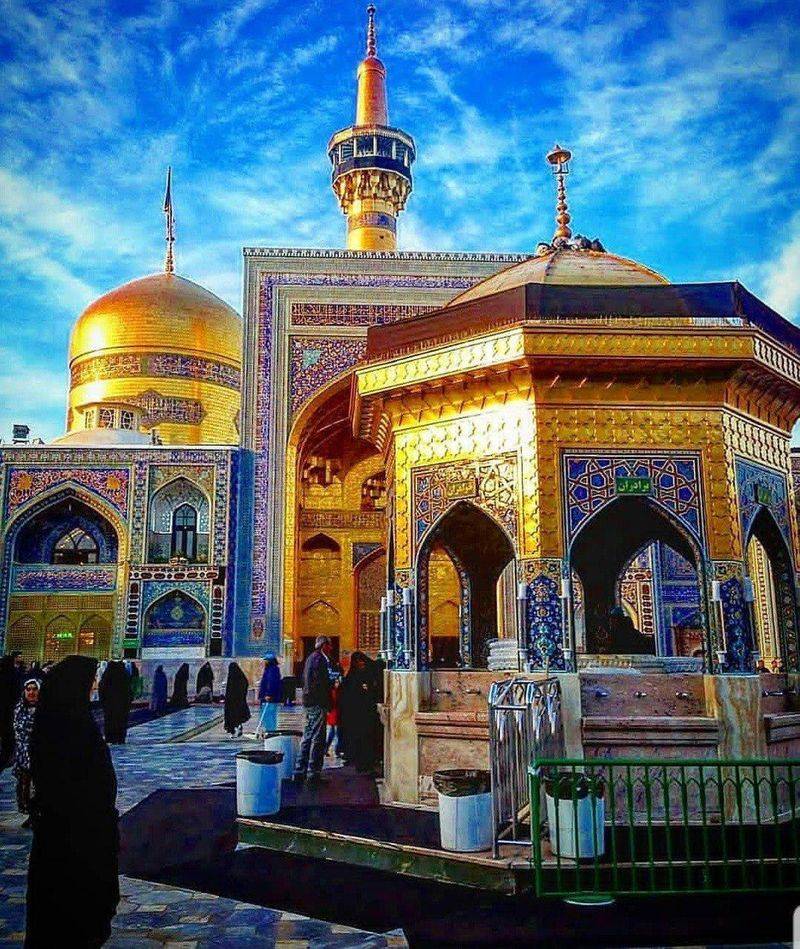
Nearly 30 million pilgrims visit Mashhad each year, making the Imam Reza Shrine one of the busiest pilgrimage destinations on Earth. This sprawling complex honors Ali al-Rida, the eighth Imam in Shia Islam, who died in 818 CE and was buried here. His tomb has become a beacon for Shia Muslims seeking blessings, healing, and spiritual connection.
The shrine itself is an architectural marvel spanning multiple courtyards, prayer halls, museums, and libraries. Golden domes catch the sunlight while intricate tilework tells stories of faith through geometric patterns and calligraphy. Visitors often spend hours walking through the complex, pausing to pray, reflect, or simply absorb the atmosphere of devotion.
What makes this site particularly special is its welcoming nature—pilgrims from all economic backgrounds receive free meals, accommodation, and medical care. The shrine operates as both a spiritual center and a community hub, embodying ideals of charity and hospitality. Many Iranian families make annual trips here, turning pilgrimage into a cherished tradition passed down through generations. The emotional intensity of worship here, combined with the stunning beauty of the architecture, creates an unforgettable experience for those who visit.
Vatican City — Italy
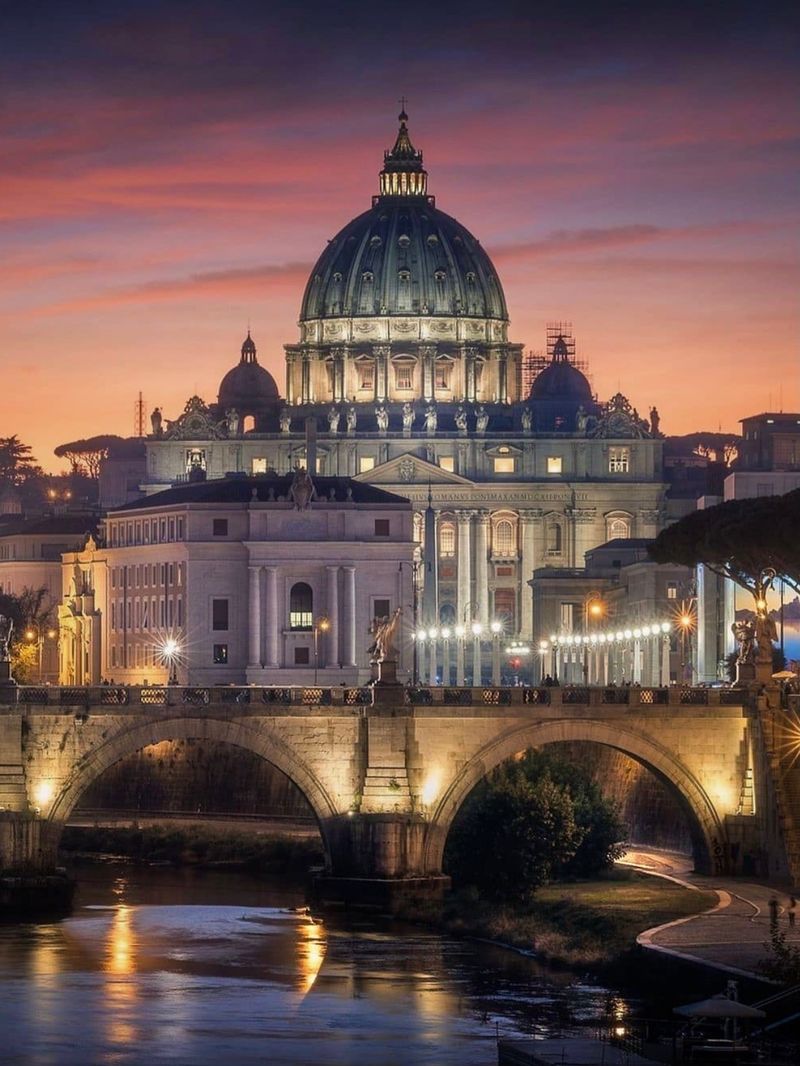
As the world’s smallest independent nation, Vatican City packs enormous spiritual and cultural significance into just 110 acres. St. Peter’s Basilica dominates the skyline with its magnificent dome designed by Michelangelo, while the Sistine Chapel houses some of Renaissance art’s greatest masterpieces. Millions of Catholics and art lovers alike make the pilgrimage here each year to witness where faith and creativity intersect.
The Vatican serves as the headquarters of the Roman Catholic Church and the residence of the Pope. Weekly papal audiences draw crowds hoping to receive blessings from the Holy Father himself. Inside St. Peter’s Basilica, visitors find Michelangelo’s Pietà, Bernini’s bronze canopy, and the tomb of St. Peter, believed to rest directly beneath the main altar.
Beyond religious significance, the Vatican Museums contain one of humanity’s finest art collections, accumulated over centuries by various popes. The famous Sistine Chapel ceiling, painted by Michelangelo between 1508 and 1512, leaves viewers speechless with its depiction of biblical scenes. Whether you come for spiritual reasons or artistic appreciation, Vatican City offers an experience that touches something deep within the human soul, connecting visitors to centuries of faith, history, and human achievement.
Bodh Gaya — India
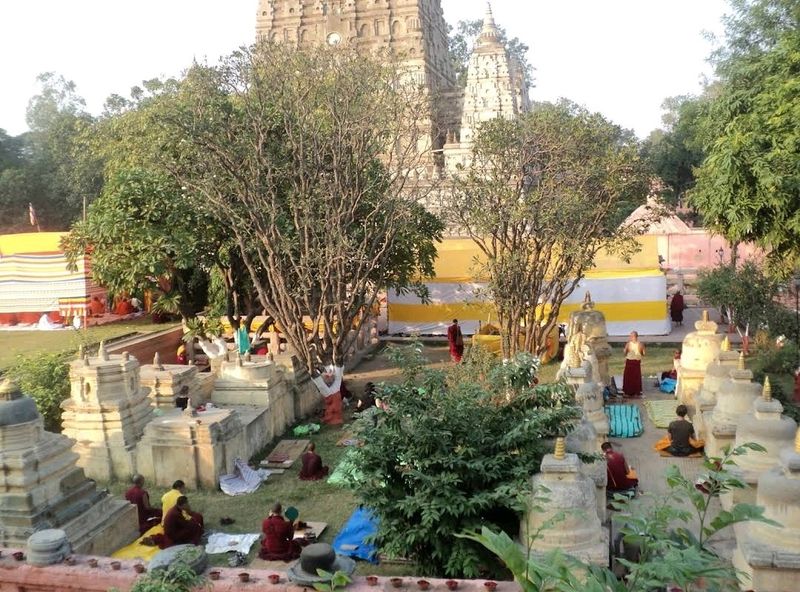
Under a fig tree in Bodh Gaya, Prince Siddhartha Gautama sat in meditation until he achieved enlightenment, becoming the Buddha around 2,500 years ago. That original tree no longer stands, but its descendant—the Bodhi tree—continues to shelter seekers who come to meditate in its shade. The Mahabodhi Temple Complex, built to mark this sacred spot, earned UNESCO World Heritage status in 2002.
Buddhists from Thailand, Tibet, Japan, Sri Lanka, and beyond have built monasteries around the main temple, each reflecting their unique cultural traditions. Walking through Bodh Gaya feels like touring the Buddhist world in miniature. The main temple’s distinctive pyramidal tower rises 180 feet, visible from miles away and drawing pilgrims like a spiritual lighthouse.
Visitors often spend hours sitting beneath the Bodhi tree, hoping to touch something of the Buddha’s enlightenment experience. Prayer flags flutter in the breeze while monks in maroon and orange robes circle the temple in meditation. The atmosphere carries a profound sense of peace, even amid crowds. Whether you practice Buddhism or simply seek tranquility, Bodh Gaya offers a chance to pause, reflect, and connect with one of history’s most transformative spiritual moments.
Varanasi — India
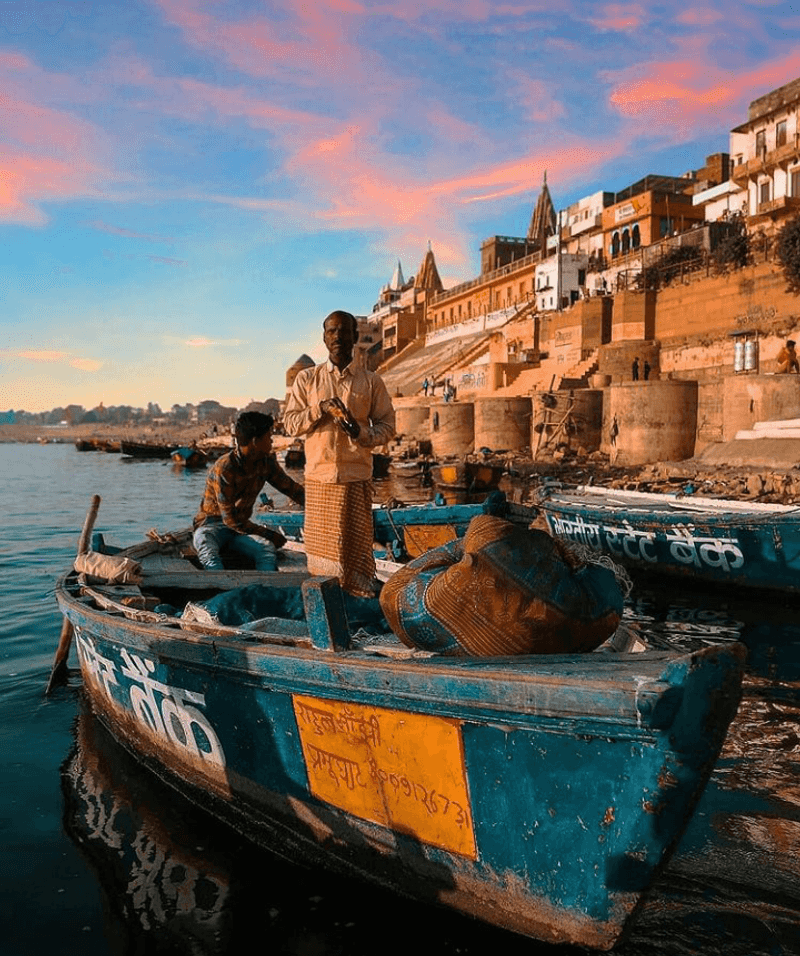
Mark Twain once wrote that Varanasi is older than history, older than tradition, older even than legend. This ancient city on the banks of the Ganges River has witnessed human civilization for more than 3,000 years. Hindus believe that dying here and having one’s ashes scattered in the Ganges brings liberation from the cycle of rebirth, making it one of the most spiritually charged places on Earth.
Every morning before dawn, pilgrims descend the stone steps—called ghats—to bathe in the sacred river. They believe the Ganges water washes away sins accumulated over lifetimes. Priests perform elaborate rituals while temple bells ring across the water. The evening Ganga Aarti ceremony, where priests offer fire to the river goddess, creates a spectacle of light, chanting, and devotion that mesmerizes thousands of onlookers nightly.
Narrow alleyways wind between ancient temples, shrines, and ashrams where spiritual seekers study yoga and meditation. The city pulses with an intensity found nowhere else—birth and death, sacred and mundane, ancient and modern all collide here. Visiting Varanasi means confronting life’s biggest questions while surrounded by humanity at its most raw and authentic. It’s challenging, overwhelming, and utterly unforgettable.
Golden Temple — Amritsar, India
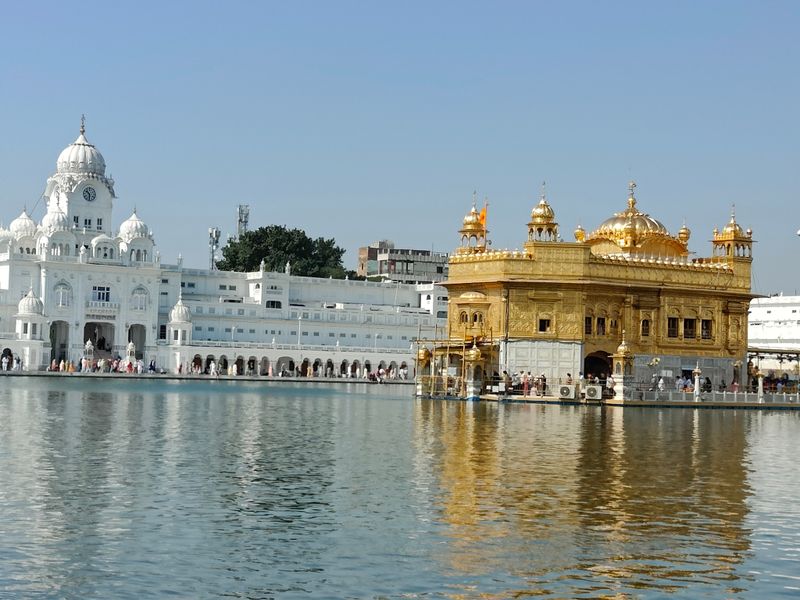
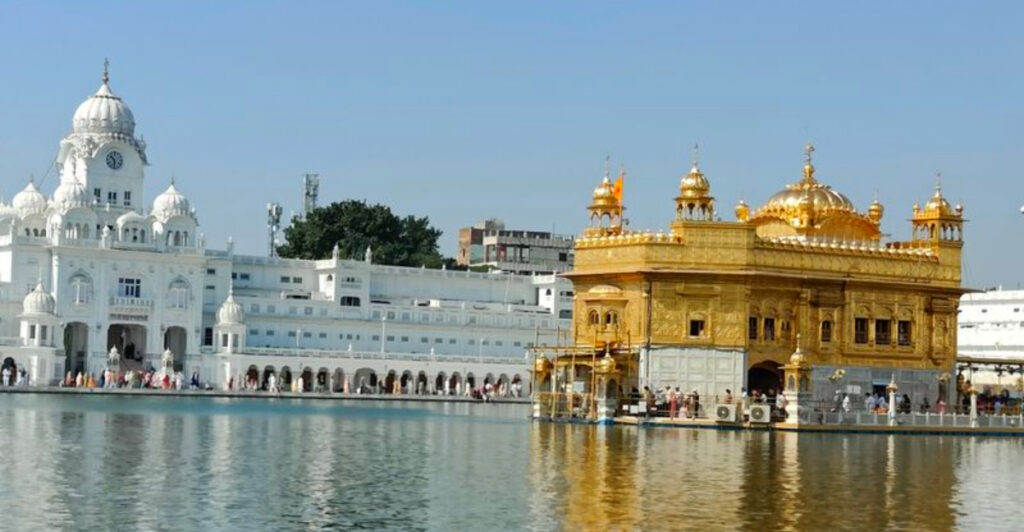
Shimmering like a jewel in the center of a sacred pool, the Golden Temple’s upper floors are covered in actual gold leaf, creating a sight that stops visitors in their tracks. The Harmandir Sahib, as Sikhs call it, welcomes people of all faiths, backgrounds, and beliefs—a reflection of Sikhism’s core values of equality and universal brotherhood. More than 100,000 people visit daily, making it one of the world’s most visited religious sites.
What truly sets this place apart is the langar, a free community kitchen that serves simple vegetarian meals to everyone who enters, regardless of religion, caste, or economic status. Volunteers prepare, cook, and serve food around the clock, feeding up to 100,000 people daily. Sitting cross-legged on the floor alongside strangers, sharing a meal, embodies the Sikh principle that all humans are equal before God.
The temple complex opens before dawn and closes late at night, with continuous recitation of Sikh scriptures filling the air. Pilgrims walk barefoot on cool marble, circumambulating the pool before entering the golden sanctuary. The atmosphere combines deep reverence with joyful hospitality. Many visitors, regardless of their faith, describe feeling moved by the genuine warmth and inclusiveness they experience here.
Tirumala Venkateswara Temple — India
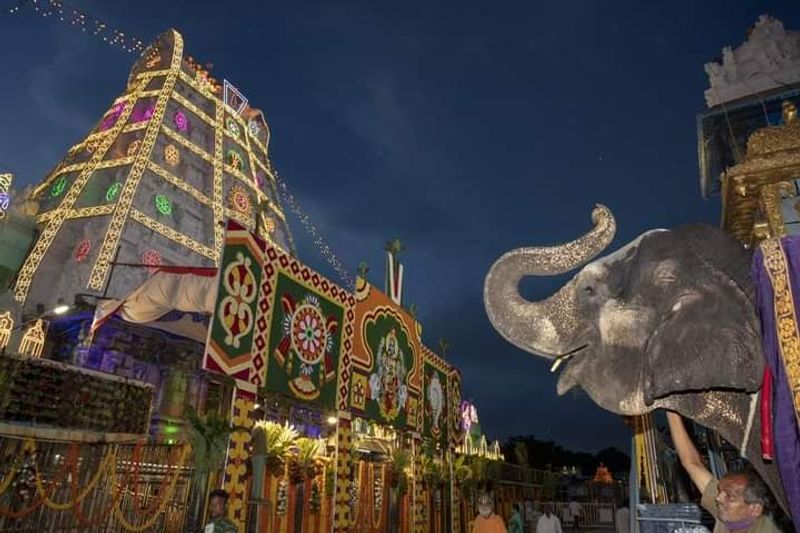
Perched atop seven hills in Andhra Pradesh, this temple dedicated to Lord Venkateswara draws between 50,000 and 100,000 devotees daily, with numbers swelling during festivals. That makes it possibly the most visited place of worship on the planet, surpassing many famous churches and mosques. Pilgrims often wait for hours—sometimes days—for a few seconds of darshan, the blessed sight of the deity.
Many devotees undertake the journey on foot, climbing the ancient stone steps as an act of devotion and penance. Others donate their hair at the temple, which is then sold to fund charitable activities. The temple’s wealth is legendary; it receives millions in donations and gold offerings annually, making it one of the richest religious institutions worldwide.
The presiding deity, Lord Venkateswara, is an incarnation of Vishnu and is believed to have appeared here to save humanity during the current age of darkness. Elaborate rituals occur throughout the day, with priests adorning the deity in different garments and jewelry for each ceremony. The temple administration manages accommodation, food services, and transportation for the endless stream of pilgrims. For devotees, reaching this hilltop sanctuary represents the fulfillment of vows and the blessing of a lifetime.
Basilica of Our Lady of Guadalupe — Mexico City, Mexico
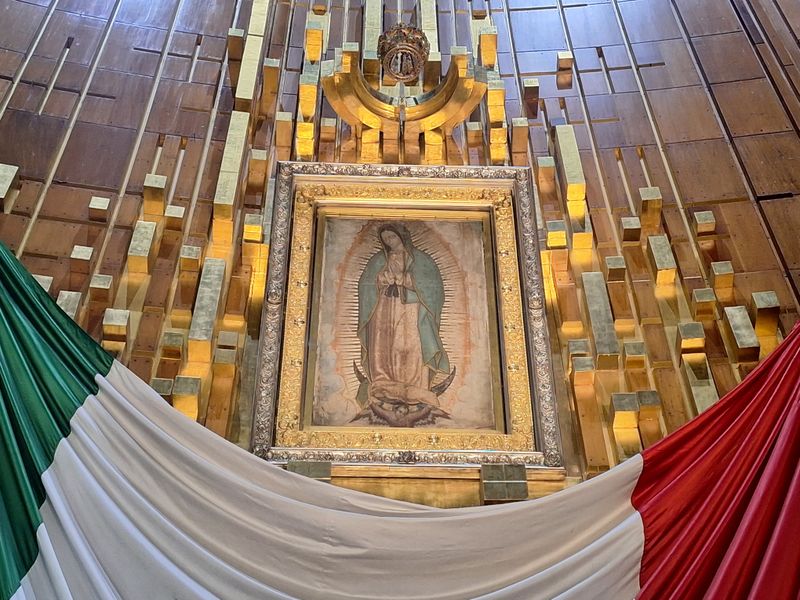
In December 1531, the Virgin Mary reportedly appeared to an indigenous peasant named Juan Diego on Tepeyac Hill, leaving her image miraculously imprinted on his cloak. That cloak, or tilma, remains on display today in the modern basilica, drawing up to 20 million pilgrims annually. Many approach on their knees as an act of devotion, some traveling hundreds of miles to honor Mexico’s patron saint.
The original basilica, built in the 18th century, began sinking into the soft ground beneath Mexico City. A striking modern basilica was completed in 1976, designed to accommodate thousands of worshippers at once. Moving walkways carry pilgrims past the sacred tilma so everyone can view it, even during peak crowds. The image itself has puzzled scientists—the fabric should have deteriorated centuries ago, yet it remains intact.
Our Lady of Guadalupe holds special significance in Mexican culture, representing a blend of indigenous and Catholic traditions. Her appearance to an indigenous man, speaking in his native language, helped bridge two worlds during a tumultuous period of colonial history. The feast day celebration on December 12 transforms the basilica grounds into a vibrant festival of faith, music, traditional dances, and flowers. For many Mexicans, she represents not just religious devotion but cultural identity itself.
Angkor Wat — Cambodia
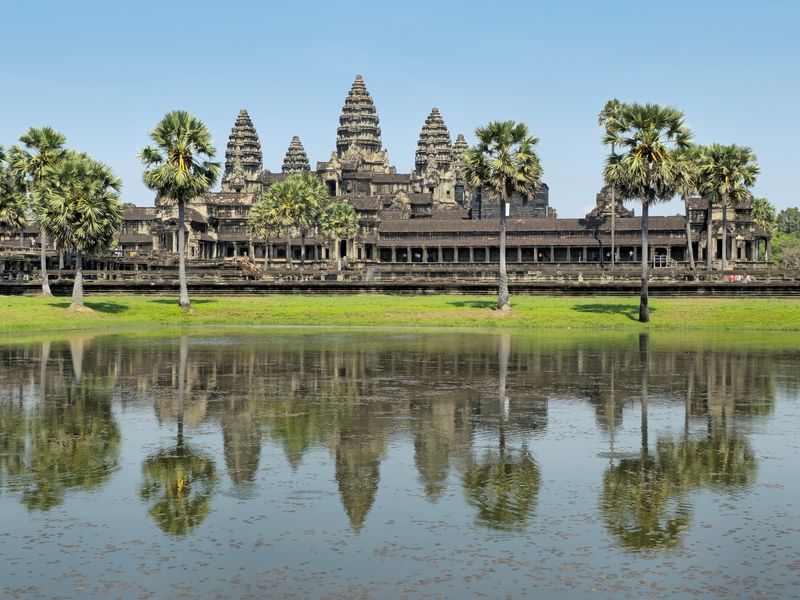
Built in the early 12th century by King Suryavarman II, Angkor Wat originally served as a Hindu temple dedicated to Vishnu before gradually transforming into a Buddhist site. Its five towers represent Mount Meru, the mythical home of the gods in Hindu and Buddhist cosmology. As the largest religious monument in the world, it covers more than 400 acres and features some of the finest examples of Khmer architecture and art.
Intricate bas-reliefs carved into the temple walls depict epic stories from Hindu mythology, including the famous Churning of the Ocean of Milk. Visitors can spend hours examining these detailed carvings, which stretch for hundreds of meters. The precision of the temple’s construction continues to amaze architects—stones fit together without mortar, and the entire complex aligns with astronomical phenomena.
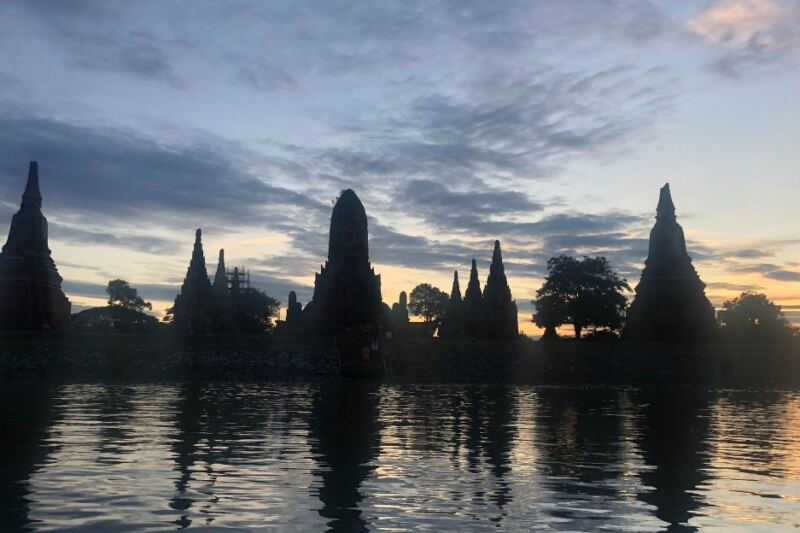
While Angkor Wat attracts tourists for its archaeological significance, it remains an active place of Buddhist worship. Monks in saffron robes pray at shrines throughout the complex, and local devotees bring offerings of incense and flowers. Sunrise at Angkor Wat has become iconic, with the temple silhouetted against colorful skies and reflected in the surrounding moat. The site represents not just Cambodia’s past glory but its enduring spiritual heritage, connecting ancient kingdoms to the present day through unbroken threads of devotion.
Jerusalem — Israel/Palestine
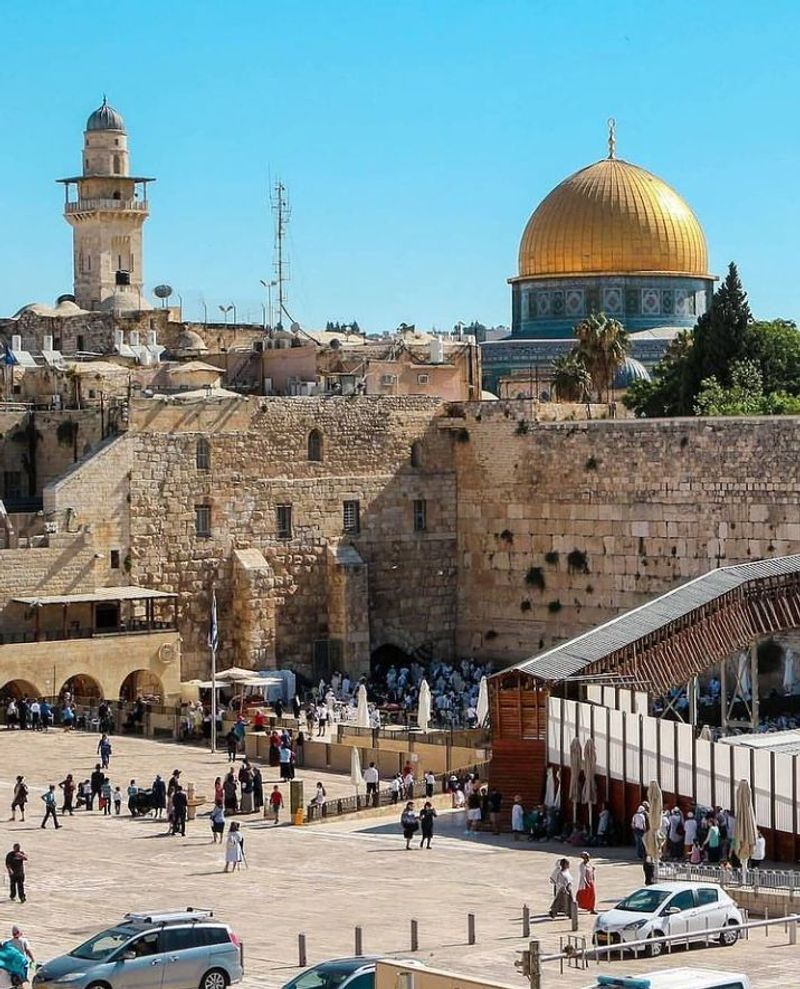
Few places on Earth carry the spiritual weight of Jerusalem’s Old City, where three major religions—Judaism, Christianity, and Islam—claim sacred ground within less than one square mile. Jews pray at the Western Wall, the last remnant of the Second Temple. Christians walk the Via Dolorosa, retracing Jesus’s path to crucifixion, and visit the Church of the Holy Sepulchre. Muslims worship at the Dome of the Rock and Al-Aqsa Mosque, from where Muhammad is believed to have ascended to heaven.
The city’s layers of history literally pile upon each other—archaeological excavations reveal civilizations stretching back 4,000 years. Modern Jerusalem sits atop ancient Jerusalem, which rests on even older settlements. Walking these stone streets means treading where prophets, kings, and countless pilgrims have walked for millennia. The spiritual intensity here is palpable, sometimes inspiring profound peace, sometimes sparking conflict.
Millions of pilgrims arrive annually, seeking connection with their faith’s roots and holy sites. During religious holidays—Passover, Easter, Ramadan—the city swells with worshippers from around the world. The call to prayer echoes from minarets while church bells ring and Jewish prayers drift from the Western Wall. Jerusalem remains a living, breathing testament to humanity’s enduring search for the divine, despite—or perhaps because of—its complicated history.
Shwedagon Pagoda — Yangon, Myanmar
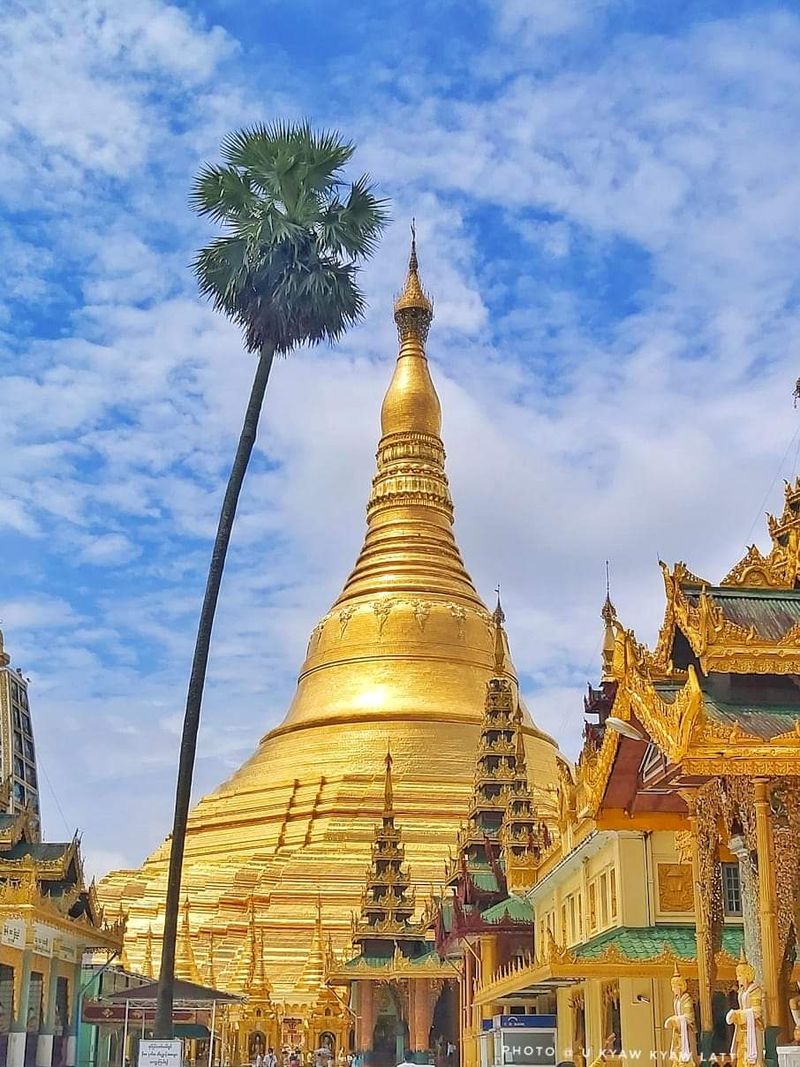
Rising 326 feet above Yangon, the Shwedagon Pagoda’s golden stupa dominates the city skyline and the spiritual life of Myanmar. According to legend, the pagoda is over 2,600 years old and contains hair relics of the Buddha himself, along with relics of three previous Buddhas. While historians date the structure to sometime between the 6th and 10th centuries, its spiritual significance to Burmese Buddhists remains undisputed.
The stupa is covered in real gold plates—tons of it—donated by devotees over centuries. At the very top, the crown contains 5,448 diamonds and 2,317 rubies, with a single 76-carat diamond at the apex. Pilgrims circumambulate the main stupa, stopping at smaller shrines representing the day of the week they were born. They pour water over Buddha images, light candles, and offer flowers while monks chant prayers.
Visiting at sunset offers an almost otherworldly experience as the golden stupa seems to glow from within. Barefoot pilgrims (shoes must be removed) walk on cool marble platforms surrounding the pagoda. The atmosphere blends devotion with community—families picnic, children play, and vendors sell offerings and snacks. For the people of Myanmar, Shwedagon isn’t just a tourist attraction but the spiritual heart of their nation, a place where they mark life’s important moments and seek blessings for the future.
Meenakshi Temple — Madurai, India
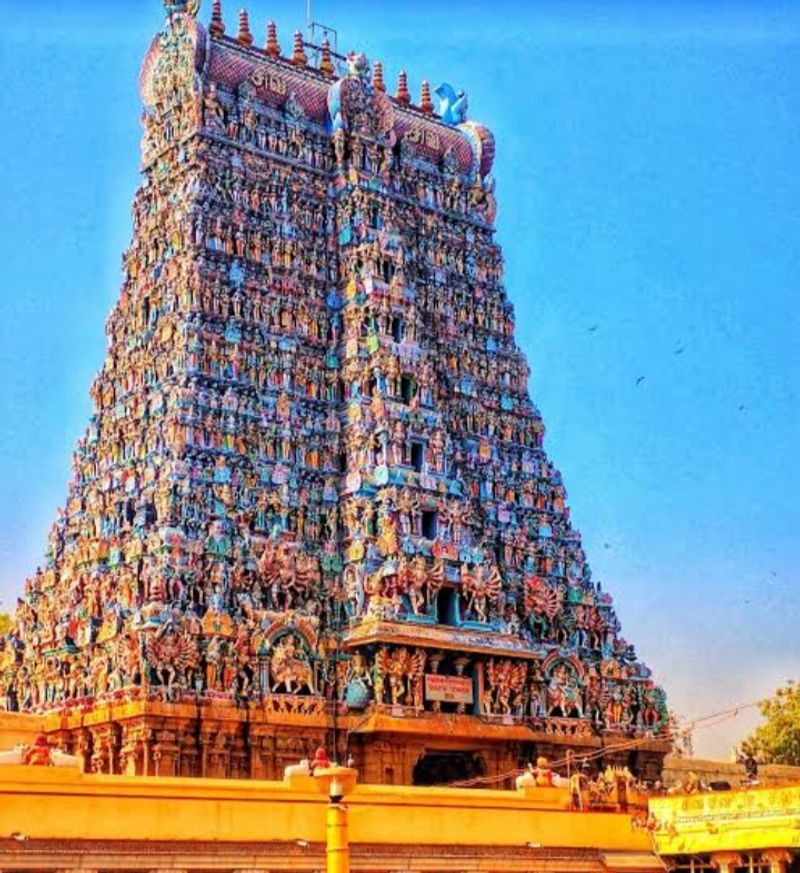
Fourteen towering gopurams—gateway towers—rise above Madurai’s streets, each covered in thousands of brightly painted sculptures depicting gods, goddesses, demons, and mythological scenes. The Meenakshi Amman Temple, dedicated to goddess Meenakshi (a form of Parvati) and her consort Shiva, represents the pinnacle of Dravidian architecture and remains one of South India’s most important pilgrimage sites. The temple complex covers 14 acres and contains 12 smaller towers in addition to the main gopurams.
Inside, corridors lined with intricately carved pillars lead to multiple shrines where priests perform ancient rituals throughout the day. The Thousand Pillar Hall showcases incredible stonework, with each pillar uniquely carved. During evening ceremonies, priests carry the image of Shiva to Meenakshi’s shrine, symbolically putting the divine couple to bed—a ritual that draws crowds of devotees daily.
The temple isn’t frozen in time but pulses with living tradition. Festivals occur frequently, the most spectacular being the Chithirai Festival when the marriage of Meenakshi and Shiva is celebrated with elaborate processions. Pilgrims arrive seeking blessings for marriages, children, and prosperity. The sensory experience is overwhelming—incense smoke, flower garlands, chanting priests, ringing bells, and the visual feast of rainbow-colored towers. This isn’t a museum but a thriving center of Hindu devotion that has served pilgrims for centuries.
Pashupatinath Temple — Kathmandu, Nepal
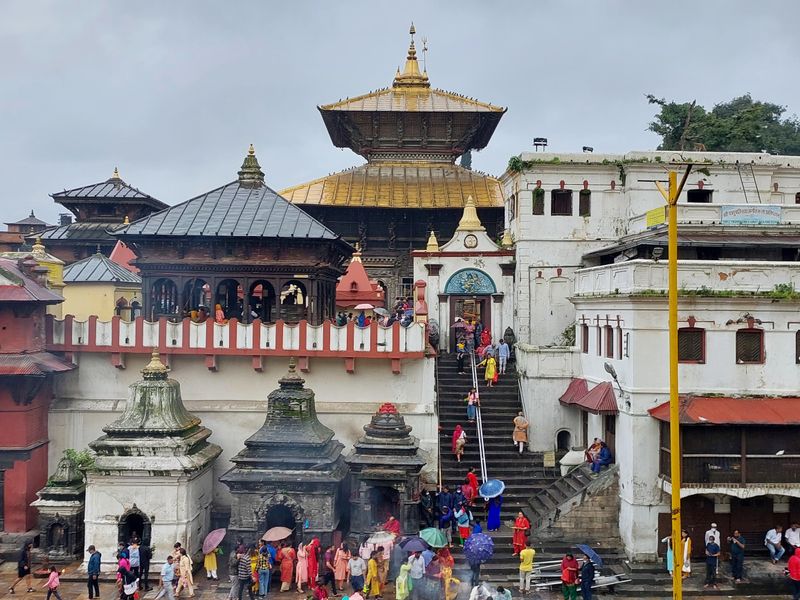
Along the sacred Bagmati River in Kathmandu, the Pashupatinath Temple serves as one of Hinduism’s most significant Shiva shrines in the world. The name Pashupati means “Lord of Animals,” referring to Shiva’s role as protector of all living beings. Only Hindus can enter the main temple, but visitors of all backgrounds can explore the sprawling complex and witness ceremonies along the riverbanks.
The temple grounds host a fascinating array of spiritual seekers—orange-clad sadhus (holy men) meditate in caves, some covered in ash and sporting dreadlocks that haven’t been cut in decades. Pilgrims bathe in the Bagmati, believing its waters carry the same purifying powers as the distant Ganges. Cremation ceremonies occur on the ghats (stone platforms) along the river, reminding visitors of life’s impermanence—a core Buddhist and Hindu teaching.
During Maha Shivaratri, the great night of Shiva, hundreds of thousands of pilgrims flood the temple complex, some traveling for days from India and across Nepal. The festival transforms the site into a massive spiritual gathering with continuous prayers, ritual bathing, and offerings. The UNESCO-listed Kathmandu Valley contains numerous sacred sites, but Pashupatinath holds special reverence. Its combination of ancient architecture, living traditions, and raw spiritual energy creates an experience that stays with visitors long after they leave Nepal’s misty mountains.
Palitana Temples — Shatrunjaya, India

Climbing 3,800 stone steps up Shatrunjaya Hill in Gujarat brings devoted Jains to one of their faith’s holiest sites—a hilltop complex containing more than 900 marble temples. The journey itself serves as spiritual practice, with pilgrims beginning before dawn to complete the ascent before the heat becomes unbearable. No one is permitted to stay overnight on the sacred hill; everyone must descend before sunset, and no food is allowed to be carried up to protect the sanctity of the site.
The temples, built over 900 years by wealthy Jain merchants, showcase exquisite marble craftsmanship. Delicate carvings cover every surface—pillars, ceilings, doorways—depicting Tirthankaras (enlightened teachers) and scenes from Jain cosmology. The main temple honors Adinath, the first Tirthankara. Each temple represents generations of devotion and enormous financial investment, all offered without expectation of worldly reward.
Jainism’s emphasis on non-violence extends to every aspect of the pilgrimage. Visitors must climb barefoot or in socks, and the hill is entirely vegetarian. Even the construction and maintenance avoid harming insects or animals. The physical challenge of the climb, combined with the spiritual atmosphere at the summit, creates a powerful experience of purification and devotion. For Jains, completing this pilgrimage at least once in a lifetime represents a significant spiritual achievement and brings merit that benefits future rebirths.
Notre-Dame de Paris — France
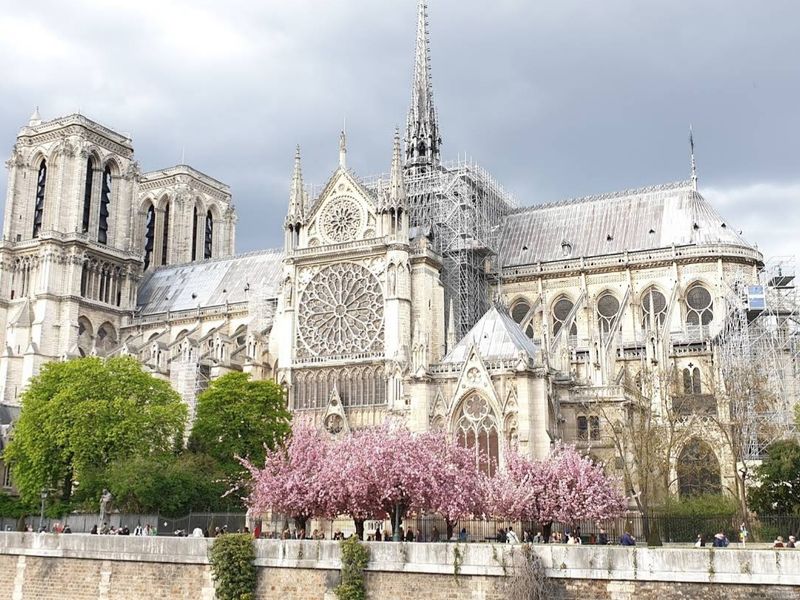
When flames engulfed Notre-Dame’s roof and toppled its spire on April 15, 2019, millions around the world watched in horror as an 850-year-old symbol of faith and culture burned. Yet even as restoration continues, Notre-Dame remains a powerful presence in Paris and in the hearts of believers and culture lovers alike. Before the fire, it welcomed 12 to 14 million visitors annually, making it one of the most visited monuments in Europe.
Construction began in 1163 under Bishop Maurice de Sully, taking nearly 200 years to complete. The cathedral represents Gothic architecture at its finest—soaring vaults, flying buttresses, and magnificent rose windows that transform sunlight into kaleidoscopes of color. Kings were crowned here, revolutionary fervor nearly destroyed it, and Victor Hugo’s novel helped save it from demolition in the 19th century. Its bells, immortalized in “The Hunchback of Notre-Dame,” have marked Paris’s hours for centuries.
Notre-Dame holds deep significance for Catholics as a place of pilgrimage, housing relics including what believers hold to be Christ’s Crown of Thorns, dramatically rescued during the fire. Beyond religious importance, the cathedral represents French identity and European cultural heritage. President Macron has vowed to rebuild it even more beautifully, with completion targeted for 2024. The resilience of Notre-Dame mirrors the enduring human need for sacred spaces that connect us to something greater than ourselves.
Share this story