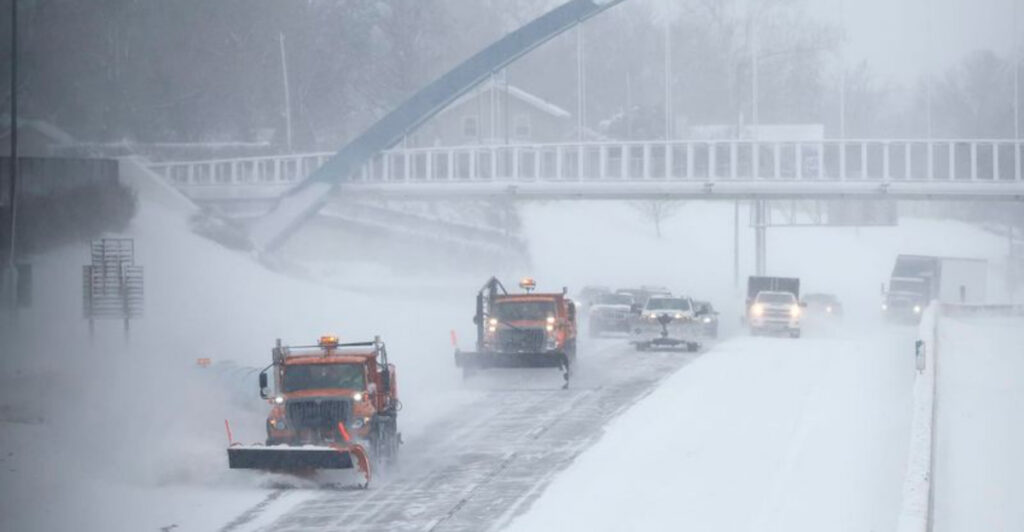
Winter Storm Ezra is unleashing blinding snow, fierce winds, and bone chilling temperatures across multiple states right now. Blizzard warnings are up in parts of Minnesota and Wisconsin, while widespread winter storm alerts stretch across the Midwest and into the Northeast. Travel is grinding to a halt, with highways closed and flights delayed as visibility drops to near zero. Here is what you need to know to stay safe and make smart decisions until conditions improve.
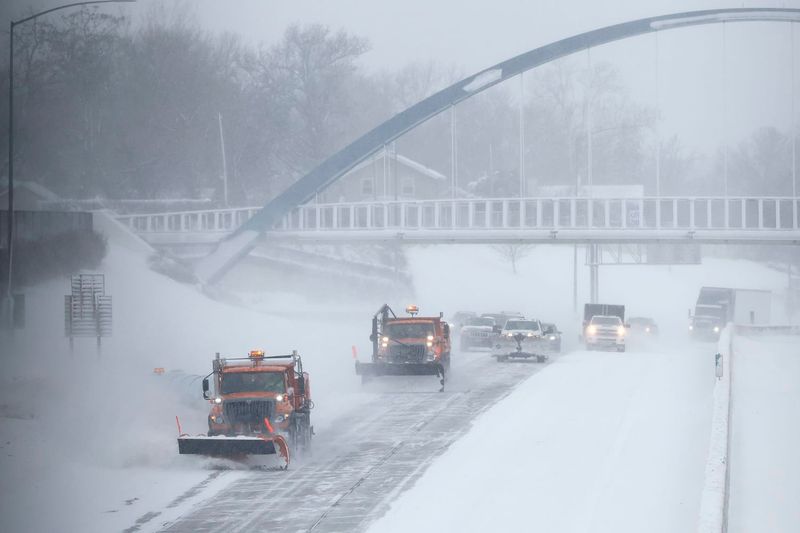
Winter Storm Ezra is rapidly intensifying, with heavy snow, strong winds, and lake-effect enhancement combining to meet blizzard criteria in parts of Minnesota and Wisconsin. Forecasters warn some communities could see 18 to 25 inches, with localized totals even higher where banding sets up. If you step outside, near zero visibility can arrive suddenly, turning familiar streets into a disorienting white wall.
The National Weather Service has issued blizzard warnings where frequent gusts above 35 mph will blow and drift snow across roadways. That wind can quickly fill plow lines and create chest-high drifts near open fields and interstates. Power outages are possible where heavy, wet snow clings to lines and tree limbs, so charge devices and prepare for interruptions.
Officials emphasize that conditions may worsen after dark as temperatures fall and wind chill deepens, elevating risks for anyone stranded. Your best move is to stay put, avoid errands, and let plow crews and emergency teams work. If you must head out, tell someone your route, keep your phone charged, and bring winter gear capable of hours in the cold.
Ezra’s power is not just the snow. Arctic air is plunging south, pushing wind chills to minus 20 to minus 30 in parts of North Dakota and northern Minnesota. In these conditions, exposed skin can develop frostbite in minutes, and hypothermia can set in even faster if clothing is wet or inadequate.
Strong gusts exceeding 40 mph will loft fine powder into the air, creating whiteouts that hide intersections, vehicles, and landmarks. Drifting will bury rural roads and plug shelterbelts, making it harder for plows to keep up. Expect scattered outages where ice and snow load up lines, especially with repeated gusts flexing weak branches.
Limit any time outdoors and cover every inch of skin if a quick trip is unavoidable. Dress in layers that trap warm air and keep moisture away from your body. Keep a thermos of warm beverages, avoid alcohol, and check on neighbors who may struggle to manage the cold safely.
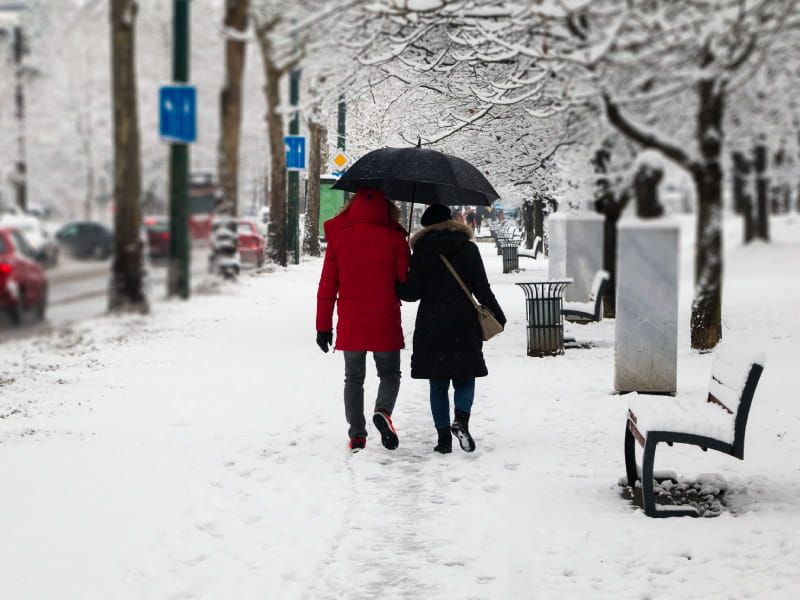
The National Weather Service urges you to stay inside whenever possible during Ezra’s peak. Blowing snow and extreme cold can quickly disorient even experienced drivers and hikers, especially after sunset. Indoors, conserve heat, close interior doors, and use safe heating methods while keeping carbon monoxide risks in mind.
If you must go out, layer loose, insulating clothing, cover hands, face, and ears, and change out of damp items immediately. Eat warm meals, hydrate often, and avoid caffeine and alcohol, which can worsen heat loss. Keep pets indoors and create a warm sleeping space for infants and older adults who are more sensitive to cold.
Certain groups face elevated risk, including outdoor workers, unhoused neighbors, people with chronic illnesses, and families with newborns. Check in by phone or in person if it is safe to do so, and direct anyone without heat to community warming centers. Small acts of preparation and care can save lives during the coldest stretch of the storm.
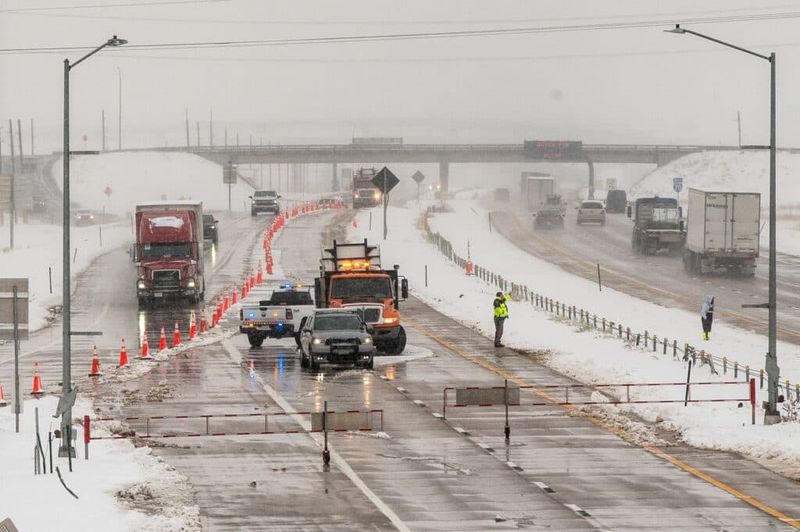
Travel is strongly discouraged across blizzard zones as visibility drops to near zero and roads glaze with ice. Portions of I-90 and I-94 have closed intermittently, and conditions can deteriorate between plow passes in minutes. Airports across the Midwest and Northeast are reporting delays and cancellations, so check status before leaving home.
If you have no choice but to drive, carry a winter kit with blankets, hats, gloves, high-calorie snacks, water, a flashlight, a phone charger, and traction aids like sand or litter. Keep the fuel tank at least half full, clean all windows, and slow down dramatically. If stranded, stay with the vehicle, crack a window slightly, and clear the exhaust pipe regularly.
The safest decision is to postpone trips until wind and snowfall ease and crews can restore visibility. Let friends know your route and expected arrival, and keep a close eye on updated advisories. Your patience now helps emergency responders focus on critical calls while the storm peaks.
Share this story