
Traveling through Asia can feel overwhelming, especially if you worry about language barriers or confusing transit systems. But many cities across the continent have invested heavily in making navigation simple for visitors. From ultra-modern metros with English signage to tap-and-go payment cards that work everywhere, these destinations prove that exploring Asia can be stress-free and fun.
1. Singapore
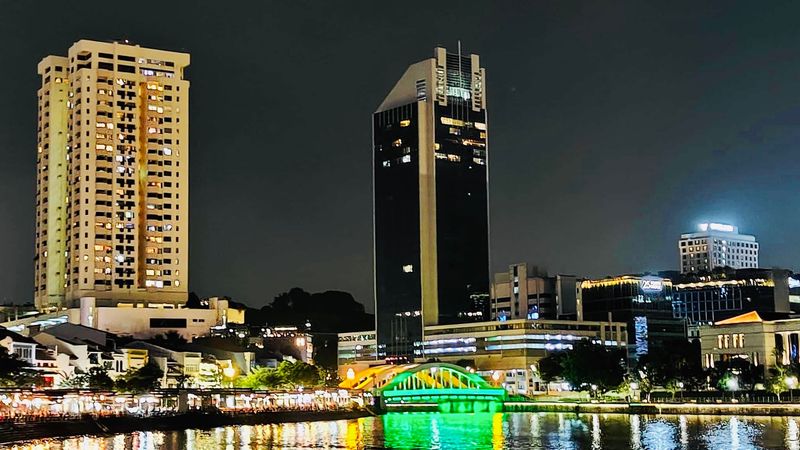
Planning your journey around Singapore is incredibly straightforward thanks to the Land Transport Authority’s official journey planner and MyTransport.SG app. Both tools show fares and travel times just like locals use them, removing any guesswork from getting around.
For travelers who want maximum simplicity, the Singapore Tourist Pass delivers unlimited rides on trains and basic buses for one to three days. It eliminates the need to calculate fares or worry about topping up cards constantly, making sightseeing days smooth and enjoyable.
2. Hong Kong

Getting around Hong Kong feels effortless because the city offers rail, bus, tram, and ferry options all connected by one payment method: the Octopus card. The Hong Kong Tourism Board emphasizes how this integrated system makes hopping between transport modes a breeze.
Visitors can even purchase tourist-oriented Octopus cards designed specifically for travelers. These versions often include added perks or simplified instructions, ensuring you spend less time figuring out logistics and more time exploring vibrant neighborhoods and stunning harbor views.
3. Tokyo

Tokyo Metro’s official English resources explain how to use PASMO cards, which you simply tap at fare gates to enter and exit. This reloadable, reusable card cuts out the hassle of buying individual tickets every time you ride.
Heavy sightseers can take advantage of unlimited-ride day tickets offered by Tokyo Metro. Some combination tickets even cover multiple operators across central Tokyo, letting you explore Shibuya, Shinjuku, and Asakusa without worrying about fare zones or overspending on transport.
4. Seoul

Seoul’s subway system impresses visitors with station signs displayed in Korean, English, and Chinese, making navigation accessible even if you do not speak the local language. Visit Seoul highlights that riders can choose between a rechargeable transportation card or single-use tickets.
The city’s official website also provides route maps and transit resources to help travelers plan confidently. With clear signage and helpful online tools, Seoul transforms what could be a confusing experience into a straightforward adventure through one of Asia’s most dynamic capitals.
5. Taipei

Taiwan’s Tourism Administration makes it clear that EasyCard works seamlessly on the MRT and beyond, offering quick tap-in and tap-out access across the city. EasyCard’s official guidance explains exactly how to use it at fare gates when entering and exiting stations.
The Taipei Metro operator also offers a 24-hour unlimited pass that you activate by scanning at gates. Once activated, you can ride as much as you want during the validity window, perfect for cramming in night markets, temples, and Taipei 101 all in one packed day.
6. Kuala Lumpur
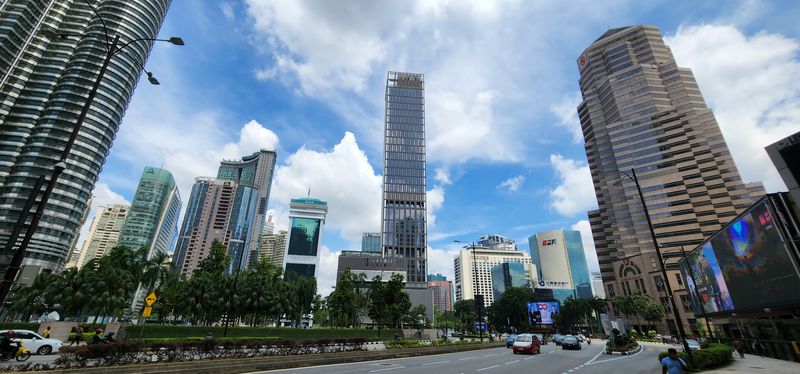
KL TravelPass is a traveler’s dream because it bundles the KLIA Ekspres airport transfer with two days of unlimited rides on Rapid KL rail and bus services, including BRT, LRT, MRT, and Monorail. It is as close to plug-and-play as public transit gets.
Rapid KL’s official portal centralizes everything you need: service info, fare tables, schedules, and travel passes. Having one reliable source of truth means less time hunting for answers and more time enjoying hawker food, Batu Caves, and the stunning Petronas Towers skyline.
7. Bangkok
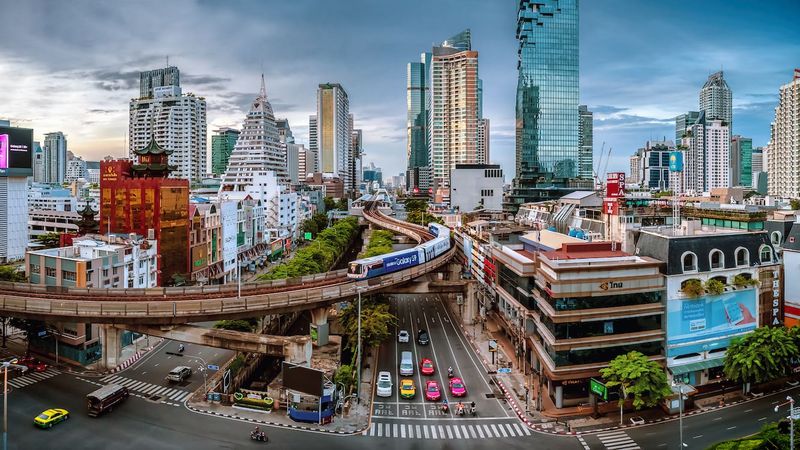
Bangkok’s BTS explains how to purchase and reload a Rabbit card, a stored-value option that makes repeat rides far easier than buying individual tickets each time. You can top up at stations and other convenient locations throughout the city.
BTS also publishes detailed route and station information online, allowing you to study the network before you even land in Thailand. Understanding the system in advance takes the anxiety out of navigating Bangkok’s bustling streets, markets, and riverside attractions with confidence and ease.
8. Dubai
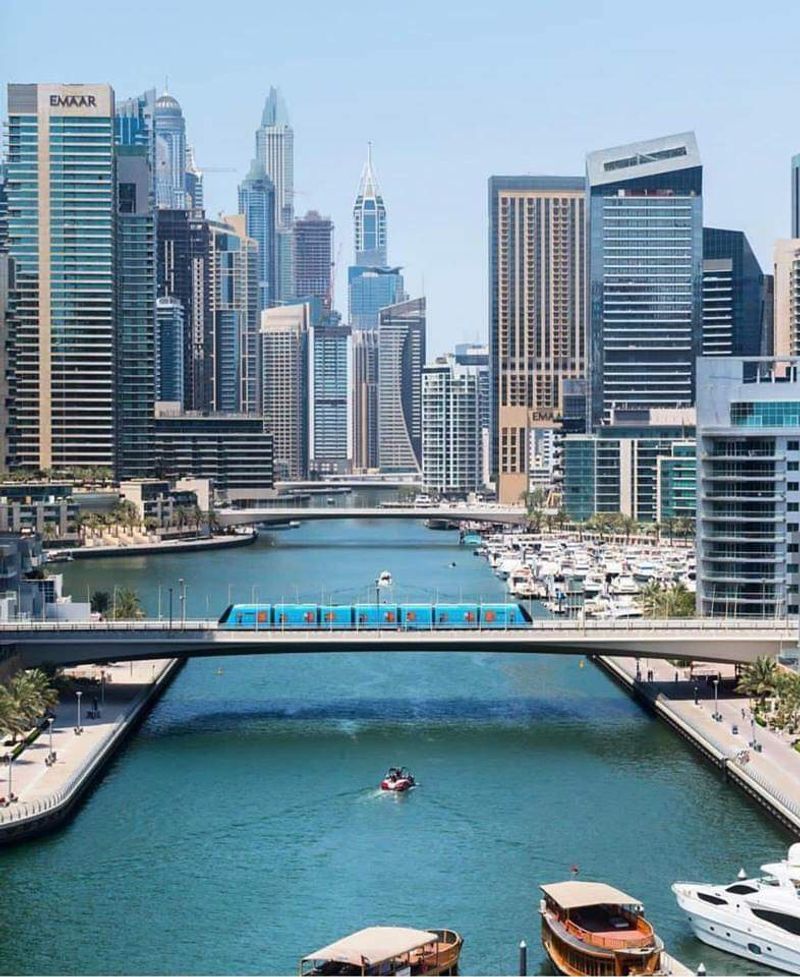
Dubai’s Roads and Transport Authority provides an official Metro and Tram stations map, which simplifies route planning significantly. They also host an official journey planner for multi-modal trips, so you never have to guess connections or transfers.
The nol card serves as Dubai’s official tap-and-go system for all public transport. Whether you are heading to the Burj Khalifa, Dubai Mall, or the historic Gold Souk, this single card keeps your travel smooth, fast, and wonderfully uncomplicated in one of the world’s most futuristic cities.
9. Doha
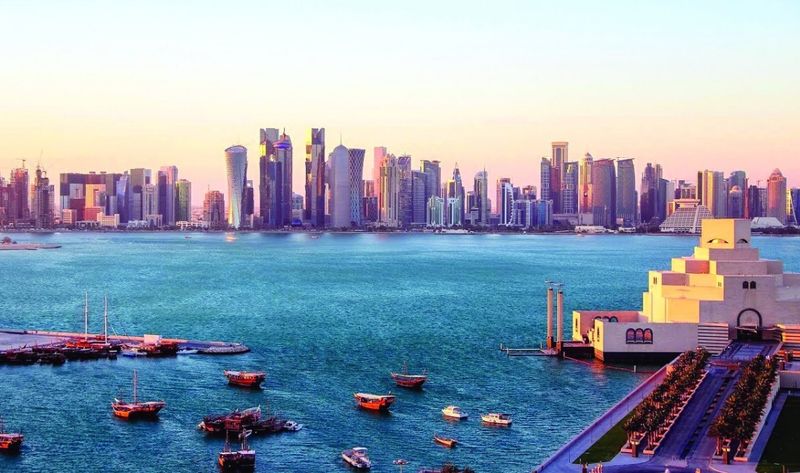
Visit Qatar offers visitor-focused guidance for using the Doha Metro, including how it fits into exploring the city efficiently. Qatar Rail’s official Doha Metro site backs that up with comprehensive system information and rider resources.
Doha’s metro is one of the newest in the region, boasting stunning station designs and crystal-clear signage. Navigating it feels intuitive even for first-time visitors, making it easy to reach Souq Waqif, the Museum of Islamic Art, and Katara Cultural Village without stress or confusion.
10. Beijing

Beijing’s subway operator offers an English journey planner along with helpful rider tools, which is invaluable in such a massive and sprawling city. Knowing where to transfer and how long trips take removes much of the intimidation factor.
With over 20 lines crisscrossing the capital, the system can seem daunting at first glance. But thanks to clear English resources and logical route design, visitors find it surprisingly manageable to reach major sites like the Forbidden City, Temple of Heaven, and the Summer Palace efficiently and affordably.
11. Shanghai
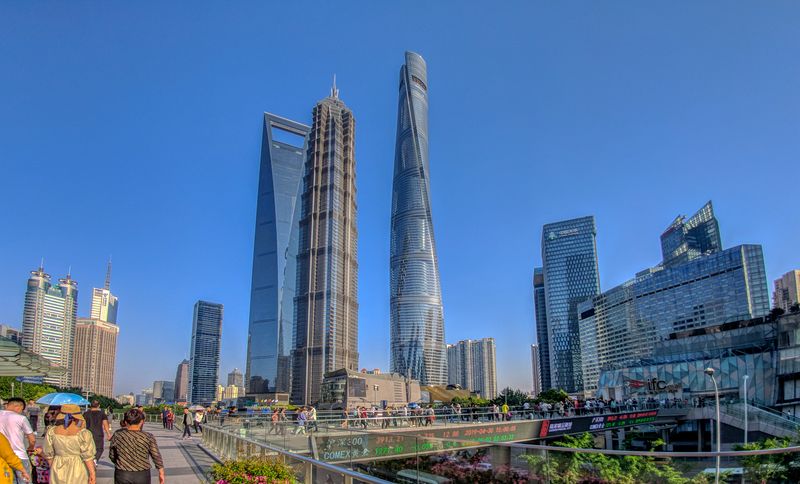
Shanghai’s metro operator publishes official system information through its main site, providing the network backbone that most visitors rely on daily. The city’s official English-language portal also shares updated metro maps, helping travelers avoid outdated diagrams.
With one of the world’s longest metro networks, Shanghai could easily overwhelm newcomers. Instead, the combination of clear signage, frequent trains, and reliable online resources makes hopping between the Bund, Yu Garden, and French Concession neighborhoods feel natural and stress-free for international visitors.
12. Osaka

Osaka Metro provides an official route map in English, making it much easier to answer questions like where to transfer or which line reaches your destination. Clear visuals reduce confusion and speed up planning considerably.
If you enjoy bundled convenience, the Osaka Amazing Pass integrates transport with attraction entry in one single product. It is an official sightseeing pass that simplifies budgeting and logistics, letting you focus on experiencing Osaka Castle, Dotonbori, and Universal Studios Japan without juggling multiple tickets or worrying about extra costs.
Share this story