The Rock and Roll Hall of Fame is supposed to honor music legends, but some of the most influential artists ever are still waiting outside. These musicians didn’t just make great songs; they changed entire genres, inspired countless others, and shaped how we listen today. Here are 30 groundbreaking acts who deserve a spot but somehow haven’t gotten the call yet.
1. Iron Maiden – Heavy Metal’s Epic Storytellers
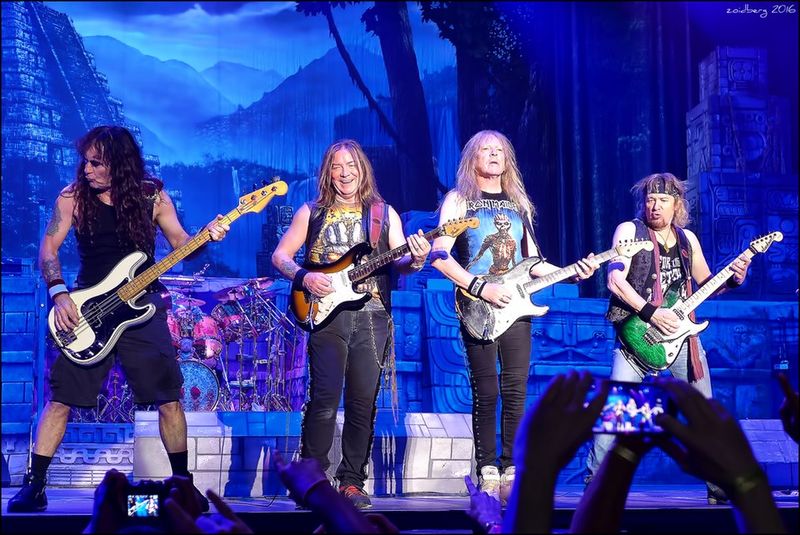
Few bands have built worlds as vivid and lasting as Iron Maiden. Since the late 1970s, they’ve turned heavy metal into epic theater, weaving tales of history, literature, and mythology through blazing guitars and soaring vocals.
Their mascot Eddie became one of rock’s most recognizable icons. Albums like The Number of the Beast and Powerslave proved metal could be smart, ambitious, and wildly popular all at once. They inspired generations of metalheads worldwide and still pack stadiums today, proving their influence never faded.
2. Devo – The New Wave Rebels Who Made Weird Go Pop

Devo took strange ideas and made them catchy. With their robotic moves, bizarre costumes, and concept of “de-evolution,” they challenged what pop music could look and sound like during the late ’70s and early ’80s.
“Whip It” became a massive hit, but their influence went way deeper. They pioneered the use of synthesizers in rock and inspired everyone from Nirvana to Talking Heads. Their art-school weirdness opened doors for countless alternative acts who wanted to be different and still reach the masses.
3. Mariah Carey – The Pop Vocal Standard-Setter

When Mariah Carey arrived in 1990, she redefined what a pop voice could do. Her five-octave range and signature whistle notes set a new standard that singers still chase today.
She wrote or co-wrote nearly all her hits, blending pop, R&B, hip-hop, and gospel into a sound that dominated the charts for decades. With 19 number-one singles, she holds more than any solo artist in history. Her influence on modern pop and R&B vocals is impossible to overstate, yet the Hall still hasn’t recognized her.
4. Sade – The Cool, Quiet Architect of Modern R&B-Pop

Sade didn’t need to be loud to leave a mark. Her smooth, sophisticated blend of soul, jazz, and pop created a sound that felt timeless from the start.
Songs like “Smooth Operator” and “No Ordinary Love” became instant classics, mixing elegant restraint with deep emotion. Her influence can be heard in everyone from Drake to H.E.R. She proved that subtlety and sophistication could sell millions of records and still sound fresh decades later, making her absence from the Hall all the more puzzling.
5. Oasis – Britpop’s Loudest Cultural Lightning Bolt
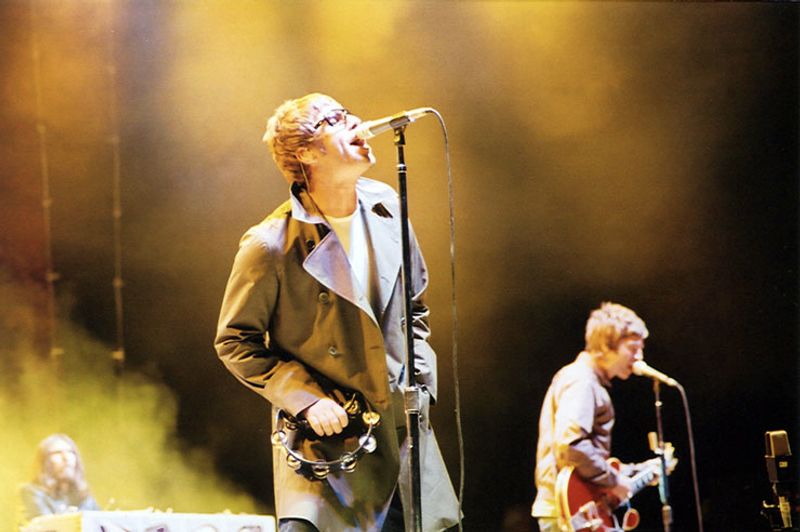
Oasis didn’t just make hits; they sparked a movement. In the mid-’90s, they became the voice of a generation in Britain, blending Beatles-inspired melodies with raw attitude and working-class pride.
Their album (What’s the Story) Morning Glory? became one of the best-selling records ever. Songs like “Wonderwall” and “Don’t Look Back in Anger” are now anthems sung by millions. Their influence on rock music and British culture is massive, yet they remain outside the Hall’s doors.
6. The Smiths – Indie Rock’s Emotional Blueprint
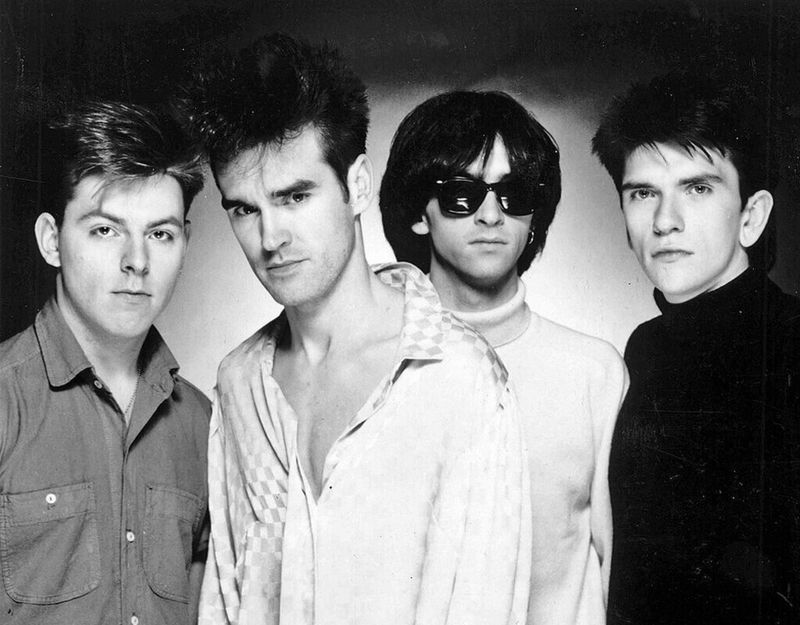
The Smiths turned sadness into an art form. Morrissey’s poetic, often darkly funny lyrics paired with Johnny Marr’s jangly guitar created a sound that defined 1980s indie rock and still resonates today.
Albums like The Queen Is Dead inspired countless alternative and indie bands. They showed that rock could be vulnerable, literary, and deeply personal. Radiohead, The Killers, and many others owe them a huge debt. Their absence from the Hall feels like ignoring indie rock’s most important chapter.
7. Joy Division / New Order – Post-Punk’s Dark Pulse, Dance Music’s Future
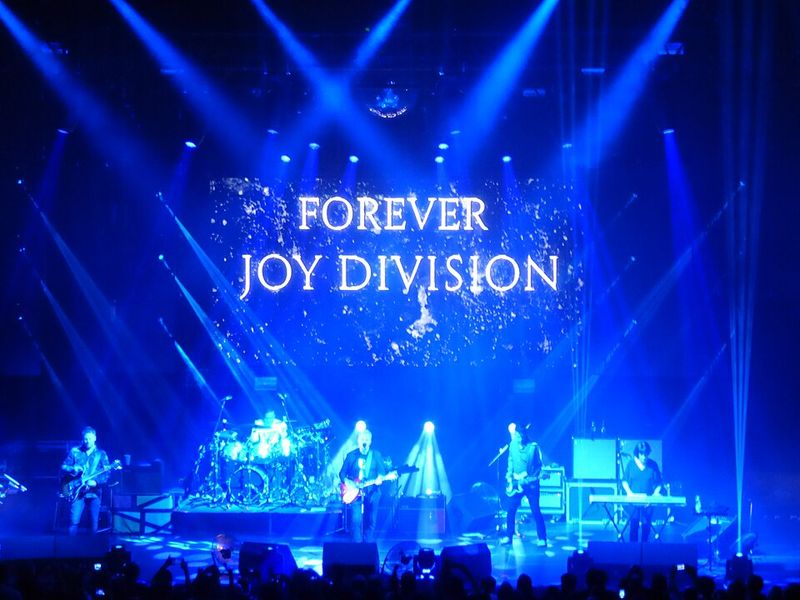
Joy Division created haunting, powerful music that captured despair like few others. After Ian Curtis’s tragic death, the remaining members formed New Order and helped invent electronic dance music as we know it.
From the raw emotion of “Love Will Tear Us Apart” to the dancefloor revolution of “Blue Monday,” their influence spans genres. They connected punk’s intensity with electronic innovation, shaping alternative rock, goth, and club music. Their double legacy makes their Hall absence even harder to understand.
8. Motörhead – The Band That Made Louder a Religion

Motörhead didn’t just play loud; they made loudness a lifestyle. Led by the legendary Lemmy Kilmister, they blurred the line between metal and punk, creating a raw, relentless sound that inspired both worlds.
“Ace of Spades” became an anthem of rebellion. Bands like Metallica, Slayer, and countless others cite Motörhead as a major influence. Lemmy’s gravelly voice and thundering bass became iconic. Their impact on hard rock and metal culture is undeniable, making their Hall snub feel almost disrespectful.
9. The Replacements – The Beautiful Mess That Inspired Alternative Rock

The Replacements were gloriously unpredictable. Their mix of punk energy, heartfelt lyrics, and sloppy charm made them heroes to anyone who felt like an outsider in the 1980s.
Paul Westerberg’s songwriting captured teenage angst and adult confusion with equal honesty. Albums like Let It Be influenced everyone from Nirvana to The Hold Steady. They showed that rock could be messy, emotional, and real. Their legacy lives on in every alternative band that values authenticity over polish, yet the Hall hasn’t called.
10. The Meters – The Groove Scientists Behind Modern Funk
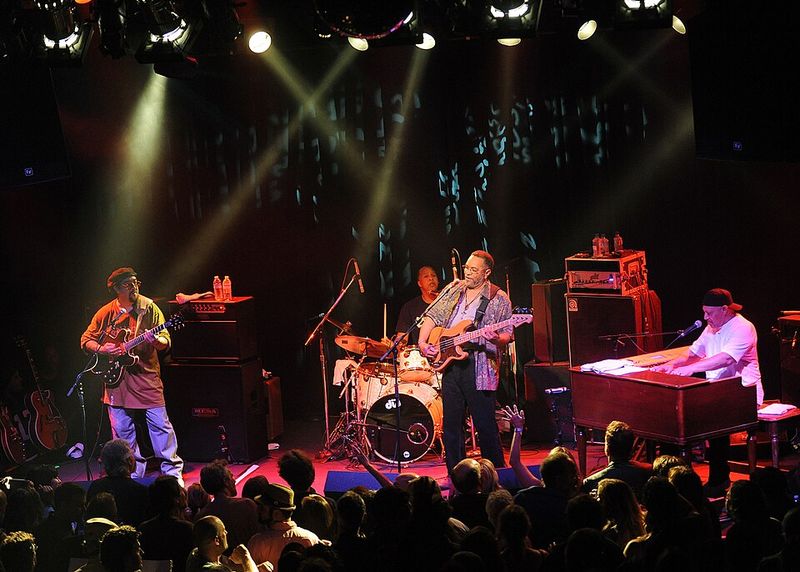
The Meters created the blueprint for modern funk. Their tight, syncopated grooves became the foundation for countless hip-hop samples and funk revivalists.
Hailing from New Orleans, they were the house band at Allen Toussaint’s legendary studio, backing artists while crafting instrumental masterpieces. Songs like “Cissy Strut” are pure groove magic. Artists from the Red Hot Chili Peppers to A Tribe Called Quest have borrowed their rhythms. Without The Meters, funk and hip-hop would sound completely different. Their Hall absence is a mystery.
11. Los Lobos – Roots Rock’s Genre-Bridge Masters
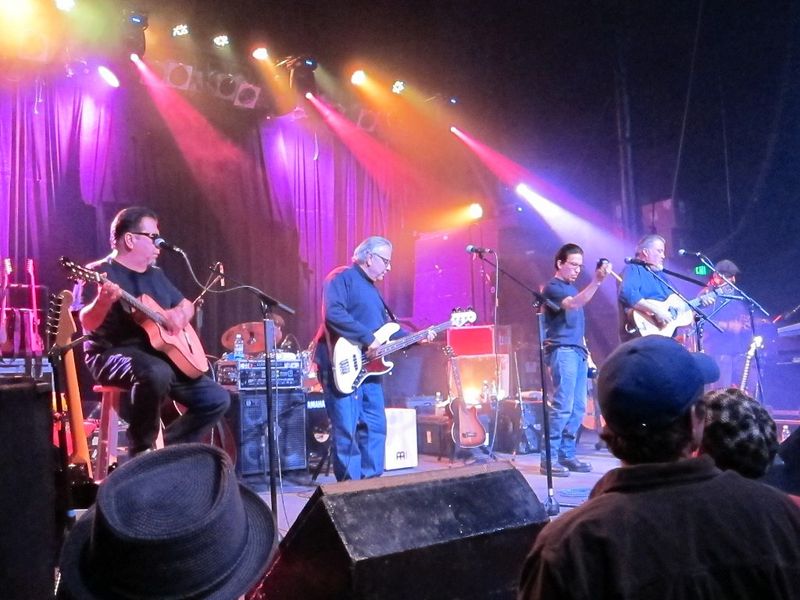
Los Lobos have been blending cultures and sounds for over four decades. They mix rock, blues, Tex-Mex, country, and traditional Mexican music into something uniquely their own.
Their cover of “La Bamba” became a massive hit, but their deeper albums showcase incredible musicianship and songwriting. They’ve won Grammys and influenced countless Latin rock and Americana artists. They proved that roots music could be adventurous and commercially successful. Their versatility and longevity make their absence from the Hall hard to justify.
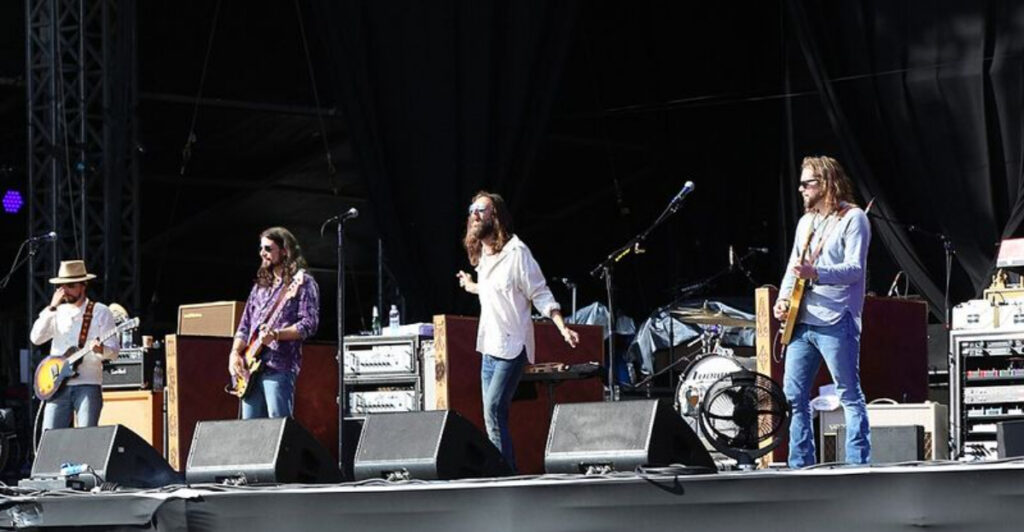
12. The Black Crowes – The ’90s Rock Revival That Actually Bit Back

When grunge dominated the ’90s, The Black Crowes brought back classic rock swagger with a bluesy, soulful edge. Their debut Shake Your Money Maker went multi-platinum and reminded everyone that rock and roll never really died.
Chris Robinson’s raspy vocals and Rich Robinson’s guitar work channeled the Stones and Faces while sounding fresh. They kept the flame of vintage rock alive during alternative’s peak. Their influence on modern rock revivalists is clear, yet the Hall hasn’t recognized their contribution.
13. Billy Idol – Punk Attitude, Pop Instincts, MTV Impact
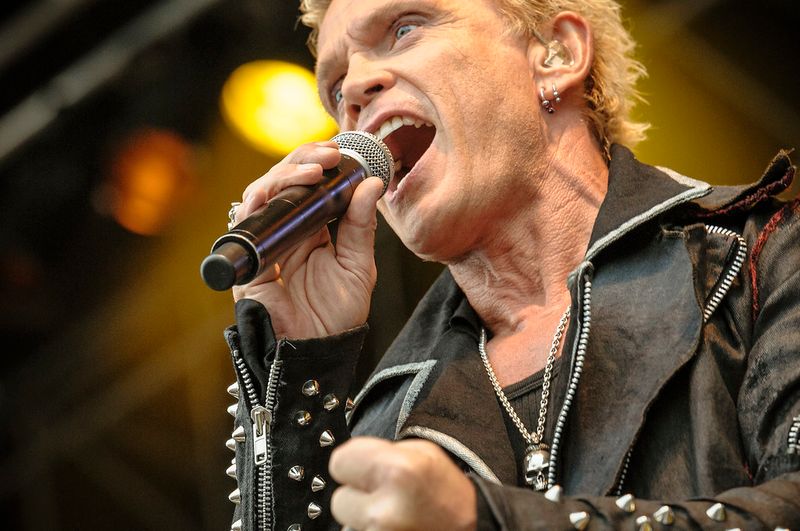
Billy Idol took punk’s sneer and turned it into pop gold. With his bleached hair, leather jacket, and electrifying stage presence, he became one of MTV’s biggest stars in the 1980s.
Hits like “White Wedding” and “Rebel Yell” mixed punk energy with catchy hooks and dance beats. He helped bridge the gap between underground rebellion and mainstream success. His influence on pop-punk and rock showmanship is undeniable. For someone who defined an era visually and sonically, his Hall snub is baffling.
14. Beck – The Shape-Shifter Who Made Genre a Toy

Beck has spent his career refusing to stay in one lane. From the slacker anthem “Loser” to the funky grooves of Midnite Vultures to the melancholy beauty of Sea Change, he’s constantly reinvented himself.
He blends folk, hip-hop, funk, electronic, and rock into something entirely his own. His willingness to experiment has influenced countless artists who refuse to be boxed in. With multiple Grammys and decades of innovation, his absence from the Hall feels like overlooking one of music’s greatest chameleons.
15. Jane’s Addiction – The Spark That Lit Alternative’s Big Bang
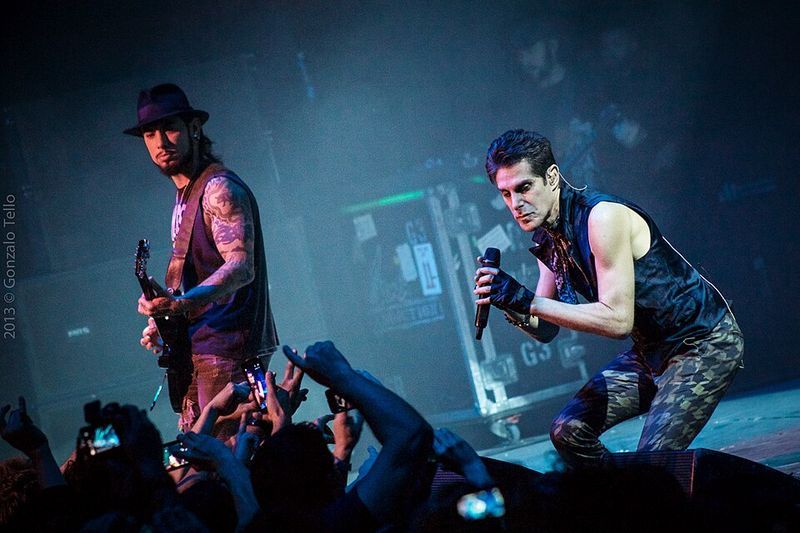
Jane’s Addiction exploded onto the scene with a wild mix of punk, metal, and psychedelia that felt dangerous and new. Their 1988 album Nothing’s Shocking became a blueprint for alternative rock’s mainstream breakthrough.
Perry Farrell’s theatrical vocals and the band’s fearless experimentation inspired bands like Nirvana, Soundgarden, and Tool. They also founded Lollapalooza, which changed how festivals worked. Their impact on ’90s rock culture is enormous, making their Hall exclusion feel like a glaring oversight.
16. Eric B. & Rakim – The Rap Duo That Rewrote the Rules
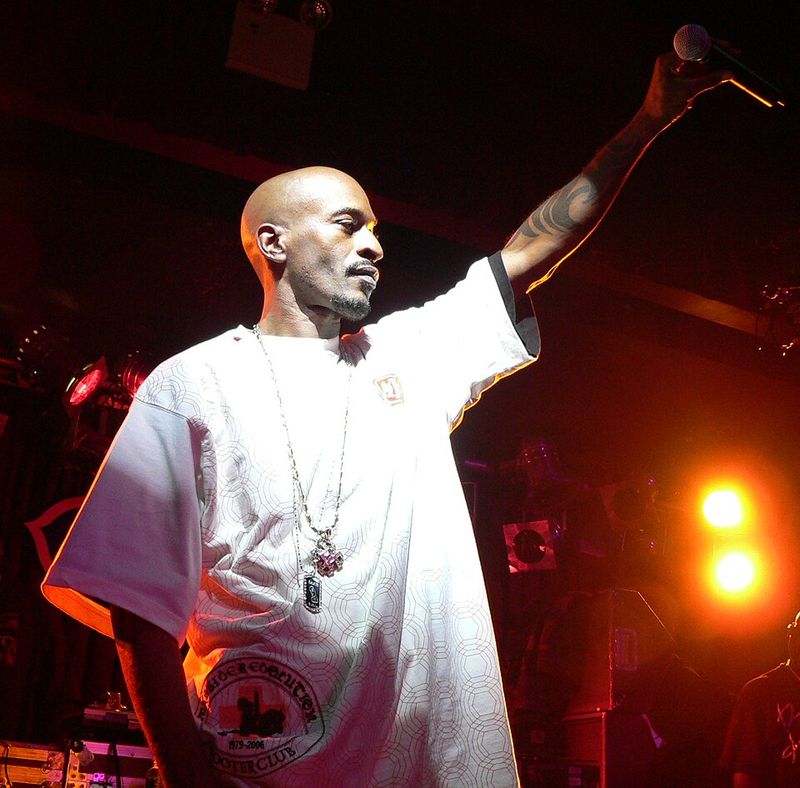
Before Eric B. & Rakim, rap was often simple and party-focused. They changed everything with complex internal rhymes, smooth delivery, and DJ skills that elevated hip-hop into high art.
Rakim’s lyrical technique on albums like Paid in Full set a new standard every MC still follows. Eric B.’s production was equally groundbreaking. They influenced everyone from Nas to Jay-Z. Their contribution to hip-hop’s evolution is foundational, yet the Hall has ignored them. That’s a problem.
17. Chic – The Disco-Funk Engine That Powered Pop

Chic made disco cool, funky, and incredibly influential. Nile Rodgers’ crisp guitar work and Bernard Edwards’ bass lines created hits like “Le Freak” and “Good Times” that still sound fresh today.
“Good Times” became the foundation for hip-hop’s first hit, “Rapper’s Delight.” Their production work shaped Madonna, David Bowie, and Daft Punk. They proved disco wasn’t just a fad but a sophisticated, lasting force. Their fingerprints are all over modern pop and dance music, making their Hall snub puzzling.
18. Phish – The Jam-Band Institution That Built Its Own Universe

Phish didn’t chase radio hits; they built a loyal fanbase through epic live shows and endless improvisation. Their blend of rock, jazz, funk, and bluegrass created a sound that’s instantly recognizable.
They’ve sold out arenas for decades without mainstream radio play, proving there’s more than one path to success. Their influence on jam bands and festival culture is massive. Artists like Trey Anastasio are revered by musicians across genres. Their dedicated community and musical innovation deserve Hall recognition.
19. Thin Lizzy – Twin-Guitar Glory and Hard Rock Heart

Thin Lizzy pioneered the twin-guitar attack that became a staple of hard rock and metal. Led by the charismatic Phil Lynott, they mixed Celtic influences with hard-driving rock and poetic lyrics.
“The Boys Are Back in Town” became a rock radio classic, but albums like Jailbreak showcase their depth and innovation. Bands like Iron Maiden and Metallica learned from their guitar harmonies. Lynott’s presence as one of rock’s few Black frontmen also broke barriers. Their Hall absence is a serious omission.
20. The Velvet Underground
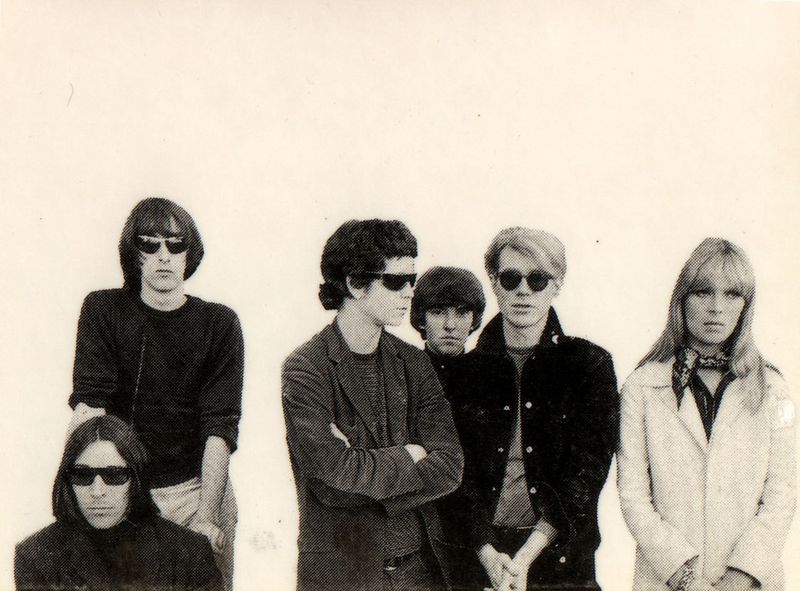
Often hailed as the band that launched a thousand others, The Velvet Underground’s raw sound and avant-garde approach captivated listeners. Their minimalistic style and poetic lyrics were revolutionary.
Despite modest commercial success during their active years, their influence on punk, alternative, and indie rock is undeniable.
With songs that explored taboo subjects, they broke musical conventions. Even today, their legacy continues to inspire. They stand as a beacon for those who dare to challenge the norm.
21. The Stooges
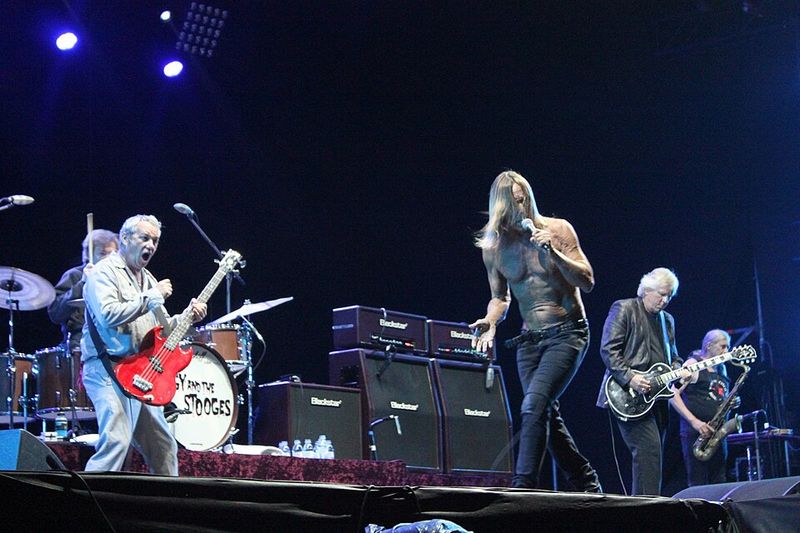
The Stooges were the embodiment of raw, untamed rock energy. With Iggy Pop at the helm, they charged with a ferocity that was both chaotic and captivating.
Their sound laid the groundwork for punk rock, with guttural vocals and thrashing guitars. They captured the angst and rebellion of a generation.
Though initially met with indifference, their music has since gained the recognition it deserves. They’ve become a symbol of the primal spirit of rock.
22. Frank Zappa
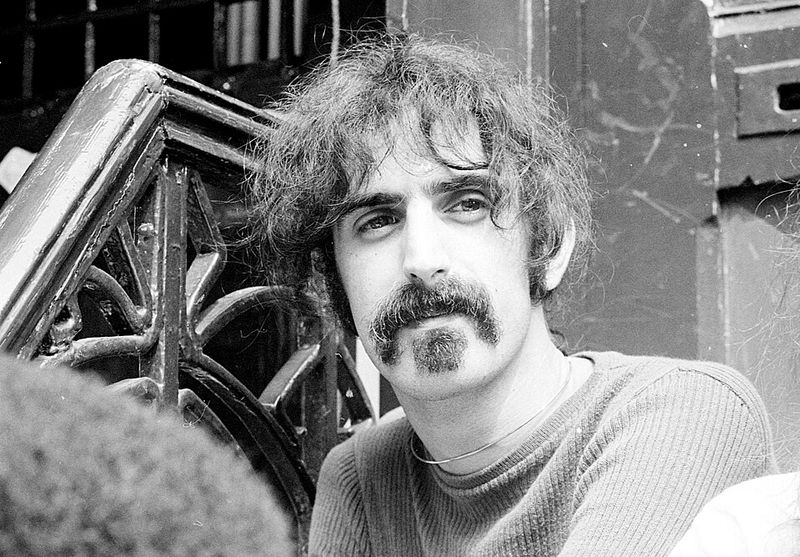
Frank Zappa was a musical maverick, blending rock, jazz, and classical influences into a unique tapestry. His satirical humor and complex compositions set him apart.
Zappa challenged the norms with his fearless experimentation and critique of society. His band, The Mothers of Invention, created some of the most innovative music of the time.
A prolific artist, Zappa’s work remains a treasure trove of creativity. His influence is felt across genres, inspiring countless musicians and composers.
23. Sonic Youth
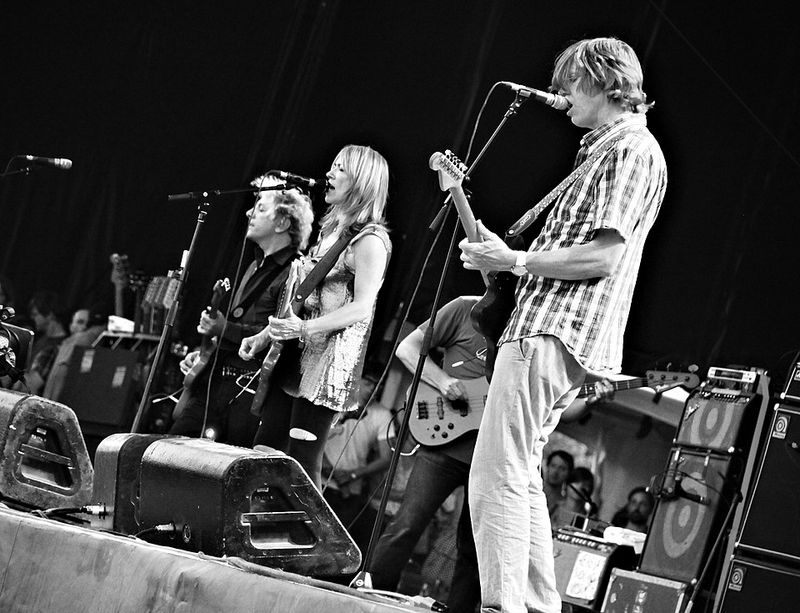
Sonic Youth emerged as a beacon of the underground music scene with their experimental sounds and alternative ethos. Their use of unconventional guitar tunings and feedback loops was groundbreaking.
Fusing art and music, they carved a niche that blurred the lines of traditional rock. Their influence is evident in the grunge and indie scenes that followed.
Their music continues to resonate with those who appreciate artistic integrity and innovation.
24. Pixies

The Pixies revolutionized the alternative rock scene with their dynamic soundscapes and surreal lyrics. They mastered the loud-quiet-loud formula, becoming a template for future bands.
Their music, characterized by catchy hooks and cryptic themes, captivated listeners. They had a profound influence on the grunge movement, notably inspiring Nirvana.
Though they never achieved massive commercial success, their legacy is secure. The Pixies remain a pivotal force in modern rock music.
25. Rage Against the Machine
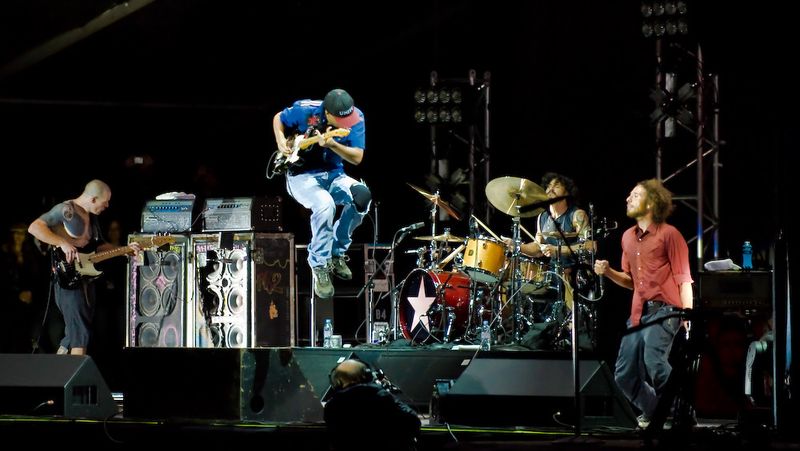
Combining rap, rock, and revolutionary rhetoric, Rage Against the Machine shook the music world with their politically charged anthems.
Their fusion of aggressive guitar riffs and impassioned lyrics captured the discontent of a generation. Their live performances were known for their intensity and energy.
They inspired activism through music, leaving a lasting impact on both the industry and social movements. Their absence from the Hall remains a mystery to many.
26. Nick Cave and The Bad Seeds

Nick Cave and The Bad Seeds crafted a world of dark romance and haunting narratives. With a theatrical flair, their music traversed genres, from rock to gothic ballads.
Cave’s deep, evocative voice drew listeners into tales of love, loss, and redemption. Their rich soundscapes created an immersive experience.
They’ve consistently pushed creative boundaries, earning a devoted following. Their exclusion from the Hall surprises many, given their profound influence.
27. The Go-Go’s

The Go-Go’s burst onto the scene as the first all-female band to achieve major commercial success. Known for their infectious pop-rock tunes, they paved the way for future female musicians.
Their upbeat melodies and relatable lyrics struck a chord with audiences. Songs like “We Got the Beat” became anthems for a generation.
Despite their groundbreaking achievements, they remain outside the Hall. Their contribution to music and culture is undeniable, inspiring countless artists.
28. Iggy Pop

Known as the “Godfather of Punk,” Iggy Pop’s stage antics and raw vocal style were iconic. He pushed boundaries with his provocative performances and daring persona.
As a leader of The Stooges and a solo artist, his influence on punk, glam, and alternative rock is immense. His fearless creativity inspired countless musicians.
Though his work is celebrated globally, his absence from the Hall is puzzling. Iggy’s legacy as a pioneer and provocateur endures.
29. The Cure

The Cure’s music, characterized by its emotional depth and haunting melodies, resonated with fans worldwide. Robert Smith’s distinctive voice and style became synonymous with the goth movement.
Their sound evolved over the years, embracing new wave, post-punk, and alternative rock. Songs like “Lovesong” and “Friday I’m in Love” are timeless classics.
Their influence on modern music is profound. The Cure’s enduring appeal lies in their ability to connect deeply with listeners.
30. The Zombies
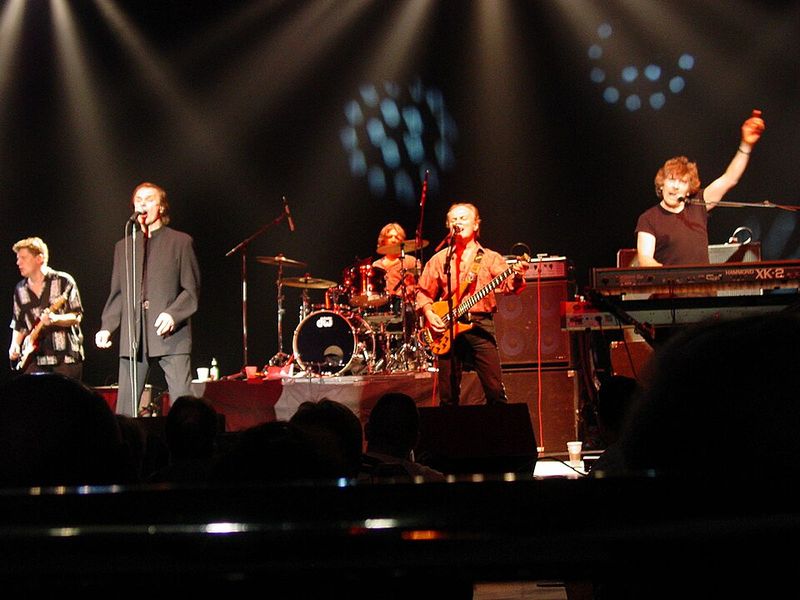
The Zombies were architects of psychedelic rock, crafting songs with lush harmonies and intricate arrangements. Their album “Odessey and Oracle” is hailed as a masterpiece.
Though initially underappreciated, their influence has grown over time. Tracks like “Time of the Season” remain iconic.
Their innovative approach and timeless sound have inspired generations of artists. Despite critical acclaim, their exclusion from the Hall is surprising to many fans.
Share this story