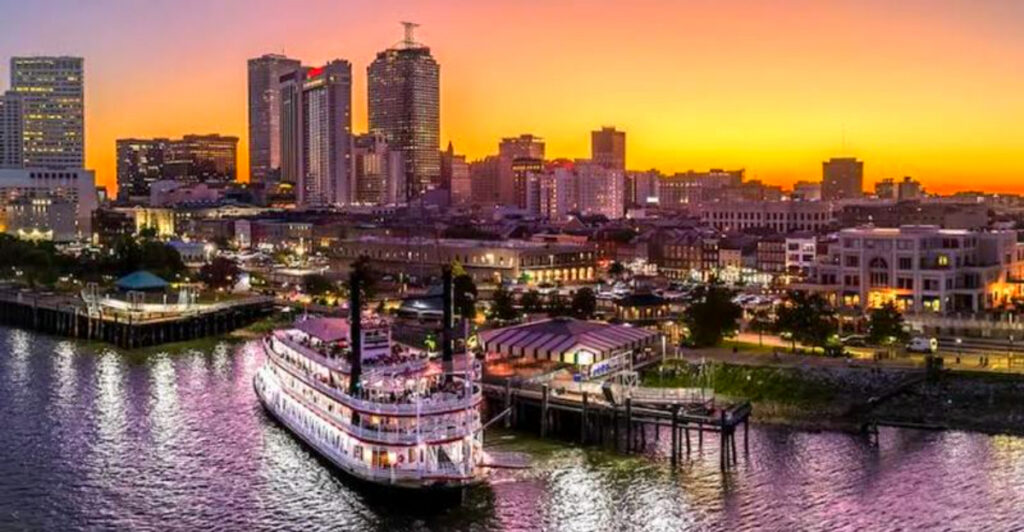
America’s gleaming skylines and luxury condos often tell only half the story. Behind the polished facades of some of our most famous cities, serious economic troubles are quietly unfolding. From coast to coast, communities that appear prosperous on the outside are grappling with poverty, inequality, and financial strain that most visitors never see.
1. New York City, New York
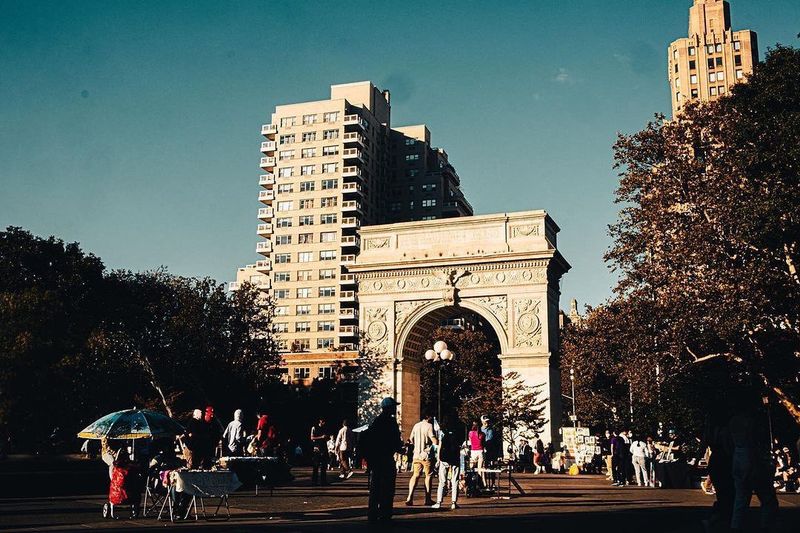
Walk through Manhattan and you’ll see billionaires’ penthouses towering over streets where families struggle to afford rent. The Big Apple serves as America’s financial capital, yet it hides one of the widest income gaps in the entire country. Wall Street’s wealth doesn’t trickle down to every borough.
Many neighborhoods across the Bronx, parts of Brooklyn, and upper Manhattan face persistent poverty despite the city’s overall economic power. Public housing complexes sit in the shadows of luxury developments. Essential workers who keep the city running often can’t afford to live anywhere near their jobs.
This tale of two cities creates tension and limits opportunity for countless residents. Schools in wealthier districts receive more resources while others fall behind. The subway connects these worlds physically, but economically they remain miles apart, making New York a perfect example of surface wealth masking deep struggles.
2. San Francisco, California
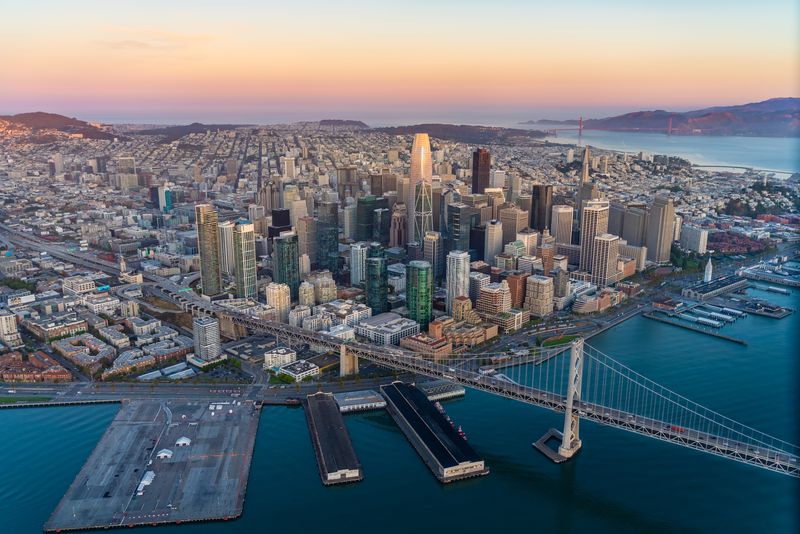
Tech money has transformed San Francisco into one of Earth’s most expensive places to call home. Software engineers earning six figures still share apartments because housing costs have skyrocketed beyond reason. What looks like prosperity from the outside feels like a pressure cooker for people actually living there.
Homelessness has become impossible to ignore, with tent cities appearing in neighborhoods once considered safe and clean. The city’s beauty and innovation can’t hide the fact that regular folks are being priced out entirely. Teachers, firefighters, and shop owners find themselves commuting hours because they can’t afford nearby housing.
Recent studies show San Francisco dropping in economic health rankings as social problems mount. The tech boom created winners and losers, with far more people struggling than the glossy corporate campuses suggest. Paradise comes with a price tag most residents simply cannot pay.
3. Miami, Florida
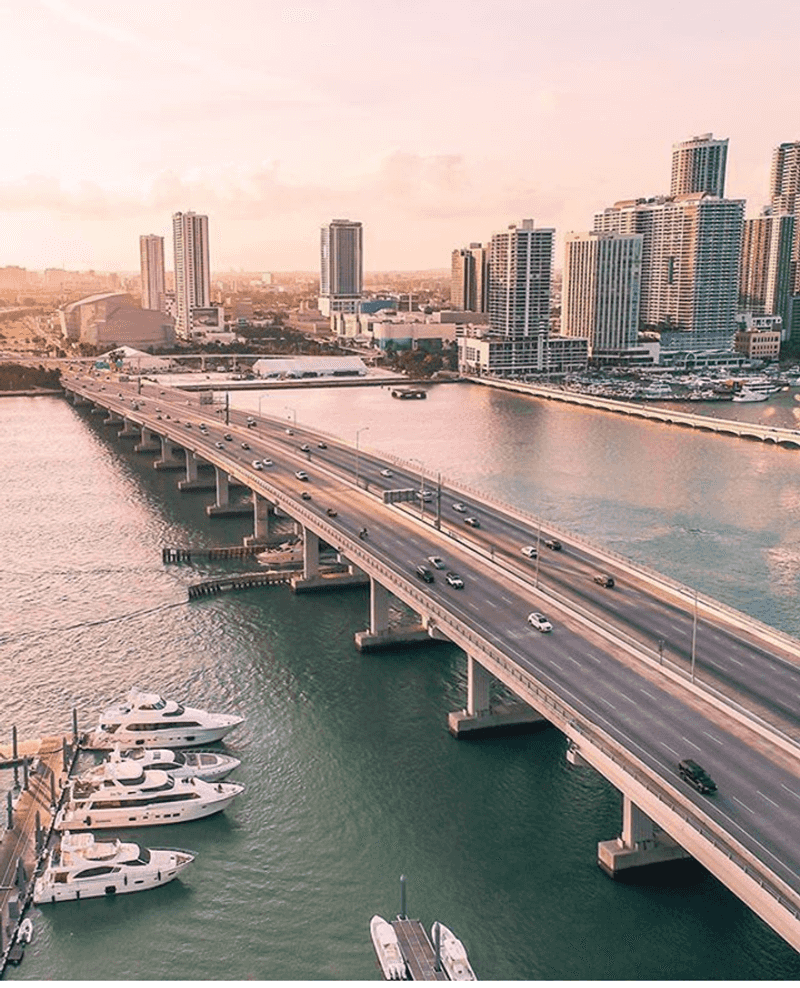
Cruise past Miami’s waterfront and you’ll spot mega-yachts, designer boutiques, and glass towers filled with international investors. This tropical paradise attracts wealthy buyers from around the globe, driving real estate prices into the stratosphere. But step away from the beach and reality shifts dramatically.
Local workers serving tourists and maintaining those luxury properties often live paycheck to paycheck. Housing costs have climbed far faster than wages for most Miami residents. Income inequality here ranks among the nation’s worst, creating a service economy where many can’t afford basic necessities.
Economists warn that Miami’s housing market shows bubble characteristics, with prices disconnected from what locals actually earn. When properties become investment vehicles for overseas buyers, regular families get squeezed out. The sunny exterior masks financial stress affecting thousands of households just trying to make ends meet in their own city.
4. Boston, Massachusetts

Home to world-class universities and hospitals, Boston projects an image of education, innovation, and old money. The city’s economy thrives on knowledge industries that attract highly paid professionals from everywhere. Prestigious institutions line the Charles River, creating an atmosphere of intellectual prosperity.
Yet behind this educated facade exists a troubling income divide. Neighborhoods separated by just a few miles experience vastly different economic realities. While some areas boast median incomes well into six figures, others struggle with limited opportunities and rising costs.
Boston’s reputation as a hub for smart, successful people doesn’t translate to shared prosperity. Service workers, artists, and even many college graduates find themselves priced out of the city they love. The gap between Boston’s affluent professionals and everyone else keeps widening, creating two separate worlds within one historic city that rarely interact or understand each other’s daily challenges.
5. Atlanta, Georgia
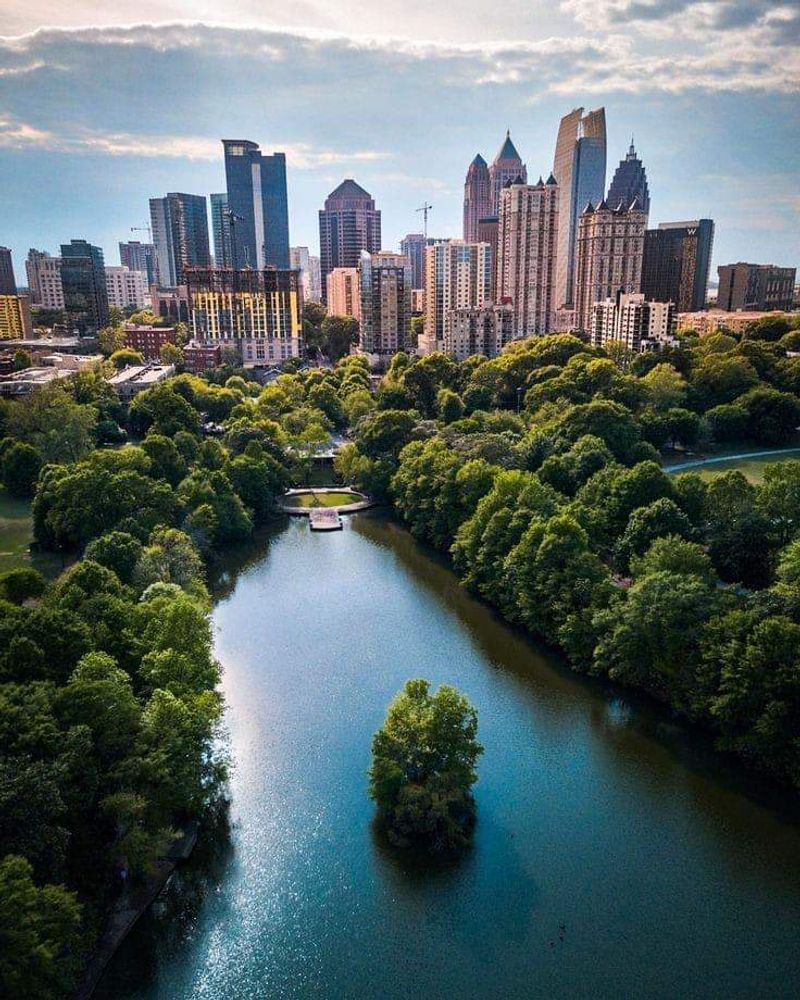
Atlanta has become the South’s economic powerhouse, attracting Fortune 500 companies and booming with new construction everywhere you look. Luxury shopping districts and upscale restaurants create an impression of widespread success. The city’s cultural scene rivals much larger metros, drawing creative professionals and entrepreneurs.
Scratch beneath that polished surface and you’ll discover extreme inequality tearing at Atlanta’s fabric. Wealthy enclaves with million-dollar homes sit literally next door to communities battling poverty and disinvestment. This geographic proximity makes the contrast impossible to miss once you start paying attention.
The same city producing hip-hop moguls and tech startups also contains neighborhoods with Third World poverty levels. Public transportation struggles to connect opportunity zones with areas that need jobs most. Atlanta’s rapid growth has lifted some boats while leaving others stuck in place, creating a patchwork of prosperity and struggle that defines modern Southern cities.
6. Bridgeport, Connecticut
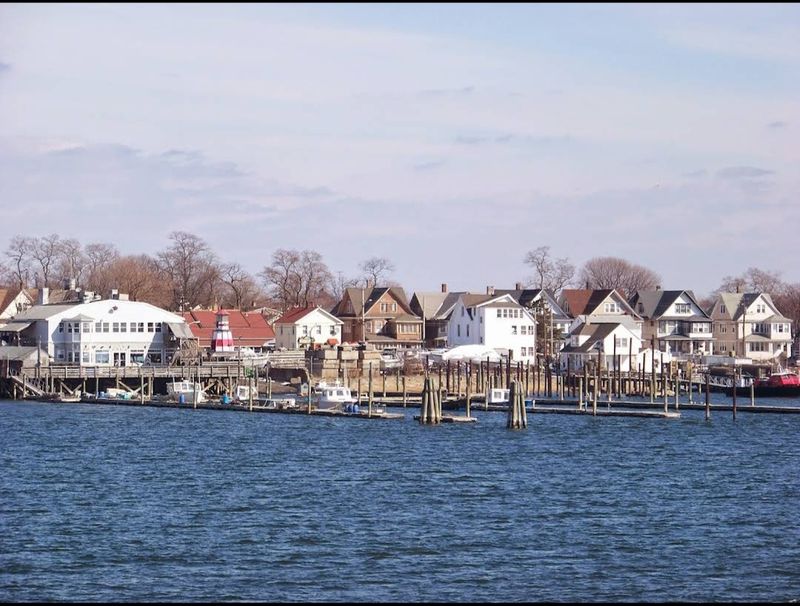
Sandwiched between some of Connecticut’s wealthiest suburbs, Bridgeport benefits from proximity to serious money and high property tax bases nearby. From the outside, its location suggests prosperity by association. The city once thrived as a manufacturing center, earning its place as Connecticut’s largest city.
Those glory days ended decades ago when factories closed and jobs disappeared. Deindustrialization hit Bridgeport particularly hard, leaving behind poverty, crime, and communities struggling to reinvent themselves. Economic diversification has proven painfully slow, with few industries stepping in to replace what was lost.
Today’s Bridgeport faces challenges that wealthy neighbors rarely see or acknowledge. High crime rates reflect deeper economic desperation affecting families across the city. Despite sitting in one of America’s richest counties, Bridgeport residents experience a completely different reality, proving that geography alone doesn’t guarantee shared prosperity or opportunity for struggling industrial cities.
7. Detroit, Michigan
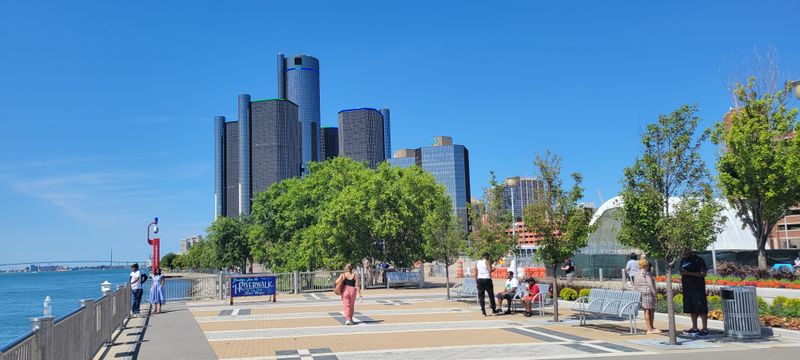
Detroit’s comeback story gets told repeatedly in national media, with downtown development and new restaurants signaling revival. Certain neighborhoods have indeed bounced back impressively since the city’s historic bankruptcy. Investors and young professionals are returning, bringing energy to areas once written off completely.
But this recovery remains painfully uneven across Detroit’s vast geography. Many neighborhoods still look post-apocalyptic, with entire blocks of abandoned homes and virtually no services. The Motor City’s bankruptcy left deep scars that downtown development can’t erase.
Residents in struggling areas feel left behind by the comeback narrative, watching investment flow to already-improving zones while their streets remain forgotten. Detroit contains multitudes within its borders, with gleaming renovations existing miles away from collapse. The city’s story isn’t simply failure or success but rather a complicated mix of both, depending entirely on which neighborhood you’re discussing at any given moment.
8. Baltimore, Maryland
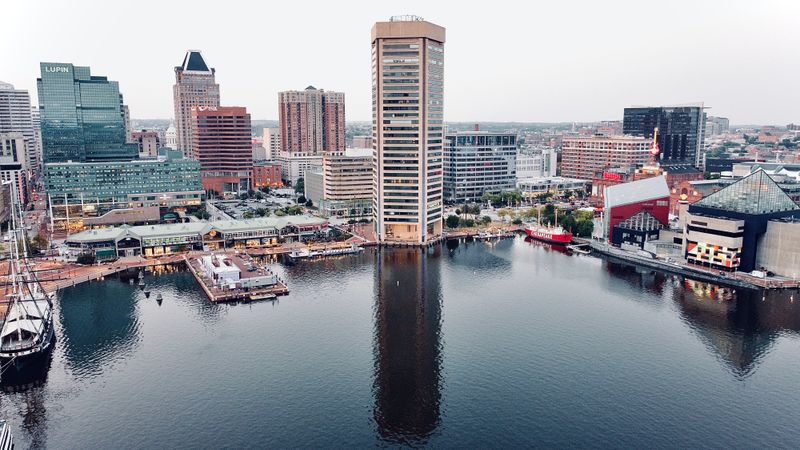
Baltimore’s Inner Harbor development project once served as a national model for urban renewal, attracting tourists with its aquarium, shops, and waterfront dining. The city’s strategic location between Washington and Philadelphia should position it for success. Historic row houses and cultural institutions add character that developers dream about.
Yet Baltimore has hemorrhaged population for decades as residents flee persistent problems. Concentrated poverty affects entire neighborhoods that rarely see investment or improvement. Infrastructure crumbles in areas where tax revenue can’t keep pace with maintenance needs.
The gap between Baltimore’s tourist zones and residential reality grows wider each year. Crime and struggling schools drive families away when they can afford to leave. What remains is a city with pockets of beauty and history surrounded by areas facing seemingly insurmountable challenges, creating a reputation that scares off the investment Baltimore desperately needs to reverse its long decline.
9. Cleveland, Ohio
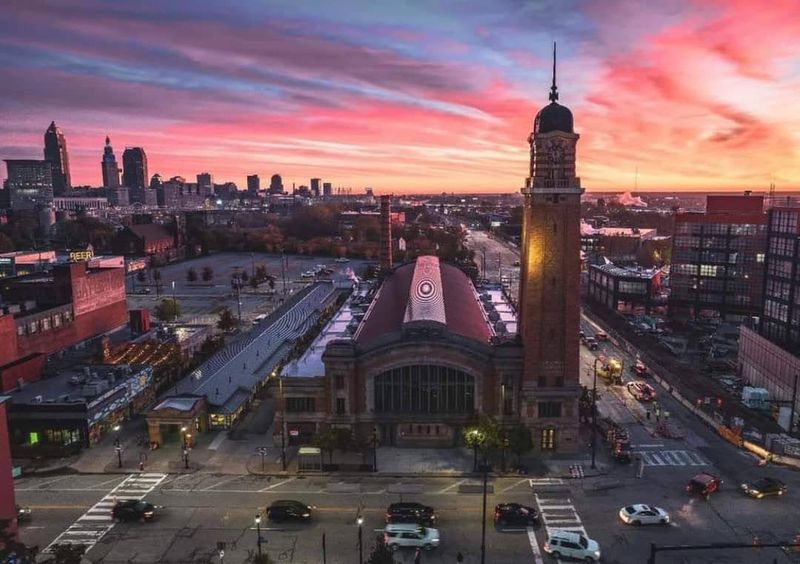
Cleveland boasts impressive cultural institutions like its world-class orchestra and art museum, plus surprisingly affordable housing compared to coastal cities. The lakefront location provides natural beauty that other industrial cities lack. Sports fans pack stadiums despite decades of disappointment, showing civic pride that refuses to quit.
Industrial decline transformed Cleveland from a manufacturing powerhouse into a symbol of Rust Belt struggles. Jobs that once supported middle-class families disappeared, leaving communities scrambling for alternatives. Economic recovery has been slow and incomplete, with many residents still feeling the effects of changes that began generations ago.
Affordable housing becomes less appealing when good jobs are scarce and opportunities limited. Cleveland’s population has dropped dramatically from its peak, reflecting ongoing challenges that culture and sports can’t overcome alone. The city works hard to reinvent itself, but legacy problems prove difficult to shake when competing against regions with more dynamic economies and fewer structural obstacles.
10. New Orleans, Louisiana

Few American cities match New Orleans for culture, music, and unique character that draws millions of visitors annually. Bourbon Street and the French Quarter generate enormous tourism revenue and international fame. The city’s food scene and festivals create an impression of celebration and prosperity that attracts people from everywhere.
Behind the party atmosphere exists persistent poverty and crime affecting residents who call New Orleans home year-round. Hurricane Katrina’s aftermath still shapes the city nearly two decades later, with some neighborhoods never fully recovering. Socioeconomic inequities run deep, following patterns established long before any storm hit.
Tourism jobs rarely pay enough for workers to thrive in their own city, creating a service economy that benefits visitors more than locals. Recovery efforts have been uneven, with investment flowing toward tourist zones while residential areas struggle. New Orleans’ cultural wealth can’t mask the economic challenges facing everyday people trying to build stable lives in a city famous for temporary visitors having fun.
11. Chicago, Illinois
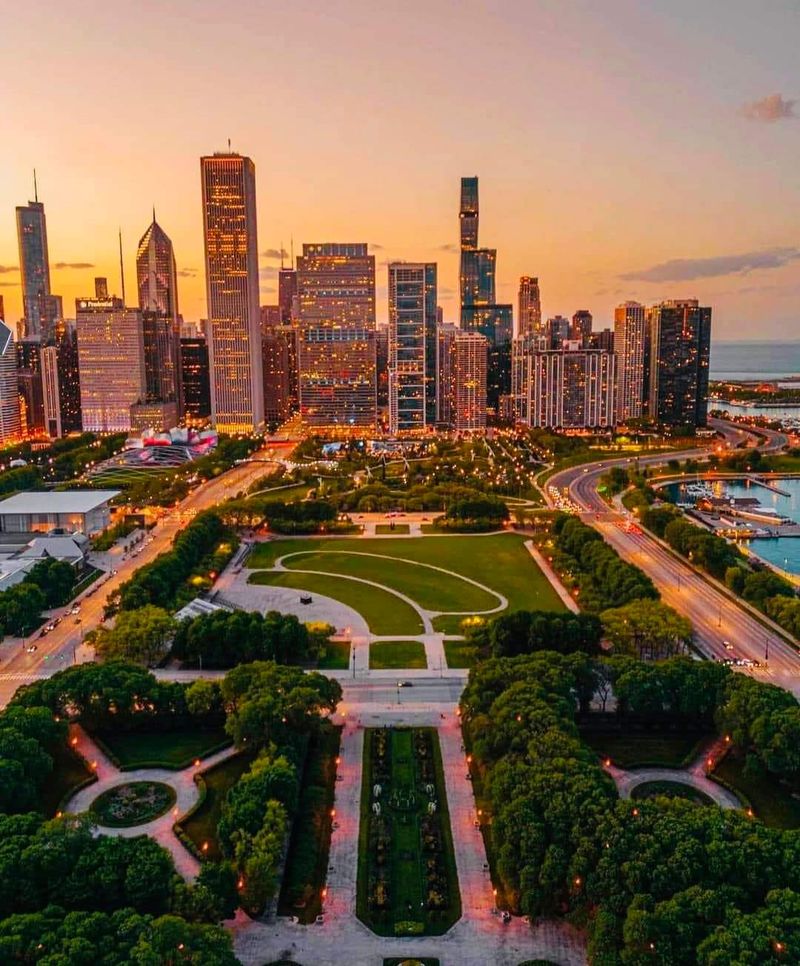
Chicago’s magnificent architecture and global business presence create an image of Midwestern prosperity and power. The Magnificent Mile shopping district rivals any in the world, while the lakefront offers stunning beauty. Corporate headquarters and world-class universities cement Chicago’s status as a major player on any stage.
This impressive exterior masks some of America’s starkest spatial inequality, with neighborhoods experiencing completely different realities. Affluent areas on the North Side enjoy resources and safety while communities on the South and West Sides face concentrated poverty and violence. The divide isn’t subtle or hidden but rather shockingly visible to anyone who travels across the city.
Chicago’s struggles with inequality have deep historical roots in segregation and discriminatory policies. Investment flows to already-successful areas while struggling neighborhoods receive little attention or resources. The city functions almost as separate municipalities sharing one name, with residents’ life experiences determined largely by which side of invisible boundaries they happen to live on.
12. Miami Beach, Florida
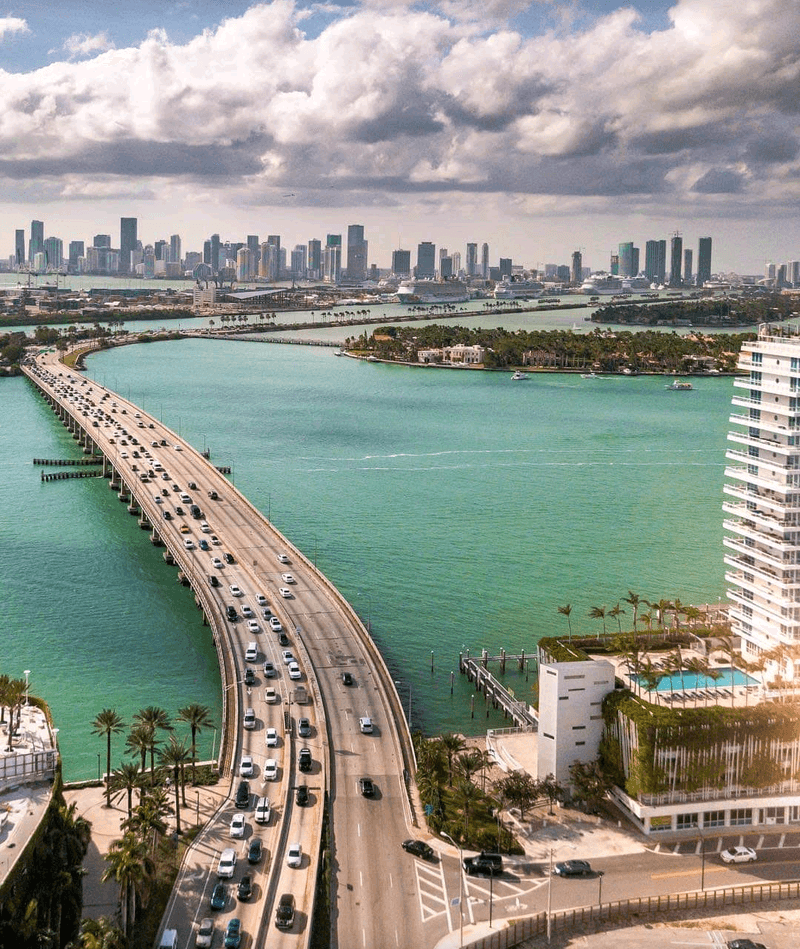
Miami Beach represents the ultimate in American coastal luxury, with celebrities, models, and wealthy tourists filling its beaches and nightclubs. Art Deco architecture provides Instagram-perfect backdrops for lifestyles most people only dream about. Real estate prices reflect the area’s desirability, with oceanfront properties commanding astronomical sums.
The service economy supporting this playground employs thousands of workers who can’t afford to live anywhere near the beach. Lower-wage jobs in hotels, restaurants, and retail keep the luxury machine running without providing paths to prosperity. Income inequality here mixes extreme wealth with working poverty in uncomfortable proximity.
Many service workers commute long distances because housing near their jobs is financially impossible. The beach area thrives on tourism and investment money while the people actually doing the work struggle to make ends meet. Miami Beach’s glossy exterior depends entirely on an invisible workforce that experiences none of the glamour they help create for others every single day.
13. Providence, Rhode Island
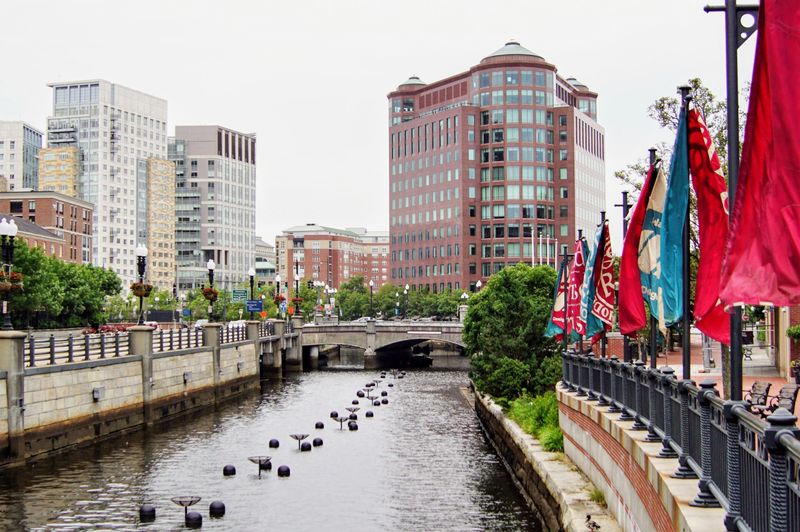
Providence benefits from proximity to Boston and a historic downtown that charms visitors with its colonial architecture and waterfront. Brown University and the Rhode Island School of Design bring educated residents and cultural offerings unusual for a city this size. The capital’s revival story includes impressive restaurant scenes and renovated buildings.
Certain zones throughout Providence face high poverty rates and limited economic opportunities that coastal perceptions don’t suggest. The city’s small size means wealth and struggle exist in close quarters, creating stark contrasts. Many residents don’t benefit from the university presence or downtown improvements.
Providence shares inequality patterns common to older Northeast cities, with legacy industries gone and new economies not reaching everyone. Some neighborhoods remain disconnected from the progress happening elsewhere in the city. Rhode Island’s smallest capital faces big-city problems without the tax base or resources larger metros can leverage, making recovery from economic challenges particularly difficult for communities already struggling with limited options.
14. Philadelphia, Pennsylvania
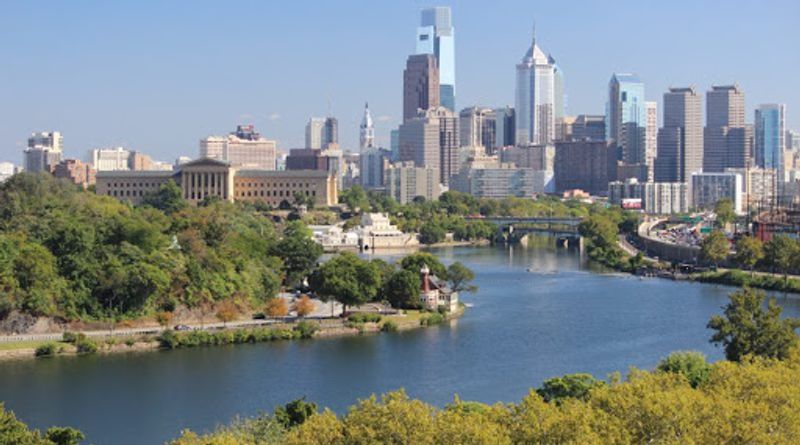
Philadelphia’s role in American history gives it permanent cultural significance, with landmarks drawing tourists and school groups constantly. The city has experienced some poverty reduction recently, suggesting progress on long-standing challenges. Major universities and hospitals provide stable employment for thousands of residents.
Despite improvements, Philadelphia still struggles with high poverty rates affecting large portions of its population. Homelessness remains visible throughout the city, reflecting housing affordability issues and social service gaps. Inequality persists across neighborhoods in patterns that feel entrenched and difficult to break.
The city’s historic importance doesn’t translate to current economic health for many residents trying to build stable lives. Schools in poorer areas lag behind those in wealthier neighborhoods, perpetuating cycles of limited opportunity. Philadelphia contains both impressive institutions and struggling communities, with the gap between them representing challenges that modest recent progress hasn’t come close to solving for families still facing daily economic hardship in America’s birthplace of democracy.
15. Hartford, Connecticut
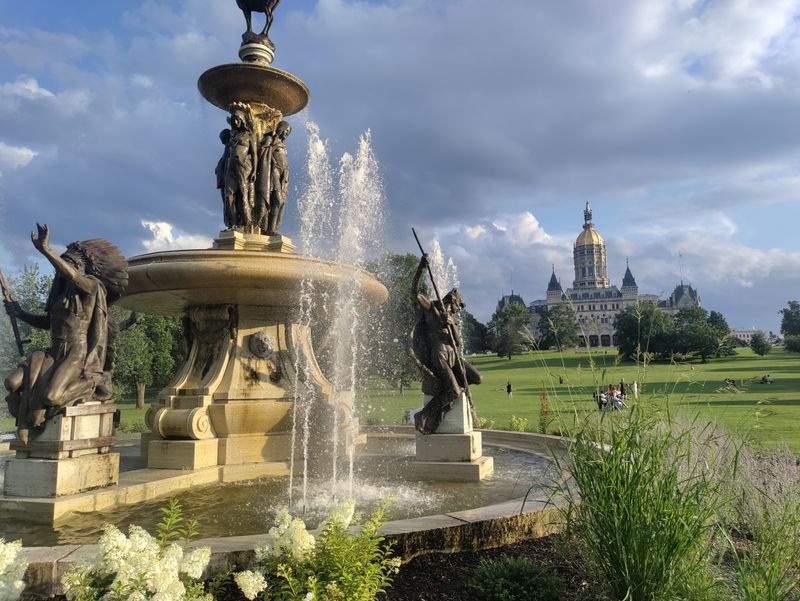
Hartford built its identity as America’s insurance capital, with major companies headquartering in Connecticut’s capital city. This corporate presence created white-collar jobs and downtown office towers that project financial stability. The state government adds another layer of employment that should provide economic security.
Fiscal challenges have plagued Hartford for years, with the city struggling to maintain services on a narrow tax base. Suburban flight has drained population and resources, leaving behind concentrated poverty and aging infrastructure. The insurance industry’s presence doesn’t translate to widespread prosperity for Hartford residents.
Companies located in Hartford increasingly draw employees from surrounding suburbs rather than the city itself, limiting economic benefits to actual residents. The tax base can’t support the services a capital city needs to provide. Hartford’s struggles reflect a common pattern where corporate headquarters exist in cities without creating broad-based prosperity, leaving local governments to manage poverty and decline with inadequate resources while billion-dollar companies operate in gleaming towers.
16. St. Louis, Missouri
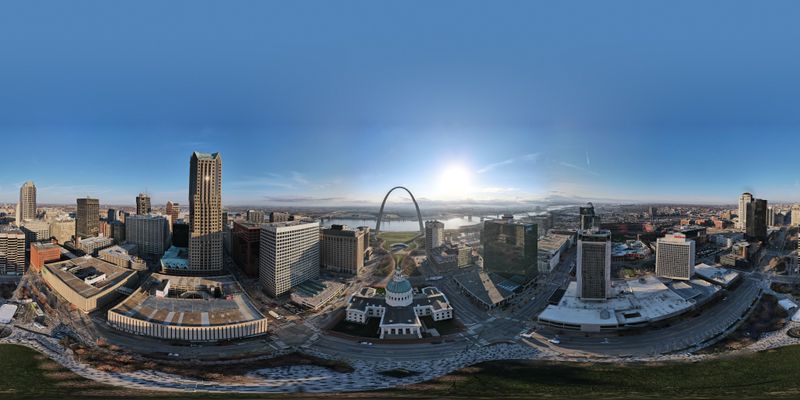
The Gateway Arch symbolizes St. Louis’s historical importance as America expanded westward, providing an iconic landmark recognized worldwide. Vibrant neighborhoods like the Central West End showcase beautiful architecture and thriving businesses. Cultural assets including museums and a famous zoo add quality of life that residents cherish.
Deep historic patterns of segregation and disinvestment have created persistent poverty in areas that rarely see improvement or investment. St. Louis ranks among America’s most segregated cities, with racial and economic divides that shape every aspect of life. Some neighborhoods experience decline that seems irreversible without major intervention.
The city has lost population steadily for decades as residents who can afford to leave head for suburbs or other regions entirely. What remains is a patchwork of success and struggle, with thriving pockets surrounded by areas facing seemingly impossible challenges. St. Louis’s history weighs heavily on its present, making the path forward unclear for a city with undeniable assets but equally undeniable problems.
17. Buffalo, New York
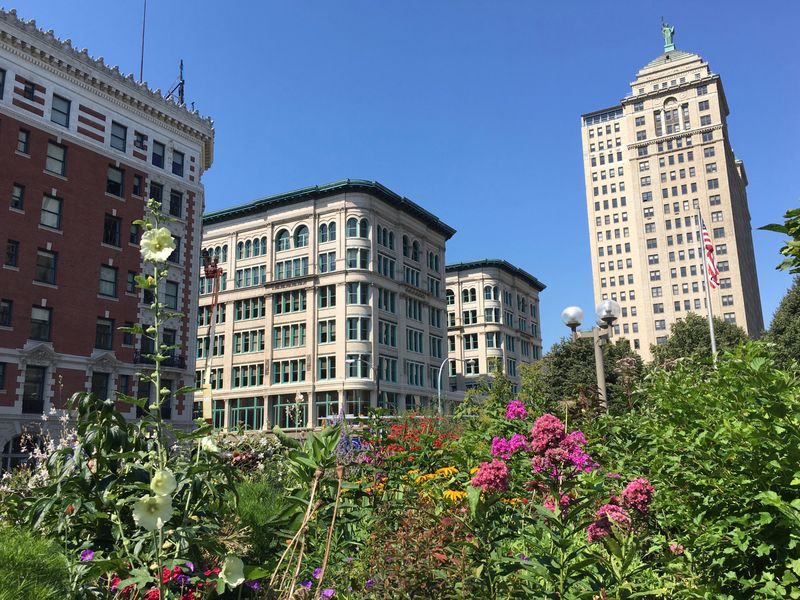
Buffalo has generated positive buzz recently with waterfront revitalization projects and renewed interest in its impressive architecture. The city’s location on Lake Erie provides natural beauty that developers are finally starting to leverage. Some neighborhoods show genuine signs of comeback after decades of decline.
Long-term economic transitions following the post-industrial era continue to challenge Buffalo residents with limited opportunities. Jobs that once supported middle-class families disappeared when manufacturing left, and replacement industries haven’t filled the gap. Income pressures affect households throughout the city despite revitalization headlines.
Buffalo’s recovery remains incomplete and unevenly distributed across its geography. Waterfront improvements don’t automatically translate to better conditions in residential neighborhoods far from tourist attractions. The city works to reinvent itself but faces competition from regions with stronger economic fundamentals and fewer legacy challenges to overcome, making Buffalo’s path forward uncertain despite genuine progress in certain visible areas that attract attention.
18. Milwaukee, Wisconsin
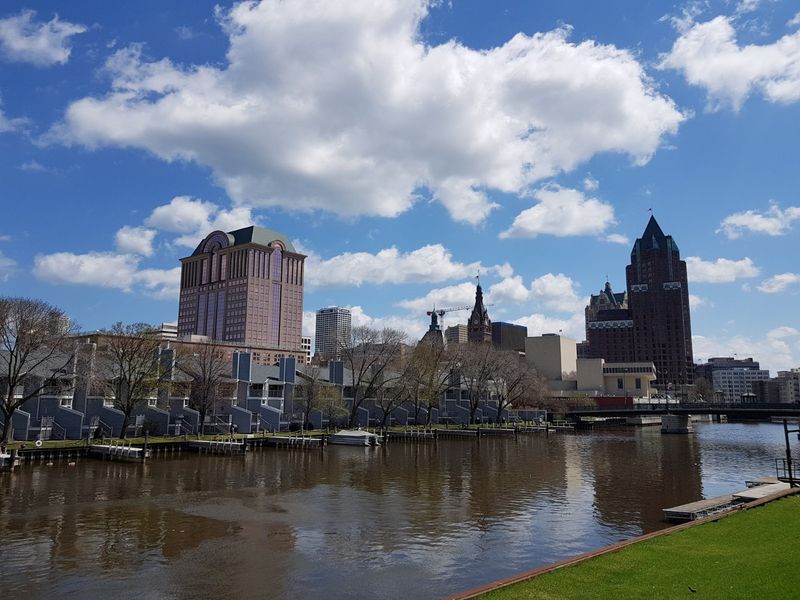
Milwaukee offers cultural attractions, lakefront beauty, and Midwest affordability that should make it attractive for families and businesses. The city’s brewing heritage and summer festivals create a fun-loving image that draws visitors. Architecture from its industrial heyday adds character that newer cities can’t replicate.
Behind this appealing exterior, Milwaukee struggles with one of the highest poverty rates among large American cities. Economic opportunities remain limited for many residents, particularly in segregated neighborhoods facing concentrated disadvantage. The gap between Milwaukee’s attractions and its residents’ economic reality grows more troubling each year.
Manufacturing job losses hit Milwaukee hard, and the city hasn’t successfully transitioned to new industries at scale. Schools in poor areas struggle to prepare students for economic success in a changing world. Milwaukee’s challenges reflect broader Rust Belt patterns, but the severity here stands out even among peer cities facing similar transitions from industrial pasts to uncertain futures built on service economies that rarely pay enough.
Share this story