 Unearth The Voyage
Remember when a family vacation meant packing the car and heading out without breaking the bank? Those days feel like ancient history now. Across America, destinations that once welcomed budget-conscious travelers with open arms have transformed into luxury getaways that require serious financial planning. Rising costs in lodging, food, transportation, and attractions have turned formerly affordable trips into expensive adventures that many families can no longer justify.
1. Hawaii (All Islands)

Paradise comes with a hefty price tag these days. Families who once saved up for a special Hawaiian getaway now face sticker shock at every turn. Airfare alone can consume a huge chunk of your budget, with tickets from the mainland often exceeding $800 per person during peak seasons.
Rental car shortages have created another headache, with daily rates sometimes hitting $200 or more. Hotels that used to charge reasonable rates now demand premium prices, even for basic accommodations far from the beach. Food costs mirror mainland city prices or exceed them, since most ingredients must be shipped thousands of miles.
Island activities like luaus, snorkeling tours, and helicopter rides add hundreds more to the total. What grandparents remember as a splurge-but-manageable adventure now requires months of saving and careful budgeting. The aloha spirit remains, but accessing it has become a luxury reserved for those with deep pockets or serious dedication to travel rewards programs.
2. Disney World (Florida)
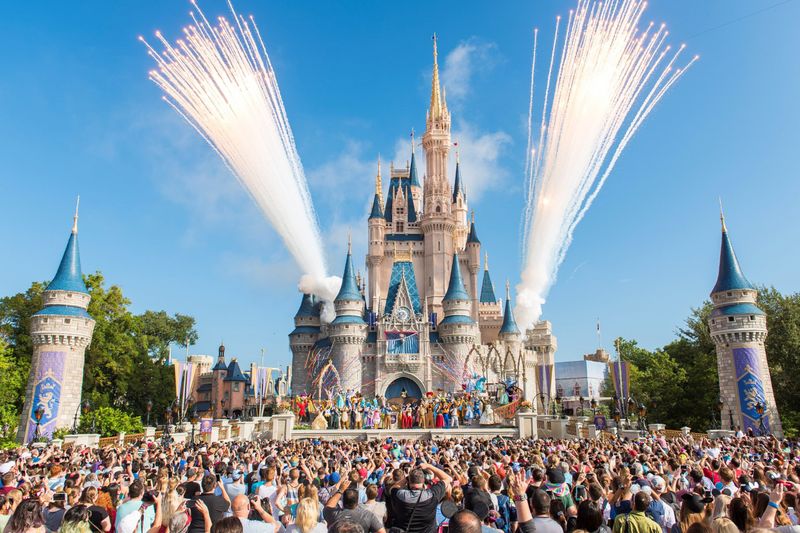
The Magic Kingdom has lost some of its middle-class magic. Walt Disney envisioned a park where ordinary families could create memories, but today’s reality tells a different story. Single-day tickets now push past $150 per person, and that’s before you add the Genie+ system that replaced free FastPasses.
Hotels on Disney property command prices that rival luxury resorts, while even budget options nearby have climbed steadily upward. A family of four can easily spend $200 daily just on meals, especially if you want sit-down dining experiences. Souvenirs, special events, and character dining push costs even higher.
Park-hopper options, Lightning Lane purchases, and multi-day tickets add up quickly. Many families now save for years or go into debt for a single week at Disney. The experience remains magical for kids, but parents often return home with financial stress that lingers long after the pixie dust settles and vacation photos fade.
3. New York City
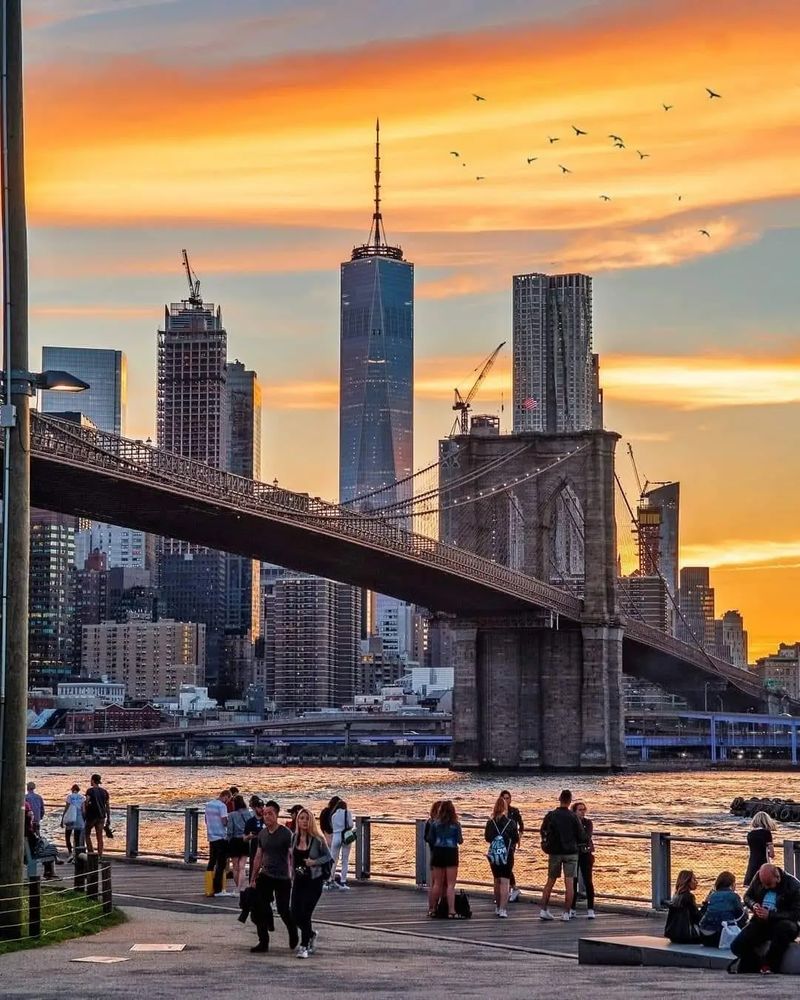
The city that never sleeps will keep your wallet wide awake too. Budget hotels have virtually disappeared from Manhattan, with even questionable accommodations charging $250 or more per night. Cheap Broadway deals still exist through lotteries, but securing them requires luck and flexibility most travelers don’t have.
Transportation costs add up whether you’re taking taxis, ride-shares, or even subway cards for a family. Restaurant meals in tourist areas can shock visitors used to hometown prices. A simple deli sandwich might cost $15, while sit-down dining easily doubles or triples that amount.
Attractions like the Empire State Building, museums, and boat tours each carry entrance fees that accumulate rapidly. Even free activities like walking through Central Park come with temptations to spend on food vendors, bike rentals, and street performers. Weekend getaways that once felt accessible now require significant budgeting, making the Big Apple feel increasingly out of reach for average American families.
4. California Road Trips (Coast & National Parks)
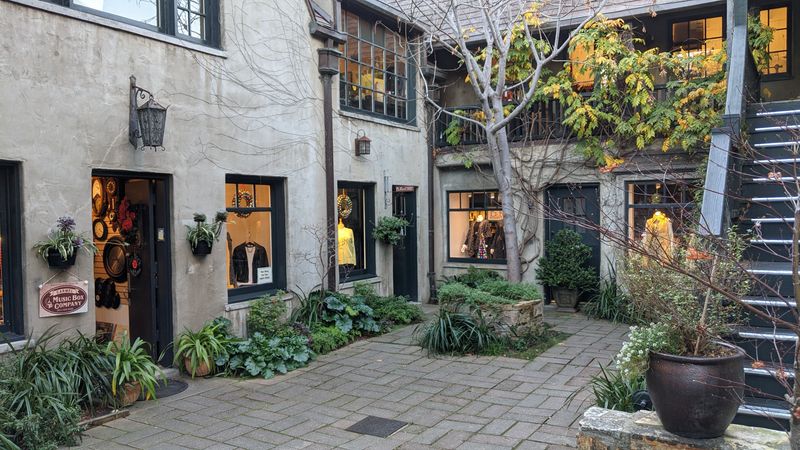
Cruising down Highway 1 used to represent freedom and adventure on a budget. Today’s reality involves careful planning and substantial spending. California’s gas prices regularly lead the nation, sometimes exceeding $6 per gallon in remote coastal areas. That scenic drive suddenly becomes an expensive proposition when your tank empties every few hundred miles.
National parks along the route now require advance reservations during peak seasons, adding stress to spontaneous travel. Lodging in coastal towns like Carmel, Big Sur, and Santa Barbara has skyrocketed, with basic motels charging what luxury hotels once did. Camping offers some relief, but popular campgrounds book months ahead.
Food costs in tourist areas rival major cities, and limited dining options mean you pay premium prices or drive miles out of your way. Overcrowding at popular stops diminishes the experience while increasing wear on facilities. What used to be an affordable adventure now demands significant financial resources and advance planning that removes much of the spontaneous joy.
5. Las Vegas
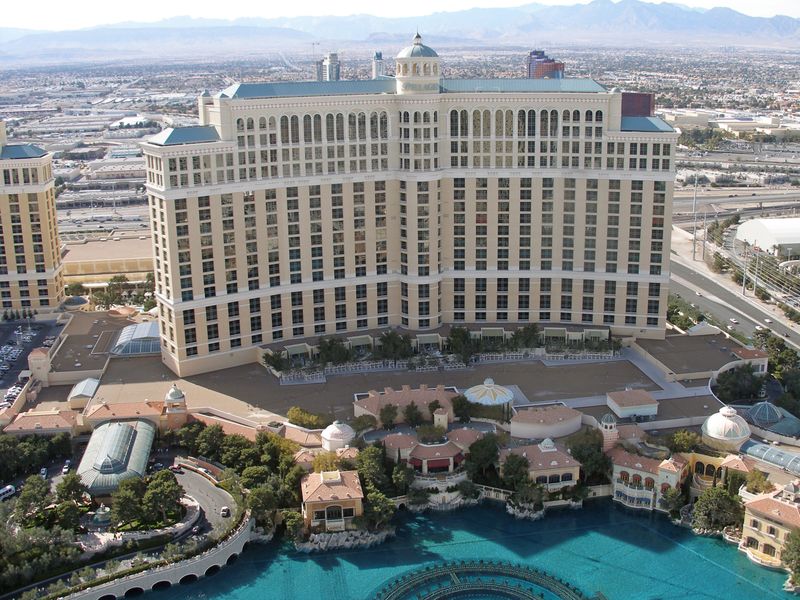
Sin City’s reputation as a bargain destination has largely evaporated. While you can still find cheap midweek rooms, mandatory resort fees often add $30 to $50 per night to the advertised rate. Parking fees at major casinos now cost $15 to $20 daily, eliminating another traditional freebie.
Buffets that once offered all-you-can-eat meals for under $10 now charge $40 or more for dinner. Show tickets, club covers, and pool parties carry prices that shock first-time visitors. Even gambling has changed, with higher table minimums and slot machines that eat money faster than older mechanical versions.
The free attractions have mostly disappeared, replaced by experiences designed to extract maximum revenue. Drinks aren’t as freely flowing as they once were, and cocktails at trendy venues cost $20 each. Transportation between properties adds up whether you’re taking taxis, ride-shares, or the monorail. Las Vegas still offers entertainment, but the days of a truly cheap getaway have vanished into the desert heat.
6. Florida Beach Towns
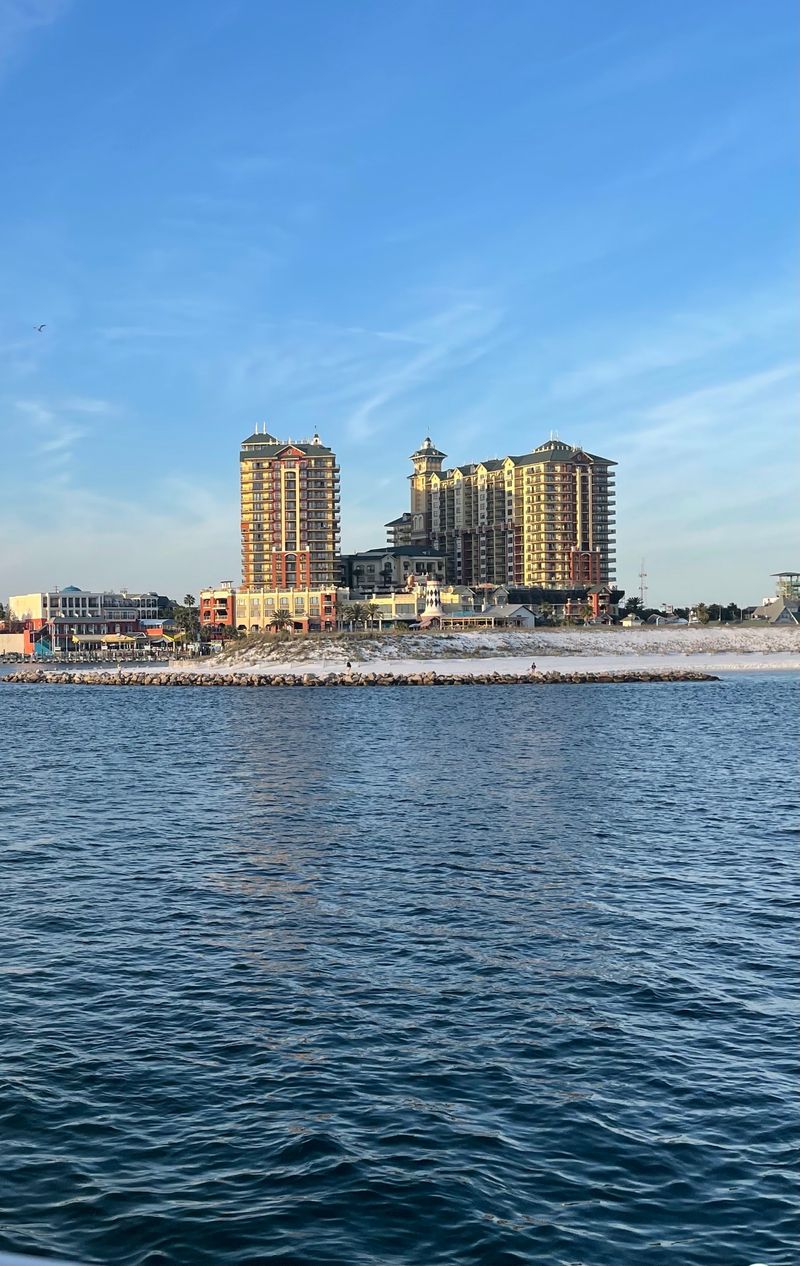
Emerald waters and sugar-white sand now come with luxury price tags. Destin, Naples, and the Florida Keys once welcomed families seeking affordable beach vacations. Today these destinations compete with Caribbean resorts in pricing while offering domestic convenience.
Beachfront accommodations command premium rates year-round, with peak season prices reaching truly shocking levels. Even properties several blocks from the water charge what oceanfront hotels once did. Short-term rental regulations have reduced supply while demand continues climbing, creating a perfect storm for price increases.
Restaurant prices in these tourist towns reflect captive-audience economics. Fresh seafood costs more than you’d expect in coastal communities. Activities like fishing charters, water sports, and boat rentals each add hundreds to vacation budgets. Parking fees at beaches and attractions nickel-and-dime visitors throughout their stay.
Insurance costs and hurricane recovery expenses have pushed property owners to charge more, passing costs directly to vacationers. What grandparents remember as simple, affordable beach getaways now require substantial financial commitment and advance booking to secure any reasonable accommodations at all.
7. National Parks Vacations
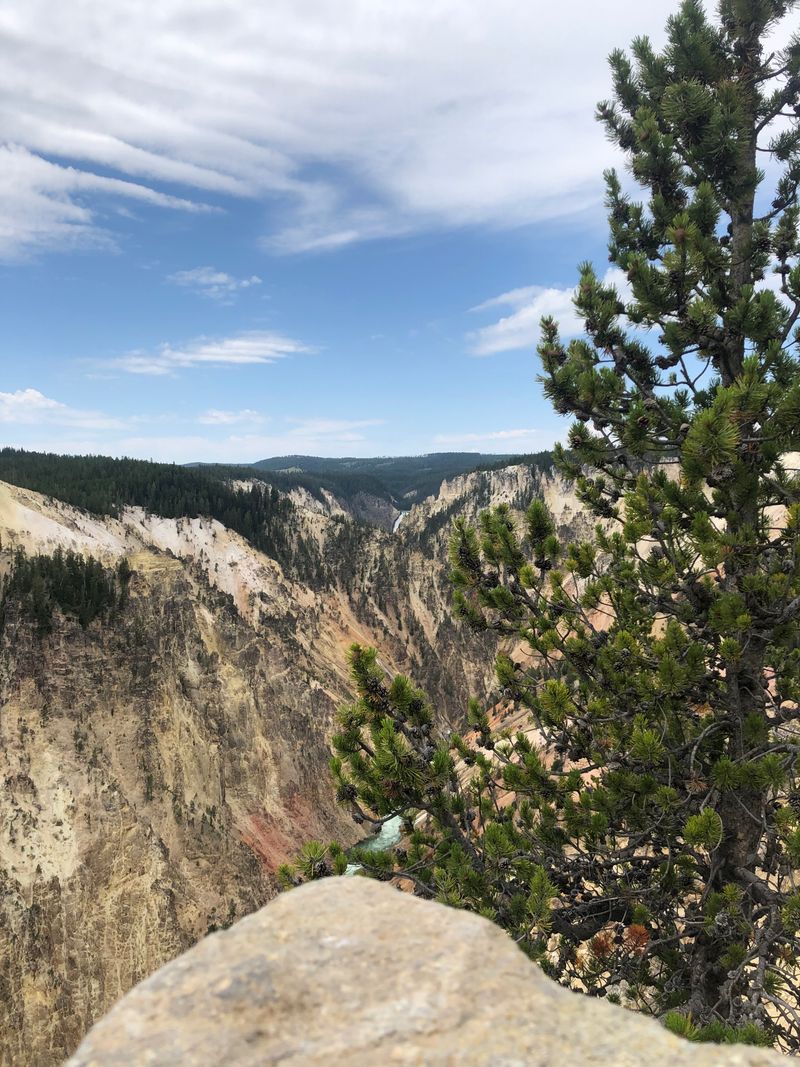
America’s natural treasures remain relatively cheap to enter, but getting there and staying nearby has become expensive. Park entrance fees of $30 to $35 per vehicle seem reasonable until you factor in everything else. Lodging near popular parks like Yellowstone, Yosemite, and Grand Canyon has exploded in price.
In-park accommodations book a year in advance and charge premium rates for basic rooms. Gateway towns outside park boundaries have seen hotel prices triple in recent years. Campgrounds fill immediately when reservations open, and even tent sites now cost $30 to $50 nightly at popular locations.
Guided tours, which help visitors maximize limited time, easily cost $100 to $200 per person. Dining options near parks are limited and expensive, taking advantage of captive audiences. Gas stations in remote areas charge well above national averages. The reservation systems themselves, while managing crowds, require planning that eliminates spontaneity.
Families who once loaded up the car for impromptu park visits now face logistics and costs that rival international travel, making these American icons less accessible to average citizens.
8. California Wine Country
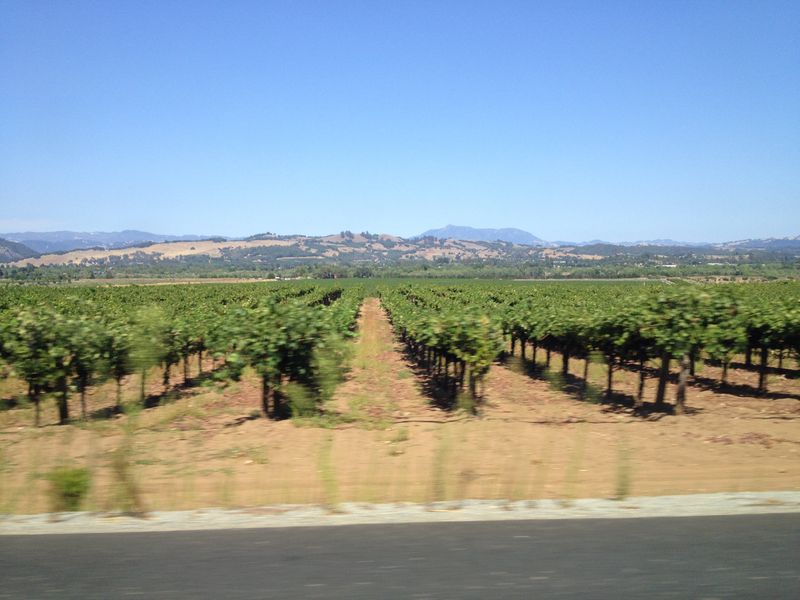
Sipping wine among rolling vineyards has shifted from accessible day trip to luxury splurge. Napa and Sonoma valleys once welcomed casual visitors for affordable tastings and picnics. Today’s wine country experience demands serious financial commitment and advance reservations.
Tasting fees have climbed from complimentary or $5 to $50, $75, or even $100 per person at premium wineries. Many now require appointments, eliminating the spontaneous winery-hopping that defined earlier visits. Hotel rooms in Napa during harvest season can exceed $500 nightly, with even basic accommodations commanding city prices.
Restaurant dining has evolved into high-end culinary experiences with prices to match. A simple lunch easily costs $75 per person before wine. Uber and Lyft rides between wineries add up quickly, while designated driver services charge premium rates.
The region has deliberately positioned itself as a luxury destination, pricing out the middle-class visitors who helped build its reputation. What used to be an affordable weekend escape from San Francisco now requires budgeting typically reserved for international vacations, fundamentally changing who can access this beautiful region.
9. Alaska Cruises & Tours
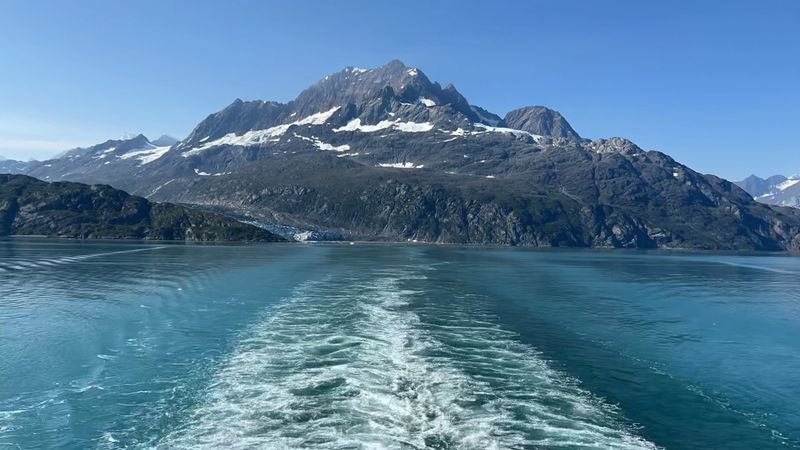
The Last Frontier has become financially out of reach for many families. Alaska cruises once represented an affordable way to see glaciers, wildlife, and stunning landscapes. Rising fuel costs, labor shortages, and increased demand have pushed prices dramatically higher across all cruise lines.
Inside cabins that once cost $500 per person now start at $1,500 or more during summer months. Balcony rooms, which enhance the Alaska experience significantly, easily double that amount. Shore excursions add hundreds more per person, and skipping them means missing the destination’s best features.
Land tours before or after cruises have similarly increased, with multi-day packages adding thousands to total costs. Flights to departure ports like Seattle or Vancouver aren’t cheap, especially during peak season. Onboard expenses for drinks, specialty dining, and gratuities accumulate quickly.
Independent travel to Alaska faces similar challenges, with limited summer lodging commanding premium rates. Car rentals, internal flights, and tour operators all charge prices reflecting short tourist seasons and remote locations. The once-in-a-lifetime Alaska trip now truly feels like something families can afford only once, if at all.
10. Ski Towns in the Rockies
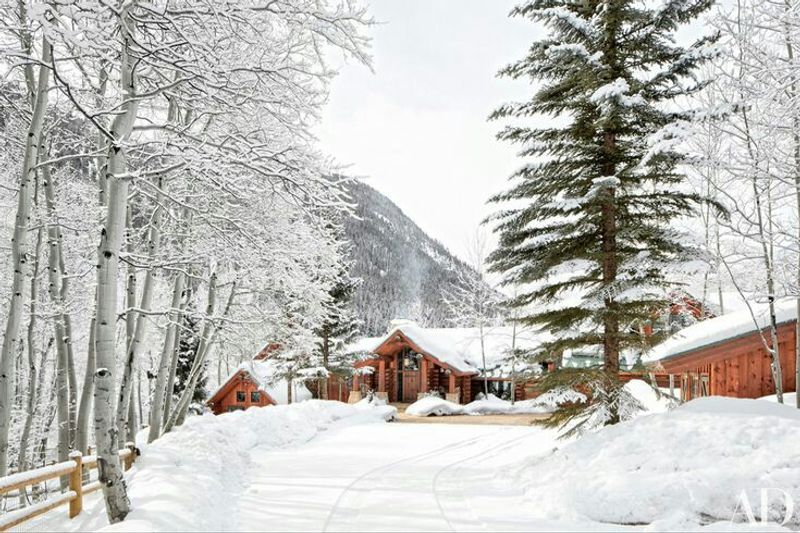
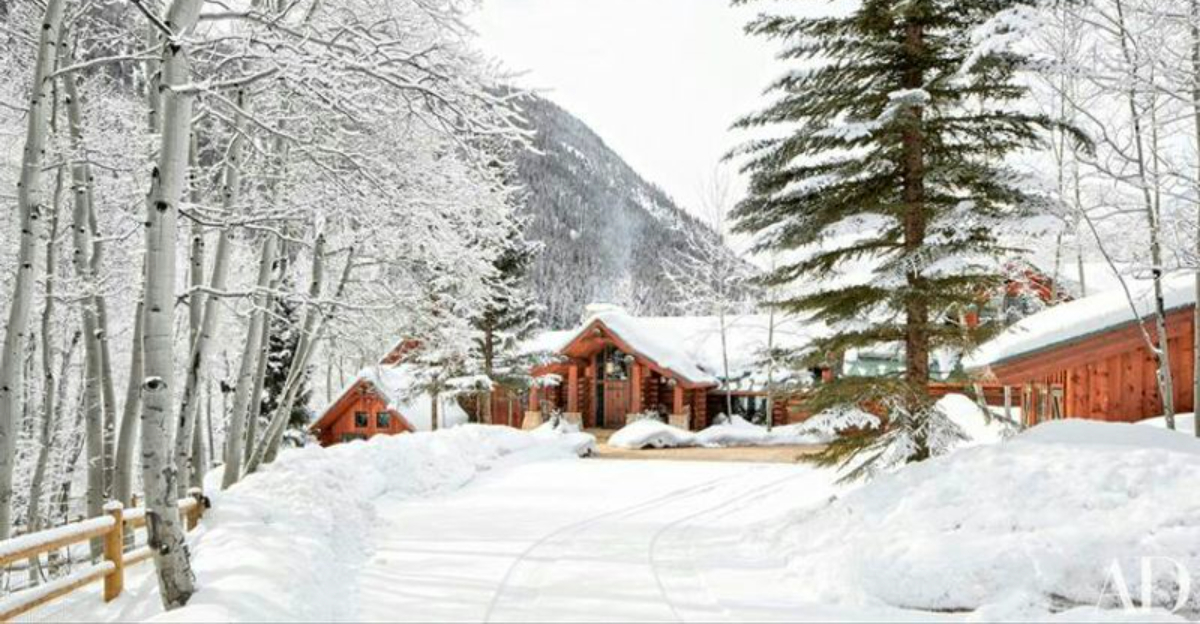
Powder days now require deep pockets to enjoy. Aspen, Vail, Park City, and similar destinations have priced out average families who once made skiing an annual tradition. Lift tickets at major resorts now exceed $200 per day during peak periods, with multi-day passes offering limited relief.
Lodging costs have skyrocketed as these towns transformed into year-round luxury destinations. Ski-in, ski-out properties command thousands per night, while even basic condos miles from slopes cost what luxury hotels once did. Equipment rentals add $50 to $100 daily per person, and lessons cost hundreds more.
Dining in resort towns reflects captive-audience pricing, with casual meals costing $25 per person and sit-down dinners easily doubling that. Après-ski drinks at trendy bars carry city prices or higher. Parking fees, shuttle costs, and resort amenity charges nickel-and-dime visitors constantly.
Many resorts have been purchased by corporate owners focused on maximizing revenue from wealthy clientele. The family-friendly ski culture that once defined these mountains has given way to exclusive experiences that leave middle-class families watching from the sidelines or seeking smaller, less prestigious mountains.
11. New Orleans
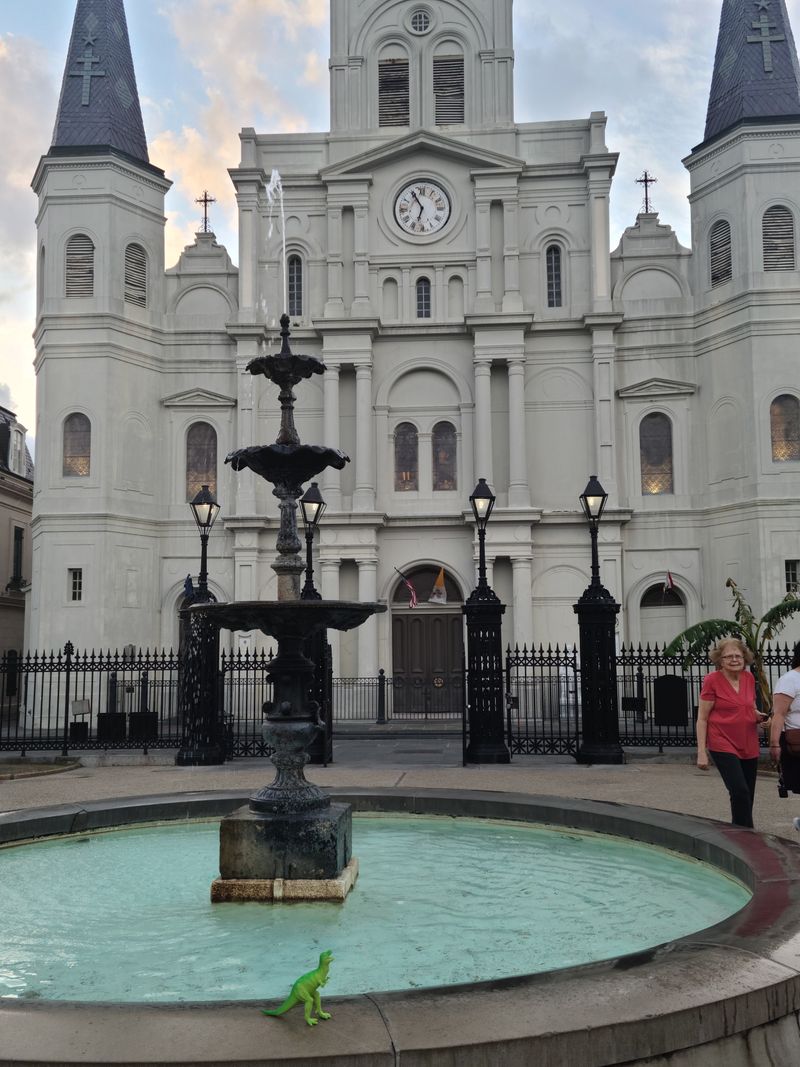
The Big Easy has gotten harder on wallets. Affordable Creole cuisine still exists if you know where to look, but overall travel costs have climbed significantly. Hotel prices fluctuate wildly based on events, with major festivals and conventions driving rates to shocking levels. A room that costs $120 on Tuesday might be $400 on Saturday.
Short-term rental regulations have reduced available accommodations, pushing remaining options higher. French Quarter hotels charge premium prices for location, while properties in surrounding neighborhoods still aren’t cheap. Parking fees at hotels add $30 to $50 nightly, and street parking requires vigilance and luck.
Bourbon Street drinks and tourist-trap restaurants extract maximum revenue from visitors. Even authentic neighborhood restaurants have raised prices as the city’s popularity has grown. Live music venues increasingly charge covers, and tipping culture expects generous contributions. Hurricane damage recovery and insurance costs have been passed to consumers across the hospitality industry.
Mardi Gras and Jazz Fest now require booking months ahead at inflated prices. The spontaneous, affordable New Orleans experience that once welcomed bohemians and budget travelers has evolved into something requiring more careful financial planning.
12. San Diego
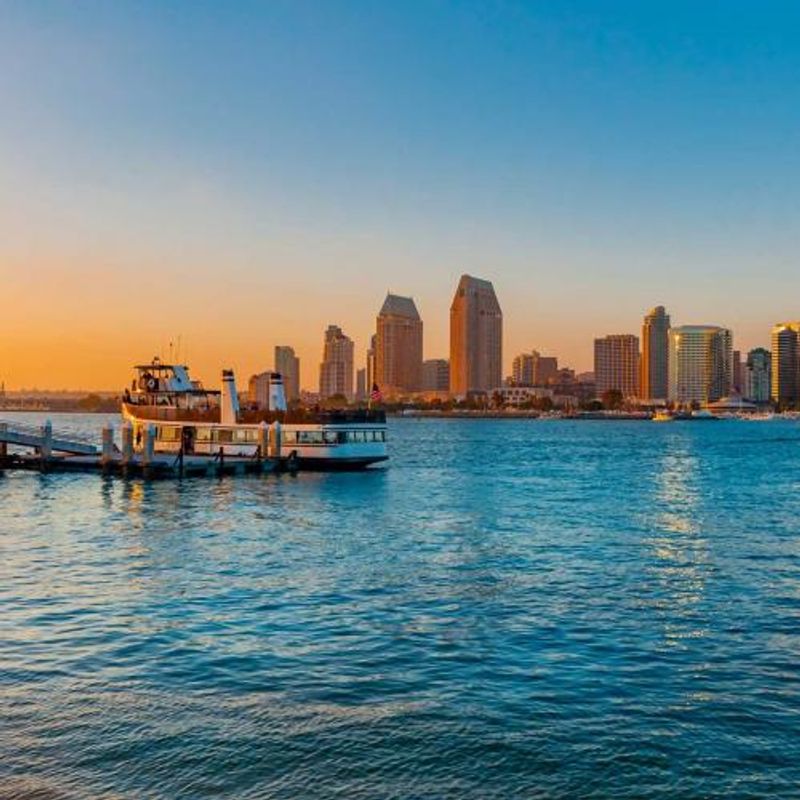
America’s Finest City now comes with premium pricing year-round. San Diego once offered a more relaxed, affordable alternative to Los Angeles. That reputation has faded as hotel prices have climbed steadily regardless of season. Even winter months see rates that would have been considered peak-season pricing a decade ago.
Beachfront properties in La Jolla, Coronado, and Mission Beach command luxury resort prices. Downtown hotels near the Gaslamp Quarter aren’t much better, and properties near attractions like SeaWorld and the Zoo still cost substantially more than comparable accommodations in other cities. Limited public transportation means rental cars add to expenses.
Popular attractions carry significant entrance fees, with the San Diego Zoo, Safari Park, and SeaWorld each costing $60 to $70 per adult. Restaurant prices throughout the county have risen with the cost of living. Beach parking requires payment at most locations, and meters run year-round.
The perfect weather that makes San Diego attractive also means there’s no true off-season with bargain prices. Families seeking affordable California beach vacations increasingly look elsewhere, as San Diego has positioned itself firmly in the premium destination category.
13. Charleston, South Carolina
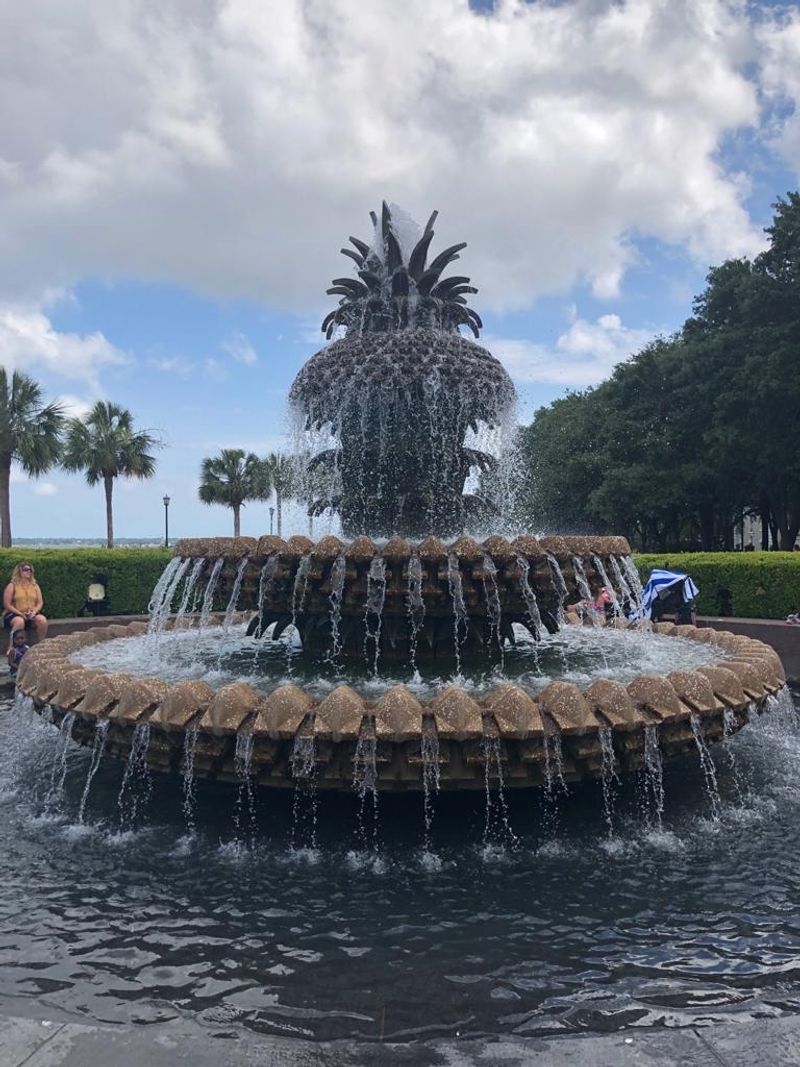
Southern charm now costs Northern prices. Charleston transformed from a charming budget getaway into one of America’s most expensive small cities for tourists. Historic district hotels occupy centuries-old buildings and charge accordingly, with even basic rooms exceeding $300 nightly during peak seasons. Boutique properties command even more, positioning themselves as luxury destinations.
The city’s popularity has exploded, bringing restaurant prices up with demand. Fine dining experiences that made Charleston famous now cost $100 per person before drinks. Even casual Lowcountry spots have raised prices significantly. Carriage tours, harbor cruises, and plantation visits each add substantial costs to itineraries.
Short-term rental regulations have reduced inventory while demand continues growing. Properties outside the historic district still aren’t cheap, and you’ll need transportation to reach downtown attractions. Parking downtown is expensive and scarce, with garage fees adding up quickly during extended stays.
Weekend weddings and festivals drive prices even higher during spring and fall. The relaxed, affordable Southern destination that once welcomed road-trippers now requires advance booking and budgets that match major cities. Charleston’s success has fundamentally changed who can afford to visit this beautiful coastal gem.
14. Lake Tahoe
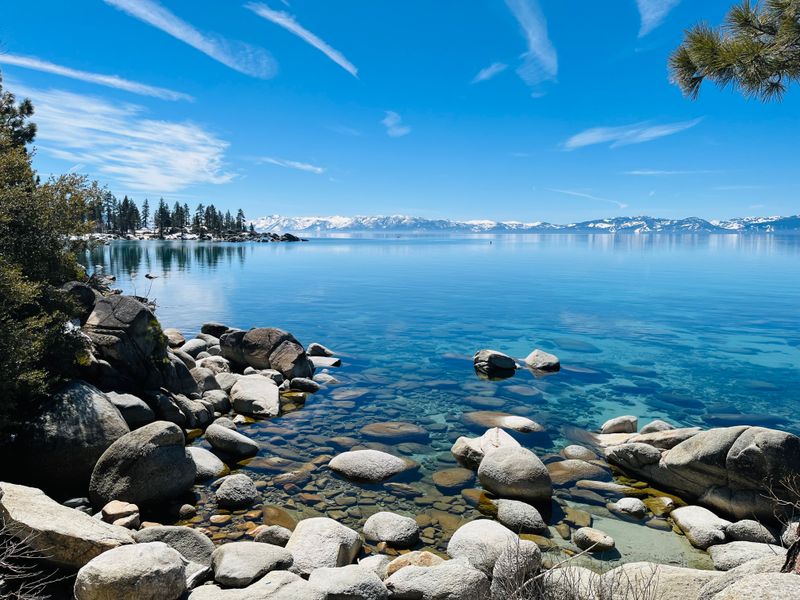
Alpine beauty comes at a steep price these days. Lake Tahoe once offered a more affordable alternative to coastal California vacations. That era has ended as limited lodging, high seasonal demand, and the area’s natural beauty have combined to push prices skyward. Summer and winter peak seasons see hotels charging $300 to $500 nightly for standard rooms.
Vacation rentals that once provided budget options now cost thousands weekly during prime times. Even shoulder seasons see elevated pricing as the lake’s year-round appeal has grown. Ski resort fees in winter match other major destinations, while summer activities like boat rentals, beach clubs, and water sports each carry premium price tags.
Dining around the lake reflects resort pricing, with casual meals costing significantly more than in nearby cities. Traffic congestion, especially on weekends, has become a major issue that diminishes the experience. Parking at popular beaches and trailheads fills early, requiring paid lots or difficult searches.
Environmental concerns have limited development, restricting lodging supply while demand continues climbing. The simple lake vacation that families once enjoyed affordably now requires substantial budgets and tolerance for crowds that can make relaxation challenging to find.
15. Key West, Florida
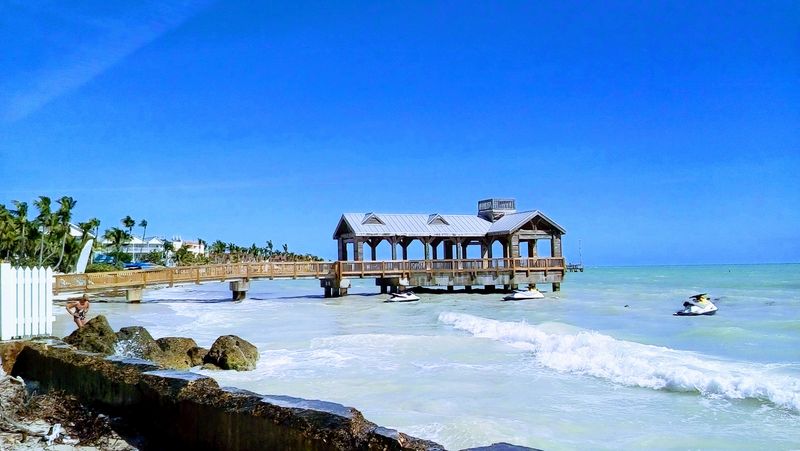
The southernmost point in the continental U.S. has become one of the most expensive small-town destinations anywhere. Key West always had quirky charm, but it was once attainable for average travelers. Today’s reality involves shocking accommodation costs, with even basic guesthouses charging $250 to $400 nightly. Historic properties and waterfront hotels easily exceed $500.
The limited island geography means supply can’t expand to meet demand. Short-term rental popularity has pushed local housing prices up while converting potential long-term rentals into vacation properties. Restaurants cater to tourists with deep pockets, charging premium prices for fresh seafood and tropical drinks. Duval Street bars and clubs extract maximum revenue from visitors.
Activities like snorkeling trips, sunset cruises, and fishing charters each cost hundreds of dollars. Even the famous Southernmost Point marker requires patience and often payment for nearby parking. The three-hour drive from mainland Florida adds gas costs and time, while flying into Key West’s small airport carries premium airfare.
Hurricane recovery costs and flood insurance have pushed property expenses higher, passed directly to visitors. The laid-back island escape that once welcomed budget-conscious travelers now caters almost exclusively to affluent tourists seeking luxury in paradise.
16. New England Fall Foliage Trips
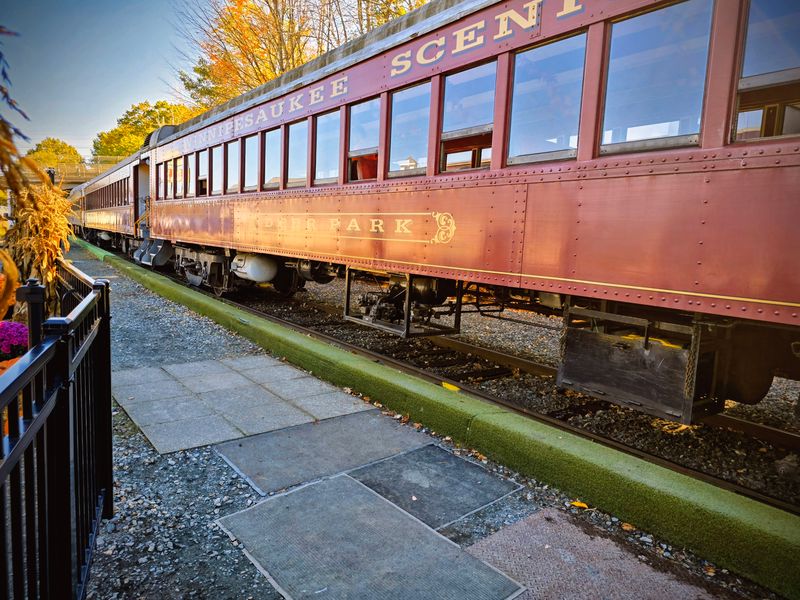
Autumn colors now come with premium pricing across six states. New England fall foliage trips once meant simple road trips with stays at modest country inns. Today’s reality involves peak-season pricing that rivals summer beach vacations. Hotels, B&Bs, and inns in Vermont, New Hampshire, and Maine charge double or triple their off-season rates during the brief foliage window.
Popular areas book months in advance, leaving latecomers with limited expensive options or properties far from scenic routes. Weekend rates especially reflect intense demand, with two-night minimums common. Restaurants in tourist areas raise prices during foliage season, knowing visitors have limited alternatives in rural regions.
Scenic railway tours, gondola rides, and other foliage-viewing activities each carry substantial costs. Traffic congestion on popular routes has increased dramatically, turning peaceful country drives into frustrating crawls. Parking at scenic overlooks and small-town attractions fills quickly, creating stress that diminishes the experience.
The short season means businesses must maximize revenue during a few peak weeks. What used to be an affordable annual tradition for families has become an expensive proposition requiring significant advance planning. Many locals now avoid tourist areas entirely during foliage season, a telling indicator of how much the experience has changed.



