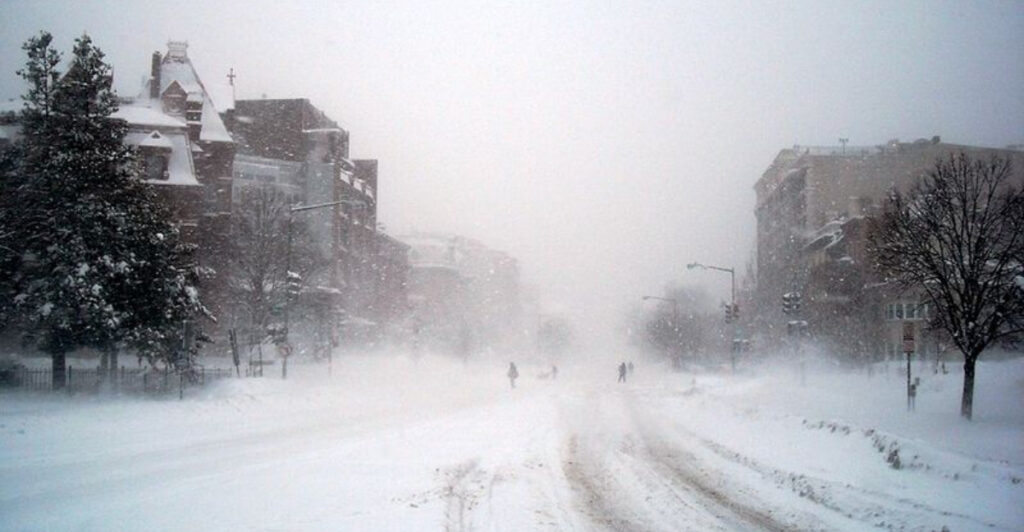
A powerful post-holiday winter storm is roaring across the Midwest, turning roads treacherous and skies into a blur of blowing snow. You can feel the snap of the wind even from indoors as forecasts stack up with warnings about whiteouts, deep drifts and bitter cold. With travel plans colliding with dangerous conditions, communities are bracing for power outages and delays that could stretch for days. Here is what you need to know to stay safe and prepared right now.
A fast intensifying winter storm after the holidays is hammering the Midwest with heavy snow, strong winds and brutal wind chills. You feel it the moment the gusts start pushing against windows and snow blows sideways, turning familiar streets into a maze of white. Travel plans collide with slick roads and poor visibility, making detours and cancellations feel inevitable.
Blizzard warnings are lighting up from Minnesota to Wisconsin and into Iowa and the Dakotas, with parts of Michigan bracing too. Forecasters say the worst comes where heavy snow aligns with sustained winds that shred visibility to near zero. In those zones, even short drives can become dangerous quickly, with stranded vehicles and road closures expanding by the hour.
This system follows earlier rounds of snow, stacking totals and stress on plows, power lines and rural infrastructure. Officials urge you to stay indoors and delay trips until conditions improve, because response times lag in the harshest bands. If you need to go out, let someone know your route, pack a kit and expect delays. Your best move tonight might simply be staying put, checking alerts and conserving energy.
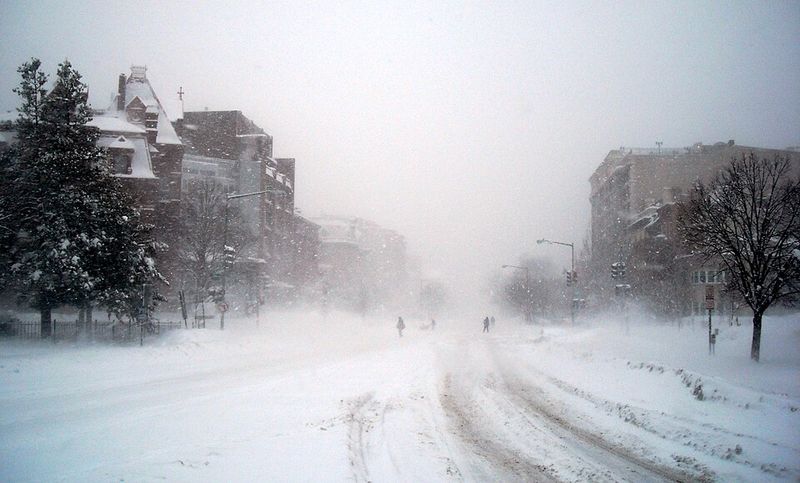
Blizzard warnings now cover swaths of the Upper Midwest as snow bands thicken and winds top 40 mph. You can watch visibility collapse in minutes, with landmarks swallowed by swirling drifts and drivers forced to creep shoulder to shoulder. In some places, totals could surpass a foot, and drifts will pile much higher across open country.
Lake effect processes are supercharging snow near the lakes, creating narrow corridors of intense accumulation. Plows manage a pass, and then wind-driven powder buries the pavement again. That cycle will frustrate cleanup and extend hazardous conditions long after the heaviest bursts ease.
Officials warn that whiteouts can persist even when radar shows lighter returns, because the wind keeps lofting old snow across exposed areas. If you must travel, delay if possible and reroute around trouble spots. Turn on low beams, leave space, and keep your kit ready with blankets and water. Staying home remains the safest choice until warnings expire and crews get traction on the backlog.
Heavy, wet snow and pockets of ice are loading trees and lines, setting the stage for scattered to widespread outages. Strong gusts act like a lever on weakened limbs, sending branches onto feeders and knocking out service across neighborhoods and rural spans. You may hear cracking wood before the lights flicker.
Utilities pre-positioned crews, but blizzard conditions will slow repairs, especially where drifts block access roads. If an outage hits, expect staggered restoration and prioritize warmth, hydration and communication. Charge phones, keep flashlights handy and know where extra blankets live.
Plan for safety. Never run generators indoors, and keep them outside, far from windows to prevent carbon monoxide buildup. Store food that does not need cooking, maintain medications and think about anyone relying on powered medical devices. A buddy system with neighbors can help check on vulnerable residents. If outages stretch overnight, close interior doors to hold heat and avoid opening freezers. Preparation buys time while crews push through snow and wind to bring the grid back.
State and local officials are urging you to stay off the roads, especially where blizzard warnings are posted. Most winter storm fatalities happen in vehicles when drivers underestimate drifting, ice and vanishing sightlines. If you must go, tell someone your route and expected arrival, then pack like you could be stuck for hours.
A good kit includes blankets, warm layers, water, calorie-dense snacks, a shovel, traction aids, jumper cables and a charged phone. Keep fuel above half and clear exhaust pipes if you stop. Slow down, use gentle inputs and watch bridges and ramps for black ice.
Even after snowfall tapers, refreezing and strong winds can keep conditions treacherous into tomorrow. Follow local forecasts, highway cameras and emergency alerts until temperatures moderate and crews catch up. Check on neighbors, especially older adults, and share reliable updates rather than rumors. Staying prepared, patient and flexible tonight could be the difference between a close call and a crisis.
Share this story