Some of the most famous names in history might never have walked the earth as described. When you peel back the poetry, scripture, and patriotic lore, the trail often ends in mist. You will see how legends grow where documents fall silent and archaeology refuses to cooperate. Keep an open mind as we revisit stories you thought were settled and find the doubts scholars wrestle with today.
1. King Arthur

You know the name, but the paper trail vanishes where it should begin. No contemporary records from the fifth to sixth century pin Arthur down, leaving only echoes in later chronicles. The earliest detailed accounts appear centuries after the supposed battles, stitched from Celtic warrior lore and political wish lists.
Scholars suspect a composite hero rather than a single knightly king. The Round Table and courtly romance arrive long after any real sub Roman warlord would have lived. When archaeology speaks, it finds forts and conflicts, yet no royal Arthur to claim them.
Still, the legend persists because it fills a need for a golden past. You can feel the pull of a just ruler in a broken world. That longing built a king out of mist, and historians keep asking whether there was ever a man behind the myth.
2. Homer
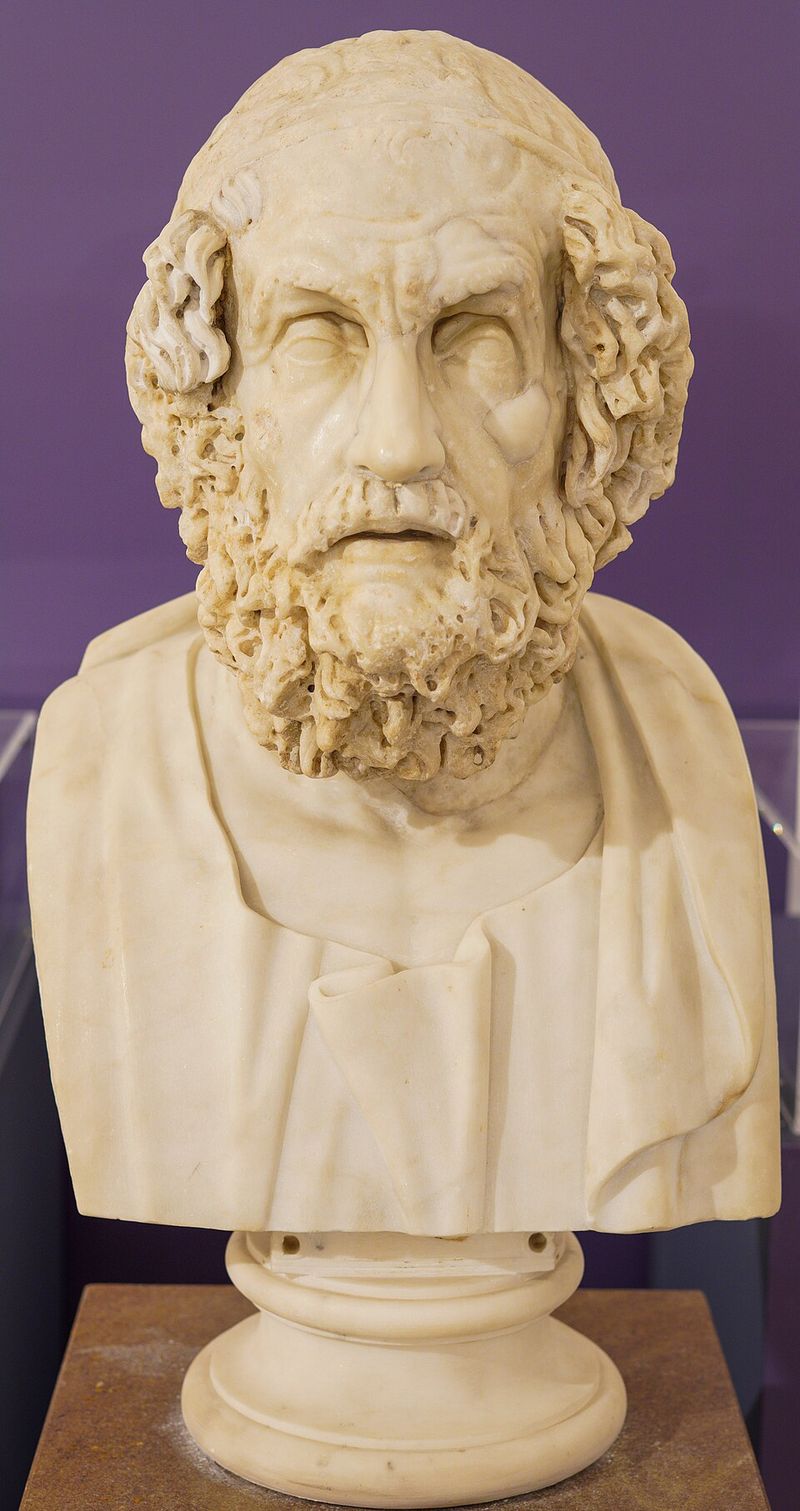
The name Homer stands for The Iliad and The Odyssey, but does it stand for a single person. You hear a voice, yet the poems carry seam lines that suggest many hands. No biographical records anchor him, and ancient scholars argued endlessly about his life.
Oral tradition can preserve stories while changing their singers. Over generations, performers refined, expanded, and stitched episodes, likely creating the epics we read. When later editors wrote them down, they fixed a fluid river into a single bed and gave it one author.
It feels comforting to imagine a blind bard shaping everything alone. But you should expect a chorus rather than a soloist when the evidence is this thin. In the end, Homer may be a convenient label for a tradition, a master brand on a collective masterpiece.
3. Lycurgus of Sparta
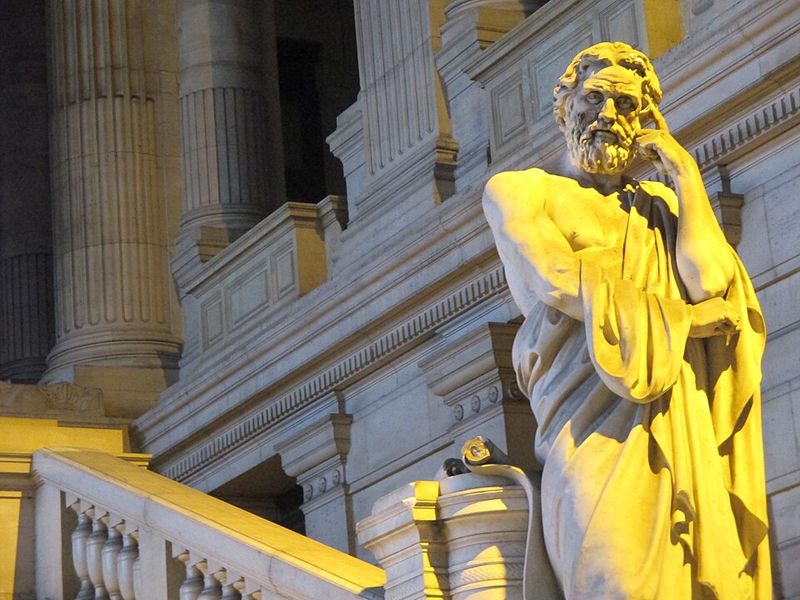
Sparta credits Lycurgus with laws that made warriors of citizens and silence into a civic virtue. Ancient sources cannot agree on when he lived, how he ruled, or even whether he existed. The contradictions suggest a symbolic lawgiver more than a documented statesman.
When societies want order, they often anchor reforms in a single authoritative name. You can feel how convenient Lycurgus becomes, explaining customs as if they arrived fully formed. The so called Great Rhetra reads like memory polished by politics.
Archaeology reveals Spartan practices, but not the legislator who supposedly forged them. Later writers projected ideals backward, crafting a founder who solved every question. If you look closely, Lycurgus seems less a man and more a mask worn by tradition.
4. Sun Tzu
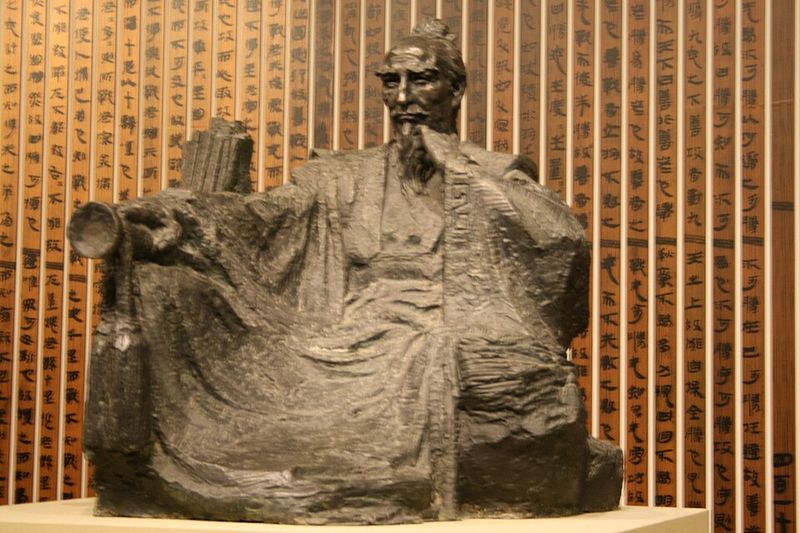
The Art of War reads like a single strategic mind, but the text likely grew over time. No solid biographical evidence ties Sun Tzu to verifiable events, and early references are sparse. You can sense layers in the aphorisms, reflecting evolving warfare and court politics.
Scholars compare language and ideas to date different sections. The composite theory fits a manual refined by generations of practitioners. Like a field guide updated after each campaign, it may hold many voices under one name.
The legend of a perfect strategist is seductive because it simplifies success. People want one sage to quote, not a committee of unknown officers. Whether one man lived matters less than the text’s utility, but history still asks who wrote the rules.
5. Pythagoras
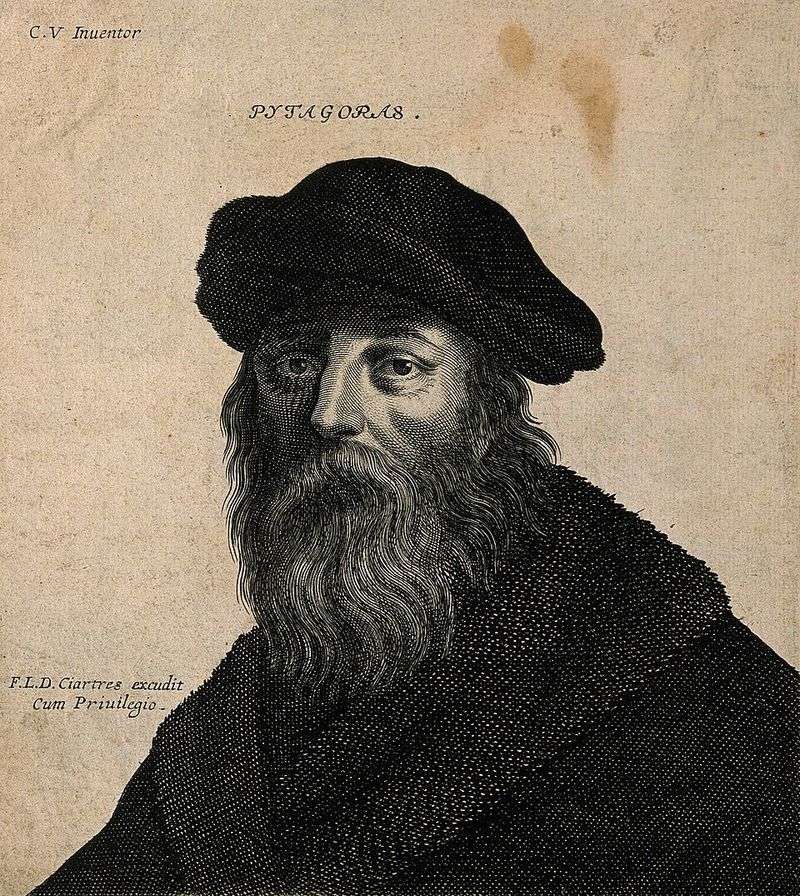
You learned his theorem, but the man behind it hides behind followers who wrote long after his death. Biographies mix miracles, taboos, and reincarnation with mathematics, blurring what he actually did. The cultlike community attributed discoveries collectively to their master.
Historians struggle to separate Pythagoras from his school. Many results credited to him likely came from students or later admirers. When sources praise wonders, you should expect myth polishing reputation rather than recording experiments.
Still, something sparked the movement that spread across Magna Graecia. Whether Pythagoras was mystic, mathematician, or both, the legend overtook the life. The triangle survives in classrooms, while the person remains a silhouette drawn by disciples.
6. Romulus
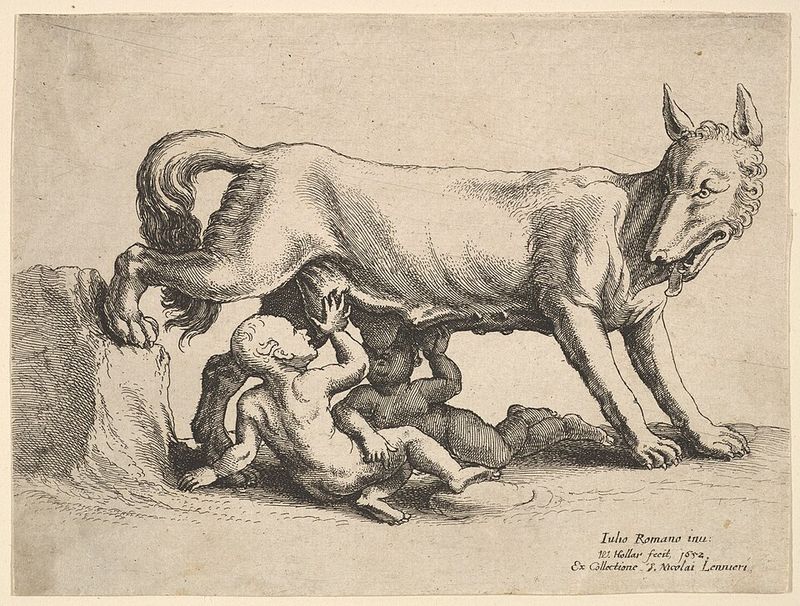
Rome’s origin story crowns Romulus as founder, warrior, and king. His tale includes divine parentage, auspices, and the dramatic slaying of a brother. Such elements signal myth more than minutes from a council meeting.
Ancient historians themselves wavered on details, offering multiple timelines and endings. Archaeology shows early settlements on the hills, but no clear footprint of a single founder. Symbolic power often grows where paperwork fails.
Romulus functions as a metaphor for Roman identity and conquest. You can see how a city of law needed a first lawgiver, even if invented. In that light, Romulus is a banner that history carries, not a birth certificate it can verify.
7. Remus
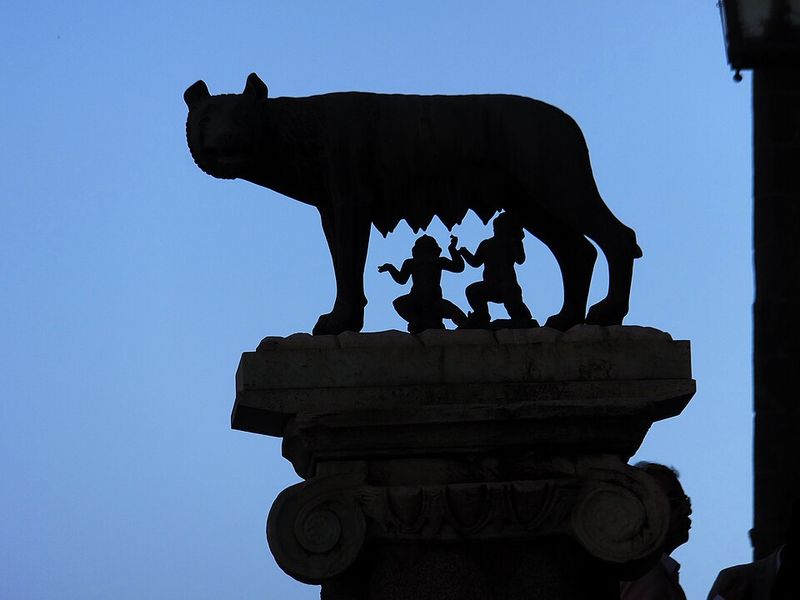
Remus exists because Romulus needed a twin to complete the drama. He appears within the same mythic frame, from the wolf’s milk to the fatal boundary dispute. No independent tradition anchors him outside that narrative.
When legends require moral tension, a brother offers symmetry and sacrifice. You can feel Rome explaining sacred borders through Remus’s death. The lesson matters more than biography, and that is the historian’s warning sign.
Archaeology cannot weigh a ghost, and Remus is mostly that. He is a shape cut out of ritual and civic pride. In the ledger of evidence, his page remains blank while the story keeps its grip.
8. King Solomon
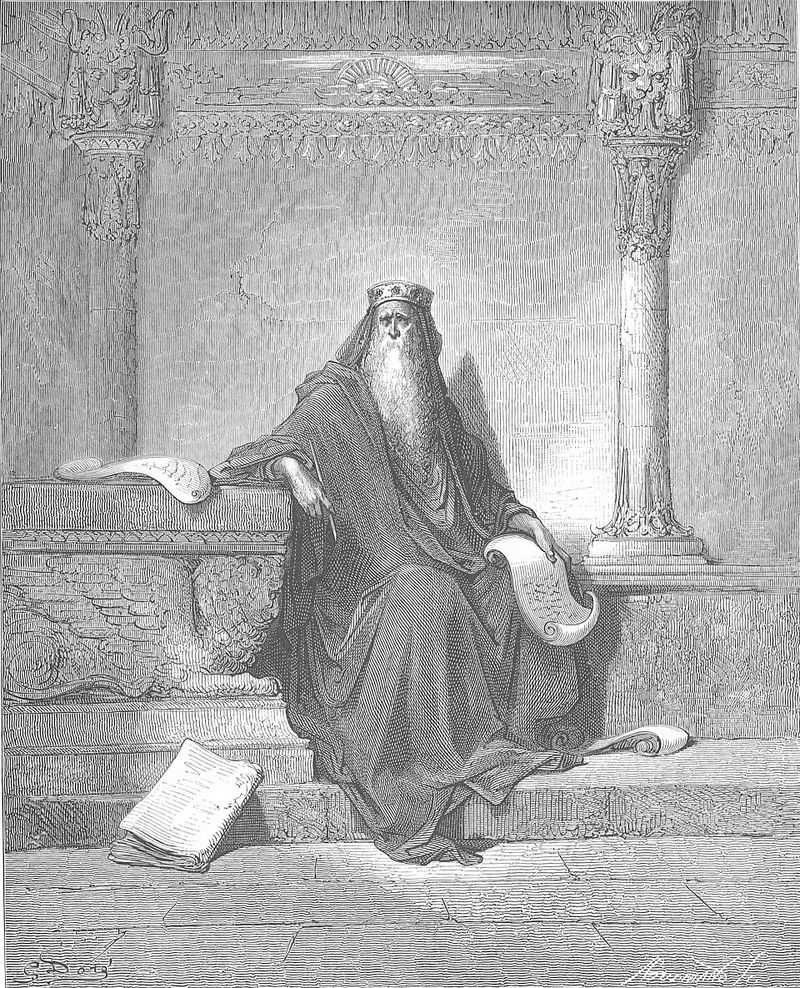
Solomon’s wisdom and wealth dominate biblical memory, yet the spade stays quiet. Archaeological evidence for a grand tenth century empire is minimal, and dates often shift. You hear stories of palaces while finding modest layers in the ground.
Some scholars argue for a smaller regional chiefdom later magnified by tradition. Royal propaganda can grow in exile and return, stretching a king into a golden age. You should expect embellishment when later editors seek national pride.
Still, inscriptions from neighbors hint at a broader world in which such rulers could exist. The scale is what draws skepticism, not necessarily the name itself. Between text and tell, Solomon hovers, wise in legend and elusive in earth.
9. King David
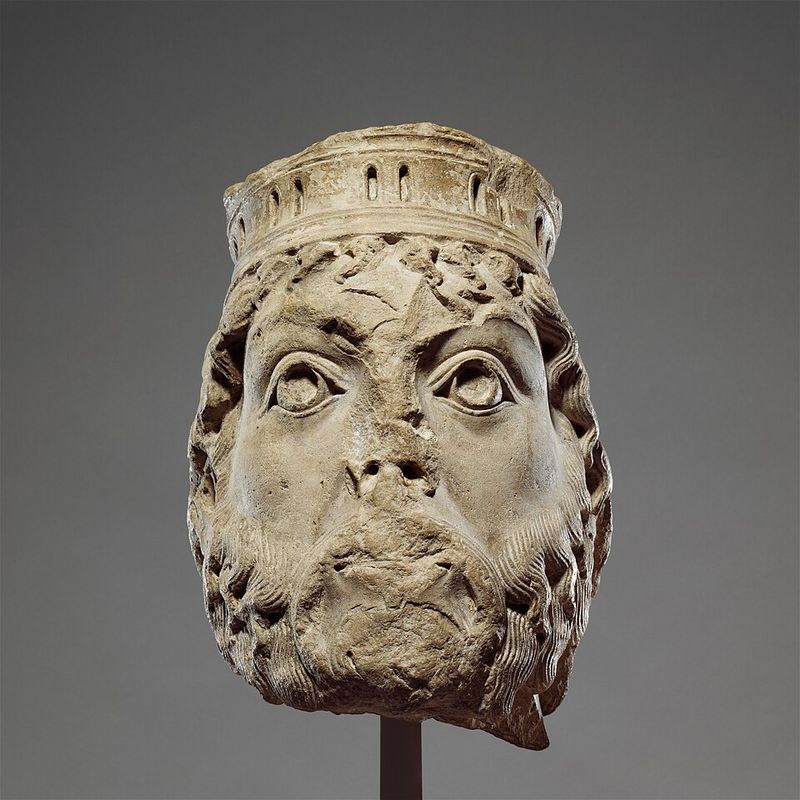
David stands at the crossroads of faith, politics, and archaeology. A few inscriptions, like the Tel Dan stele, mention a House of David, yet the details remain contested. Biblical narratives read like court history polished into theology.
Scholars debate whether he ruled a small hill country chiefdom or a larger state. You can feel later editors elevating victories and smoothing scandals. The man may have lived, but the portrait looks airbrushed by time.
Excavations offer mixed signals, fueling arguments rather than settling them. For many, David’s existence is less doubtful than Solomon’s, but still not clear. Between song and stone, you must weigh a life that might be half legend.
10. Moses
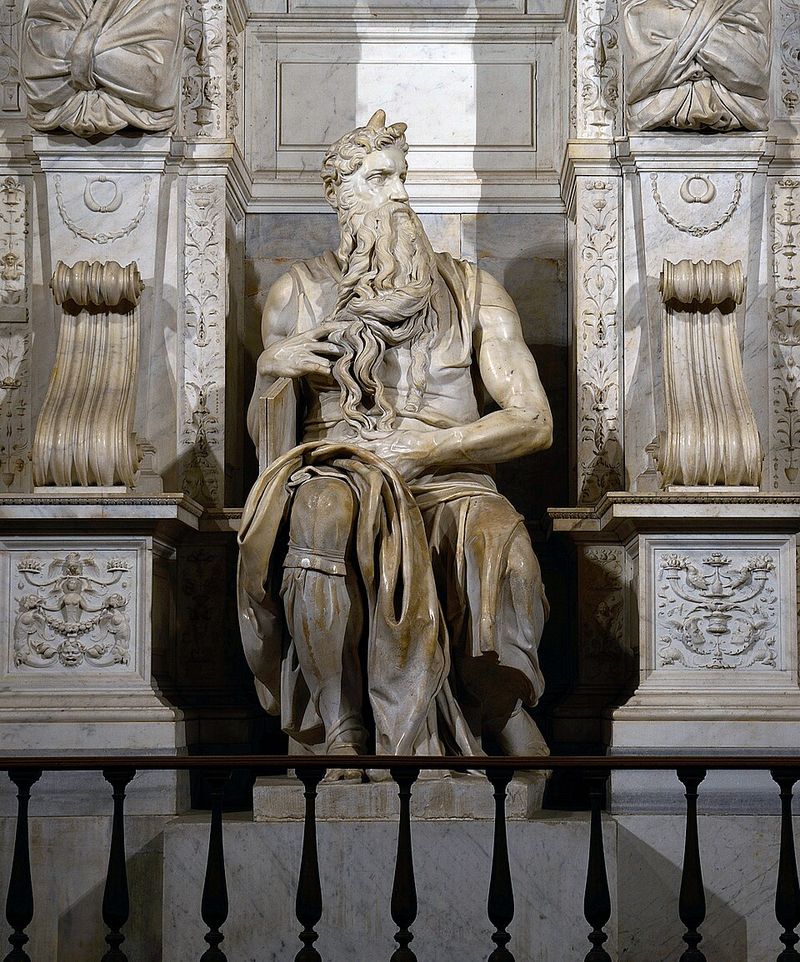
Moses anchors the Exodus story, lawgiving, and identity. Yet Egyptian chronicles and archaeology do not confirm a mass departure as described. You hear a people’s memory shaped into a pilgrimage of national birth.
Historians consider many possibilities, from small group migrations to literary composition. The lack of contemporary records leaves scholars cautious, balancing faith with method. Narrative power does not equal documentation, and that gap remains wide.
Still, the figure serves as a vessel for law and covenant. You can feel communities finding themselves through his story. Whether a single Moses lived or not, the legend has led more journeys than any map could show.
11. Gilgamesh
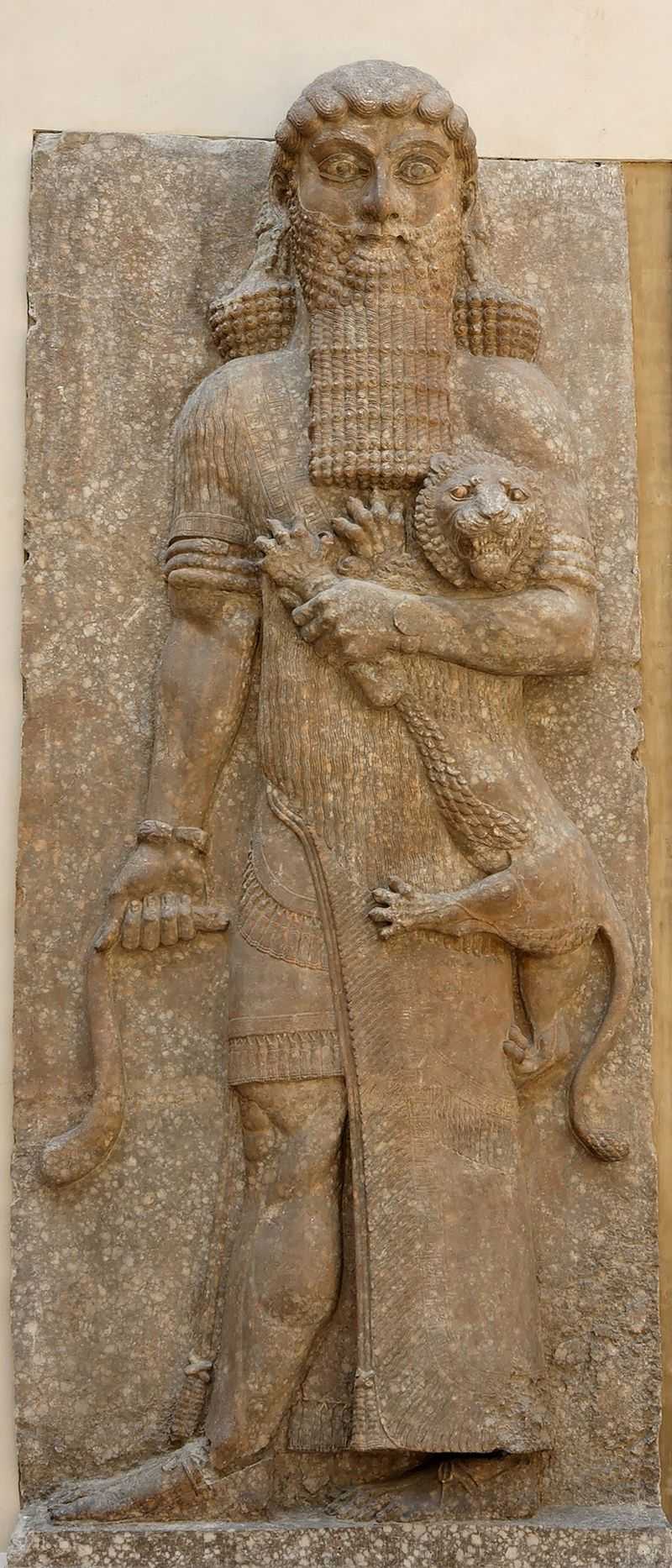
Gilgamesh strides through the oldest epic we have, wrestling monsters and grief. He may echo a historical king of Uruk, but the tales are drenched in myth. The flood narrative, divine encounters, and superhuman feats signal literary art.
Clay tablets preserve multiple versions edited across centuries. You can watch scribes shaping a hero to explore mortality and kingship. History provides a name, but poetry gives it immortality that evidence cannot match.
When you hunt for the man, you meet a mirror reflecting human fears. Archaeology maps Uruk, yet not the friendship with Enkidu. Between city walls and cuneiform lines, Gilgamesh remains larger than life and smaller than fact.
12. Sargon of Akkad
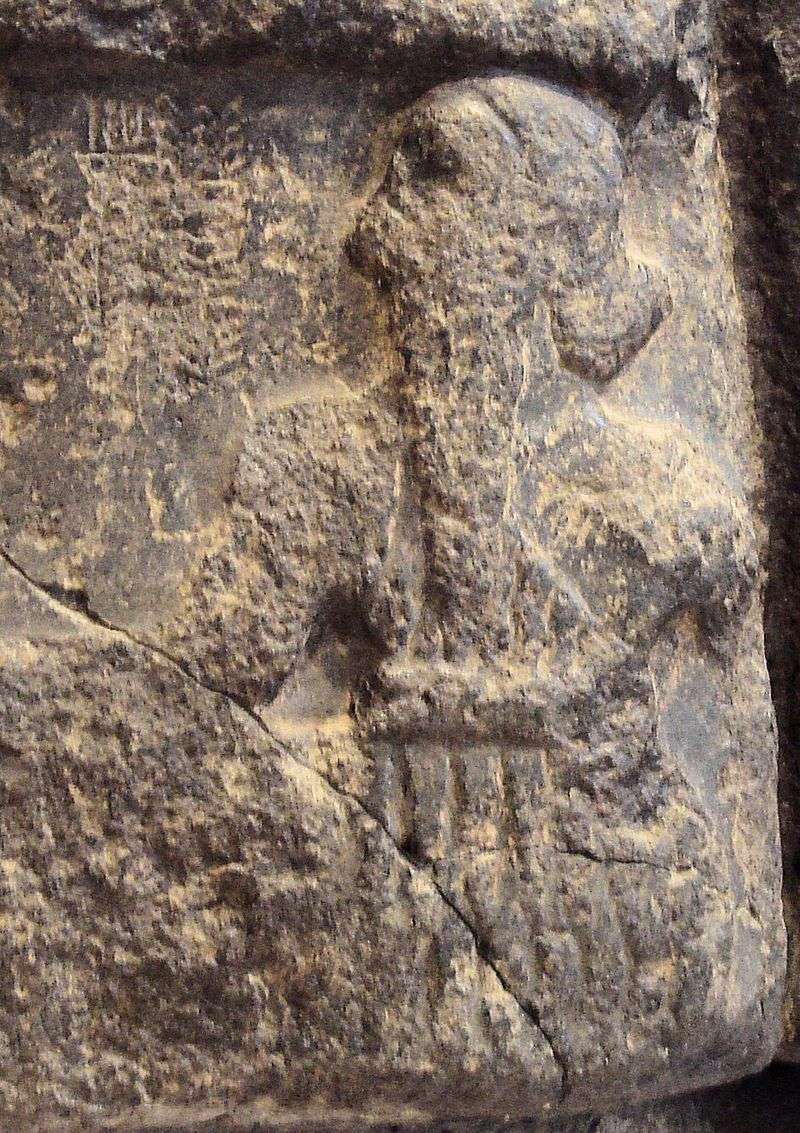
Sargon undeniably ruled, but the earliest accounts frame him in legend. Stories of a river basket infancy mirror motifs used to elevate kings. You can see propaganda at work, retrofitting destiny to power.
Later scribes polished his rise into a template for empire builders. The mythic veneer does not erase the ruler but distorts the origin story. When biography becomes sermon, facts shrink behind symbols.
Historians separate administrative records from heroic narratives. They keep the conqueror and discard the miracle packaging. In your reading, hold both truths: a real empire, and a self made myth advertising its founder.
13. Confucius (as traditionally portrayed)
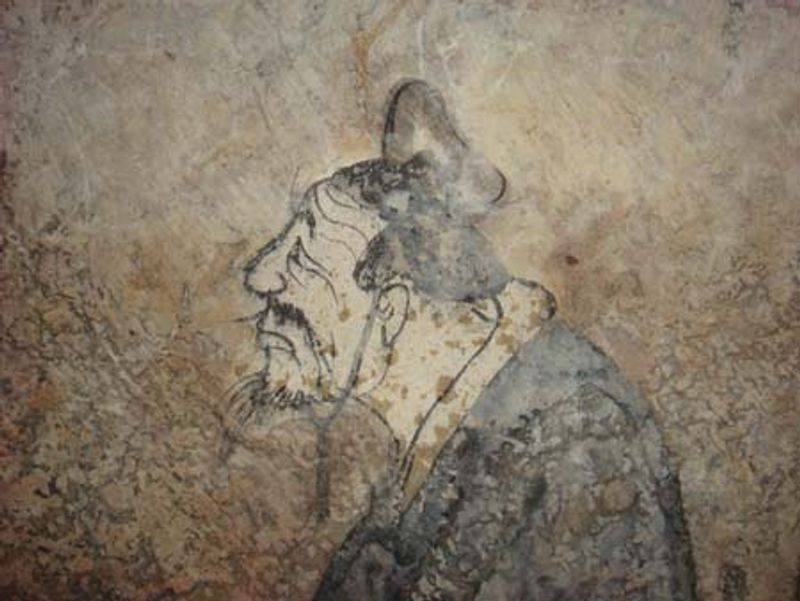
Confucius likely lived, taught, and gathered students, but the figure you meet is curated. The Analects were compiled and edited later, shaping sayings to fit politics and pedagogy. You feel a teacher transformed into a timeless authority.
Emperors and scholars refined his image to support order and ritual. When regimes changed, interpretations shifted, keeping the master stable while content flexed. That process blurs the historical person beneath layers of commentary.
The result is powerful but not biographical. You can learn values while losing the voice’s original grain. As traditionally portrayed, Confucius becomes an emblem more than a man you can footnote precisely.
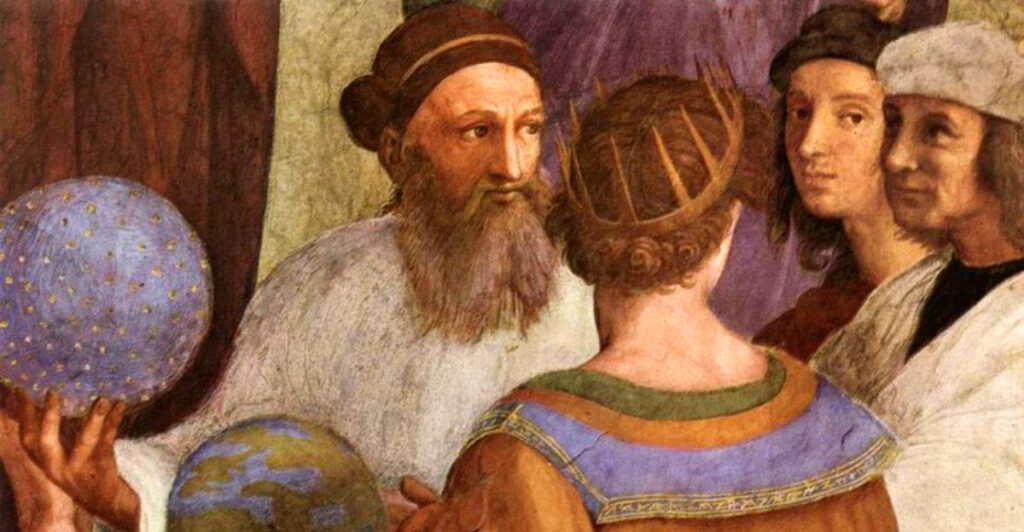
14. Zoroaster (Zarathustra)
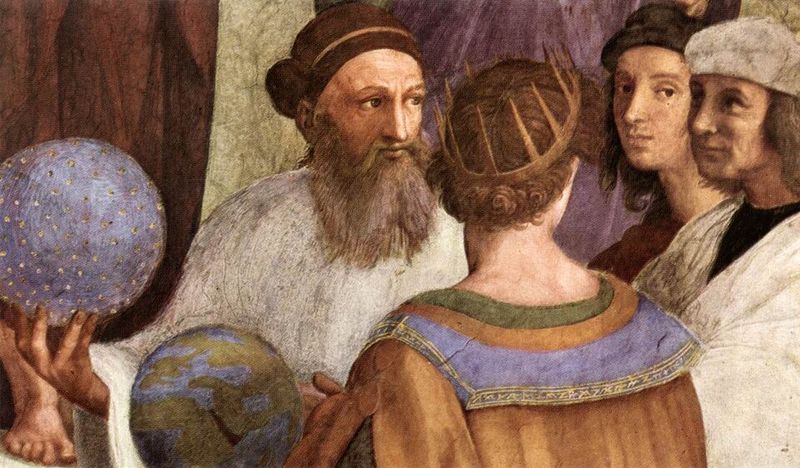
Zoroaster stands at the head of a major religious tradition, yet dates drift by centuries. No contemporary records lock him into a specific era, leaving scholars to triangulate from language and ritual. You sense a prophet refracted through priestly memory.
Texts were transmitted and redacted, piling layers over an original message. Political needs also shaped his image, aligning teachings with changing empires. That history invites doubt about the precise man behind the hymns.
Still, the Gathas speak with an ancient, urgent voice. You can feel a kernel of personality, even if blurred. Between fires kept and scriptures kept editing, Zoroaster remains partly a construction.
15. Numa Pompilius
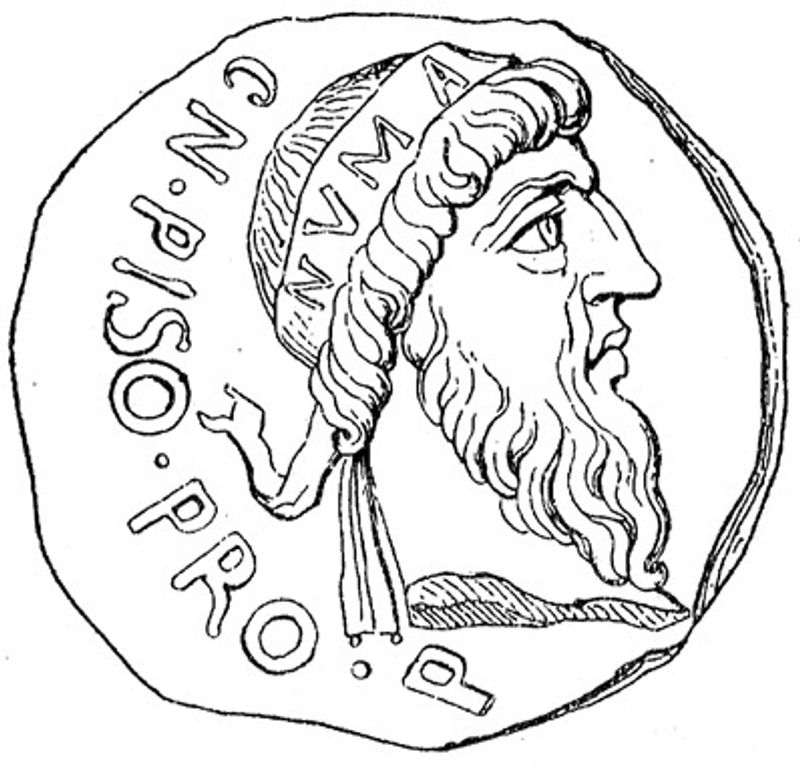
Numa Pompilius appears as Rome’s second king, a peaceful counterpoint to Romulus. He brings calendars, priesthoods, and rituals in neat packages. Such tidy reform stories hint at invention to explain institutions.
Ancient writers often used founders to legitimize religious changes. You can see how a mythic lawgiver comforts a city that loves order. Sparse evidence leaves historians wary of treating Numa as a verified ruler.
When myth and civic practice align, biography becomes convenient glue. The man dissolves while the functions remain. In that sense, Numa symbolizes Rome’s sacred machinery more than he anchors its timeline.
16. Sita (Ramayana)
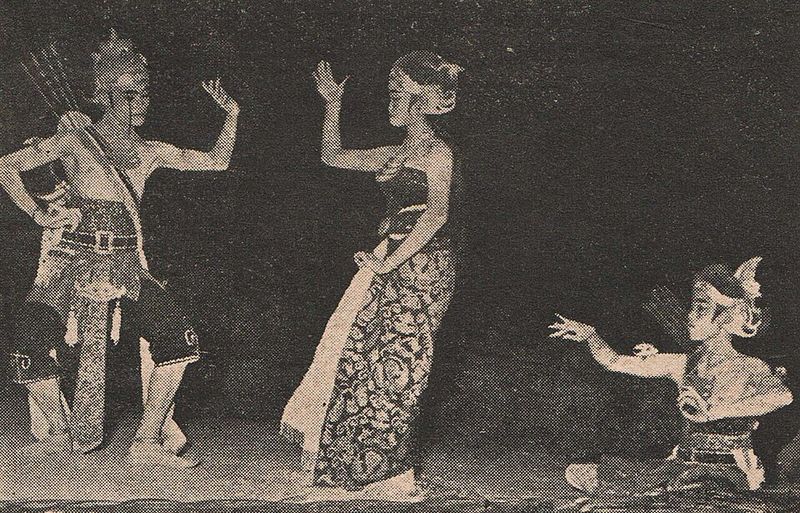
Sita stands as devotion, endurance, and moral testing within the Ramayana. Her story is richly symbolic, guiding conduct and ideals. Yet as history, she belongs to a mythic landscape, not verifiable records.
Epics teach through characters larger than life. You can feel communities shaping identity around Sita’s trials and virtues. That purpose points to pedagogy rather than biography.
Archaeology cannot weigh purity or prove abduction across divine realms. What remains is influence, festivals, and storytelling power. When you ask if Sita lived, the tale answers with meaning instead of documents.
17. Krishna (historical form)
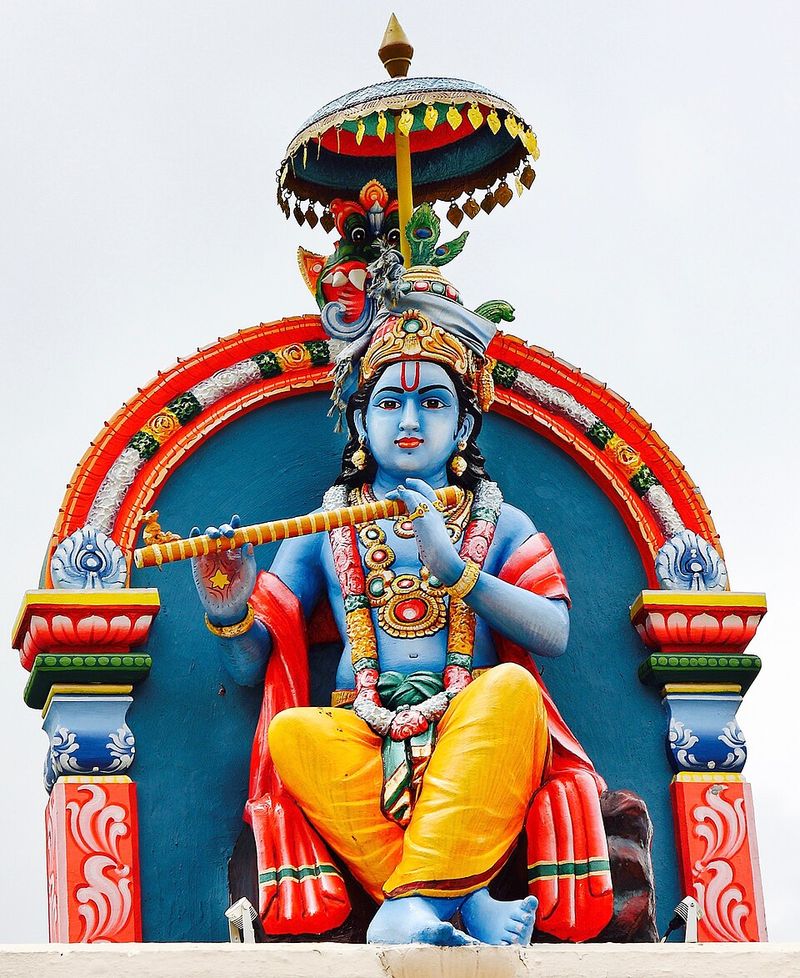
Krishna spans devotion, philosophy, and play, overflowing theology. Some suggest a historical chieftain beneath the layers, but firm evidence does not appear. The stories tilt toward divine exploits, not town records.
When faith centers on incarnation, history yields to revelation. You can feel a living presence for devotees, which complicates academic questions. Texts were compiled and interpreted across centuries, further clouding any mortal kernel.
Archaeological hints remain debated and inconclusive. As a historical person, Krishna is elusive, while as a symbol he is everywhere. Asking for proof may miss why the figure matters to millions.
18. Hua Mulan
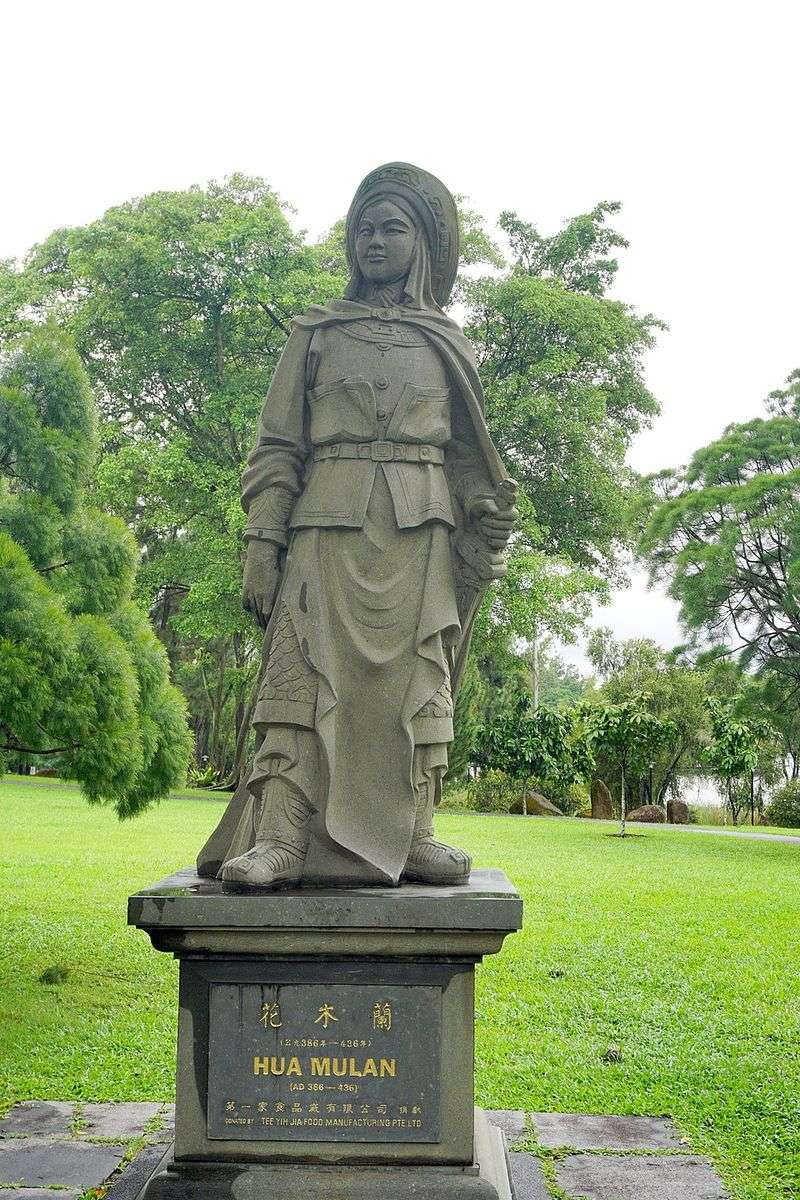
Mulan enters history through a ballad, not a barracks roster. The song celebrates filial duty and disguise, but military records do not confirm her. You meet courage shaped by verse rather than muster rolls.
Over time, retellings shifted dynasty settings and details. That plasticity signals folklore adapting to new audiences. When specifics slide so easily, historians hesitate to claim a single real soldier.
Still, the story empowers listeners to imagine bravery across roles. You can take inspiration without needing a birth certificate. In the archive, Mulan is a melody, not a dossier.
19. Prester John
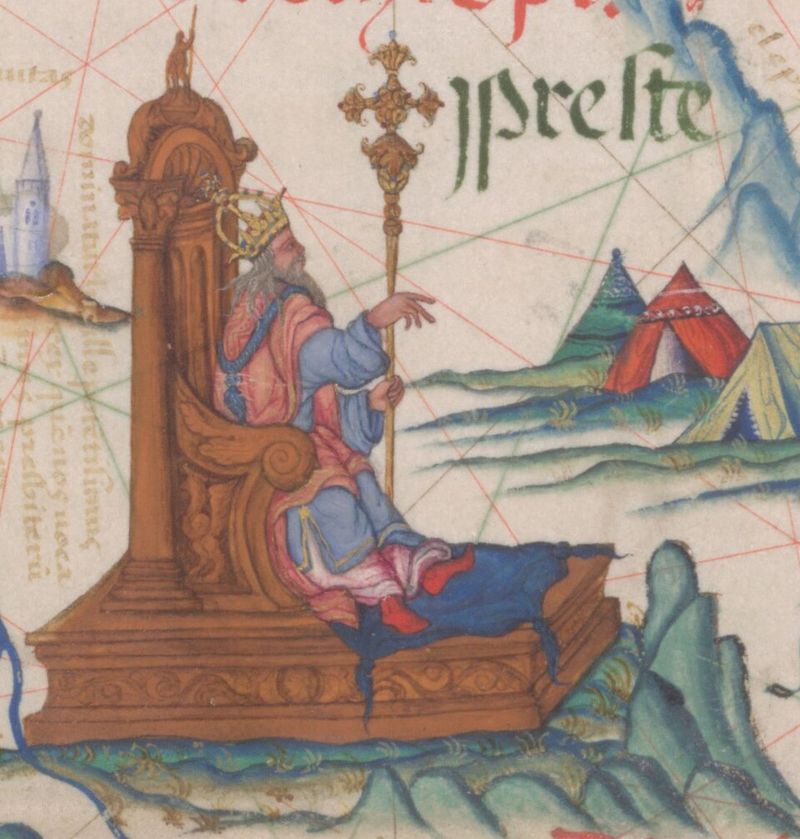
Prester John promised a Christian kingdom somewhere beyond the known world. Letters and rumors painted riches, relics, and alliances waiting to be found. The figure fueled embassies and expeditions built on wishful thinking.
Scholars now see a collage of misunderstandings about Ethiopia, Central Asia, and trade networks. You can watch Europe project hopes onto distant lands. No credible evidence reveals a real monarch behind the legend.
Still, the myth moved ships and diplomacy for centuries. It shows how longing can chart maps as effectively as compasses. In the end, Prester John was a destination made of ink and desire.
20. Robin Hood

Robin Hood feels familiar because the stories fit a timeless appetite for justice. Yet contemporary records stay silent or use Robinhood like a generic outlaw label. Ballads shift dates, rulers, and towns with carefree ease.
Historians have proposed candidates, but none rise above doubt. The character looks like a composite over centuries, shaped by theaters and printers. You can hear villagers and playwrights tuning him to the times.
What remains is an enduring idea of stealing back fairness. Evidence will not pin a single Robin to a tree. The myth keeps drawing its bow, aiming at the heart more than the archive.
Share this story