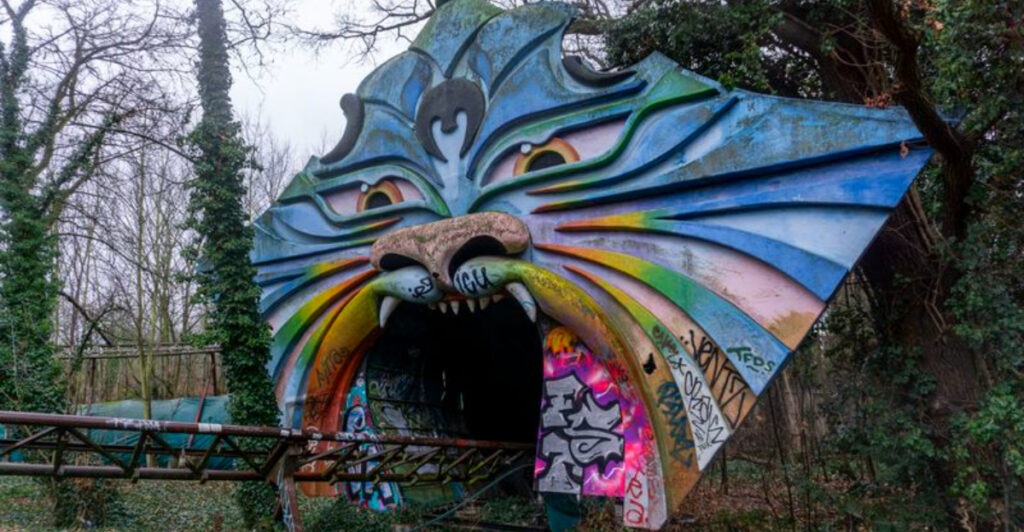
Some theme parks never got their fairytale ending, and the stories behind their silence can be genuinely chilling. These places were once loud with laughter, but now they linger as rusting sculptures of risk, greed, and tragedy. You will recognize a few legends, and others may surprise you with their documented, unsettling pasts. Step carefully as we revisit the parks whose histories were verified and far darker than their cotton candy facades.
1. Six Flags New Orleans – New Orleans, Louisiana, USA
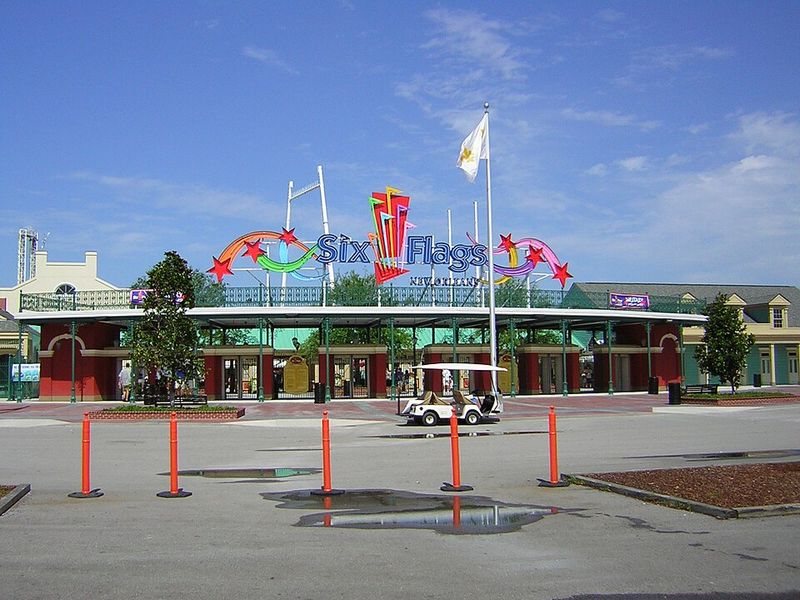
Hurricane Katrina drowned this park in 2005, and the water never forgave it. Rides sat submerged, metal warped, and all the color bled away. Looting followed, then decades of stalled redevelopment plans, leaving twisted coasters like skeletal reminders of a city’s trauma.
Investigators and city officials cataloged the decay, documenting hazardous waste and unstable structures. Film crews later used the apocalyptic landscape because it required almost no set dressing. You can still find aerial images showing collapsed roofs, sunburned parking lots, and tag-scarred facades.
There were dreams of reopening, but legal fights, cost estimates, and insurance realities piled up. The site holds a verified paper trail of assessments and failed proposals. Walking those flooded paths is forbidden for good reason, yet the park persists online as the definitive image of post-disaster abandonment.
2. Lake Shawnee Amusement Park – Rock, West Virginia, USA
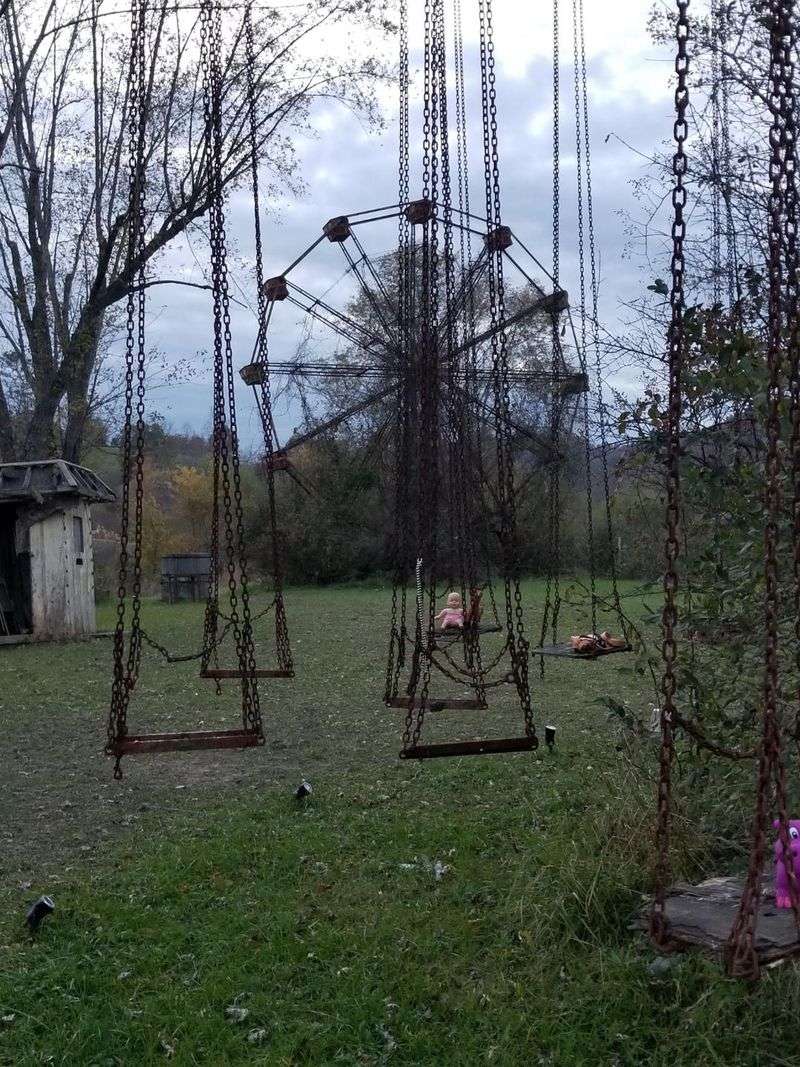
Local records note accidents dating back decades, including the death of a young girl on a swing ride. Archaeological digs uncovered Indigenous graves nearby, amplifying an already uneasy reputation. While legends grow wild, there is verified tragedy and a documented operational history that ended in the 1960s.
The Ferris wheel stands like a rusted halo over soft ground. Owners periodically offer tours, and journalists have recorded the site’s artifacts, fences, and warning signs. It is not just a ghost story but an archive of rural amusement risk-taking.
You will feel the hush of the hills and the way metal creaks when the wind picks up. Accidents, lawsuits, and economic decline sealed its fate. Photographs consistently show that vine-choked swing set, which still looks ready to move if you give it one last ticket.
3. Pripyat Amusement Park – Pripyat, Ukraine
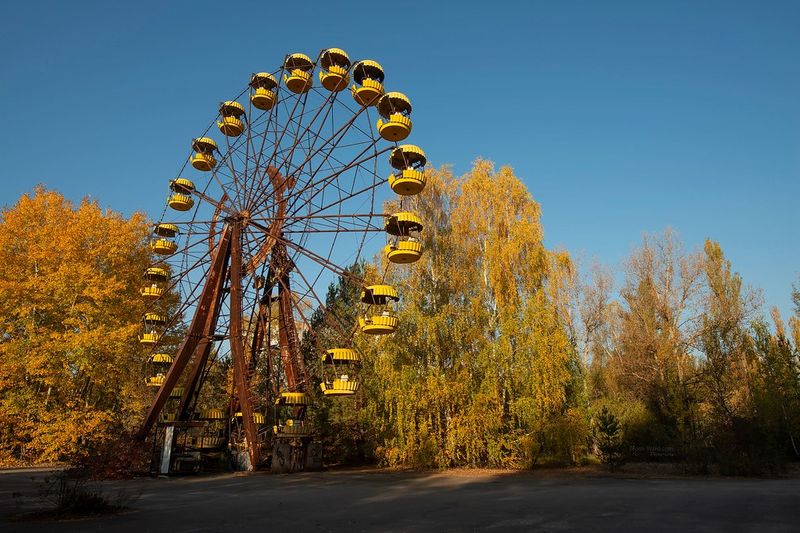
Opened for a single day of celebrations, this park became a symbol of the Chernobyl disaster’s human cost. Official timelines confirm the grand opening was canceled after the reactor explosion, with limited use during evacuation. The Ferris wheel and bumper cars became photographic shorthand for nuclear catastrophe.
Radiation readings, decontamination maps, and evacuation orders are all preserved in archives. Tour companies operating legally within the zone keep logs and safety protocols. You can see weeds burst through asphalt while murals fade behind cracked glass.
The park’s silence is not rumor but measured in microsieverts and years of absence. Every flake of yellow paint tells a verified story of sudden interruption. Visitors report the same unsettling detail: wind pushing empty gondolas slightly, as if the city almost remembers how to celebrate.
4. Okpo Land – Geoje, South Korea (demolished)
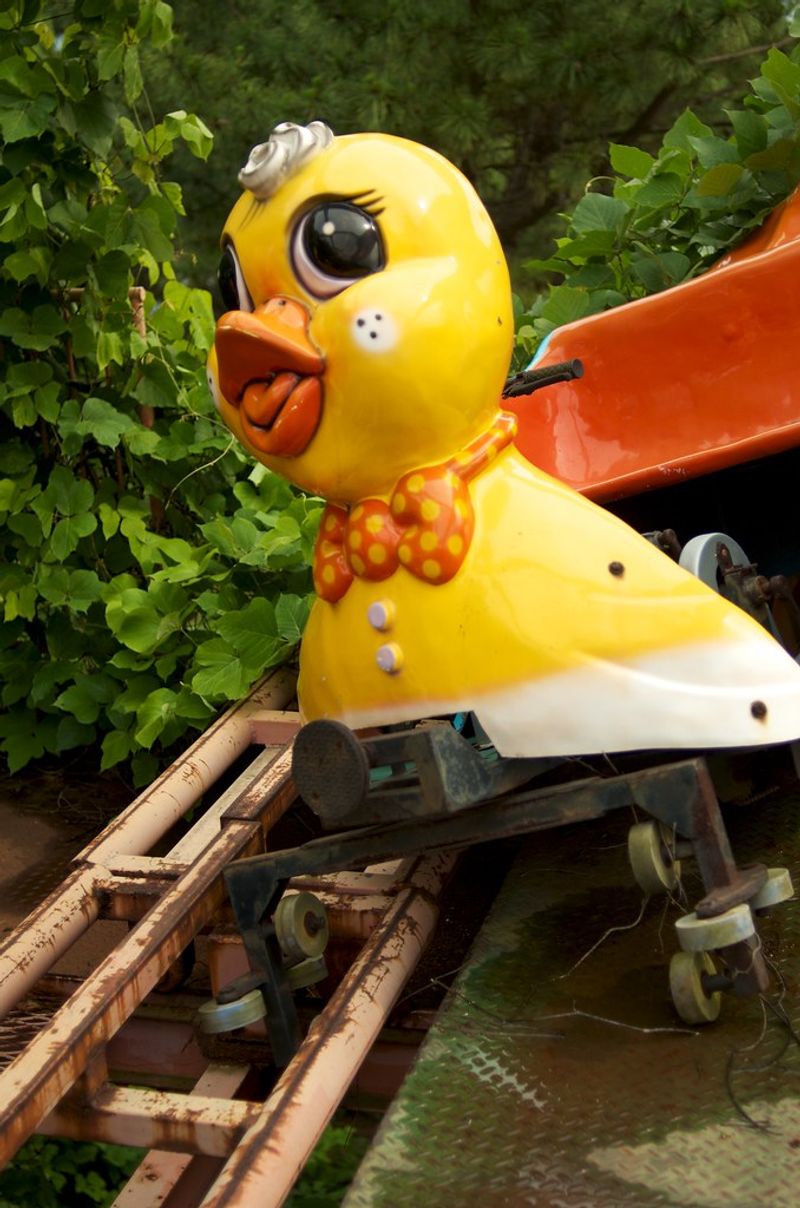
News reports from the 1990s documented fatal accidents, including a child’s death on the duck-themed ride. Authorities investigated, and the park shut its gates abruptly, leaving cars stranded on tracks. Before demolition, urban explorers photographed the eerie final car frozen at the edge.
Local archives and Korean media corroborate the closure timeline and subsequent teardown. The site has since been redeveloped, but verified images show rust, missing track bolts, and dangerously warped supports. Even without standing structures, the paper trail endures.
If you go searching today, you will find offices and housing instead of a midway. But online, the park’s past circulates with time-stamped photos and translated articles. That duck ride car has become a cautionary emblem of lax safety and sudden endings.
5. Takakanonuma Greenland – Fukushima, Japan
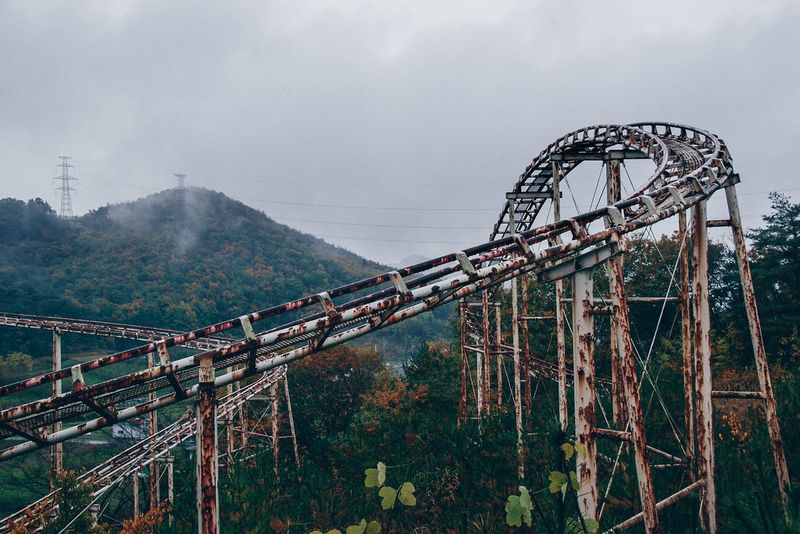
This park closed in the 1970s, briefly reopened, then shut again, spawning rumors of accidents and missing records. Official documents are patchy, yet closure notices and local reporting verify repeated failures. Nature has since reclaimed the grounds with relentless patience.
Photos show coaster spines fading into cloud and footbridges collapsed beneath ferns. Researchers have tried to reconcile lore with municipal filings, building a fragmented but verifiable timeline. What remains is a cautionary tale about maintenance, attendance, and storms.
You will hear conflicting stories, but you can trace the closures through dated signage and tax documents. The fog seems to erase edges, and that uncertainty fuels the legend. Even so, the abandoned machinery is real, rust cataloged in countless photo essays and travelogues.
6. Nara Dreamland – Nara, Japan (demolished)
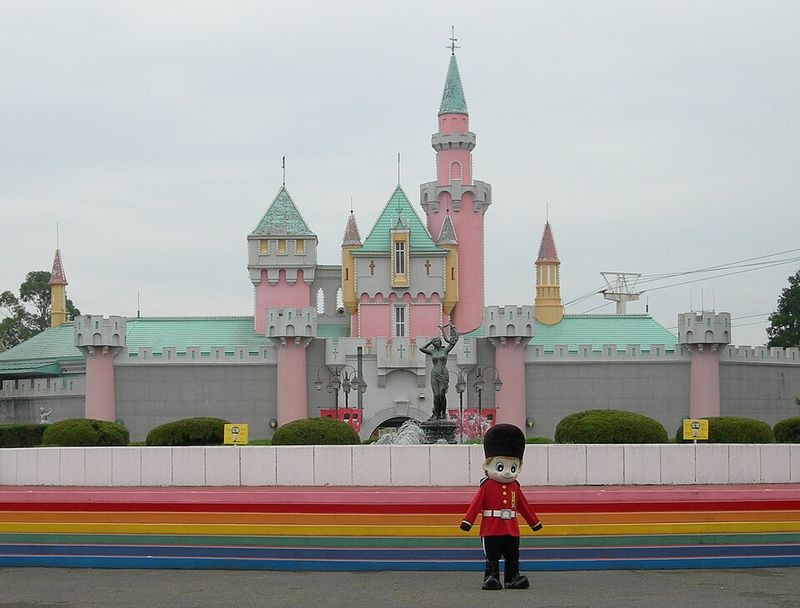
Inspired by Disneyland, this park opened in 1961 and struggled once Tokyo Disney Resort arrived. Attendance collapsed, and official closure came in 2006. For years afterward, explorers documented intact midcentury rides, school lockers, and a melancholy castle.
Security patrols and warning notices were well documented, as were fines for trespassers. Developers eventually demolished the site, and verified demolition permits confirm the end. Yet thousands of images remain, capturing monorail pylons and a wooden coaster turning skeletal.
If you crave neon nostalgia, Nara Dreamland delivers it through archives, not tickets. The story is confirmed by court filings, zoning documents, and municipal announcements. It is a case study in competition crushing imitation, then leaving a photogenic ruin behind.
7. Spreepark – Berlin, Germany
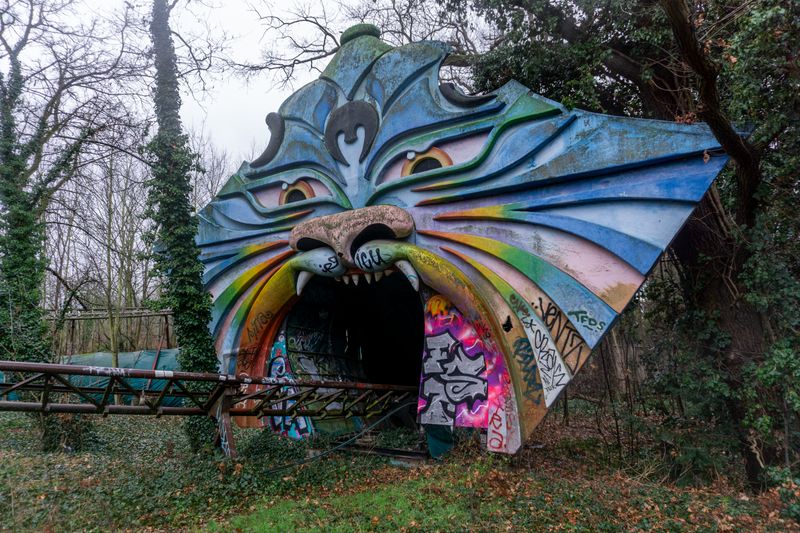
Opened in East Berlin, Spreepark later became infamous for debts and a bizarre drug smuggling case tied to ride imports. Financial audits and court records verify the messy downfall. After closure, vandalism and fires scarred the grounds, while swan boats and dinosaurs decayed photogenically.
City plans detail partial redevelopment, tours, and preservation efforts for select artifacts. Photographers captured collapsed funhouse halls and coaster supports against the Spree River. Each season added a new layer of moss and graffiti.
Walking the site feels like flipping pages in a public file. You can track ownership transfers, bankruptcies, and arrests through news archives. The park’s darkness is documented, not whispered, leaving little doubt about why the laughter stopped.
8. Joyland Amusement Park – Wichita, Kansas, USA
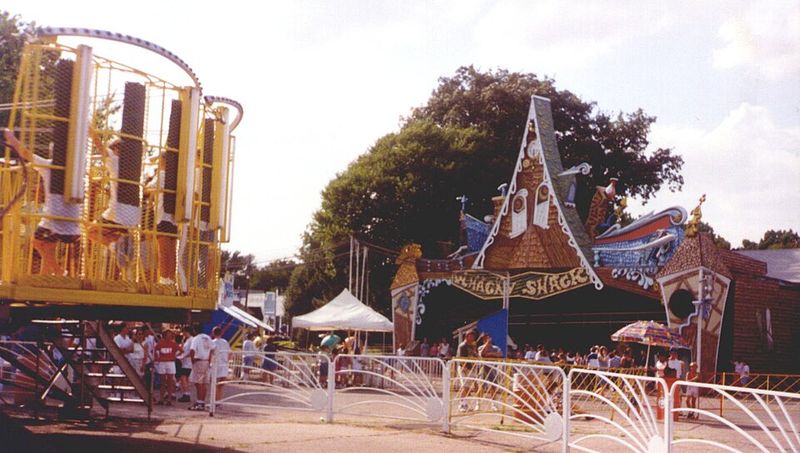
Joyland ran for decades, then closed after accidents, vandalism, and funding shortfalls. The famous Wurlitzer organ and the creepy animatronic clown became symbols of decline. Newspaper archives verify incidents, break-ins, and stalled preservation projects.
Photos show a battered wood coaster and peeling midway murals. Fire damaged structures, and official reports recorded the losses. Community groups tried to rescue artifacts, documenting every salvage.
You can still find restoration updates and police reports outlining theft and arson. The park’s fall is not a mystery but a sad ledger of repair estimates and unpaid bills. In the end, Joyland’s laughter faded into caution tape and fundraising pleas that never quite met the mark.
9. Ghost Town in the Sky – Maggie Valley, North Carolina, USA
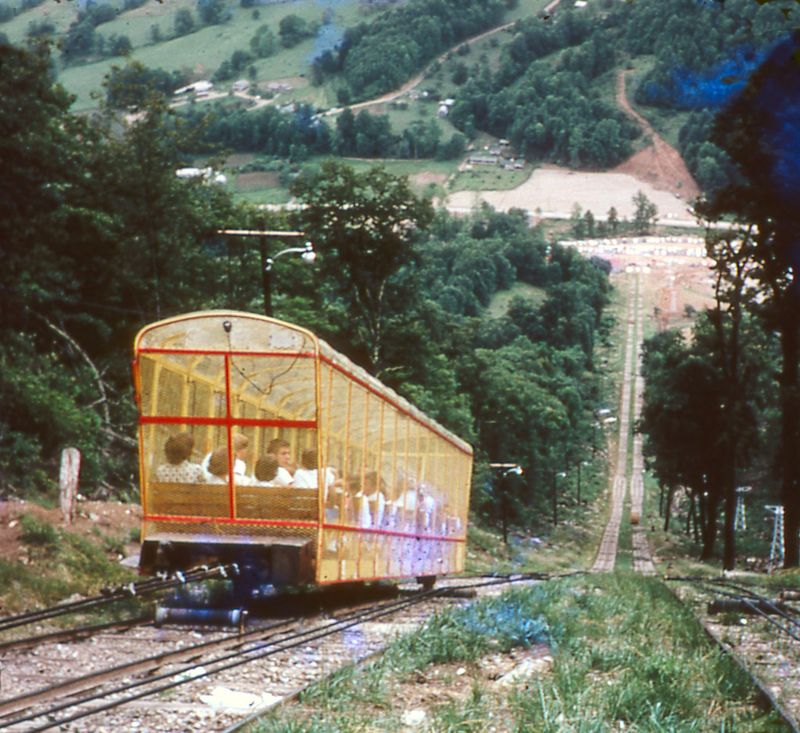
Perched on a mountain, this park relied on a chairlift that became both lifeline and liability. Mechanical failures, financial troubles, and injuries are recorded across decades. Public filings and safety inspections verify repeated closures and attempted revivals.
Western facades now lean against the wind while the coaster sits stripped and silent. Developers cycle in with promises, and news outlets chronicle each plan’s slow unraveling. The altitude adds drama, but it also adds maintenance headaches.
Visitors describe eerie gunfight streets without actors, only creaking signs. The chairlift’s history is written in repair logs and headline delays. You can read the pattern clearly: grand reopenings announced, then postponed, then forgotten.
10. Jazzland (Six Flags predecessor) – New Orleans, Louisiana, USA
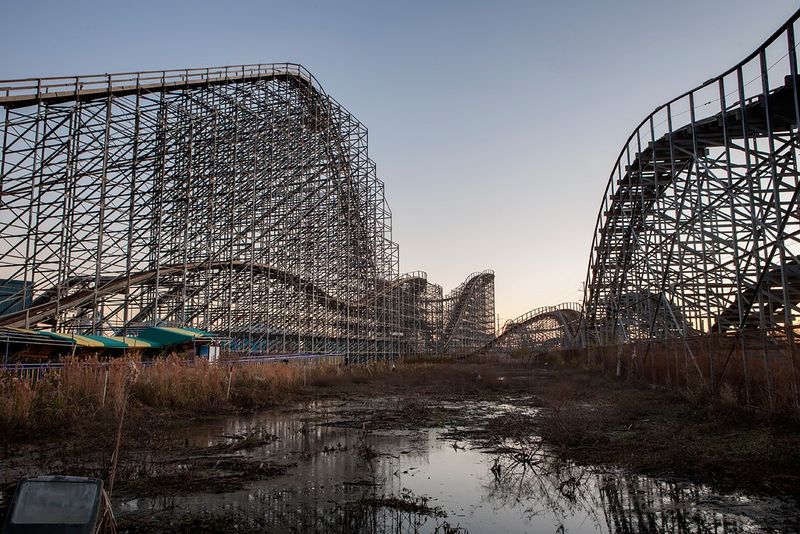
Before Six Flags rebranded the site, Jazzland struggled with attendance and finances. Public records chart the transition, revealing debt and optimistic projections that never landed. Katrina’s floodwaters then sealed everything under a grim, verified deluge.
Photos from the Jazzland era show themed districts now rusted into anonymity. Developers floated proposals, and city councils debated incentives while the park sank deeper into ruin. Paperwork piled up like silt.
You can follow the name change through contracts, lawsuits, and insurance claims. Ultimately, the chronology proves that branding could not outrun geography and risk. Jazzland became a soggy memory, documented in soaked blueprints and aerial surveys.
11. Dadipark – Dadizele, Belgium
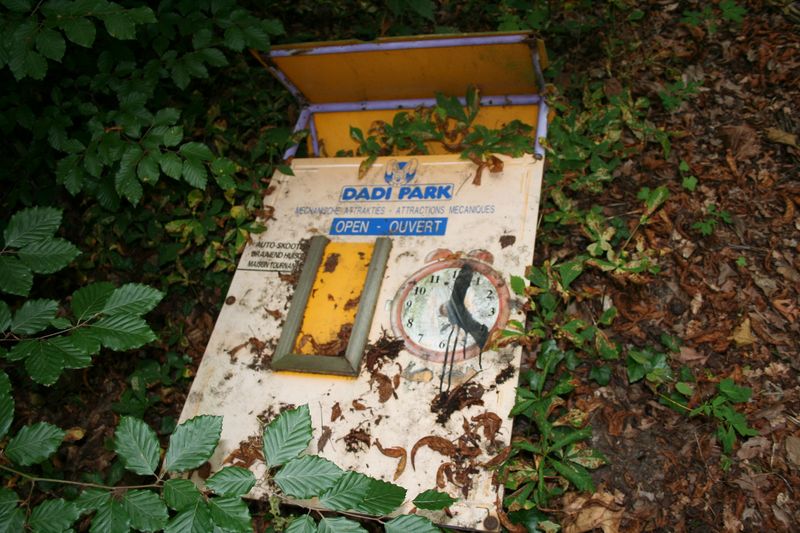
Opened in the 1950s as a church youth park, Dadipark evolved into a low cost amusement space. A severe accident in 2000 involving a boy on a ride sparked legal scrutiny and declining attendance. Verified reports and municipal records trace the shutdown and dismantling.
Photographs show skeletal slides and empty pedal boats in weed-choked ponds. The tone is not sensational, just quietly sad and bureaucratic. Safety standards tightened while budgets could not keep pace.
What remains are archived court documents and local news clippings. You can watch the optimism of a community park turn into cautionary signage and closures. Dadipark’s legacy sits in folders and photo albums rather than joyous lines at the gate.
12. Camelot Theme Park – Lancashire, England
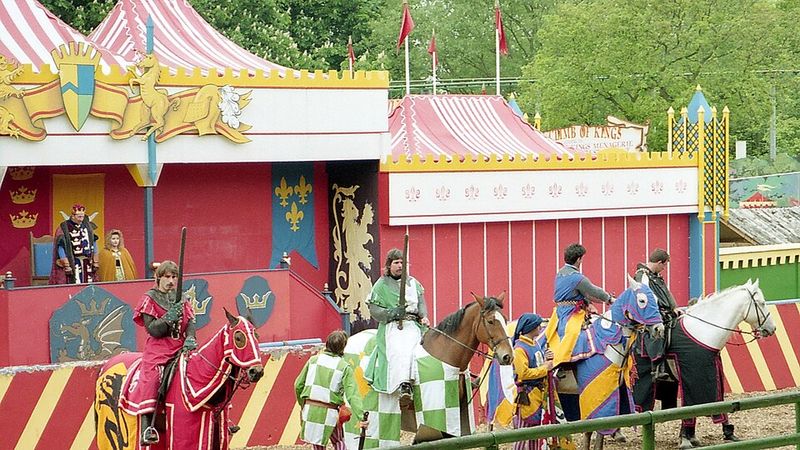
This medieval themed park closed in 2012 after falling attendance and changing competition. Planning documents and company filings verify the numbers behind the decision. Post closure, security struggled against trespassers, and arson damaged key buildings.
Photos capture knights toppled in the mud and a dragon coaster asleep under ivy. Local councils weighed redevelopment while the site grew increasingly hazardous. Newsrooms documented every blaze and proposal with weary precision.
You will recognize the uniquely British melancholy of drizzle on fiberglass castles. The verified record is simple: fewer visitors, tightening margins, then fire. Camelot’s legend ends not with a sword in a stone but with a padlock and scorched plywood.
13. Chippewa Lake Park – Ohio, USA
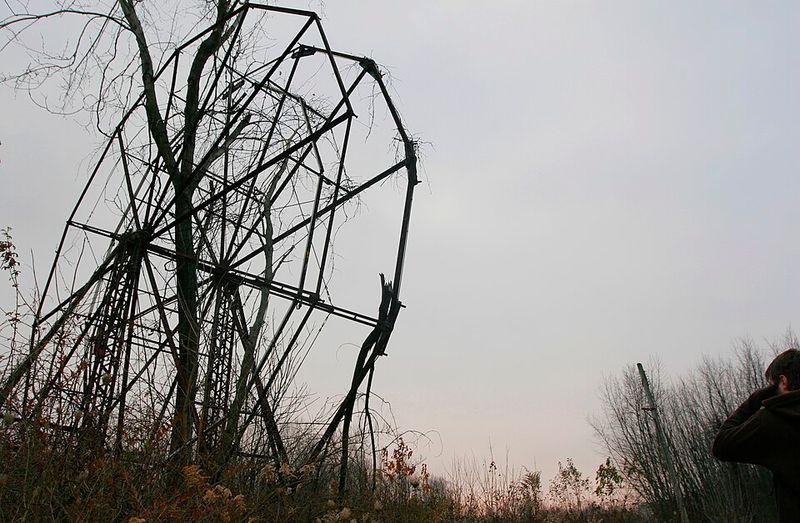
Operating for nearly a century, Chippewa Lake Park closed quietly in 1978 due to financial decline. For decades, rides sat hidden by trees, creating surreal photographs of a coaster swallowed by forest. Property records and historical societies maintain verified timelines of ownership and decay.
Old brochures show family picnics where only poison ivy gathers now. The grand ballroom fell, and storms pushed structures into the mud. Every year, more wood returned to the soil.
You can trace the story through auction lists and rescue efforts for antique cars. Nothing spooky is required, only neglect and weather. The park is a time capsule, documented with patience by local historians and careful explorers.
14. Holy Land USA – Waterbury, Connecticut, USA
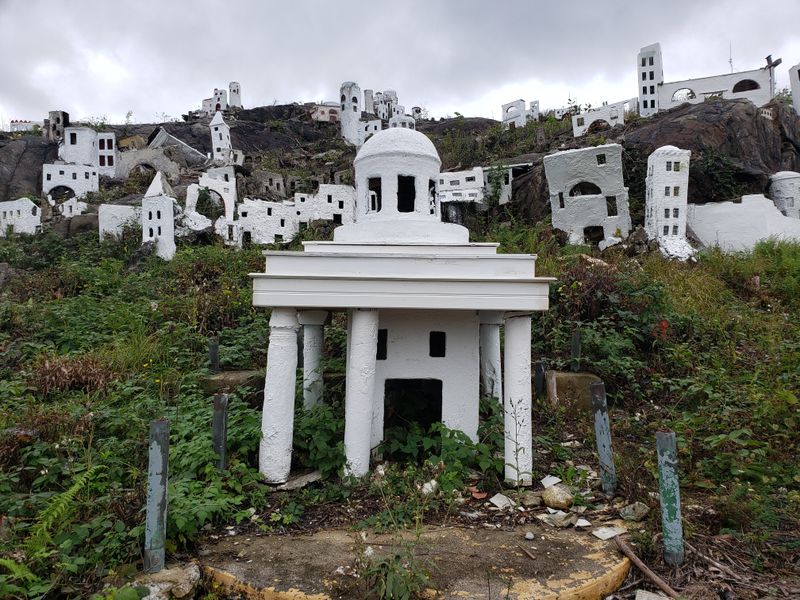
Built as a devotional roadside park, Holy Land USA fell into disrepair after the founder’s death. A homicide on the property in 2010 darkened its reputation further, documented by police and press. Volunteers later erected a new cross, but much remains fragile and fenced.
Photographs show chipped scripture plaques and miniature Bethlehem scenes sinking into brush. Municipal records confirm sporadic restoration permits and safety measures. The mood is solemn rather than playful.
You will not find rides, only relics that weather cannot spare. The verified tragedy weighs heavily on a site already fading. Visitors describe a quiet hill where faith, memory, and crime reports intersect uncomfortably.
Share this story