
School textbooks from decades past were packed with facts that seemed rock-solid at the time. Scientists and educators believed they were teaching truth, but research has a funny way of turning old certainties upside down. Many lessons Boomers learned in their classrooms have been corrected, updated, or completely thrown out as new discoveries emerged.
1. You Don’t Use Only 10% of Your Brain
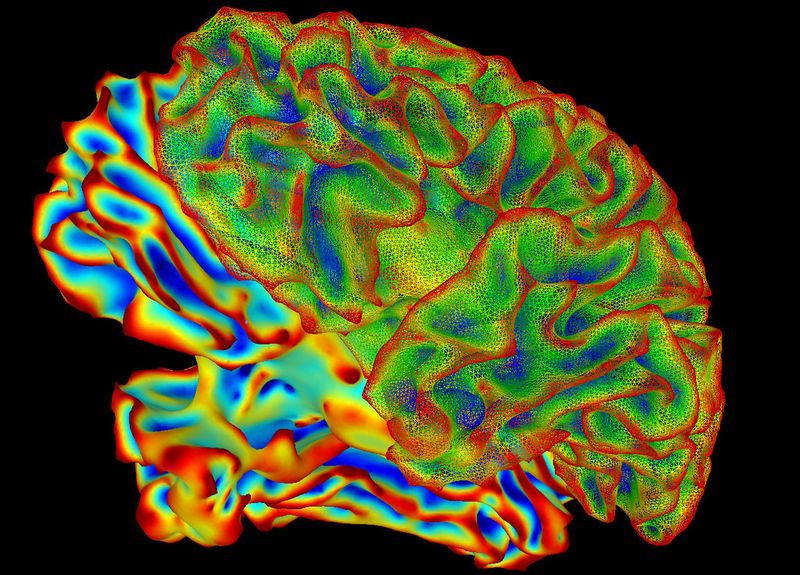
Brain scans reveal something amazing: nearly every part of your brain lights up with activity throughout the day. Even simple tasks like tying your shoes or daydreaming activate multiple regions at once.
The 10% myth probably started from misunderstood research about neurons. Scientists now know that you use virtually all of your brain, just not all at the same time. Different activities wake up different areas, creating a beautiful symphony of neural connections that keeps you thinking, feeling, and moving through life.
2. The Old Food Pyramid Wasn’t a Perfect Guide (It’s Been Replaced)
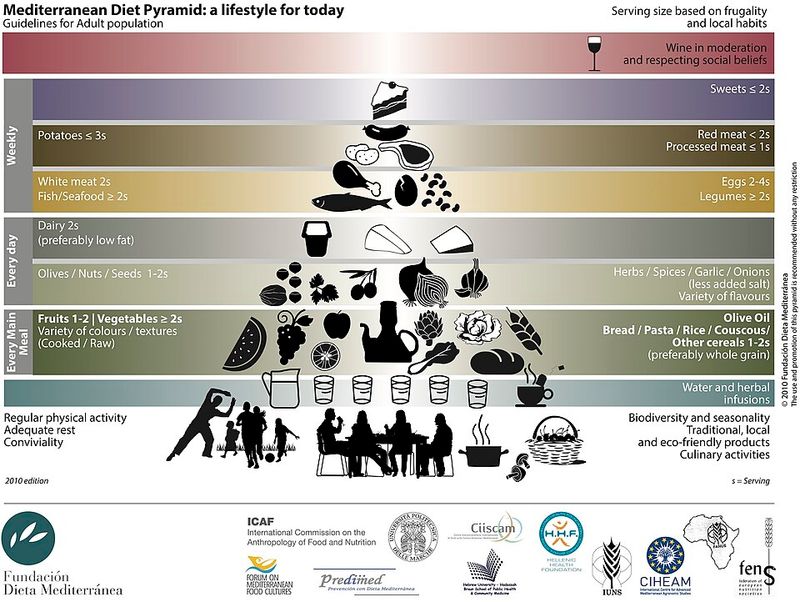
Remember that pyramid with bread at the bottom and fats at the tiny top? Nutritionists now cringe at how it encouraged people to load up on carbs while avoiding all fats equally.
Research showed the pyramid oversimplified nutrition badly. Healthy fats from nuts and fish are essential, while some carbs spike blood sugar dangerously. The newer MyPlate model focuses on balanced portions of vegetables, fruits, proteins, grains, and dairy, giving a clearer picture of what belongs on your plate at each meal.
3. Pluto Isn’t Classified as the 9th Planet Anymore

Poor Pluto got demoted in 2006, and astronomy teachers everywhere had to rewrite their lessons. Astronomers discovered dozens of similar icy objects in Pluto’s neighborhood, forcing them to rethink what counts as a planet.
The International Astronomical Union created stricter rules: a planet must clear its orbital path of other debris. Pluto shares its space with countless other objects in the Kuiper Belt, so it became a dwarf planet instead. The decision sparked debates that still haven’t cooled down completely.
4. The Tongue Taste Map You Learned Is Wrong
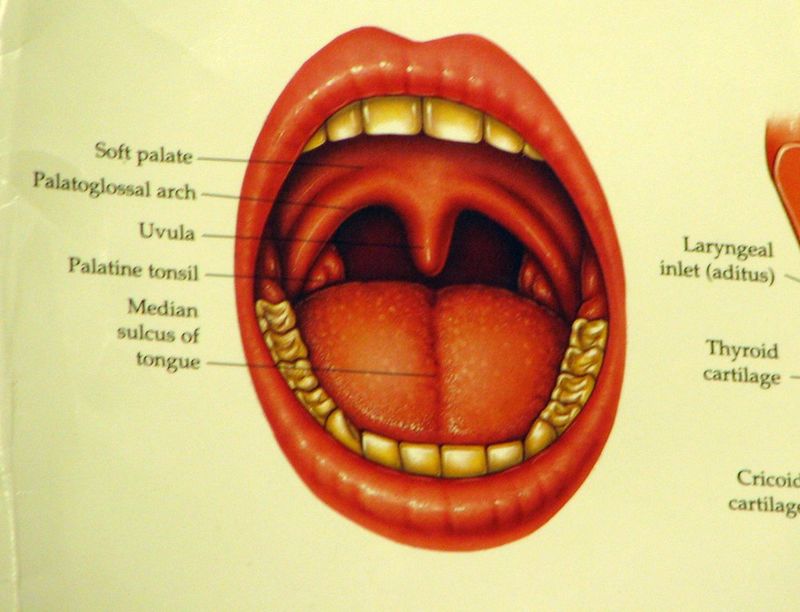
That colorful diagram showing sweet at the tip and bitter at the back? Completely made up. Your tongue detects all five tastes – sweet, salty, sour, bitter, and umami – everywhere taste buds exist.
The myth came from a mistranslated German paper from 1901. Scientists have since proven that taste receptors for different flavors are scattered across your entire tongue. Some areas might be slightly more sensitive to certain tastes, but the difference is so small it barely matters when you’re enjoying your favorite meal.
5. Columbus Wasn’t the First European to Reach the Americas

Vikings beat Columbus by about 500 years, establishing settlements in Newfoundland around 1000 CE. Archaeological evidence at L’Anse aux Meadows proves Norse explorers crossed the Atlantic long before 1492.
Leif Erikson and his crew sailed from Greenland to what they called Vinland. Columbus deserves credit for opening sustained contact between Europe and the Americas, but he definitely wasn’t first. Indigenous peoples, of course, had been living throughout the Americas for thousands of years before any Europeans arrived.
6. Low-Fat Isn’t Automatically Best for Health or Weight Loss

The low-fat craze of the 1980s and 90s turned out to be misguided. Food companies replaced fat with sugar and refined carbs, making products worse for your health.
Modern research shows that healthy fats from avocados, nuts, olive oil, and fish support brain function, hormone production, and heart health. Your body actually needs fat to absorb certain vitamins. The real villains are trans fats and excessive sugar, not all dietary fat. A balanced approach beats extreme restriction every time.
7. Duck and Cover Wasn’t a Magic Shield Against Nukes

Those Cold War drills where kids hid under desks seem almost comical now. A nuclear blast creates heat, radiation, and shockwaves powerful enough to vaporize buildings miles away.
A wooden desk offers zero protection from the initial explosion if you’re anywhere near ground zero. However, the drills weren’t completely useless—they could help people farther from the blast avoid flying glass and debris. Still, authorities now admit the campaigns were partly about giving people a sense of control during terrifying times, even if the actual protection was minimal.
8. The Bermuda Triangle Isn’t a Supernatural Hotspot

Spooky stories made this patch of ocean between Florida, Bermuda, and Puerto Rico sound like a death trap. Statistical analysis reveals nothing unusual happens there compared to other heavily trafficked sea routes.
The area sees lots of船traffic and unpredictable weather, which explains accidents perfectly well without invoking aliens or portals. The Coast Guard doesn’t recognize the Bermuda Triangle as particularly dangerous. Most disappearances have logical explanations: human error, equipment failure, or sudden storms that can appear in any ocean.
9. Shaving Doesn’t Make Hair Grow Back Thicker

Generations of teens worried that one shave would doom them to a lifetime of extra-thick hair. Dermatologists confirm this is purely optical illusion.
When hair grows naturally, it tapers to a fine point at the end. Shaving cuts it bluntly at the thickest part of the shaft, so the stubble feels coarser when it emerges. The hair isn’t actually thicker, darker, or growing faster—it just seems that way because you’re feeling the blunt edge instead of the tapered tip that wore down naturally.
10. A Penny Dropped From a Skyscraper Won’t Kill You Like a Bullet

Physics teachers love busting this myth. A penny is too light and has the wrong shape to become deadly, no matter how far it falls.
Air resistance limits how fast a penny can drop—it reaches terminal velocity around 30-50 mph, causing a sting at worst. Its flat shape makes it tumble and flutter rather than drill straight down. Mythbusters tested this by shooting pennies at ballistic gel, and they barely made a dent. You definitely shouldn’t drop things from tall buildings, but a penny won’t turn into a lethal weapon.
11. You Usually Can’t See the Great Wall of China From Space With the Naked Eye

Astronauts have repeatedly debunked this popular claim. From low Earth orbit, you can spot cities, highways, and rivers, but the Great Wall is too narrow and blends with the landscape.
The wall is only about 30 feet wide in most places—far too thin to distinguish from 200 miles up without magnification. Some astronauts thought they saw it but later realized they were looking at rivers or other features. With a telephoto camera lens, sure, but with naked eyes alone? Not happening, despite what your social studies teacher insisted.
12. Dinosaurs Weren’t Just Slow, Cold-Blooded Giant Lizards

Old textbooks portrayed dinosaurs as sluggish reptiles dragging their tails through swamps. Fossil evidence now paints a radically different picture of active, dynamic animals.
Many dinosaurs likely had metabolism rates between modern reptiles and mammals, with some species possibly fully warm-blooded. Their bone structure shows they moved efficiently, sometimes at high speeds. Feathered dinosaurs blur the line between reptiles and birds even further. These creatures dominated Earth for 165 million years not by being slow and stupid, but by adapting brilliantly to countless environments.
13. Coffee Doesn’t Stunt Your Growth

Parents warned their kids away from coffee for decades, fearing it would keep them short. No scientific evidence supports this worry.
The myth possibly started because coffee can interfere with calcium absorption if you drink excessive amounts. However, normal coffee consumption has zero effect on bone growth or final adult height. Genetics, nutrition, and overall health determine how tall you’ll grow. A cup of coffee won’t change your DNA. Caffeine does affect kids differently than adults, but stunted growth isn’t one of the concerns doctors actually have.
14. Sugar Doesn’t Automatically Make Kids Hyperactive

Birthday parties convinced generations of parents that sugar turned children into tiny tornados. Multiple controlled studies found no direct link between sugar intake and hyperactivity.
What’s really happening? Exciting environments like parties naturally amp kids up, and sugar just happens to be there. Parents expecting hyperactivity also perceive normal excited behavior as more extreme. Some children with specific sensitivities might react to certain additives, but pure sugar itself isn’t the culprit. The belief is so strong that placebo effects can occur when parents think their kids ate sugar.
15. Lightning Can Strike the Same Place Twice
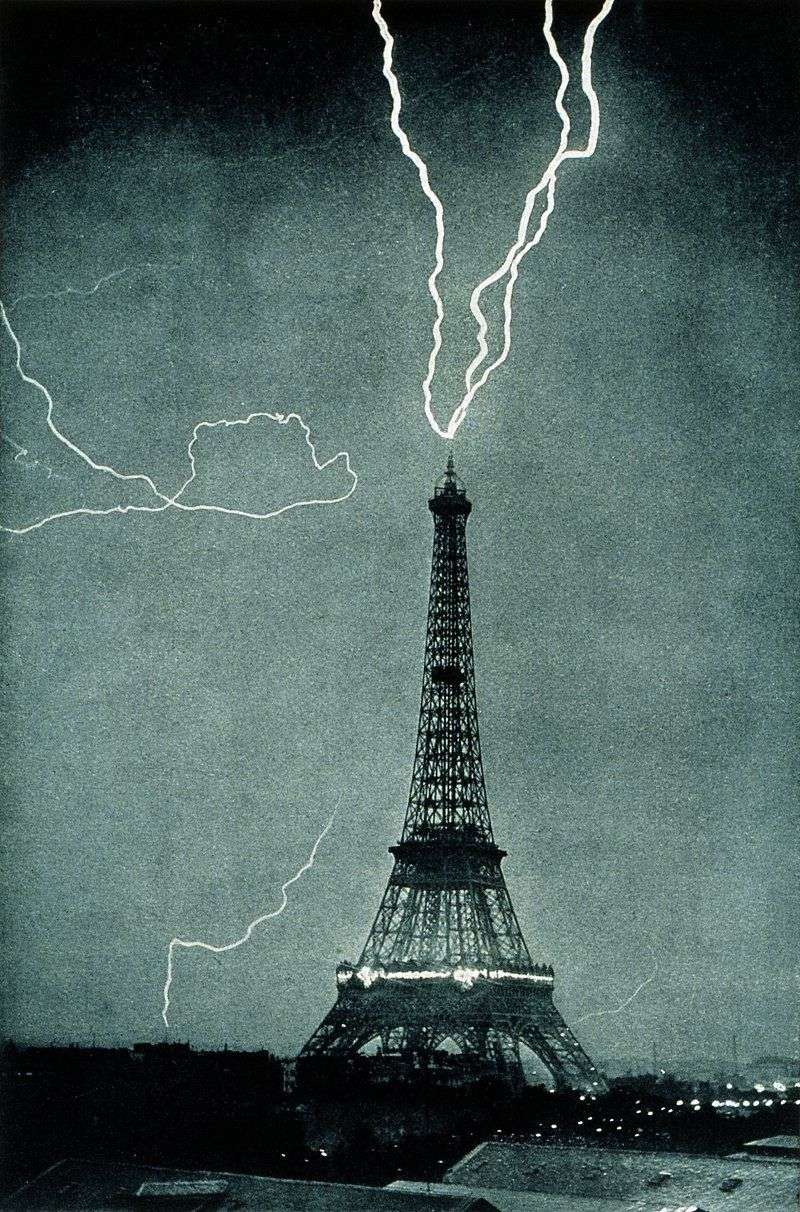
The Empire State Building gets struck about 25 times per year, proving this old saying completely wrong. Lightning follows the path of least resistance, which doesn’t change between storms.
Tall structures, isolated trees, and high points attract lightning repeatedly because they still offer the best route to the ground during the next storm. If anything, a previous strike might leave residual conductivity that makes another strike more likely. Never assume a recently-struck spot is safe. Take the same precautions everywhere during thunderstorms, regardless of lightning history in that exact location.
16. Cracking Your Knuckles Doesn’t Clearly Cause Arthritis

One dedicated doctor cracked the knuckles on only his left hand for 60 years and found no difference in arthritis between his hands. Studies consistently show no connection between knuckle cracking and joint disease.
The popping sound comes from gas bubbles collapsing in the synovial fluid surrounding your joints. While habitual cracking might cause minor swelling or reduced grip strength over time, it doesn’t damage cartilage or cause arthritis. Your grandmother’s warnings came from concern, not science. That said, if cracking causes pain, you should probably stop anyway.
17. Going Outside With Wet Hair Doesn’t Give You a Cold

Viruses cause colds, not temperature or dampness. You could walk outside in winter with soaking wet hair and frozen feet, and you still wouldn’t catch a cold unless a virus entered your body.
The confusion comes from seasonal patterns—people catch more colds in winter because they crowd indoors where viruses spread easily, not because of the weather itself. Wet hair might make you uncomfortable and could contribute to mild hypothermia in extreme cases, but it won’t create a cold virus out of thin air. Wash your hands and avoid sick people instead.
18. Babies Shouldn’t Be Put to Sleep on Their Stomachs

Doctors once recommended stomach sleeping to prevent choking if babies spit up. Then researchers discovered this position dramatically increased the risk of Sudden Infant Death Syndrome.
The Back to Sleep campaign in the 1990s cut SIDS deaths in half by teaching parents to place babies on their backs. Stomach sleeping can restrict breathing and cause babies to rebreathe their own exhaled air. Modern guidelines are crystal clear: back is best for every sleep until babies can roll over independently. This simple change has saved thousands of lives.
19. You Don’t Have to Wait 30-60 Minutes After Eating to Swim

Summer camps enforced this rule religiously, but the American Red Cross confirms it’s unnecessary. Your body can absolutely handle swimming and digesting at the same time.
The myth suggested blood would rush to your stomach, leaving muscles without enough oxygen and causing cramps. In reality, your body manages blood flow efficiently to multiple areas simultaneously. You might feel sluggish swimming right after a huge meal, but you won’t suddenly cramp up and drown. Competitive swimmers often eat closer to events than the old rule would allow, with zero problems.
20. Carrots Don’t Give You Super Night Vision

British propaganda during World War II created this myth to hide their new radar technology from enemies. They claimed their pilots spotted German planes at night thanks to carrot-rich diets.
Carrots do contain vitamin A, which supports normal vision and prevents deficiency-related blindness. However, eating extra carrots won’t give you better-than-normal night vision or let you see in the dark. Once your body has enough vitamin A, additional amounts don’t enhance your eyesight further. The propaganda worked so well that people still believe it 80 years later.
21. Chameleons Don’t Change Color Only to Match Their Background

Cartoons showed chameleons instantly matching plaid shirts or checkerboard floors. Real chameleons change color primarily for communication and temperature regulation, not camouflage.
Males brighten their colors to attract females or warn away rivals. Darker colors help absorb heat on cool mornings, while lighter shades reflect heat when it’s hot. Mood and health also affect coloration. Chameleons can’t match any background—they have a limited palette based on their species. Their default colors already provide decent camouflage in their natural habitats without any active matching required.
22. Hair and Nails Don’t Keep Growing After Death
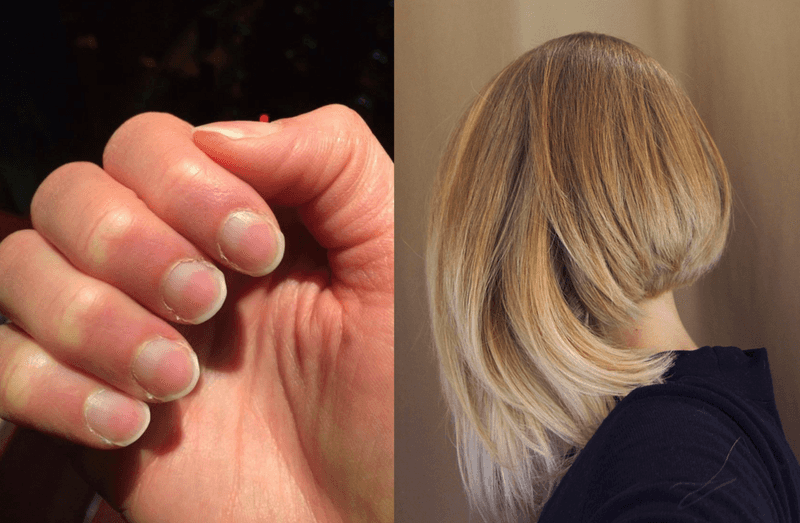
This creepy idea comes from a simple optical illusion that fooled people for centuries. Dead bodies can appear to have longer hair and nails, but nothing is actually growing.
After death, the skin dehydrates and shrinks back from hair follicles and nail beds, exposing more of the hair shaft and nail that was previously hidden under skin. Growth requires metabolism, nutrients, and living cells—all of which stop permanently at death. The illusion is convincing enough that it inspired countless horror stories, but biology doesn’t work that way once life ends.
23. Humans Didn’t Evolve From Modern Apes
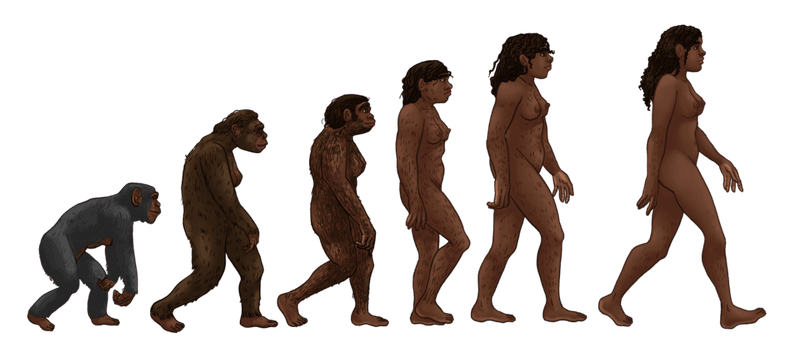
The phrase humans evolved from monkeys misrepresents evolution badly. Humans and modern apes share common ancestors, but we didn’t descend from chimpanzees or gorillas you’d see at a zoo today.
Imagine a family tree where humans and chimps are cousins with a shared grandparent species that lived millions of years ago. That ancestor split into different branches, with each evolving separately. Chimps continued evolving into modern chimps while our branch developed into humans. We’re more like siblings from the same ancient family than parent and child.
24. Mercury Thermometers Aren’t Perfectly Safe When They Break
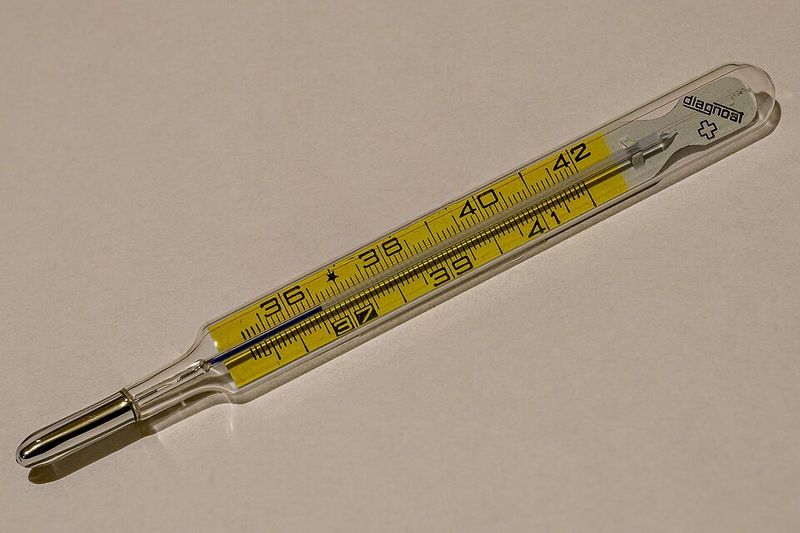
Older generations handled broken thermometers casually, watching the fascinating silver beads roll around. Mercury is actually a potent neurotoxin that can damage your brain, kidneys, and nervous system.
The liquid metal vaporizes at room temperature, and breathing those invisible fumes is the real danger. Mercury accumulates in your body over time rather than being eliminated easily. Modern thermometers use safer alternatives like alcohol with red dye. If you break an old mercury thermometer, you should ventilate the room, carefully collect the mercury without vacuuming, and dispose of it properly at a hazardous waste facility.
Share this story