Vacant homes are reshaping neighborhoods across the country, and the numbers are reaching eye catching highs. If you wonder what empty properties signal for affordability, taxes, or your next investment move, you are not alone. These trends can reveal opportunities, risks, and the local stories behind shifting demand. Let’s tour the cities where vacancy rates are surging and what that means for you.
1. New Orleans, Louisiana
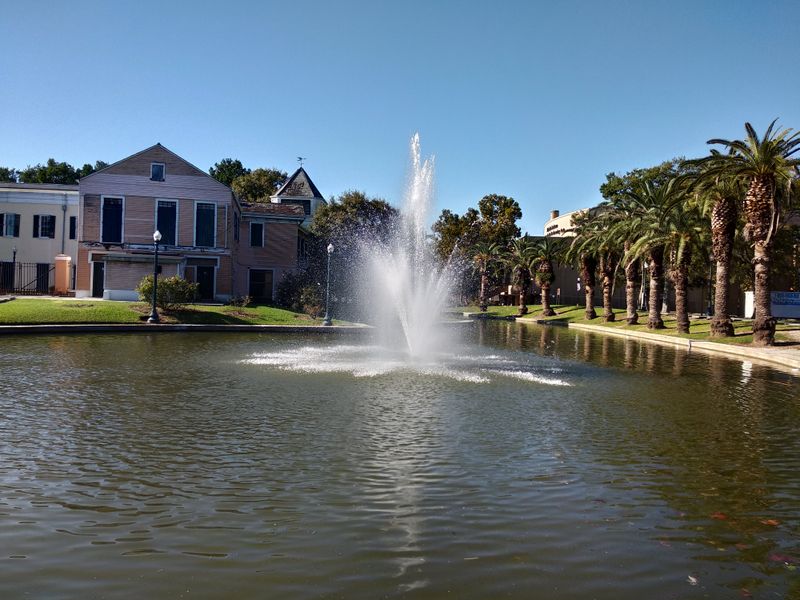
New Orleans tops the list, and the numbers are hard to ignore. You will see blocks where lively shotgun homes sit beside shuttered properties, telling a story of recovery, insurance costs, and seasonal demand. Tourism keeps many units short term ready, yet long term stability still wobbles.
As a buyer, you might find value if you plan carefully and budget for repairs and insurance. Sellers face longer days on market unless pricing reflects condition and flood risk. For renters, options abound, but neighborhoods vary widely in amenities and resilience.
2. Tuscaloosa, Alabama
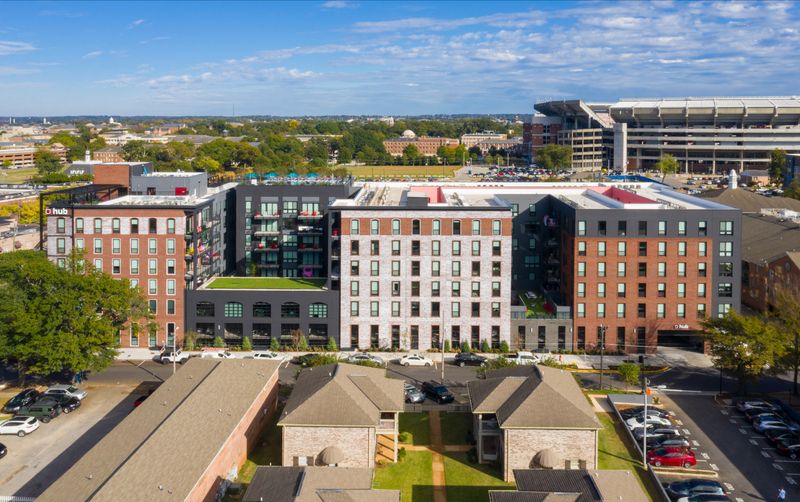
Tuscaloosa’s vacancy rate surprises many because college towns feel perpetually full. Academic calendars shape supply, leaving some properties empty between semesters or after graduation waves. You can spot pockets where purpose built student housing competes with older rentals.
If you are investing, underwrite conservative off season occupancy and maintenance. Owners should consider flexible leasing and furnished options to stabilize income. For residents, expect wide price spreads between campus adjacent units and outer neighborhoods, with incentives sometimes sweetening deals.
3. Detroit, Michigan
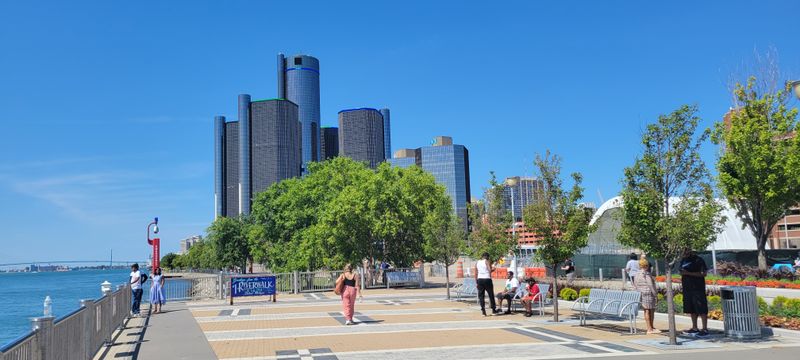
Detroit’s story is complex, with renewal right beside vacancy. You will find renovated blocks, new cafes, and then sudden gaps where homes sit unused or lots have gone green. Economic shifts and migration patterns still echo through the housing grid.
Buyers can uncover bargains, but renovation budgets and holding time matter. Land bank opportunities and tax auctions may offer entry, yet due diligence is essential. Renters benefit from choice, though quality varies, so inspections and neighborhood scouting pay off.
4. Pompano Beach, Florida
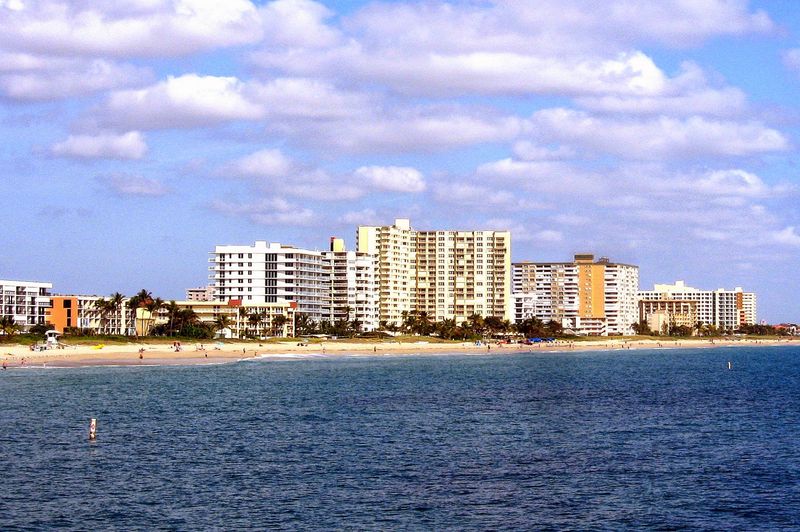
Pompano Beach shows how vacation living drives vacancy. Many condos sit quiet off season, with lights returning when snowbirds arrive. You will notice immaculate buildings with sporadic activity and short term rental rules shaping availability.
Investors should check HOA regulations, rental caps, and hurricane insurance costs. Sellers can attract buyers with turnkey finishes and strong reserve disclosures. Renters may score deals in shoulder months, but expect premium pricing during peak winter.
5. Fort Lauderdale, Florida
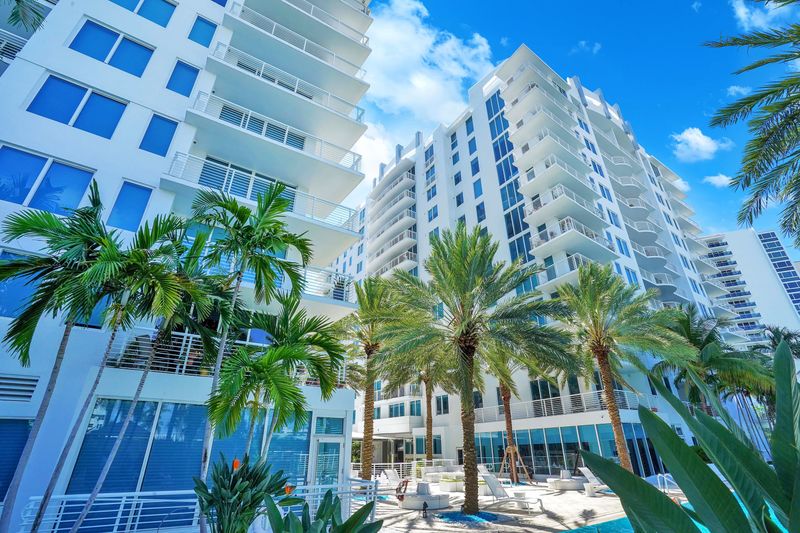
Fort Lauderdale’s waterways glisten while many residences rest empty part of the year. Seasonal owners and pied a terres keep vacancy elevated, even as demand surges for lifestyle amenities. You can feel the contrast between bustling marinas and silent condo towers.
Before buying, verify special assessments, wind mitigation, and flood zones. Owners leaning toward rentals should confirm city rules and HOA permissions. For renters, timing matters, and negotiating during hurricane season or summer can unlock better terms.
6. Clearwater, Florida
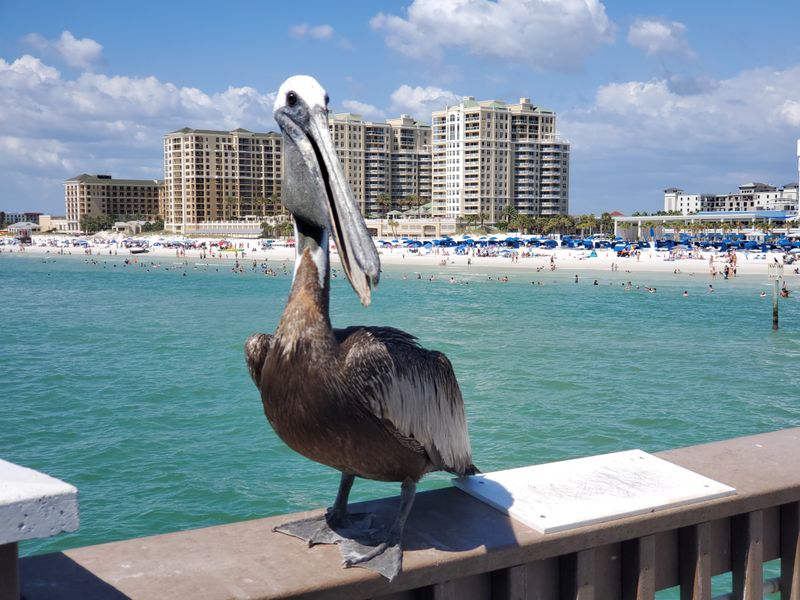
Clearwater mixes resort charm with a sizable share of unused units. Vacation homes and part time residents keep lights off in many buildings after spring break. You will notice hospitality driven streets that quiet quickly once tourists leave.
Investors should weigh nightly rental limits, parking requirements, and insurance line items. Sellers win with updated hurricane windows and documented reserves. Renters can find value inland, where year round communities offer steadier pricing and fewer seasonal spikes.
7. Birmingham, Alabama
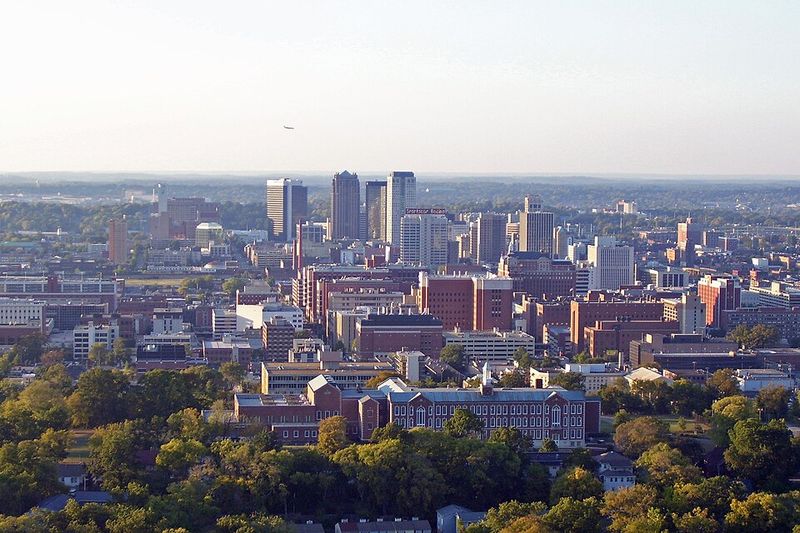
Birmingham’s vacancy reflects shifting industry footprints and suburban pull. In some districts, renovated bungalows sit near boarded structures, reminding you that recovery is uneven. Job growth corridors are lifting demand, while older housing stock lags behind.
Buyers should focus on blocks with recent permits and active neighborhood groups. If selling, emphasize energy updates and proof of system upgrades. Renters may find large floor plans at friendly prices, especially in transitioning areas close to transit.
8. Cleveland, Ohio
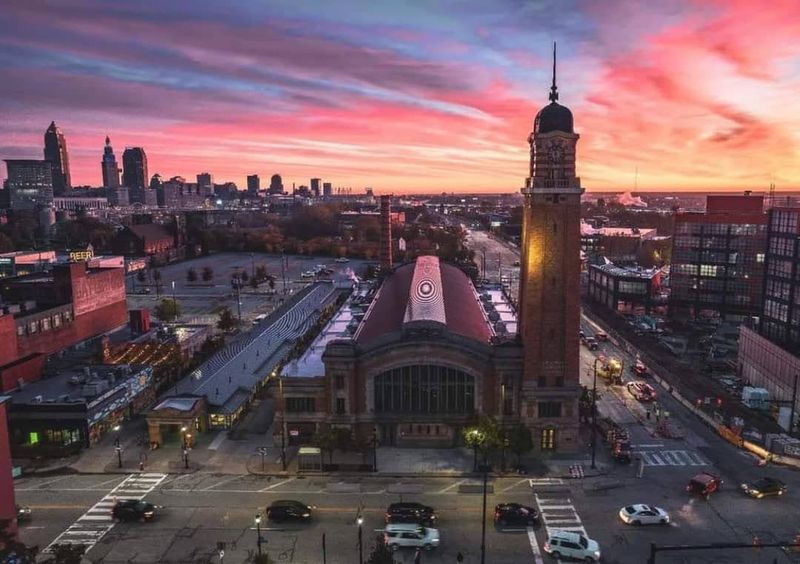
Cleveland’s affordability masks persistent vacancy in certain zip codes. You will see sturdy duplexes needing love and turn key flips drawing multiple offers. Population changes and legacy housing oversupply still shape outcomes.
As an investor, build strong contractor relationships and underwrite longer marketing times. Sellers benefit from pre listing inspections to reduce buyer uncertainty. Renters can secure solid neighborhoods with parks and transit, but should compare utility costs in older homes.
9. St. Louis, Missouri
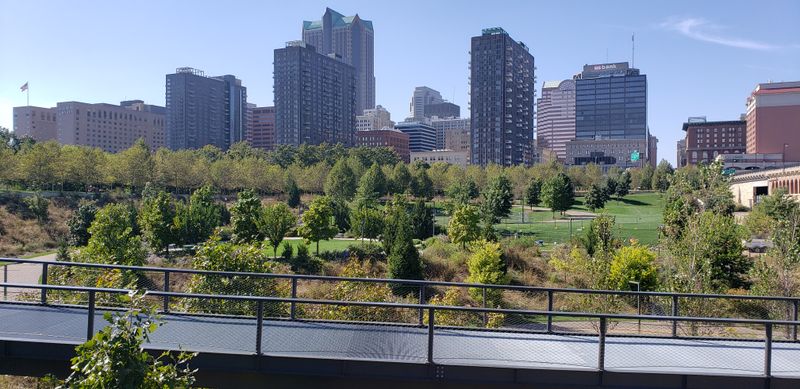
St. Louis balances proud architecture with uneven occupancy. Blocks can change quickly, so you will want local insight before bidding. Vacancy clusters around older housing where renovation costs outpace values.
Buyers should factor taxes, lead safety rules, and tuckpointing into budgets. Sellers gain traction with move in ready condition and lender friendly appraisals. Renters will find choice near hospitals and universities, where demand stays steadier year round.
10. Baltimore, Maryland
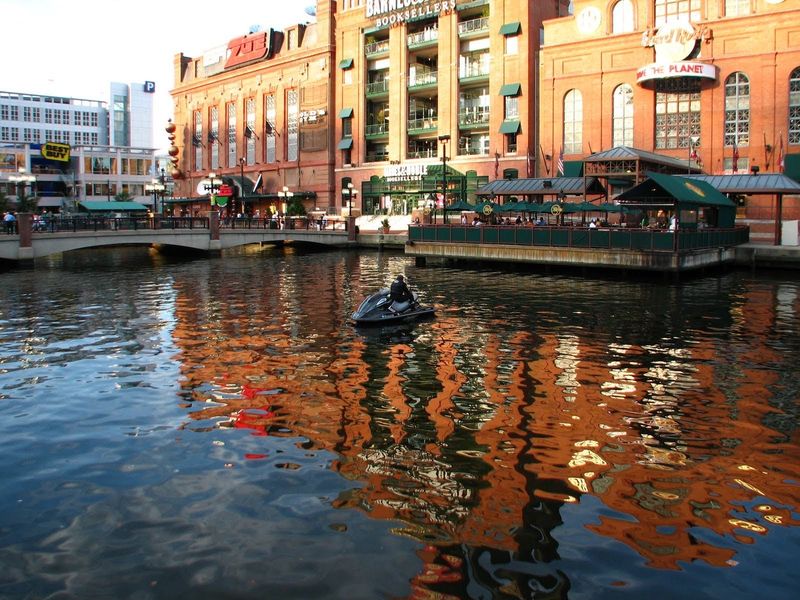
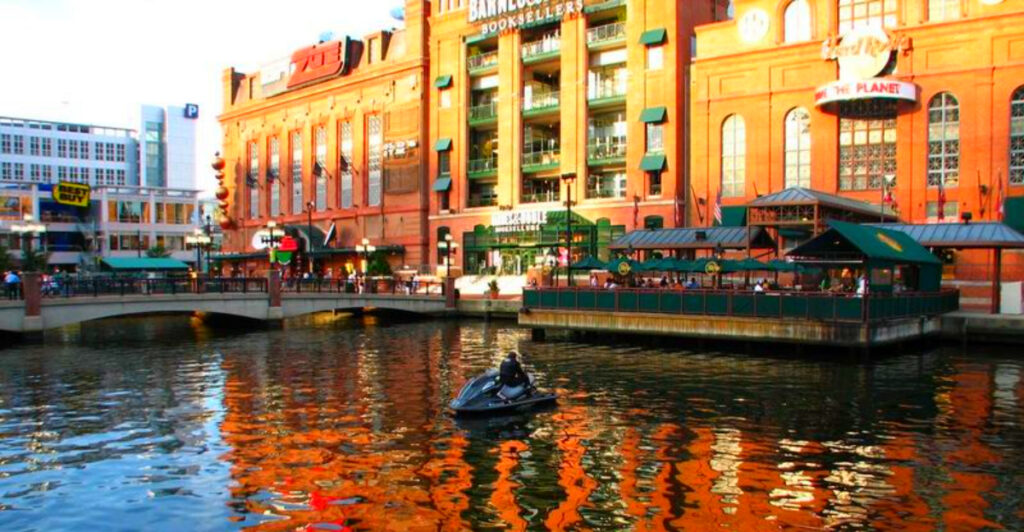
Baltimore’s rowhouses tell a block by block story. You will see gleaming renovations and then shells a few doors down. Vacancy persists where disinvestment lingers, yet medical and tech anchors sustain demand nearby.
Investors should consider shell rehabs only with realistic timelines and contingency cash. Sellers do best with turnkey finishes and rental comps in hand. Renters can choose charming historic units, but must verify safety, utilities, and commute options carefully.
11. Buffalo, New York
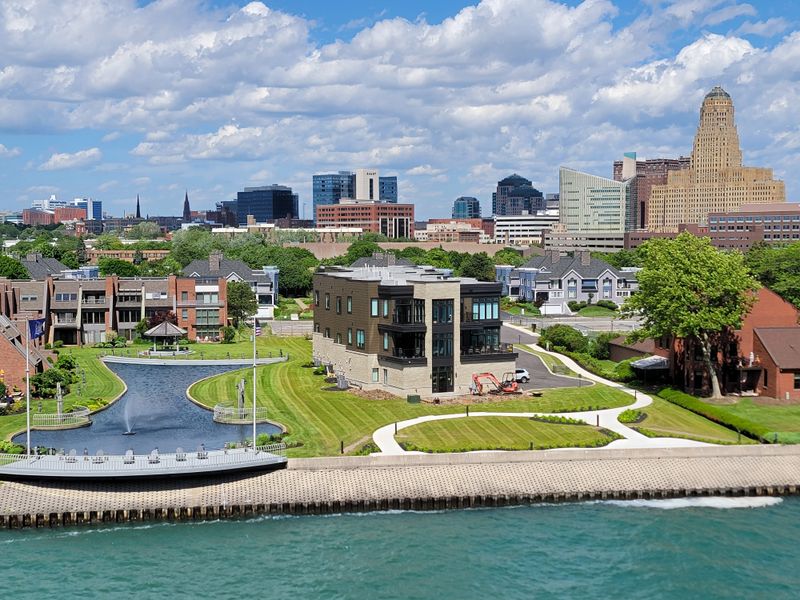
Buffalo’s resurgence coexists with pockets of empty homes. Weather, aging stock, and migration patterns influence turnover and vacancy. You will notice strong neighborhoods near revitalized corridors while others wait for investment.
Buyers should prioritize insulation, roofs, and mechanicals to handle winters. Sellers highlight energy upgrades and proximity to new employers. Renters can find reasonable prices and generous square footage, especially outside the hottest districts.
12. Akron, Ohio

Akron’s market shows the aftereffects of industrial shifts. Vacancy clusters in older areas where rehab costs challenge appraisals. You will still find stable pockets with strong schools and tidy streets.
Investors should model conservative rents and plan for system replacements. Sellers gain by staging and addressing safety items upfront. Renters can land favorable lease terms, especially during winter months when demand softens slightly.
13. Daytona Beach, Florida
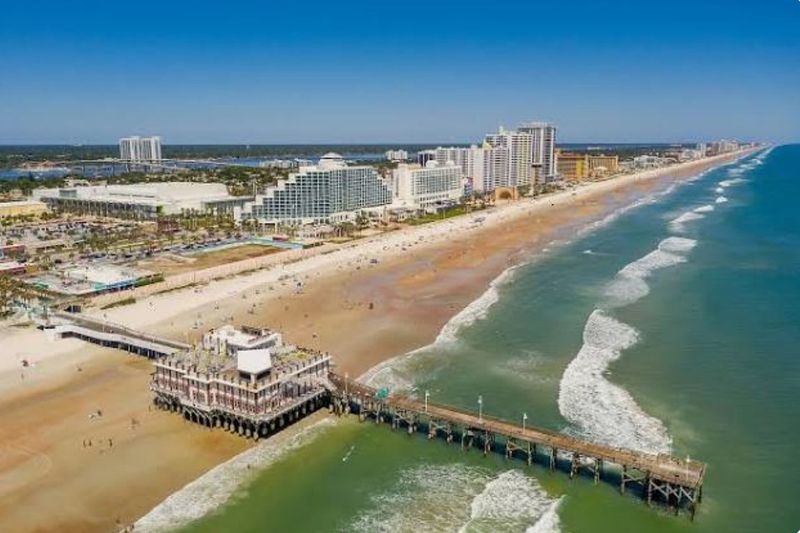
Daytona Beach blends tourism highs with notable off season quiet. Many condos cater to part time residents, keeping vacancy figures elevated. You will feel the rhythm shift as events end and travelers depart.
Buyers should review rental calendars, event driven pricing, and storm assessments. Sellers succeed with updated finishes and clear HOA financials. Renters may secure discounts after major races or holidays when demand falls back.
14. Palm Bay, Florida
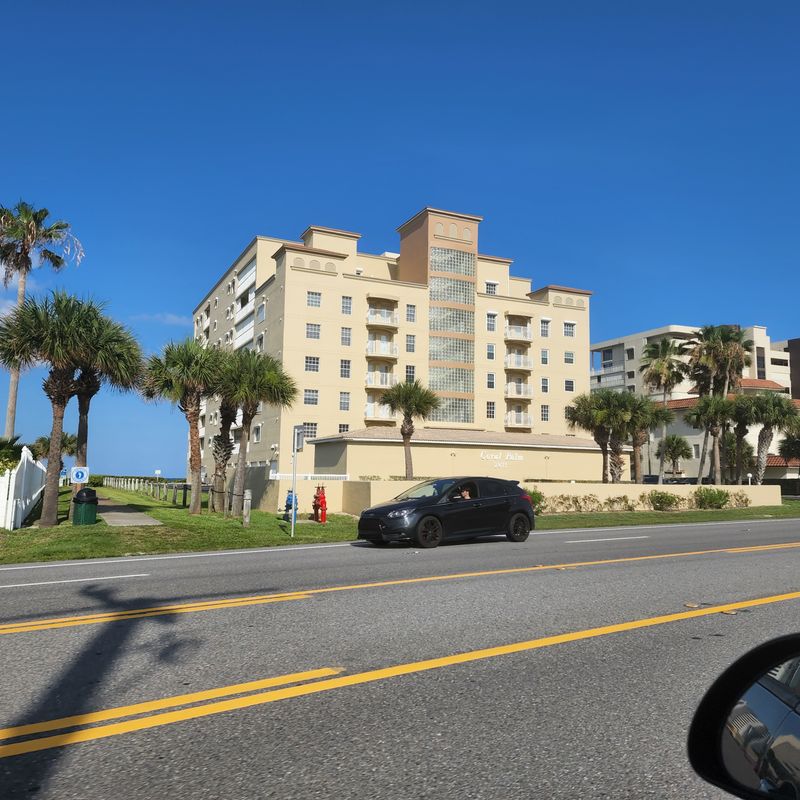
Palm Bay’s rapid building wave left certain pockets under occupied. New subdivisions can show for sale signs lingering longer than expected. You will notice price sensitivity as buyers juggle insurance and interest rates.
Investors should validate builder quality and HOA flexibility for rentals. Sellers can stand out with closing credits or rate buydowns. Renters might find fresh construction with incentives, especially on the edges of growth corridors.
15. Shreveport, Louisiana

Shreveport’s economy has ebbed and flowed, and housing reflects that motion. Vacancy appears in tracts where job growth slowed and maintenance piled up. You will still find stable streets anchored by longtime owners.
Buyers should inspect carefully for deferred repairs and confirm insurance costs. Sellers gain traction with competitive pricing and fresh exterior appeal. Renters will see a range of options, with value improving farther from major employment nodes.
Share this story