If you grew up in the Baby Boomer generation, certain memories probably feel like second nature to you. From the way you made phone calls to how you entertained yourself on a Saturday night, these experiences shaped a whole way of life. Today’s kids might never understand the magic of a rotary phone or the excitement of flipping through the Sears Wish Book, but for Boomers, these moments are pure nostalgia.
1. Dialing a number on a rotary phone (and knowing the pain of mis-dialing)
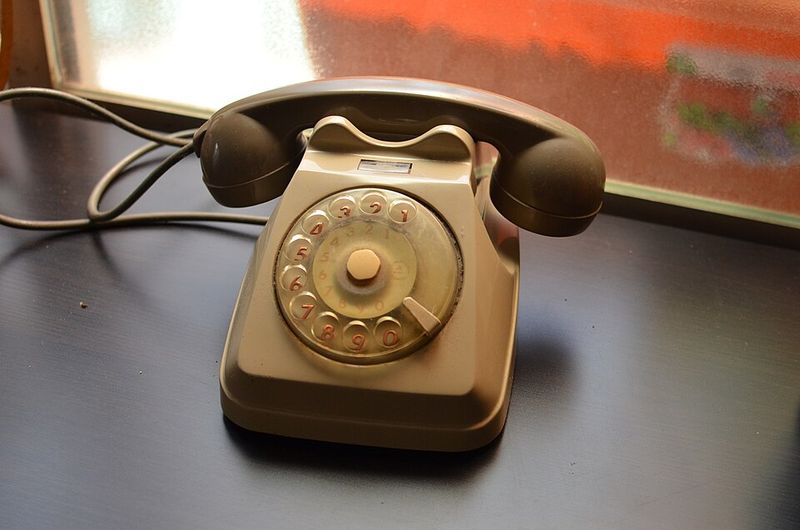
Rotary phones required patience and precision. You had to stick your finger in the hole, drag it all the way around, and wait for it to spin back before starting the next digit.
One slip of the finger near the end meant starting completely over. No redial button existed to save you from the frustration.
Pulse dialing technology made every call feel like a small accomplishment. Kids today will never know the unique clicking sound or the satisfaction of finishing a long-distance number without error.
2. Feeding coins into a payphone when you needed to reach home
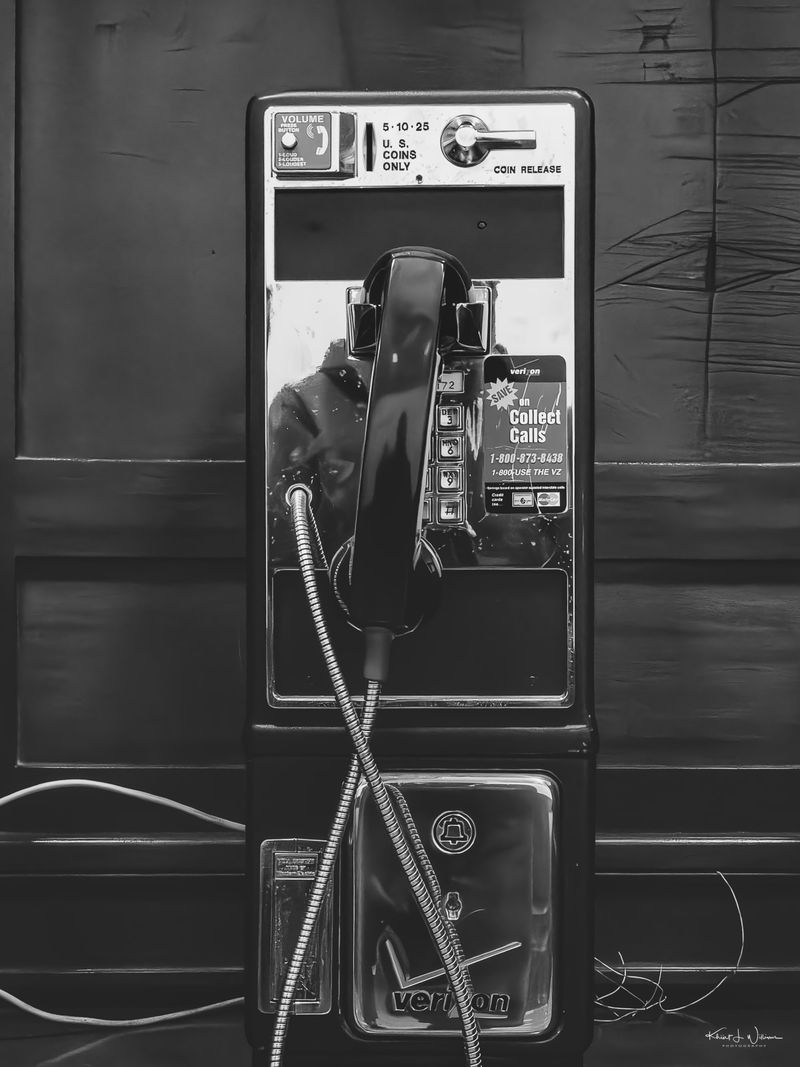
Payphones stood in glass booths on street corners and inside busy buildings. When you needed to make a call, you’d dig through your pockets hunting for quarters and dimes.
The metallic clink of coins dropping into the slot became a familiar sound. You’d dial the number and hope your money lasted long enough to finish the conversation.
Running out of change mid-call was a real panic moment. These coin-operated phones were lifelines before cell phones existed, and every Boomer remembers that rush to find spare change.
3. Wrestling with rabbit ears to make the TV picture behave
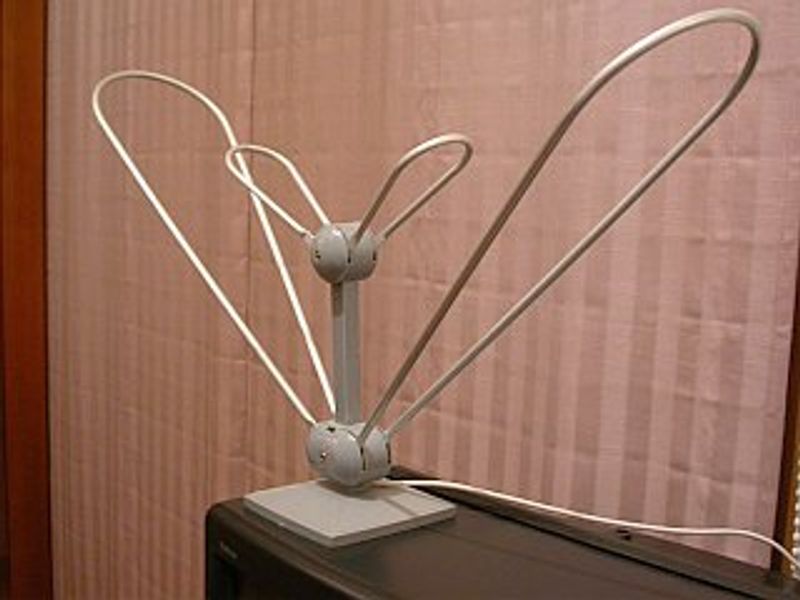
Indoor TV antennas, nicknamed rabbit ears, sat on top of the television set. Getting a clear picture meant constantly adjusting these metal rods, twisting and turning them until the static disappeared.
Sometimes you’d find the perfect angle, then someone would walk by and ruin it. Aluminum foil wrapped around the tips was a popular trick to boost reception.
Weather conditions affected your viewing experience too. Boomers became experts at antenna adjustment, a skill that’s completely useless in today’s streaming world but felt essential back then.
4. Seeing TV stations sign off for the night, then the test pattern took over
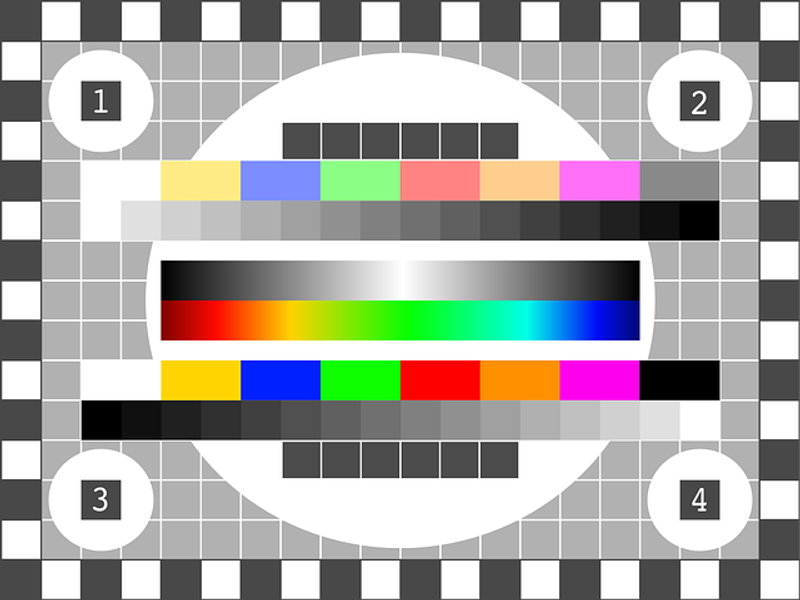
Television didn’t run all night long. Stations would play the national anthem, show a waving flag, then simply stop broadcasting until morning.
After sign-off, a test pattern appeared on screen, sometimes with a steady tone that hummed through the house. That colorful pattern or the famous Indian Head test card became oddly hypnotic.
Late-night insomniacs had nothing to watch except that static screen. The concept of 24-hour programming didn’t exist yet, making bedtime feel more definite and the nighttime quieter for everyone.
5. Making Sunday night appointment TV out of The Ed Sullivan Show
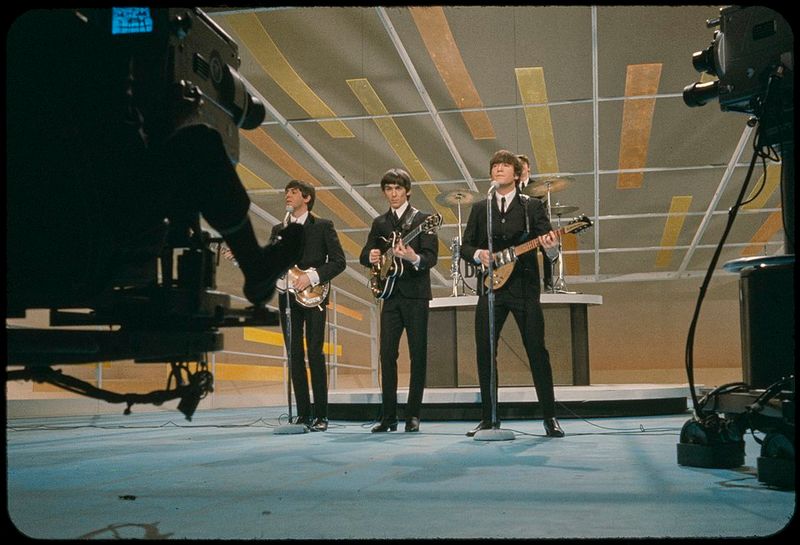
Every Sunday night, families gathered around the television for The Ed Sullivan Show. From 1948 to 1971, Ed Sullivan introduced America to everyone from Elvis Presley to The Beatles.
Missing an episode meant missing out on Monday morning conversations. There were no DVRs or streaming services to catch up later.
The show mixed comedy acts, musicians, acrobats, and celebrities into one variety package. It became a ritual, a moment when the whole country seemed to tune in together, creating shared cultural memories that defined the Boomer generation.
6. Practicing duck and cover drills at school
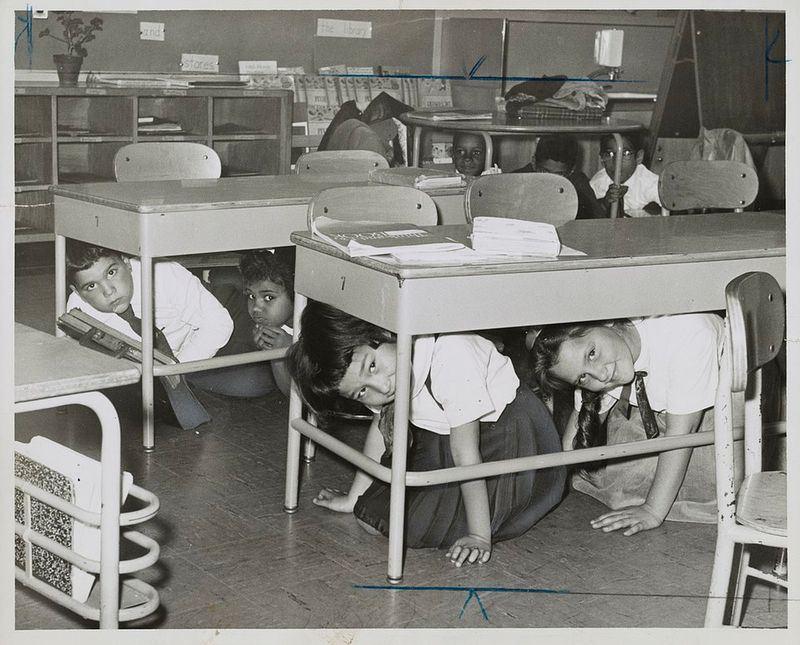
Cold War fears brought civil defense drills into classrooms. When the teacher gave the signal, students would duck under their desks and cover their heads with their hands.
These drills were supposed to protect kids in case of a nuclear attack. Looking back, hiding under a wooden desk seems almost comical, but at the time, it felt serious and scary.
Educational films like Duck and Cover featuring Bert the Turtle taught children what to do. For Boomers, these drills became a strange but normal part of growing up during tense times.
7. Going to a drive-in theater when it felt like peak American fun

Drive-in theaters offered a magical combination of movies and freedom. Families would pile into the car, park in front of a giant outdoor screen, and hang a speaker on the window.
Kids could wear pajamas and bring pillows and blankets. The snack bar sold popcorn, candy, and hot dogs under strings of colorful lights.
Drive-ins peaked in the late 1950s and early 1960s, becoming the perfect date spot or family outing. Watching movies under the stars from your own car felt uniquely American and wonderfully nostalgic.
8. Dropping a 45 on the turntable like it was the most natural thing in the world
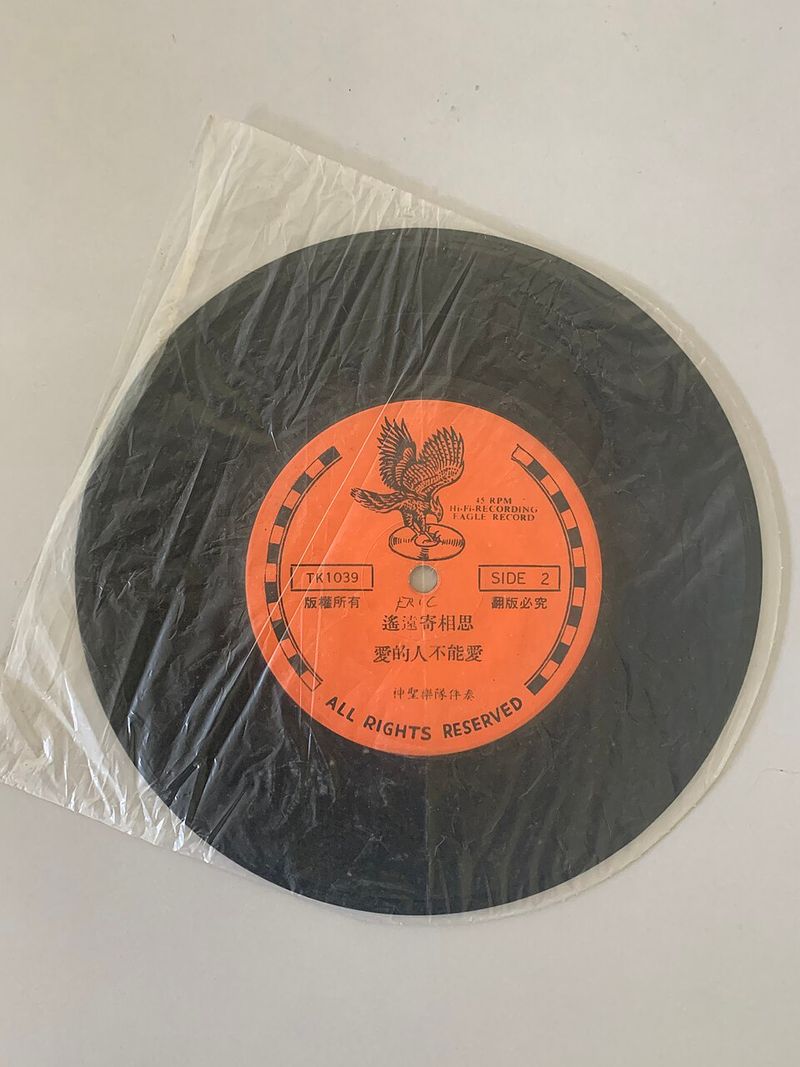
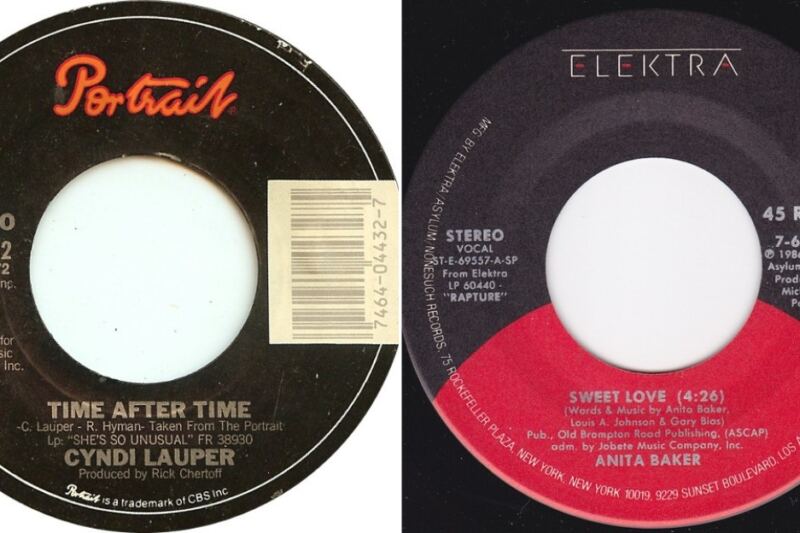
The 45-rpm record was the format for hit singles. These small vinyl discs had a big hole in the middle and played one song per side.
You’d carefully place the record on the turntable, lift the tonearm, and gently lower the needle into the groove. That slight crackle before the music started was part of the experience.
Building a collection of 45s meant you owned your favorite songs physically. Boomers remember flipping through stacks of singles, each one representing a moment in time or a favorite artist.
9. Clicking an 8-track into the car and letting it play in a loop
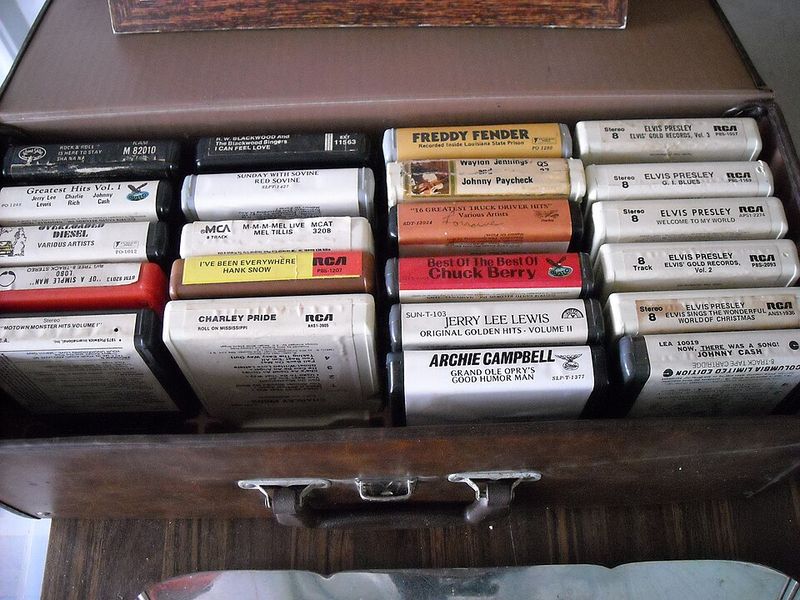
The 8-track cartridge brought music into your car in a whole new way. Released in 1965, these chunky plastic tapes slid into dashboard players with a satisfying click.
Songs were divided into four programs that played in an endless loop. Sometimes a song would fade out mid-chorus, switch tracks, then fade back in, which was annoying but accepted.
Road trips meant choosing your 8-tracks carefully since you couldn’t skip songs easily. Despite their quirks, 8-tracks represented freedom and the soundtrack to countless Boomer adventures on the highway.
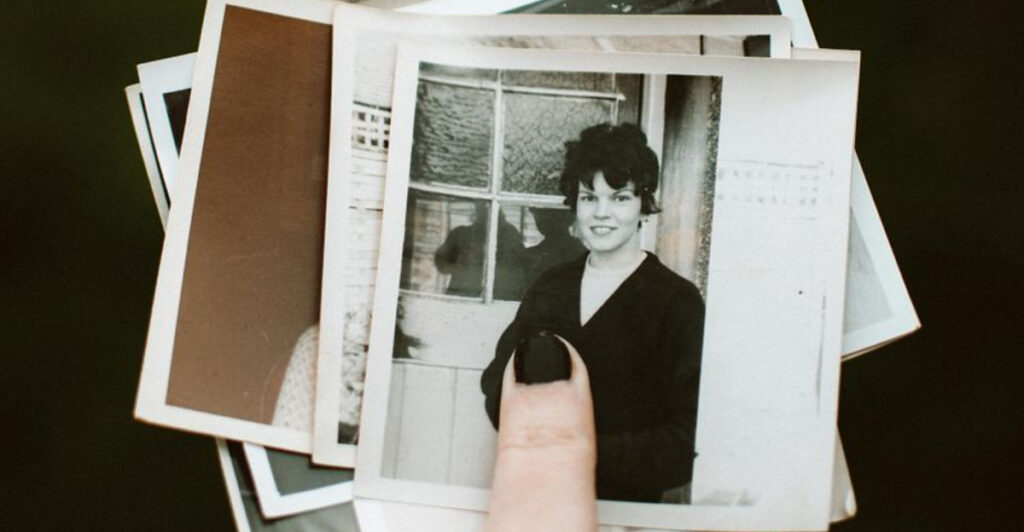
10. Taking a photo and holding it while it appeared (hello, Polaroid)
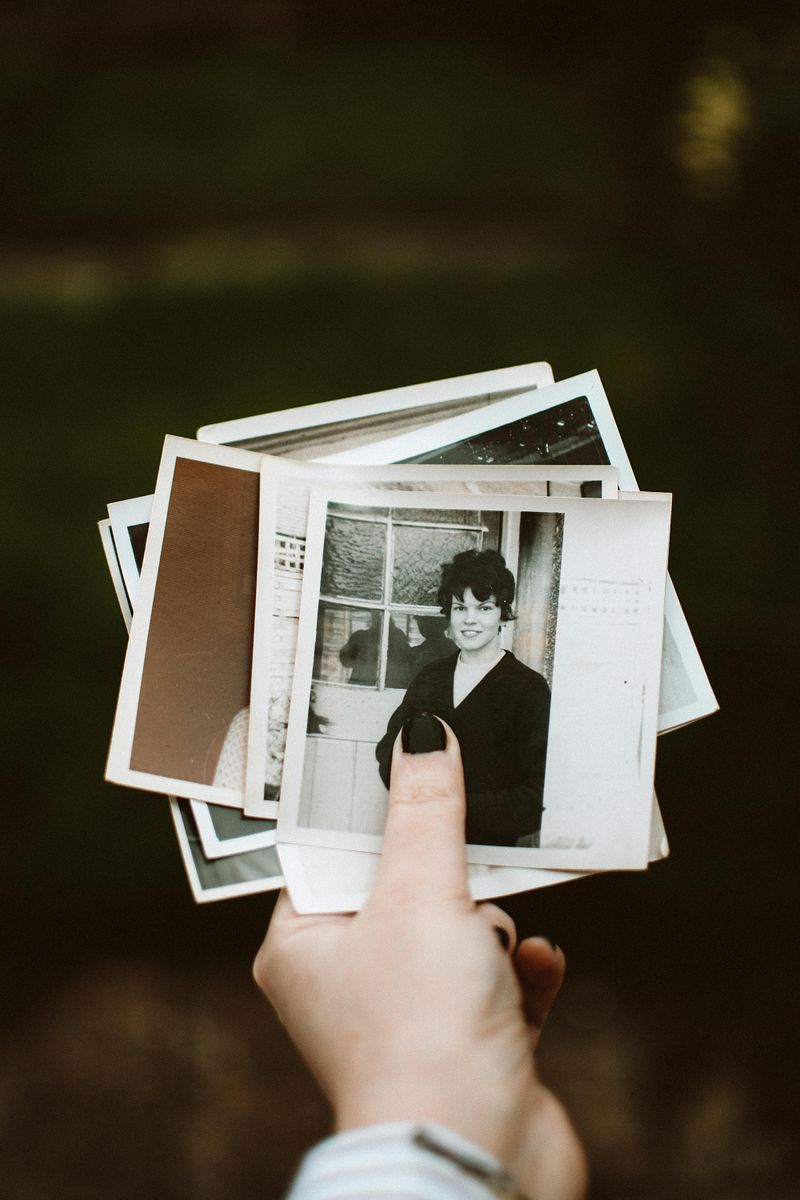
Polaroid cameras created instant magic. You’d snap a picture, and the camera would spit out a blank square that slowly developed right before your eyes.
Everyone gathered around, watching colors and shapes emerge from the white film. You’d shake it gently, hoping that might speed up the process, even though it probably didn’t help.
No waiting for film to be developed at a store, no digital screens to check. The Land Camera line started in 1948, and instant photography became a party staple and vacation essential for Boomers everywhere.
11. Finding milk bottles delivered to the house (often in glass)

Before everyone drove to the supermarket, the milkman brought fresh milk right to your doorstep. Glass bottles would appear early in the morning, often sitting in a metal box to keep them cool.
You’d leave the empties out for the milkman to collect and refill. The bottles had paper caps or foil tops that you’d peel off.
Home delivery was convenient and personal, a weekly routine that connected neighborhoods. As refrigeration improved and grocery stores expanded, this charming service gradually disappeared, but Boomers remember it fondly.
12. Collecting S&H Green Stamps and dreaming over the redemption catalog
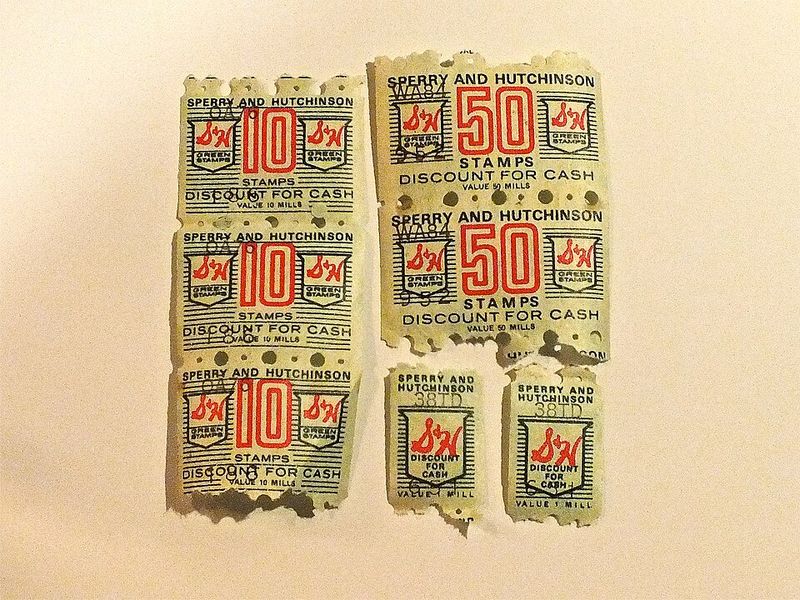
Grocery stores and gas stations handed out S&H Green Stamps with every purchase. You’d lick them and stick them into special booklets, slowly filling page after page.
Once you collected enough, you could redeem them for items from a thick catalog filled with housewares, toys, and appliances. Families would flip through, circling their dream prizes.
The stamps were especially popular in the 1960s, turning shopping into a rewarding game. Kids helped paste stamps while parents calculated how many more books they needed for that new toaster.
13. The Sears catalog (and the holiday Wish Book) taking over the house
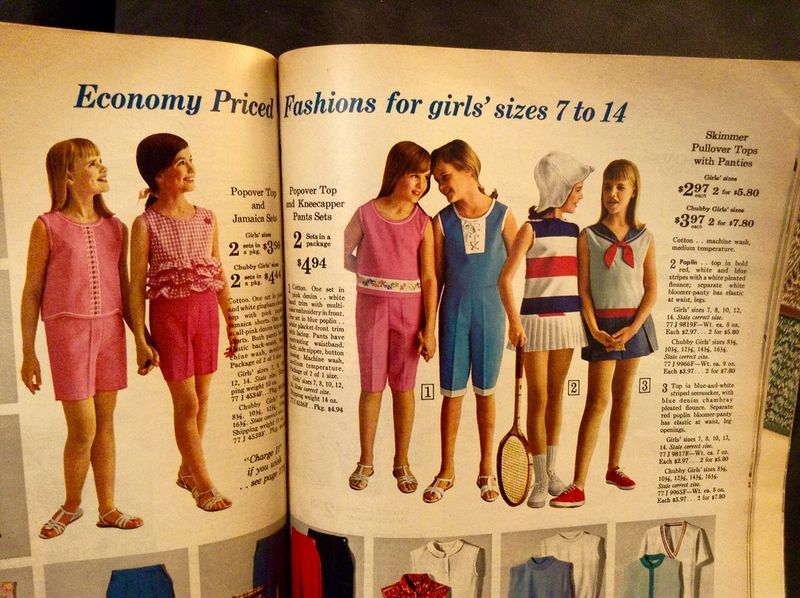
Before online shopping, the Sears catalog was how families browsed for everything from tools to toys. The massive book arrived by mail and sat on coffee tables for months.
During the holidays, the special Wish Book became essential. Kids would spend hours circling toys and games they hoped to receive, creating their Christmas lists page by page.
Parents relied on it for planning and budgeting. The catalog connected rural and urban families to the same products, making Sears a household name and the Wish Book a cherished seasonal tradition.
14. Keeping a free gas-station road map folded in the glove compartment
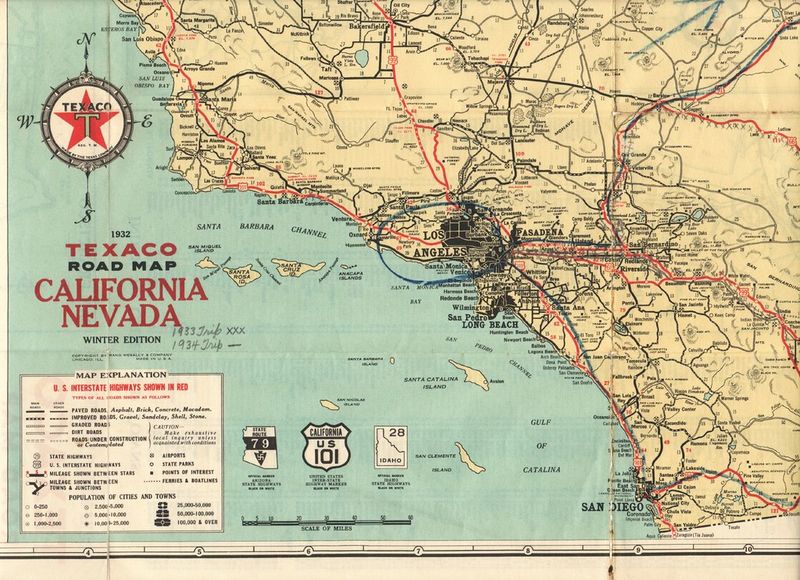
Long before GPS, gas stations gave away free road maps. You’d stop to fill up, and the attendant would hand you a colorful folded map of the state or region.
These maps lived in the glove compartment, ready for any road trip. Unfolding them while driving was an art form, and refolding them correctly was nearly impossible.
Families navigated cross-country vacations using these paper guides. Getting lost meant pulling over to study the map together, making travel an adventure filled with discovery, wrong turns, and the satisfaction of finding your way.
Share this story