Retirement should feel like a reward, not a financial tightrope walk. Plenty of small towns across America offer the perfect mix of affordability, charm, and activities that keep life interesting. These places prove you don’t need a massive nest egg to enjoy beautiful surroundings, vibrant arts scenes, outdoor adventures, and welcoming communities where your dollars work harder for you.
1. Paducah, Kentucky
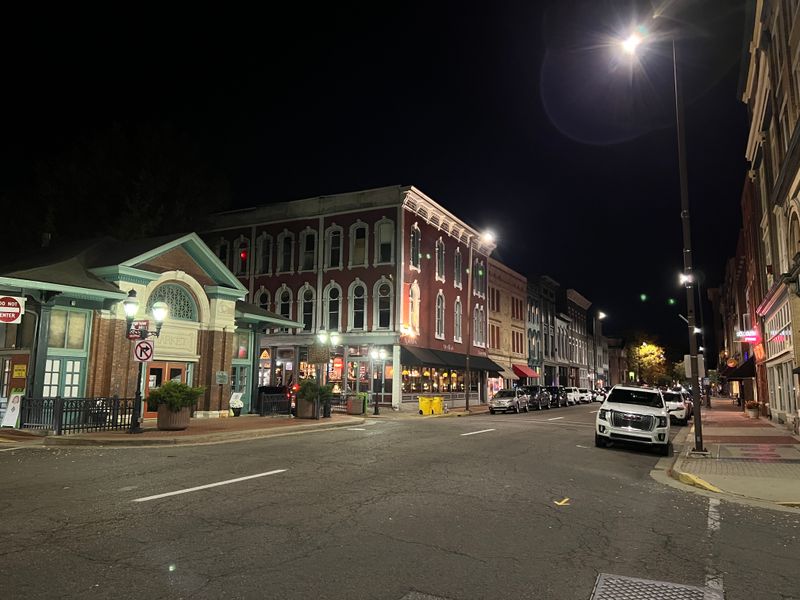
Creativity thrives here in ways most people associate with expensive cities, yet the price tag stays refreshingly modest. Paducah earned a spot in the UNESCO Creative Cities Network, a recognition that puts it alongside global cultural hubs. The National Quilt Museum draws visitors year-round, and the streets showcase vibrant murals that make ordinary errands feel like gallery walks.
With about 26,894 residents, this river town maintains a neighborly vibe without feeling isolated. Home values average around $185,539, leaving plenty of room in your budget for classes, travel, or hobbies. The Ohio River adds scenic beauty and recreational opportunities right at your doorstep.
Restaurants, theaters, and community events keep the social calendar full. You get big-city culture without the congestion or cost, making every retirement dollar count toward experiences rather than just expenses.
2. Eureka Springs, Arkansas
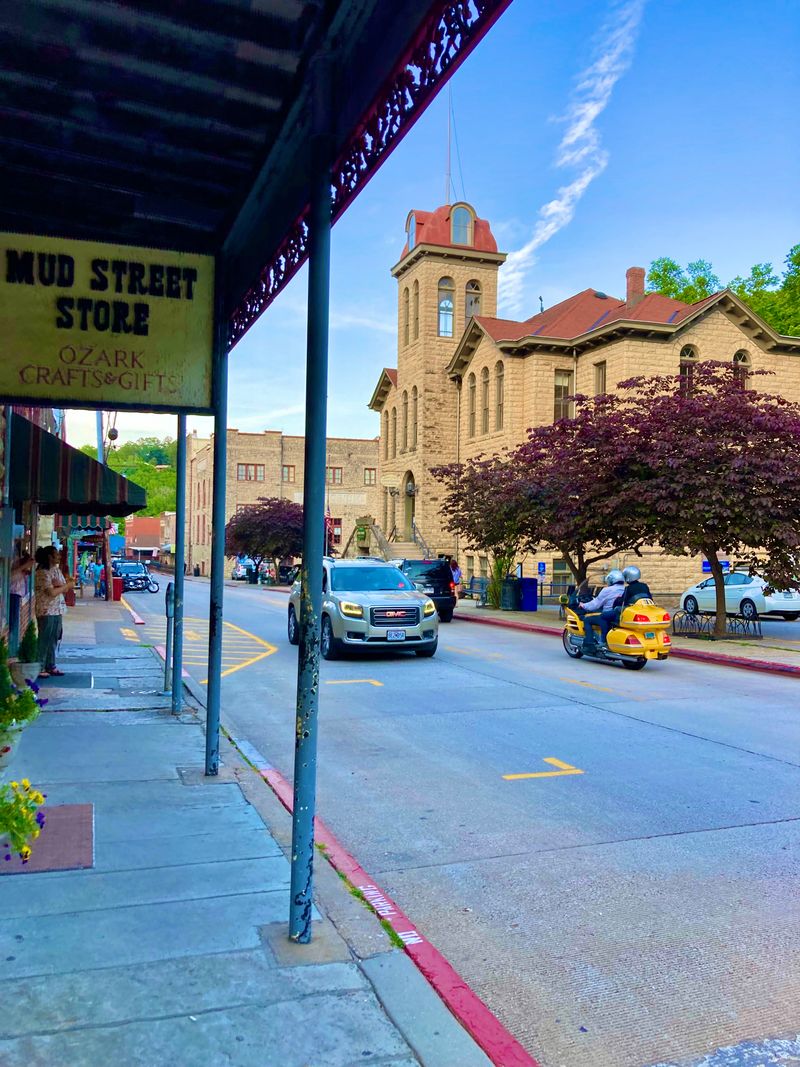
Victorian homes cling to hillsides like something from a storybook, and the entire downtown feels like stepping back in time. Only about 2,269 people call this place home, creating an intimate community where faces become familiar fast. The creative spirit runs deep, with galleries, live music, and festivals filling the calendar throughout the year.
Average home values sit around $305,163, reflecting the town’s unique character and natural beauty. Winding streets and steep grades give the town personality, though they might challenge those with mobility concerns. The Ozark Mountains provide a stunning backdrop and endless hiking trails.
Art walks happen regularly, and local theaters stage productions that rival bigger venues. Quirky shops and farm-to-table restaurants add to the charm. Despite the higher home prices compared to other small towns, the quality of life and natural setting make it feel luxurious without requiring a millionaire’s bank account.
3. Hot Springs, Arkansas
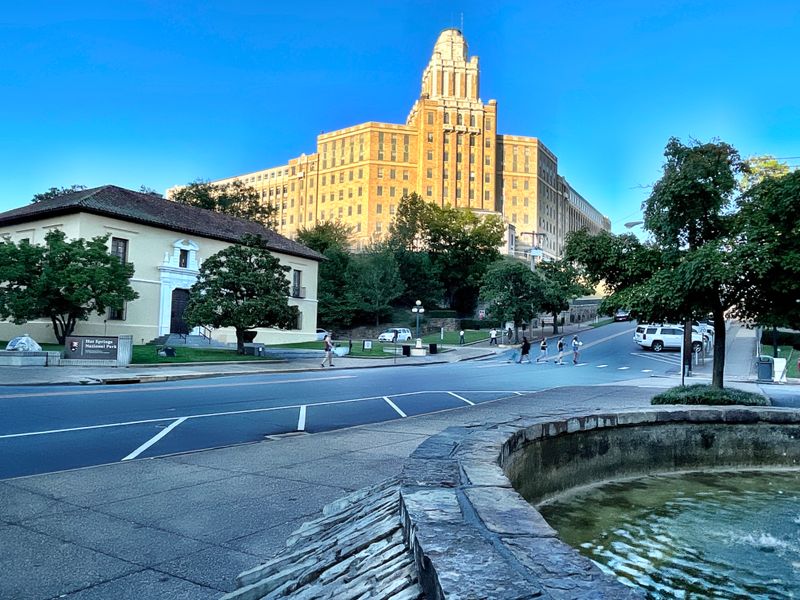
Living inside a national park sounds like a fantasy, but roughly 37,971 residents make it their everyday reality. Hot Springs National Park wraps around the city, offering thermal baths that have drawn visitors since the 1800s. Bathhouse Row stands as a monument to spa-town history, and several facilities still offer the therapeutic waters that made this place famous.
Walkable streets connect restaurants, shops, and attractions without needing a car for every errand. Home values average about $242,502, reasonable for a town with such unique amenities. The lakes nearby add boating and fishing to an already impressive recreation list.
Entertainment ranges from horse racing at Oaklawn to live music venues and art galleries. The mild climate allows year-round outdoor activities. Retirees appreciate how the town balances tourist appeal with genuine community, creating a lively atmosphere that never feels overwhelming or artificial.
4. Bisbee, Arizona
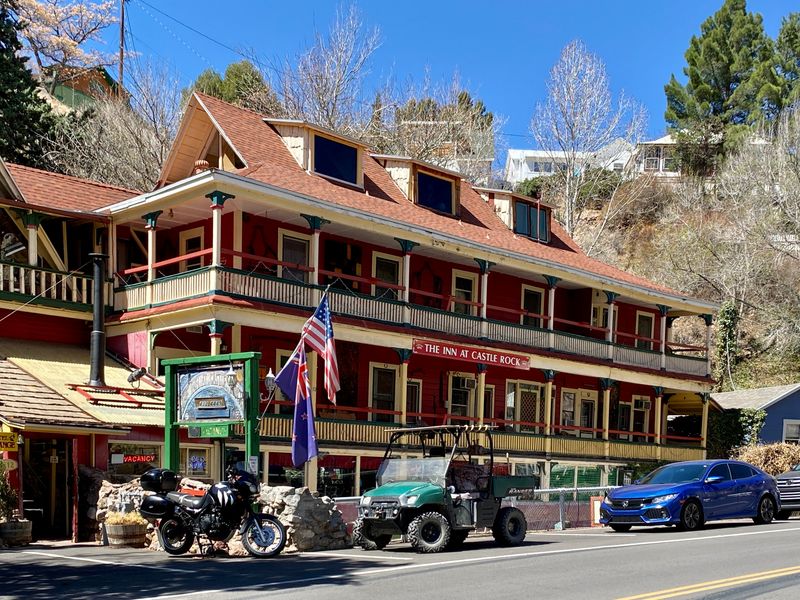
Former copper mines carved character into these hillsides, and artists later carved out a thriving creative community. About 4,963 people populate this quirky desert town where Victorian buildings climb steep streets in defiance of modern city planning. Galleries and studios occupy spaces that once housed miners, giving the town an authentic grit that feels earned rather than manufactured.
Home values average around $221,080, making ownership accessible without sacrificing personality. The desert landscape provides dramatic sunsets and clear skies perfect for stargazing. Cooler temperatures at this elevation offer relief from Arizona’s notorious summer heat.
Monthly art walks bring the community together, and live music spills from small venues on weekends. Local coffee shops and restaurants reflect the town’s independent spirit. Bisbee attracts people who want something different from cookie-cutter retirement communities, offering genuine character and creative energy in an affordable package.
5. Sierra Vista, Arizona
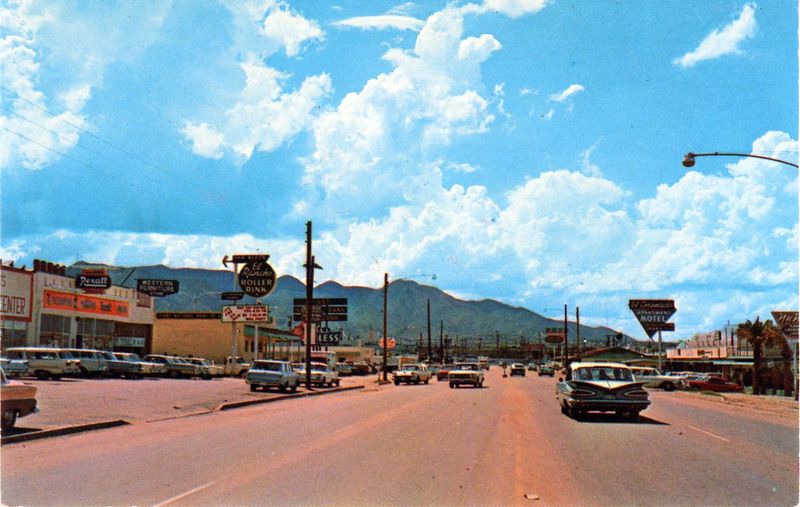
Big skies stretch endlessly here, and serious outdoor enthusiasts find themselves in paradise. The San Pedro Riparian National Conservation Area ranks among the most important bird habitats in North America, drawing nature lovers from around the world. With about 45,203 residents, the town offers more services than tiny villages while maintaining a relaxed pace.
Average home values hover around $296,787, reflecting the area’s natural assets and year-round sunshine. The Huachuca Mountains create a dramatic backdrop and provide cooler escape routes during summer. Unlike resort towns with similar outdoor access, prices stay grounded in reality.
Hiking, bird watching, and photography opportunities exist right outside town limits. The military presence from Fort Huachuca adds stability to the local economy. Restaurants and shops cater to locals rather than tourists, keeping prices reasonable. Retirees who prioritize outdoor time over nightlife find exactly what they need without the inflated costs of more famous Arizona destinations.
6. Silver City, New Mexico
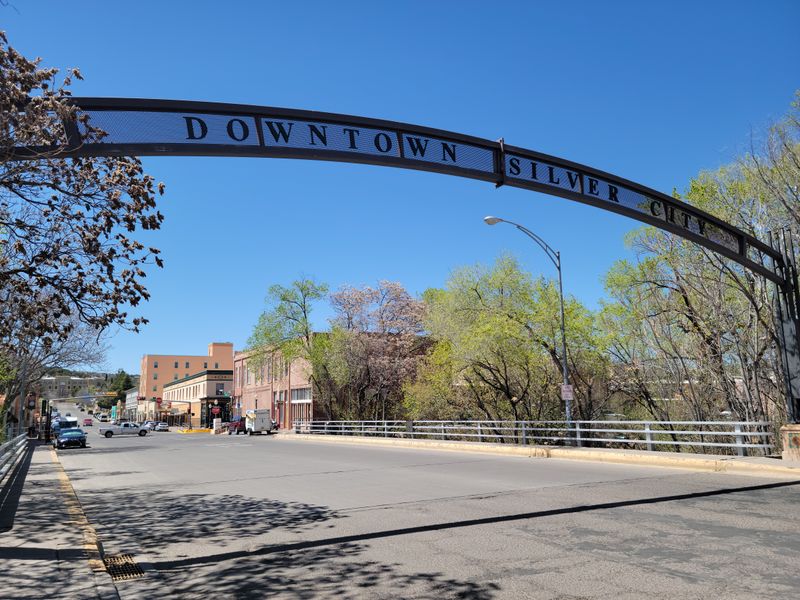
Artists discovered this place decades ago, and their influence transformed downtown into something special. About 9,399 people call Silver City home, creating a community large enough for diversity but small enough for genuine connections. The Gila National Forest starts practically at the town’s edge, offering wilderness access that most people only experience on expensive vacations.
Home values average around $226,719, leaving budget room for the hobbies and travel that make retirement enjoyable. The elevation brings four distinct seasons without harsh winters. Historic buildings house galleries, studios, and independent shops that reflect local character rather than chain-store sameness.
Weekly farmers markets and frequent festivals keep the social calendar interesting. Coffee shops and restaurants emphasize local ingredients and creative menus. The combination of artistic energy and natural beauty creates a lifestyle that feels curated and intentional, proving that retirement quality depends more on community and setting than raw spending power.
7. Carlsbad, New Mexico
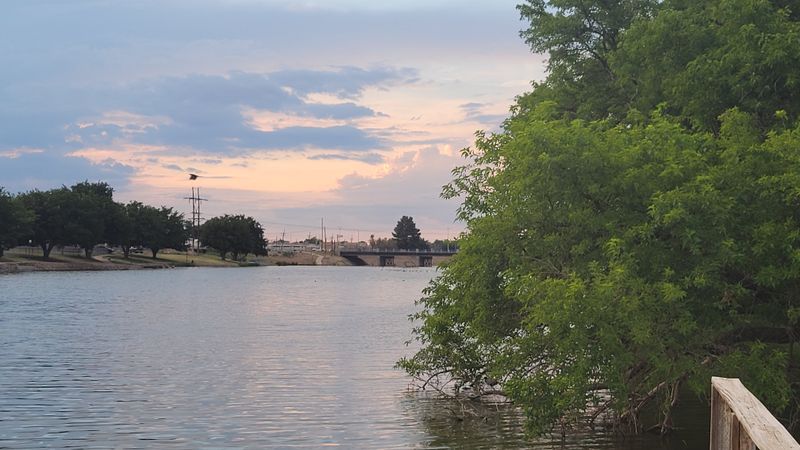
Bucket-list adventures happen right in your backyard when you live here. Carlsbad Caverns National Park draws visitors from around the globe, but residents treat it like a neighborhood park. About 31,999 people live in this desert town where underground wonders compete with big skies for attention. The nightly bat flights during summer create natural spectacles that never get old.
Average home values sit around $231,583, remarkably affordable for a town adjacent to such a famous attraction. The Pecos River adds water recreation to an area known for its arid beauty. Beyond the caverns, hiking and wildlife watching fill outdoor time.
Downtown offers locally owned restaurants and shops without tourist-trap pricing. The climate delivers sunshine most days, perfect for anyone tired of gray winters. Community events and festivals bring neighbors together regularly. Living near a world-famous destination usually comes with resort prices, but Carlsbad proves you can have both natural wonders and financial breathing room.
8. Abingdon, Virginia
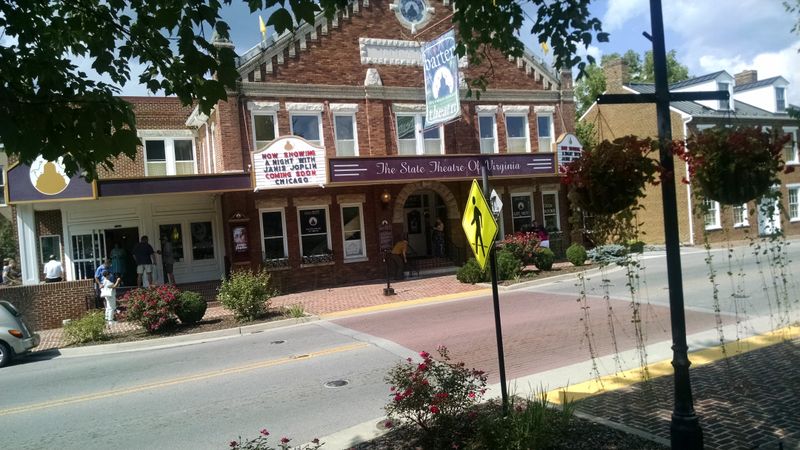
Professional theater in a town of 8,316 sounds unlikely until you experience the Barter Theatre. Founded during the Depression when patrons paid admission with produce, this historic venue now hosts productions that draw audiences from several states. The Appalachian Mountains provide a scenic setting that changes dramatically with each season.
Home values average about $281,513, higher than some small towns but justified by the cultural offerings and natural beauty. The Virginia Creeper Trail, a converted railway turned recreation path, starts nearby and attracts cyclists and hikers year-round. Downtown’s brick buildings house galleries, antique shops, and restaurants that emphasize regional cuisine.
Music festivals and craft fairs happen regularly, celebrating the area’s Appalachian heritage. The town balances tourism with authentic community, never feeling like a theme park. Retirees who want intellectual stimulation and arts access without city prices find Abingdon delivers both, proving small towns can offer sophisticated cultural experiences.
9. Beckley, West Virginia
Adventure seekers pay premium prices in Colorado ski towns for the kind of outdoor access Beckley offers at bargain rates. New River Gorge National Park and Preserve puts world-class whitewater rafting, rock climbing, and hiking within easy reach. About 16,977 residents enjoy this access without the tourist crowds that overwhelm more famous outdoor destinations.
Average home values of around $143,397 represent some of the lowest costs on this list. That affordability means retirement income stretches further, funding adventures rather than just covering housing. The mountains provide beauty and recreation in every direction.
Downtown has seen revitalization in recent years, with new restaurants and shops opening alongside historic buildings. The climate brings four full seasons, appealing to anyone who enjoys variety. Local festivals celebrate Appalachian culture and history. Beckley proves you don’t need ski-town prices to live near outdoor paradise, making it ideal for active retirees watching their budgets.
10. Johnstown, Pennsylvania
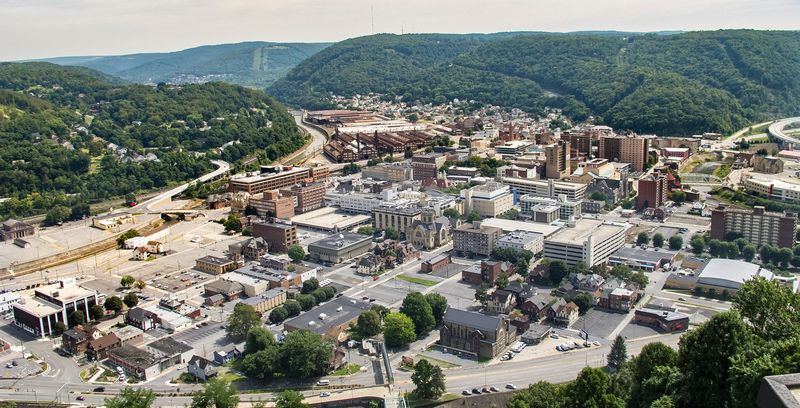
Housing costs this low sound too good to be true until you see the numbers yourself. Average home values around $99,437 mean modest retirement savings can buy comfort and stability. About 18,053 people call Johnstown home, a community that has reinvented itself after industrial decline. The Johnstown Flood National Memorial tells a powerful story about resilience and recovery.
The Appalachian Mountains surround the town, offering hiking and scenic drives without entrance fees or crowds. Four seasons bring variety, though winters can be snowy. Local restaurants and shops cater to residents rather than tourists, keeping everyday costs low.
Community events and festivals maintain social connections, and the town’s size makes it easy to get involved. Healthcare facilities serve the region adequately for routine needs. While Johnstown lacks the arts scene of some other towns on this list, the extraordinary affordability means a modest Social Security check can fund a comfortable life with money left for travel or hobbies.
11. Carbondale, Illinois
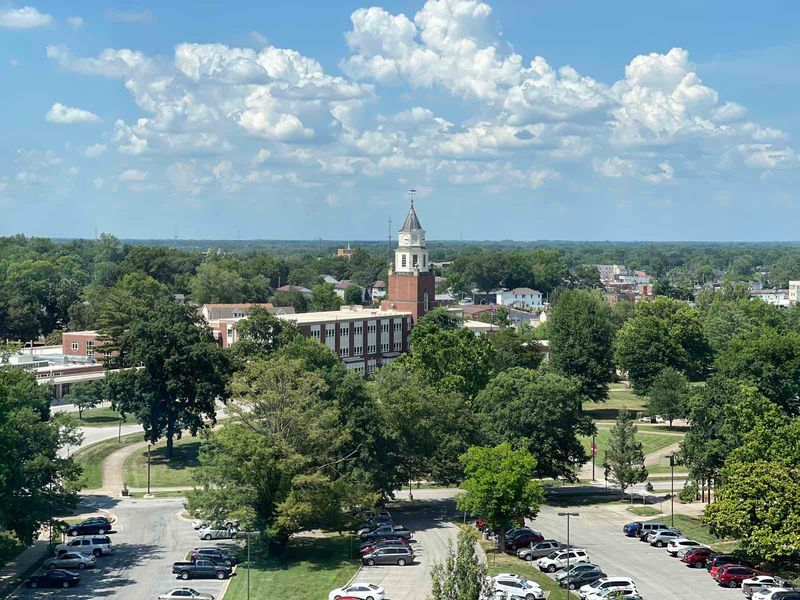
College towns bring unexpected benefits to retirees, and Carbondale delivers on that promise. Southern Illinois University adds cultural events, lectures, and athletic competitions that keep life interesting. About 21,813 residents create a community that skews younger than typical retirement destinations, providing energy and diversity. The Shawnee National Forest starts just outside town, offering hiking, camping, and scenic drives.
Average home values around $134,751 make ownership accessible on fixed incomes. The university presence means better restaurants and coffee shops than most small towns support. Libraries, theaters, and music venues benefit from student audiences while welcoming community members.
The climate brings hot summers and mild winters, with enough seasonal change to stay interesting. Farmers markets and community gardens thrive here. The town balances college energy with small-town affordability, creating an environment where retirees can audit classes, attend concerts, and explore nature all in the same week without breaking the bank.
12. Enid, Oklahoma
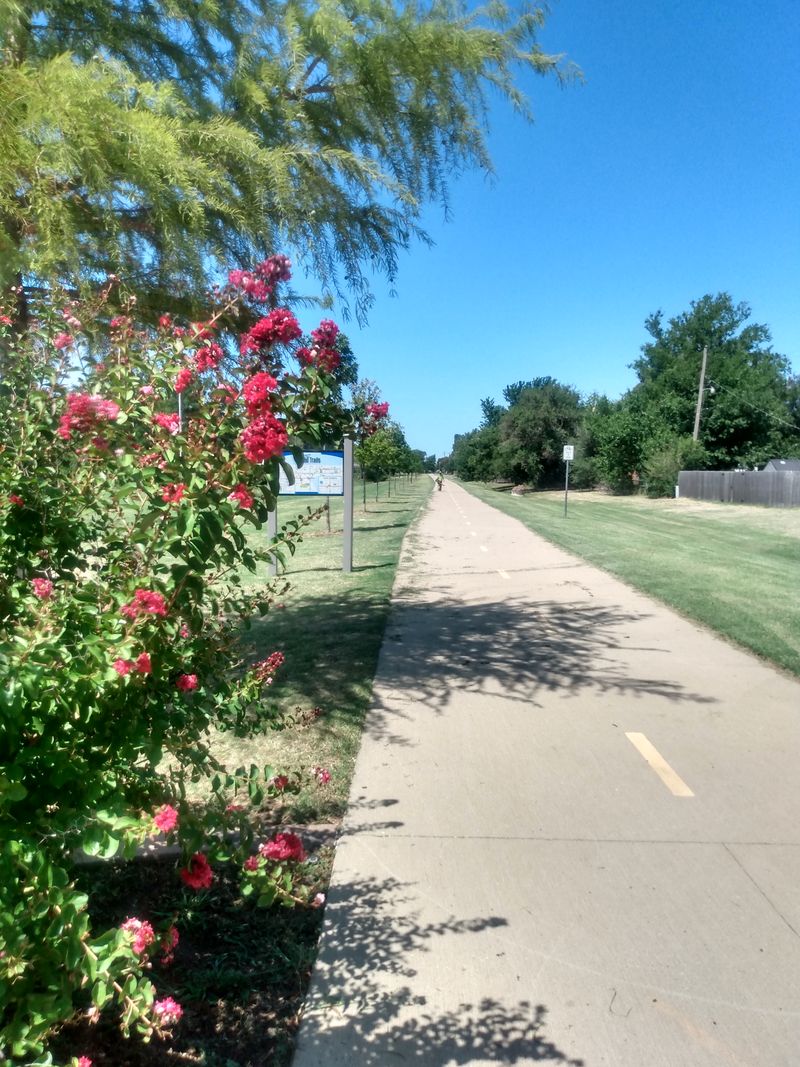
Saying yes becomes easier when daily costs stay this manageable. Average home values around $132,150 represent extraordinary affordability that frees up money for the things that make retirement enjoyable. About 50,519 residents make this the largest town on the list, offering more services and amenities while maintaining small-town friendliness. Vance Air Force Base provides economic stability and adds diversity to the community.
The flat prairie landscape might not offer mountain drama, but the wide-open skies create stunning sunsets. Community education programs, hobby groups, and recreational facilities give retirees plenty of options for staying active and social. Local festivals and events happen throughout the year.
Restaurants and shops keep prices reasonable, and traffic never becomes a headache. The climate brings hot summers and mild winters with occasional snow. Healthcare facilities serve the region well. Enid proves that retirement quality comes from financial freedom as much as scenic beauty, offering a lifestyle where modest savings fund comfort, hobbies, and spontaneous decisions.
13. Florence, Alabama
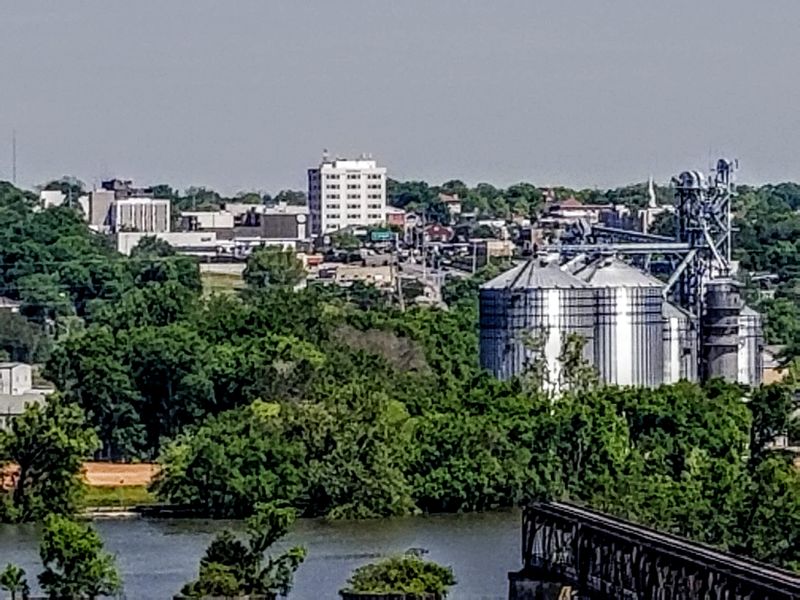
River towns possess a special charm, and Florence delivers that in abundance. The Tennessee River shapes daily life here, offering boating, fishing, and scenic views that make ordinary days feel special. About 41,231 residents create a community large enough for good restaurants and shops while maintaining southern hospitality. Average home values around $201,309 stay reasonable for a town with this much character.
Downtown features historic architecture and locally owned businesses that give the area authentic personality. The music scene runs deep, with connections to Muscle Shoals recording studios nearby. Live music venues and festivals celebrate this heritage regularly.
Parks and trails along the river provide recreation and natural beauty. The climate brings mild winters and warm summers typical of the South. Community identity runs strong, with residents taking pride in local history and culture. Florence shows how river access and cultural vitality can combine with affordability, creating a retirement destination where your dollars fund experiences and community connections rather than just survival.
Share this story