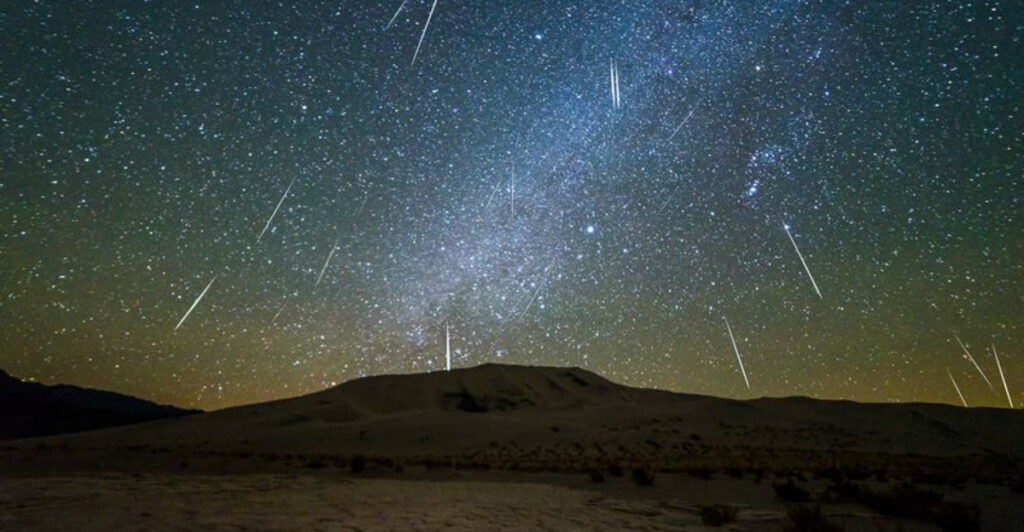
Ready to kick off the new year with a sky show that outshines the hype? The Quadrantids surge in early January, delivering fast, bluish meteors that slice across the cold night like sparks. Their peak is brief, so timing and preparation can turn a chilly outing into an unforgettable memory. Stick around and you will know exactly when, where, and how to catch every streak.
The Quadrantid meteor shower bursts onto the scene from late December through mid-January, with a razor-thin peak around January 3 to 4. Under clear, dark skies, you could catch up to 120 meteors per hour, rivaling heavyweights like the Perseids and Geminids. These meteors are fast, bright, and often bluish, leaving delicate trains that hang for a moment before fading.
What makes the Quadrantids special is that short, intense peak window. Instead of ramping over several nights, the shower crescendos for a few hours, so planning matters. If clouds or the Moon nudge in, do not give up, because even a partially obscured peak can deliver memorable fireballs.
You will want a wide view and a comfortable setup to stay focused through the cold. Look up, breathe, and let your eyes adapt as streaks slice across unexpected parts of the sky. Winter may feel harsh, but the Quadrantids prove the season can still surprise you with one of the year’s most dramatic celestial performances.
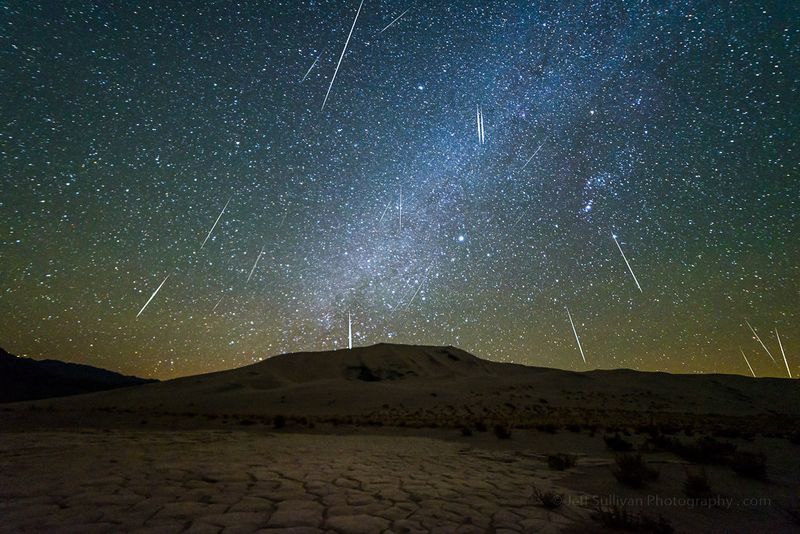
For the best Quadrantid views, aim for the pre-dawn window when the radiant climbs higher and the atmosphere steadies. Most observers find the sweet spot between midnight and sunrise, with rates peaking just before dawn. Northern Hemisphere locations in North America, Europe, and parts of Asia usually score the best numbers.
Dark skies are everything. Escape city glow to rural areas, high desert basins, national parks, or elevated ridges, where horizons open wide. Places like Death Valley National Park and certified dark-sky parks can turn a decent showing into a jaw-dropping barrage.
Skip telescopes and binoculars because your naked eyes capture broader sky real estate. Scan widely rather than locking onto one point, and give your eyes 20 to 30 minutes to adjust. Dress in warm layers, bring a reclining chair or blanket, pack a thermos, and silence screens so your night vision thrives.
The Quadrantid meteor shower springs from asteroid 2003 EH1, likely the rocky core of an extinct comet. Long ago, its ices and volatiles fizzled away, leaving a trail of debris scattered along its orbit. Each winter, Earth plows through that stream and tiny fragments slam into the atmosphere at high speed.
Friction heats those grains, producing the quick, bright streaks you watch from the ground. Because the debris ribbon is narrow and compact, Earth hits the densest slice quickly, creating a brief yet intense peak. NASA experts note the parent body now sheds little fresh material, so the stream remains thin and well defined.
That thinness helps explain why many Quadrantid meteors are fine, fast, and sometimes faint. Dark skies make all the difference when hunting the subtler streaks between the showstopper fireballs. Time the peak, find darkness, and you will see the physics of a vanished comet core written in light.
The Quadrantids take their name from Quadrans Muralis, a retired constellation. Today, the radiant sits in Boötes near bright Arcturus. Use a favorite trick: follow the arc of the Big Dipper’s handle to Arcturus, then expand your gaze around that region.
Do not stare at the radiant itself, because the longest, brightest streaks often appear far from it. Sweep the sky slowly in wide arcs, letting motion catch your peripheral vision. Keep phones dim, reduce stray light, and relax your eyes to spot fainter trails.
Because the peak blazes by quickly, check forecasts and the Moon phase before heading out. Even patchy clouds can block a large part of the action, so aim for large clear windows. With warm layers and patience, you will turn a cold night into one of the year’s most rewarding skywatching sessions.
Share this story