Dreaming of epic vistas without shoulder-to-shoulder crowds? The off-season flips national parks into quiet, cinematic escapes where trails breathe and wildlife steals the spotlight. Cooler temps, cheaper stays, and softer light make photos pop and hikes feel effortless. Ready to trade the rush for room to roam and real serenity?
1. Zion National Park, Utah
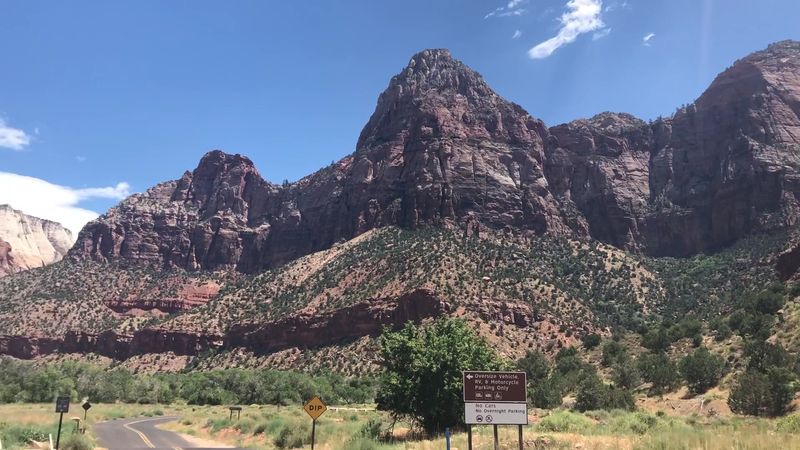
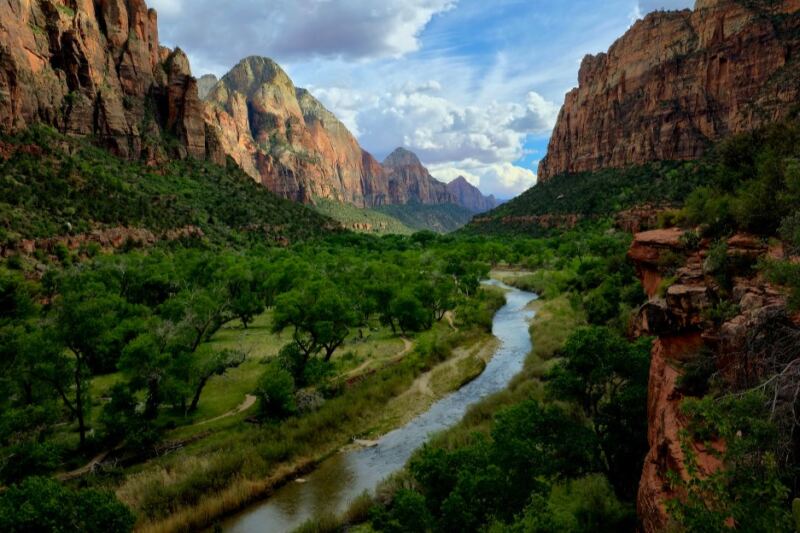
Cool air sharpens the sandstone, and the crowds vanish into winter quiet. Trails like Canyon Overlook and even the lead-up to Angels Landing feel calmer, letting you savor each switchback. Without shuttles, you can drive scenic roads, pausing freely at overlooks.
Layer up for shade in the canyons and sun on slickrock. Occasional ice means traction helps, but the rewards are vast views and room to breathe. Photograph sculpted walls under low golden light, then warm up in Springdale. Off-season Zion gives you time to look up and truly feel the canyon’s scale.
2. Grand Canyon National Park, Arizona
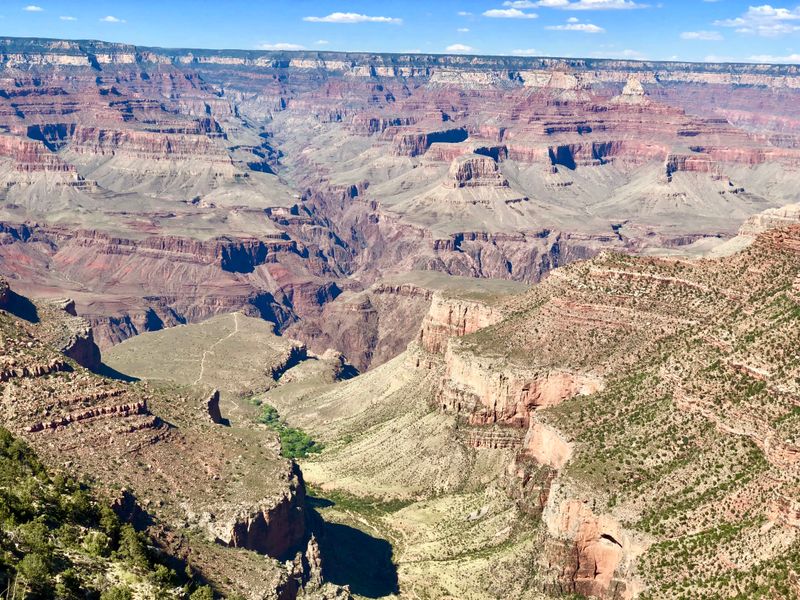
Winter sprinkles the South Rim with bright accents, turning an already staggering view into something dreamlike. Cooler temperatures calm the Bright Angel Trail, inviting unhurried descents with frequent awe breaks. Mule deer step softly near viewpoints, and sunrise burns tangerine on layered stone.
You will find easier parking, less jostling at overlooks, and hot cocoa that tastes better in the cold. Trails can be icy, so carry microspikes and respect early sunsets. Watch for condors wheeling in the blue. Off-season, the canyon feels more intimate, like it is finally speaking in its indoor voice.
3. Great Smoky Mountains National Park, Tennessee and North Carolina
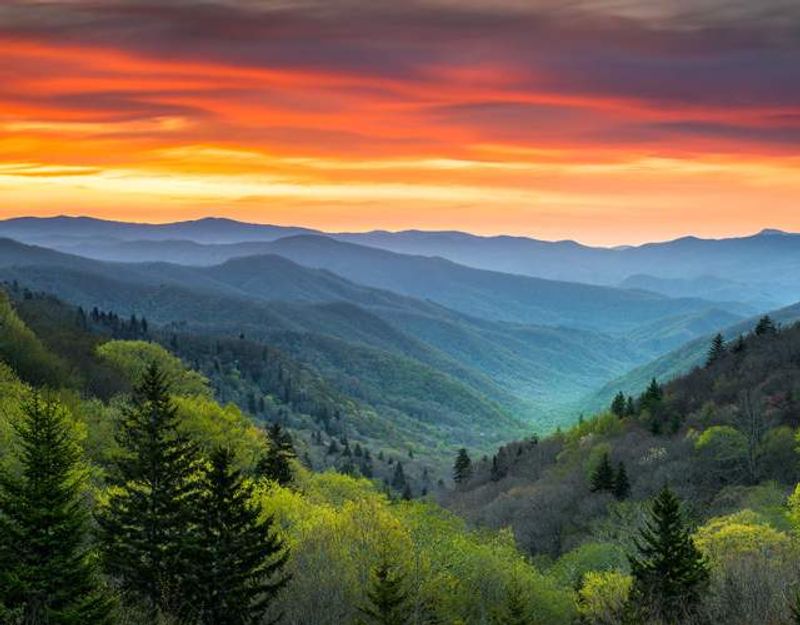
January and February open the Smokies with quiet grace. Bare trees reveal long vistas, and cabins rest in stillness along uncrowded paths. Some days feel springlike, others whisper snow, but either way the mood is calm and contemplative.
Wildlife tracks stitch across leaf litter, and waterfalls run clear and cold. Dress in layers for changeable weather, and carry a thermos for ridge-top pauses. With fewer cars, scenic drives feel like private invitations. You get time to wander Cades Cove, photograph hoarfrost, and listen for wind in hemlocks.
4. Rocky Mountain National Park, Colorado
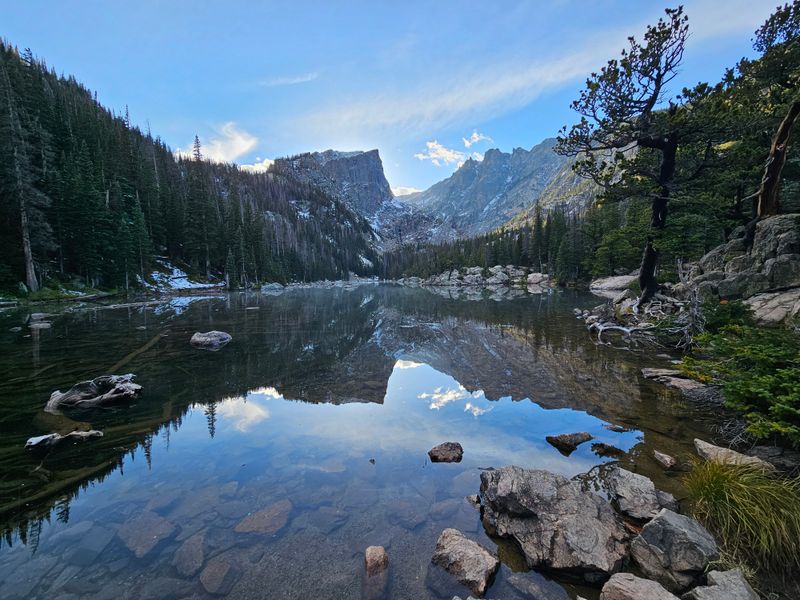
In fall, elk bugle across meadows while aspens flicker like coins. Trail Ridge Road can stay open into the shoulder season, offering wide alpine drama with easier traffic. Come spring, thawing lakes mirror peaks, and wildflowers stitch color along trails.
Snow lingers, so choose microspikes or snowshoes and check conditions. Photography is sublime in low-angle light, and sunrise rewards early risers. You get breathing room at trailheads and space to watch wildlife without crowds. The park’s rhythms feel audible off-season, like a song you finally hear clearly.
5. Glacier National Park, Montana
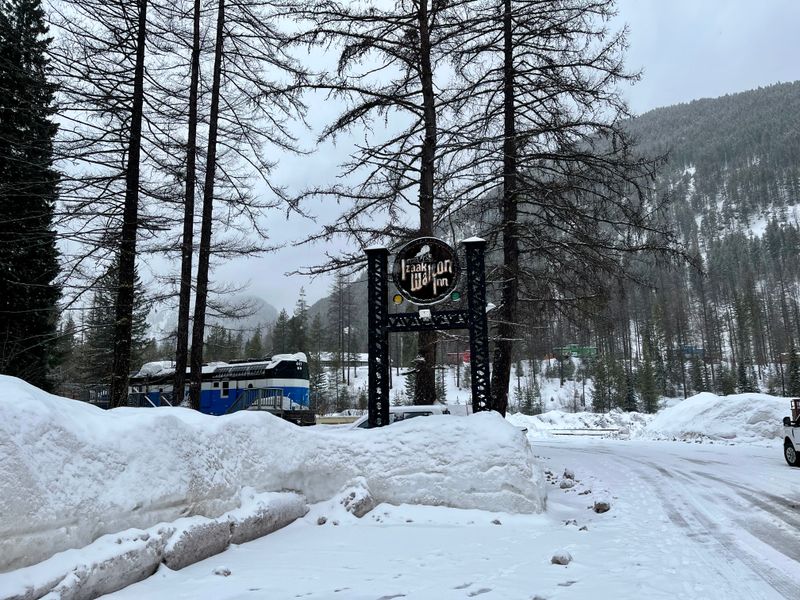
Early fall in Glacier lights the larches gold, a brief, luminous show against blue water and stone. Trails are crisp underfoot, and the air feels perfectly tuned for long hikes. Wildlife moves quietly through meadows, and sunsets linger like embers.
In winter, silence deepens. Cross-country skis glide along closed roads, and tracks sketch fresh stories in snow. Check avalanche forecasts, pack layers, and chase those bright, clear days. The crowds are gone, leaving a vastness that feels personal. Glacier off-season is clarity, color, and calm stitched together.
6. Arches National Park, Utah
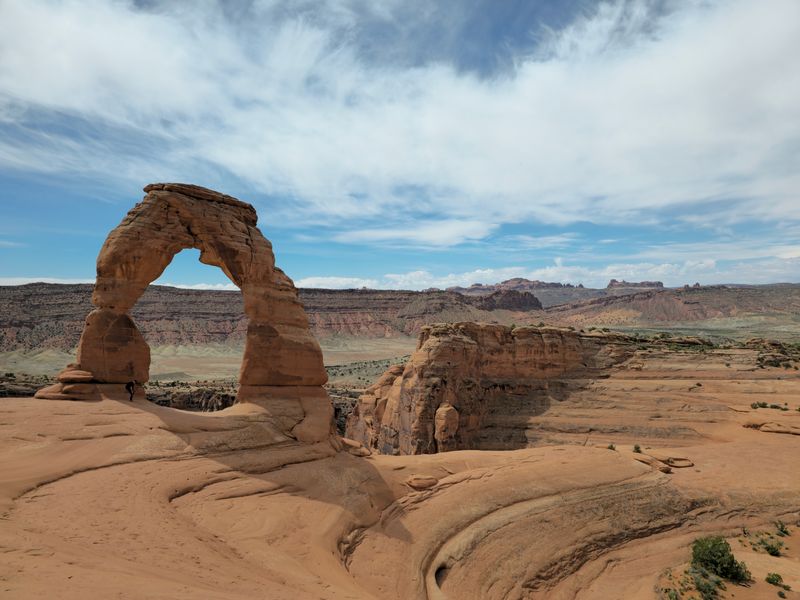
Spring and fall turn Arches into a comfortable playground. Temperatures hover in the sweet spot, letting you wander to Delicate Arch without the midday blast furnace. Dawn paints fins and windows in peach and rose, and every curve takes a breath.
Carry water anyway, because desert air drinks it from you. With thinner crowds, photo ops open up and trail chatter softens. Evenings glow with stars, making the skyline look carved against space. The off-season gives you time to linger at viewpoints and feel the sandstone’s warmth under your hands.
7. Bryce Canyon National Park, Utah
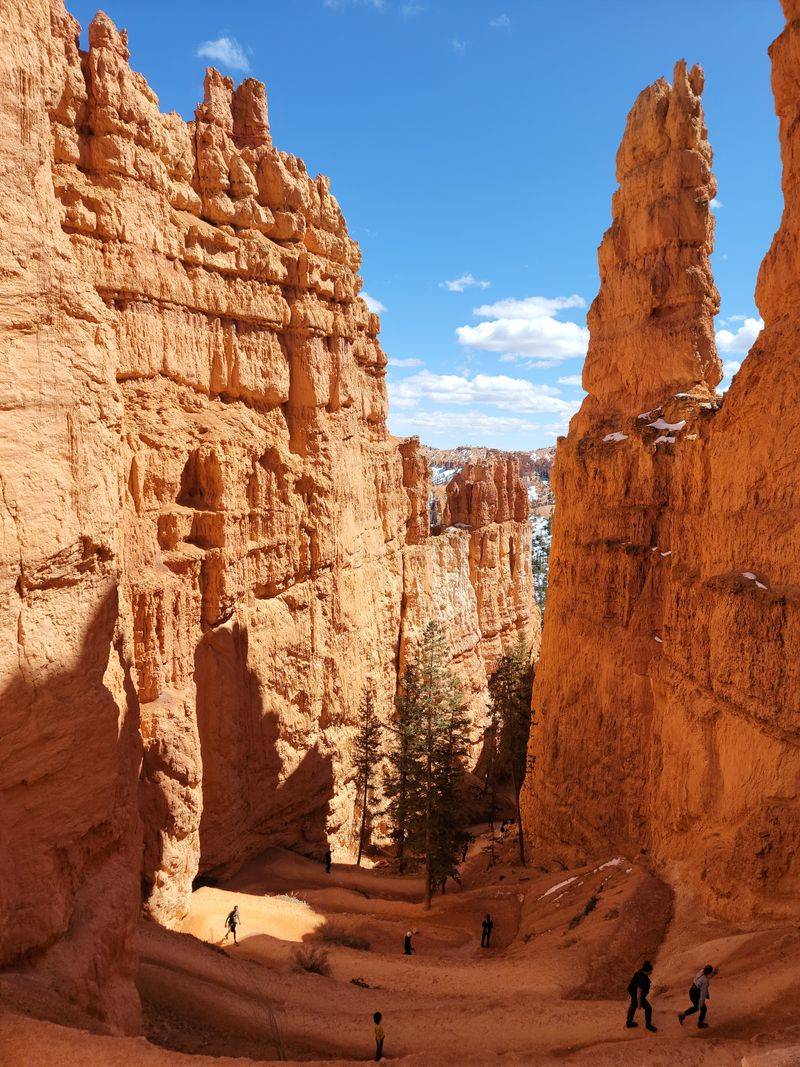
Hoodoos wear snow like lace, and the amphitheaters blaze with color against winter white. Cooler temperatures make rim and Navajo Loop hikes delightfully crisp. With fewer people, echoes carry, and you can hear the crunch of your own steps.
Bring traction for shaded switchbacks and a thermos for sunrise. Light bounces between spires, giving photos a painterly glow. You will find parking easier and viewpoints open for lingering. Bryce in the off-season feels sculpted for you, a cathedral of stone where silence is the choir.
8. Yosemite National Park, California
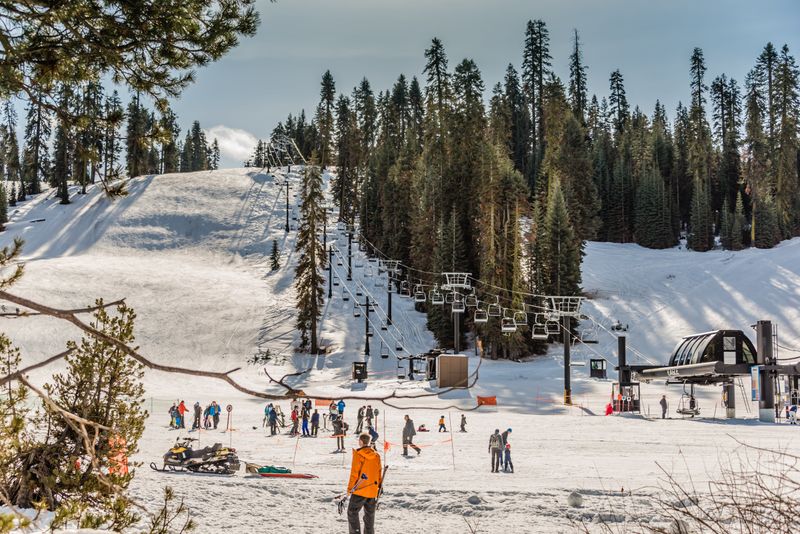
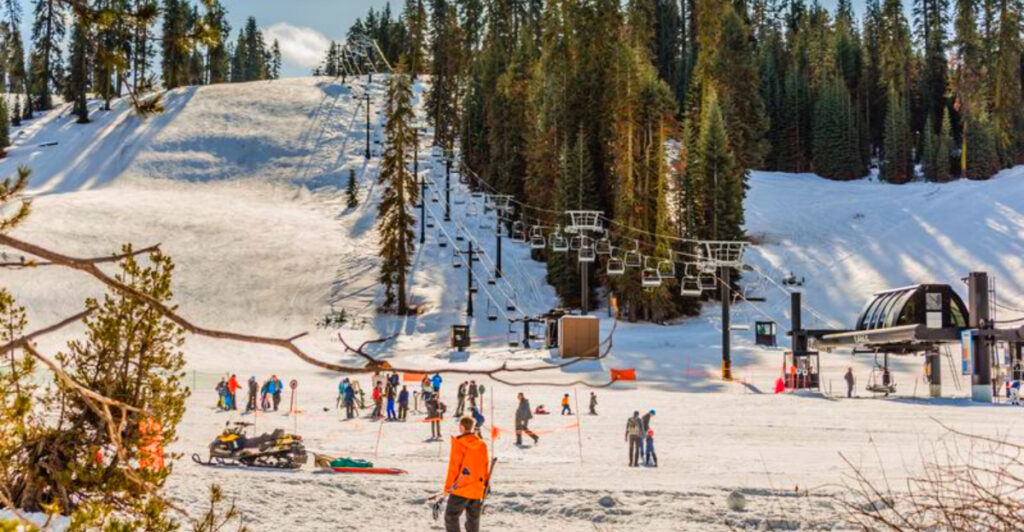
Snow settles on granite giants, and the valley exhales a hush that summer never grants. Waterfalls thread silver through frosted pines, while you trace snowshoe tracks across quiet meadows. Badger Pass hums gently, offering family-friendly runs without long lift lines.
Bundle up, sip cocoa, and watch ravens carve black arcs against pale cliffs. Parking is easier, lodging kinder on your wallet, and trailheads feel welcomingly empty. Pack microspikes, check road conditions, and let shorter daylight set your pace. Yosemite in winter is serenity made visible, a slower heartbeat framed by stone and snow.
9. Joshua Tree National Park, California
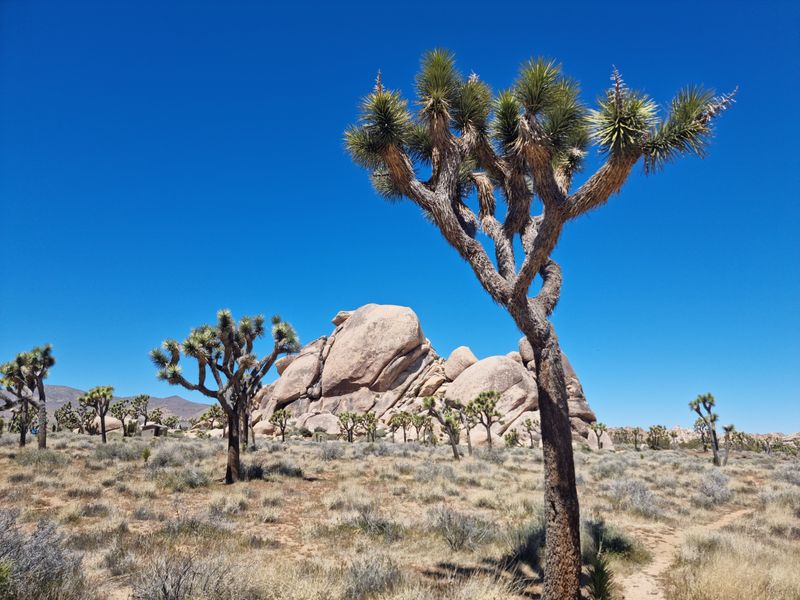
Cooler months turn Joshua Tree into a serene desert classroom. Temperatures hover in the 50s and 60s, perfect for scrambling boulders and tracing cactus gardens. Campgrounds quiet down, and golden hour pours like honey over monzogranite domes.
Bring layers for chilly nights and lingering breezes. Stargazing dazzles on clear evenings, and trails like Hidden Valley feel wonderfully unhurried. With fewer cars, you can stop often and explore side paths. The off-season invites you to slow your stride, read the rock textures, and listen for owls on dusk walks.
10. Olympic National Park, Washington
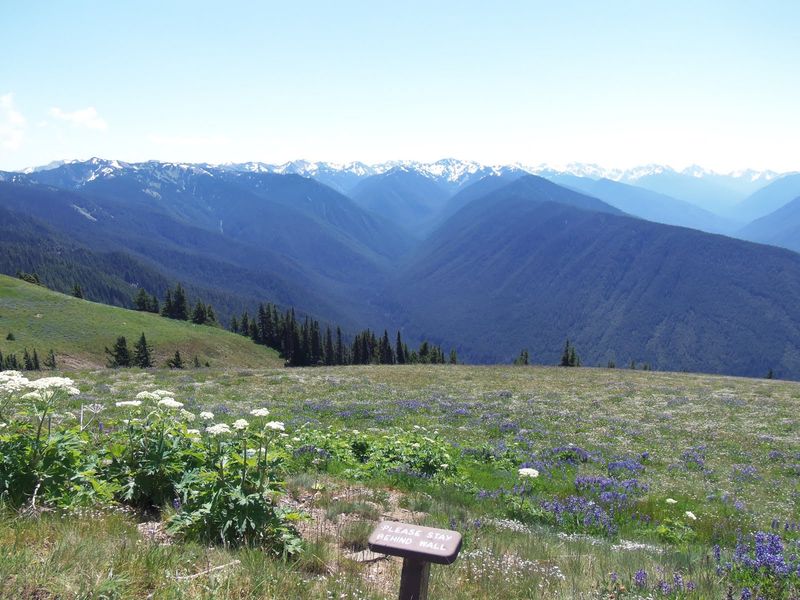
Olympic is three parks in one, and winter shows all of them differently. Hurricane Ridge offers snow play under eagle-blue skies, while the Hoh glows neon with rain-soaked moss. Down on the coast, waves drum steady against sea stacks.
Pack for rain and sun in the same day, and chase breaks in the clouds for photos. Crowds thin dramatically, making even famous trails feel personal. Tide charts and road updates matter, so check before you go. Off-season, you can surf silence, snow, and rainforest in a single weekend.
11. Acadia National Park, Maine
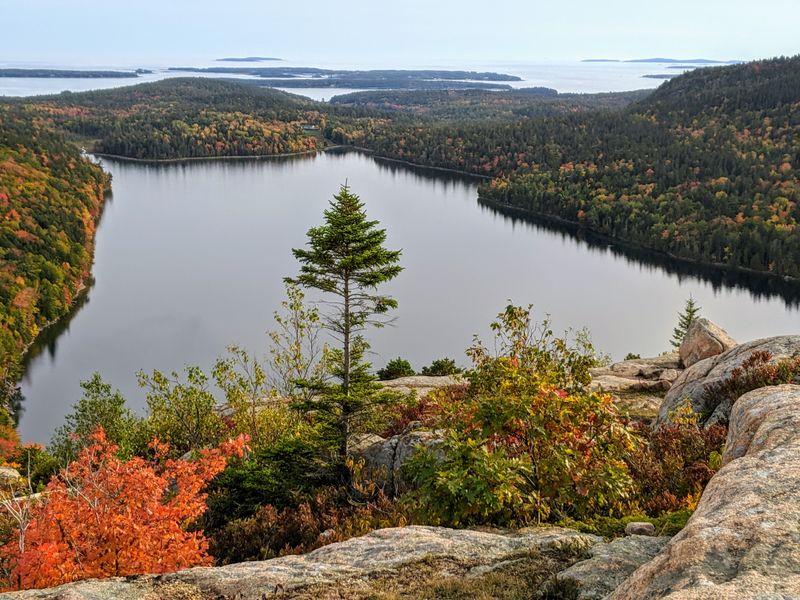
Acadia trades summer bustle for snowy calm. Carriage roads become ribbons for cross-country skis, and the ocean air feels electric on frosty mornings. Cadillac Mountain sunrises paint granite blush, with only the gulls for company.
Bundle tight, watch for ice, and sip something hot while the harbor breathes steam. Trails are quieter, wildlife signs appear in snow, and photos gleam with winter clarity. Check closures and conditions before traveling. Off-season Acadia lets you hear waves between trees and your footsteps on packed powder.
12. Glacier Bay National Park, Alaska
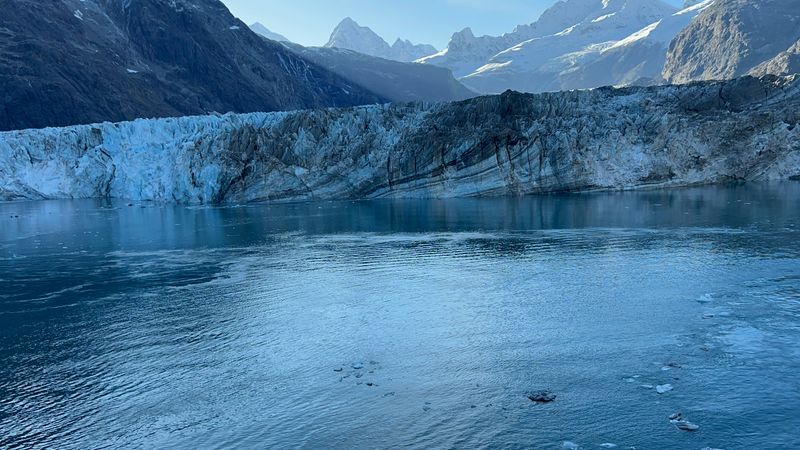
When the crowds depart, Glacier Bay turns contemplative. Short daylight paints glacier faces electric blue, and the fjords sit nearly still. Wildlife sightings can feel intimate, with sea birds stitching patterns over mirror water.
Access is limited, so planning matters. Bundle for bitter wind and track weather windows closely. The reward is solitude on a grand, icy stage where sound carries forever. You will remember the color of the ice and the silence between creaks. Off-season here is pure scale, distilled.
Share this story