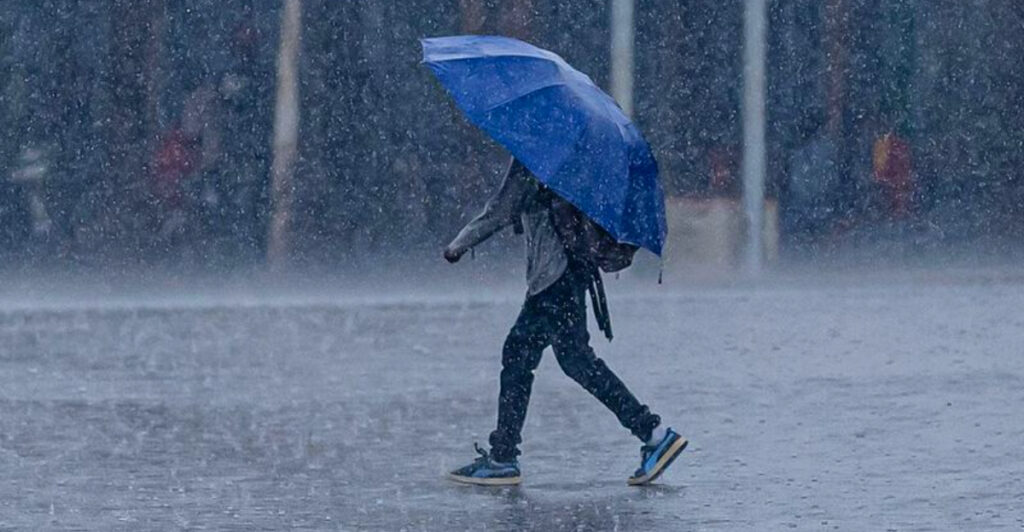
Heavy rain is drenching Greater Los Angeles, and officials say the danger is rising by the hour. Evacuation warnings are in place across multiple communities as flash floods and mudslides become more likely, especially near burn scars. You need clear information and quick steps to stay ahead of fast changing conditions. Here is exactly what to know and how to prepare before the next wave hits.
Evacuation warnings now cover parts of Greater Los Angeles as bursts of heavy rain raise the threat of flash flooding and mudslides. You might live miles from a creek and still face sudden runoff, especially if your neighborhood sits below a burn scar. Officials stress that a warning means prepare to leave, not wait until conditions turn chaotic and roads close.
Forecasters say rainfall rates could overwhelm storm drains in minutes. In burn scar terrain, water cannot soak in, so it races downhill carrying mud, rocks, and branches. Even if the rain eases for a short time, unstable slopes can fail without obvious signs, sending debris flowing through streets and yards.
Act now by gathering essentials, charging phones, and reviewing your route out. If authorities upgrade to an order, go early while roads are still passable. Avoid driving through flooded intersections, and never try to move barricades. Stay tuned to official alerts from local agencies and Fox Weather, and check on neighbors who may need help.
Recent wildfire burn scars across Southern California dramatically increase the danger when heavy rain arrives. Burned soil can turn hydrophobic, repelling water so it speeds over the surface instead of soaking in. That fast runoff can pick up ash and loose earth, creating powerful debris flows that move like wet concrete.
Meteorologists warn that even brief, intense downpours can trigger destructive slides. These flows can snap fences, shove cars, and damage well built homes. You cannot outrun them, and they may strike after rainfall seems to taper, which is why officials issue early evacuation warnings near scarred slopes.
If you live below a hillside, canyon, or drainage channel connected to a burn area, pre pack an emergency kit and identify multiple exit routes. Park vehicles facing outward and keep important documents and medications ready. Watch for signs like rapidly muddying water, unusual rumbling, or sudden water level changes, and leave immediately if told to go.
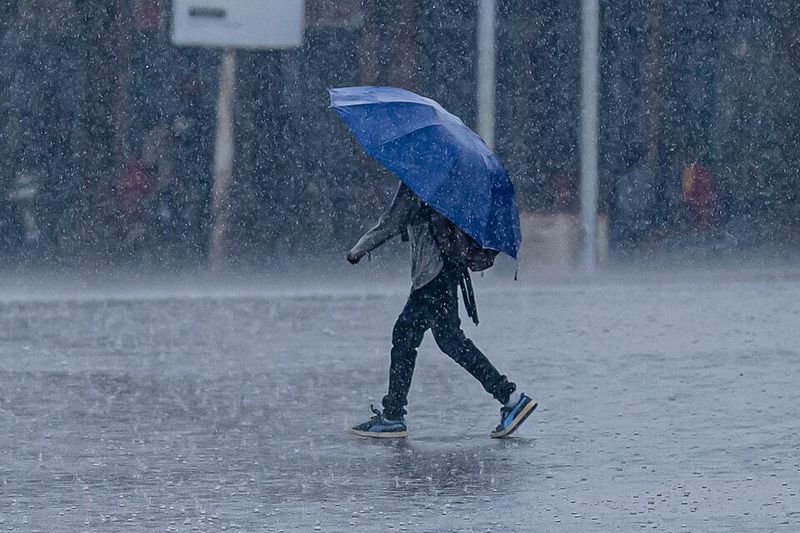
Flash flooding is a major hazard across Los Angeles as intense rain quickly overwhelms streets and underpasses. You may not see washed out pavement or debris beneath murky water, which turns a routine drive into a life threatening situation. Officials say to avoid travel during peak bursts and to reroute immediately when roads flood.
Emergency responders face delays when water rises and drains clog with leaves and mud. Once access routes close, rescues become slower and more complex. The message stays simple and lifesaving: turn around, do not drown. Most flood fatalities happen in vehicles when drivers push through water only a few inches deep.
Protect yourself by staying indoors during the worst conditions, keeping phones charged, and enabling wireless emergency alerts. If you must drive, check live maps and local advisories, and never bypass barricades. Park on higher ground and watch nearby channels for rapidly rising water. Conditions can deteriorate quickly, especially at night.
With rain continuing, officials urge you to stay prepared and alert even during breaks in the downpours. Saturated soils mean additional runoff, flooded intersections, and slope failures remain possible. Local governments have activated emergency operations centers, staged shelters, and distributed sandbags to help neighborhoods brace for more impacts.
Pack essentials now: medications, documents, chargers, food, water, warm layers, and supplies for pets. Keep your car fueled, shoes by the door, and a headlamp or flashlight handy. If your area is under an evacuation warning, plan to leave early if conditions worsen, before road closures and traffic jams complicate your exit.
Meteorologists note that steep terrain, dense development, and wildfire damage make Southern California uniquely vulnerable during intense storms. Rely on official sources for updates, not rumors. Check for updated maps, closures, and shelter locations, and help neighbors who may need assistance. Storms will pass, but cleanup and recovery can take time where debris flows or floodwaters strike.
Share this story