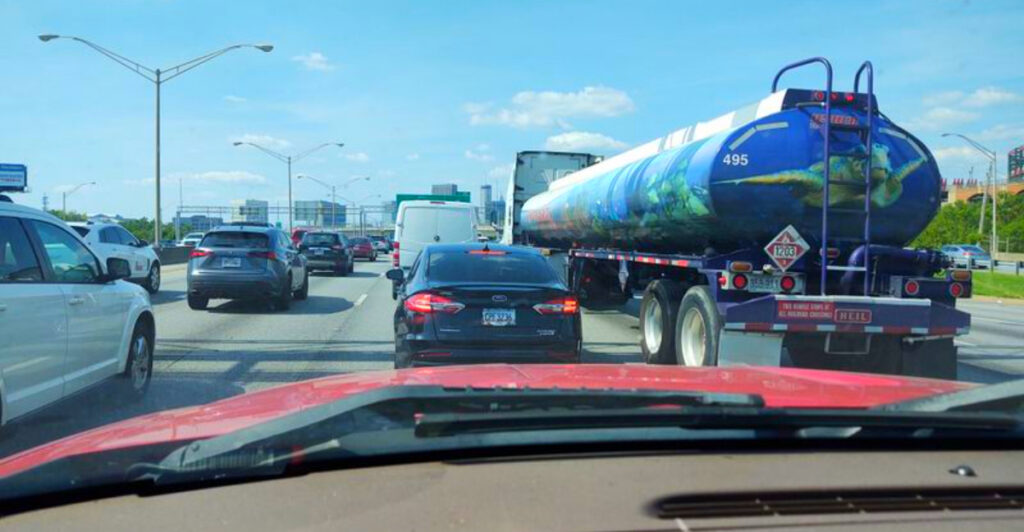
Stuck bumper to bumper and wondering who has it worst? You are not alone. Using the latest commuter data for 2025, we ranked the U.S. cities where drivers lose the most hours to congestion. Compare your daily grind, pick up survival tips, and see how your city stacks up before your next rush hour crawl.
1. Chicago, IL
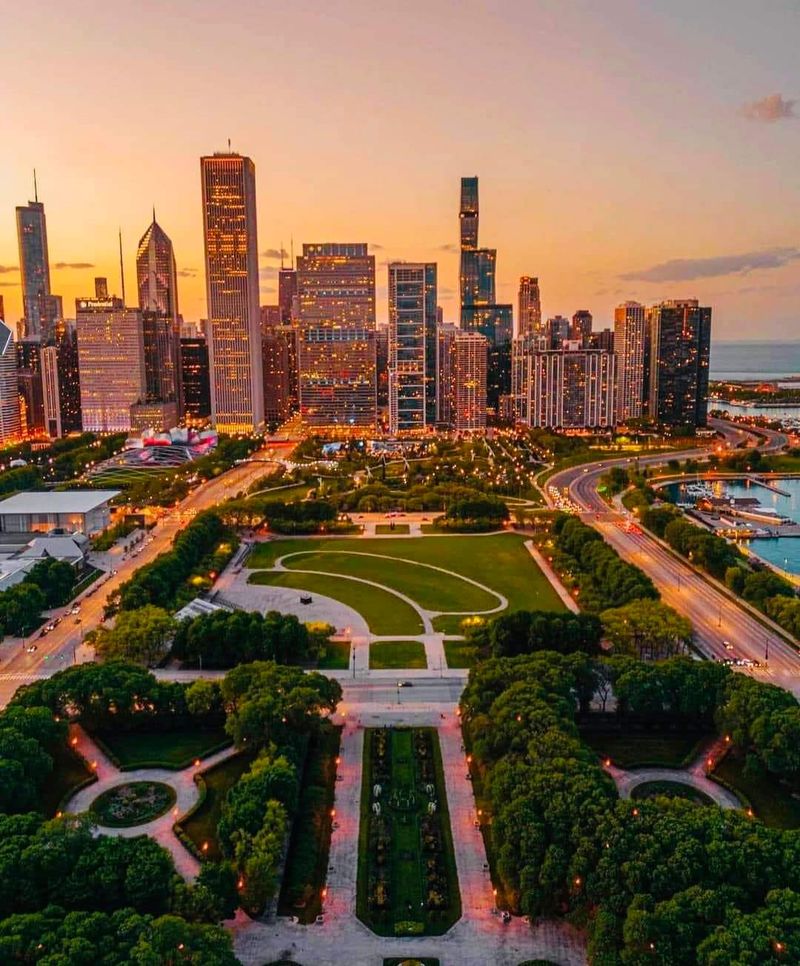
Chicago tops the list, and you can feel it on the Kennedy at 5 pm. Drivers lose an estimated 112 hours a year, which adds up fast when meetings run long and the express lanes clog. If you live along the North Side, plan buffer time or risk that anxious clock check.
Construction zones shape your route choices like a puzzle. Trains help, but transfers can still chew minutes. On snow days, everything slows, and side streets become slushy detours.
Use real time alerts, consider shoulder hour departures, and keep a backup plan. Your sanity improves when expectations match the inevitable crawl.
2. New York City, NY
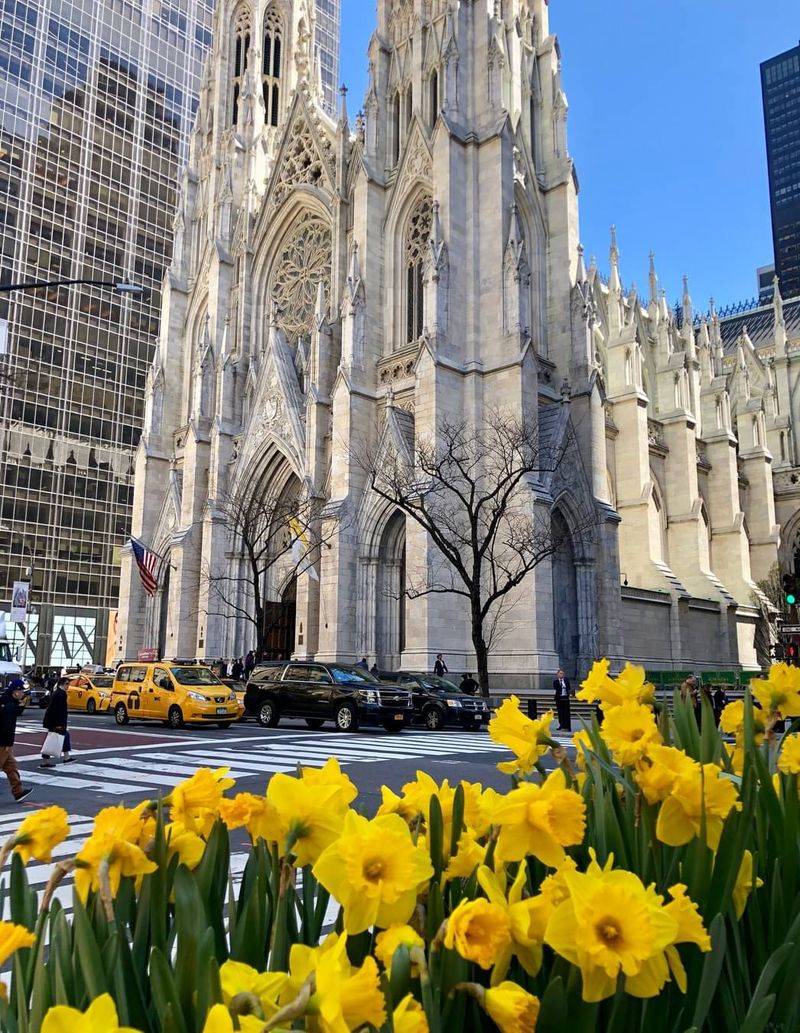
New York squeezes every minute from your patience. With about 102 hours lost each year, Midtown bottlenecks and bridge approaches turn tiny delays into big headaches. If you commute from Queens or Jersey, the tunnel decision alone can decide your mood.
Subway alternatives help, yet signal problems and crowding still eat time. Deliveries double park, buses crawl, and a single lane closure ripples for blocks.
Beat the grid by leaving earlier than feels reasonable, then reward yourself with coffee near the office. A flexible schedule and walking the last stretch often save your day.
3. Los Angeles, CA
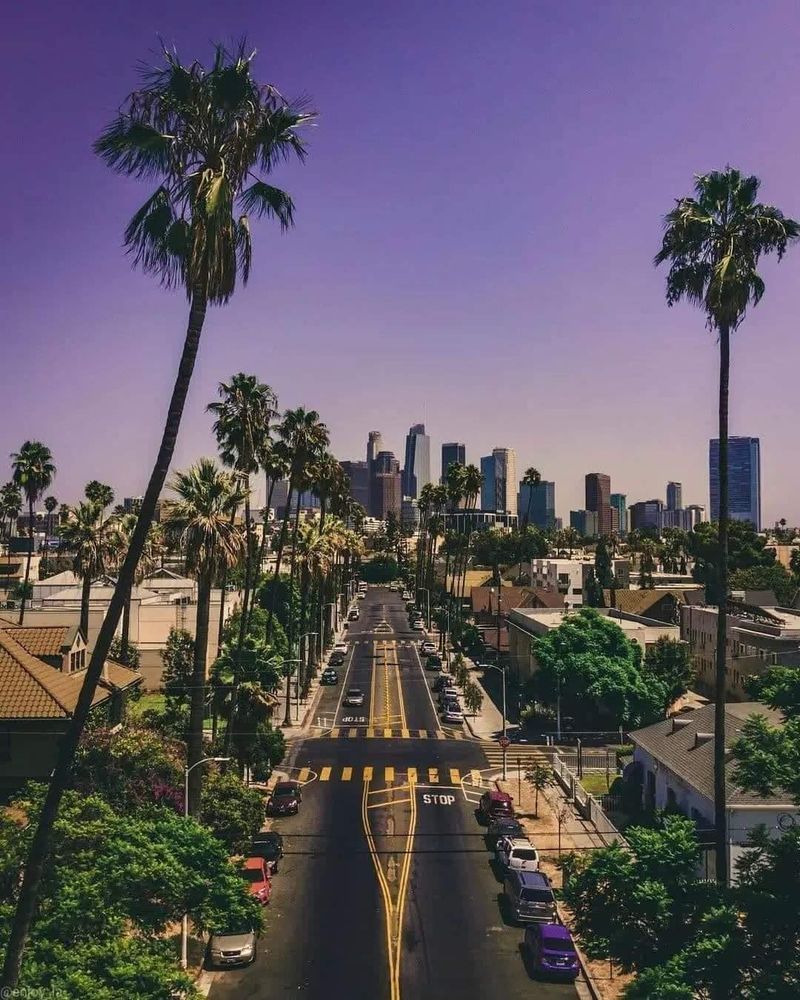
Los Angeles turns distance into a mirage. You might budget 20 minutes, then watch 88 hours a year disappear to break lights across the 405 and the 101. Even with carpool lanes, merges pack tight and the slightest fender bender freezes progress.
Transit is improving, but first and last mile gaps remain real. If you chase shortcuts through canyons, expect hairpin frustrations and phone signal drops.
Time your trips around school dismissals and studio shifts. Podcasts, water, and patience help you arrive human. When you can, stack errands into one loop and protect your off peak windows.
4. Philadelphia, PA
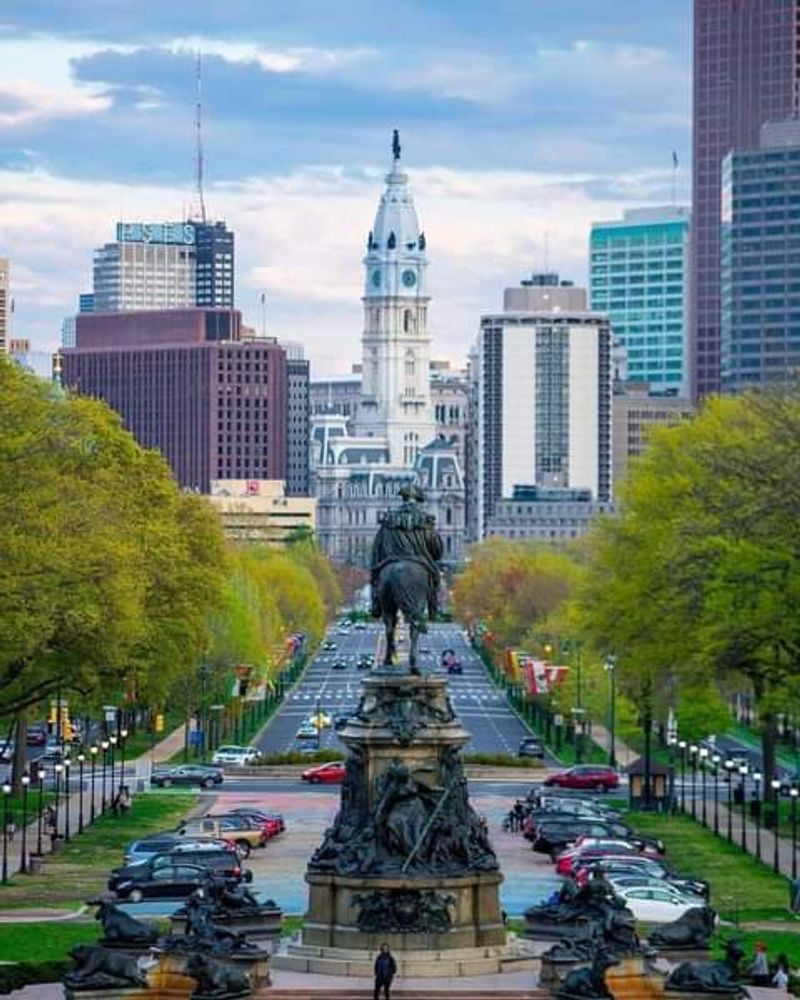
Philadelphia’s 76 can humble anyone. At roughly 77 hours lost per driver, the Schuylkill and Vine Street Expressway funnel everything into a tense slog. If you rely on the Ben Franklin Bridge, wind and incidents multiply delay math.
SEPTA offers relief, but transfer timing is a gamble, especially late evenings. Construction near University City can trap you between ramps with nowhere to bail.
Aim for shoulder peaks, and scout park and ride options on days packed with meetings. Small wins add up. You will thank yourself for downloading alternate route maps before the brake lights bloom.
5. Boston, MA
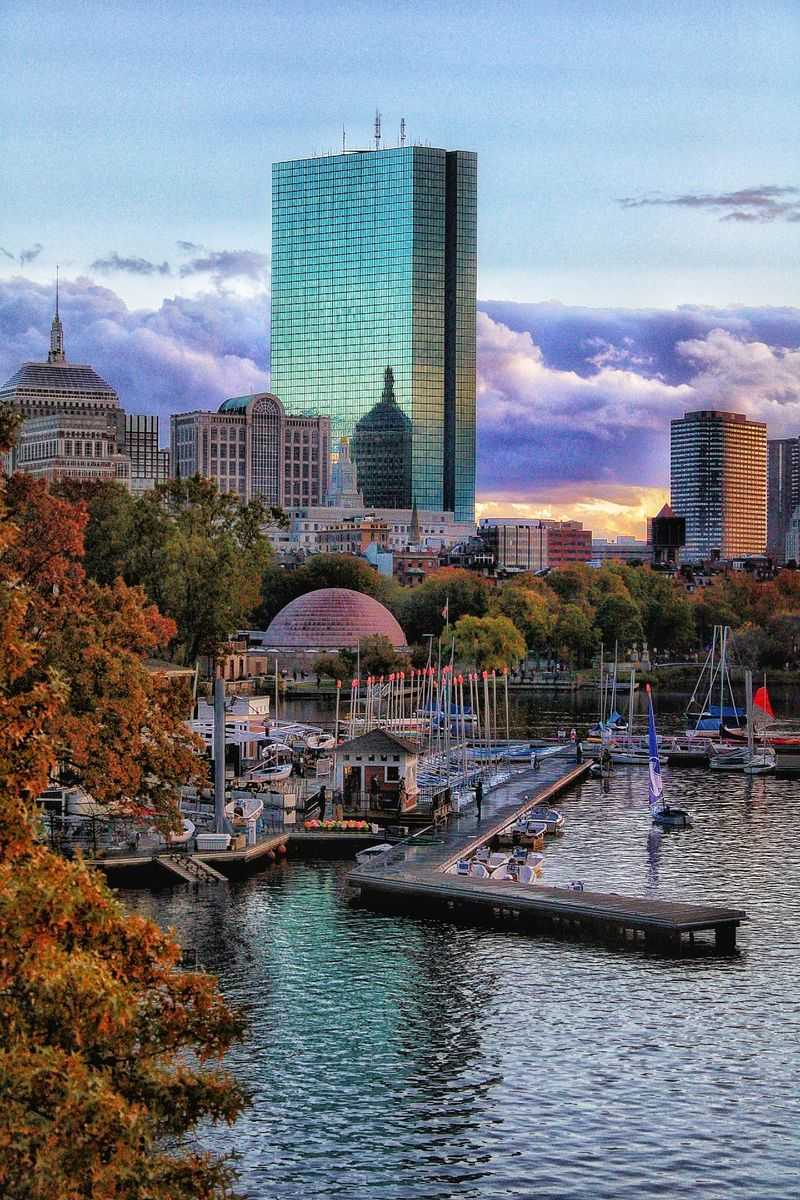
Boston’s charming streets turn tricky at rush hour. With about 79 hours lost, the Big Dig legacy still funnels cars into tight twists where a missed exit punishes you. Rotaries demand courage, and downtown tunnels challenge even confident drivers.
The T can be faster, but breakdowns and slow zones sometimes derail plans. Winter storms add icy stress and sudden lane disappearances.
Leave earlier than logic suggests, and keep destinations pinned. If weekends are your thing, start at dawn and finish by lunch. Walking or biking short hops beats crawling through Beacon Hill when the city breathes out traffic.
6. Miami, FL
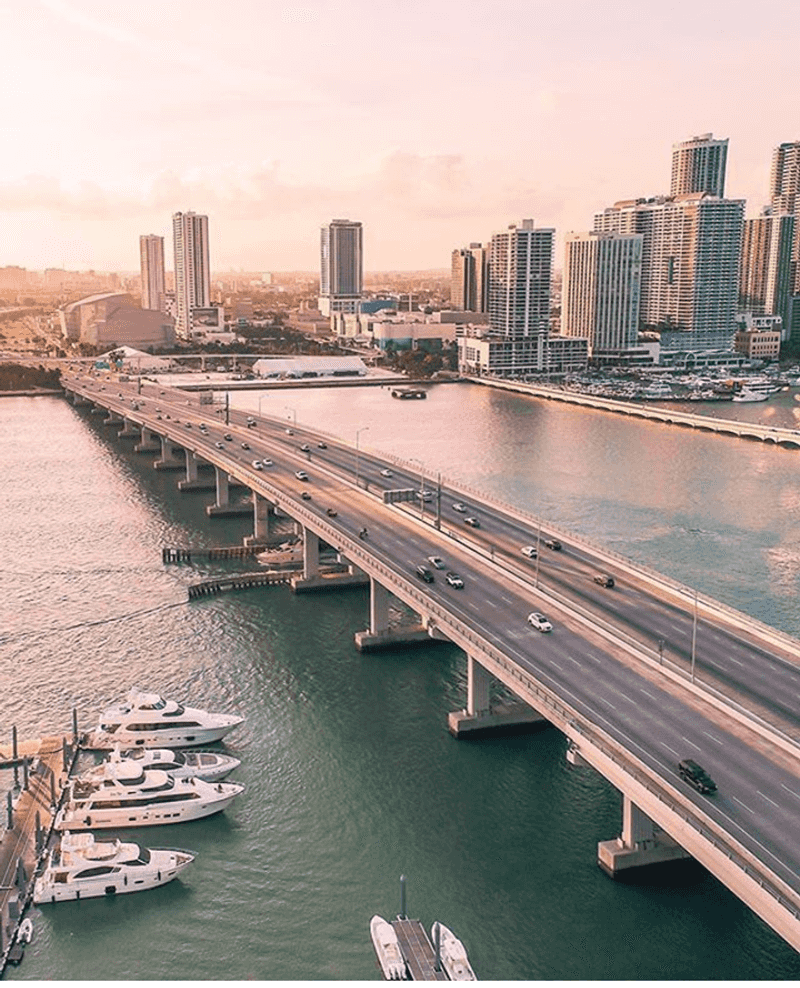
Miami’s sunshine masks a stubborn slowdown. Drivers lose about 74 hours a year as I 95, the Dolphin, and the Palmetto trade jams like relay batons. When storms roll in, visibility shrinks, and every lane change steals more time.
Transit options exist but sprawl stretches trips. Drawbridges and beach traffic create unpredictable pulses that surprise even locals.
Work the early window or slip out after the evening surge. Keep toll transponders funded, stash sunglasses and a rain jacket, and pre save alternate exits. You will glide more often when you plan around event nights and cruise ship days.
7. Houston, TX
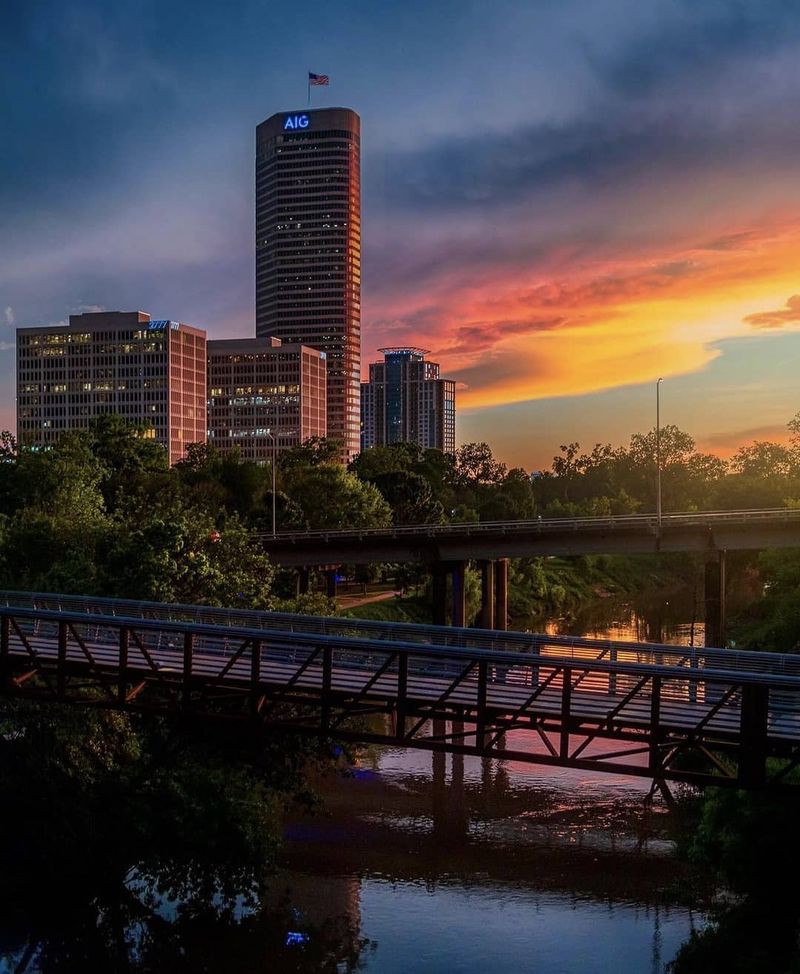
Houston’s scale can deceive you. At around 66 hours lost each year, the Katy and Gulf freeways test your endurance with long merges and heavy truck lanes. Sudden storms turn puddles into lane blockers and slow everything to a crawl.
HOV lanes help if you qualify, but exits can be unforgiving when you miss your shot. Park and ride buses offer sanity on meeting heavy days.
Watch live radar, fuel early, and keep snacks handy for slow stretches. If your calendar is flexible, shift by 30 minutes and win back hours over a month.
8. Atlanta, GA
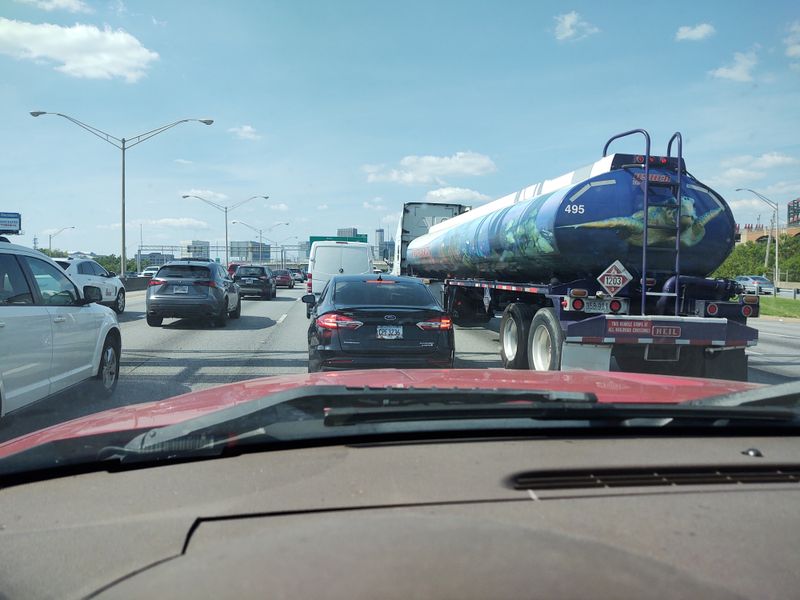
Atlanta’s Downtown Connector is legendary for a reason. With about 65 hours lost, the tangle of I 75 and I 85 creates daily suspense, especially when events stack near Midtown or the stadiums. A single lane closure ripples for miles.
MARTA can bypass chaos, yet park and ride capacity varies by time. Rain slicks ramps and exposes gaps in following distance.
Shift errands to late morning, and plan two viable exits at all times. Keep your navigation app honest by checking traffic cameras. You will feel calmer when you expect slowdowns and treat green lights like gifts.
9. Seattle, WA
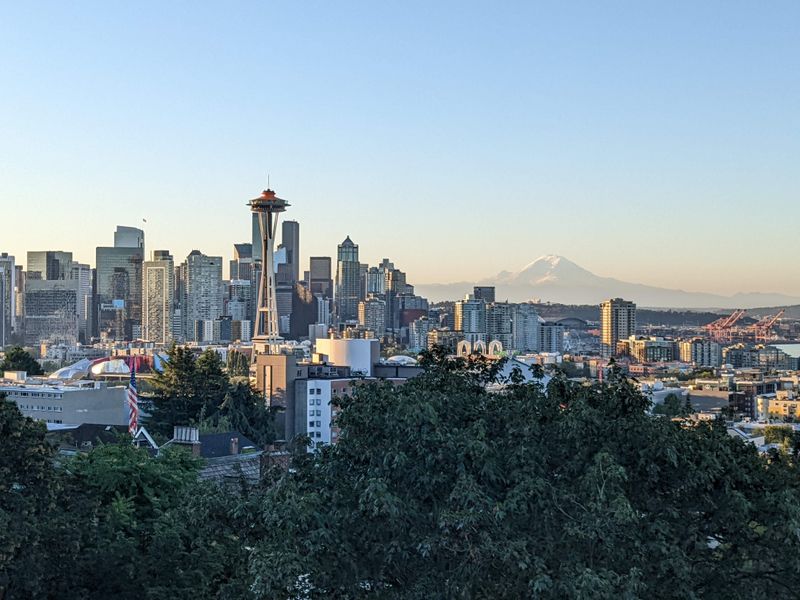
Seattle’s congestion creeps even on days that look clear. About 63 hours vanish annually as I 5, SR 99, and lake crossings compress demand. Rain amplifies everything, wipers clicking while brake lights smear across the windshield.
Transit and light rail help, but hills and transfers extend total time. Mariners or Seahawks games can blindside your afternoon plans and spill onto arterials.
Ride earlier ferries or leave after the peak. Keep an umbrella and patience handy, and save favorite side streets for rainy days. Your best ally is a flexible schedule anchored by real time alerts.
10. Washington, DC
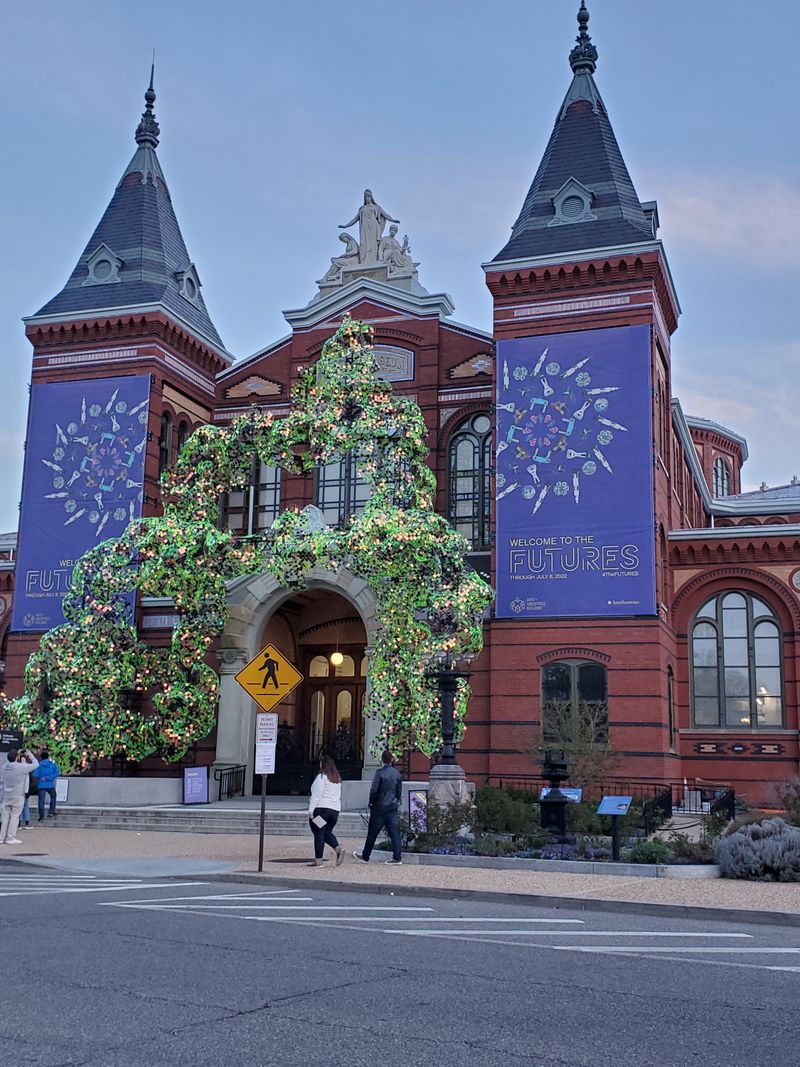
DC traffic tests anyone’s diplomacy. With roughly 62 hours lost, circles like Dupont and Thomas confound flow while construction reshapes corridors without warning. Federal schedules create synchronized surges that overwhelm bridges and arterials.
Metro reduces stress, though single tracking and maintenance windows can push you back to the car. Motorcades and security closures add surprise detours on ordinary weekdays.
Leave earlier than meetings demand and plan a walking final mile. Keep alerts for events and hearings that spike volume. Your buffer time buys calm when the Beltway transforms into a glowing ribbon of brake lights.
11. San Francisco, CA
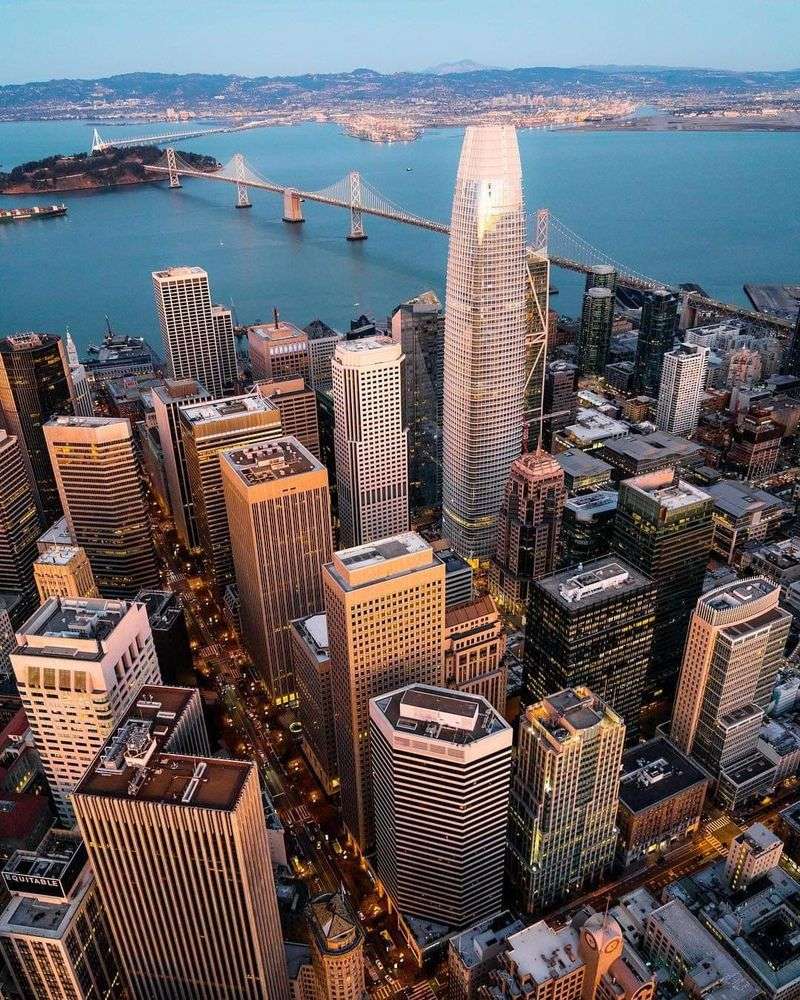
San Francisco compresses complexity into short distances. Bridge approaches stack delays, and downtown ramps back up as deliveries and rideshares cluster. You can lose dozens of hours annually even if your commute is only a few miles across neighborhoods.
BART and ferries soften the blow but do not cover every origin and destination. Hills, cable car tracks, and lane reductions turn simple routes into timing challenges.
Travel outside core peaks, and favor transit when crossing the bay. Keep a walking plan for the last stretch, and you will reclaim minutes day after day.
12. Dallas, TX
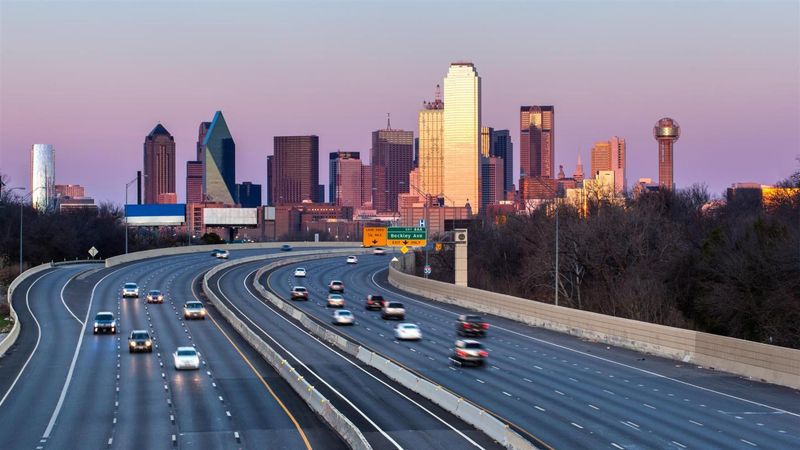
Dallas spreads wide, so trips look short on the map and long in real life. The High Five and North Central Expressway can swallow minutes when volumes spike. Add school pickups and stadium events, and the crawl becomes familiar.
DART light rail can bypass key bottlenecks if your route lines up. Toll lanes shave time, but costs add up, so budget smartly.
Try sliding your commute 20 minutes and watch stress drop. Keep cold water in the car, download construction updates, and memorize a couple of neighborhood cut throughs for backup.
13. San Diego, CA
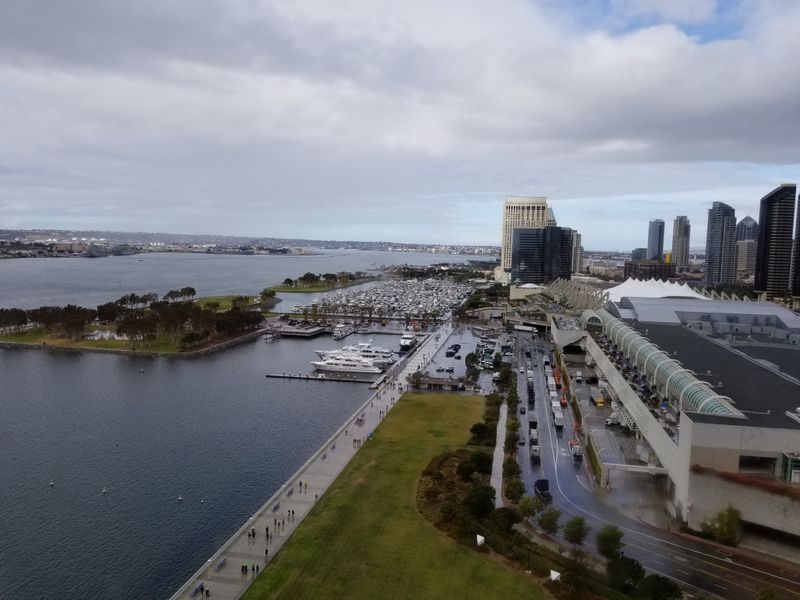
San Diego’s vibe stays chill, but the I 5 does not. Beach traffic merges with commuter surges, turning routine trips into creeping lines. Even with milder numbers than bigger metros, the lost hours still sting when schedules stack tight.
Trolley options work well if your start and end points line up. Military base gates and border backups can spill far into surface streets.
Leave early on sunny weekends and after big events. Keep sunscreen, water, and a backup playlist ready. Your patience grows when you treat coastal detours as a feature, not a frustration.
14. Phoenix, AZ
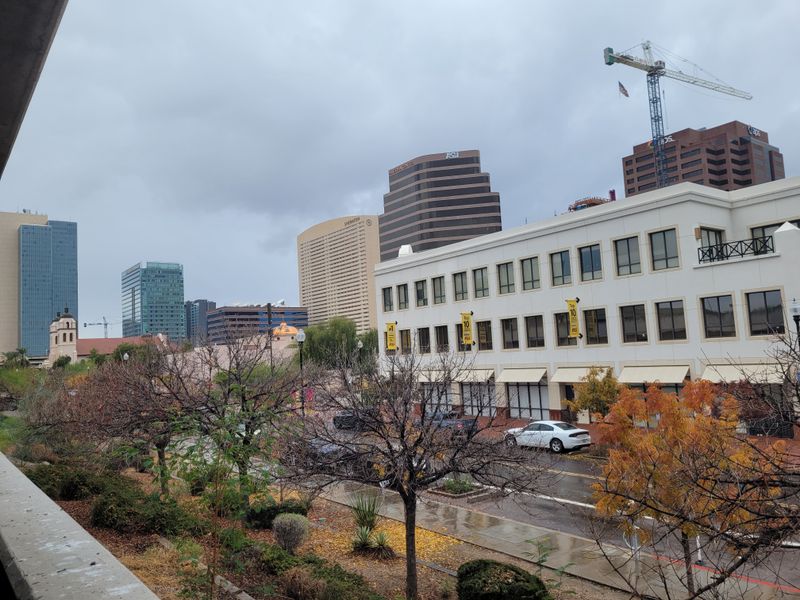
Phoenix delivers sun and slowdowns. Heat pushes breakdowns, and evening monsoons can drop walls of water that freeze lanes. Even with a grid that looks simple, interchanges tighten and minutes slip away before you notice.
Light rail helps downtown, but suburban gaps mean many still drive daily. Tire pressure and coolant become time management tools in the desert.
Shift travel to early mornings and protect your late night returns. Keep water, shade, and a phone mount handy so detours are safer. You will reclaim sanity by mapping alternate loops around the busiest junctions.
15. San Jose, CA
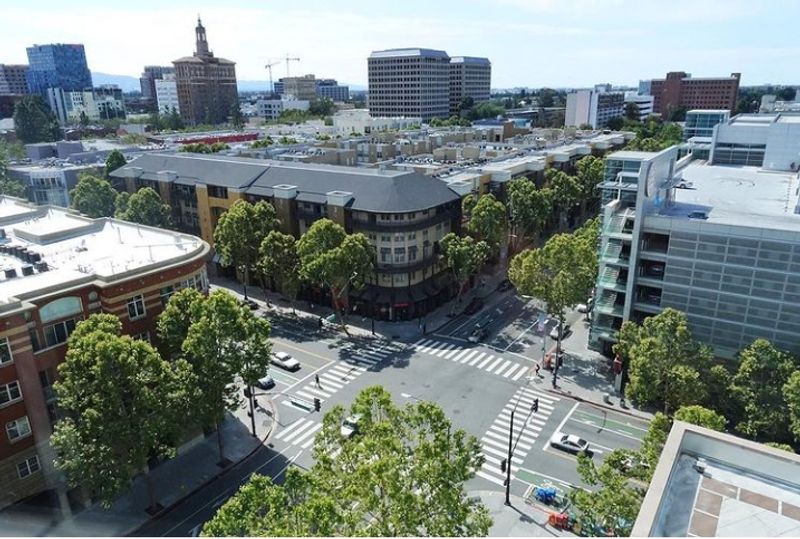
San Jose’s tech heartbeat means synchronized rush hours. US 101 and I 880 stack fast, while surface streets fill with shuttles and delivery vans. Meetings end on the half hour, and you feel it in the brake lights within minutes.
Caltrain offers relief, but first mile and last mile links can stretch total time. Construction near new campuses throws sudden detours into your routine.
Book calls for slower stretches to reclaim mental bandwidth. Travel outside the typical release windows and you will gain hours over a month. Keep bike and scooter options for those last mile hops.
16. Indianapolis, IN
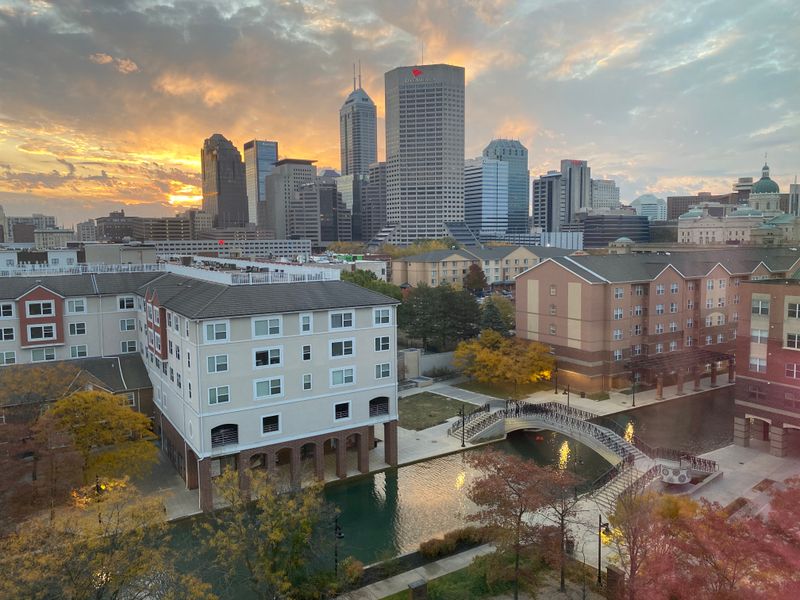
Indianapolis quietly climbed the congestion lists. Interstates ring the core, but construction and lane reductions can trap you in long merges. When events hit, downtown surface streets tie up quickly and the crawl tests your patience.
IndyGo improvements help some corridors, yet many commutes still rely on cars. Winter conditions and slick bridges stretch delays beyond expectations.
Leave early for games or conventions, and pin two parking options before you roll. Keep an ice scraper, warm gloves, and a backup route in your pocket. A little foresight buys back minutes on the Circle City grind.
Share this story