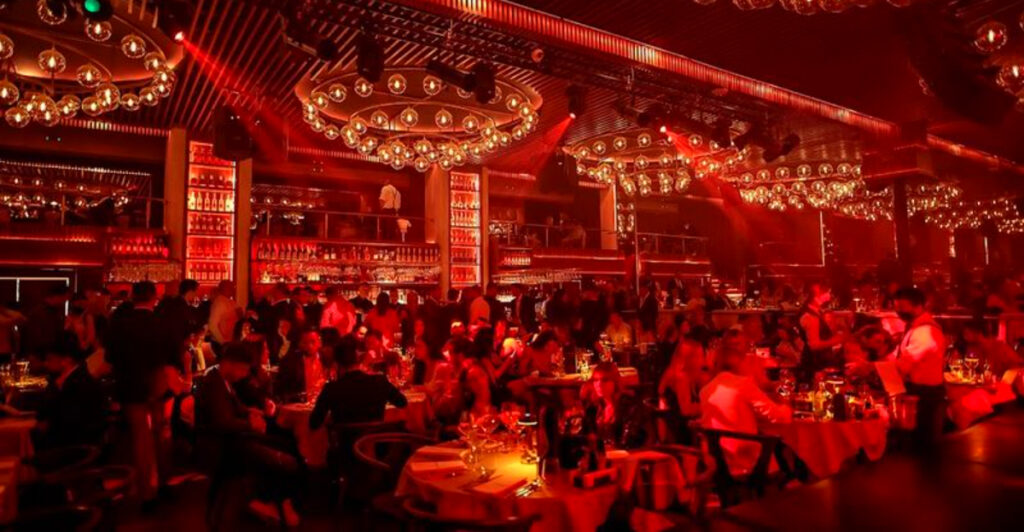
Sometimes all you need is a quick escape to recharge your batteries and explore somewhere new. Weekend getaways offer the perfect opportunity to experience different cultures, foods, and sights without taking too much time off work or school. Whether you crave historic streets, beachside relaxation, or vibrant nightlife, there’s a city waiting to make your short trip unforgettable.
Prague, Czech Republic — Fairy-Tale Old Town & Easy Walkability
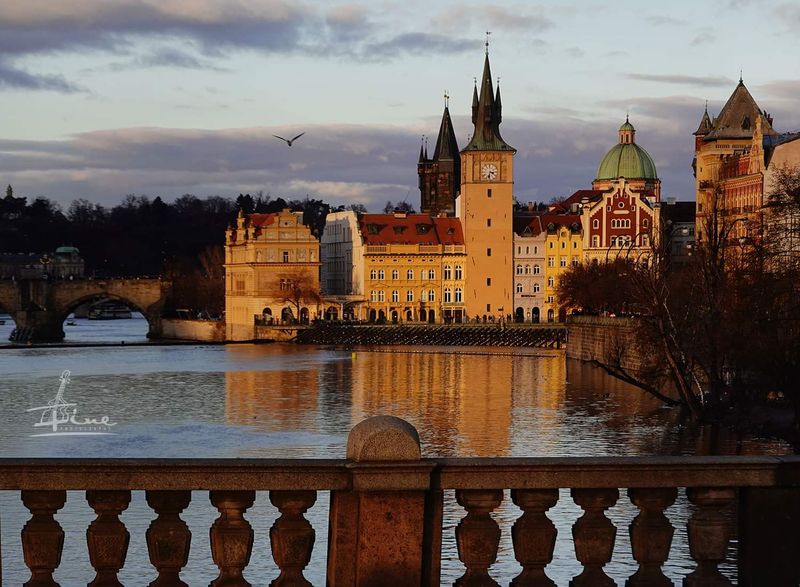
Prague feels like stepping into a storybook with its Gothic spires, cobblestone streets, and medieval charm around every corner. The Old Town Square dazzles visitors with the famous Astronomical Clock and colorful baroque buildings that look almost too perfect to be real. Charles Bridge connects the historic districts, offering stunning views of the Vltava River and countless street artists and musicians adding to the atmosphere.
Most major attractions sit within walking distance of each other, making Prague incredibly easy to navigate even if you only have two days. You can explore Prague Castle in the morning, wander through the Jewish Quarter by afternoon, and still have time to enjoy a traditional Czech dinner with pilsner beer. The city’s efficient metro and tram system helps you reach farther neighborhoods without hassle.
Beyond the typical tourist sites, Prague offers unique experiences like beer spa treatments where you can soak in tubs filled with beer ingredients. Local cafés serve hearty goulash and trdelník pastries that warm you up during cooler months. With its compact layout and wealth of history packed into every street, Prague delivers maximum cultural immersion in minimal time.
Budapest, Hungary — Thermal Baths & Riverside Views
Budapest splits itself across the Danube River, with the historic Buda side featuring castles and hills while the lively Pest side buzzes with shops, restaurants, and nightlife. This division creates natural variety for weekend visitors who can experience two distinct atmospheres without traveling far. The iconic Chain Bridge connects both sides and offers postcard-worthy views no matter which direction you’re walking.
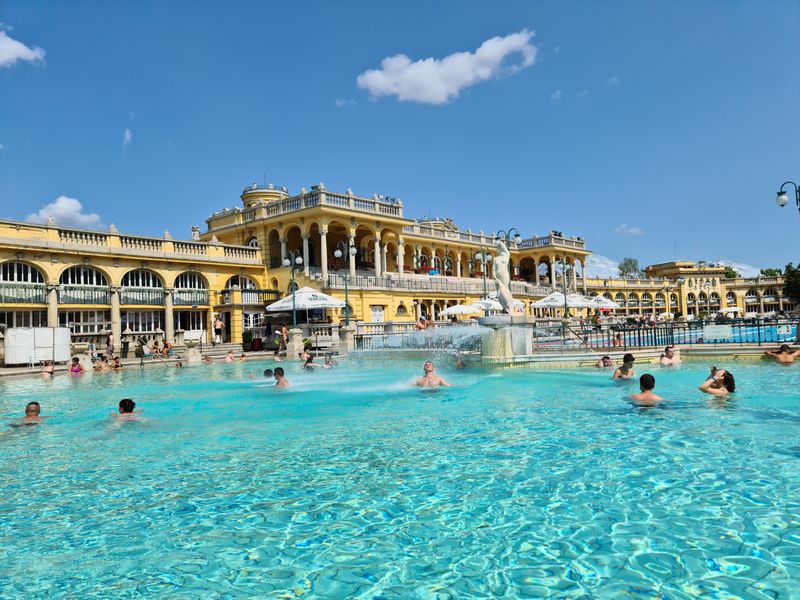
What sets Budapest apart from other European capitals is its thermal bath culture rooted in centuries of tradition. Széchenyi Baths feature outdoor pools where locals play chess while soaking in mineral-rich waters year-round. Gellért Baths showcase stunning Art Nouveau architecture that makes relaxation feel like visiting a museum.
Affordable prices make Budapest especially appealing for budget-conscious travelers who still want quality experiences. You can enjoy a full meal with wine for a fraction of what you’d pay in Western European cities. The metro system reaches all major attractions quickly, and ruin bars in the Jewish Quarter provide unforgettable nightlife in creatively repurposed buildings. Between cultural depth, relaxation opportunities, and wallet-friendly costs, Budapest packs incredible value into a short visit.
Lisbon, Portugal — Hills, Views & Historic Neighbourhoods
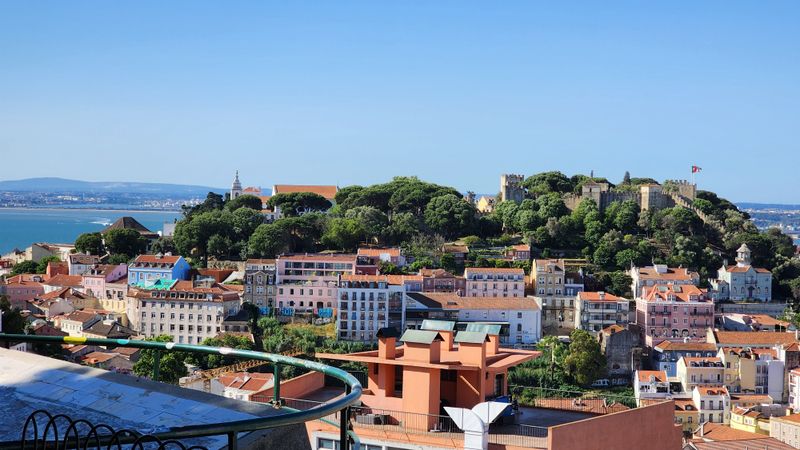
Lisbon climbs across seven hills overlooking the Atlantic Ocean, creating dramatic viewpoints called miradouros at seemingly every turn. The Alfama neighborhood preserves the city’s medieval character with narrow alleys, fado music drifting from restaurants, and laundry hanging between buildings. Vintage tram 28 rattles through these historic streets, offering a charming way to see multiple neighborhoods without exhausting your legs on steep climbs.
Pastéis de nata deserve their reputation as Portugal’s most famous treat—flaky pastry cups filled with creamy custard and best enjoyed warm from century-old bakeries. São Jorge Castle crowns one of Lisbon’s highest points, providing panoramic views across terracotta rooftops to the Tagus River. The Time Out Market gathers dozens of food vendors under one roof, perfect for sampling various Portuguese specialties in a single meal.
Day trips to Sintra’s fairy-tale palaces or Cascais’s beaches require only short train rides if you want to venture beyond city limits. Lisbon’s compact downtown means you can walk between major attractions while discovering hidden squares and street art along the way. The city’s relaxed pace encourages lingering at outdoor cafés, making even a quick weekend feel like a proper escape.
Montréal, Quebec, Canada — European Feel, Easy Escape

Montréal delivers European charm without crossing the Atlantic, blending French language and culture with North American energy. Old Montréal preserves 17th-century architecture along cobblestone streets that could easily belong in Paris or Brussels. Notre-Dame Basilica stuns visitors with its blue-vaulted ceiling covered in gold stars, while nearby waterfront areas offer river views and seasonal festivals.
The Mile End and Plateau neighborhoods showcase Montréal’s artistic soul through colorful murals, independent bookstores, and some of Canada’s best bagel shops. Jean-Talon Market brings together Quebec farmers and international food vendors in a vibrant indoor-outdoor space perfect for picnic shopping. Montréal’s famous smoked meat sandwiches and poutine provide hearty fuel for urban exploration.
Cultural events happen year-round, from jazz festivals in summer to winter ice skating in Old Port. The metro system makes getting around simple even if you don’t speak French, though locals appreciate any attempt at basic phrases. Montréal sits within easy reach of many U.S. East Coast cities and other Canadian hubs, making it accessible for spontaneous weekend plans. The city’s affordable dining and accommodation compared to other major North American destinations sweetens the deal considerably.
Ljubljana, Slovenia — Charming Capital for Short Trips
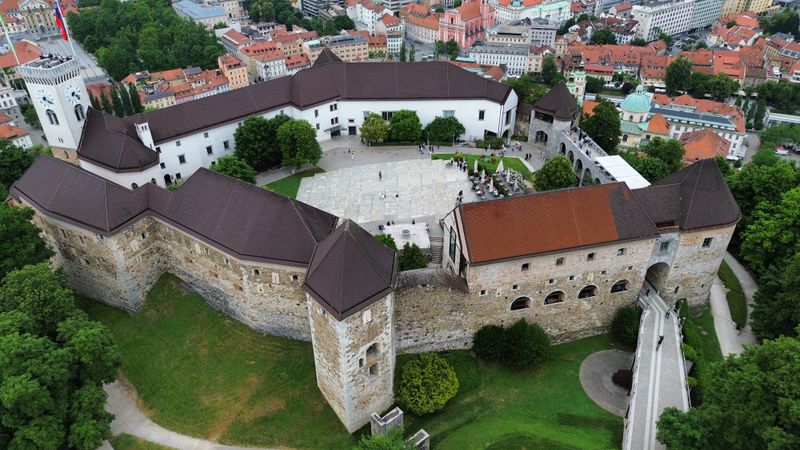
Ljubljana might be one of Europe’s smallest capitals, but that works perfectly in its favor for weekend visitors. The entire old town is pedestrian-only, creating a relaxed atmosphere where you can wander without dodging traffic. Dragon Bridge features the city’s symbolic creature in dramatic Art Nouveau sculptures, while the Triple Bridge creates an unusual architectural centerpiece where three spans converge.
Ljubljana Castle perches on a wooded hill accessible by funicular railway, offering views across the Julian Alps on clear days. The castle grounds host concerts and cultural events throughout warmer months. Down by the Ljubljanica River, outdoor cafés line both banks, creating perfect spots for people-watching over Slovenian wine or coffee.
Lake Bled lies just an hour away by bus or car, making it feasible to visit the famous island church and lakeside castle as a half-day excursion. Slovenia’s compact size means you can experience alpine scenery, underground caves, or Adriatic coastline all within short distances from the capital. Ljubljana’s green spaces earned it recognition as European Green Capital, with parks and bike paths throughout the city. The combination of manageable size, natural beauty nearby, and welcoming atmosphere makes Ljubljana ideal for travelers who want maximum experience with minimum stress.
Cape May, New Jersey, USA — Historic Seaside Town

Cape May preserves more Victorian buildings than almost anywhere else in America, earning National Historic Landmark status for its entire downtown. Gas lamps still light the streets at night, and colorful gingerbread-trimmed houses look like they belong in a different century. Many of these Victorian homes now operate as charming bed-and-breakfasts where you can sleep surrounded by period antiques and wake to homemade breakfast.
The beaches stretch for miles with soft sand and gentler waves than you’ll find farther north on the Jersey Shore. Cape May’s location at New Jersey’s southern tip makes it a prime spot for bird watching, especially during migration seasons when rare species pass through. The lighthouse still operates and welcomes climbers willing to tackle its 199 steps for panoramic ocean views.
Downtown shops sell everything from saltwater taffy to handmade crafts, while seafood restaurants serve fresh catches within view of fishing boats. The slower pace here contrasts sharply with busier shore towns, attracting visitors who prefer strolling to partying. Sunset happy hours on outdoor decks and evening ghost tours through historic districts provide low-key entertainment. Cape May’s combination of beach relaxation and architectural beauty creates a weekend that feels both restorative and culturally enriching.
Cork, Ireland — Culture, Festivals & Harbour Life
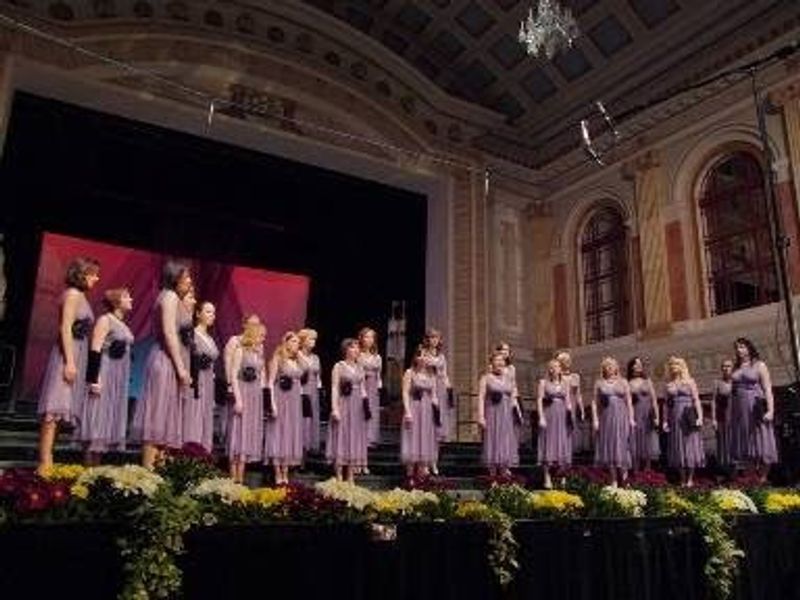
Cork earned its reputation as Ireland’s cultural capital through year-round festivals celebrating everything from jazz to film to literature. The English Market has operated since 1788, offering an authentic taste of Irish food culture under its Victorian canopy. Vendors sell everything from traditional black pudding to artisan cheeses while locals and tourists mingle over coffee at the market’s famous café.
The city spreads across several channels of the River Lee, creating a harbor atmosphere despite sitting inland from the actual coast. Colorful Georgian and Victorian buildings line the waterways, and bridges connect different neighborhoods within easy walking distance. St. Fin Barre’s Cathedral showcases Gothic Revival architecture with intricate stone carvings and stained glass worth examining closely.
Whiskey enthusiasts can tour the Jameson Distillery at nearby Midleton to learn about Irish whiskey-making traditions and sample the results. Cork’s pub scene rivals Dublin’s but with less tourist crowding and more authentic local atmosphere. The Crawford Art Gallery houses Irish and European art in a historic customs house building with free admission. Evening traditional music sessions happen spontaneously in pubs throughout the city, providing entertainment that feels genuine rather than staged. Cork’s manageable size and concentrated attractions make it perfect for maximizing cultural experiences within limited time.
Belgrade, Serbia — Nightlife, History & Riverside Walks

Belgrade surprises first-time visitors with its energetic blend of ancient history and contemporary creativity. The massive Belgrade Fortress sits at the meeting point of the Danube and Sava rivers, with walls dating back to Celtic times and views stretching across both waterways. Kalemegdan Park surrounds the fortress, providing green space where locals jog, play chess, and enjoy outdoor concerts.
Skadarlija quarter preserves Belgrade’s bohemian heritage with cobblestone streets, traditional restaurants serving Serbian specialties, and live music spilling from doorways. The food scene emphasizes hearty grilled meats, fresh salads, and rakija fruit brandy that locals claim cures everything. Prices remain remarkably affordable compared to Western European cities, allowing you to dine well without budget anxiety.
Belgrade’s nightlife reputation precedes it—floating river clubs called splavovi operate along both rivers, creating unique party venues that combine dancing with waterfront atmosphere. The city never seems to sleep, with cafés and bars staying packed until dawn on weekends. Beyond partying, Belgrade offers fascinating museums covering everything from Nikola Tesla’s inventions to Yugoslavia’s complex history. The friendly, welcoming attitude of locals makes navigating this sometimes-chaotic city much easier. Belgrade rewards adventurous travelers who appreciate raw authenticity over polished tourist experiences.
Reykjavik, Iceland — City Meets Natural Wonders
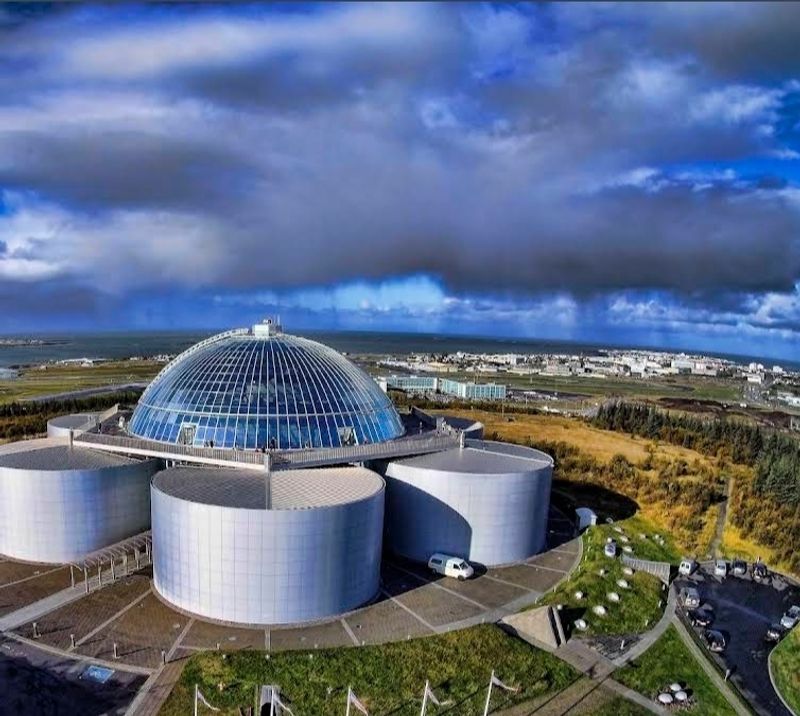
Reykjavik serves as the perfect base for experiencing Iceland’s otherworldly landscapes without sacrificing urban comforts. The city itself charms visitors with brightly painted buildings that stand out against often-gray skies. Hallgrímskirkja church towers over downtown, its modernist design inspired by Iceland’s basalt columns and offering elevator access to observation decks.
What makes Reykjavik exceptional for weekends is how quickly you can transition from city exploration to natural wonders. The Golden Circle route hits major attractions like Geysir, Gullfoss waterfall, and Þingvellir National Park in a single day trip. Blue Lagoon’s milky-blue geothermal waters sit just 40 minutes from downtown, providing the ultimate relaxation between adventures.
Downtown Reykjavik concentrates museums, restaurants, and shops within a highly walkable area despite often-challenging weather. Icelandic cuisine has evolved beyond fermented shark to include innovative Nordic cooking that highlights local ingredients. The city’s small size means you’ll likely see the same friendly faces at different cafés and bars throughout your stay. Winter visits offer chances to see the Northern Lights from nearby dark-sky locations, while summer brings nearly 24-hour daylight for extended exploration. Reykjavik delivers that rare combination of sophisticated city life and accessible wilderness that few destinations can match.
Barcelona, Spain — Art, Beaches & Tapas
Barcelona overflows with architectural masterpieces thanks to Antoni Gaudí’s vision transforming the cityscape. La Sagrada Família continues construction after more than 140 years, its organic forms and stained glass creating an almost surreal worship space. Park Güell offers whimsical mosaics and curved benches overlooking the Mediterranean, while Casa Batlló and Casa Milà showcase Gaudí’s residential genius along Passeig de Gràcia.
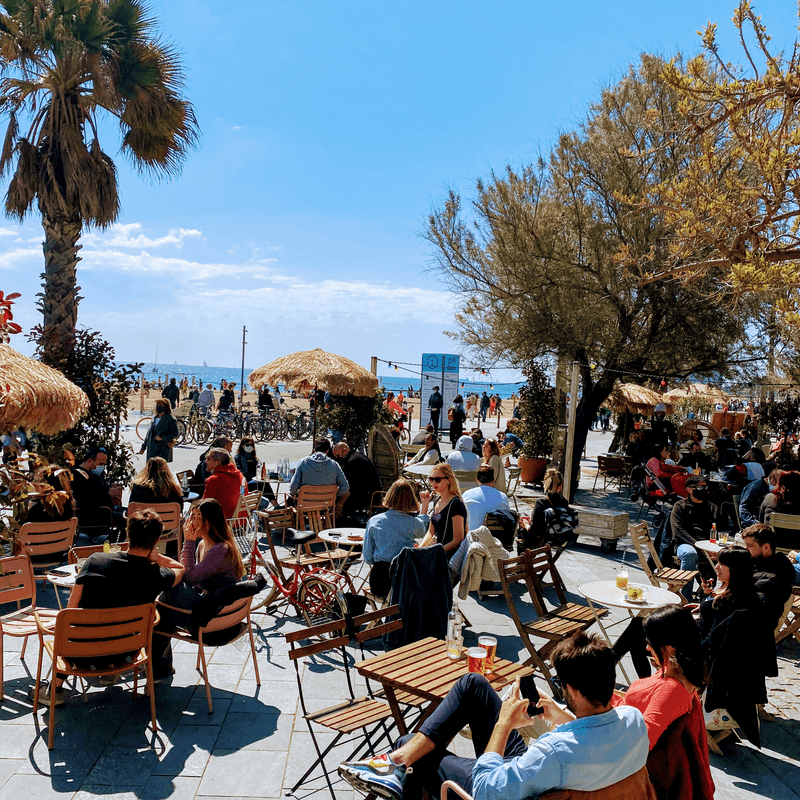
The Mediterranean coastline means Barcelona combines cultural exploration with beach relaxation in ways most European cities cannot. Barceloneta Beach draws locals and tourists for swimming, volleyball, and seafood paella at beachfront restaurants. La Rambla boulevard connects the waterfront to historic Plaça de Catalunya, though savvy visitors explore smaller streets in the Gothic Quarter and El Born for more authentic experiences.
Tapas culture encourages grazing through multiple small plates rather than single large meals, perfect for trying various Catalan specialties. Markets like La Boqueria overwhelm the senses with colorful produce, jamón ibérico, and fresh seafood displayed like art. Barcelona’s nightlife starts late and ends even later, with beach clubs and rooftop bars keeping the party going until sunrise. The efficient metro system connects neighborhoods quickly, though walking reveals hidden plazas and modernist details you’d otherwise miss. Barcelona packs enough variety to satisfy culture seekers, beach lovers, and food enthusiasts all in one weekend.
Salzburg, Austria — Music, History & Alpine Views

Salzburg wears its musical heritage proudly as Mozart’s birthplace and the setting for The Sound of Music. The composer’s childhood home operates as a museum filled with original instruments and family portraits. Fans of the famous movie can take tours visiting filming locations like the Mirabell Gardens where the “Do-Re-Mi” scene was shot, though locals sometimes roll their eyes at the tourist obsession.
The Hohensalzburg Fortress dominates the skyline from its hilltop perch, one of Europe’s largest medieval castles still fully intact. You can hike up or take the funicular, then explore museums and enjoy panoramic views across the Salzach River to the Alps beyond. The baroque old town earned UNESCO World Heritage status for its architectural harmony, with church domes and elegant buildings creating postcard scenes at every turn.
Salzburg’s café culture invites lingering over sachertorte chocolate cake and melange coffee while watching street performers. The Salzburg Festival attracts classical music lovers every summer, though concerts and performances happen year-round in historic venues. Just outside the city, the Untersberg mountain offers cable car access to hiking trails and more Alpine vistas. Austrian hospitality and cuisine—schnitzel, spätzle, and local beer—provide hearty fuel for exploration. Salzburg’s compact size and concentrated attractions make it wonderfully efficient for short visits without feeling rushed.
Udaipur, India — Lakeside Palaces & Romantic Ambience

Udaipur earns its nickname as the “City of Lakes” through stunning water bodies surrounded by marble palaces and historic architecture. Lake Pichola’s centerpiece is the Lake Palace, appearing to float on the water like something from a fairy tale. Now operating as a luxury hotel, even non-guests can appreciate its beauty from boat rides that also visit Jag Mandir island palace.
The City Palace complex sprawls along the lake’s eastern shore, combining Rajasthani and Mughal architectural styles across centuries of additions. Intricate peacock mosaics, mirror work, and carved marble demonstrate the craftsmanship of royal artisans. Museums within the palace display royal artifacts, miniature paintings, and antique furniture that tell Udaipur’s regal history.
Sunset boat rides on Lake Pichola provide magical views as the palaces glow golden in fading light. The old city’s narrow lanes hide traditional markets selling textiles, jewelry, and handicrafts alongside family-run restaurants serving Rajasthani thalis. Cultural performances featuring traditional dance and music happen regularly at hotels and cultural centers. Udaipur’s romantic atmosphere attracts honeymooners and couples, but the city’s beauty and manageable size appeal to all travelers. The surrounding Aravalli Hills offer hiking opportunities and rural village experiences if you want to venture beyond the lakes. Despite being a popular destination, Udaipur maintains an intimate, welcoming character perfect for short, immersive visits.
Tel Aviv, Israel — Beach Culture Meets Urban Fun

Tel Aviv pulses with energy that never seems to stop, earning its reputation as the city that never sleeps. Mediterranean beaches stretch along the entire western edge, with distinct sections attracting different crowds from families to surfers to LGBTQ+ beachgoers. The promenade connecting these beaches becomes a parade of joggers, cyclists, and sunset-watchers throughout the day.
The White City designation refers to Tel Aviv’s collection of over 4,000 Bauhaus buildings, creating the world’s largest concentration of International Style architecture. These functional, geometric structures earned UNESCO recognition and give entire neighborhoods their distinctive character. Markets like Carmel and Levinsky offer sensory overload with spices, fresh produce, and street food representing Israel’s diverse immigrant communities.
Tel Aviv’s nightlife rivals any major European capital, with bars and clubs in neighborhoods like Florentin and Rothschild Boulevard staying packed until dawn. The food scene has exploded internationally, with Israeli chefs gaining recognition for creative takes on Middle Eastern cuisine. Hummus joints, shakshuka cafés, and high-end restaurants all coexist within blocks of each other. Jaffa’s ancient port area provides historical contrast to Tel Aviv’s modernity, with stone buildings, artist galleries, and seafood restaurants overlooking the harbor. The compact city makes beach time, cultural exploration, and nightlife all achievable in a single weekend packed with variety and energy.
Marrakech, Morocco — Exotic Markets & Medinas
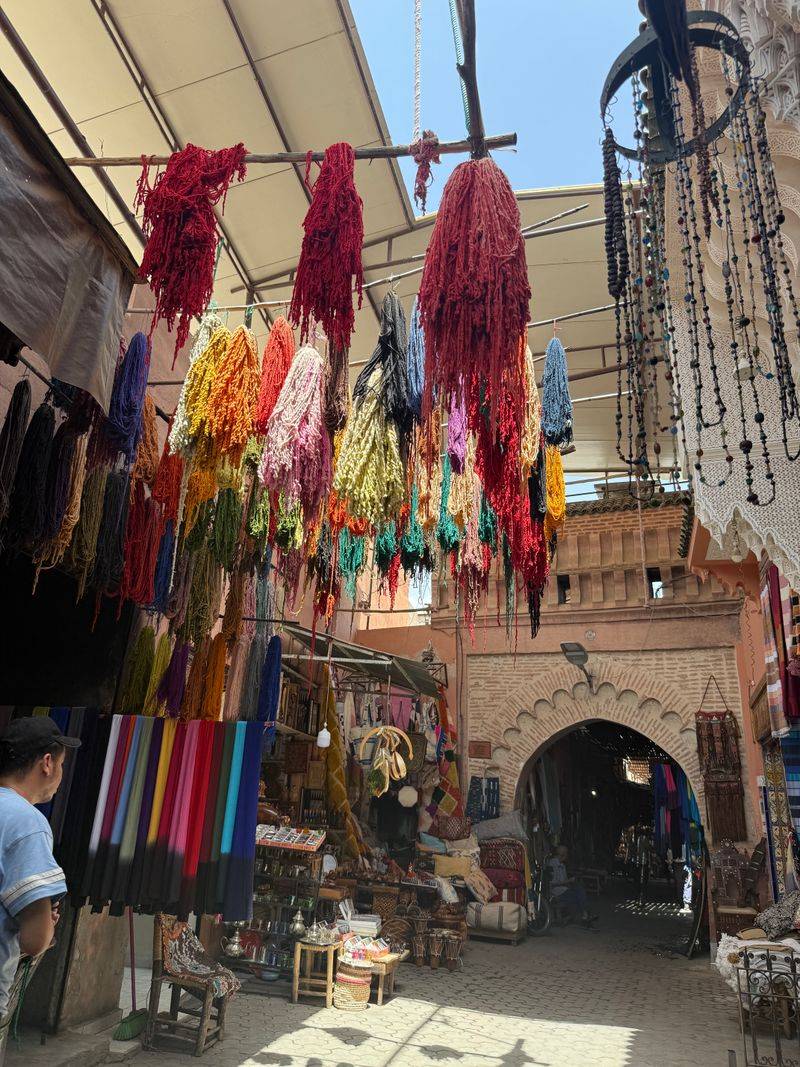
Marrakech assaults your senses in the best possible way—the call to prayer echoing across rooftops, spice aromas wafting from souks, and vibrant colors everywhere you look. Jemaa el-Fnaa square transforms throughout the day from orange juice vendors in morning to snake charmers by afternoon to food stalls serving grilled meats and tagines at night. The organized chaos feels overwhelming at first but becomes addictive as you navigate the energy.
The medina’s labyrinthine souks sell everything imaginable from hand-woven carpets to leather goods to lanterns and ceramics. Getting lost in these narrow passages is practically guaranteed and entirely part of the experience. Bahia Palace and El Badi Palace showcase Islamic architecture with intricate tile work, carved cedar ceilings, and tranquil courtyards offering respite from the busy streets.
Riads—traditional houses built around interior courtyards—have been converted into boutique accommodations that provide peaceful sanctuaries behind anonymous doors. Many feature rooftop terraces perfect for mint tea and sunset views across the medina’s rooftops. Jardin Majorelle offers botanical beauty and vivid blue buildings once owned by Yves Saint Laurent. Marrakech’s intensity makes it perfect for short visits that pack maximum cultural immersion without overwhelming you. The combination of exotic atmosphere, affordable prices, and easy access from Europe makes Morocco’s red city an unforgettable weekend escape.
Gdańsk, Poland — Historic Harbour & Affordable City Break
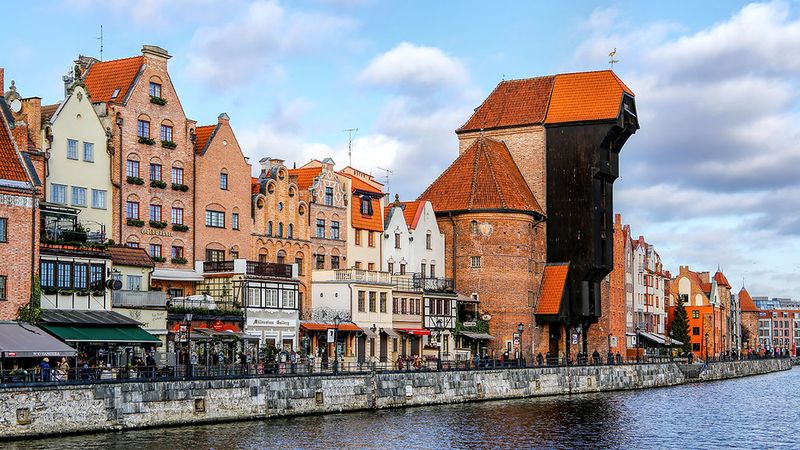
Gdańsk rises from a complicated history as a major Baltic Sea port that has belonged to various kingdoms and nations over centuries. The Main Town features beautifully reconstructed Hanseatic architecture with colorful façades lining Long Market and Long Street. These merchants’ houses showcase the wealth that flowed through Gdańsk during its medieval trading heyday, with ornate details and guild emblems decorating the buildings.
The waterfront area along the Motława River has transformed from industrial shipyards into a vibrant promenade with restaurants, museums, and the striking European Solidarity Centre. This museum tells the story of the Solidarity movement that helped end communist rule in Poland, making Gdańsk significant beyond just pretty buildings. St. Mary’s Church claims status as one of the world’s largest brick churches, with room for 25,000 people and a tower offering city views for those willing to climb.
Gdańsk remains refreshingly affordable compared to Western European destinations, with excellent meals and accommodations available at budget-friendly prices. The city’s location makes it accessible from major European hubs via budget airlines. Nearby Sopot offers sandy beaches and a historic pier if you want seaside relaxation, while Malbork Castle provides an impressive day trip to one of Europe’s largest medieval fortresses. Gdańsk delivers history, culture, and coastal charm without the crowds or costs of more famous European cities.
Share this story