Open your fridge and you will not find these old favorites, yet they were once everywhere. From quirky clear colas to homemade teas steeped on the stove, these drinks shaped daily routines and weekend splurges alike. Changing tastes, health shifts, and bold new trends pushed them aside, but the memories still fizz. Ready to revisit the sips you used to crave and the oddballs you bragged about trying?
1. TaB (Diet Soda)
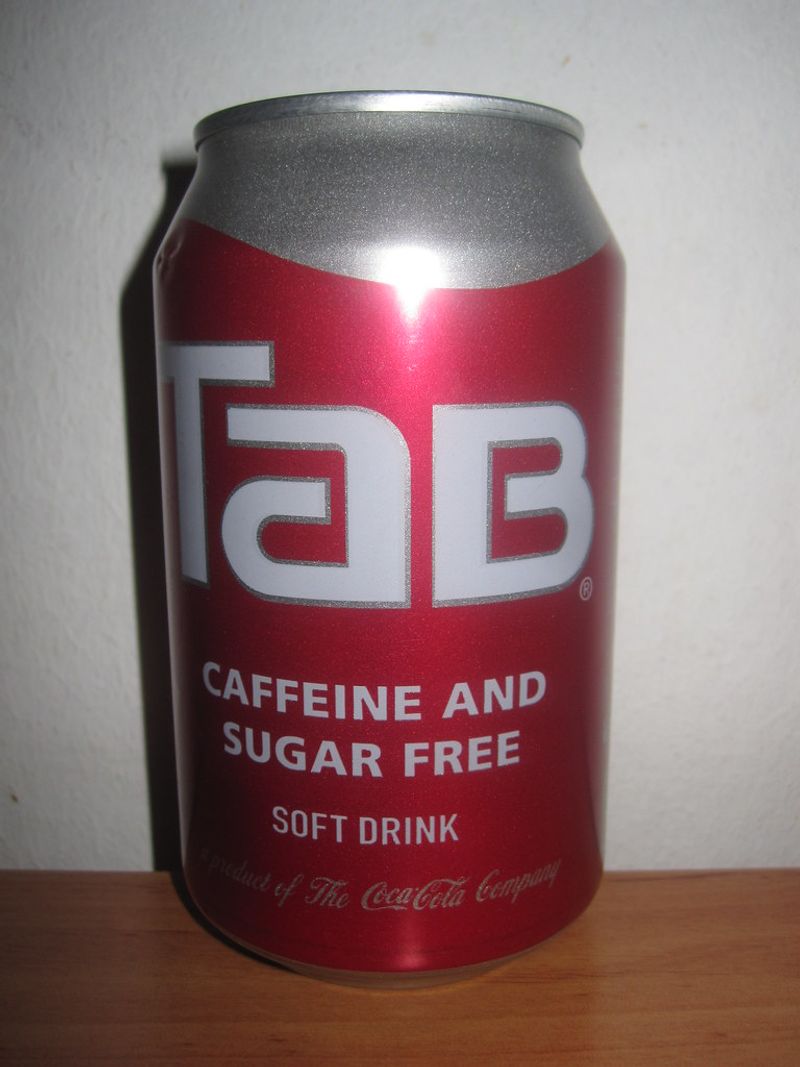
You probably remember TaB as the pink can peeking from your mom’s fridge, promising a lighter sip. It was one of the first diet sodas to catch on, especially with calorie counters in the 1960s through the 1980s. The taste was distinctly sharp and proudly artificial, a badge of its era.
Over time, new sweeteners and sleeker zero sugar formulas stole TaB’s shine. Diet Coke and later Coke Zero evoked a modern, crisper image that fit changing habits. Even loyal fans felt outnumbered as shelves filled with trendier options.
In 2020, Coca-Cola finally pulled the plug, closing a pop culture chapter. If you loved TaB, that news felt like losing a neon sign from your past. Today, the can survives in thrift shops and memory, reminding you how a single sip once defined a routine.
2. Original New York Seltzer
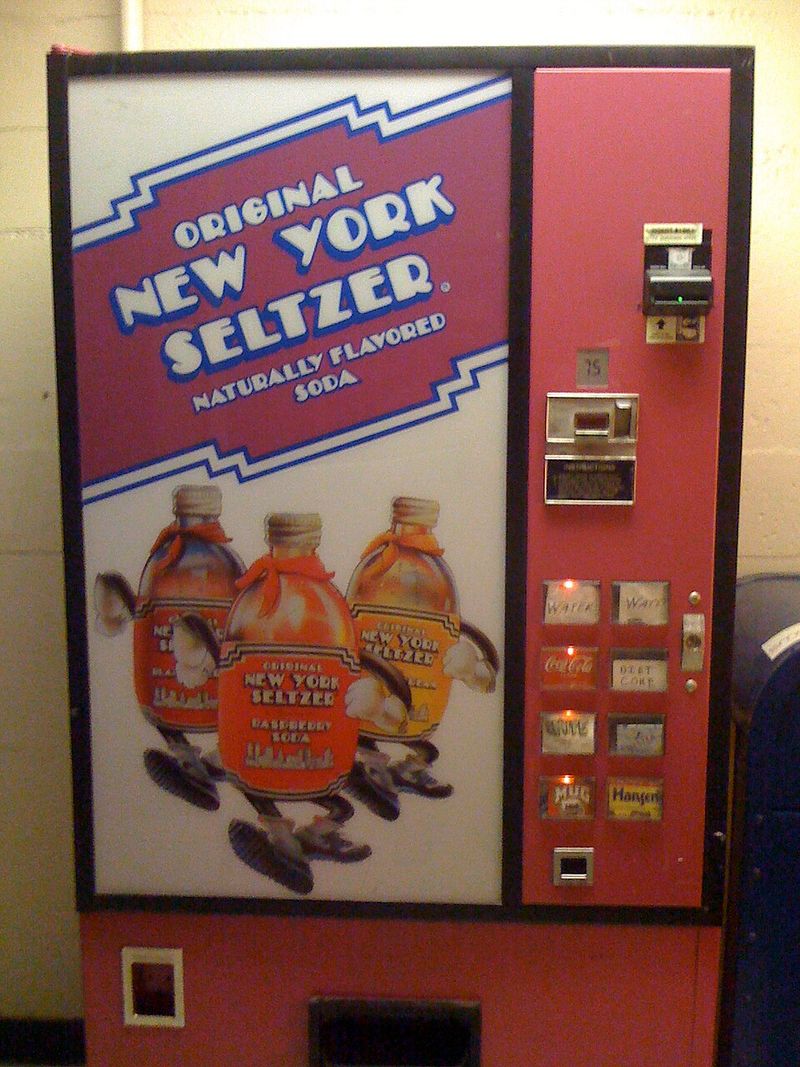
Original New York Seltzer felt like a sweet city breeze in a bottle. You reached for it when cola tasted heavy and fruit flavor sounded fun. The tiny glass bottles, bright labels, and clean fizz created a carefree moment you could hear the second it hissed open.
Before flavored sparkling waters dominated coolers, this drink delivered lightly sweetened seltzer with a playful attitude. Peach, raspberry, and vanilla cola turned heads at lunch tables and corner delis. It matched the 1980s mood: colorful, loud, and ready to be seen.
Production largely faded in the early 1990s as tastes shifted and new categories arrived. A brief revival teased nostalgia, but everyday habits had moved on. If you spot a bottle now, it feels like finding a mixtape, proof that bubbles once told a different story.
3. Jolt Cola
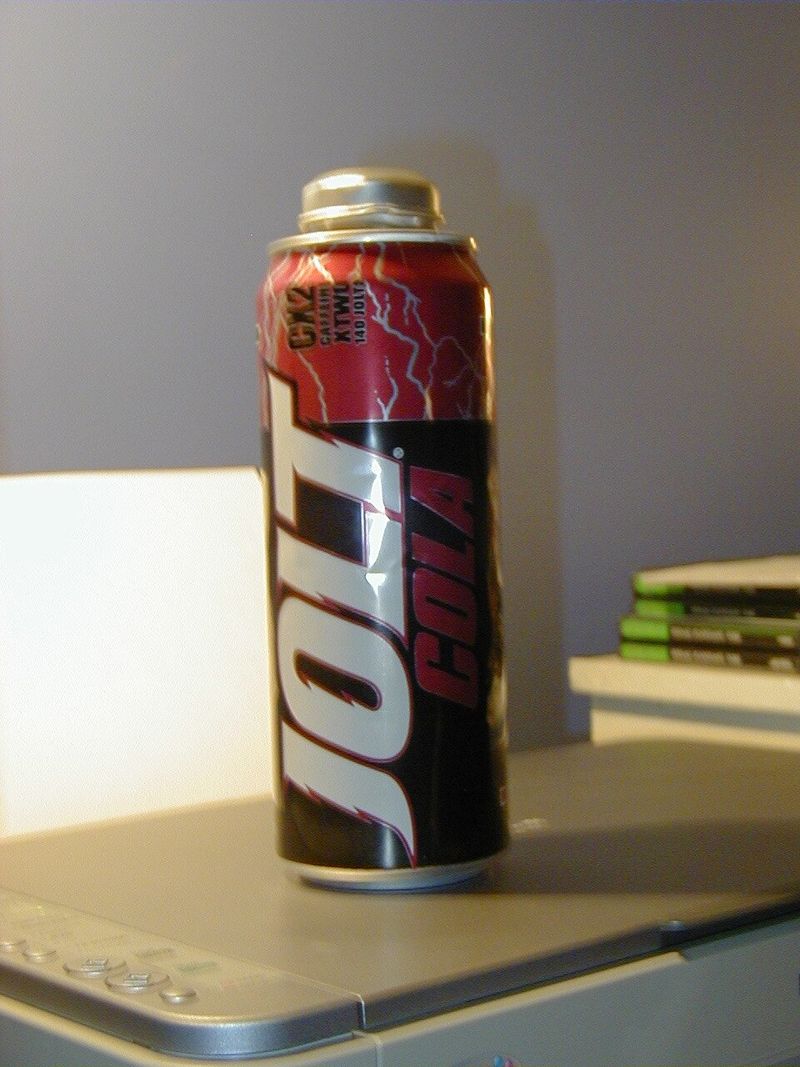
Jolt Cola was the loud friend who dared you to stay up one more hour. Marketed with all the sugar and twice the caffeine, it delivered a jarring jolt right when you needed a cram session or a night drive. You learned exactly how awake you could feel with one can.
Then energy drinks crashed the party with neon cans and wild flavors. Coffee culture also leveled up, offering espresso shots and cold brew with a craft angle. Jolt suddenly looked scrappy, less polished, and stuck between worlds.
As health talk grew louder, high sugar plus high caffeine felt like too much. You wanted energy without the sticky fingers and syrupy aftertaste. Jolt faded, but the legend lingers whenever someone suggests pulling an all nighter the old fashioned way.
4. Crystal Pepsi
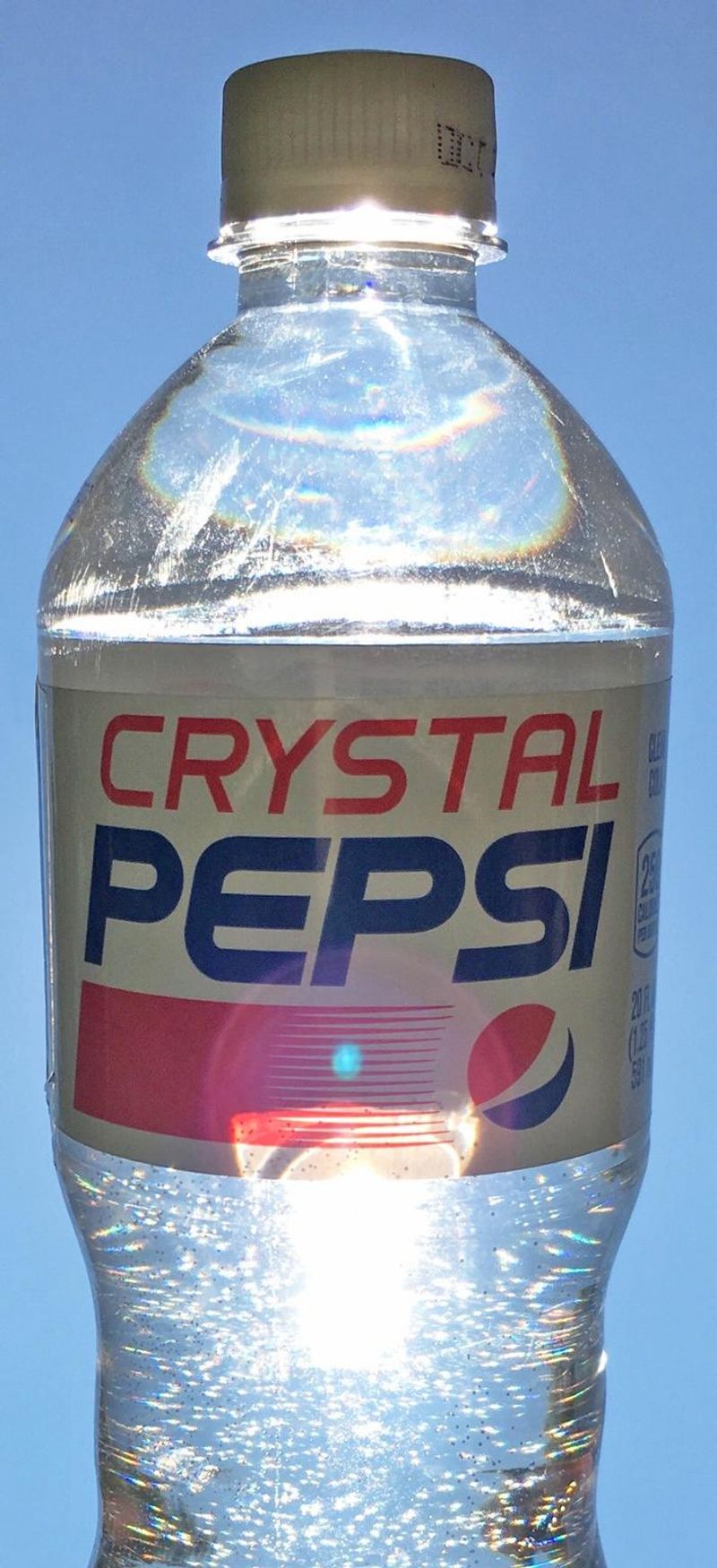
Crystal Pepsi looked like a magic trick in your hand. Clear cola that promised the same taste without the caramel color felt futuristic, clean, and a little rebellious. You cracked it open to prove clarity could still taste like cola.
The first rush was real, powered by promo blitzes and radio chatter. But after the curiosity wore off, your taste buds questioned the point. Without visual cues, expectations got weird and loyalties drifted back to the familiar brown fizz.
It became a famous almost, a pop icon for what could have been. Limited returns sparked nostalgia, yet everyday drinking never returned. Today Crystal Pepsi is a story you tell about when clear meant better and marketing tried to bottle the future.
5. Orbitz (Novelty Soda)
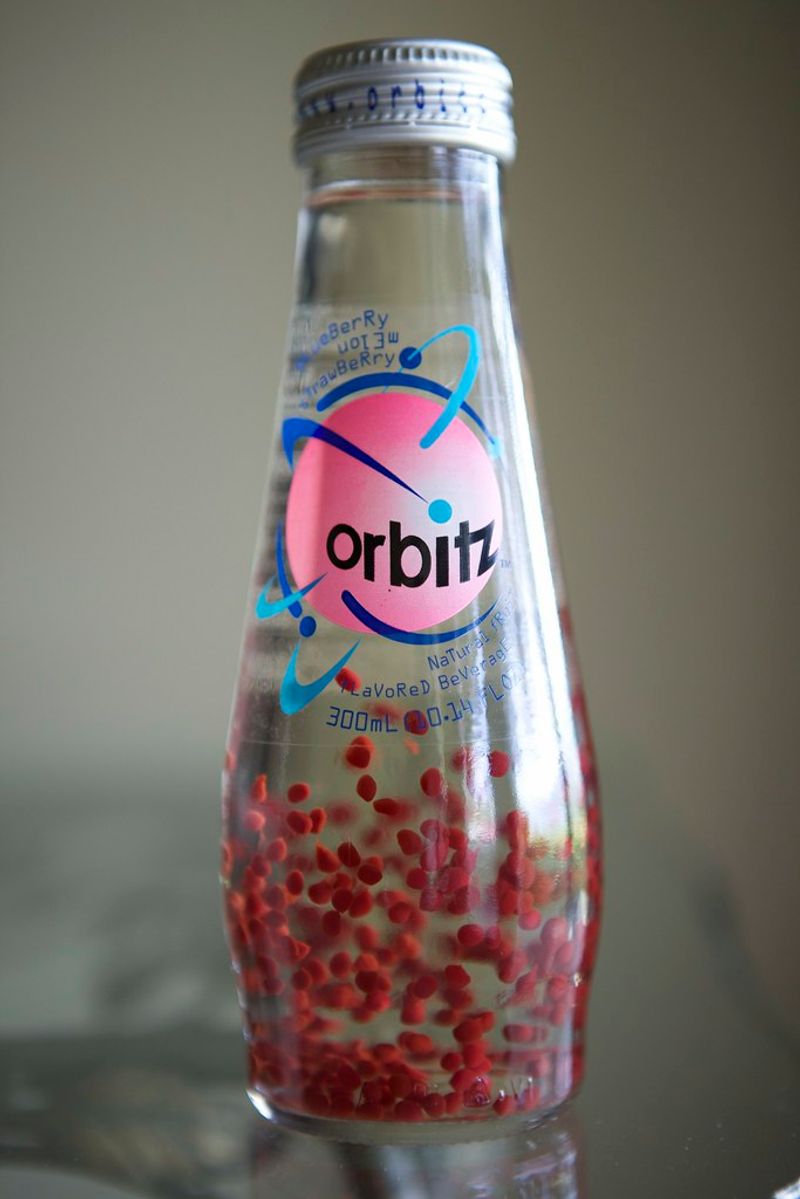
Orbitz looked like a lava lamp you could sip. Little edible balls hovered inside bright liquid, turning every shake into a snow globe moment. You did not just drink it, you performed it for friends.
The texture was the deal maker and the deal breaker. Some sips felt fun, others felt like you were chasing marbles. Novelty carried it far, but not quite to weekly grocery lists.
On shelves for less than a year, Orbitz flashed, fizzed, and vanished. You can still picture that bottle, though, because it demanded attention even if it never earned your routine. It showed that spectacle sells first sips, but comfort sells the second.
6. Odwalla Juices
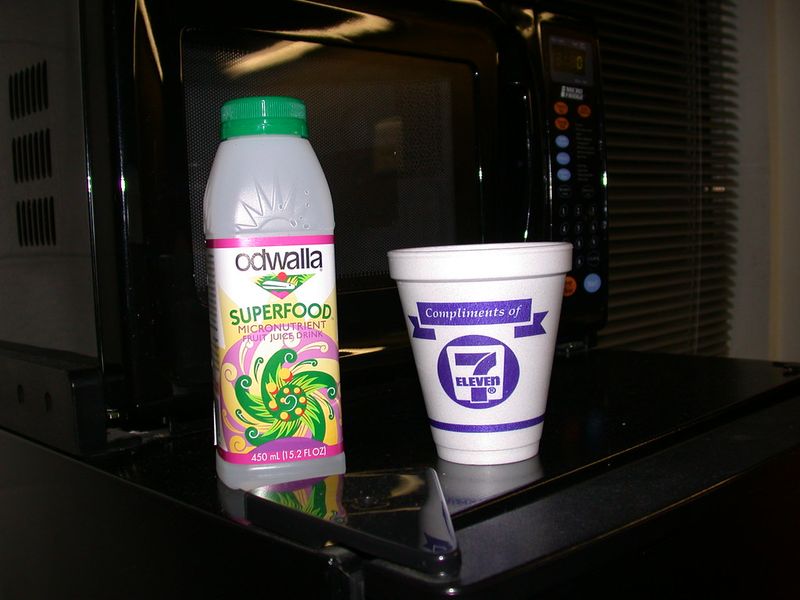
Odwalla felt like bringing the juice bar home. You grabbed a bottle after the gym or before a hectic morning, trusting the fresh taste and the bright blends. The labels read like a produce stand, a promise you could sip.
As competition exploded, the cooler turned into a rainbow of cold pressed and organic claims. Newer brands chased niche diets and sharper nutritional profiles. Odwalla started to look like yesterday’s health hero in a crowded, buzzword savvy aisle.
In 2020, Coca-Cola cut the line during a portfolio cleanup, and your quick fix disappeared. Smoothie lovers pivoted to alternatives without missing a beat. Still, the memory of cracking that thick plastic cap stays, reminding you when convenience tasted freshly squeezed.
7. Nehi (Classic Fruit Soda Line)
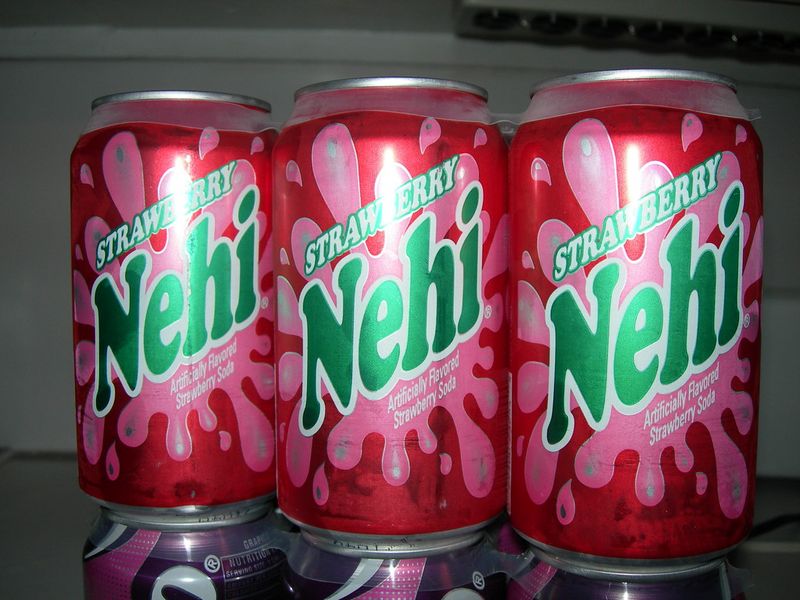
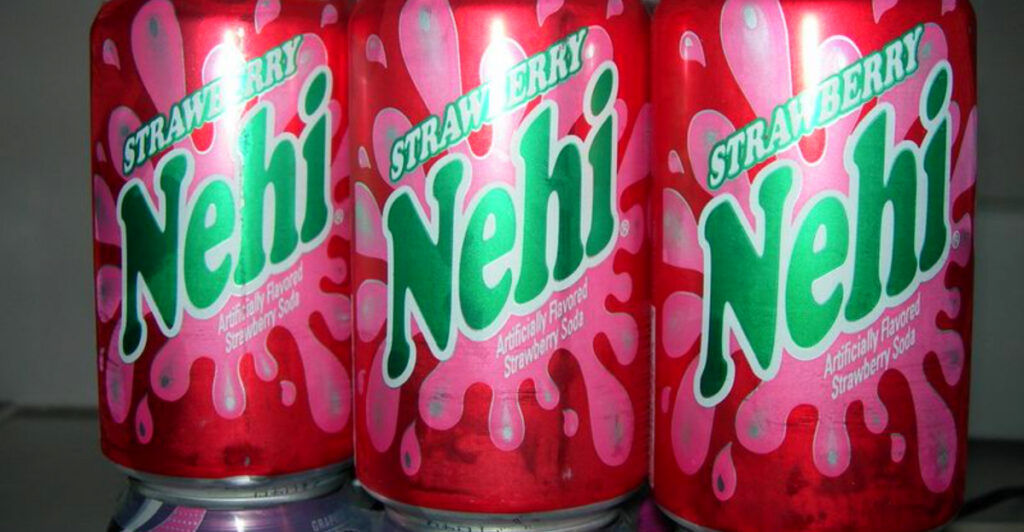
Nehi tasted like summer fairs and glass bottles clinking in wooden crates. Grape, peach, and orange were candy bright, the kind of flavors you picked for pure joy. You could spot Nehi signs in small towns long before GPS found them.
As national brands tightened their grip, shelf space shrank and tastes drifted toward mainstream colas. Fruit sodas lost ground to diet trends and later to sparkling waters. Nehi lingered regionally, then mostly in memories and collector shelves.
Ask an older neighbor and watch their eyes light up. They will tell you about a nickel bottle and sticky fingers on a porch step. You remember that, too, even if you only know it from stories and old photos.
8. Delaware Punch
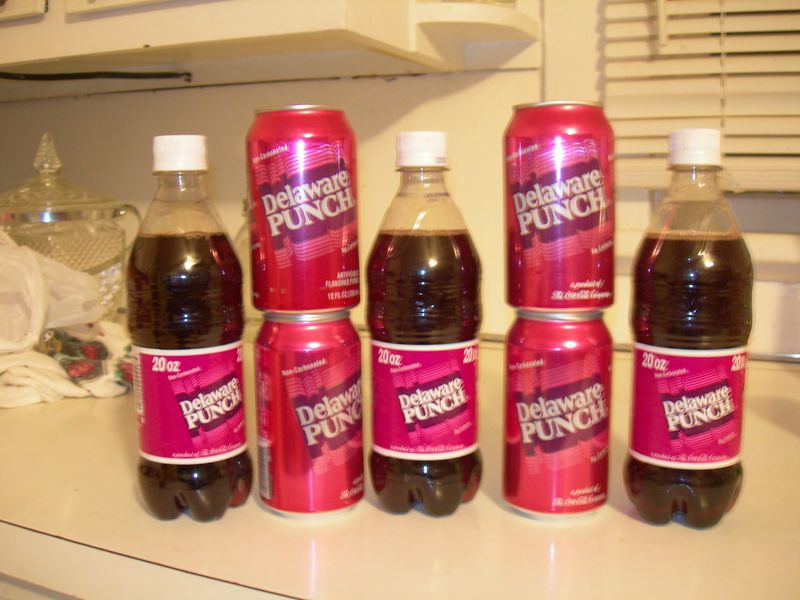
Delaware Punch was the purple secret you learned from road trips in the South. It did not fizz like soda, but it hit hard with grape intensity and a sweet, syrupy finish. You grabbed it cold and let the sugar carry you through a long drive.
Distribution was always patchy, which made it feel like a prize when you found it. Friends outside the region barely believed it existed. That scarcity made the bond stronger for those who grew up with it.
In 2020, Coca-Cola ended U.S. distribution, and a quiet staple went silent. You might still crave that bold grape punch, but coolers moved on. Regional favorites fade fast when big portfolios redraw the map.
9. Sassafras Tea
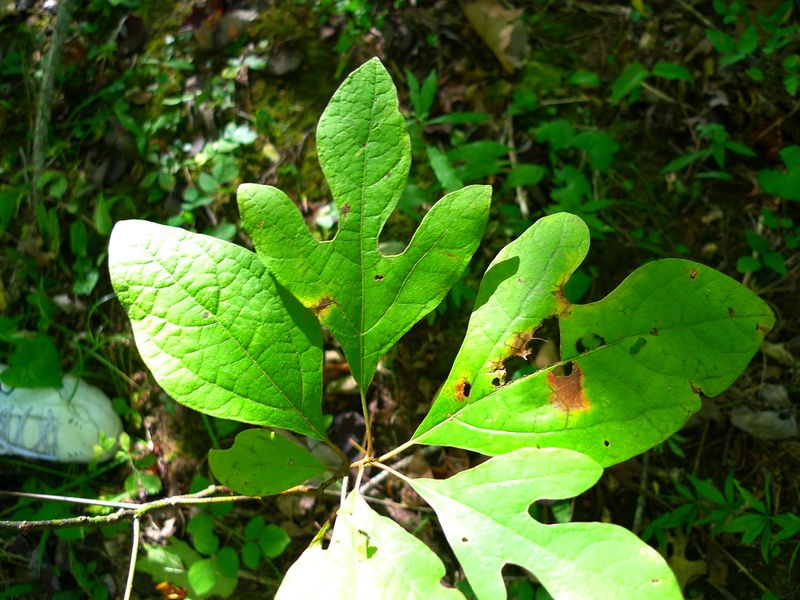
Sassafras tea once perfumed kitchens with a sweet, spicy scent. You learned to simmer the roots low and slow, watching amber deepen in the pot. It felt like folklore in a mug, passed down across porches and Sunday afternoons.
Then safety warnings about safrole changed the conversation. Commercial versions pivoted or disappeared, and home brewers grew cautious. Other herbal teas filled the gap with simpler stories and clearer labels.
Today you rarely see it outside specialty shops and careful recipes. The flavor still whispers of woods and wet spring soil. If you miss it, you miss the ritual as much as the taste.
10. Tab Clear (Variant Not Often Drunk)
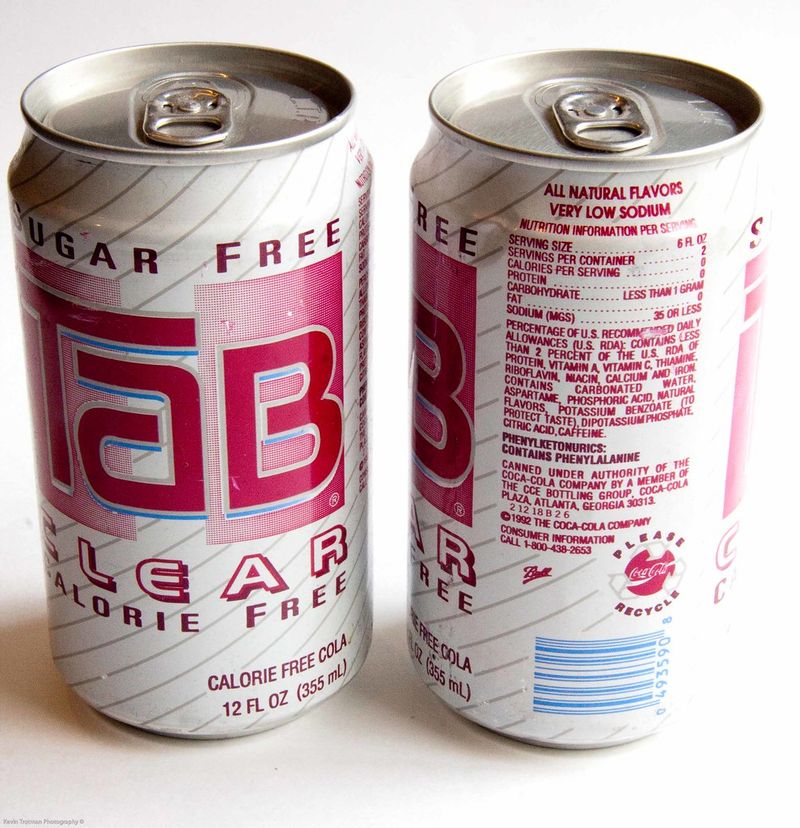
Tab Clear tried to ride the clear wave with a diet twist. You saw the see through cola and expected purity, yet the flavor aimed for familiar cola territory. It sat in a strange middle ground that confused almost everyone.
Marketing stunts made noise, but repeat buys never landed. The brand baggage of Tab plus a transparent formula felt mismatched. Next to Crystal Pepsi, it looked like a shadow chasing another shadow.
It exited quickly, leaving only grainy commercials and collector cans. When you remember it, you remember how trends can blur choices rather than clarify them. Clear did not mean better, it just meant brief.
11. Sprite Remix (Flavor Series)
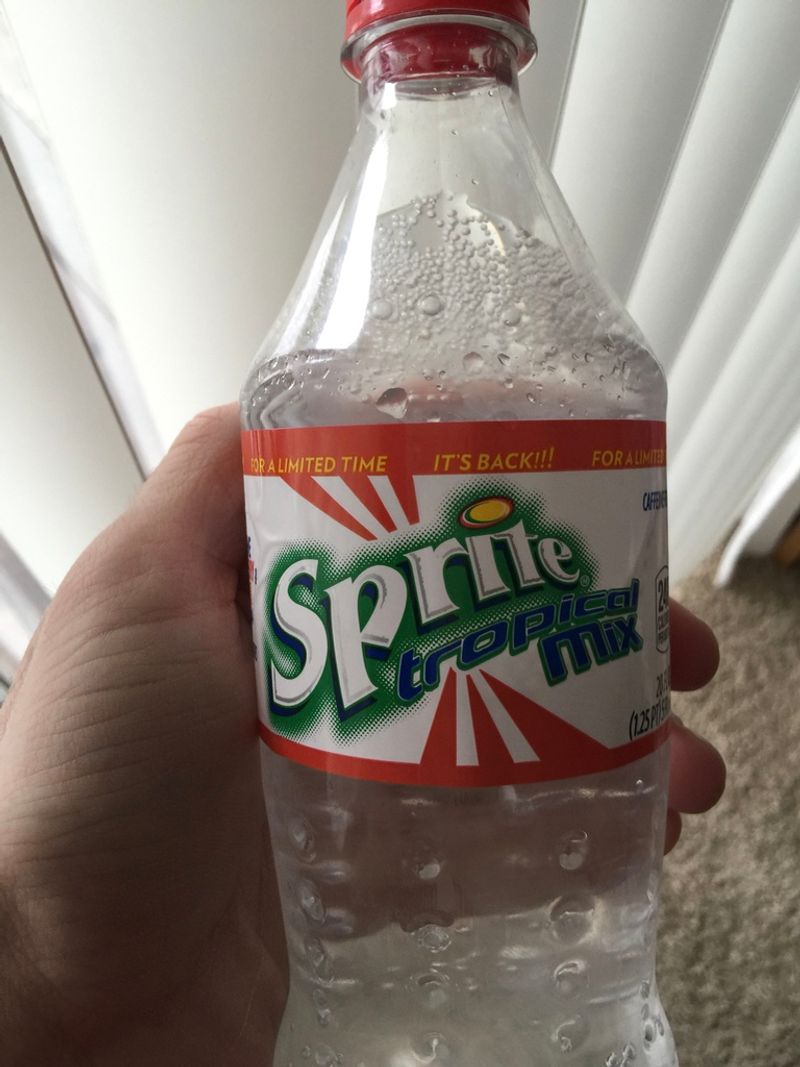
Sprite Remix dropped like a vacation in a can. Tropical flavors turned the familiar lemon lime base into a party you could stash in a backpack. You tried them all because FOMO was real and the names sounded like summer.
For a moment, limited runs felt thrilling and collectible. But the lineup shuffled often, and favorites vanished before habits formed. Competing drinks offered bigger flavors and longer commitments.
When the series faded, you shrugged and grabbed regular Sprite or something new. Still, that first sip of Tropical reminded you how remix culture can nudge an everyday classic. It was fun while it lasted, then gone.
12. Zima (Malternative Beverage)
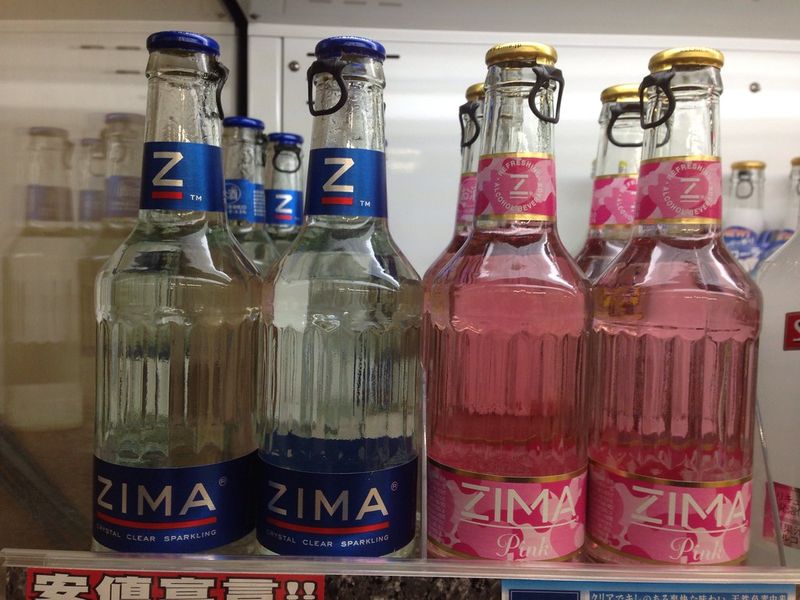
Zima arrived like a wink at beer without tasting like beer. Clear, fizzy, and lightly fruity, it felt easy to order when hops felt heavy. You tossed in a lemon wedge and called it a night.
It caught on quickly, then ran into image problems and shifting tastes. Craft beer surged, flavored vodkas multiplied, and hard seltzers later perfected the light and bright promise. Zima started to feel stuck in time.
By 2008 in the U.S., it faded from shelves, with brief comebacks that played nostalgia. You might smile remembering the clink of its bottle against a jukebox. It hinted at today’s seltzer scene before the world was ready.
13. Yaupon Tea (Traditional Drink)
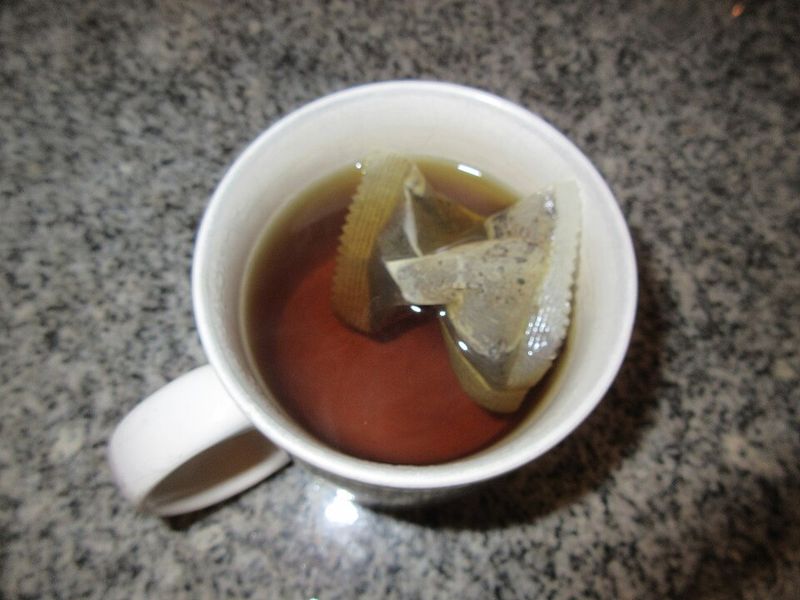
Yaupon tea was America’s homegrown caffeine long before coffee dominated mornings. Brewed from yaupon holly leaves, it delivered a smooth lift without bitterness. You could find it along the Southeast coast, where households knew the shrubs by sight.
As imported tea and coffee took over, yaupon slipped into the margins. Industrial tastes favored global supply chains and consistent flavors. By the early 20th century, daily use had mostly disappeared.
Today small producers are reviving it with careful harvesting and modern branding. Try a cup and you get herbaceous notes and a gentle energy. It feels both old and new, a rediscovered ritual that deserves another daily spot.
Share this story