Our planet holds countless wonders, from frozen Antarctic shores to lush tropical rainforests, each offering unique experiences for those who seek connection with the natural world. Whether you dream of spotting wildlife on African plains, hiking through misty mountain valleys, or standing beneath the dancing Northern Lights, there’s a destination calling your name. This collection showcases remarkable places where nature takes center stage, inviting adventurers to explore landscapes that inspire awe and remind us why protecting our Earth matters so deeply.
Iceland — Glaciers, Geysers & Thrilling Landscapes
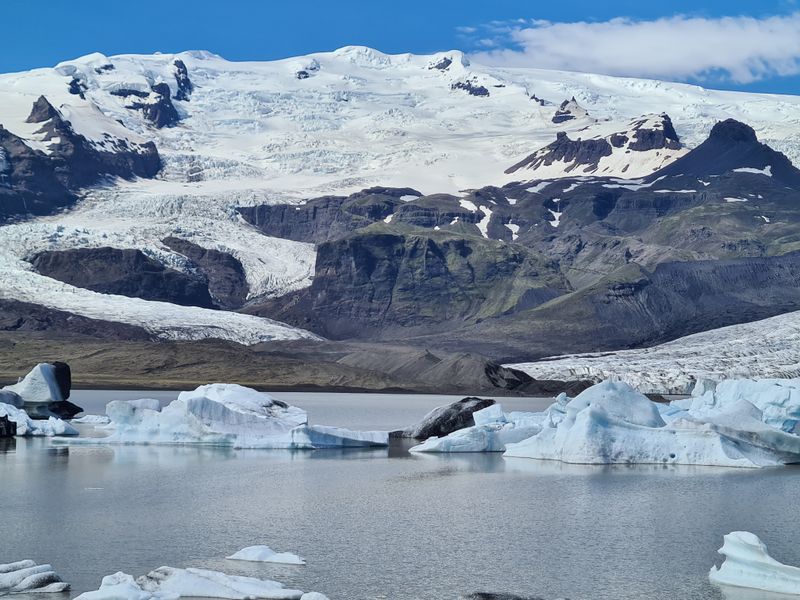
Imagine a land where fire and ice exist side by side, where geysers shoot boiling water skyward while glaciers creep slowly down volcanic slopes. Iceland delivers exactly that kind of otherworldly scenery, making it feel like nature’s ultimate playground. Thundering waterfalls crash down cliffs, steaming hot springs bubble up from the ground, and lava fields stretch toward distant horizons.
Summer brings the midnight sun, bathing emerald-green valleys in golden light that lasts nearly all night. Winter transforms the landscape into a snowy wonderland where the Northern Lights perform their famous dance across clear, dark skies. Both seasons offer completely different but equally stunning experiences.
The Golden Circle route takes you past famous spots like Geysir (where the word “geyser” originated) and Gullfoss waterfall, but venturing beyond tourist trails reveals hidden ice caves, remote highlands, and geothermal pools known only to locals. Hiking through volcanic terrain feels like exploring an alien world.
Whether you’re soaking in the Blue Lagoon or trekking across a glacier, Iceland constantly surprises you. Every turn in the road brings another jaw-dropping view, another reminder of Earth’s incredible geological power.
Dominica — Caribbean’s Lush Nature Island
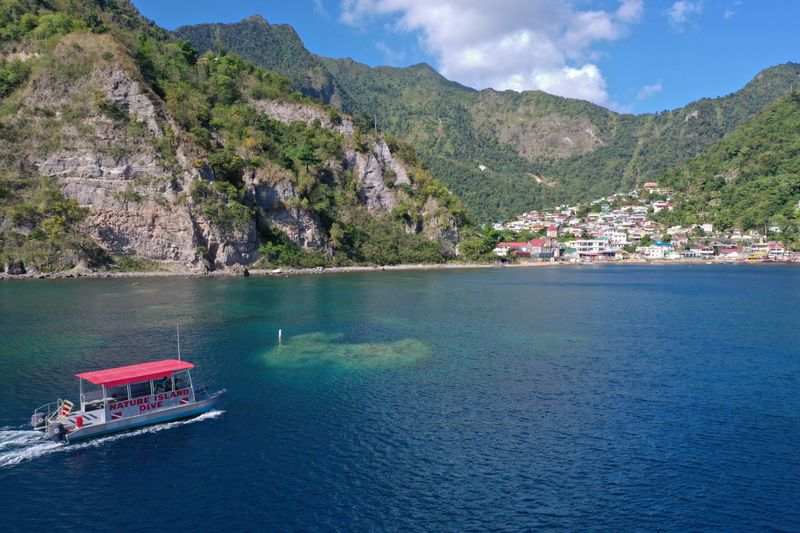
While most Caribbean islands focus on beaches and resorts, Dominica takes a completely different approach. Known proudly as “The Nature Island of the Caribbean,” it offers untouched rainforests, volcanic hot springs, rushing rivers, and dramatic waterfalls instead of crowded tourist strips. Serious nature lovers find this refreshing change absolutely irresistible.
Hiking trails wind through dense jungle where parrots call overhead and rare wildlife hides among the foliage. Natural swimming holes invite you to cool off after exploring, while turtle sanctuaries protect endangered species along the coast. Snorkeling and diving reveal vibrant coral reefs and marine life thriving in crystal-clear waters.
Guided eco-tours help visitors explore responsibly, teaching about the island’s unique ecosystems and conservation efforts. Local guides share knowledge passed down through generations, pointing out medicinal plants, explaining volcanic geology, and spotting creatures you’d never notice on your own. Their passion for protecting Dominica’s natural heritage shines through every explanation.
Unlike more developed islands, Dominica remains relatively crowd-free, letting you experience nature at your own pace. The island rewards adventurous spirits willing to hike, explore, and embrace a destination where wilderness comes first.
Na Pali Coast, Hawaii, USA — Sea Cliffs & Ocean Wilderness
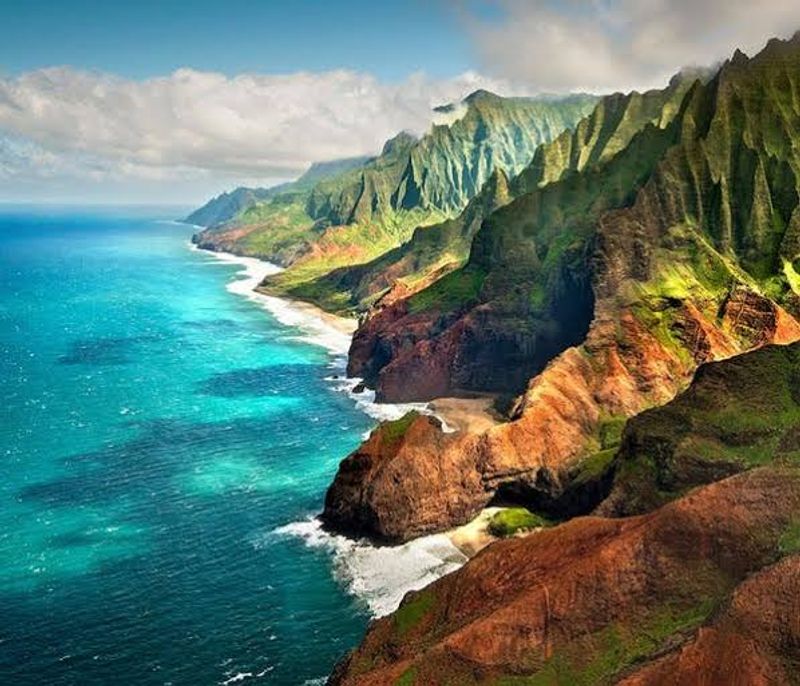
Kauai’s Na Pali Coast stands as one of Hawaii’s most breathtaking natural wonders, a place where nature’s artistry reaches its peak. Towering emerald cliffs rise sharply from the sparkling Pacific, their ridges carved by centuries of wind and rain into dramatic shapes. Hidden beaches nestle between headlands, accessible only by boat or challenging trails.
Getting there requires commitment — you can hike the famous Kalalau Trail (a strenuous 11-mile trek), take a boat tour along the coast, or splurge on a helicopter ride for aerial views. Each approach offers different perspectives, but all reveal the same stunning truth: this coastline remains remarkably wild and untouched.
Deep valleys cut inland, filled with lush tropical vegetation and waterfalls that plunge down sheer rock faces. Seals sunbathe on remote beaches, sea turtles glide through clear waters, and seabirds nest on inaccessible cliff ledges. The ecosystem thrives here precisely because development never reached these steep, rugged shores.
Photographers find endless inspiration in the changing light that paints the cliffs different shades throughout the day. Whether you’re an experienced hiker or prefer viewing from a boat, the Na Pali Coast delivers unforgettable natural beauty that justifies its reputation.
Masai Mara, Kenya — Iconic African Wildlife Plains
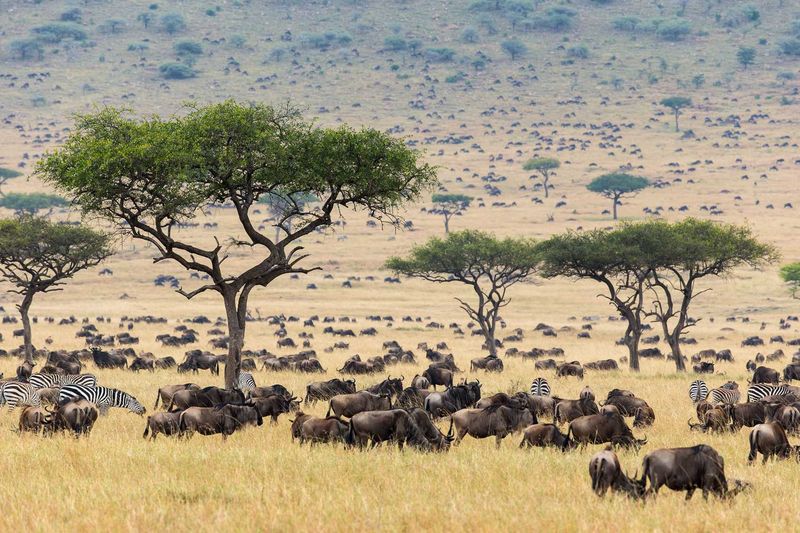
Few wildlife spectacles on Earth match the drama of the Great Migration crossing Kenya’s Masai Mara. Millions of wildebeest and zebras thunder across the plains in their annual journey, while predators watch from the shadows, waiting for opportunities. This ancient cycle continues as it has for millennia, indifferent to human observers.
The Masai Mara National Reserve sprawls across rolling savannahs dotted with iconic acacia trees, creating that quintessential African landscape you’ve seen in countless documentaries. But experiencing it firsthand — feeling the ground vibrate as herds pass, hearing lions roar at dawn, watching elephants move gracefully through golden grass — transforms understanding into awe.
Guided game drives take you close to wildlife in their natural habitat, with experienced guides sharing insights about animal behavior and ecosystem dynamics. Hot-air balloon safaris offer a completely different perspective, floating silently above the plains at sunrise while wildlife awakens below. Both experiences create memories that last forever.
Beyond the big cats and migration herds, the Mara supports incredible biodiversity: giraffes, hippos, crocodiles, hundreds of bird species, and so much more. Every visit reveals something new, whether it’s a rare sighting or simply watching the interplay of predator and prey.
Salar de Uyuni, Bolivia — Mirror of the Sky
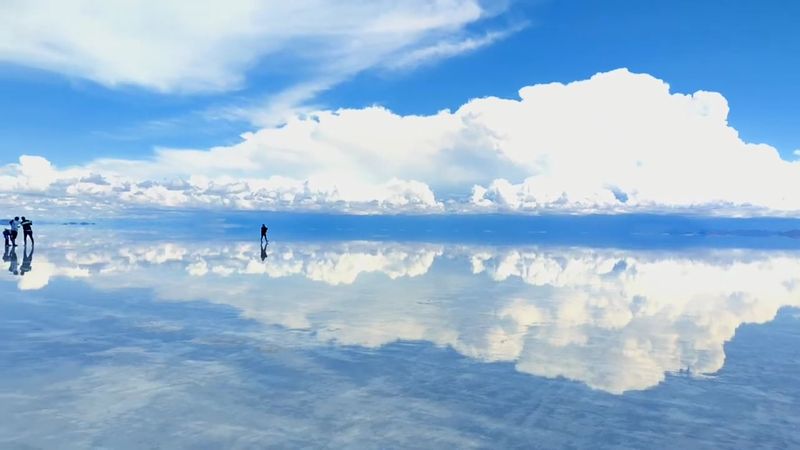
Bolivia’s Salar de Uyuni doesn’t just impress visitors — it completely disorients them. The world’s largest salt flat stretches over 4,000 square miles, creating an endless white expanse that meets the sky at an imperceptible horizon. When thin layers of rainwater cover the surface, magic happens: the salt flat becomes a perfect mirror reflecting clouds, mountains, and stars.
Photographers flock here for mind-bending perspective shots that play with scale and reflection. During the dry season, the cracked hexagonal salt patterns create geometric designs stretching to infinity. Either way, the landscape feels utterly surreal, like stepping into a Salvador Dalí painting.
Surrounding this vast white desert, you’ll find active volcanoes, high-altitude lagoons filled with pink flamingos, and rugged altiplano scenery that adds even more dimension to your visit. Multi-day tours take you through these diverse landscapes, camping under star-filled skies so clear you can see the Milky Way in stunning detail.
The altitude (over 12,000 feet) requires acclimatization, but the reward justifies any discomfort. Sunrise and sunset transform the salt flat into shifting palettes of color, while nighttime turns it into nature’s most spectacular mirror for stargazing.
Mount Cook National Park, New Zealand — Alpine Majesty
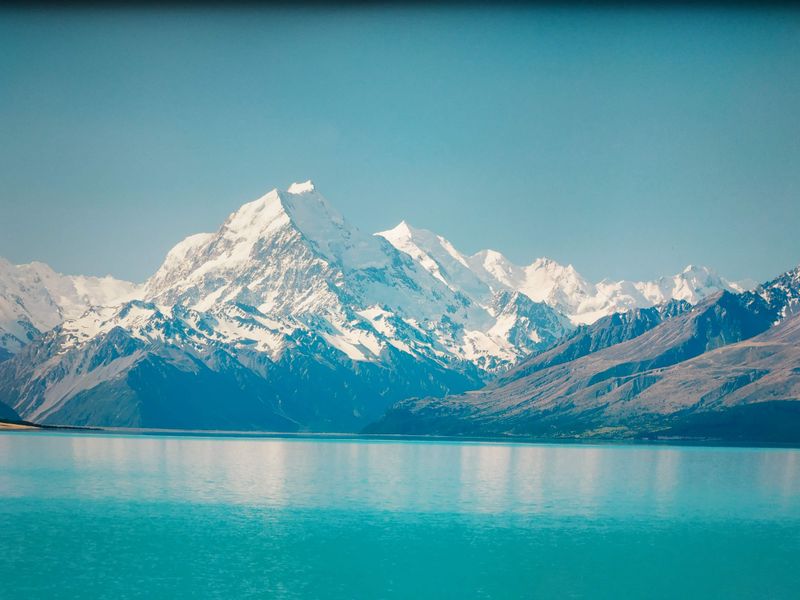
New Zealand’s Southern Alps reach their dramatic peak at Aoraki/Mount Cook National Park, where jagged mountains pierce the sky and glacial lakes shimmer in impossible shades of turquoise. Māori legend says the mountain is a frozen ancestor who turned to stone, and standing before its massive bulk, you can almost believe such stories. The landscape commands respect and wonder in equal measure.
Hiking options range from easy valley walks suitable for families to challenging multi-day treks that test experienced mountaineers. The Hooker Valley Track leads to a glacier lake, while longer routes climb into high alpine terrain where only the hardiest plants survive. Every trail delivers breathtaking views of peaks, glaciers, and pristine wilderness.
The park holds Dark Sky Reserve status, meaning light pollution stays minimal and stargazing reaches spectacular levels. On clear nights, the Milky Way stretches overhead in brilliant detail, while the Southern Cross constellation points the way south. Astrophotographers consider this one of Earth’s best locations for capturing celestial beauty.
Summer brings alpine flowers and longer daylight hours, while winter blankets everything in deep snow, attracting ski mountaineers and ice climbers. Regardless of season, Mount Cook National Park showcases nature at its most magnificent.
Cuyabeno Wildlife Reserve, Ecuador — Amazon Jungle Adventure
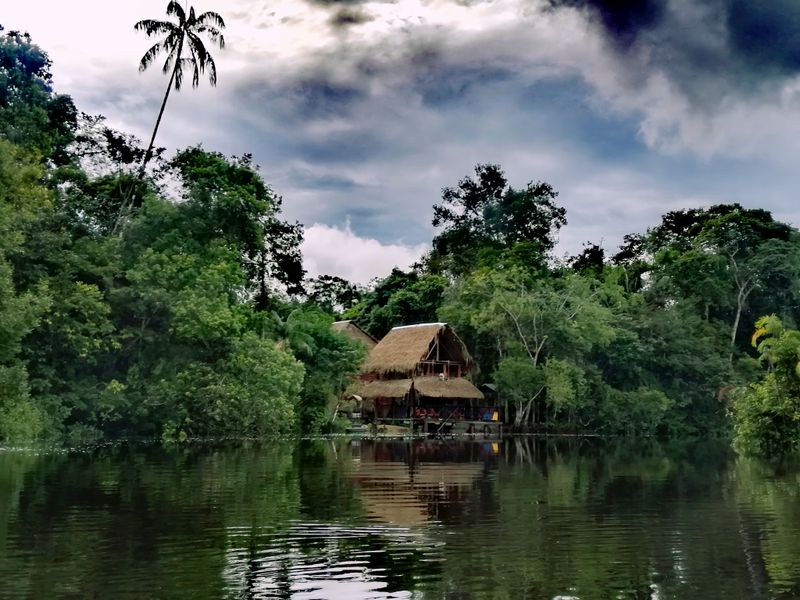
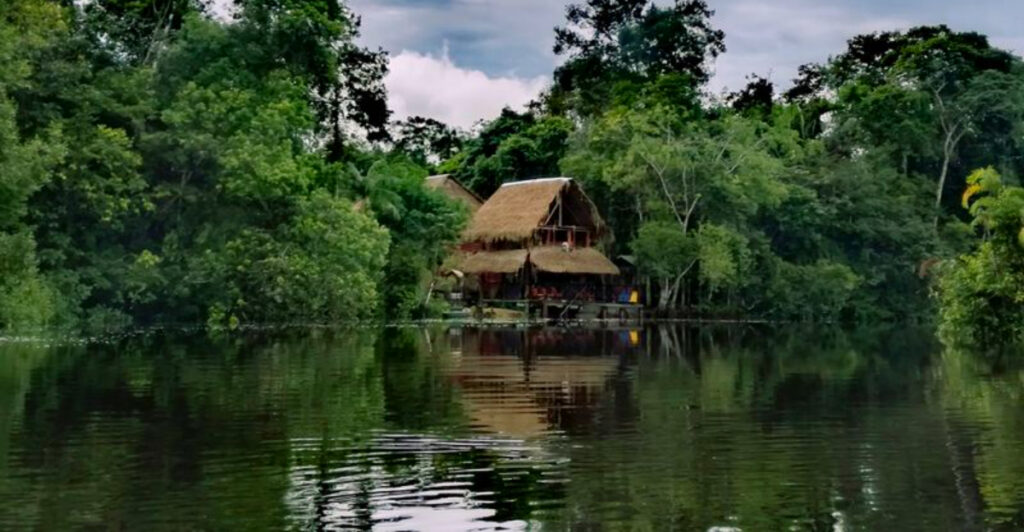
Deep in Ecuador’s Amazon basin, the Cuyabeno Wildlife Reserve protects thousands of square kilometers of pristine rainforest, winding rivers, and flooded forests. This ranks among Earth’s most biodiverse places, where countless species share the same lush ecosystem. Every tree, every pool, every patch of forest floor teems with life competing, cooperating, and thriving together.
Wildlife spotting here feels like flipping through a nature encyclopedia come to life. Colorful macaws squawk overhead, several monkey species swing through the canopy, caimans lurk along riverbanks, and if you’re lucky, giant river otters play in the water. Pink river dolphins occasionally surface, their unusual coloring making them seem almost mythical.
Local indigenous guides lead visitors through this complex environment, sharing knowledge accumulated over generations. They point out medicinal plants, explain symbiotic relationships between species, and spot creatures your untrained eye would completely miss. Their connection to the forest runs deep, and their conservation efforts help protect this irreplaceable ecosystem.
Lodge-based tours typically last several days, giving you time to explore different areas by canoe, take night walks to see nocturnal creatures, and simply absorb the overwhelming sensory experience of the Amazon. The jungle never stays quiet or still.
Patagonia (Chile & Argentina) — Epic Wilderness Frontier
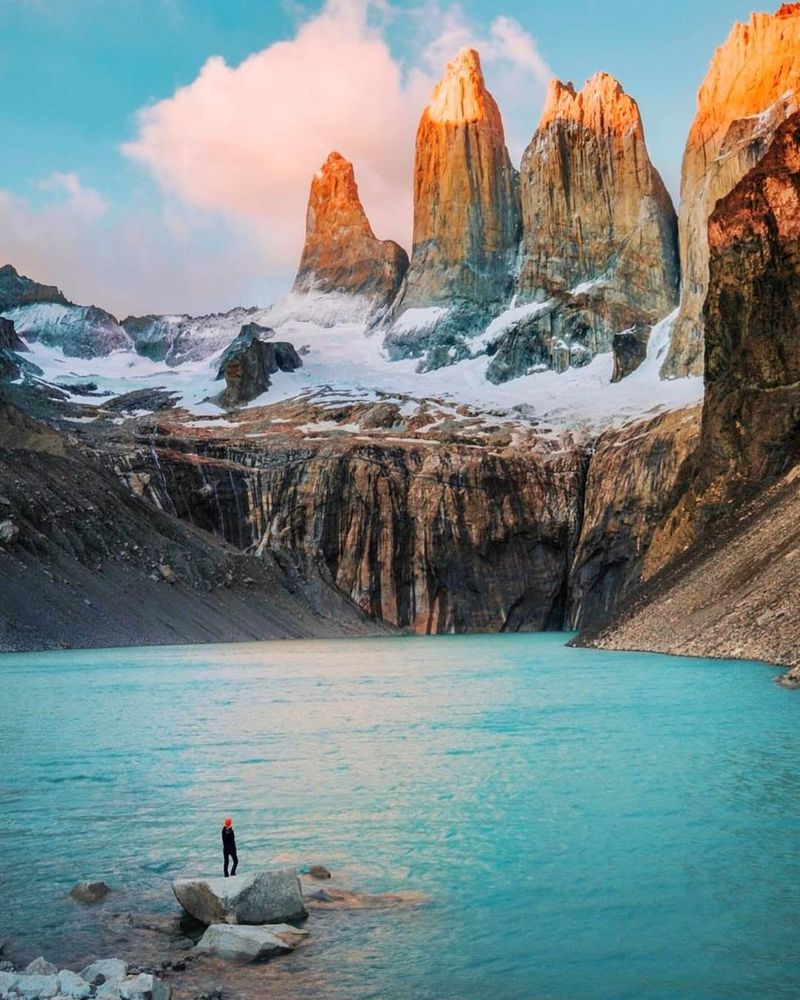
Patagonia exists at the edge of the world, where civilization gives way to raw wilderness on a scale that humbles even seasoned travelers. The name alone conjures images of adventure: towering granite spires, massive glaciers calving into turquoise lakes, wind-sculpted plains stretching endlessly, and weather that changes from sunny to stormy in minutes. This legendary region delivers everything its reputation promises and more.
Torres del Paine National Park in Chile showcases some of Patagonia’s most iconic scenery, with the famous three towers rising dramatically above surrounding peaks. Hikers tackle the W Trek or the longer O Circuit, camping beneath stars so bright they seem within reach. Argentina’s side offers equally stunning landscapes, including the Perito Moreno Glacier and Mount Fitz Roy’s distinctive profile.
Wildlife thrives despite harsh conditions: guanacos (wild relatives of llamas) graze the steppes, condors soar on thermal currents, and pumas hunt in remote valleys. The ecosystem has adapted to extreme winds and temperature swings, creating hardy species found nowhere else.
Whether you’re trekking iconic routes, kayaking through fjords filled with ice, or simply standing before a glacier’s blue face, Patagonia demands your full attention. Nature’s grandeur reaches its peak here.
La Gomera & Canary Islands, Spain — Diverse Natural Wonders
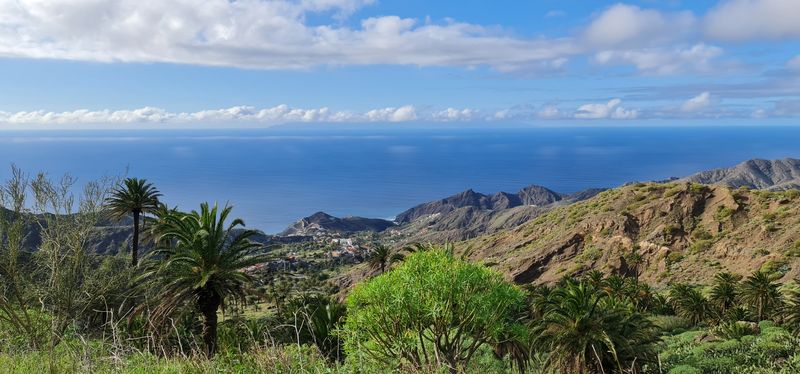
Off Africa’s northwest coast but belonging to Spain, the Canary Islands offer surprisingly diverse landscapes packed into relatively small areas. La Gomera stands out among them as a UNESCO Biosphere Reserve where misty laurel forests — remnants of ancient woodlands that once covered the Mediterranean region — create an almost mystical atmosphere. Hiking through these forests feels like stepping back millions of years.
The island’s rugged cliffs plunge dramatically into the Atlantic, creating spectacular coastal scenery that contrasts sharply with the lush interior valleys. Scenic trails wind through varied terrain, from dense forest to volcanic rock formations, rewarding hikers with constantly changing views. Birdwatchers come specifically to spot rare species found only in these islands.
Beyond La Gomera, the other Canary Islands showcase even more natural diversity. Tenerife boasts Spain’s highest peak and volcanic landscapes that resemble Mars, while Lanzarote features surreal lava fields and volcanic vineyards. Each island presents its own character, shaped by volcanic origins and Atlantic weather patterns.
The Mediterranean charm combined with subtropical climate makes the Canaries accessible year-round. You can hike through forests in the morning and relax on beaches by afternoon, experiencing multiple ecosystems in a single day without traveling far.
Tilicho Lake, Nepal — High Mountain Beauty
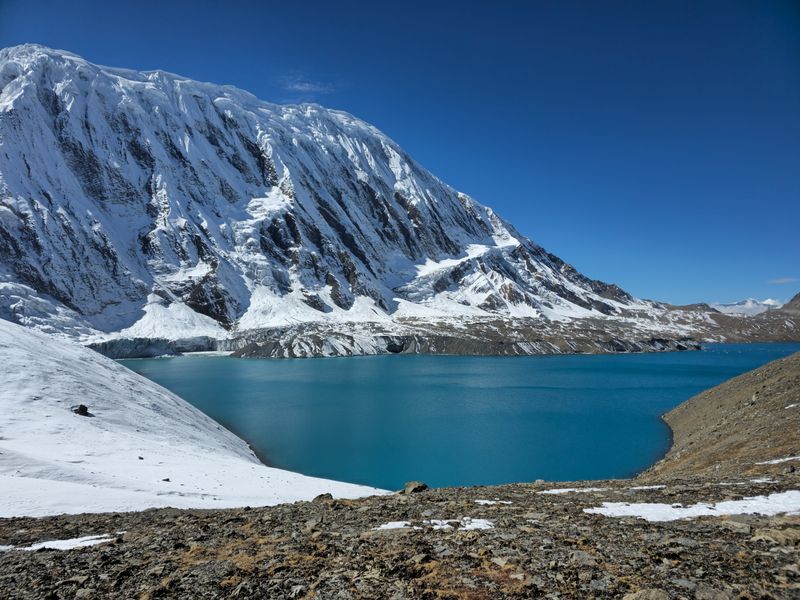
Perched at over 16,000 feet in Nepal’s Annapurna region, Tilicho Lake ranks among the world’s highest lakes and certainly among its most beautiful. The turquoise water sits in a stark, dramatic basin surrounded by towering Himalayan peaks, creating a scene so surreal it barely seems real. Reaching it requires serious trekking effort, but that journey filters out casual tourists and rewards committed adventurers.
The trek to Tilicho typically branches off the popular Annapurna Circuit, adding several days to your journey. As you climb higher, vegetation disappears and the landscape becomes increasingly barren and otherworldly. Thin air makes every step harder, but the anticipation builds with each gained meter of elevation.
When the lake finally comes into view, its impossible blue color against brown mountains and white peaks creates a stunning contrast. Many trekkers arrive at sunrise when the still water perfectly mirrors surrounding summits, doubling the visual impact. The silence at this altitude feels profound, broken only by wind and your own breathing.
High-altitude trekking demands proper acclimatization and preparation, but Tilicho Lake offers something special: a chance to stand at the edge of a pristine alpine water body where few humans venture, surrounded by some of Earth’s tallest mountains.
Antarctica & South Georgia — Frozen Wilderness & Wildlife Havens
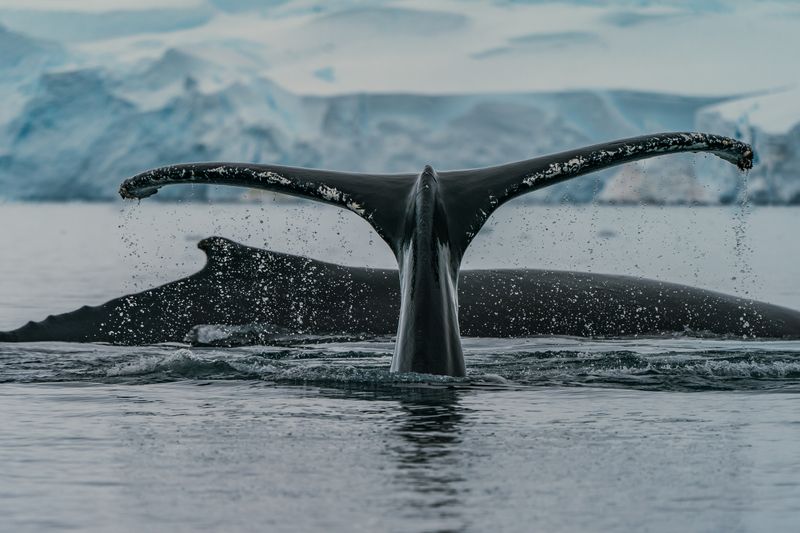
Standing at the bottom of the world, Antarctica feels like stepping onto another planet entirely. Massive icebergs tower overhead, glaciers stretch endlessly across the horizon, and an almost eerie silence blankets everything in sight. Few places on Earth remain this untouched, this raw, this utterly magnificent.
Expedition cruises to Antarctica often include a stop at South Georgia Island, nicknamed the “Galápagos of the Southern Ocean” for good reason. Here, king penguins waddle by the thousands, elephant seals lounge on rocky beaches, and whales breach offshore. The wildlife encounters feel surreal — animals show little fear of humans since they’ve had minimal contact with us.
Reaching these frozen shores means crossing the legendary Drake Passage, where the Atlantic and Pacific oceans collide in choppy waves. The journey itself becomes part of the adventure, testing your sea legs while building anticipation. Once you arrive, every moment rewards you with sights most people only see in documentaries.
Pack warm layers, bring a quality camera, and prepare for an experience that changes how you see our planet. Antarctica isn’t just a destination; it’s a pilgrimage for serious nature enthusiasts.
Bohemian Paradise, Czech Republic — Fairytale Landscapes
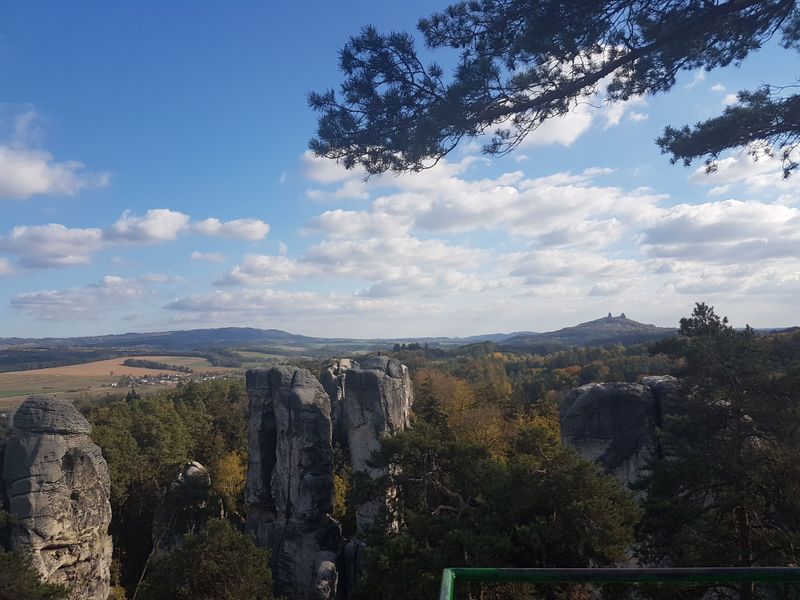
Central Europe might not immediately spring to mind when thinking about natural wonders, but the Bohemian Paradise region proves that assumption completely wrong. This UNESCO Global Geopark features extraordinary sandstone formations rising like natural skyscrapers from forested valleys, creating landscapes that genuinely resemble fairytale illustrations. Medieval castles perched on rocky outcrops add to the storybook atmosphere.
Millions of years of erosion carved the sandstone into towers, arches, and maze-like rock cities that beg to be explored. Hiking trails wind through forests and between formations, offering constantly changing perspectives. Rock climbers find hundreds of challenging routes up the towers, while photographers chase the perfect light illuminating these ancient stones.
The Jizera River meanders through the region, adding water elements to the rocky landscape. Small towns nestled in valleys provide bases for exploration, offering traditional Czech hospitality and cuisine after days spent outdoors. Unlike more famous European destinations, this area remains relatively uncrowded, letting you experience nature without battling tourist hordes.
Spring brings wildflowers carpeting the forest floor, summer offers ideal hiking weather, autumn paints the forests in brilliant colors, and winter occasionally dusts everything with snow. Each season transforms the Bohemian Paradise into something new while maintaining its essential magical character.
Kakkathuruth, India — Island Serenity & Magical Sunsets
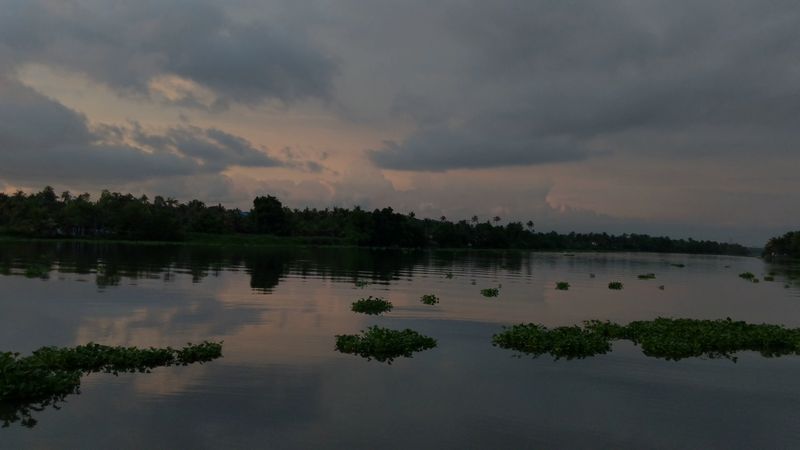
Most travelers rushing through Kerala overlook tiny Kakkathuruth, and that’s exactly what keeps this island paradise so peaceful. Sitting in Vembanad Lake off Kerala’s coast, this small island gained fame when National Geographic declared its sunsets among the world’s finest — praise that proves well-deserved when you witness the sky exploding in oranges, pinks, and purples reflected perfectly in still waters.
The island itself remains largely undeveloped, maintaining a tranquil character that feels increasingly rare in our busy world. Palm trees sway in gentle breezes, traditional fishing boats drift past, and the pace of life slows to match the rhythm of lapping waves. Visitors come specifically to disconnect, to watch clouds drift across vast skies, to remember what silence sounds like.
Reaching Kakkathuruth requires a short boat ride, adding to the sense of escape. Once there, you can explore on foot in less than an hour, but most people simply find a spot facing west and settle in to watch nature’s daily light show. The sunsets never repeat exactly, each evening painting a unique masterpiece.
For nature lovers seeking peace rather than adrenaline, this tiny island delivers something precious: a chance to simply be present in a beautiful place without distractions or crowds.
Garajonay National Park, La Gomera — Ancient Forest Retreat
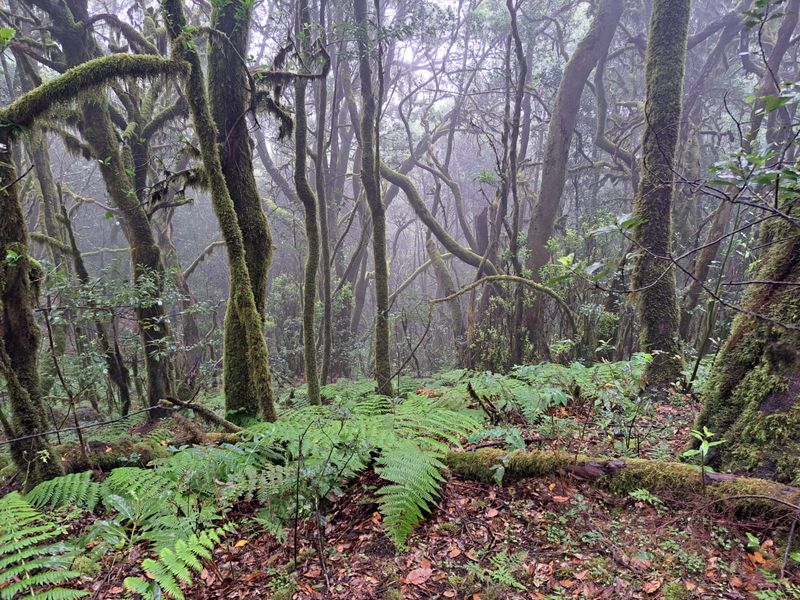
Within La Gomera lies Garajonay National Park, a UNESCO World Heritage Site that protects something increasingly rare: ancient laurel forests that survived the last ice age. Walking beneath these twisted, moss-draped trees feels like entering another epoch entirely, when such forests covered much of southern Europe. The mist that frequently shrouds the canopy adds to the timeless, almost mystical atmosphere.
These aren’t ordinary woods — the laurel trees grow in contorted shapes, their branches draped with lichens and ferns, creating a dense canopy that filters sunlight into soft green light. The forest floor stays perpetually damp, supporting unique plant species found nowhere else. Scientists value the park as a living window into ancient ecosystems.
Hiking trails wind through the park, ranging from easy walks to longer treks that cross the island. The silence here strikes visitors immediately — no traffic noise, minimal human sounds, just wind in leaves and occasional birdsong. Many people report feeling deeply peaceful in these ancient woods, as if the forest itself radiates calm.
The park’s biodiversity extends beyond trees to include rare birds, endemic insects, and plants that have evolved in isolation. For nature enthusiasts who appreciate forests and quiet contemplation, Garajonay offers a deeply serene experience unlike typical tourist attractions.
Arunachal Pradesh, India — Biodiversity Hotspot & Orchid Capital
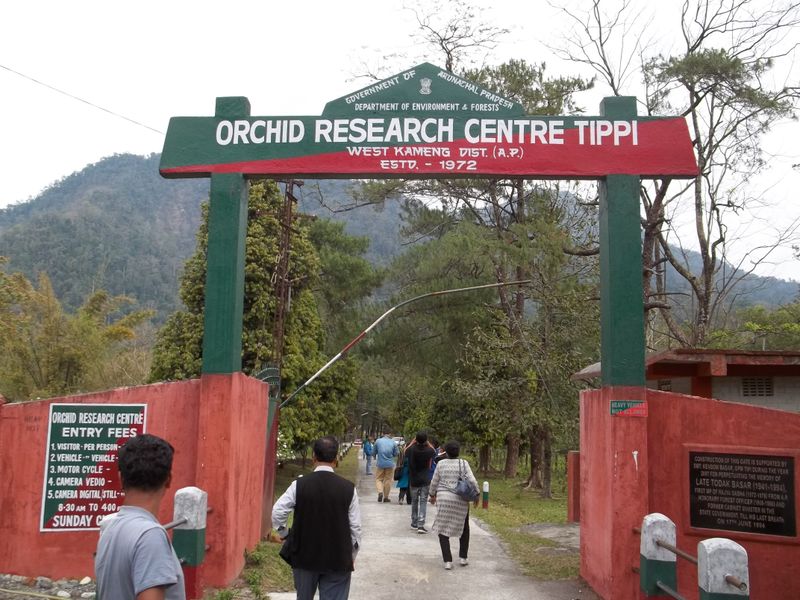
India’s northeastern state of Arunachal Pradesh remains relatively unknown to international travelers, which helps preserve its incredible natural wealth. This region ranks among Asia’s richest biodiversity hotspots, protecting ecosystems that range from subtropical lowlands to high Himalayan peaks. Rare species thrive here, including clouded leopards, red pandas, and hundreds of bird species found nowhere else.
Namdapha National Park stands out as one of India’s most important protected areas, where all four big cat species (tiger, leopard, clouded leopard, and snow leopard) theoretically share the same habitat due to extreme elevation ranges. The park’s remoteness and challenging access keep visitor numbers low, protecting wildlife from disturbance. Serious wildlife enthusiasts consider it a bucket-list destination.
Arunachal Pradesh also claims the title of India’s “Orchid Capital,” with over 600 orchid species painting forests in spectacular colors. The Ziro Valley showcases this floral diversity alongside unique tribal cultures that have coexisted with nature for centuries. Rice terraces cascade down hillsides, traditional villages nestle in valleys, and festivals celebrate the region’s rich cultural heritage.
Reaching Arunachal Pradesh requires special permits and careful planning, but these barriers help preserve what makes it special. For nature lovers willing to venture off the beaten path, it offers unmatched biodiversity and pristine landscapes.
Share this story