A powerful California storm turned deadly when fast moving floodwaters swept a man away, underscoring how quickly conditions can become life threatening. You will see how saturated ground, hidden hazards, and fast currents combine to create danger even after the rain slows. This breakdown explains what happened, why risks remain high, and the safety steps you should take now. Stay aware, because the next downpour could arrive sooner than expected.
Man Dies After Being Swept Away by Floodwaters in California
Authorities confirmed a tragic fatality after a man was swept away by fast moving floodwaters during a powerful California storm. Rushing runoff overwhelmed drainage systems, turning creeks and urban channels into dangerous torrents filled with debris. First responders raced to the scene, but the current was too strong and conditions deteriorated rapidly.
Witnesses described rising water that surged unexpectedly, blocking escape routes and swallowing low spots. Rescue teams deployed ropes and search crews, yet visibility was poor and obstacles lurked beneath the surface. Officials stressed that water does not need to be deep to be lethal, particularly when rainfall rates spike and flows accelerate quickly.
This incident highlights the unforgiving nature of flash flooding and the need to avoid flood prone areas. You might feel confident stepping through a shallow crossing, but hidden culverts, uneven pavement, and swift currents can flip the script instantly. Emergency managers pleaded with residents to heed warnings, stay away from moving water, and never attempt risky shortcuts.
California has endured repeated storms that saturated soils and amplified runoff, compounding danger with every new burst of rain. As crews assess damage, the message is clear. Prioritize safety, monitor alerts, and act early when water starts rising.
Heavy Rainfall and Saturated Ground Created Dangerous Conditions
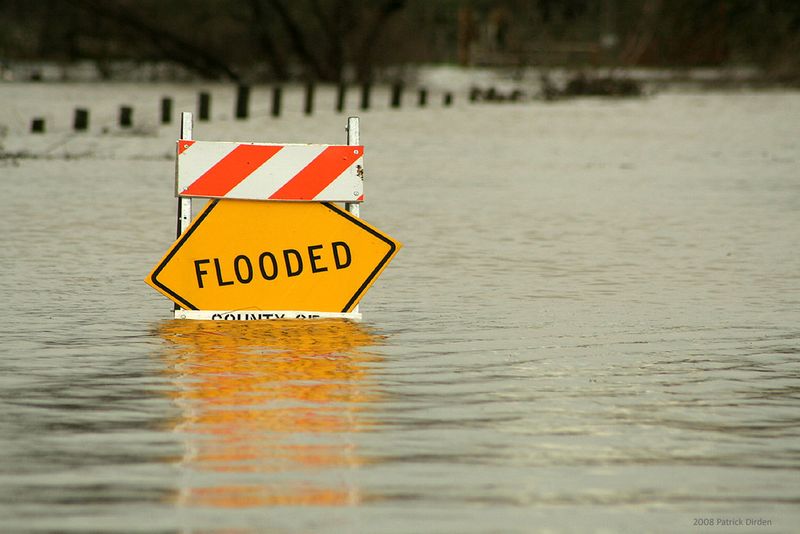
Prolonged heavy rainfall soaked large parts of California, leaving the ground saturated and unable to absorb more water. When soils reach capacity, even moderate showers rapidly convert to runoff, pushing waterways to surge. Fox Weather reported intense rain bands that overwhelmed storm drains and sent creeks rising with startling speed.
Urban areas saw water pool at intersections and flow through low lying blocks, where clogged inlets turned curbs into channels. Drivers encountered deceptively shallow sheets that hid potholes and lifted vehicles toward deeper spots. In some basins, streams jumped their banks, catching people off guard as water rerouted around blocked infrastructure.
Meteorologists warned that storms arriving after earlier wet periods are especially dangerous because the landscape is primed to flood. You cannot rely on recent experience when the ground is saturated and runoff is amplified. Officials urged caution even after rainfall eases, since downstream peaks often arrive later.
Residents were told to clear drains, avoid underpasses, and plan alternate routes. Small changes in intensity can tip conditions from nuisance to life threatening within minutes. Stay tuned to alerts, watch creek gauges, and treat standing water as an immediate hazard.
Officials Reiterate ‘Turn Around, Don’t Drown’ Message
After the fatality, emergency officials repeated a simple rule that saves lives: turn around, do not drown. Most flood related deaths in the U.S. happen in vehicles when drivers attempt to cross water. Just a foot of fast moving flow can sweep a car away, and inches can knock a person off their feet.
Floodwaters conceal dangers like debris, open manholes, washed out pavement, and strong undercurrents. You may think momentum will carry you across, but a hidden dip can stall the engine and trap doors. Rescuers face extreme risk during high water, and help may be delayed when conditions are unsafe.
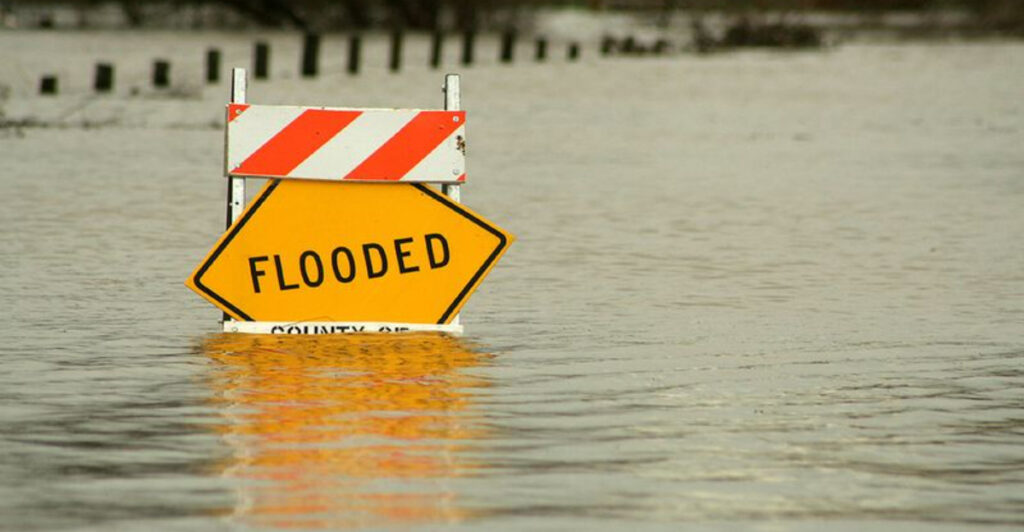
Authorities urged people to avoid walking through flowing water and to seek higher ground immediately. Never drive around barricades or ignore road closures, even if a destination is close. Conditions change in seconds as upstream surges arrive.
Stay informed using reliable alerts, keep a go bag ready, and plan detours before storms. Choose safety over convenience every time, and encourage friends to do the same. The surest rescue is the one you never need because you turned back early.
Flood Risks Remain as Storm Pattern Continues
Meteorologists warn that elevated flood risk persists as the storm pattern continues across parts of California. Additional rainfall could worsen conditions in areas already soaked or recently flooded. Burn scars compound the danger by repelling water and channeling sudden debris flows into gullies and neighborhoods.
Even brief bursts can trigger rapid rises downstream, especially where culverts and channels are clogged. You should enable emergency alerts, review evacuation routes, and keep supplies ready in case the next cell intensifies. Officials advise moving vehicles from low spots and staging sandbags before storms arrive.
The recent fatality is a stark reminder that flooding is among the deadliest weather hazards nationwide. Preparedness and situational awareness reduce risk when forecasts turn volatile. Heed evacuation orders promptly and do not wait for visual confirmation of rising water.
Residents near waterways and slopes should monitor gauges, radar, and local updates closely. Small shifts in storm track can produce big impacts in saturated terrain. Stay vigilant, communicate with neighbors, and avoid unnecessary travel until hazards subside.
Share this story