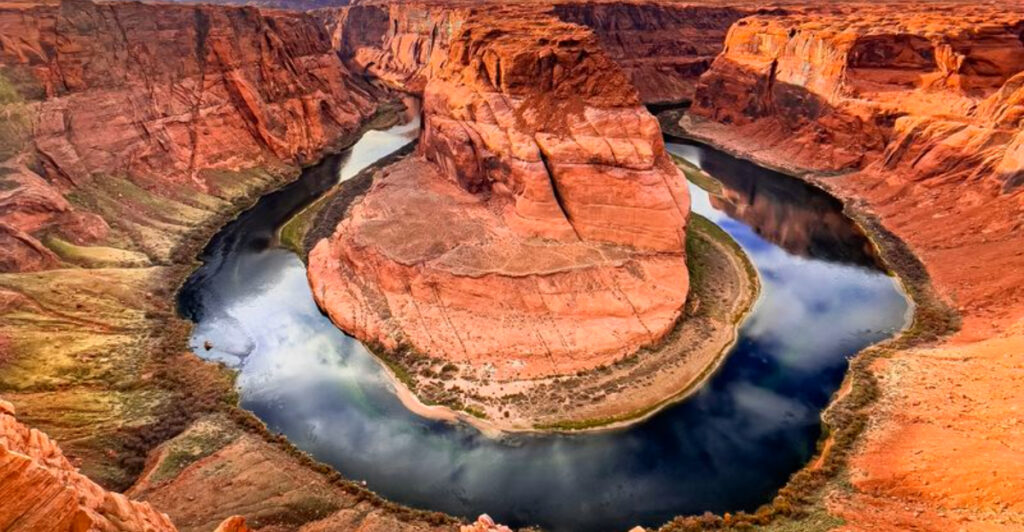
Stand on the rim of a sandstone cliff and watch the Colorado River loop like a jade ribbon around towering rock. One look at Horseshoe Bend and you will blurt out no way before your brain catches up. The view is that unreal, that cinematic, and somehow still accessible to anyone willing to walk a short desert trail. Ready to time your visit for the glow that makes the canyon walls light up like fire?
1. Finding The Trailhead And Parking
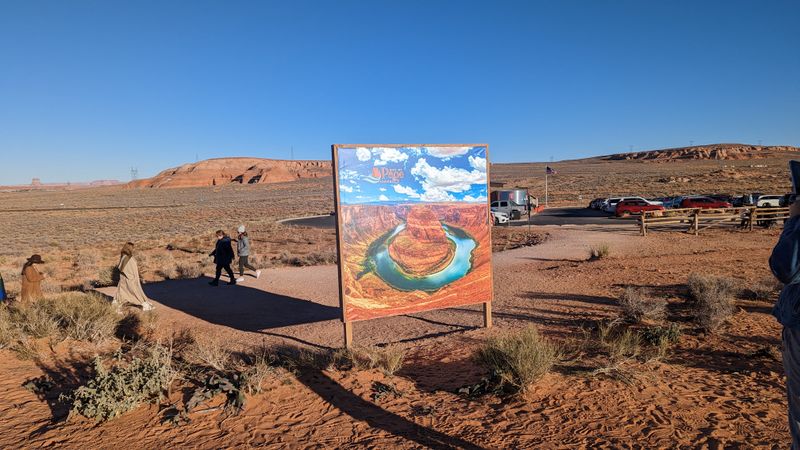
Pull off U.S. 89 just south of Page and the parking lot appears like a small outpost in an ocean of sandstone. Pay the modest fee, lock the car, and scan the clear signs that point to the overlook. The path is 0.7 miles each way with a gentle grade, sandy underfoot, and dotted with shaded ramadas that feel like relief on hot days.
You will spot families pushing strollers, photographers balancing tripods, and hikers in sun hats. This is not a backcountry trek, but the desert demands respect. Carry water, wear closed shoes, and keep expectations realistic if heat is extreme.
The final rise hides the river until you crest it, and then the whole curve snaps into view like a curtain lift. Cell service is decent, so meeting friends is easy. If the lot fills, be patient, as turnover is brisk, especially around midday.
2. Best Time Of Day For Epic Light
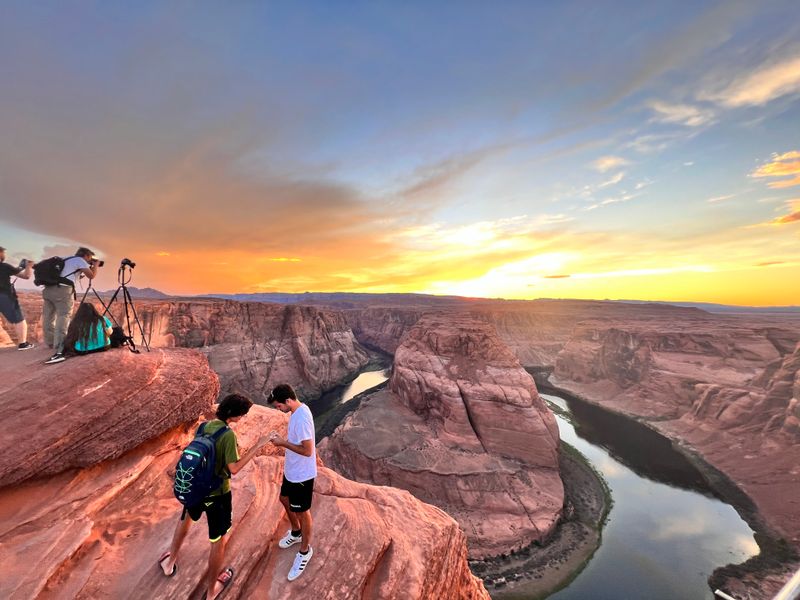
Golden hour wraps the sandstone in copper and rose, and that is when the canyon feels alive. Arrive an hour before sunset to find your spot, because the light slides fast across the walls. Morning offers calmer air and fewer crowds, with cooler temps that make the walk feel effortless.
Midday works if you want intense color and fewer shadows, but the river can glare. Bring a polarizer to cut reflections and deepen the green flow below. On overcast days, the rock turns velvety and details pop, perfect for nuanced photos.
Winter sunsets arrive early and can paint the bend with icy blues and amber rims. Summer mornings deliver soft gradients that make the scene dreamy. Whatever you choose, give yourself time to breathe, settle, and just watch the sun slowly stitch light across the curve.
3. Staying Safe On The Rim
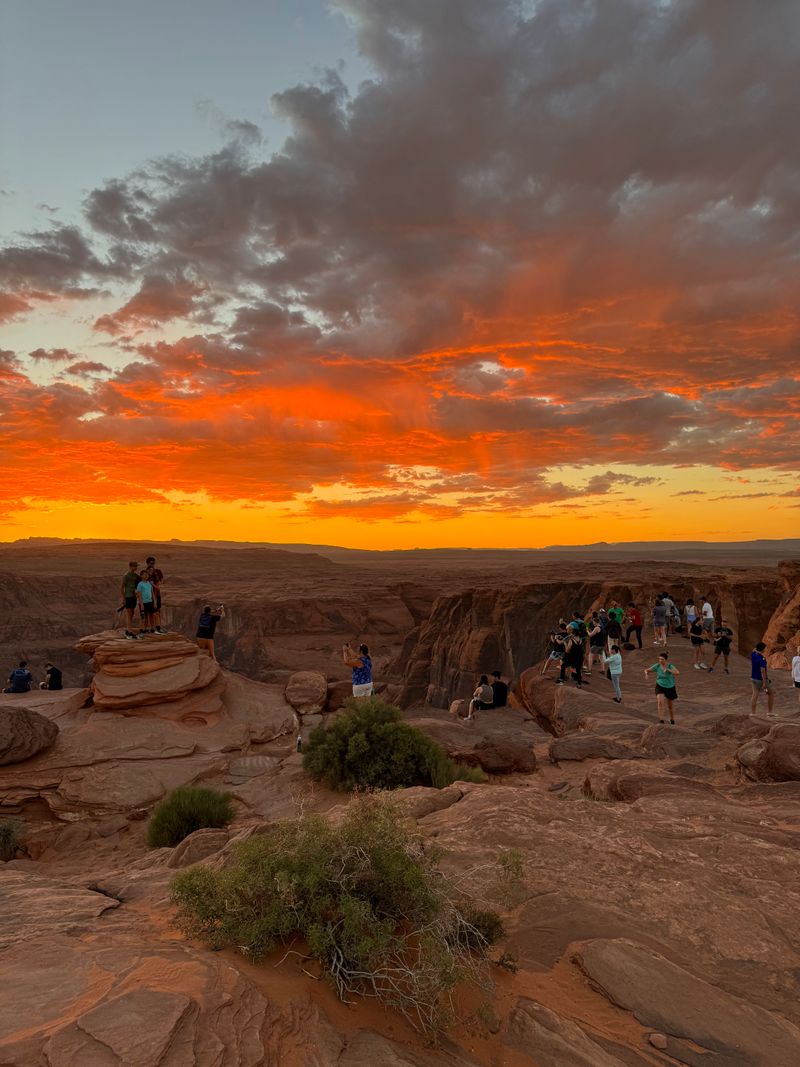
There are railings in a central section, but most of Horseshoe Bend is open rim. You control your safety with smart choices. Keep a body length from the edge, plant your feet, and resist leaning for that extra inch of view.
Wind can surge without warning and sand can be slick on hard rock. If you photograph, use a wide lens rather than creeping forward. Sit down for low shots so your center of gravity helps, not hurts.
Watch kids closely and skip risky poses. Drone use is prohibited at the overlook, which keeps the airspace calm and prevents distraction. Hydrate, rest in the shaded ramadas if heat builds, and remember no photo is worth a misstep when the drop is hundreds of feet straight down.
4. Photography Gear And Settings
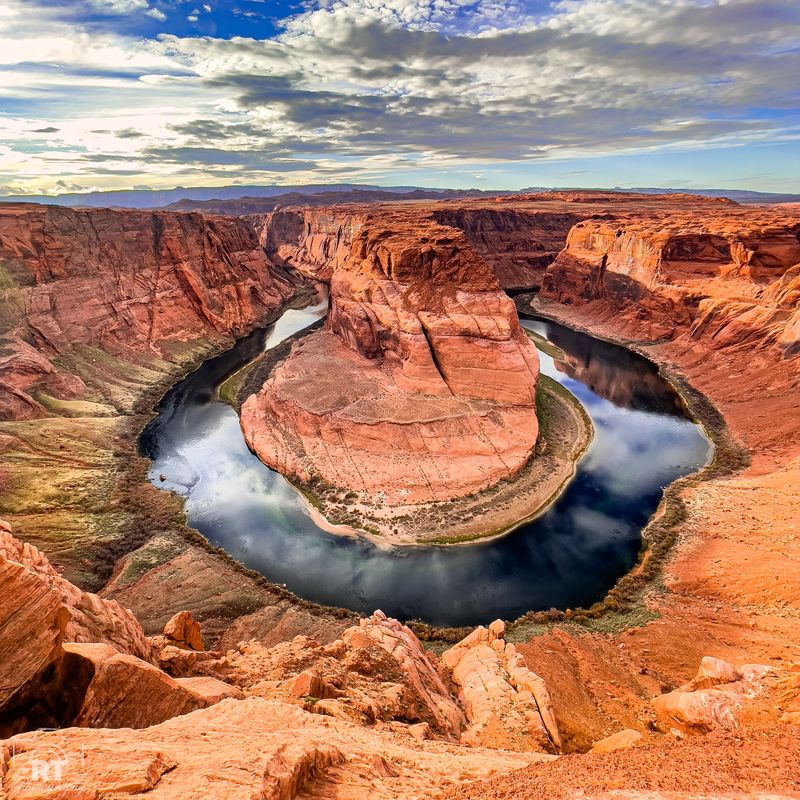
A 14 to 24 millimeter lens captures the entire curve without stitching. Bring a sturdy but compact tripod if you plan to shoot blue hour. A circular polarizer helps cut river glare and enriches color, while a 3 stop soft grad can tame the bright sky.
Start around f8 to f11 for crisp depth, ISO 100, and a shutter fast enough to avoid shake. Bracket exposures if the sky is explosive and the canyon is dark. Focus one third into the scene, or use focus peaking to nail the rim.
For phones, engage HDR and tap to expose for the highlights. Clean the lens and brace against a rock to steady your hands. Shoot both wide to wow and tight to capture textures in the Navajo Sandstone and the river’s reflective ribbon.
5. What The Overlook Actually Looks Like
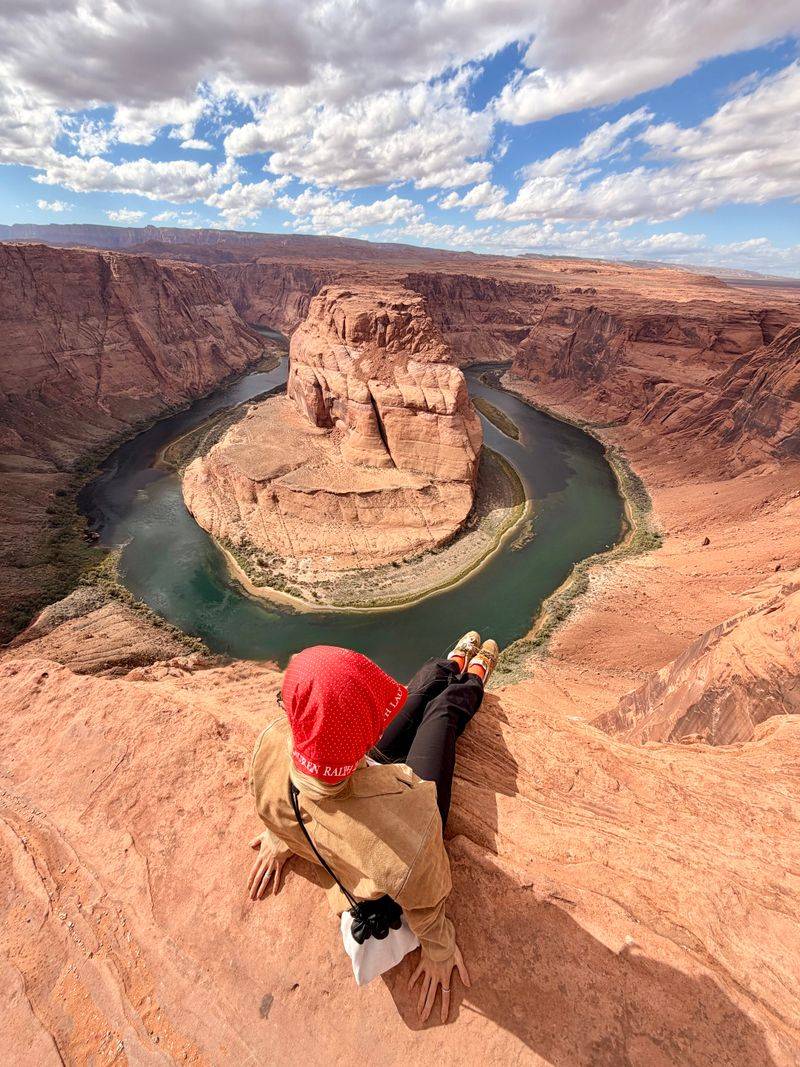
The overlook is a broad sandstone amphitheater that drops away to the Colorado River’s perfect U curve. The water shifts from emerald to deep jade depending on light and wind. Cliffs stack in bands of orange, rust, and cream, carved by time into ledges and alcoves.
From the central railing, you get an elevated straight on view. Step left or right along the rim to see subtle changes in angle, reflections, and the river’s texture. The river is far below, so boats appear as tiny moving beads.
The space feels communal yet wild, with people whispering wow even when they thought they were prepared. Desert plants cling to sandy pockets, and ravens ride thermals overhead. It is grand, immediate, and strangely intimate because the bend frames everything like a natural arena.
6. Weather And Seasonal Nuance
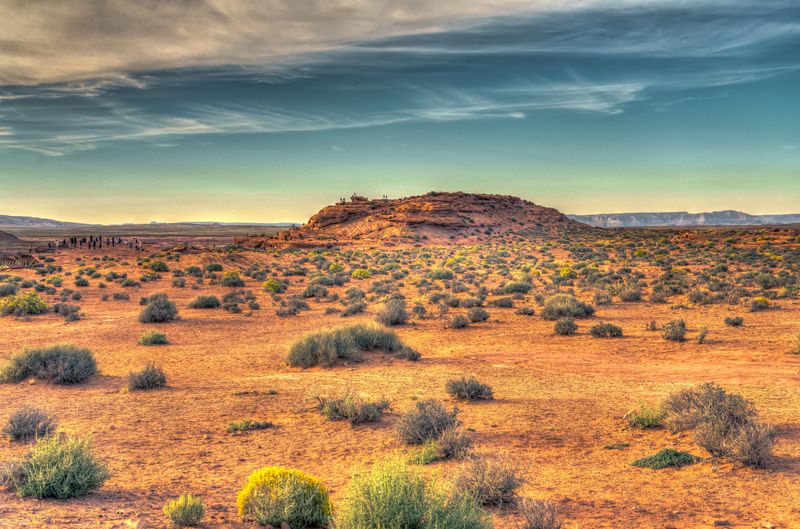
Spring brings mild temperatures and occasional wildflower sprinkles along the trail. Winds can be lively, which clears haze but can sting with sand. Summer is hot, often above 100 degrees, so start early or go late and plan for lots of water.
Monsoon season can deliver dramatic cloudscapes and passing storms. Lightning demands caution, so retreat from the rim if thunder cracks. Fall arrives crisp and clear, with stable air that makes details pop and midday more forgiving.
Winter days are short, but the low sun paints the canyon with exquisite pastels. Crowds thin, parking is easier, and the river can look almost metallic under cold skies. Always check the forecast in Page, Arizona before setting out and adapt your timing to the day’s mood.
7. Accessibility And Amenities
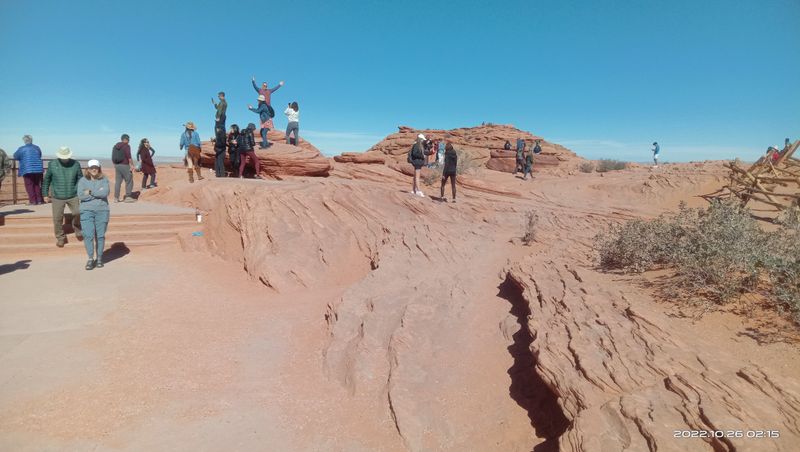
The path is wide and compacted, with a gradual slope that many visitors find manageable. There are shaded ramadas for breaks and clear signage throughout. Restrooms are at the parking area, so plan ahead before you walk to the overlook.
The central viewing area includes a railing that helps with stability and orientation. Benches near shade structures offer a place to sit and cool down. Wear sun protection and bring water, because services at the overlook itself are limited.
Strollers handle the terrain better with larger wheels. Mobility devices with good traction fare well on the packed sections, though soft sand patches can be tricky. If you need more time, start earlier in the day when temperatures are kinder and crowds are lighter.
8. Crowd Navigation And Etiquette
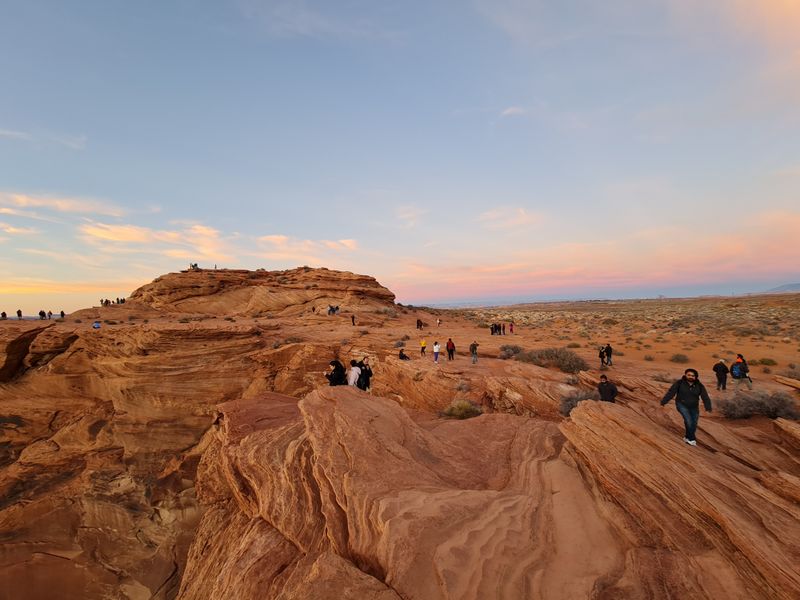
Peak times cluster around sunset and midday tour windows. If you want space, aim for sunrise, winter afternoons, or days with thin clouds. When it is busy, take turns along the railing and move after you get your shot so others can step in.
Keep backpacks tucked and tripods low to avoid blocking paths. Speak softly because echoes travel and the vibe feels sacred to many. Pack out trash and resist carving names into rock, which scars the sandstone for decades.
Offer to snap a quick photo for someone and watch the kindness ripple through the overlook. If someone is anxious near the edge, give them room and encouragement. The best souvenir is a memory of a crowd that felt like a community for a few glowing minutes.
9. Understanding The Geology You See
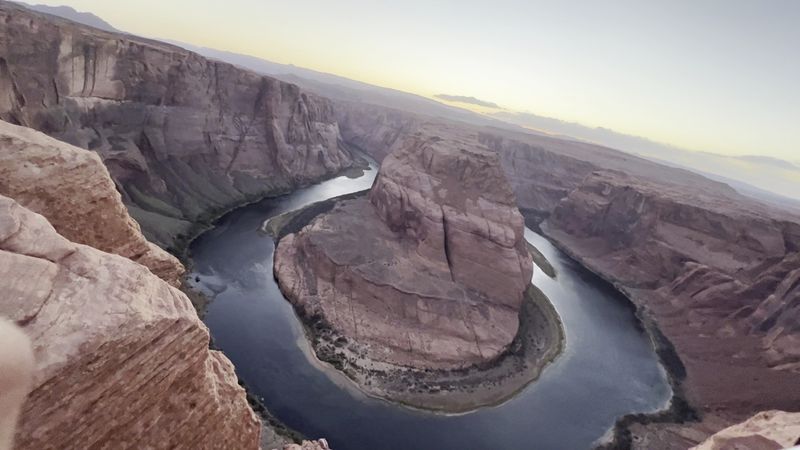
The sweeping walls are Navajo Sandstone, born from ancient desert dunes compressed and cemented over millions of years. You can spot cross bedding, those diagonal layers that record shifting winds. The river carved the curve by exploiting weaknesses, slowly slicing a trench through the rock.
Iron oxides paint the canyon in oranges and reds, while streaks of dark varnish reveal water’s long touch. Freeze thaw cycles pry open cracks, and gravity tidies the rest. Every ledge, alcove, and ripple feels like a page of earth’s journal.
Look closely and you will see pebble pockets and subtle honeycomb patterns. The scale is epic, but the details are everywhere if you crouch and explore with your eyes. Read the rock and the bend becomes a story of wind, water, and time braided into one jaw dropping scene.
10. Bring The Right Essentials
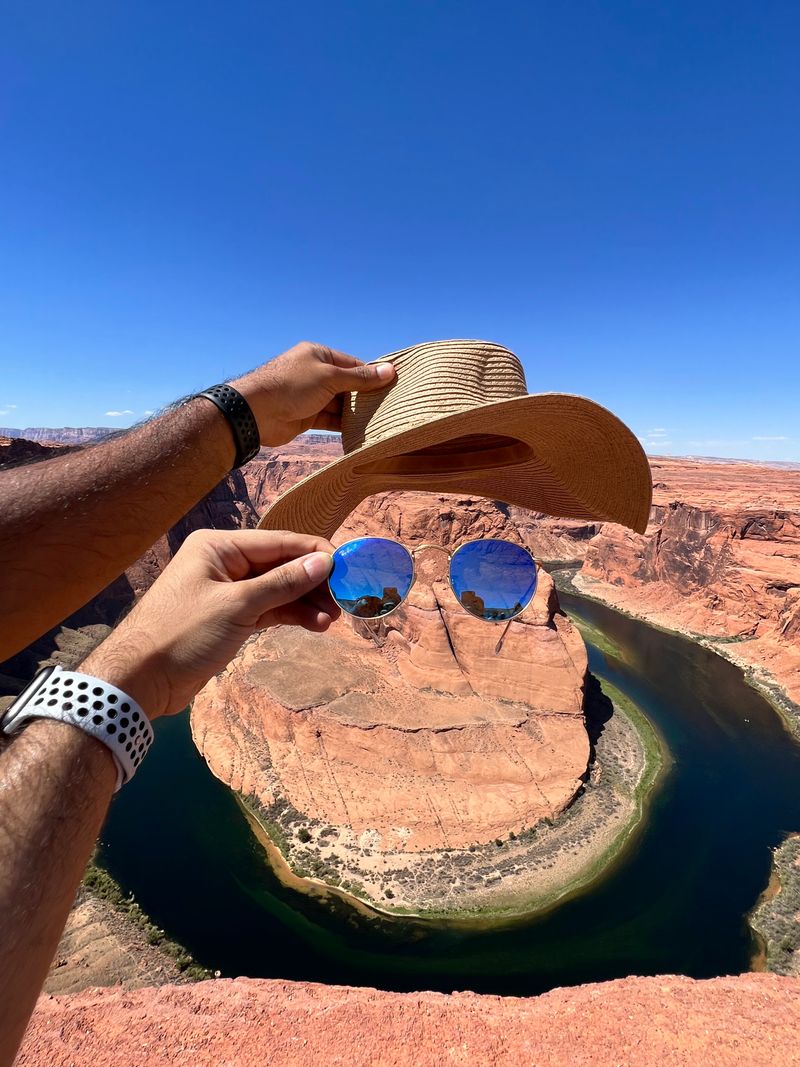
Pack more water than you think you will drink. The trail is short, but the dry air sneaks moisture from your body fast. Add a brimmed hat, sunscreen, and sunglasses to create your own shade in the open desert.
Wear shoes with traction, because sandstone can polish slick. Light layers help as temperatures swing between sun and breeze. Toss in snacks so you can linger longer without worrying about energy dips.
Photography minded visitors will want spare batteries and a microfiber cloth. Sand gets everywhere, so use a bag that closes tightly. A small first aid kit and a sense of patience round out the kit, keeping the focus on the view instead of small annoyances.
11. Respect For Land And Culture
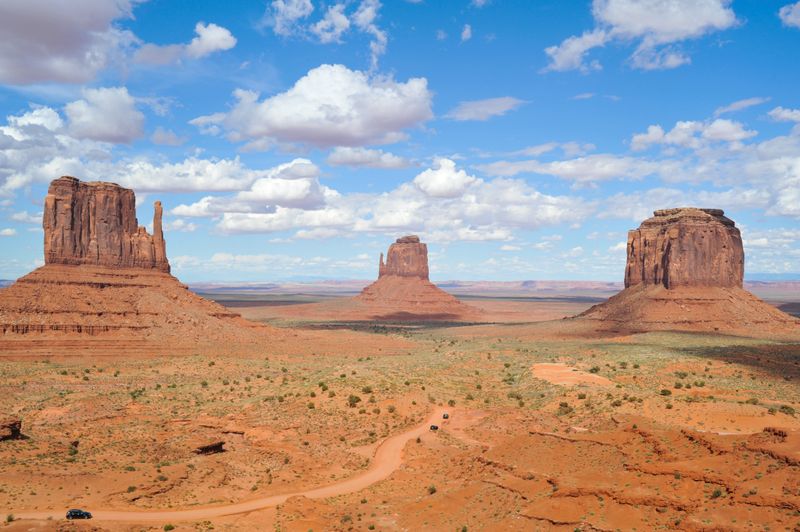
This vista sits within a landscape woven with deep Indigenous histories. Approach with gratitude and care. Stay on designated paths to protect fragile soil and tiny desert plants that fight hard to survive.
Pack out every wrapper and bottle, and pick up an extra piece if you see it. Leave No Trace is not a slogan here, it is a promise to future visitors. Carvings and graffiti do real harm and cannot be buffed away easily.
Speak softly, listen to the wind, and remember you are a guest. The quiet amplifies the feeling of connection to land, water, and time. Treat Horseshoe Bend like a gift and it will give you a memory that stays luminous for years.
12. Navigating Heat And Hydration
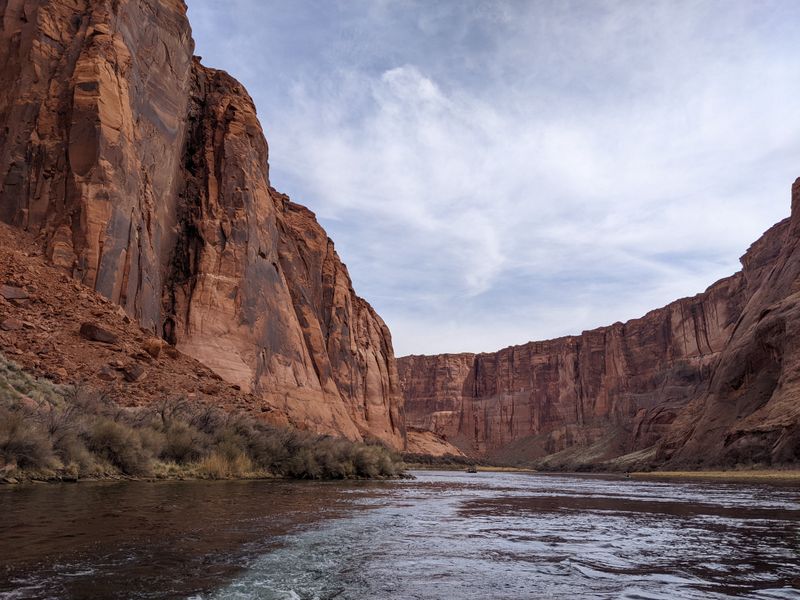
Desert heat sneaks up fast, even on a short walk. Drink steadily before you feel thirsty and keep electrolytes handy for longer days. A cooling towel around your neck and a breathable long sleeve can make midday bearable.
Rest in shaded ramadas and set a turnaround time if the sun hits hard. Watch for dizziness or headache and take them seriously. Choose earlier or later hours if the forecast is spicy and remember that the return walk is uphill.
Kids and older travelers need extra attention because they heat up quickly. Pets are not a great idea in extreme temperatures. With simple habits and honest pacing, you can enjoy the overlook while staying comfortable and clear headed.
13. Making The Memory Last
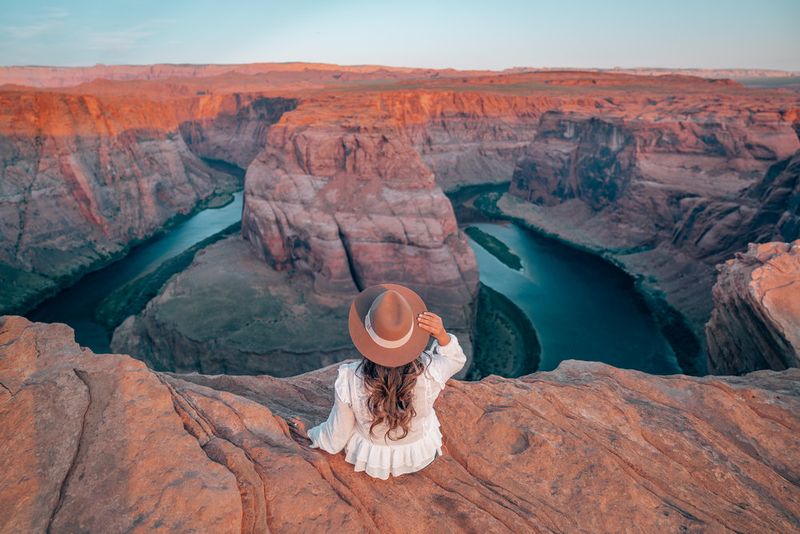
After the wow settles, capture a quick voice memo describing what you see and feel. It sounds cheesy now, but it hits hard later. Shoot a wide panorama, then a close detail like a ripple in the sandstone or a reflection on the river.
Write the coordinates 36.8790612, -111.5103627 in a journal and note the time and light. Print a small photo when you get home because a tangible image sparks memory better than a feed. Share a simple story rather than a flood of posts.
Breathe for one quiet minute before leaving and let the scene stamp itself in your senses. You came for a view and found a moment. That is the souvenir that keeps whispering no way every time you think back on Horseshoe Bend.
Share this story