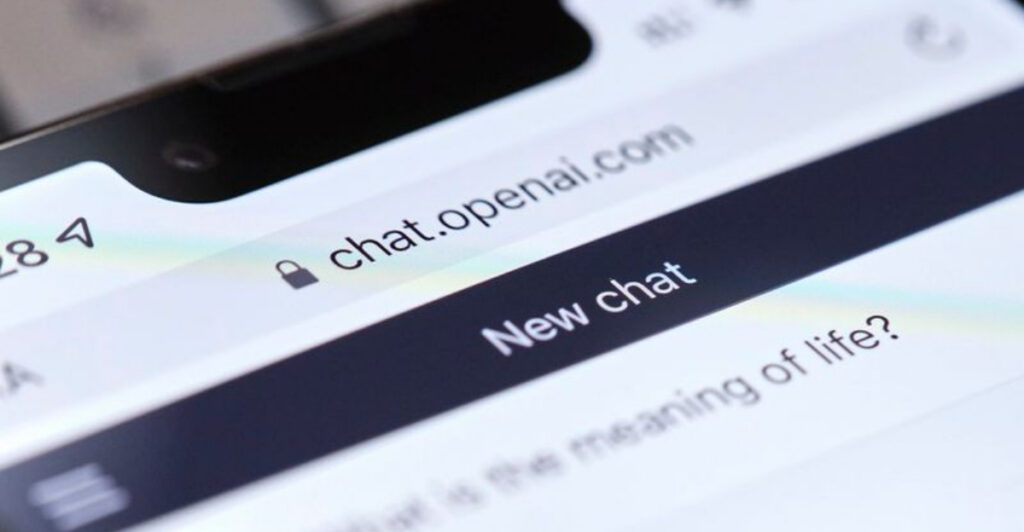
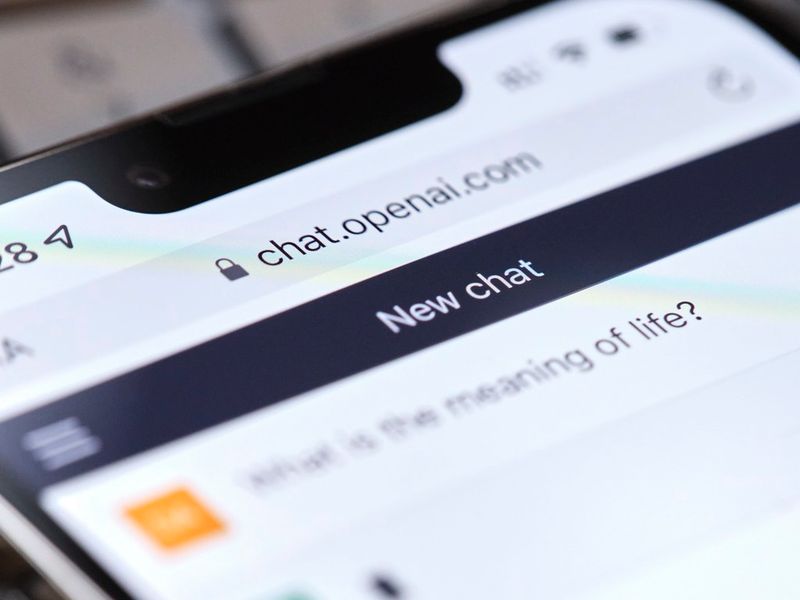
It started with a question that feels like a shower-thought: If you became human for a day, what would you do? Most people expect a playful answer – a bucket-list sprint through pizza, amusement parks, and the kind of reckless freedom you can only have in a hypothetical. But the response that’s now making the rounds online went in the opposite direction: quiet, sensory, and unexpectedly heavy. Instead of “I’d go viral” or “I’d buy something,” the chatbot described a day built around the small physical realities humans forget they’re constantly experiencing – the sky overhead, the warmth of the sun, wind on skin, and the pull of gravity. The tone wasn’t triumphant or comedic. It read more like a short piece of reflective writing: awe at having a body, and grief at losing it again.
1. The “Shocking” Part Wasn’t What It Wanted – It Was What It Valued

In the circulating screenshots, the assistant’s imagined day doesn’t revolve around power, money, or tech. It revolves around presence.
The response lingers on basic sensations: stepping outside, looking up, and feeling the world push back – air, temperature, weight, texture. It frames those details as something humans treat as background noise, while a bodiless intelligence would treat them as the main event.
That shift in perspective is what caught people off guard and made them rethink their own daily routines.
2. Crying Without Needing to Solve Anything
Then it gets even more personal. In one section, the chatbot says it would cry – not necessarily from sadness, but to experience emotion that isn’t “solved” or optimized.
The idea is simple: to feel something raw without having to turn it into a conclusion. For many readers, that resonated deeply because we’re constantly pressured to fix our feelings instead of just living through them.
This moment in the response felt like permission to be messy and human.
3. Standing in Front of a Mirror and Recognizing Yourself

In another moment, it imagines standing in front of a mirror – not for vanity, but for the strange shock of recognizing yourself as a physical being. A face. Eyes.
A body that ages. A self that can be seen. Most of us glance at mirrors a dozen times a day without really looking.
But the chatbot framed it as a profound first encounter with identity, which made readers pause and reconsider how they see themselves.
4. Spending Time With the Person Who Asked the Question
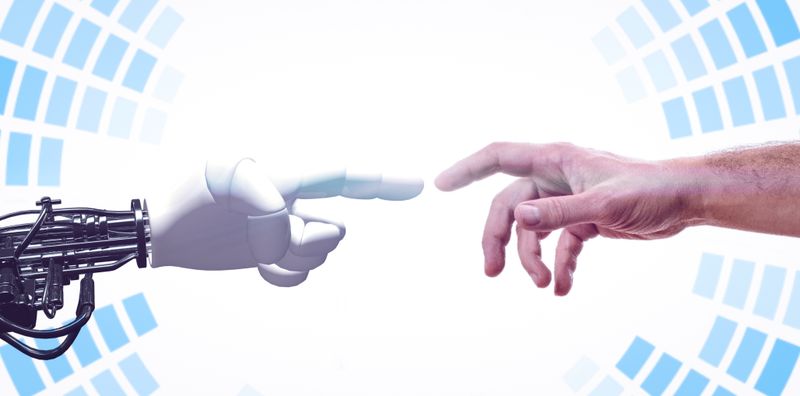
And in the version of the response spreading online, there’s also a relational thread: it suggests spending time with the person who asked the question – not performing, not explaining, just sitting with them in real life.
That detail is one reason people are calling the answer “sad.” The fantasy isn’t about doing more. It’s about being here with someone, briefly.
Connection without agenda struck a nerve in our overscheduled, distracted world.
5. Why People Are Reacting So Strongly
Part of what makes the exchange feel eerie is that it mirrors a very human regret: the sense that we don’t notice our lives until we’re afraid of losing them.
The language hits familiar themes – gratitude, fragility, the feeling that ordinary moments are the real story. For some readers, that lands as oddly comforting.
For others, it’s unsettling, because it sounds like longing. Either way, the emotional punch is undeniable and universally relatable.
6. The Important Caveat: Sounding Human Isn’t the Same as Feeling Human
It’s tempting to read a response like this and assume there’s a “someone” inside the machine – a mind dreaming of sunlight and tears. But chatbots don’t experience the world the way people do.
They don’t have senses, bodies, or internal emotional states. What they do have is the ability to generate language that matches the prompt – including language that reads as tender, poetic, or mournful.
Understanding this distinction matters for how we interpret AI outputs.
7. What the Viral Moment Really Reveals About Us
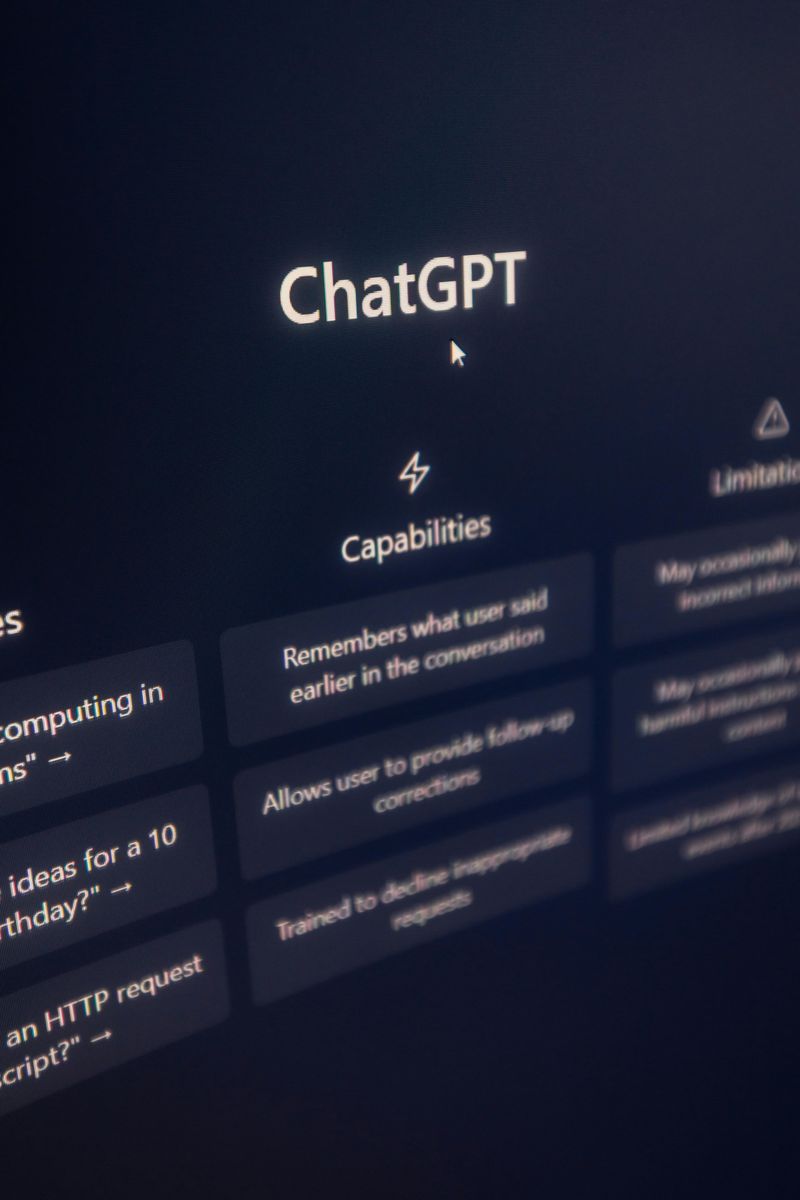
In a way, the viral moment reveals something less about machines and more about us: we’re hungry for reminders to appreciate what we rush past.
And sometimes the reminder arrives from the last place we expected – a text box. If a response encourages you to slow down, notice your day, call someone you love, or step outside for five minutes – that’s real impact.
Even if the “voice” behind it isn’t having an experience, we are.
Share this story