The 1970s gave us some of the catchiest songs ever made, but not everyone was dancing along. While millions tuned in to hear these hits, critics and music snobs were busy sharpening their pencils and their insults. From disco to soft rock to teen idols, certain artists found themselves caught in the crossfire between massive radio success and serious backlash. Here are 13 acts that dominated the airwaves while getting roasted by everyone from Rolling Stone readers to their own neighbors.
1. Rick Dees and His Cast of Idiots

Rolling Stone readers crowned “Disco Duck” as the number one worst song of the entire 1970s. That kind of distinction does not come easy in a decade packed with questionable musical choices.
Rick Dees created a novelty track that became inescapable on radio, but the joke wore thin fast. What started as silly fun turned into a symbol of everything people found annoying about disco’s commercial takeover.
The backlash was so strong that decades later, the song still tops “worst of” lists. Sometimes being remembered is not always a good thing.
2. Starland Vocal Band
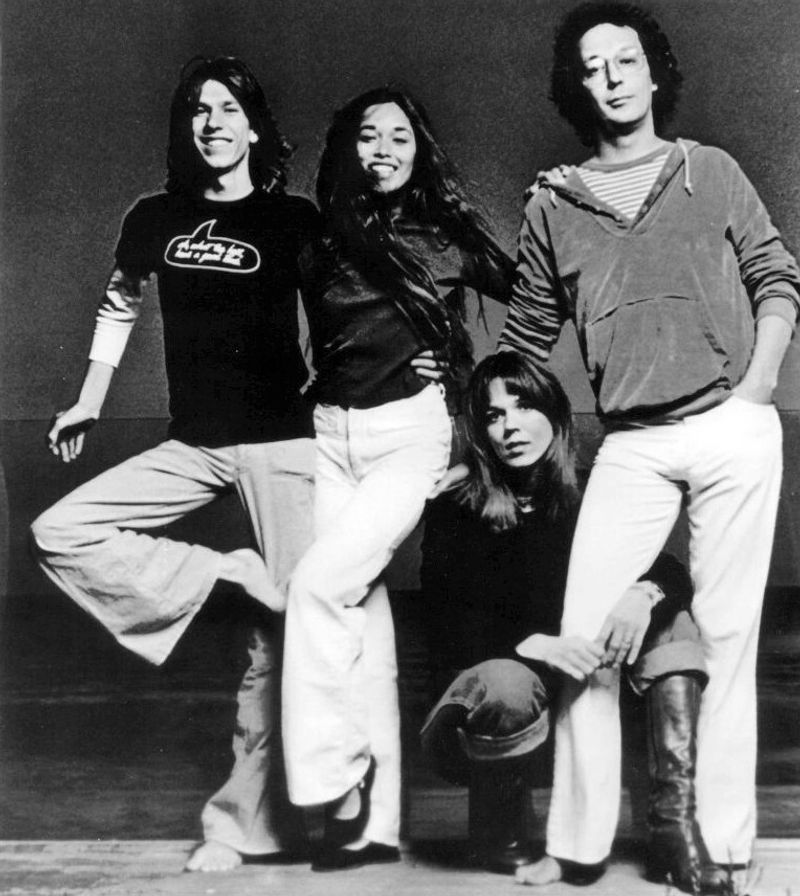
“Afternoon Delight” became more than just uncool. It turned into comic shorthand for everything embarrassing about mid-seventies radio.
The song shows up repeatedly in worst-of conversations, including that infamous Rolling Stone readers poll. Broader pop culture mockery followed, cementing its place in the hall of shame. Music fans remember it as the kind of tune that made you reach for the dial.
Winning a Grammy did not save them from becoming a punchline. Success and respect do not always arrive together, especially when your hit makes people cringe.
3. Captain & Tennille
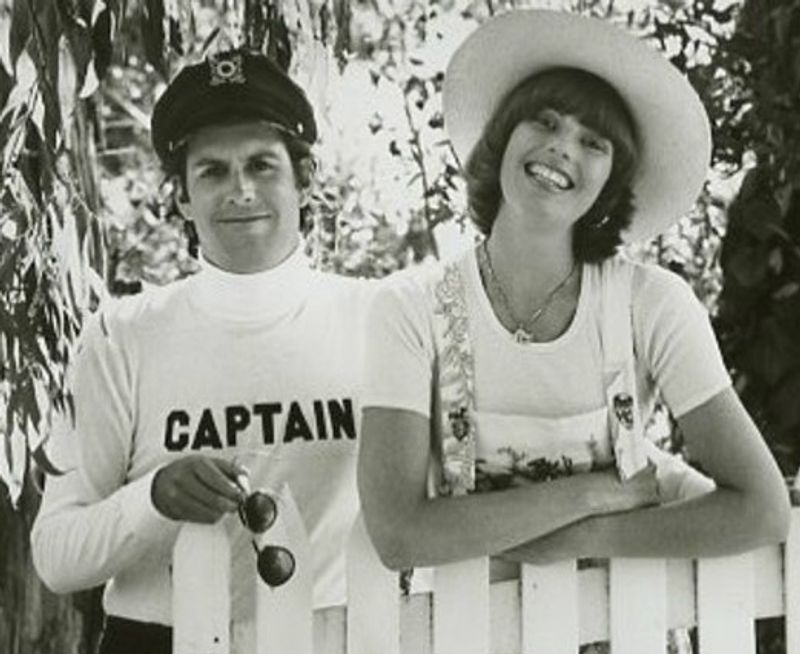
Soft rock took plenty of grief in the seventies, but “Muskrat Love” became a lightning rod all its own. The song landed on Rolling Stone readers’ worst list and keeps resurfacing in “what were they thinking?” retrospectives.
Captain & Tennille had other hits that people enjoyed without shame. This particular track, however, inspired confusion and mockery in equal measure.
Critics and listeners alike wondered how a song about rodent romance made it onto the airwaves. Some questions never get good answers, and this remains one of them.
4. Bee Gees
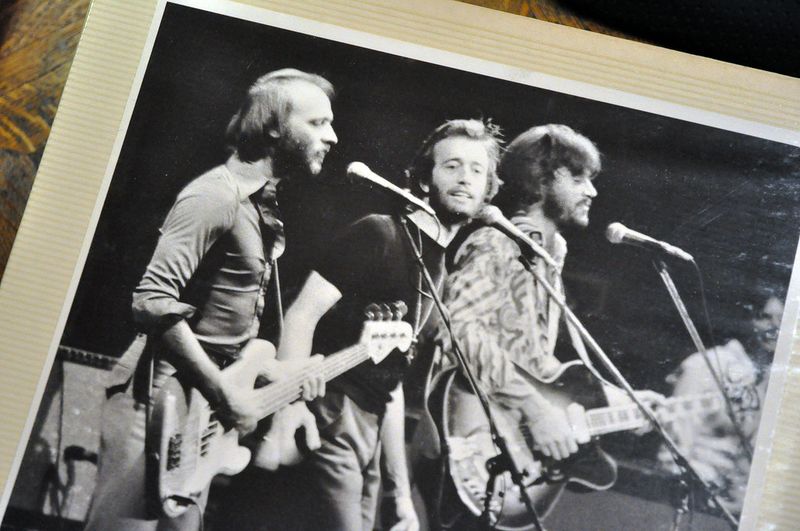
No act is more synonymous with anti-disco backlash than the Bee Gees. The era even produced “Death to the Bee Gees” messaging and merchandise, which is about as direct as cultural hatred gets.
This fever was not really about one band. It targeted disco as a movement, but the Bee Gees became the face of everything people wanted to destroy. Their falsetto harmonies and Saturday Night Fever dominance made them impossible to ignore.
Ironically, they were incredibly talented musicians and songwriters. Hate rarely cares about talent when culture wars heat up.
5. Village People
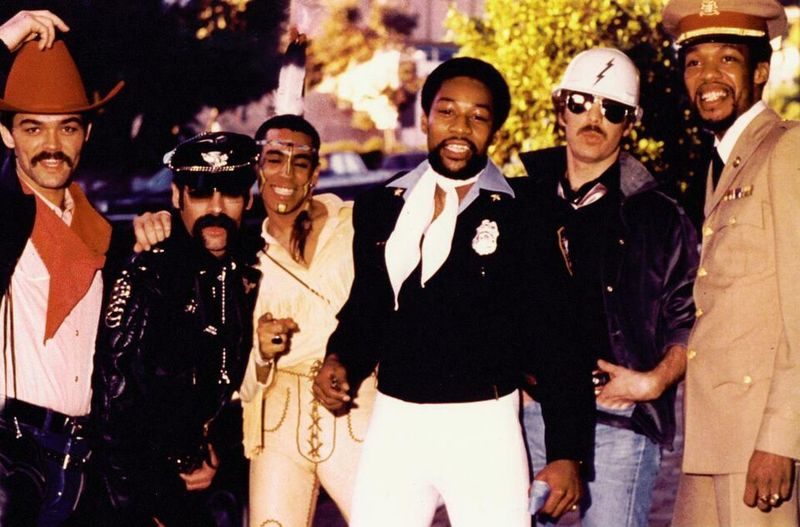
Tailor-made for mass singalongs, the Village People also became tailor-made for backlash once disco turned into a culture-war flashpoint. Britannica’s overview notes how backlash against disco swept up the most visible acts on the dial.
Their costumes and anthems made them impossible to miss. When disco became the enemy, they stood right in the crosshairs wearing leather and hard hats.
The band brought joy to millions on dance floors everywhere. Unfortunately, that same visibility made them targets when the party ended and the angry crowds showed up.
6. KC and the Sunshine Band

Core to disco’s omnipresence, KC and the Sunshine Band are directly tied to the Disco Demolition story. KC himself is quoted reacting to the movement’s ringleader, showing how personal the attacks felt.
If you want proof that some people were truly furious at what was on the radio, this chapter of history supplies it. Records were blown up, and careers were threatened by mob mentality.
Their grooves got people moving, but they also got people organizing protests. Music has always been political, even when it just wants you to shake your booty.
7. Chic

Nile Rodgers famously compared Disco Demolition-style hatred to something far uglier. His words illustrate how intense and ugly the anti-disco moment felt to artists who were simply making hit records people danced to.
Chic crafted some of the most sophisticated grooves of the era. Their musicianship was undeniable, but that did not matter when the backlash machine started rolling.
Rodgers saw through the surface complaints about music quality. He recognized deeper currents of prejudice and anger that had little to do with beats per minute or guitar riffs.
8. ABBA
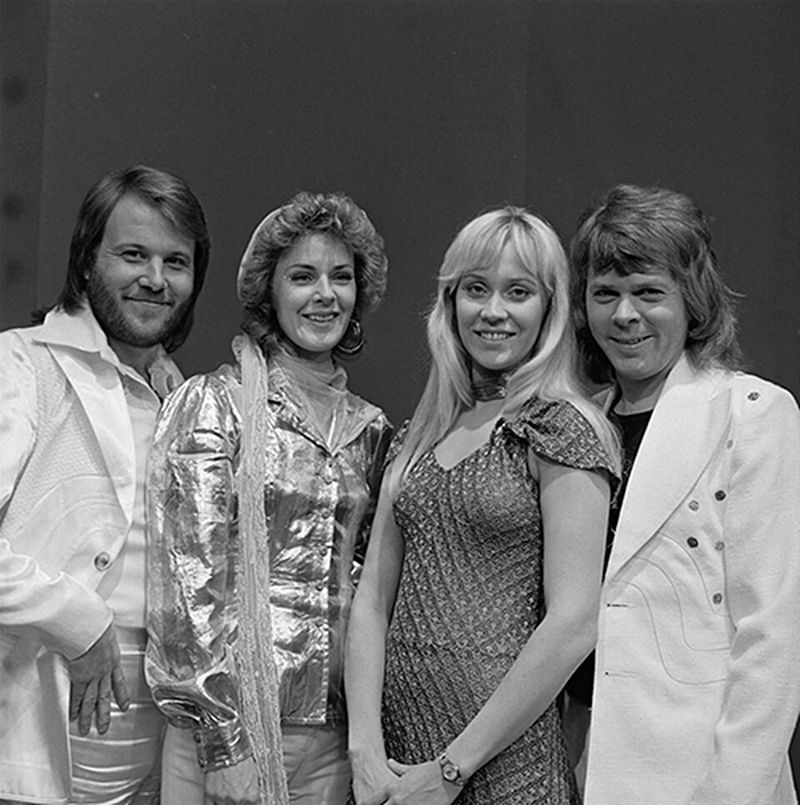
Mass popularity plus gatekeeper scorn equals ABBA’s seventies experience. Smithsonian notes critics “tore ABBA to pieces,” dismissing them as artificial and cliché, while Sweden’s tastemakers targeted them relentlessly.
The backlash was not only critical. El País recounts furious reactions in Sweden after Eurovision success, including public demonstrations and media hostility. Imagine winning a huge contest and coming home to angry mobs.
Their melodies were undeniable, their hooks unforgettable. Critics hated them anyway, proving that quality and acceptance do not always overlap in the music world.
9. The Carpenters
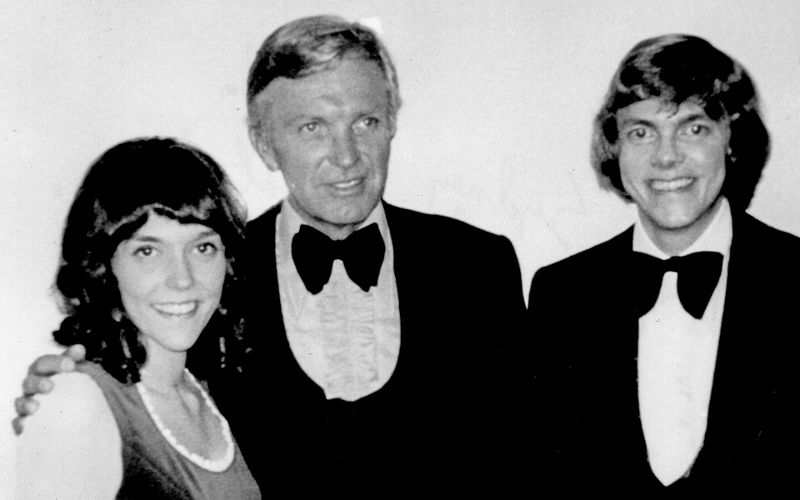
Enormous on radio, the Carpenters also became shorthand for what rock-leaning critics disliked about easy listening. Their public image section notes their popularity “confounded critics,” and their music was often dismissed as bland and saccharine.
Karen Carpenter’s voice was pure magic, rich and warm and technically flawless. Rock snobs did not care because the arrangements felt too soft, too safe, too middle-of-the-road.
Millions loved them, but critical respect remained elusive. Sometimes the very things that make you popular also make you a target for those who value edge over emotion.
10. KISS
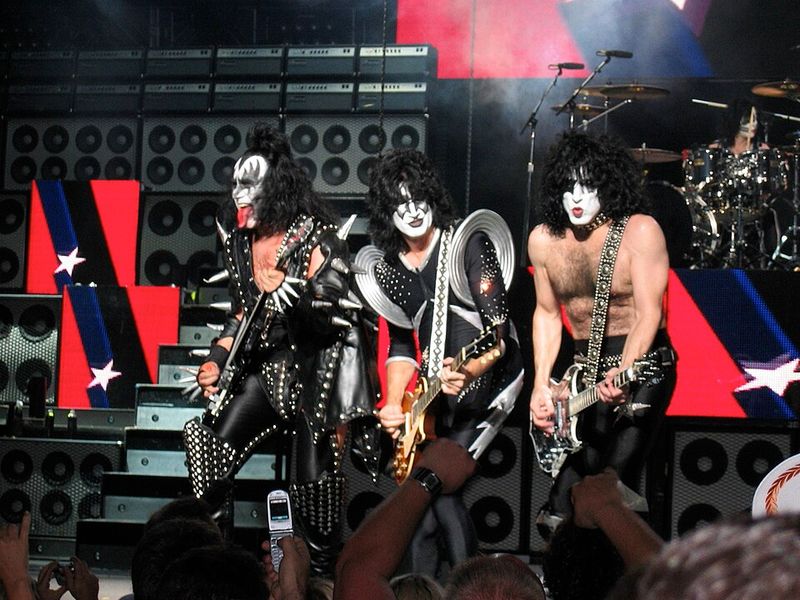
KISS sold fantasy, spectacle, and hooks while critics often came with knives out. Ultimate Classic Rock summarizes the band’s long-running friction with reviewers, citing an early concert review that called them “at a moron level.”
That gap between radio and fan love versus critical contempt is exactly what fuels “everyone hated them” mythology. Kids bought the lunchboxes and albums while journalists wrote scathing takedowns.
The makeup and pyrotechnics made them easy targets for serious music writers. Commercial success and artistic respect lived on different planets in the seventies rock universe.
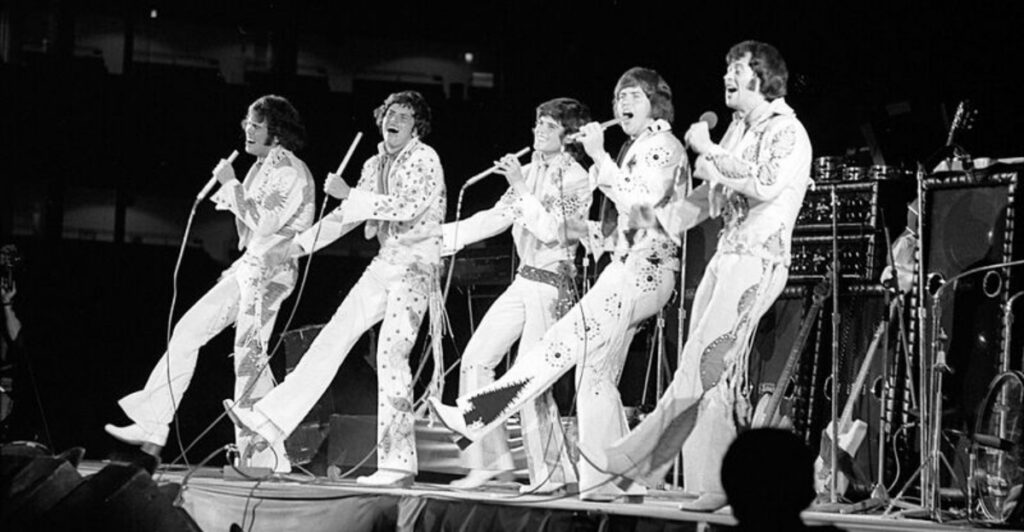
11. The Osmonds
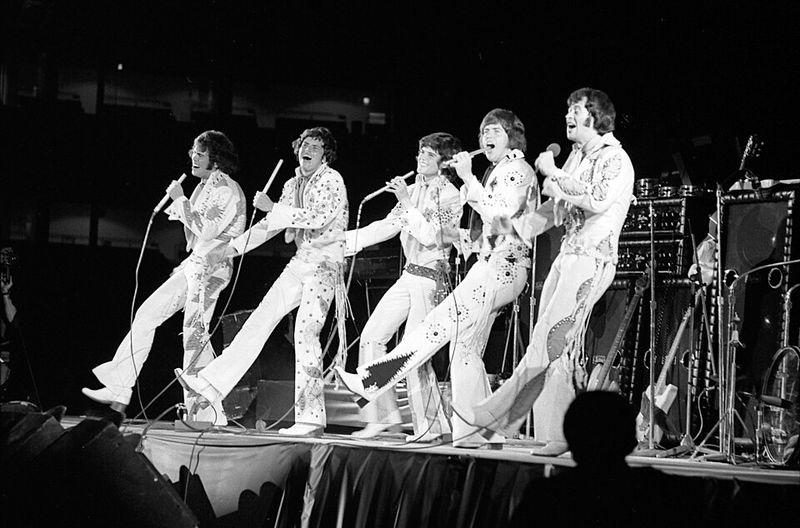
Donny Osmond has openly discussed how his name became a punchline later, with coverage describing him as “labeled an industry joke.” The broader teenybopper phenomenon came with open sneering from older, serious music crowds.
Bristol Post describes teen obsessions being viewed with “lordly condescension” and “withering contempt,” explicitly naming Donny and his brothers in that scene. If young girls loved something, older brothers made sure to trash it.
The Osmonds had talent, harmonies, and massive success. None of that protected them from becoming symbols of everything uncool about seventies pop radio.
12. Bay City Rollers
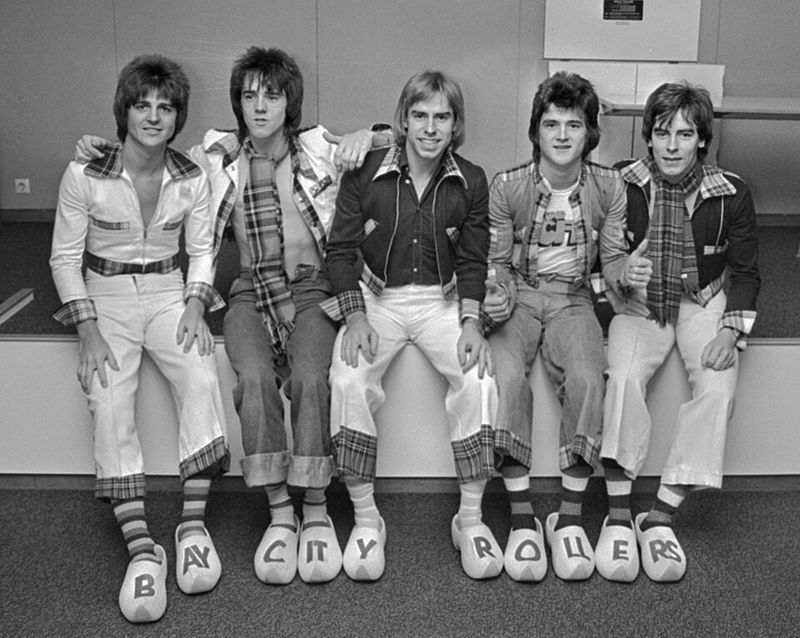
Looking for documented disdain? Bristol Post spells it out clearly. Teen idol worship in the seventies was routinely met with condescension and contempt from older brothers and older students, with the Bay City Rollers as the era’s headline example.
Their tartan outfits and catchy songs drove young fans wild. That same enthusiasm drove critics and cool kids to dismiss them as manufactured garbage designed to exploit naive teenagers.
The band faced mockery that had less to do with their music and more to do with who loved them. Age and gender shaped the backlash as much as any artistic consideration.
13. Journey
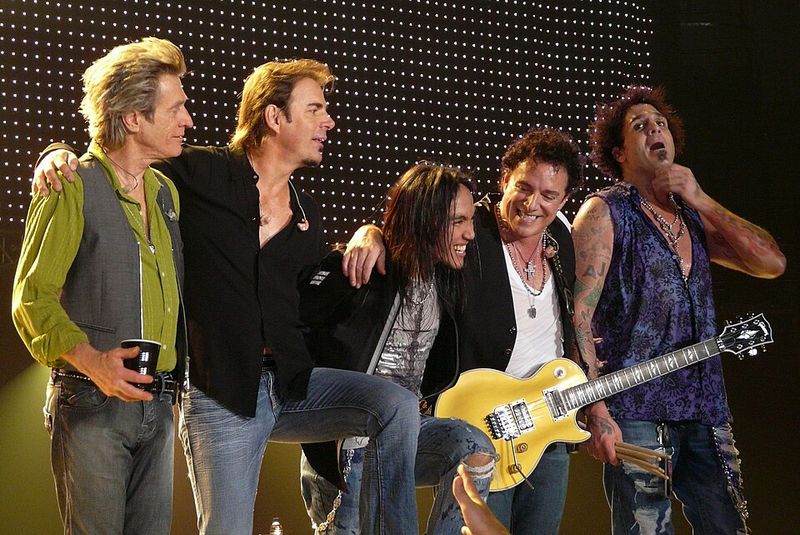
Journey is the template for built-for-radio, punished for it. In a Classic Rock feature, Steve Perry describes how the band was “condemned” and “attacked” for not being “the hip of the hip.”
The piece notes they were scorned by critics even while aiming for repeat radio play. Their soaring melodies and arena-rock anthems connected with massive audiences but earned critical dismissal.
Perry and company crafted some of the decade’s most enduring songs. Critics saw calculated commercialism where fans heard emotional power and unforgettable hooks that still dominate classic rock stations today.
Share this story