America holds some of the most jaw-dropping water destinations on Earth, with colors so vibrant they look photoshopped. From crystal-clear alpine lakes to springs that glow turquoise, these natural wonders often leave visitors speechless and skeptical. Whether you are planning your next adventure or simply daydreaming about breathtaking landscapes, these spots prove that nature’s palette is more impressive than any filter.
1. Lake Tahoe, CA/NV
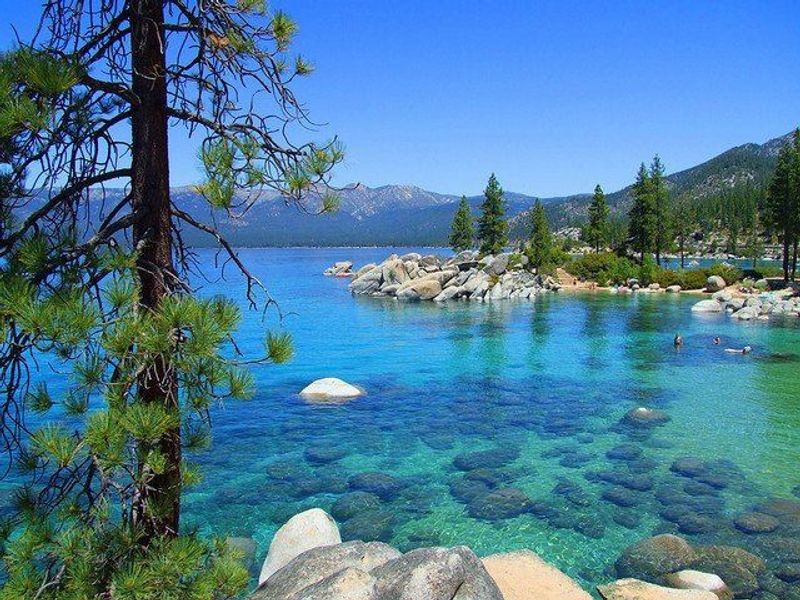
Straddling the California-Nevada border, this alpine gem sits 6,225 feet above sea level and stretches 22 miles long. The water here is famously transparent, allowing you to see objects 70 feet below the surface on calm days. That clarity creates shades of blue and green that shift throughout the day, making photographers return again and again.
Cold temperatures keep algae growth minimal, preserving the lake’s stunning visibility. Ancient glaciers carved out the basin millions of years ago, creating the second-deepest lake in America.
Summer brings warm beaches and water sports, while winter transforms the surrounding mountains into ski destinations. Local legends speak of mysterious creatures lurking in the depths, adding intrigue to the beauty. Standing on the shore feels like witnessing a miracle of nature’s engineering and artistry combined.
2. Lake Powell, AZ/UT
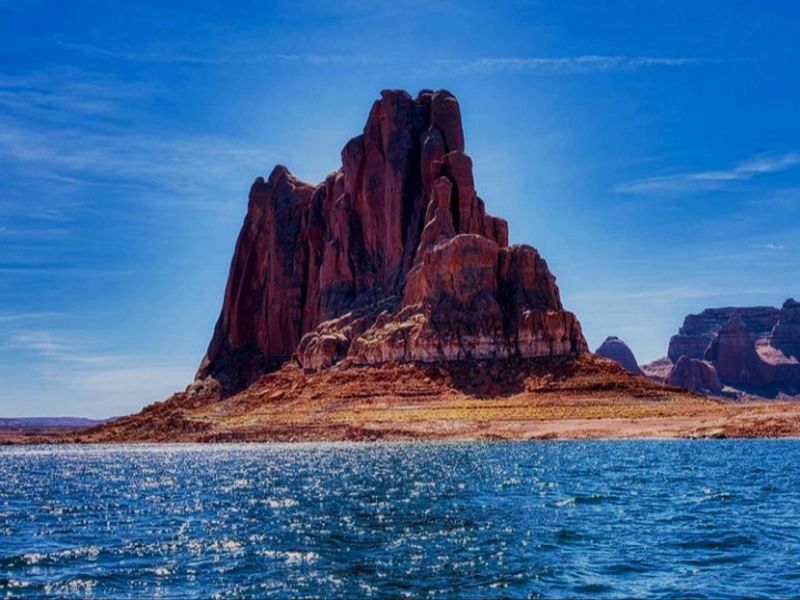
This man-made reservoir might surprise you with its placement on this list, but its electric blue waters are undeniably stunning. Created in 1963 when Glen Canyon Dam was built, the lake now stretches 186 miles through red rock canyons. The contrast between burnt orange sandstone cliffs and brilliant turquoise water creates scenes that look computer-generated.
Mineral content in the water, combined with the desert sun, produces that signature teal color. Houseboats drift past towering rock formations, offering unique perspectives of hidden coves and slot canyons.
Rainbow Bridge, one of the world’s largest natural bridges, sits along the shoreline. Summer temperatures soar, but the water stays refreshingly cool. Photographers flock here for sunrise shots when the rocks glow orange against the blue water, creating unforgettable color combinations.
3. Crater Lake, OR
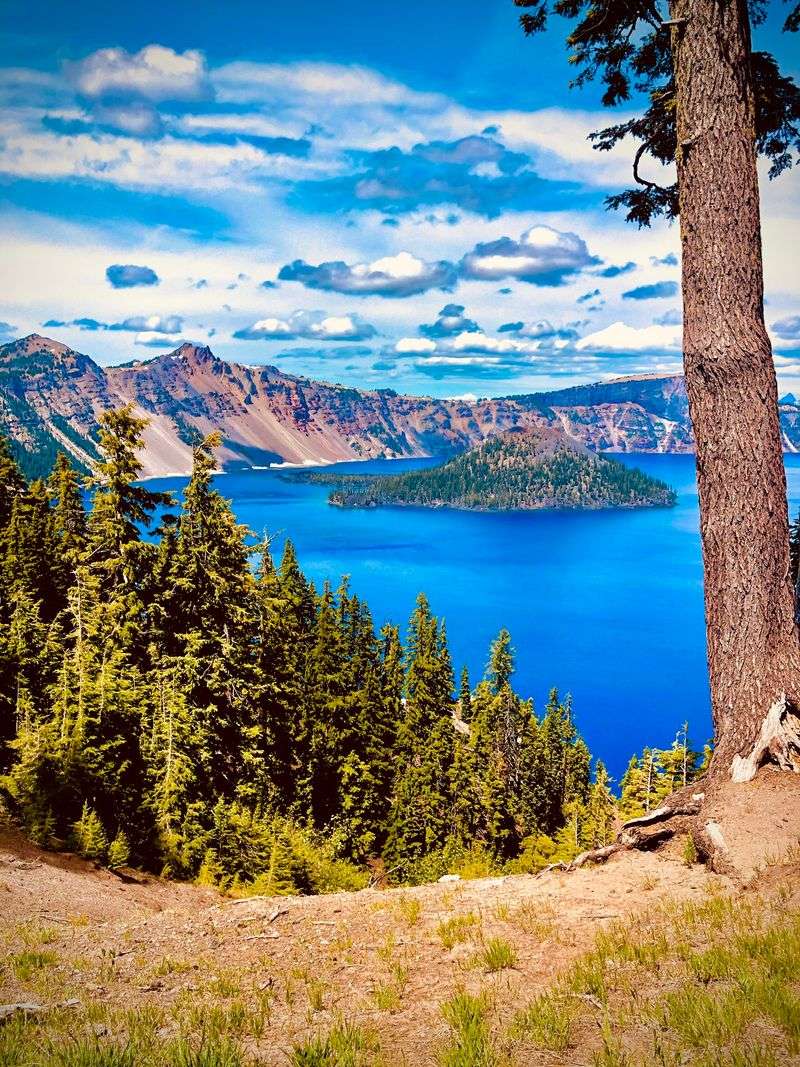
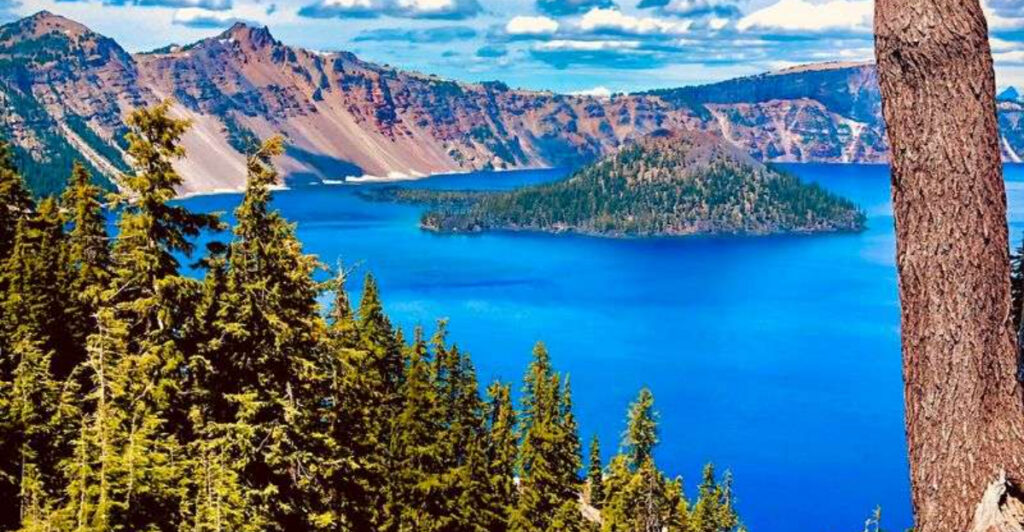
Formed nearly 8,000 years ago when Mount Mazama collapsed, this volcanic wonder holds the title of America’s deepest lake. Its waters plunge down 1,943 feet, creating a blue so intense that first-time visitors often question if it is real. The color comes from the lake’s incredible depth and purity, as no rivers or streams feed into it.
Rainwater and melted snow are the only sources, keeping the water exceptionally clean. On sunny days, the surface reflects the sky while absorbing every color except blue, producing an otherworldly sapphire hue.
Winter transforms the area into a snowy paradise, though summer offers easier access via Rim Drive. Scientists have found that the water is some of the clearest on the planet. Visiting feels like stepping into a postcard that cannot possibly exist in reality.
4. Jenny Lake (Grand Teton), WY
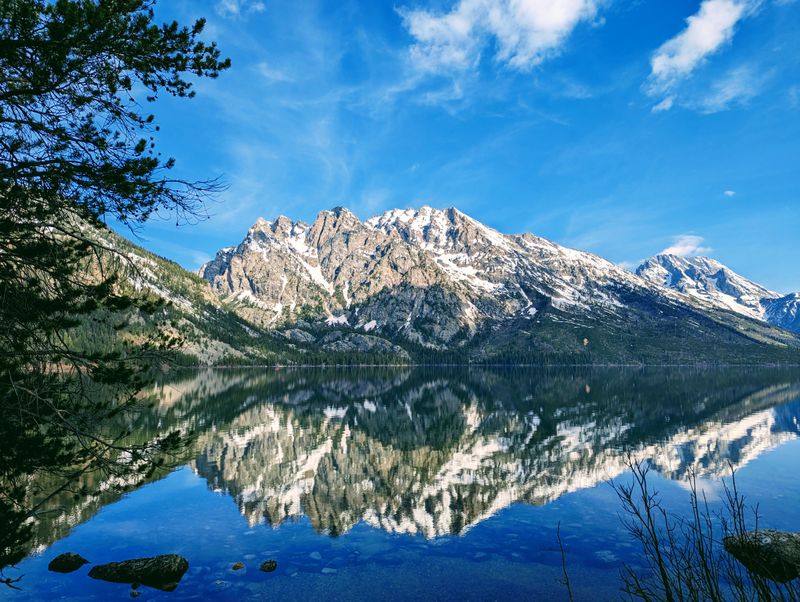
Nestled at the base of the towering Teton Range, this glacial lake mirrors the jagged peaks above in its calm surface. Glaciers carved out the basin over 12,000 years ago, leaving behind a bowl filled with snowmelt that shimmers in shades of deep blue. The lake sits at 6,783 feet elevation, surrounded by wildflower meadows and dense pine forests.
Early morning visits reward you with glass-like reflections before afternoon winds ripple the surface. A scenic boat shuttle carries hikers across to trailheads leading to Hidden Falls and Inspiration Point.
Moose and black bears frequently visit the shoreline, adding wildlife excitement to the stunning scenery. The water stays icy cold year-round, fed by mountain streams. Many visitors claim the view from the shore is worth the entire trip to Wyoming alone.
5. Lake McDonald (Glacier), MT
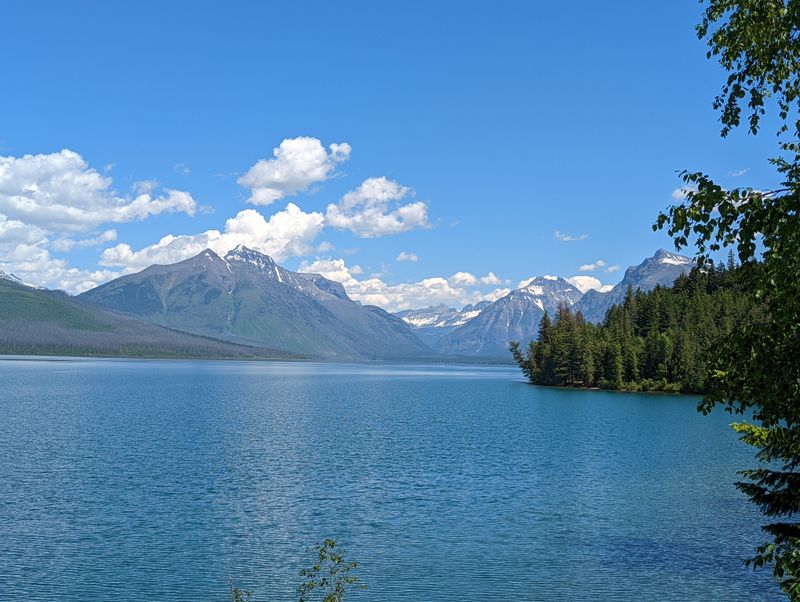
Stretching ten miles through Glacier National Park, this is the largest lake in the park and arguably the most photogenic. What makes it truly special are the colorful rocks lining its bed, visible through remarkably clear water. Red, green, and blue stones, polished smooth by centuries of wave action, create a natural mosaic beneath the surface.
Ancient glaciers gouged out the valley, leaving behind this 472-foot-deep basin. The water takes on different personalities depending on weather, from mirror-calm reflections to dramatic wave-churned surfaces.
Historic lodges built in the early 1900s line the southern shore, offering rustic accommodations with million-dollar views. Kayakers glide across the water at dawn, surrounded by mountain silence. The combination of colored pebbles and blue water creates scenes that challenge belief, even when standing right there.
6. Emerald Bay (Lake Tahoe), CA/NV
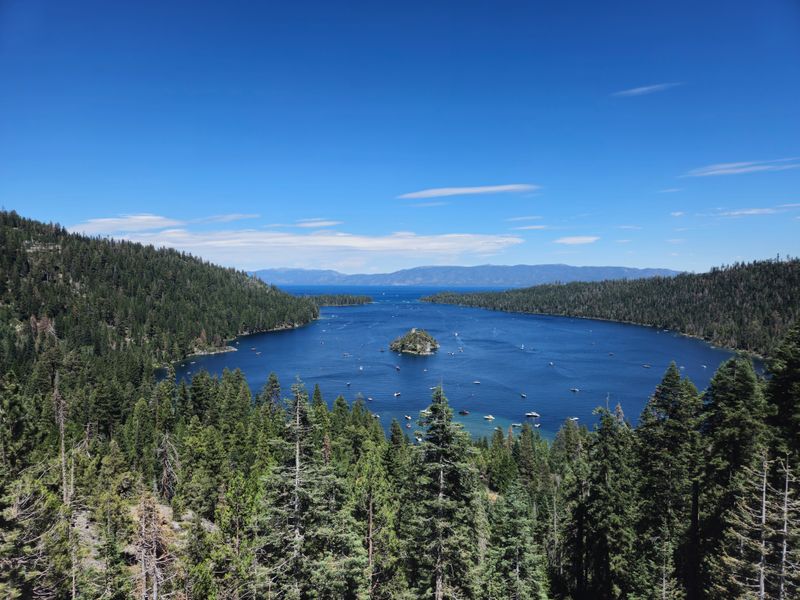
Carved into Lake Tahoe’s southwestern shore, this bay earned its name honestly with waters that glow green and blue simultaneously. The shallow inlet allows sunlight to illuminate the sandy bottom, creating color variations that change by the hour. Fannette Island, Tahoe’s only island, rises from the center topped by a crumbling stone structure.
Built in the 1920s as a teahouse, the ruins add mysterious charm to already spectacular scenery. The Vikingsholm Castle, a Scandinavian-style mansion, sits near the shore and ranks among America’s finest examples of Nordic architecture.
Hiking down to the bay requires navigating a steep mile-long trail, but the payoff is worth every step. Kayakers paddle around the island, exploring granite boulders and hidden beaches. Photographers position themselves at overlooks above, capturing the bay’s impossible colors from dramatic angles.
7. Hanging Lake, CO
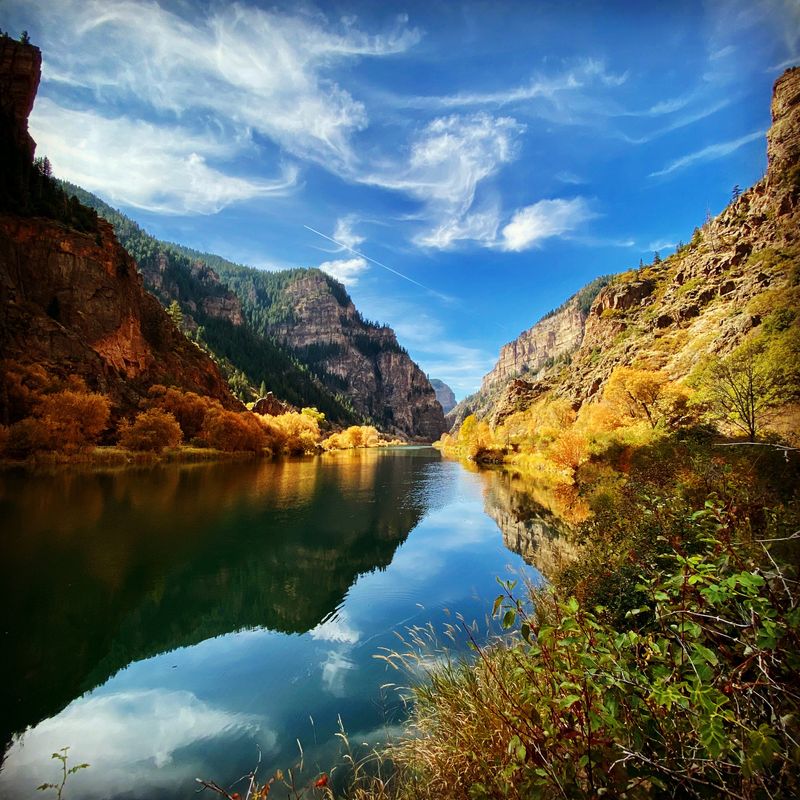
Perched on a cliff edge in Glenwood Canyon, this fragile lake seems to defy gravity itself. Travertine deposits built up over thousands of years, creating a natural dam that holds back water so clear you can count every pebble on the bottom. The turquoise color results from minerals dissolved in the water, particularly calcium carbonate.
Getting there requires a challenging 1.2-mile hike that climbs 1,000 feet, testing your endurance before rewarding you with magic. Bridal Veil Falls tumbles over the edge nearby, adding mist and drama to the scene.
Due to heavy visitor traffic, reservations are now required to protect this delicate ecosystem. Swimming is strictly prohibited to preserve water quality and prevent damage to formations. Standing at the edge feels like discovering a secret that nature tried to hide high in the Rockies.
8. Blue Spring (Orange City), FL
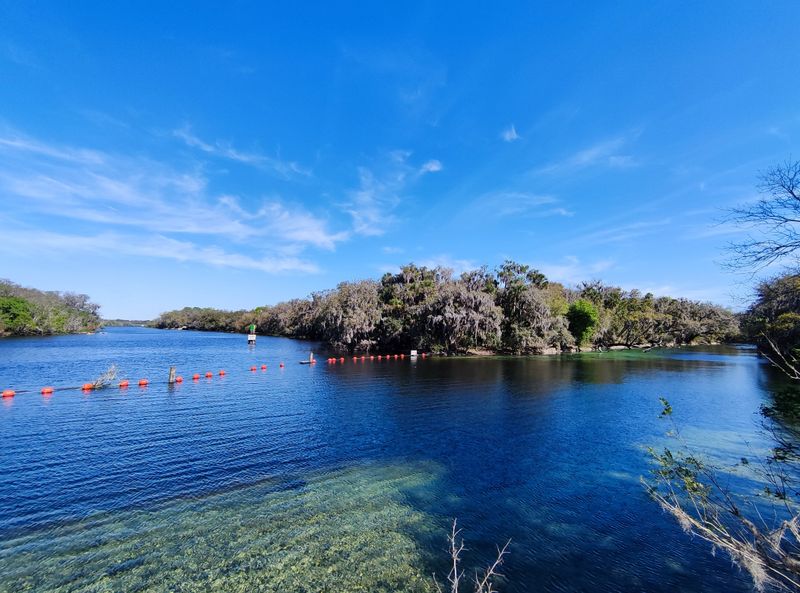
Pumping out 100 million gallons of crystal-clear water daily, this spring maintains a constant 72-degree temperature year-round. That warmth attracts hundreds of manatees during winter months, creating one of Florida’s best wildlife viewing opportunities. The water’s brilliant blue comes from the way light refracts through the mineral-rich spring water.
Unlike many Florida springs, Blue Spring has remained remarkably pristine thanks to protective management. Snorkelers and divers explore the spring run when manatees are absent, floating through water so clear it feels like flying.
The spring sits within a state park, offering camping and hiking alongside the aquatic attractions. Ancient cypress trees line the banks, their roots visible through transparent water. Watching manatees glide through that impossible blue creates memories that last lifetimes, proving magic exists in unexpected places.
9. Torch Lake, MI
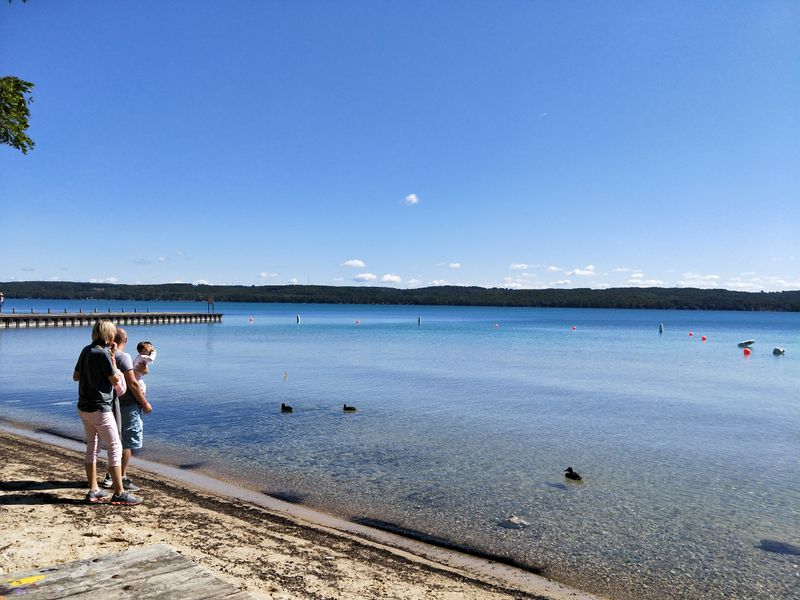
Often called the Caribbean of the Midwest, this Michigan treasure surprises visitors with waters that rival tropical destinations. The lake formed in a glacial valley, with white sandbars creating shallow areas where sunlight illuminates turquoise shallows. At 19 miles long and 285 feet deep, it ranks among Michigan’s largest and clearest inland lakes.
Limestone and calcium deposits on the lakebed reflect light, producing that signature tropical color. Summer weekends transform the lake into a boating paradise, with sandbars becoming social hubs.
Unlike ocean destinations, this freshwater gem has no salt, no sharks, and no jellyfish to worry about. Local residents fiercely protect their secret paradise, though word has spread in recent years. Standing on the shore, you will forget you are thousands of miles from any ocean.
10. Devils Lake, OR
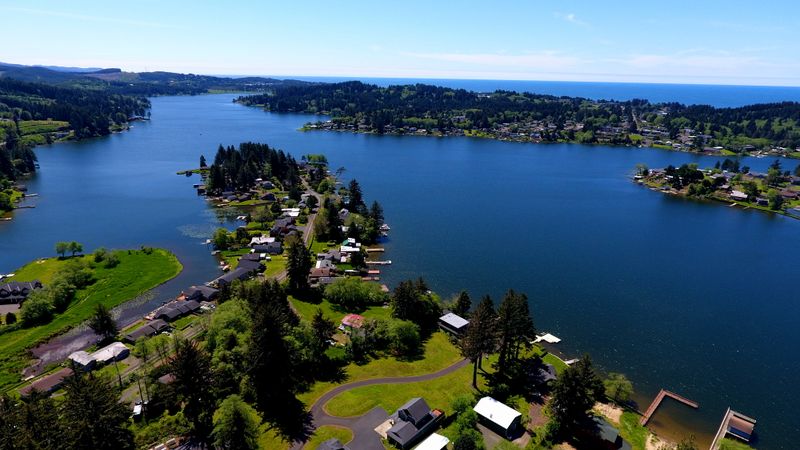
Tucked along Oregon’s central coast, this small lake punches above its weight in the beauty department. Fed by underground springs and separated from the Pacific Ocean by just a narrow strip of sand, it maintains a brilliant blue color that contrasts dramatically with the gray ocean beyond. The lake covers only 680 acres but offers kayaking, paddleboarding, and fishing opportunities.
Legend says the lake earned its name from Native American stories about spirits dwelling in its depths. Modern visitors find nothing sinister, only peaceful waters reflecting coastal skies.
The town of Lincoln City wraps around its shores, providing easy access and amenities. Birdwatchers spot herons, eagles, and migrating waterfowl along the marshy edges. Sunsets here paint the blue water with gold and pink reflections, creating scenes that belong in dreams rather than reality.
Share this story