Eastern Europe is quickly becoming one of the most exciting places to visit, with travelers discovering cities that offer rich history, beautiful architecture, and amazing food at prices that won’t empty your wallet. While places in Western Europe get more crowded and expensive each year, smart travelers are heading east to find authentic experiences and friendly locals. From medieval castles to thermal baths, vibrant nightlife to peaceful cobblestone streets, these cities combine old-world charm with modern energy. Here are the top destinations gaining attention for 2026.
Prague, Czech Republic — Storybook Capital with Surging Interest
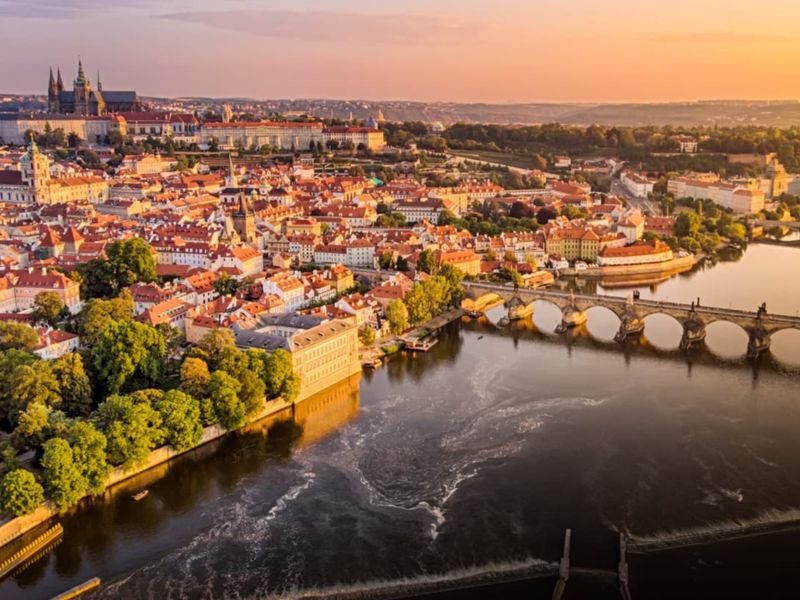
Walking through Prague feels like stepping into a fairytale book where every corner reveals another postcard-perfect scene. The city’s skyline, dominated by Gothic spires and the famous Charles Bridge, has captured the hearts of travelers worldwide, with searches up over 180% compared to last year. More people are choosing Prague because it offers the beauty and history of Western Europe without the overwhelming tourist crowds.
Beyond the stunning Old Town Square with its astronomical clock, Prague delivers experiences that go deeper than just sightseeing. World-class beer gardens serve local brews at incredibly low prices, while cozy cafés tucked into medieval buildings invite you to slow down and soak in the atmosphere. The castle district sits high above the city, offering breathtaking views and layers of history from Romanesque to Baroque periods.
Food lovers will appreciate the affordable yet delicious Czech cuisine, from hearty goulash to sweet trdelník pastries. The thriving arts and music scenes add contemporary flair to this historic capital. Whether you’re exploring underground jazz clubs or wandering through centuries-old lanes, Prague combines affordability with unforgettable charm, making it one of Europe’s hottest destinations heading into 2026.
Sofia, Bulgaria — Cultural Crossroads at the Heart of the Balkans
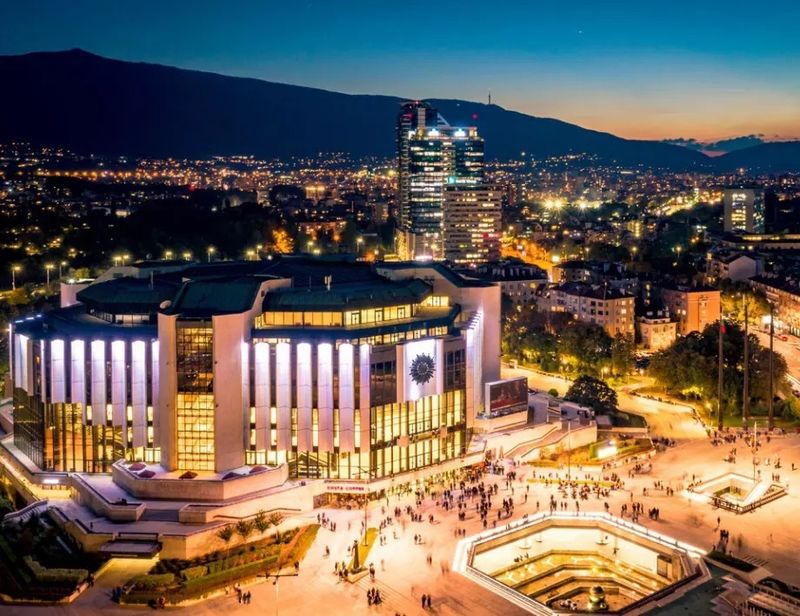
Sofia surprises first-time visitors with its fascinating mix of ancient Roman ruins, grand Orthodox churches, and wide Soviet-era boulevards all coexisting in one walkable city. Travel interest has jumped more than 130% as budget-conscious explorers discover that this Bulgarian capital offers incredible value without sacrificing culture or excitement. You can enjoy a full restaurant meal for what a single coffee costs in Paris or London.
The massive Alexander Nevsky Cathedral dominates the skyline with its gold-plated domes and serves as the heart of the city. Beneath your feet as you walk downtown, ancient Roman remains peek through glass panels in the sidewalks, reminding you that this crossroads has been important for thousands of years. Trendy neighborhoods filled with art galleries, vintage shops, and hip restaurants show Sofia’s modern creative side.
Improved flight connections make getting here easier than ever, and once you arrive, your money stretches remarkably far on accommodation, food, and activities. Sofia also serves as an excellent base for day trips to nearby mountain monasteries and scenic landscapes. For travelers seeking authentic Balkan culture, fascinating history, and wallet-friendly prices, Sofia delivers on every level in 2026.
Kraków, Poland — Medieval Charm Meets Youthful Energy
Kraków’s medieval market square, one of the largest in all of Europe, buzzes with life from morning until late evening as locals and visitors mingle beneath Gothic towers and Renaissance facades. Travel searches for this Polish gem have doubled, with over 100% growth in interest as word spreads about its perfect blend of deep history and vibrant modern culture. Unlike many European cities that feel frozen in time, Kraków pulses with youthful energy thanks to its large student population.
The iconic Cloth Hall sits in the center of the square, where vendors have sold goods for centuries, now offering traditional crafts and souvenirs. Just steps away, St. Mary’s Basilica captivates visitors with its stunning altarpiece and hourly trumpet call from the tower. Wawel Royal Castle crowns a hill overlooking the Vistula River, its chambers and courtyards telling stories of Polish kings and queens.
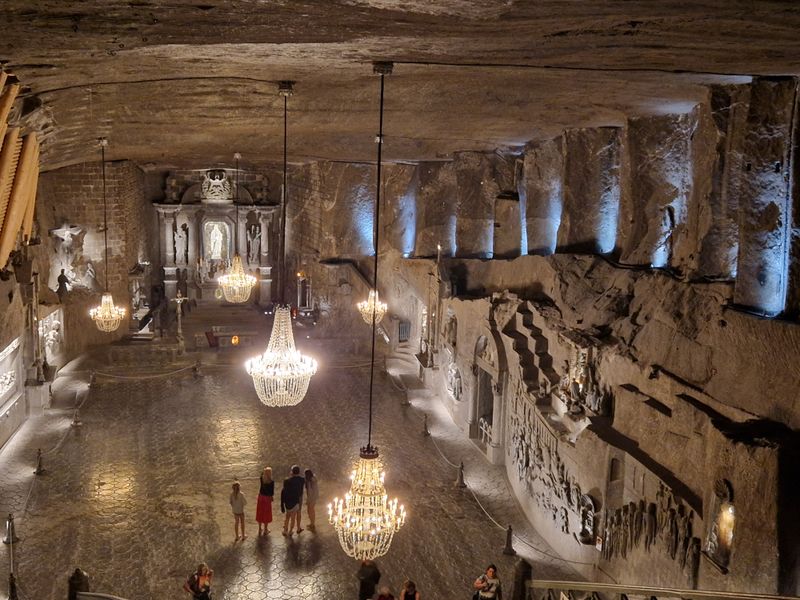
Beyond sightseeing, Kraków’s café culture and thriving arts scene make it easy to spend days here without running out of things to experience. Nearby excursions to the sobering Auschwitz-Birkenau Memorial and the underground wonderland of Wieliczka Salt Mine add profound depth to any visit, making Kraków a complete destination for 2026.
Budapest, Hungary — Thermal Baths and Riverfront Beauty
Few cities can match Budapest’s dramatic beauty, especially when viewed from the Danube River with the illuminated Parliament Building glowing against the night sky. Nicknamed the “Paris of the East,” this Hungarian capital has earned its reputation through stunning nineteenth-century architecture, legendary thermal baths, and a nightlife scene that rivals anywhere in Europe. What makes it even better? Everything costs a fraction of what you’d pay in actual Paris.
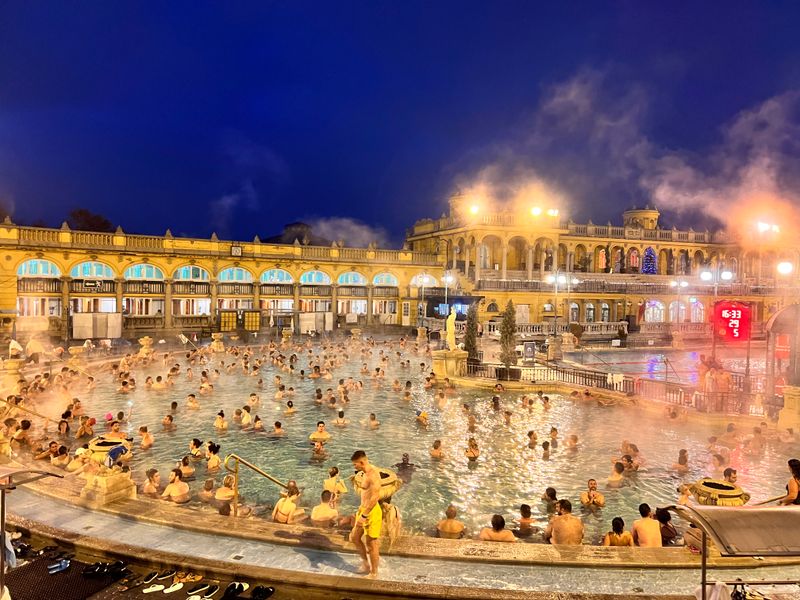
Soaking in the warm mineral waters of Széchenyi or Gellért Baths ranks among Europe’s most relaxing experiences, especially during winter when steam rises into cold air. After your spa session, explore the famous ruin bars hidden in old buildings throughout the Jewish Quarter, where quirky décor and live music create unforgettable evenings. The city’s two sides—Buda’s hills and Pest’s flat urban sprawl—each offer distinct personalities connected by beautiful bridges.
Budapest’s food scene has evolved beyond traditional goulash to include innovative fusion restaurants and trendy food halls, though you can still find hearty Hungarian classics at great prices. Excellent public transportation makes getting around simple and cheap. Whether you’re seeking relaxation, excitement, culture, or stunning views, Budapest delivers everything with exceptional value, securing its place among 2026’s top destinations.
Bucharest, Romania — “Little Paris” with Layers of Culture
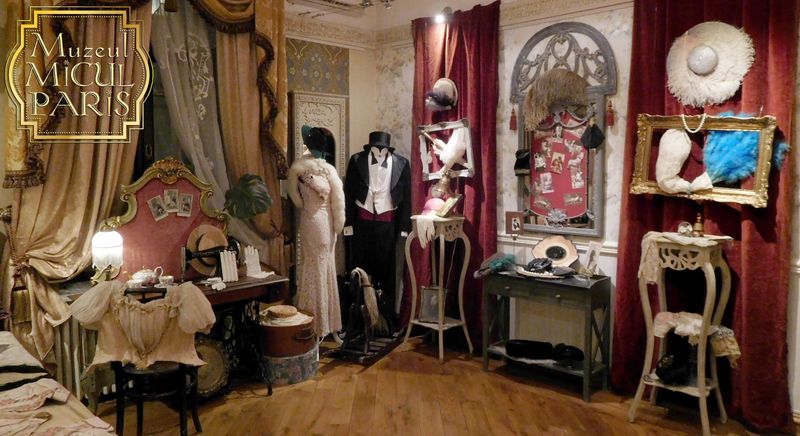
Bucharest earned its “Little Paris” nickname during the Belle Époque when elegant boulevards and Art Deco buildings transformed the city into an architectural showpiece. Today’s visitors discover that nickname still fits, but with added layers of communist-era history, thriving nightlife, and a burgeoning food scene that makes it one of Eastern Europe’s most dynamic capitals. Travel publications have started featuring Bucharest more prominently as travelers seek cities with character that won’t drain their budgets.
The cobblestone streets of the Old Town, known locally as Lipscani, wind past centuries-old churches, hip bars, and restaurants serving both traditional Romanian dishes and international cuisine. Grand squares showcase impressive fountains and government buildings, while fascinating museums reveal Romania’s complex past. The massive Palace of Parliament, second-largest administrative building on Earth, stands as a controversial monument to the communist era.
New flight routes have made reaching Bucharest easier and more affordable than ever before. Once you arrive, you’ll find accommodation, meals, and entertainment priced well below Western European standards. The city’s mix of elegance and edginess, history and modernity, creates an urban experience unlike anywhere else. For travelers ready to explore beyond the usual suspects, Bucharest offers rich rewards in 2026.
Sarajevo, Bosnia and Herzegovina — History, Culture and Mountain Views
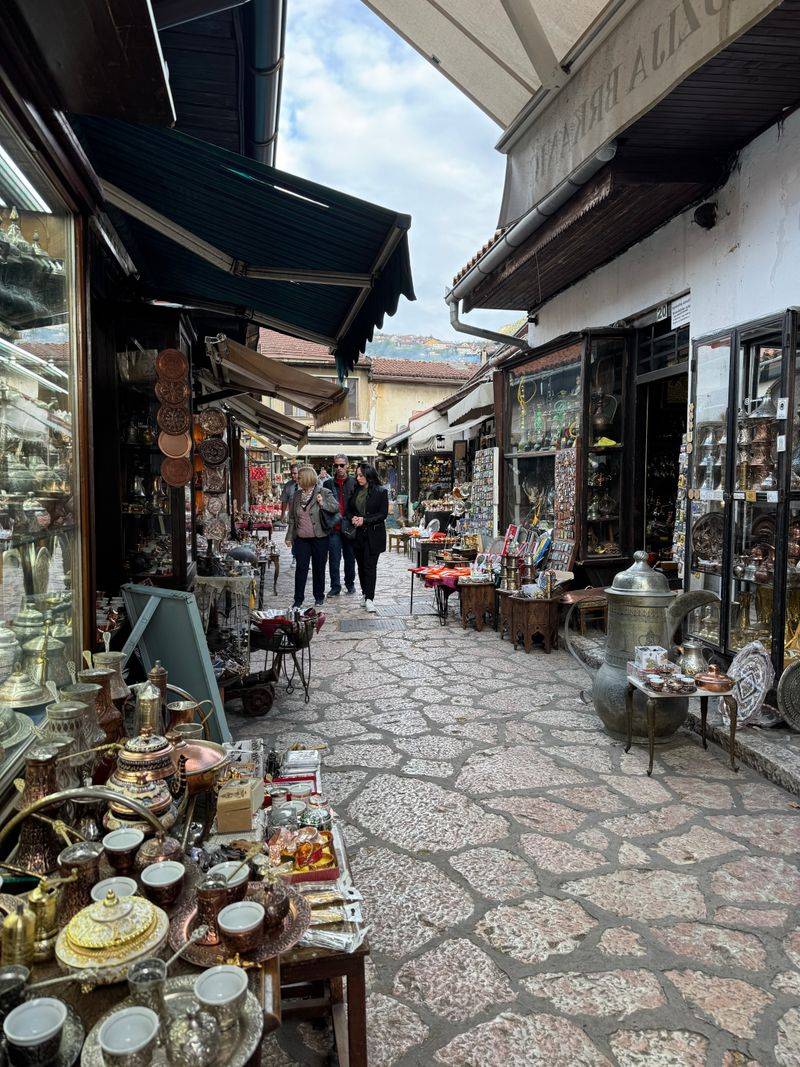
Standing in Sarajevo’s old bazaar district feels like occupying a unique space where East genuinely meets West, with mosque minarets visible alongside Catholic churches and Orthodox cathedrals. This Bosnian capital’s position at cultural crossroads has shaped centuries of history, creating a rich tapestry that appeals deeply to travelers seeking authentic experiences beyond typical tourist circuits. The city’s resilient spirit, evident in its recovery and renewal, adds emotional depth to every visit.
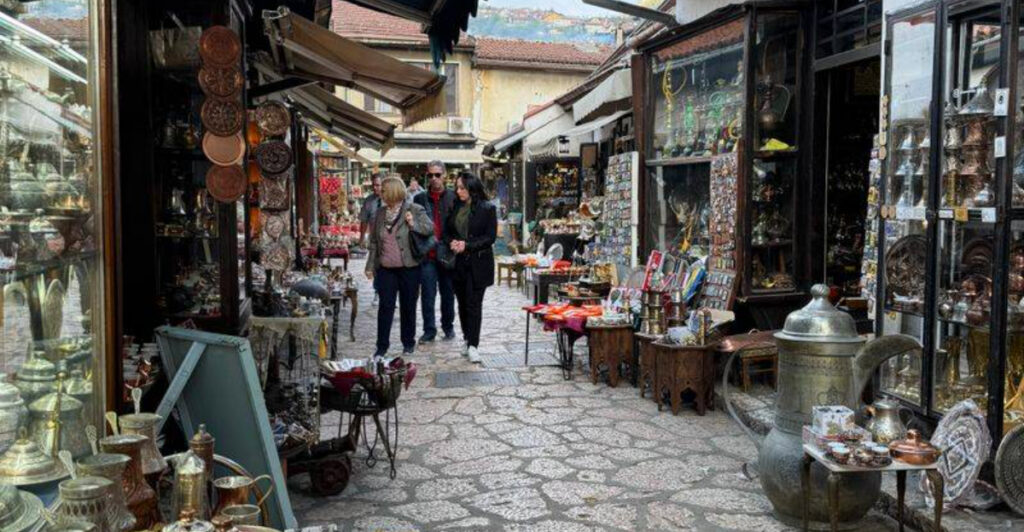
Baščaršija, the Ottoman-era bazaar, invites hours of wandering through narrow lanes filled with copper craftsmen, traditional coffee houses, and the aroma of grilled ćevapi. Austro-Hungarian buildings from a later era add architectural variety, showing how different empires left their marks. Museums throughout the city tell both ancient stories and more recent struggles with honesty and dignity that visitors find deeply moving.
What many don’t expect is Sarajevo’s natural beauty—the city sits in a valley surrounded by forested hills and dramatic mountain ranges perfect for hiking or skiing depending on season. Local food culture blends Turkish, Mediterranean, and Central European influences into something uniquely Bosnian. As more travelers discover this combination of history, culture, cuisine, and nature, Sarajevo’s reputation as a must-visit Eastern European destination continues growing heading into 2026.
Gdańsk, Poland — Baltic History and UNESCO City of Literature
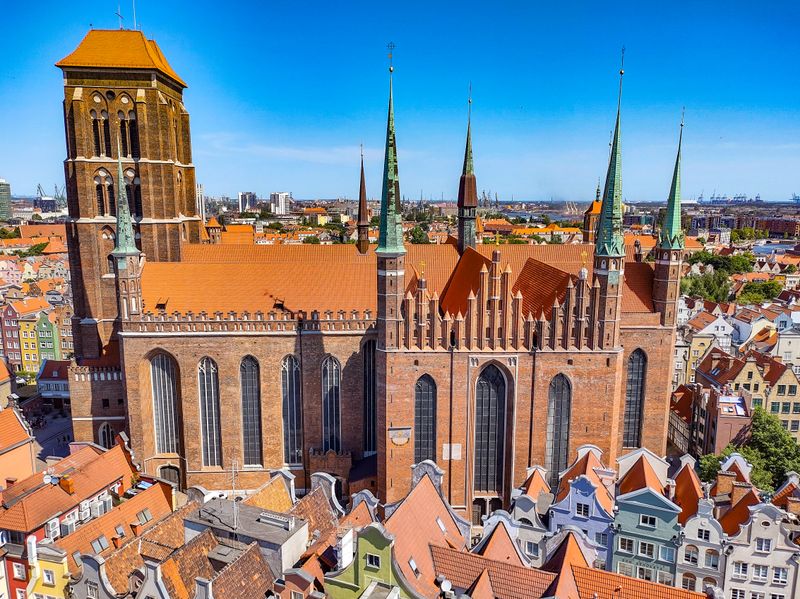
Gdańsk’s colorful merchant houses lining the waterfront tell stories of Hanseatic League prosperity when this Baltic port controlled much of Northern Europe’s trade. Recently honored as a UNESCO City of Literature, this Polish coastal gem combines maritime heritage with deep cultural roots that are attracting growing numbers of travelers for 2026. The city’s reconstruction after World War II destruction stands as a testament to preservation and pride.
Walking through the Old Town, you’ll encounter stunning examples of Baltic Gothic and Renaissance architecture, particularly along the Royal Way leading to the ornate Golden Gate. The medieval port crane, once used to load ships, now serves as a museum centerpiece. St. Dominic’s Fair, held each August, ranks among Europe’s oldest cultural events and transforms the city into a massive celebration of crafts, music, and tradition.
The European Solidarity Centre museum powerfully documents the Solidarity movement that helped end communism across Eastern Europe, making Gdańsk significant to modern history. Beyond history lessons, the city’s location on the Baltic Sea provides seaside charm with beaches and coastal walks. Local restaurants serve fresh fish and traditional Polish dishes at reasonable prices. For travelers wanting to combine cultural depth with maritime atmosphere and seaside beauty, Gdańsk offers an increasingly compelling choice for 2026 adventures.
Tirana, Albania — Vibrant Capital on the Rise
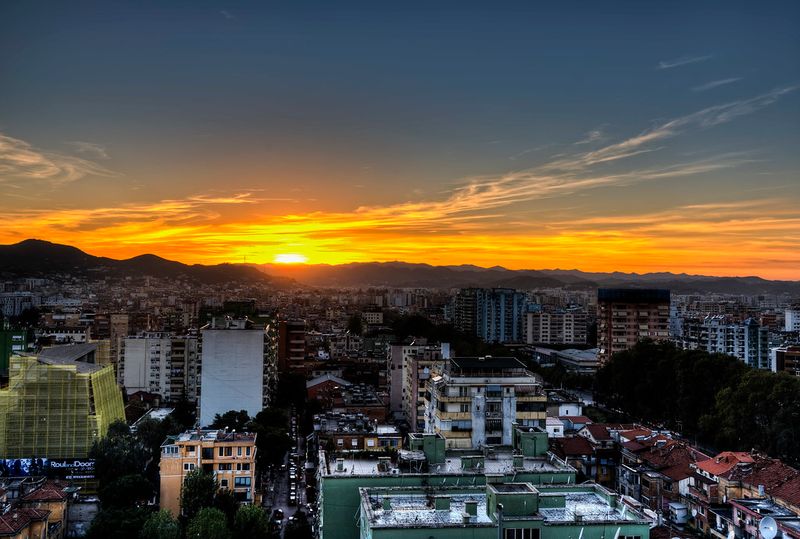
Bright murals covering entire building facades give Tirana an energetic, almost rebellious character that sets it apart from more traditional European capitals. Albania’s capital might surprise visitors who arrive expecting only historic sites—instead, they find a young, creative population that has transformed their city into one of Eastern Europe’s freshest urban destinations. Expanding flight connections and incredibly budget-friendly prices make Tirana accessible to more travelers than ever before.
Skanderbeg Square anchors the city center, surrounded by museums, the National Opera, and the colorful Et’hem Bey Mosque. The Blloku neighborhood, once restricted to communist officials, now thrives as the trendiest district packed with cafés, bars, and restaurants serving everything from traditional Albanian dishes to international cuisine. Street art adorns walls throughout the city, creating an open-air gallery that reflects Tirana’s modern identity.
What makes Tirana especially appealing is its location—you can easily reach beautiful Adriatic beaches, dramatic mountain landscapes, and Ottoman-era towns like Berat or Gjirokastër within a few hours. The friendly local scene welcomes visitors warmly, and your money stretches incredibly far on accommodation, meals, and activities. For travelers seeking urban energy combined with easy access to diverse landscapes and authentic Balkan culture, Tirana delivers perfectly for 2026 itineraries.
Belgrade, Serbia — Nightlife and Culture at a New Peak

Belgrade has earned a reputation as one of Europe’s most exciting cities for nightlife, with floating river clubs and warehouse venues hosting parties that regularly continue until sunrise. Travel guides increasingly highlight this Serbian capital as an emerging social and cultural hub where creative energy, affordable prices, and welcoming locals create an irresistible combination. The city’s position at the confluence of two major rivers adds natural beauty to its urban appeal.
Kalemegdan Fortress, perched above where the Sava meets the Danube, offers stunning views and layers of history dating back to Celtic settlements. Modern street art covers buildings throughout neighborhoods like Savamala, where old warehouses have transformed into galleries, studios, and cultural spaces. The café culture here is serious—locals spend hours socializing over coffee in establishments ranging from traditional to ultra-modern.
What makes Belgrade special isn’t just the nightlife but the genuine warmth and hospitality you encounter everywhere. Traditional Serbian restaurants serve hearty dishes like ćevapi and pljeskavica at prices that seem too good to be true. Innovative cultural events, from music festivals to art exhibitions, happen year-round. As more travelers discover this combination of history, creativity, affordability, and social energy, Belgrade’s status as a must-visit destination for 2026 becomes increasingly obvious. This city rewards those willing to explore beyond Western Europe’s usual suspects.
Vilnius, Lithuania — Baroque Streets and Creative Energy
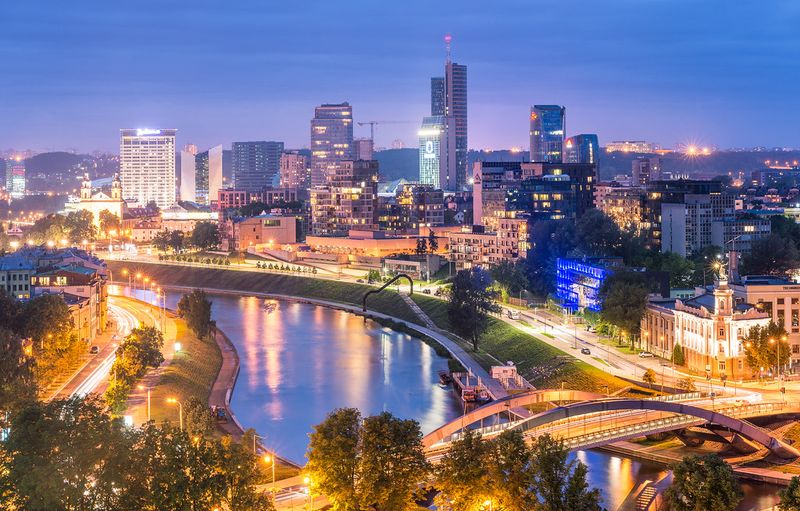
Pastel-painted baroque buildings line Vilnius’s winding streets, creating a gentle, almost dreamlike atmosphere that contrasts beautifully with the city’s edgy creative scene. Lithuania’s capital might not dominate mainstream travel lists yet, but those who discover it often call it one of Eastern Europe’s most charming and authentic urban experiences. The city’s compact size makes exploring on foot a pleasure rather than a chore.
Historic churches showcase stunning baroque architecture, particularly St. Anne’s Church with its intricate red-brick facade that reportedly captivated Napoleon himself. The Uzupis neighborhood, a self-declared artistic republic complete with its own constitution displayed in multiple languages on a wall, embodies Vilnius’s bohemian spirit. Artists, musicians, and creative types have transformed this district into a hub of galleries, quirky cafés, and independent shops.
Vilnius’s café culture rivals cities many times its size, with cozy establishments serving excellent coffee and pastries perfect for people-watching. The city moves at a slower pace that encourages visitors to relax and absorb the atmosphere rather than rush between attractions. Prices remain remarkably affordable compared to Western Europe. Local arts events, from contemporary exhibitions to classical concerts, happen regularly throughout the year. For travelers seeking a European capital that feels genuinely local, unhurried, and creatively alive, Vilnius offers delightful discoveries heading into 2026.
Rzeszów, Poland — Up-and-Coming Regional Hub
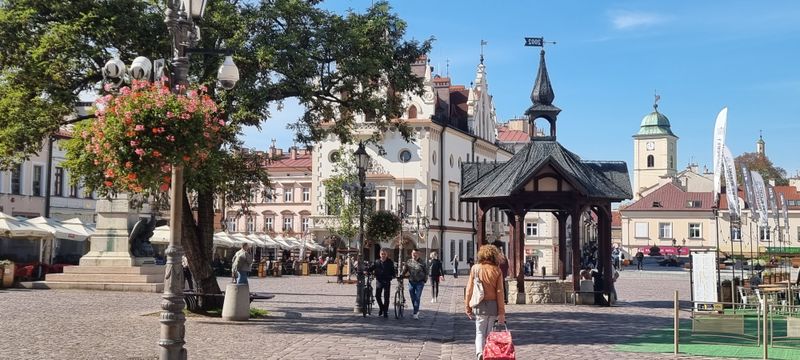
Most travelers haven’t heard of Rzeszów yet, which is exactly what makes it appealing for those seeking authentic Polish experiences away from tourist crowds. This southeastern Polish city has been quietly growing into a regional hub with expanding international connections, a well-preserved Old Town, and lively public spaces that showcase everyday Polish life. Its rapid development includes new cultural venues, improved infrastructure, and growing recognition beyond Poland’s borders.
The historic Market Square features colorful townhouses and a charming town hall that anchor the pedestrian-friendly center. Unlike Kraków or Warsaw, you’ll encounter mostly locals here going about their daily routines, giving you genuine insight into contemporary Polish culture. Parks and green spaces throughout the city provide pleasant areas for relaxation, while modern shopping districts show Rzeszów’s economic growth.
What Rzeszów offers is authenticity without pretense—traditional Polish restaurants serve hearty meals at local prices, hotels cost a fraction of what you’d pay in major cities, and people genuinely appreciate visitors making the effort to explore their hometown. The surrounding Subcarpathian region features beautiful countryside, historic wooden churches, and outdoor recreation opportunities. As Poland’s regional cities gain visibility and accessibility, Rzeszów represents the next wave of Eastern European destinations for travelers ready to venture beyond the well-known names into 2026 and beyond.
Lviv, Ukraine — Historic Heart With Deep Culture
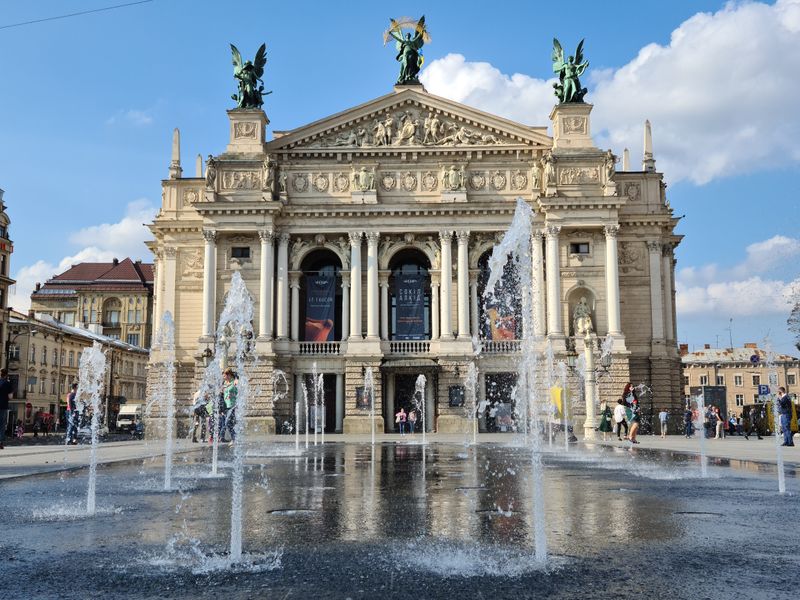
Lviv’s UNESCO-listed Old Town preserves centuries of architectural heritage, with Austro-Hungarian buildings, ornate churches, and cobblestone squares that transport visitors to another era. This western Ukrainian city has long been celebrated for its coffee house culture—legend claims coffee was introduced to Europe here—and its position as a cultural crossroads between East and West. Despite current challenges affecting travel throughout Ukraine, Lviv’s rich heritage continues drawing interest from those planning future Eastern European journeys.
Rynok Square forms the heart of the Old Town, surrounded by Renaissance and baroque townhouses that now house cafés, restaurants, and shops. The city’s coffee culture runs deep, with traditional establishments serving locally roasted beans alongside pastries and desserts. Historic opera houses, theaters, and concert halls showcase Lviv’s strong artistic traditions that have survived through changing political powers and difficult periods.
Lviv’s multicultural past—having been part of various empires and nations—created a unique identity visible in its architecture, cuisine, and local character. When travel conditions normalize, visitors will find a city that rewards cultural curiosity with authentic experiences, fascinating history, and genuine Ukrainian hospitality. The food scene blends Ukrainian, Polish, Jewish, and Austrian influences into something distinctly Lvivian. For those planning Eastern European adventures when circumstances allow, Lviv represents a destination of profound cultural depth and historical significance.
Tbilisi, Georgia — Caucasus Gateway of Culture
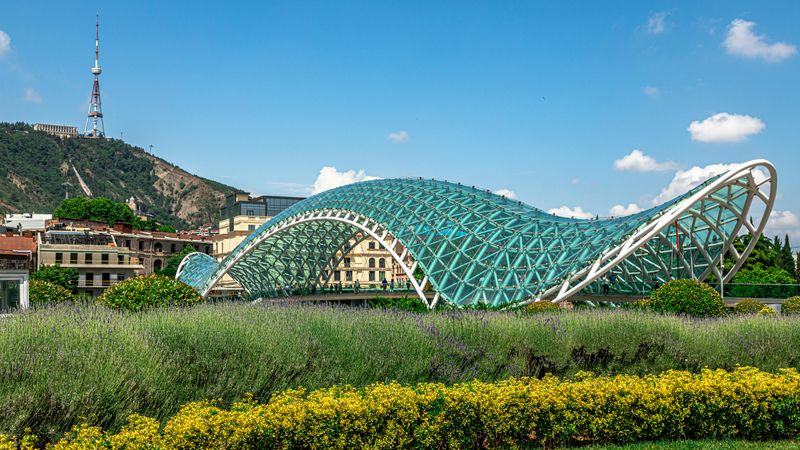
Tbilisi straddles the boundary between Europe and Asia, both geographically and culturally, creating a fascinating blend that increasingly appears on Eastern European travel trend lists for 2026. Georgia’s capital has experienced soaring visitor interest thanks to its architecturally eclectic Old Town, extraordinary Georgian cuisine, and thriving nightlife scene that rivals much larger cities. Ancient churches sit beside Soviet modernist structures and cutting-edge contemporary buildings, showing layers of history side by side.
The Old Town’s narrow streets wind past traditional houses with ornate wooden balconies, sulfur bathhouses that have operated for centuries, and the ancient Narikala Fortress overlooking everything from above. The ultra-modern Bridge of Peace spans the Kura River, its illuminated design contrasting beautifully with historic surroundings. This architectural mix mirrors the city’s cultural identity—deeply rooted in tradition while enthusiastically embracing innovation.
Georgian food culture alone justifies the journey, with dishes like khachapuri and khinkali offering flavors unlike anything else in Europe. Local wine traditions dating back 8,000 years make Georgia one of the world’s oldest wine regions. The nightlife scene in districts like Fabrika pulses with energy, featuring clubs, bars, and cultural spaces in repurposed industrial buildings. As travelers seek destinations that feel genuinely different while offering modern comforts and excitement, Tbilisi’s unique position makes it an increasingly essential stop for adventurous 2026 itineraries.
Share this story