Scientists believe that one of the most powerful and reliable sources of clean energy in human history lies hidden deep beneath the world’s oceans. This vast, natural energy system could theoretically power humanity for as long as Earth exists, but unlocking it comes with extraordinary challenges. Here are key facts that explain what this underwater energy source is, why it matters, and why it remains untapped.
1. The Energy Comes From Deep Cracks in Earth’s Crust
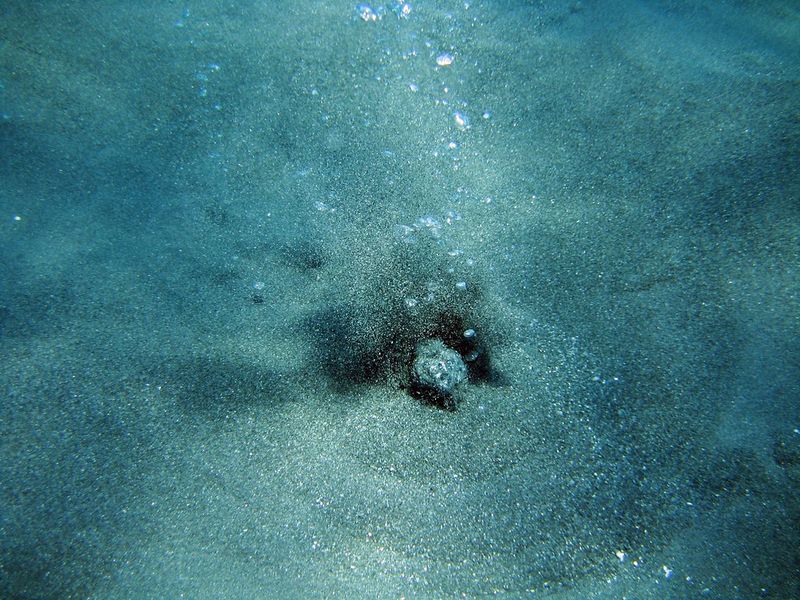
Geothermal energy is released through fractures in the Earth’s surface, many of which are located on the ocean floor. These cracks continuously emit heat due to ongoing seismic and tectonic activity. Imagine standing near a volcano, feeling the warmth radiating from deep within the planet.
Now picture that same process happening thousands of feet below the ocean’s surface, where nobody can see it. The ocean floor is not smooth or peaceful. It’s full of ridges, valleys, and breaks where Earth’s tectonic plates meet and shift.
Heat escapes through these openings constantly. This heat is not temporary or weak. It has been flowing for millions of years and will continue as long as our planet stays geologically active. Understanding where this energy comes from is the first step toward imagining how humanity might one day use it to power cities, homes, and industries without burning a single ounce of coal or oil.
2. Most of This Energy Lies Beneath the Oceans
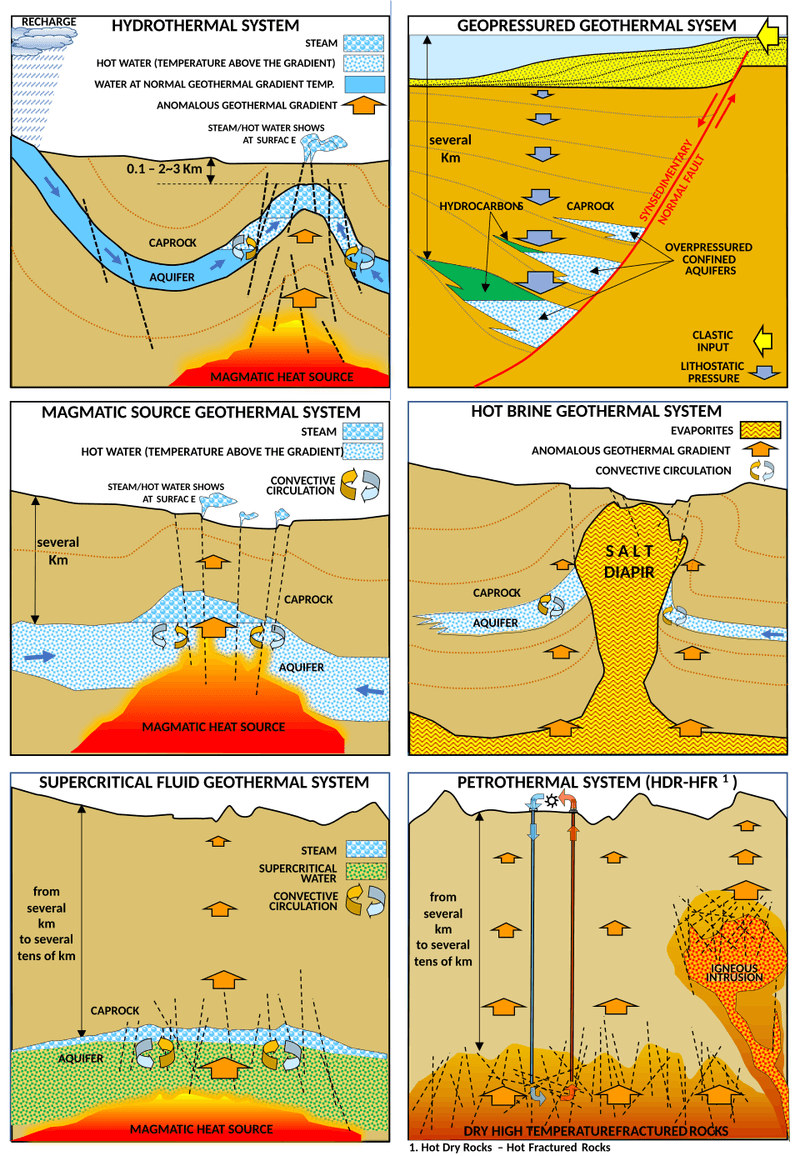
While geothermal energy is already used on land in some regions, the largest and most powerful geothermal systems are found deep below the oceans, near tectonic plate boundaries. Countries like Iceland and New Zealand tap into land-based geothermal sources with great success. But those are just small pockets compared to what lies offshore.
The ocean covers more than seventy percent of Earth’s surface. Beneath those waters, especially along the mid-ocean ridges, geothermal activity is incredibly intense. These underwater mountain ranges stretch for thousands of miles and mark the places where tectonic plates pull apart.
Hot magma rises from deep within the Earth to fill the gap. This creates a massive source of heat that dwarfs anything available on dry land. If humans could access even a fraction of this underwater energy, it would change the way we think about power generation forever. The challenge is simply reaching it and using it safely.
3. It Could Provide Energy for Humanity Indefinitely
Unlike fossil fuels, geothermal energy does not run out on human timescales. As long as the Earth remains geologically active, this energy source continues to regenerate. Coal, oil, and natural gas took millions of years to form, and once we burn them, they’re gone. Geothermal energy works differently.
Earth’s core is unimaginably hot, reaching temperatures over nine thousand degrees Fahrenheit. That heat slowly moves outward toward the surface. This process has been happening since the planet formed and will keep happening for billions of years.
So when we talk about geothermal energy being renewable, we mean it in the truest sense. It’s not like wind or solar, which depend on weather patterns. It’s a constant flow of power coming from the planet itself. If humanity can figure out how to tap into the ocean’s geothermal systems, we could have a nearly endless supply of clean energy for generations to come.
4. Geothermal Energy Is Exceptionally Reliable
Earth’s internal heat is constant. Unlike solar or wind energy, geothermal power does not depend on weather conditions, seasons, or daylight, making it one of the most stable energy sources known. Solar panels only work when the sun shines. Wind turbines need steady breezes to spin their blades.
Both are valuable, but they come with limitations. Geothermal energy has no such problem. The heat beneath the Earth’s surface never stops. It doesn’t matter if it’s cloudy, rainy, snowy, or nighttime.
The energy is always there, always ready to be used. This reliability makes geothermal power incredibly attractive for cities and countries that need consistent electricity around the clock. Hospitals, schools, and factories can’t afford to lose power when the weather changes. Geothermal energy offers a solution that works every single day, all year long, without interruption. That kind of dependability is rare and precious in the world of renewable energy.
5. It Could Replace Fossil Fuels Without Sacrificing Consistency

One of fossil fuels’ biggest advantages is their reliability. Geothermal energy offers similar consistency without carbon emissions, making it a potential cornerstone of a fossil-free energy system. For decades, people have relied on coal, oil, and gas because they deliver power whenever needed. You can burn them day or night, rain or shine.
But they also pollute the air, warm the planet, and won’t last forever. Switching to clean energy has been difficult because many renewable sources are unpredictable. Geothermal energy changes that equation entirely.
It provides the same steady, reliable power that fossil fuels do, but without the harmful side effects. If we could harness the geothermal energy beneath the ocean, we could keep the lights on, run factories, and power transportation systems without adding a single ton of carbon dioxide to the atmosphere. That’s a game changer for fighting climate change while still meeting humanity’s growing energy needs.
6. Extracting It Is Extremely Difficult
The main reason this energy remains unused is logistics. Deep-sea geothermal vents are located thousands of meters below the surface, in high-pressure, high-temperature environments that push current technology to its limits. Getting to the bottom of the ocean is harder than it sounds. The pressure down there is crushing.
Water weighs heavily on anything that descends into the deep. At extreme depths, the pressure can be hundreds of times stronger than what we experience on land. Machines and tools must be built to withstand these intense conditions.
On top of that, the water near geothermal vents is incredibly hot, sometimes reaching temperatures that would melt ordinary metal. The environment is dark, remote, and dangerous. Sending people down there is risky and expensive. Even sending robots and equipment is a massive challenge. Until we develop better technology, accessing this energy source will remain out of reach for most countries and companies.
7. Massive Technological Advances Are Still Needed
To harness this energy, scientists and engineers would need to develop advanced drilling systems, deep-sea machinery, and durable infrastructure capable of operating long-term on the ocean floor. Right now, we have some tools that can reach the deep ocean. Submarines, remotely operated vehicles, and drilling rigs can go down and collect samples or conduct research.
But building a permanent energy extraction system is a whole different challenge. We would need machines that can drill into the ocean floor, capture heat, and convert it into electricity, all while surviving in one of the harshest environments on Earth.
These machines would have to work for years, maybe decades, without constant repairs or replacements. They would need to resist corrosion from saltwater, handle extreme temperatures, and function under crushing pressure. Developing this kind of technology will take time, money, and collaboration between scientists, engineers, and governments around the world. But if we succeed, the payoff could be enormous.
8. Transporting the Energy Is Another Major Challenge
Even if energy could be extracted underwater, it would still need to be transmitted efficiently to land-based populations, likely requiring vast undersea cable networks and new transmission technologies. Generating electricity in the middle of the ocean is only half the problem. The other half is getting that electricity to where people actually live and work.
Most major cities are located on or near coastlines, but geothermal vents can be hundreds or even thousands of miles offshore. That means we would need to run extremely long power cables across the ocean floor.
These cables would have to be strong, waterproof, and capable of carrying huge amounts of electricity without losing too much energy along the way. Building and maintaining such a network would be incredibly expensive and technically complex. Engineers would also need to figure out how to protect the cables from damage caused by underwater currents, earthquakes, or even marine life. It’s a monumental task, but not impossible.
9. The Cost Would Be Enormous

Such an operation would likely cost billions of dollars and require long-term international investment, collaboration, and risk tolerance due to the scale and uncertainty involved. Building a geothermal energy system on the ocean floor isn’t something one country or company can do alone. The upfront costs are staggering.
You’d need funding for research, technology development, construction, installation, and ongoing maintenance. All of this would happen in an environment where mistakes are costly and dangerous. Investors and governments would have to be willing to spend huge sums of money without knowing for sure if the project will succeed.
That kind of financial risk makes many people hesitant. But history shows that bold investments in energy infrastructure can pay off over time. The question is whether the world is ready to take that leap. If nations can work together and share the costs, the rewards could benefit everyone. Clean, reliable, and nearly limitless energy is worth pursuing, even if the price tag is high.
10. International Waters Complicate Ownership and Access
Many geothermal vents lie in international waters, raising complex legal questions about ownership, energy distribution, and cooperation between nations. Existing frameworks like the UN Convention on the Law of the Sea may play a role in future agreements. When something valuable is discovered on land, it usually belongs to the country where it’s found. But the ocean is different.
Large portions of the ocean floor are not owned by any single nation. They’re considered international territory, which means everyone and no one has a claim to them. This creates tricky legal and political problems.
If a country invests billions of dollars to build a geothermal plant in international waters, who gets to use the energy? Can other countries demand access? How do we divide the benefits fairly? These are questions that lawyers, diplomats, and world leaders will need to answer before any major projects can move forward. International cooperation will be essential if humanity wants to unlock this incredible resource.
Share this story