From rotary phones to streaming everything, so much of daily life has flipped in a single lifetime. You might feel a jolt of recognition, then a double take at how different the world looks now. Think back to downtown window shopping, family dinners, and mixtapes made with care, then compare them to tap-to-pay, algorithms, and on-demand. Ready to time-travel through the changes you feel every day?
1. Phone Calls with Real Operators

Once, placing a long-distance call meant greeting a human voice who routed your conversation like a conductor. You could hear switchboards clacking behind the scenes, and a friendly operator sometimes recognized your town. Now, the phone is a pocket computer, and a swipe replaces small talk that bridged miles.
Landlines sit dusty or gone, while voicemails give way to texts, emojis, and read receipts. Robocalls crowd the line, and video chats happen without a cable or cord. The intimacy of asking a person to connect you feels quaint, replaced by instant connectivity without introductions.
2. Gas Station Service Attendants
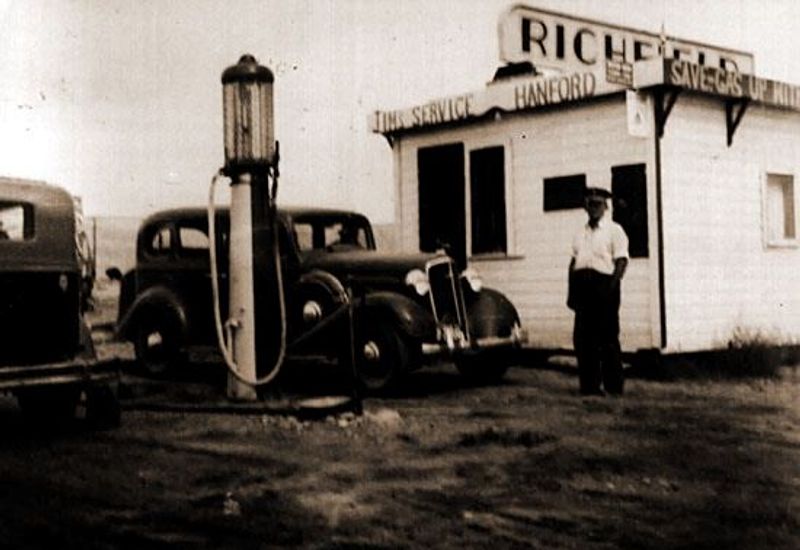
You would pull up, and someone jogged over, greeting you by name, pumping gas, washing windows, and checking oil. Payment happened through the driver’s window with a booklet of receipts. Today, you tap a card, fuel yourself, and squeegee quickly before the pump timer nags.
Full-service still survives in a few states and nostalgic stations, but most stops are solo pit breaks under harsh lights. Air pumps charge coins, and tire checks become another task on a busy day. The personal ritual of a friendly attendant is now a memory widened by windshield glare.
3. Milk and Newspaper Delivery
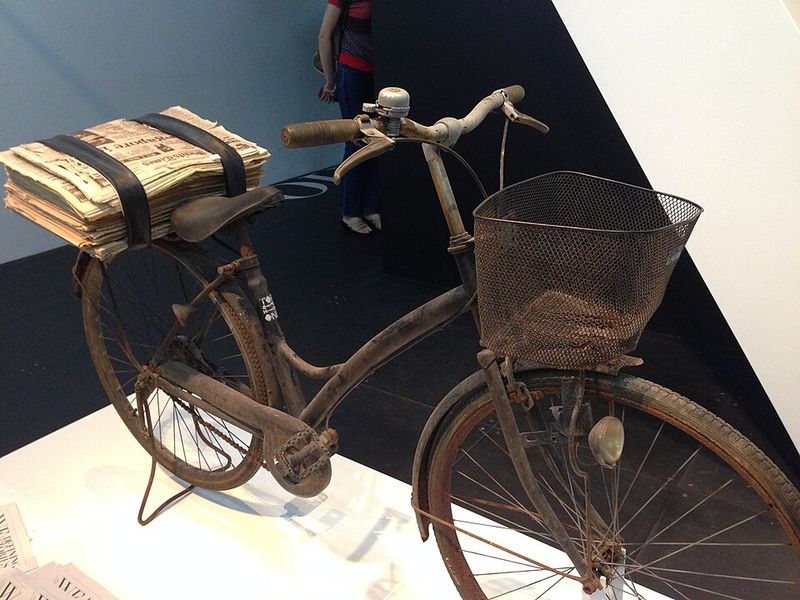
Morning once arrived with clinking glass bottles and a thud of folded news on the porch. You waved to the milkman and scanned headlines over cereal. Now, news pings your phone at 5 a.m., and milk comes from megastores or weekly grocery delivery windows.
Some neighborhoods revive doorstep drop-offs with local dairies and subscription papers, but it is rare. Algorithms decide which stories surface, and plastic jugs slip into carts without ceremony. The routine of porch visits and doorstep chatter is mostly gone, replaced by schedules and screens that never really sleep.
4. Cash-Only Transactions
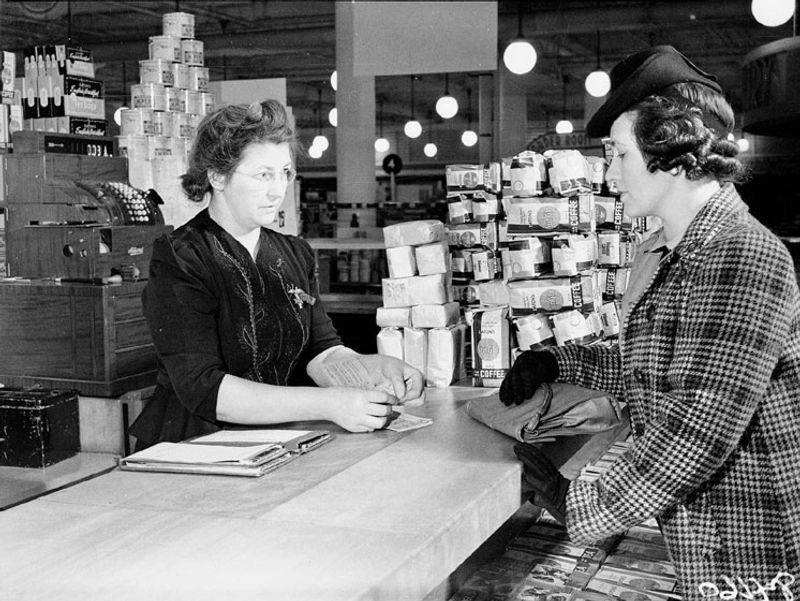
There was a time when a wallet bulged with bills and coins, and a handwritten receipt sealed the sale. You might have balanced a checkbook by lamplight. Now, tap-to-pay, phone wallets, and QR codes make change feel like relics in a jar.
Some shops even refuse cash, citing safety and speed. Tips show up as screen prompts rather than jars by the register. Convenience rules, but spending can feel invisible, rushing past with a beep and a buzz. The small friction of counting bills once slowed you down just enough to notice the moment.
5. Downtown Shopping Districts
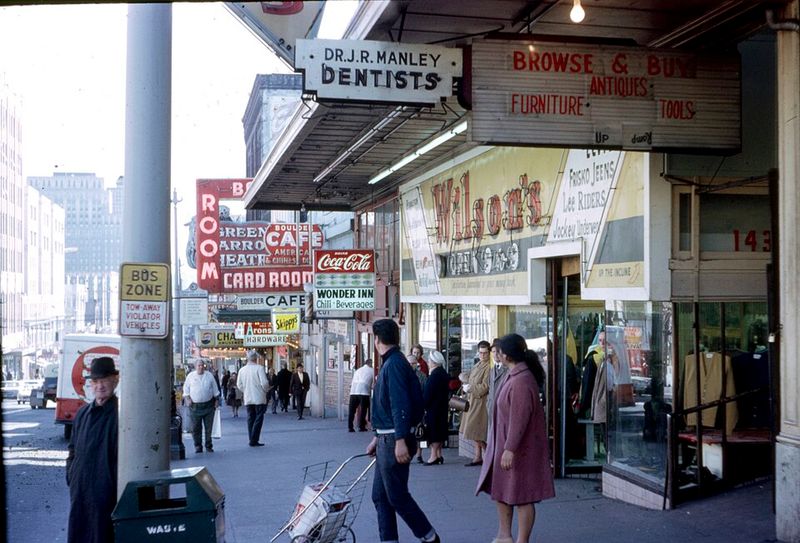
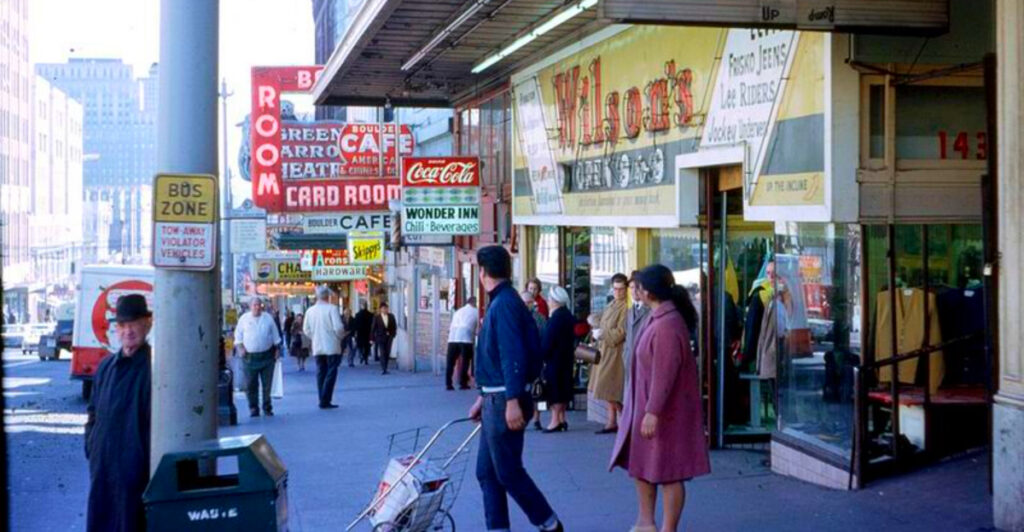
Remember strolling block after block past neon signs, dress shops, and a corner diner that knew your order? Back then, the sidewalk felt like the community living room, where you lingered, chatted, and compared window displays. Today, you scroll instead of stroll, and checkout happens in a cart that never touches a curb.
Big-box stores sit by parking lots where downtown once hummed. Strip malls replaced marquee lights with generic signage. Now, a few towns revive main streets with markets and murals, but the easy ritual of Saturday browsing feels like a postcard from another era.
6. Polaroids and Photo Labs
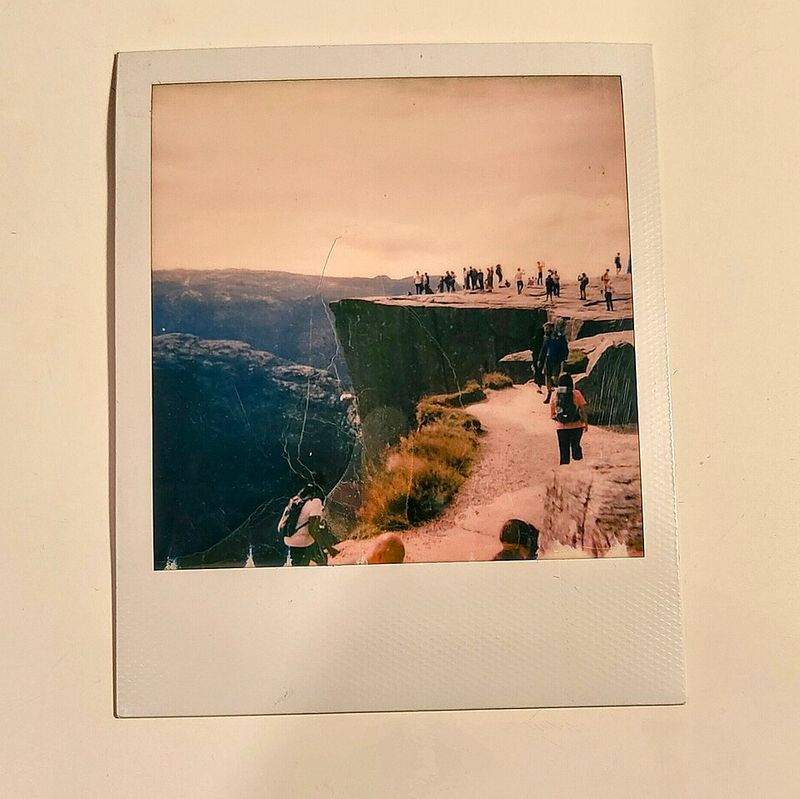
Every photo used to carry weight, whether waiting days for glossy prints or shaking a Polaroid as the moment emerged. You framed the best and tucked the rest into albums. Now, thousands of shots live in clouds, filtered and forgotten behind passwords.
Instant gratification is faster, yet sometimes less special. Film demanded choices, and the cost made you pause. Today, edits happen with taps, and sharing is a swipe. Some return to film for texture and patience, but everyday snapshots mostly ride the endless scroll, trading magic for convenience.
7. Family Dinners Every Night
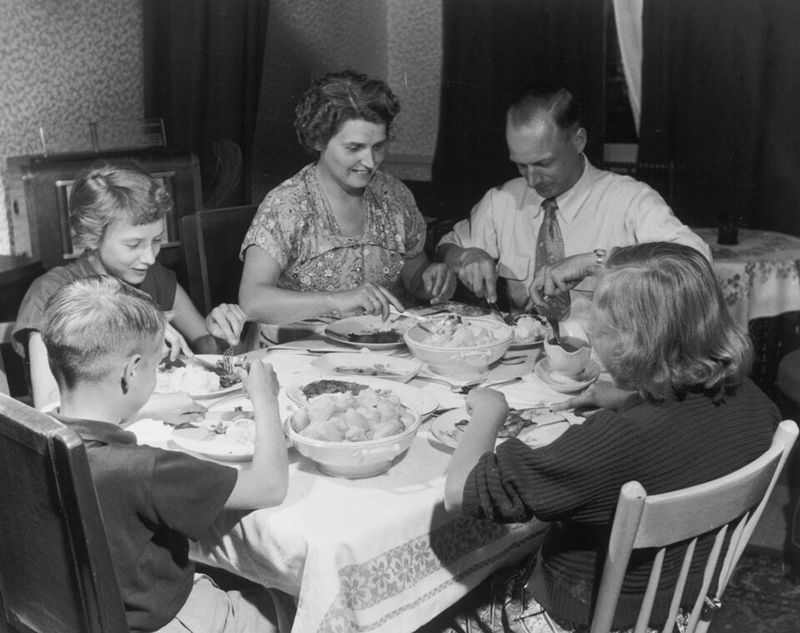
Once, dinner felt sacred: the table set, a casserole steaming, and conversation drifting long after plates cleared. Homework waited until dishes were done. Now, schedules scatter everyone, and takeout containers park beside laptops while notifications ping.
Families still gather, but it takes planning against late shifts, practices, and screens. Meal kits and grocery apps make cooking faster, yet the ritual can feel rushed. The pause between courses used to be where stories unfolded. Today, you fight for that pause, carving it out like a small victory on a crowded calendar.
8. Radio DJs and Mixtapes
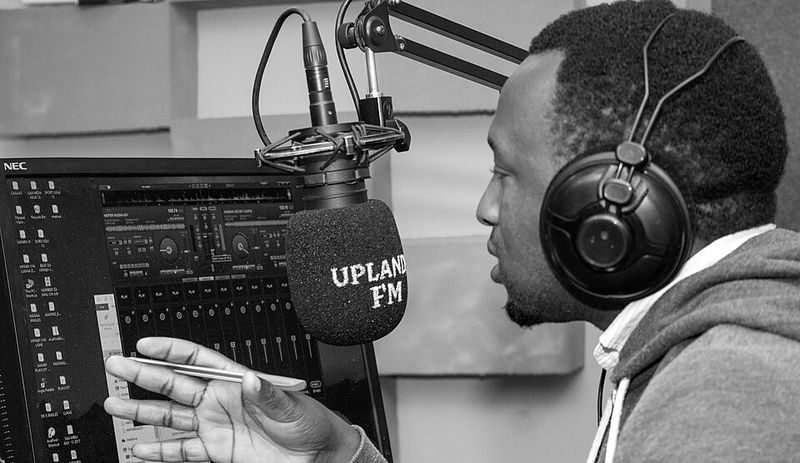
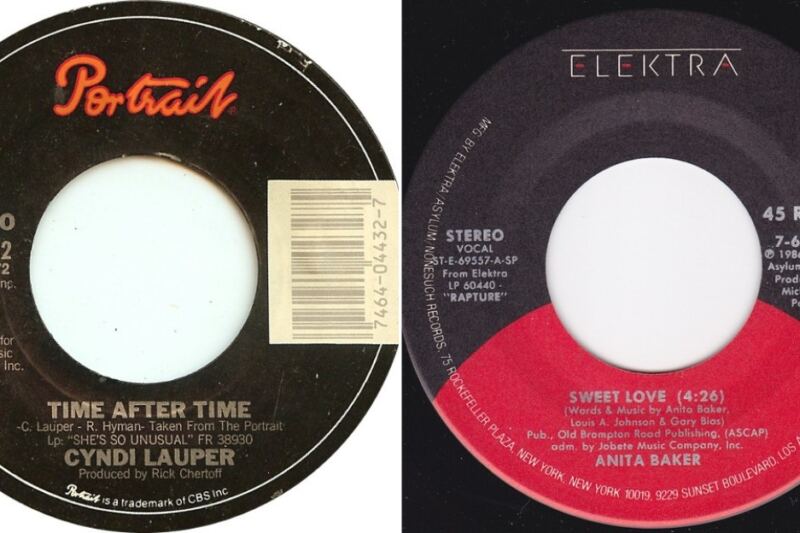
You once hovered by the stereo to catch a favorite track, finger ready to punch record on a blank tape. DJs were local celebrities, shaping taste between weather updates and dedications. Now, playlists assemble themselves, and new music finds you before you search.
Algorithmic radio is convenient but less personal. Sharing a link replaces handing someone a painstakingly labeled cassette. Vinyl and cassettes flutter back in pockets of culture, yet discovery often comes from data. The thrill of the perfect mixtape, crafted with patience, now competes with infinite shuffle.
9. Catalog Shopping
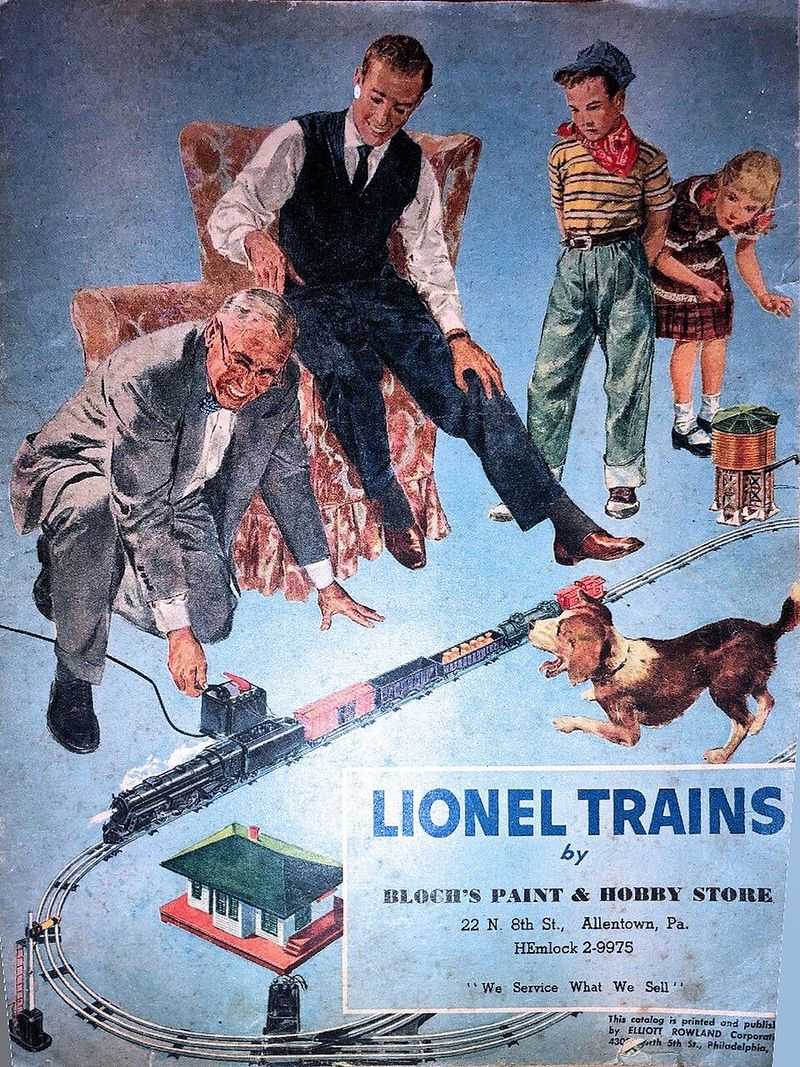
Thick catalogs once arrived like seasonal events, dog-eared pages marking wishes and plans. You circled toys, outfits, and tools, then mailed an order form and waited. Now, one-click purchases and Prime trucks erase the distance between browsing and owning.
Reviews replace sales copy, and recommendations chase you around the web. The living room spread of pages yielded to tabs and carts. Sometimes the speed feels thrilling, sometimes impulsive. The ritual of anticipating a package has shortened into same-day expectations, changing how you value the things that show up at your door.
10. Paper Maps in the Glove Box
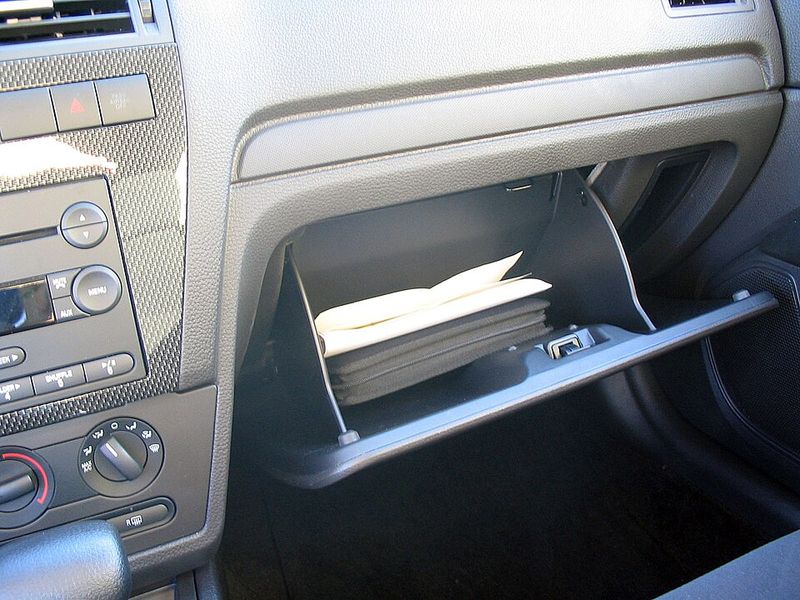
Folding and refolding a highway atlas taught patience and a sense of direction. You memorized exit numbers, watched mile markers, and trusted a navigator in the passenger seat. Now, a calm voice reroutes you while a blue dot glides along digital roads.
GPS removes guesswork, yet sometimes erases the thrill of discovery. Dead zones reveal how dependent you have become. Paper maps do not crash or die, but they take time you rarely budget. The art of getting pleasantly lost has been optimized into efficiency.
11. Mail-In Rebates and Coupons

Once, you clipped coupons at the kitchen table and stuffed envelopes with UPCs, hoping a check would arrive weeks later. Sunday papers bulged with savings. Today, promo codes, cashback apps, and digital loyalty cards trigger discounts instantly.
There is less glue and more taps, but also more tracking. Rewards pile up behind logins as receipts go paperless. The thrill of an envelope in the mailbox shifted to a push notification. The hunt remains, just faster and quieter, hidden in barcodes and browser extensions rather than scissors and stamps.
12. Sunday Drives for Fun
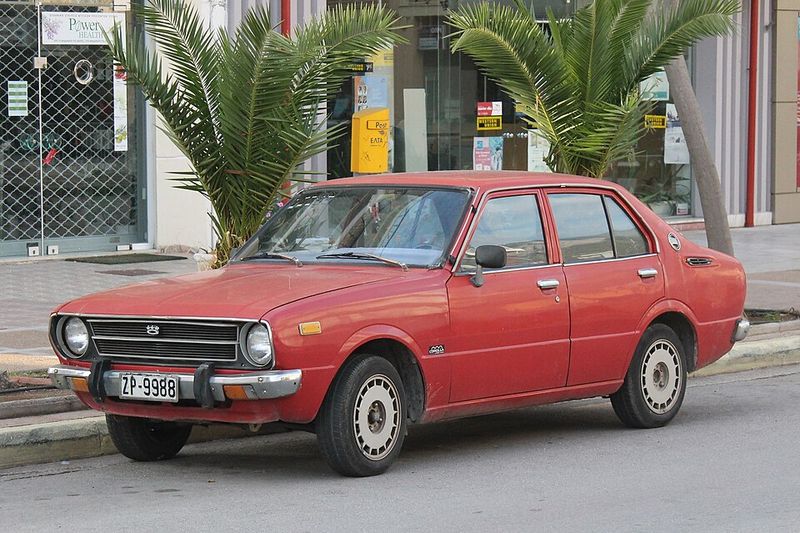
Weekend afternoons once meant rolling the windows down, cruising back roads, and talking without a destination. Gas was cheap enough to wander. Now, commutes swallow weekday miles, and weekend errands trim leisure to minutes.
Rising prices and busy schedules make joyrides rare. Scenic loops still tempt, but you plan them like mini-vacations. Playlists replace radio chatter, and navigation keeps you from meandering. The simple ritual of aimless motion, a moving pause in the week, competes with calendars and budgets.
13. Real Human Interaction at the Bank
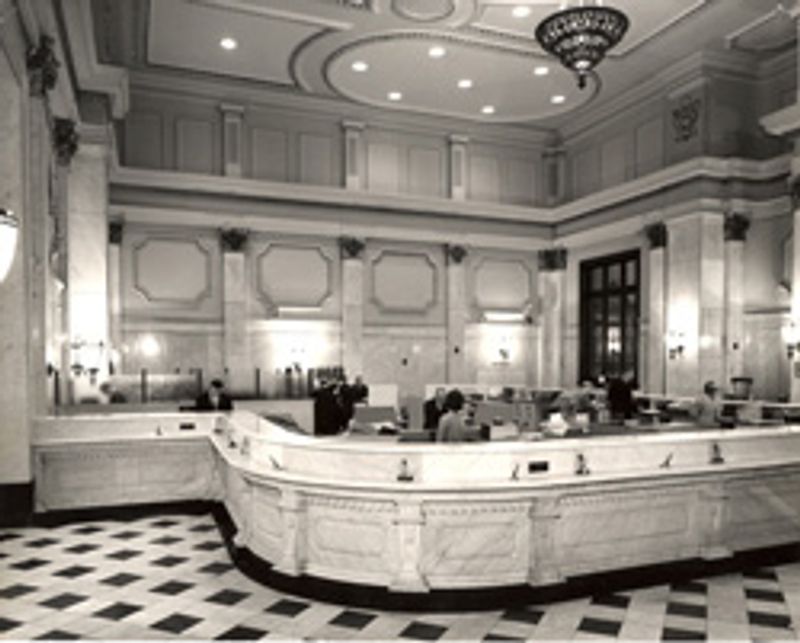
Tellers once knew your name, asked about the kids, and stamped passbooks with satisfying thunks. You waited in line, then left with crisp bills and a handshake. Now, ATMs glow all night while mobile apps move money silently.
Branches close or shrink, and chatbots answer questions before a person does. The convenience is undeniable, yet you lose the small trust built face to face. Cash itself fades while card taps count as visits. Community banking now happens mostly behind screens and PINs.
14. Board Games Over Screens
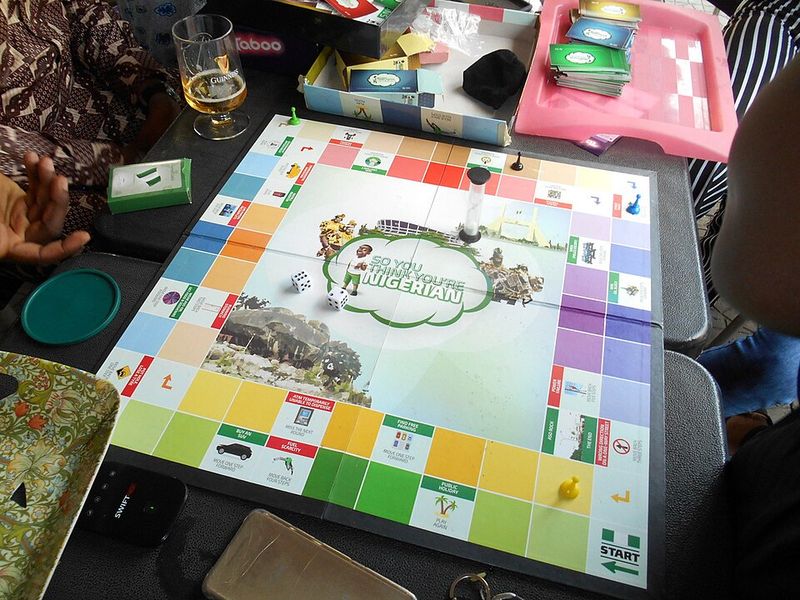
Family game night once meant clearing the table, shuffling cards, and arguing over house rules. Laughter carried down the hallway. Now, gaming often happens solo on glowing screens, or together but apart through headsets.
Board games are not gone, and in fact have a vibrant revival, yet screens regularly steal the spotlight. Cooperative campaigns and puzzle decks try to recapture that shared focus. It takes effort to unplug, stack pieces, and stay present. When you do, the room fills with that old electricity again.
15. School Without Security
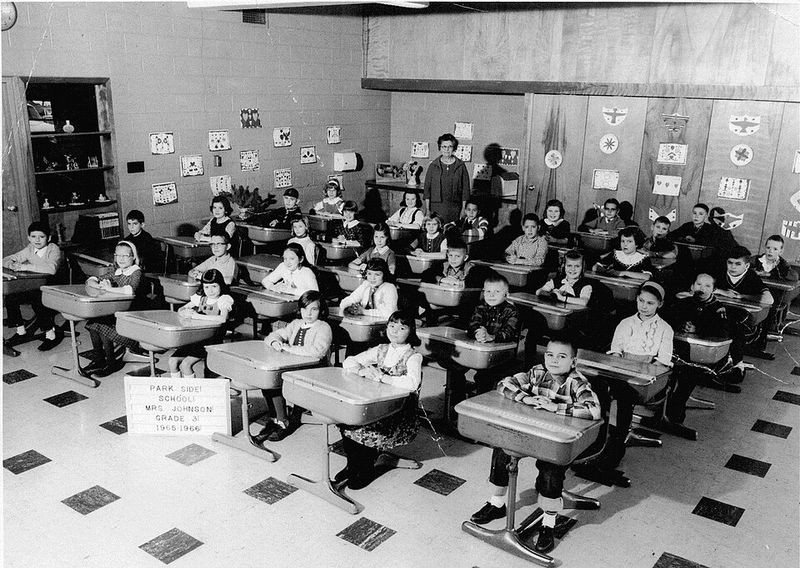
Hallways once felt open, with unlocked doors, minimal badges, and no drills beyond fire alarms. Parents dropped by without scanning IDs, and playgrounds had fewer rules. Today, cameras, visitor logs, and lockdown drills shape the daily routine.
Safety measures respond to real fears, yet they change the atmosphere. Students learn acronyms alongside algebra. The ease of wandering the library stacks at lunch gave way to protocols and passes. You understand the reasons, but miss the lightness of a building that felt like a second home rather than a checkpoint.
16. Long-Term Job Loyalty
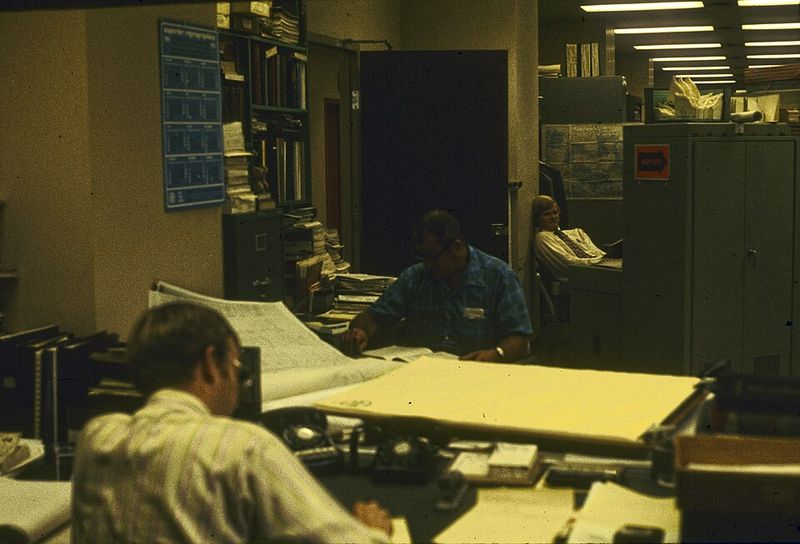
It once felt normal to start in the mailroom and retire with a watch, a pension, and coworkers who became lifelong friends. Stability guided choices. Now, careers pivot with opportunity, layoffs, and the pull of remote work.
Gig platforms, short contracts, and startups reward agility more than tenure. Loyalty still matters, but so does optionality. Resumes read like maps, full of detours and experiments. The promise of one company for life has faded, replaced by networks, skills, and the freedom and uncertainty of constant reinvention.
Share this story