If you have been craving a gentle entry into the White Mountains, Lincoln Woods Trailhead is the door that opens quietly. The wide path, river music, and steady forest scent invite you to slow down and notice more. Whether you are here for a first hike or a reset between big summits, this place meets you where you are. Keep reading, and you will see how easy it is to begin something memorable without rushing.
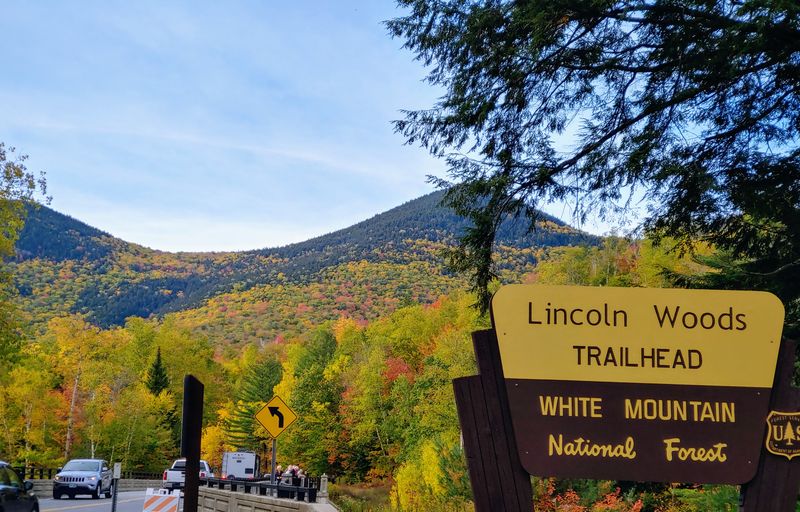
Lincoln Woods feels like a welcome mat to the White Mountains the moment your boots touch the gravel. The trailhead on the Kancamagus Highway is easy to find, with clear signage, a big parking area, and a straightforward start. You step under tall pines, hear the river, and feel your shoulders drop.
For beginners, families, or anyone shaking off road miles, the first quarter mile builds confidence. The grade is gentle and the footing is predictable, so conversation flows and nerves settle. You are outdoors without immediate strain, which lets curiosity lead.
Everything practical is close at hand. There are information boards, maps, and reminders about Leave No Trace that set a respectful tone. From here, you can choose a mellow out-and-back or keep options open, knowing you can return to the car without stress.

The signature feature here is the width. This path was a former logging railroad bed, so it stays roomy and largely flat, perfect for walking side by side and sharing stories. You do not need to watch every step, which frees up attention for the forest soundtrack.
Parents pushing a stroller with big wheels or hikers easing back from injury appreciate the even surface. The pace naturally slows, and the world narrows to crunching gravel, filtered light, and a steady heartbeat. You can wander without feeling pushed by terrain.
The openness also gives space for passing without awkward sidesteps. Runners, bikers, and walkers move smoothly together, each carving out a comfortable rhythm. If your goal is to decompress, this path makes it simple to breathe, notice, and keep going as long as it feels good.

The East Branch keeps you company almost from the start, moving with a rhythm that calms your own. Water slides over stones, pools in calm eddies, and flashes light back through the trees. When the sun hits right, the whole corridor glimmers like a promise.
There are spur spots where you can step down to the bank and sit quietly. Kids can skip stones while you take a sip of water and listen. In spring, snowmelt adds energy, while summer brings warm air and dragonflies along the edges.
Photographers love how the river frames the trail, offering layers of composition without hiking far. Even on busy days, you can usually find a personal stretch of shoreline. The sound follows you back, a reminder that you are never far from moving water in these woods.
Lincoln Woods is more than a mellow walk. It is the front door to the Pemigewasset Wilderness, a sweeping backcountry expanse that begins quietly and deepens with every mile. The boundary sign feels like a threshold where voices drop and senses sharpen.
From here, experienced hikers launch ambitious loops and overnight trips. But even if you stay near the trailhead, the presence of that much protected land changes the mood. The air seems older, and the map lines hint at stories beyond the next bend.
You can step a little farther each visit and learn the rhythm of the place. Even turning back early, you carry that wilderness energy with you. It is reassuring to know the vastness is there, accessible when you are ready, patiently waiting without pressure.
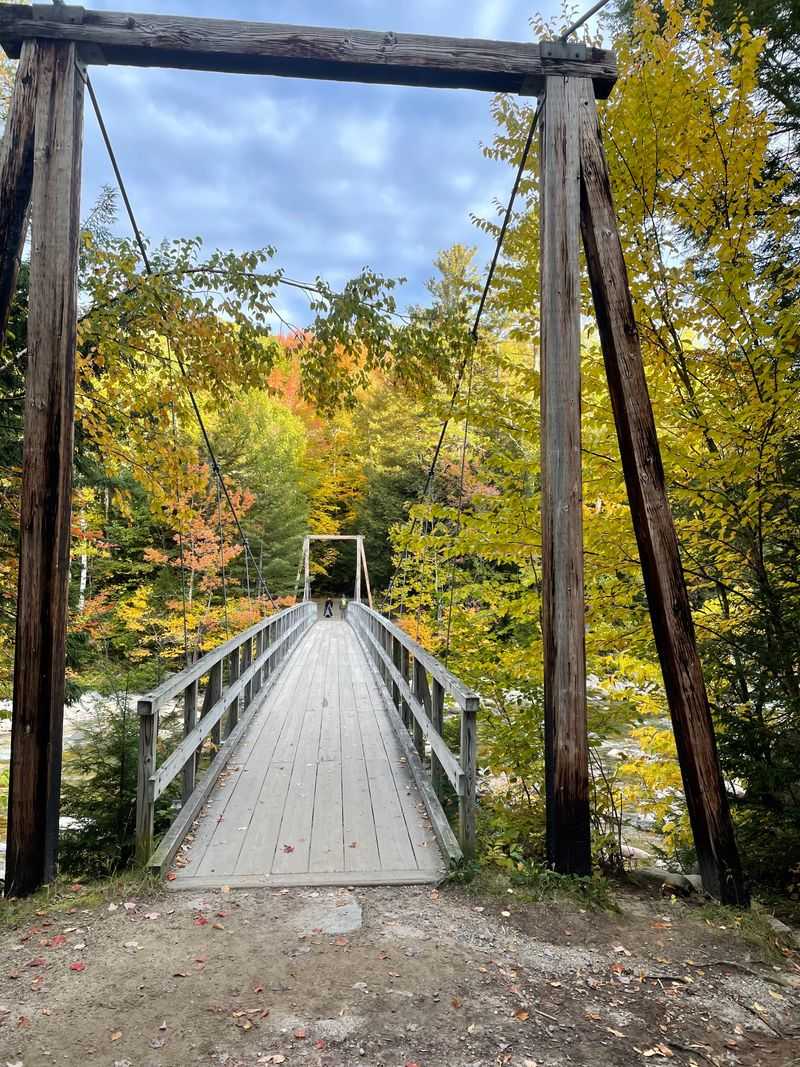
Every season here has a personality worth meeting. Spring arrives with bright greens and rushing water, plus a hint of mud that feels honest rather than messy. Summer softens the forest with shade and warm breezes that carry balsam and river spray.
Fall is a show you do not forget, with the canopy turning gold, orange, and red while the East Branch mirrors the whole display. The path crunches underfoot and the air tastes crisp. Winter draws a quieter crowd, laying a powder hush over the corridor.
With microspikes or snowshoes, the same easy grade becomes a peaceful snow walk. You can layer up, bring a thermos, and move at the pace of your breath. No matter when you come, the trail receives you kindly and reminds you that time has texture.
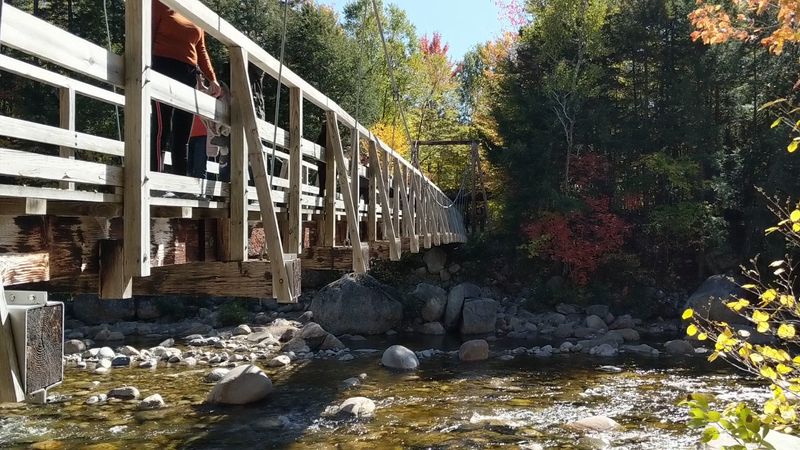
One of the best parts of Lincoln Woods is how flexible it feels. If you have an hour, you can stroll to a riverside spot and be back before lunch. If you have all day, you can wander miles deeper without technical surprises.
The out-and-back format makes decisions simple. Turn around at the bridge, the wilderness boundary, or the shady bench you love. Every option feels valid, and there is no pressure to bag a peak or chase a viewpoint.
This setup works beautifully for mixed groups and shifting energy. You can split, regroup, and know the trail will guide everyone home. The result is a day that bends toward your needs rather than demanding a plan you must defend.
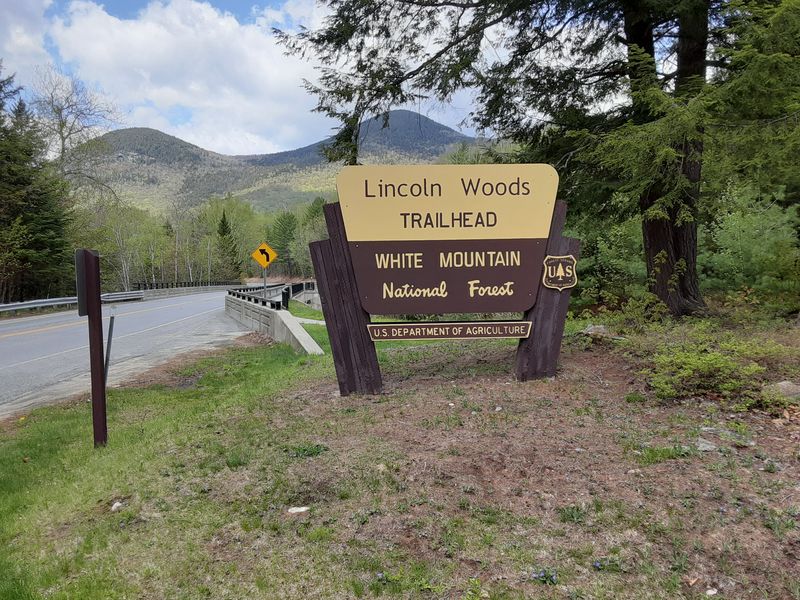
Stand at the trailhead on a weekend morning and you will hear accents from nearby towns and faraway states. Locals treat this place like a dependable friend, while visitors arrive curious and grateful for straightforward trails. The mix feels natural rather than crowded.
Shared etiquette keeps things flowing. People step aside for runners, call out a friendly hello, and leash dogs where needed. The culture encourages patience and a sense that everyone belongs on the path.
On weekdays you might have long stretches to yourself. On holidays the lot fills early, yet the wide corridor disperses people well. However you time it, you will likely meet someone with a favorite tip, and you may leave with one to share.
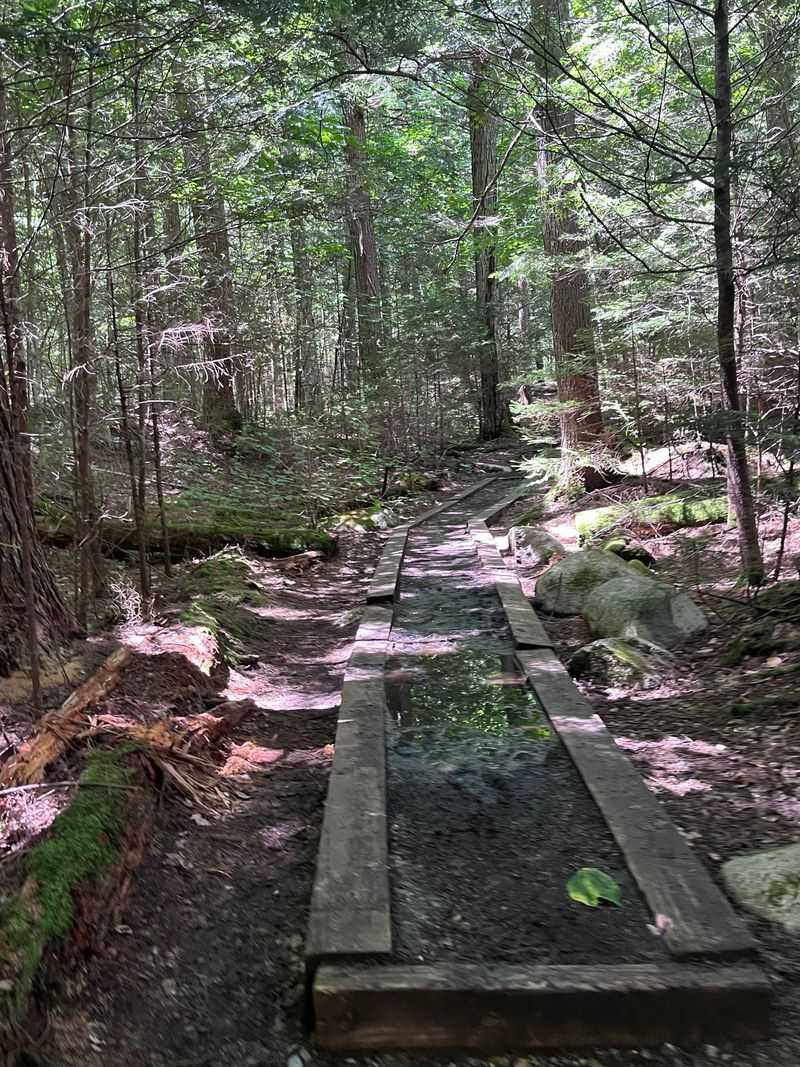
Gentle terrain is the promise and the payoff here. The grade stays forgiving, the footing stays predictable, and the line of sight is generous. Kids can explore within view, and older hikers can settle into a steady, sustainable cadence.
Breaks are easy to take. Find a riverside rock or a stump in the shade, sip water, and point out mushrooms or bark textures. Curiosity replaces hurry, which is a gift for groups with different speeds.
Because the trail is so approachable, you can focus on the company rather than logistics. Short legs, tired legs, and energetic legs all find their place. By the time you return to the car, it feels like everyone contributed to the day in their own way.
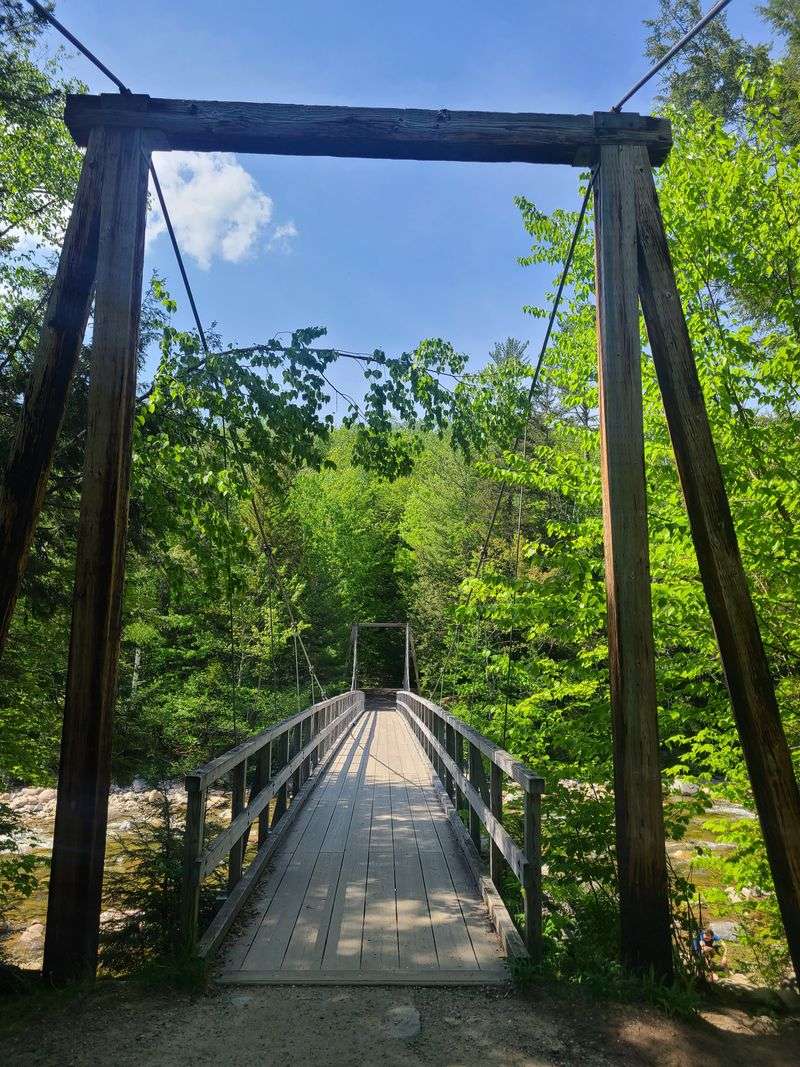
Runners and cyclists flock here for the same reason walkers do. The surface is smooth, the grade is manageable, and the line is clear. You can lock into a rhythm and let the river set your tempo without constant technical puzzles.
Bikes move politely, runners call out, and walkers hold their line. There is space for everyone, which reduces stress and keeps energy high. If you are building endurance or returning from a break, this corridor helps you stack good miles.
When the light slants in late afternoon, the forest becomes a moving theater. Breath, cadence, and scenery sync up, and the miles feel kind. Rolling back to the lot, you might realize you are ready for more tomorrow.
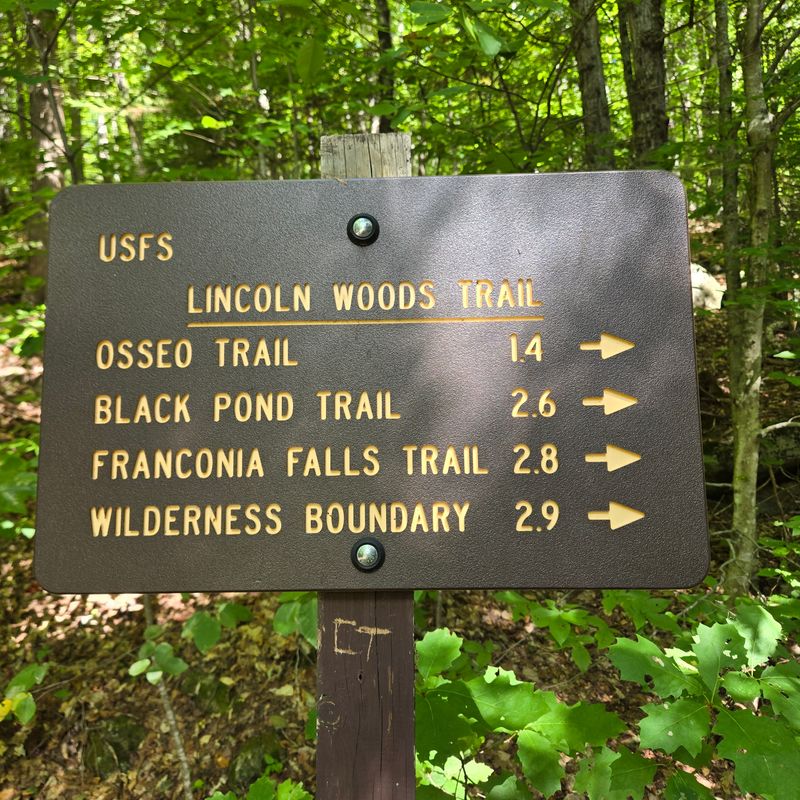
As you move deeper, subtle junctions reveal bigger possibilities. Signs point toward Franconia Brook, Bondcliff, and other routes that thread into the Pemigewasset Wilderness. The main corridor stays calm, but the side paths whisper adventure.
It is empowering to know you can branch off when you are ready. Maybe today you note the sign and keep strolling. Next time, you load a pack and chase that line over bridges and into quiet valleys.
These connections make Lincoln Woods a strategic hub for longer plans. Yet the trail never pressures you to upgrade. It simply holds the door open, letting curiosity set the timeline.
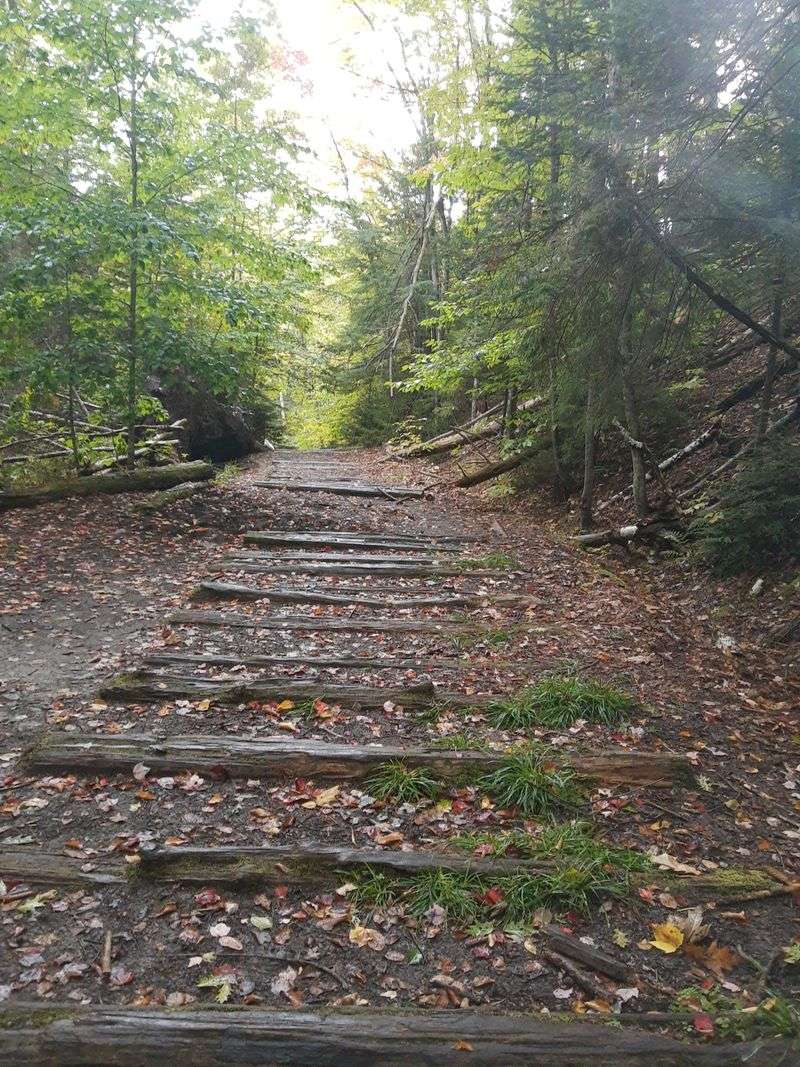
What surprises many people is how quickly the road falls away. Within a minute or two, the trees close ranks and the river sound takes over. You feel far from cars without investing much effort or time.
This makes Lincoln Woods perfect for quick resets. On a busy day, you can step in, breathe easier, and step out before your next commitment. Even short visits deliver that forest chemistry your mind was asking for.
If you arrive at dawn or near dusk, the quiet deepens. Birdsong rises, and the light threads through needles like silk. You leave thinking you found a pocket of calm hidden in plain sight.
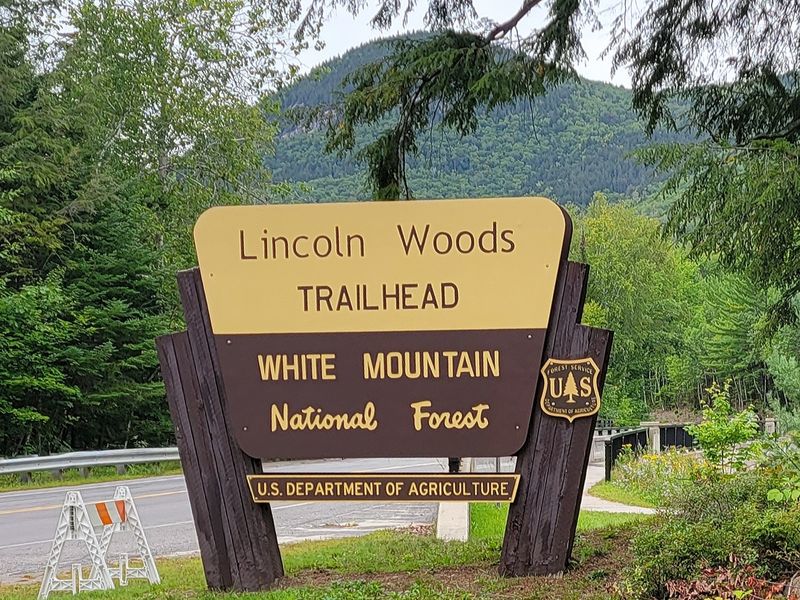
If you are new to the region, this is where many guides suggest you start. The trail delivers the essentials of White Mountain hiking without steep grades or technical surprises. You learn trail etiquette, river awareness, and pacing while feeling supported by the landscape.
Information boards help you prepare before stepping off. You see maps, seasonal notes, and reminders about caring for the place. That grounding makes the first steps feel intentional rather than tentative.
By the end of a short loop, you will have practiced what matters. You will know what shoes work, how much water you drink, and how your body responds. Next time, you will arrive with quiet confidence that carries forward.

Keep your eyes open and you will notice company. Songbirds work the edges, red squirrels chatter from branches, and sometimes fresh tracks press into mud after rain. The river corridor draws life, and the trail lets you witness it without intrusion.
Bring patience and a soft step. You might catch a mink slipping along the bank or a heron standing like a statue. Most encounters are small delights, the kind you remember later because they felt earned.
Give animals space and let moments unfold. The quieter you move, the more the forest reveals its everyday routine. You leave feeling part of something that continues whether you are there or not.
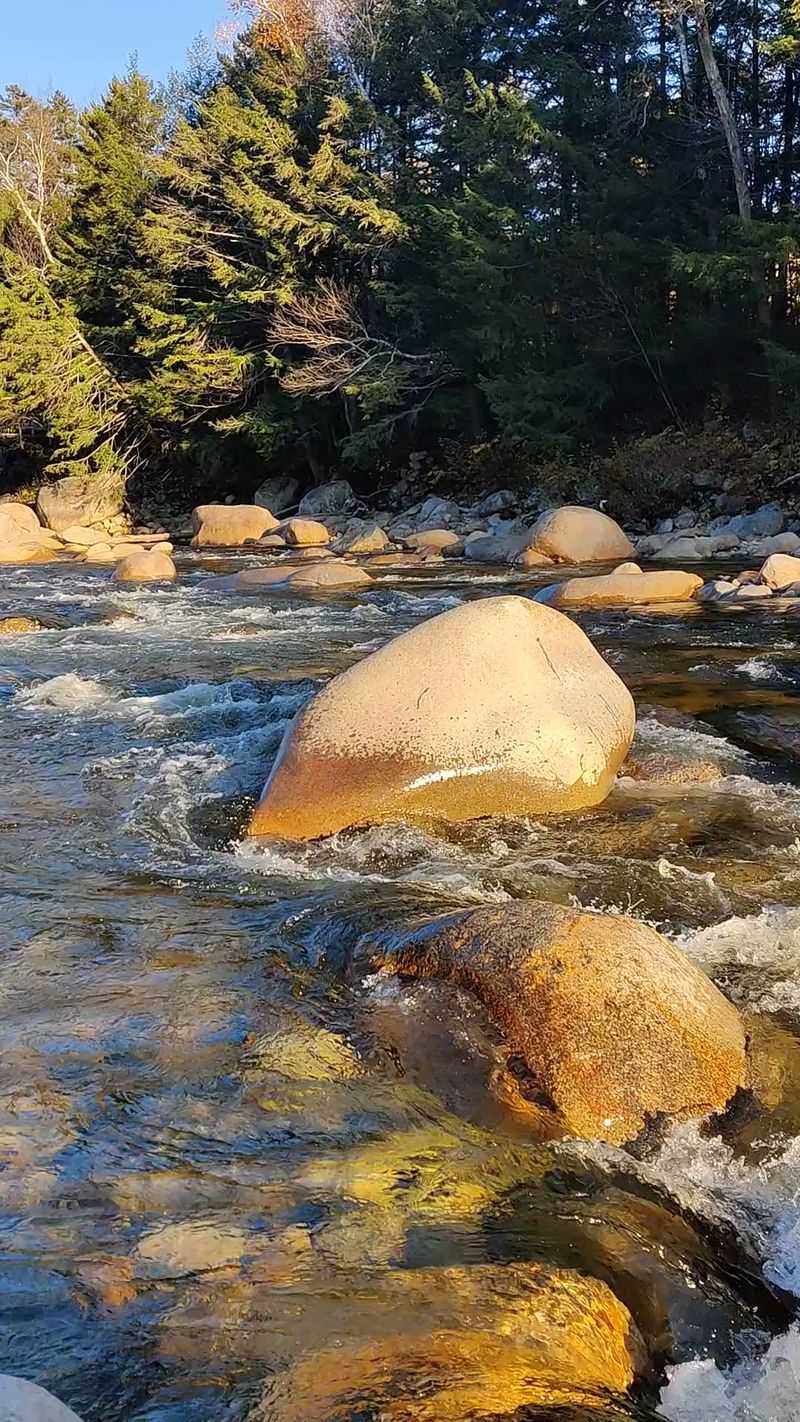
The cadence of Lincoln Woods invites you to pay attention. Feet land softly, water murmurs, and wind writes small notes through needles and leaves. Without steep climbs, your mind finds room to settle and notice details.
Try counting breaths between trail junctions, or pause to name five sounds. Let the river pull your thoughts into the present. Even a twenty minute walk can reset a cluttered day more effectively than another coffee.
You might carry that calm back to the car and into whatever comes next. The trail becomes less of a destination and more of a practice. Return often, and you will feel how repetition builds steadiness.
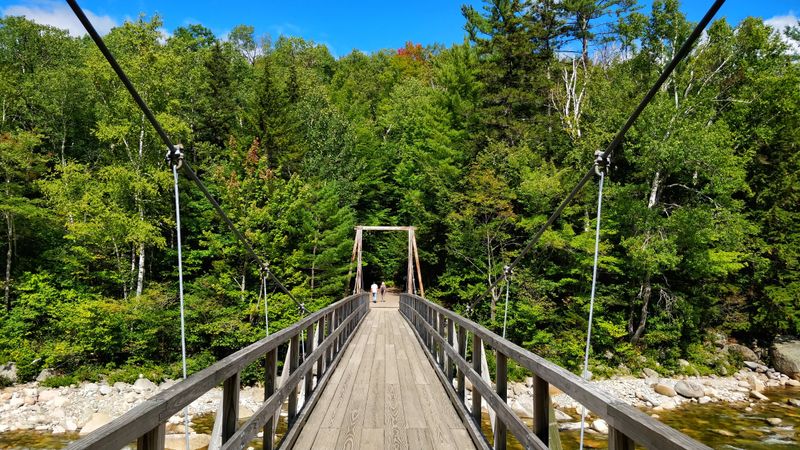
Some trails try to dazzle you. Lincoln Woods does something quieter. It stays itself, day after day, season after season, so you can measure change inside rather than outside.
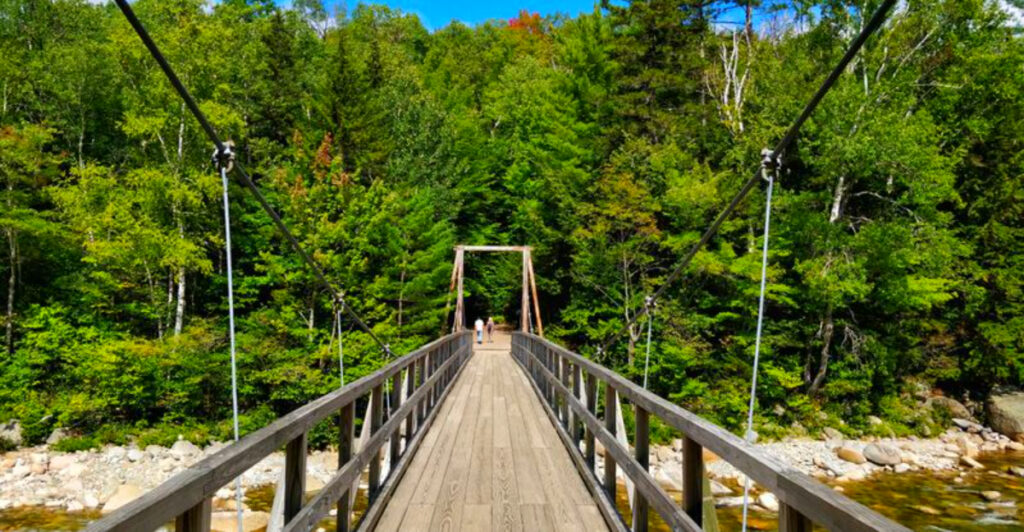
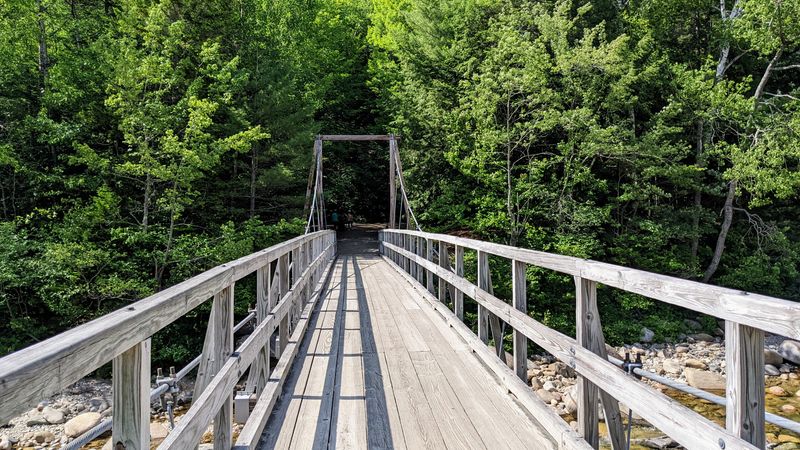
The bridge is still there, the gravel still steady, the river still faithful. You know where the light pools in late afternoon and which bend smells like spruce tea. Familiarity becomes a comfort you can count on.
That consistency makes it easy to return when life feels scattered. You already know the route, so energy goes into relaxing rather than deciding. By the time you drive away, it feels like the trail did exactly what you needed.
Share this story