A dangerous storm system is gearing up to target parts of the United States, and the window for preparation is narrowing. Meteorologists warn that conditions are aligning for fast developing severe storms capable of tornadoes, large hail, and damaging winds.
If you live in the Plains, Midwest, or South, you need a plan and multiple ways to get alerts. Keep reading to understand the setup, the risks to travel and power, and the steps that can help you stay safe.
Severe Weather Threat Raises Tornado Concerns Across Multiple States
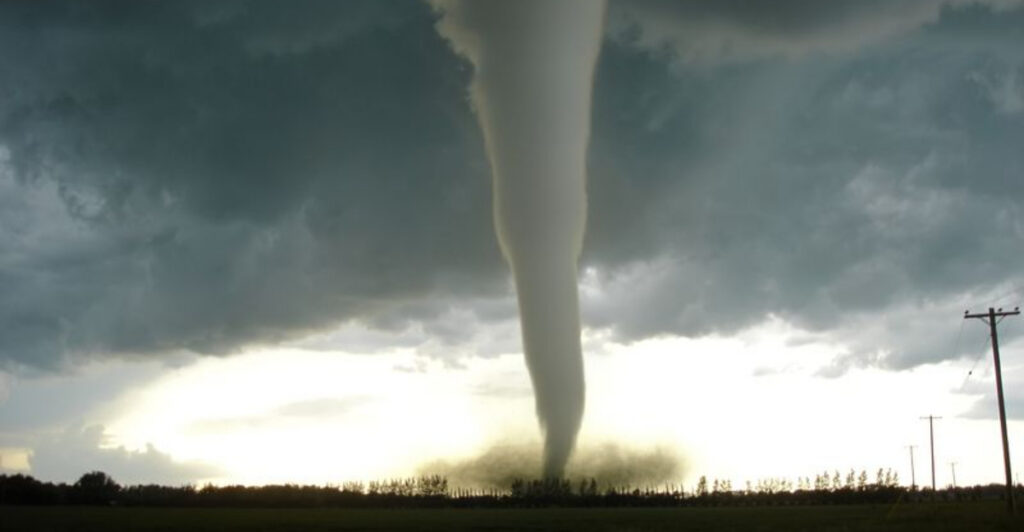
Meteorologists say a potent storm system is tapping warm, moist air to fuel dangerous thunderstorms. You could see rapidly intensifying storms with rotating updrafts, creating an environment where tornadoes become possible.
Even if your town is not directly in a warning today, the fast moving nature of these storms means conditions can change quickly.
The threat zone stretches from portions of the Plains into the Midwest and South, where wind shear and instability overlap. Forecasters note storms may deepen faster than usual, particularly late day into evening.
That timing can be risky, since darkness makes spotting hazards harder and families may already be winding down.
Tornadoes are not guaranteed everywhere, but low probability does not mean low impact. A single strong tornado can alter a community in minutes, and warnings may arrive with limited lead time.
Stay weather aware, enable alerts, and review your shelter plan now. Secure loose outdoor items, charge devices, and keep shoes, helmets, and flashlights handy.
Atmospheric Setup Favorable for Supercells and Tornadoes
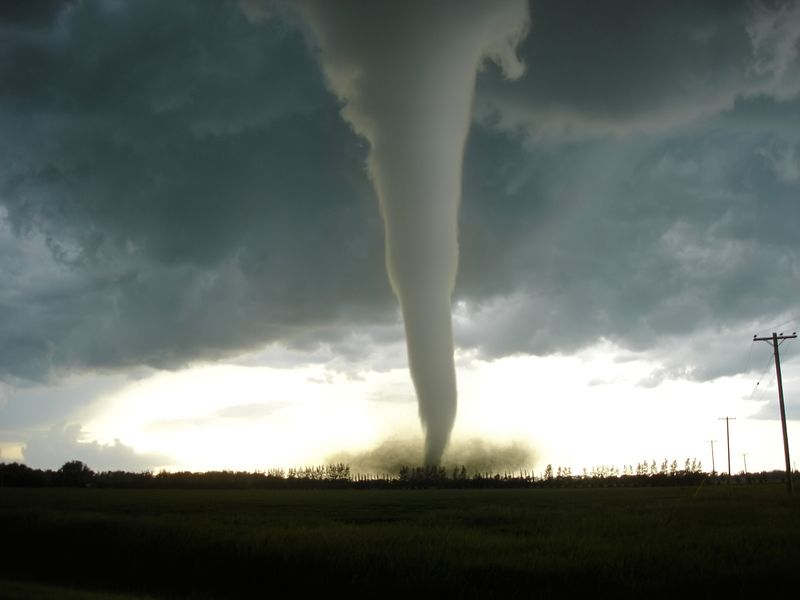
Fox Weather highlights a classic severe weather recipe developing across the central and eastern United States. Warm, humid air surging north boosts instability, while strong winds at different heights create wind shear that lets storms rotate.
When a frontal boundary lifts into this air mass, supercells can form and sometimes tighten rotation into tornadoes.
In this setup, you may notice towering cumulus growing quickly by afternoon as heating peaks. Storms that mature can produce large hail and damaging straight line winds, not just tornadoes.
Power lines, trees, and roofs are vulnerable, and hail can shred siding, dent vehicles, and ruin crops within minutes.
Intensity will vary locally, so do not assume nearby calm means safety. One town could see only heavy rain while another, just a few miles away, faces destructive wind or a tornado.
Keep a close eye on radar and reliable alerts, and be ready to act if warnings are issued. Preparation now gives you precious seconds when storms turn severe.
Travel and Power Disruptions Possible During Severe Storms
Severe thunderstorms can upend travel plans and stress infrastructure in a hurry. Strong winds are capable of downing trees and power lines, while blinding rain reduces visibility and triggers hydroplaning.
If a tornado warning is issued, you should avoid driving and seek sturdy shelter immediately.
High profile vehicles are especially vulnerable to crosswinds, and even brief gusts can push them across lanes. Airports in the threat zone may face delays, diversions, or ground stops as lightning and wind surge through.
Rail service can also slow due to debris, flooded tracks, or signal outages that ripple through schedules.
Power outages loom large when widespread wind damage occurs. Utilities may pre stage crews, but restoration takes time if multiple circuits fail or access is blocked.
Charge phones and battery packs now, secure outdoor furniture, and gather flashlights, medications, and water. Keep a car tank at least half full, and plan alternate routes if storms hit during your commute.
Officials Stress Preparedness as Severe Weather Season Ramps Up
Emergency officials emphasize that preparedness saves lives when tornado threats arise. Have multiple ways to receive warnings, including a NOAA Weather Radio, phone alerts, and local TV or radio.
If you get a tornado warning, move quickly to a basement or an interior room on the lowest floor away from windows.
Mobile homes are not safe during tornadoes, so plan now to reach a sturdier shelter. Identify a nearby community shelter, neighbor, or safe building you can access fast.
Store helmets, sturdy shoes, flashlights, and a whistle in your safe space, and keep medications and important documents in a grab and go kit.
Do not assume storms only strike in peak season. Rapid changes can bring severe weather outside springtime, and storms can strengthen within minutes.
Stay informed through trusted sources, and take every warning seriously, even if earlier storms seemed weak. Your preparation today can make all the difference when seconds count.
Share this story