
Planning your retirement means choosing the right place to spend your golden years. A new study has ranked all 50 states based on affordability, health care quality, and overall quality of life. While some states shine as retirement havens, others struggle with high costs, poor medical services, or challenging living conditions that make them less ideal for retirees.
1. Kansas: Bottom-20 overall, dragged down by health care rank (37)
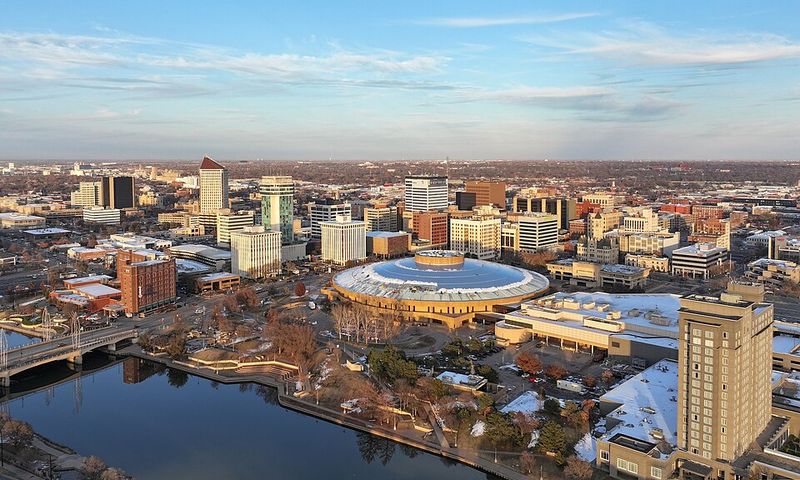
Kansas sits at number 20 on this list, landing an overall rank of 31 among all states. While the Sunflower State offers reasonable affordability and decent quality of life, its health care system presents significant concerns for retirees.
The state’s health care rank of 37 pulls down its overall performance. Access to specialized medical services can be limited, especially in rural areas where many affordable retirement communities exist.
Retirees considering Kansas should carefully research hospital proximity and insurance coverage options before making the move.
2. Georgia: Lower overall score with weaker quality-of-life (39) and health care (40)

Georgia ranks 32nd overall, earning spot number 19 on our list. The Peach State faces challenges in two critical categories that matter most to retirees planning their next chapter.
With a quality-of-life rank of 39 and health care rank of 40, Georgia struggles to compete with top retirement destinations. Traffic congestion in metro areas and summer heat can test even the most patient residents.
Despite these drawbacks, Georgia’s lower cost of living in certain regions might appeal to budget-conscious retirees willing to compromise on services.
3. Oklahoma: Quality-of-life challenges (47) keep it in the bottom tier

Ranking 33rd overall, Oklahoma lands at number 18 due to serious quality-of-life concerns. The state’s rank of 47 in this category reveals significant challenges that retirees should carefully consider.
Severe weather patterns, including tornadoes and extreme temperature swings, affect daily comfort and safety. Cultural amenities and recreational opportunities lag behind what many retirees expect from their retirement destination.
Oklahoma does offer affordability advantages, but the quality-of-life trade-offs may prove too steep for those seeking a comfortable retirement experience.
4. Illinois: Lower overall score with affordability rank (41) and mid-pack health care (28)

Illinois comes in at number 17 with an overall rank of 34. The Prairie State presents a mixed bag for retirees, with decent health care but concerning affordability issues.
An affordability rank of 41 reflects high property taxes and living costs that strain fixed retirement incomes. Many retirees find their savings don’t stretch as far here compared to neighboring states.
Health care ranks better at 28, offering quality medical facilities, especially near Chicago. However, the financial burden often outweighs these benefits for most retirees.
5. New York: High-cost pressures show up in affordability rank (47)

New York lands at number 16 with an overall rank of 35. The Empire State’s biggest retirement obstacle is crystal clear when you examine the numbers.
With an affordability rank of 47, New York presents serious financial challenges for retirees on fixed incomes. High taxes, expensive housing, and elevated costs for everyday goods make budgeting difficult.
Even upstate areas that seem more affordable still carry tax burdens that surprise many newcomers. Retirees must carefully calculate whether their retirement savings can sustain New York’s lifestyle.
6. Maryland: Affordability rank (44) pushes it down the list

Maryland ranks 36th overall, placing it at number 15 on our list. The Old Line State offers proximity to major cities and beautiful coastal areas, but these perks come at a steep price.
An affordability rank of 44 tells the story of a state where retirement dollars disappear quickly. Housing costs, particularly near desirable waterfront communities, stretch budgets thin.
Maryland does provide excellent health care access and cultural opportunities. Unfortunately, many retirees find themselves priced out of enjoying these advantages on typical retirement incomes.
7. Alabama: Strong affordability (3), but health care rank (49) hurts overall standing

Alabama sits at number 14 with an overall rank of 37, presenting a stark contrast between affordability and health care quality. The Heart of Dixie offers wallet-friendly living but struggles with medical services.
Ranking an impressive 3rd in affordability, Alabama attracts budget-conscious retirees seeking low costs. However, a health care rank of 49 creates serious concerns about access to quality medical treatment.
Retirees with chronic conditions or those anticipating future health needs should think twice before choosing Alabama, despite its appealing price tag.
8. Tennessee: Low overall placement tied to quality-of-life (48) and health care (46)

Tennessee ranks 38th overall, landing at number 13 on this list. The Volunteer State struggles with two crucial retirement factors that significantly impact daily living.
Quality-of-life ranks at 48 while health care comes in at 46, creating a challenging environment for retirees. Limited cultural activities outside major cities and gaps in medical services affect everyday comfort.
Despite its natural beauty and no state income tax, Tennessee’s weaknesses in essential categories make it a risky choice for those prioritizing comfort and health.
9. Oregon: Affordability rank (42) keeps it in the lower group

Oregon ranks 39th overall, placing it at number 12 on our list. The Pacific Northwest state offers stunning natural beauty but demands a hefty financial commitment from retirees.
An affordability rank of 42 reflects rising housing costs and elevated living expenses across the state. Even areas outside Portland have seen dramatic price increases that challenge retirement budgets.
Oregon’s outdoor recreation and mild climate attract many retirees initially. However, the financial reality often forces them to reconsider or seek more affordable neighboring states.
10. Indiana: Mid affordability (31), but lower health care rank (41) pulls it down

Indiana lands at number 11 with an overall rank of 40. The Hoosier State presents moderate affordability but disappoints in health care quality.
Ranking 31st in affordability suggests reasonable costs for housing and daily expenses. Unfortunately, a health care rank of 41 raises red flags about medical service availability and quality.
Retirees might appreciate Indiana’s friendly communities and four-season climate. However, those with significant health concerns should carefully evaluate whether local medical facilities meet their specific needs.
11. Hawaii: Affordability rank (50) is the key factor behind its bottom-10 placement

Hawaii ranks 41st overall, earning the number 10 spot on this list. Paradise comes with a price tag that most retirees simply cannot afford.
Ranking dead last at 50 in affordability, Hawaii presents the most expensive retirement option in America. Housing costs, groceries, utilities, and virtually everything else carry premium prices that devastate fixed incomes.
Beautiful beaches and perfect weather cannot offset financial reality. Most retirees discover their dream of island living remains just that without substantial wealth.
12. Arkansas: Quality-of-life (49) and health care (44) land it in the bottom 20

Arkansas ranks 42nd overall, placing it at number 9 on our list. The Natural State struggles significantly in two categories that directly affect retiree satisfaction.
With quality-of-life at 49 and health care at 44, Arkansas faces serious challenges. Limited entertainment options, fewer cultural amenities, and gaps in medical services create daily frustrations.
Arkansas does offer low costs and scenic beauty in the Ozarks. However, retirees accustomed to convenient services and quality health care often find themselves disappointed.
13. West Virginia: Health care rank (50) anchors it near the bottom

West Virginia ranks 43rd overall, landing at number 8 on this list. The Mountain State faces the nation’s worst health care ranking, creating serious concerns for retirees.
A health care rank of 50 means West Virginia struggles more than any other state to provide quality medical services. Hospital closures, physician shortages, and limited specialized care plague many communities.
Affordable housing and natural beauty cannot compensate for inadequate health care. Retirees with any medical needs should seriously reconsider West Virginia as a retirement destination.
14. Rhode Island: Lower overall score with affordability (40) and quality-of-life (40)

Rhode Island ranks 44th overall, earning the number 7 spot on this list. The Ocean State struggles with both affordability and quality-of-life concerns that impact retirees.
Both categories rank at 40, revealing consistent challenges across multiple areas. High property taxes, expensive housing, and limited recreational options outside coastal areas disappoint many retirees.
Rhode Island’s small size means fewer choices for retirement communities. Combined with elevated costs, the state offers little advantage over neighboring options with better rankings.
15. New Jersey: Affordability rank (46) keeps it in the bottom tier

New Jersey ranks 45th overall, placing it at number 6 on our list. The Garden State presents one of the nation’s most challenging affordability environments for retirees.
An affordability rank of 46 reflects crushing property taxes and high living costs across the state. Even modest homes carry tax bills that consume substantial portions of retirement income.
Proximity to New York City and Philadelphia offers cultural benefits. However, most retirees find the financial burden simply too heavy to justify staying in New Jersey.
16. New Mexico: Lower quality-of-life rank (45) plus high in-home services cost signals

New Mexico ranks 46th overall, landing at number 5 on this list. The Land of Enchantment faces quality-of-life challenges that extend beyond initial expectations.
A quality-of-life rank of 45 reflects concerns about safety, infrastructure, and service availability. High costs for in-home care services create additional burdens for aging retirees needing assistance.
New Mexico’s unique culture and stunning landscapes attract many visitors. Unfortunately, the reality of daily living often falls short of the enchanting image many retirees imagine.
17. Washington: Affordability rank (48) and middling health care (24) still net a low overall rank

Washington ranks 47th overall, earning the number 4 spot on this list. The Evergreen State combines severe affordability problems with moderate health care, creating a challenging retirement environment.
An affordability rank of 48 reflects skyrocketing housing costs and high taxes that strain retirement budgets. Seattle’s growth has pushed prices up even in previously affordable rural areas.
Health care ranks better at 24, but this advantage cannot offset the financial burden. Most retirees find Washington simply too expensive for comfortable retirement living.
18. Mississippi: Lowest quality-of-life rank (50) drives a bottom-3 finish

Mississippi ranks 48th overall, landing at number 3 on this list. The Magnolia State holds the unfortunate distinction of ranking last in quality of life among all states.
A quality-of-life rank of 50 reflects serious challenges in education, infrastructure, safety, and community services. These factors combine to create daily obstacles that frustrate retirees seeking comfortable living.
Low costs might initially attract budget-conscious retirees. However, the significant quality-of-life compromises required make Mississippi a difficult choice for most people planning their retirement.
19. Louisiana: Low overall score with health care rank (48) and quality-of-life rank (46)

Louisiana ranks 49th overall, earning the number 2 spot on this list. The Pelican State struggles significantly in both health care and quality of life categories.
Health care ranks at 48 while quality of life sits at 46, creating a difficult environment for retirees. Hurricane risks, humidity, and infrastructure challenges add to the concerns.
Louisiana’s unique culture and cuisine offer undeniable appeal. Unfortunately, the practical realities of health care access and daily living conditions make it one of America’s most challenging retirement destinations.
20. Kentucky: Lowest overall—bottom-tier scores across affordability (36), quality-of-life (41), and health care (45)

Kentucky ranks dead last at 50 overall, making it the worst state for retirement in 2026. The Bluegrass State struggles across all three major categories measured in the study.
Affordability ranks at 36, quality of life at 41, and health care at 45. No single category performs well enough to offset weaknesses in others.
Kentucky offers beautiful horse country and friendly communities. However, consistent underperformance in every critical retirement factor makes it the state retirees should most carefully reconsider before choosing.
Share this story