America is home to thousands of stunning lakes, but some of the most beautiful remain tucked away from crowded tourist trails. These hidden gems offer crystal-clear waters, peaceful surroundings, and unforgettable natural beauty that few people get to experience. Whether you love hiking through wilderness areas or paddling across glassy waters, discovering these secret spots will make your next adventure truly special.
1. Hidden Lake, Glacier National Park, Montana
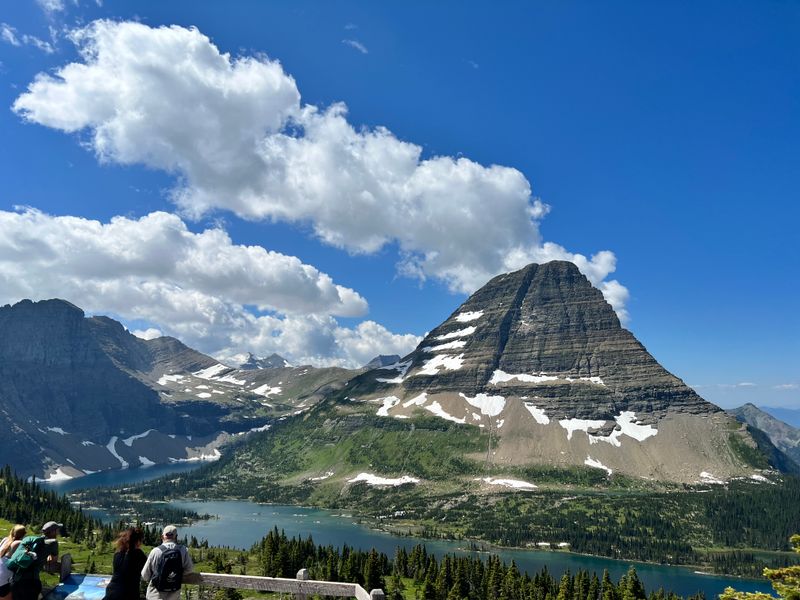
Perched high in the alpine wilderness of Glacier National Park, this stunning lake rewards those willing to make the journey. The trail leading here climbs steadily through wildflower meadows and rocky terrain, offering breathtaking views of surrounding peaks.
Mountain goats often graze near the shoreline, completely unbothered by human visitors. The water shimmers in shades of turquoise and emerald, reflecting the towering cliffs that cradle it.
Summer brings the best hiking conditions, though snowfields can linger into July. Most visitors stop at the overlook, but adventurous souls continue down to the water’s edge. Pack layers since weather changes quickly at this elevation.
The name fits perfectly because reaching this alpine jewel requires effort and planning. Despite its location in a famous park, the hike keeps casual tourists away, preserving its peaceful atmosphere and wild character.
2. Hidden Lake, North Cascades, Washington
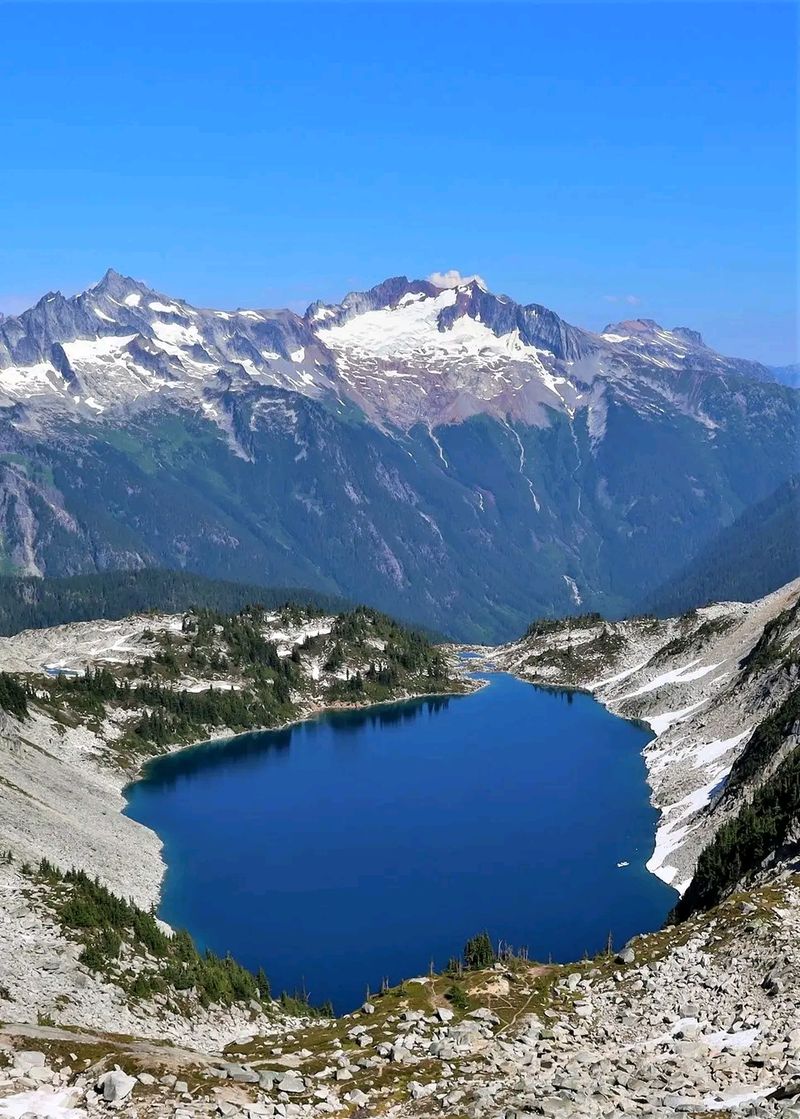
Tucked deep within Washington’s North Cascades, this remote lake sees far fewer visitors than its more famous neighbors. Getting here means committing to a challenging backcountry trek through dense forest and steep switchbacks. Your efforts pay off with views that seem almost unreal.
Towering evergreens frame the shoreline while jagged peaks rise dramatically in every direction. The water stays cold year-round, fed by melting snow and underground springs. Silence reigns here, broken only by birdsong and the occasional splash of jumping fish.
Experienced backpackers often camp overnight to fully soak in the tranquility. Black bears roam these woods, so proper food storage is essential. Mosquitoes can be intense during early summer, making bug spray a must-have item.
Few people even know this lake exists, making it a true wilderness escape. The journey demands respect for nature and solid outdoor skills.
3. Fisher Lake, Sylvania Wilderness, Michigan
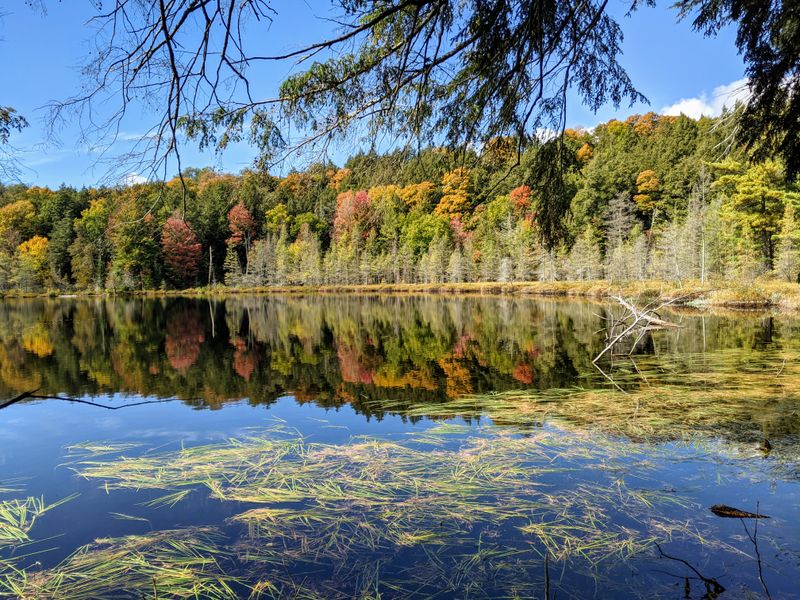
Protected within Michigan’s Sylvania Wilderness, Fisher Lake embodies what wilderness lakes should be. Old-growth forests surround the water, creating a cathedral of towering trees that have stood for centuries. Silence wraps around you like a blanket the moment you arrive.
No motors disturb the glassy surface, preserving the peaceful atmosphere that draws people here. Canoes and kayaks glide silently across the water, allowing paddlers to approach wildlife without causing alarm. Loons call hauntingly across the lake, their voices echoing through the trees.
The water runs incredibly clear, revealing sandy bottoms and submerged logs below. Fishing enthusiasts find excellent opportunities for bass and northern pike. Designated campsites dot the shoreline, offering primitive camping experiences under starlit skies.
Federal wilderness protections ensure this lake will remain unspoiled for future generations. The lack of development might disappoint comfort-seekers, but nature lovers find it absolutely perfect.
4. Deer Island Lake, Sylvania Wilderness, Michigan
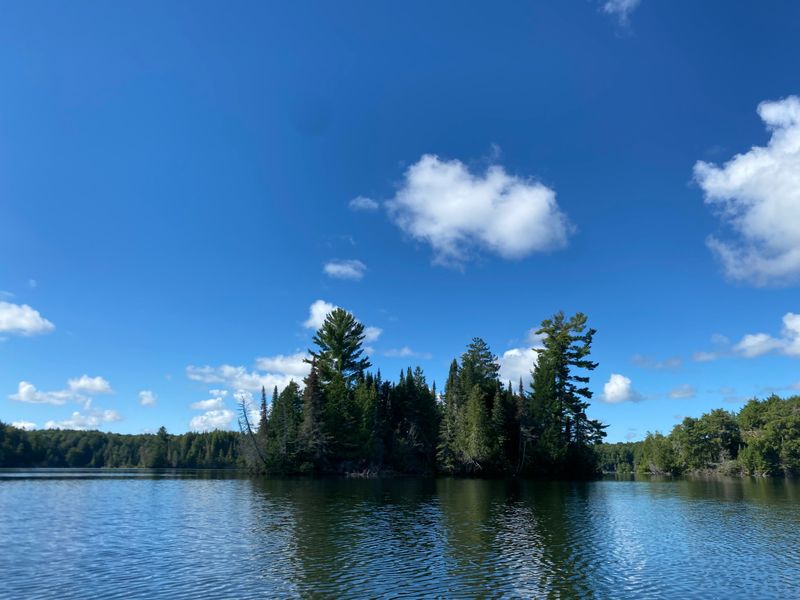
With a heart as peaceful as its surroundings, Deer Island Lake offers genuine seclusion in Michigan’s protected wilderness. A small island sits in the middle, giving the lake its memorable name and creating a distinctive landmark. Paddle out to explore it, and you might spot deer tracks along the muddy banks.
Motor-free rules keep the atmosphere calm and quiet, perfect for meditation or simply unplugging from daily stress. The surrounding forest teems with wildlife, from beavers building dams to eagles soaring overhead. Sunset paints the sky in brilliant oranges and pinks that reflect perfectly on the still water.
Anglers appreciate the healthy fish populations thriving in these protected waters. The lake connects to other bodies of water through narrow channels, allowing adventurous paddlers to explore an entire network. Camping here means falling asleep to the sounds of nature instead of traffic.
This spot truly delivers on the promise of wilderness solitude.
5. Loon Lake, Sylvania Wilderness, Michigan
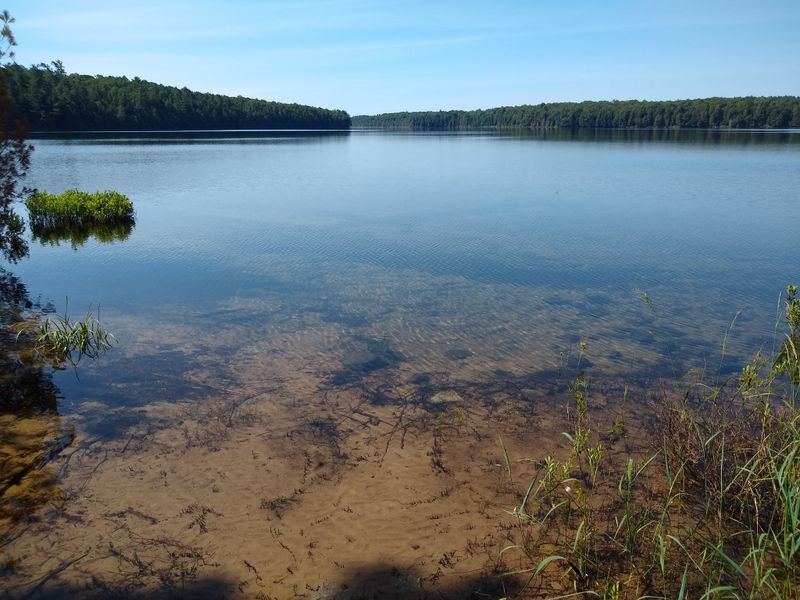
Named for the haunting calls that echo across its waters, Loon Lake lives up to its title beautifully. These magnificent birds return each spring to nest and raise their young along the protected shoreline. Watching them dive and resurface with fish never gets old, no matter how many times you witness it.
The same wilderness protections that safeguard its neighbors apply here, ensuring permanent tranquility. Crystal-clear water invites swimming on warm summer days, though the temperature stays refreshingly cool. Massive white pines tower overhead, some reaching heights that make you crane your neck to see their tops.
Primitive campsites offer basic amenities while maintaining that authentic wilderness feel. Paddling around the lake reveals hidden coves and quiet corners perfect for fishing or simply floating. The lack of motorized boats means your paddle strokes become the only sound breaking the silence.
Nature photographers find endless subjects here, from morning mist to wildlife portraits.
6. Clark Lake, Gogebic County, Michigan
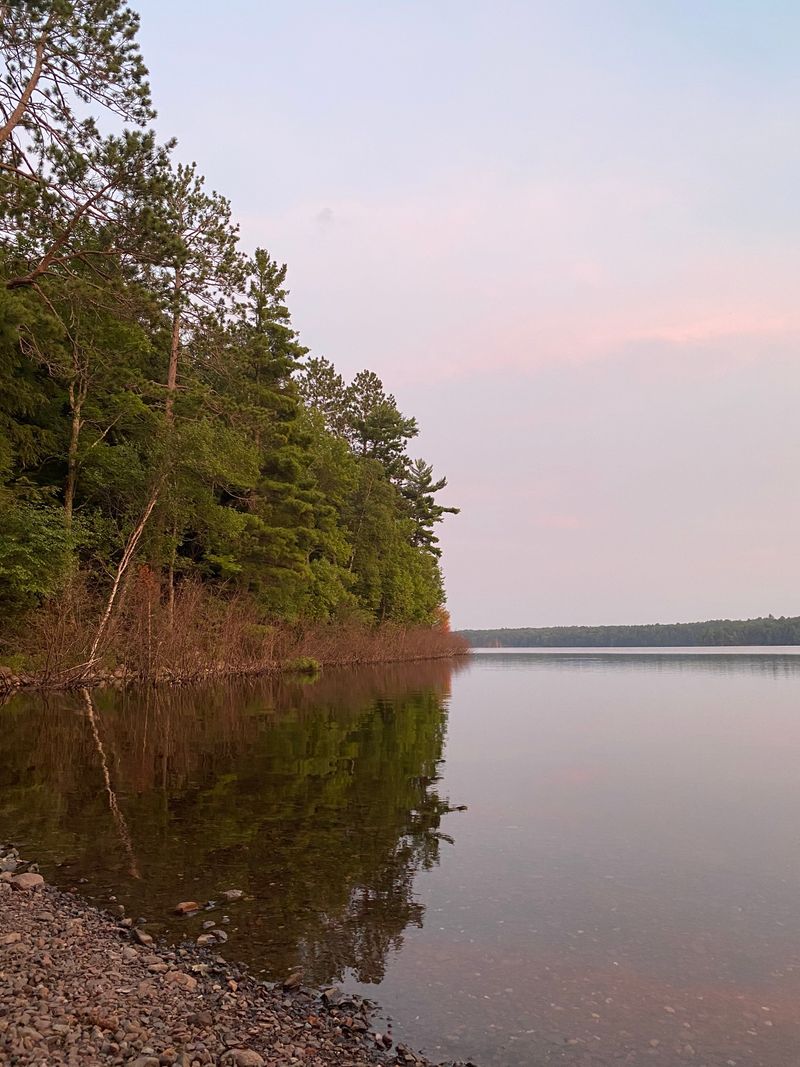
Less famous than Michigan’s tourist favorites, Clark Lake delivers that authentic wilderness feel without the crowds. Located in Gogebic County near the Wisconsin border, it remains relatively unknown outside the local area. That obscurity works in favor of visitors seeking genuine peace and quiet.
Dense forests press right up to the water’s edge, creating a sense of complete immersion in nature. The lake bottom features a mix of sand and rock, with depths varying from shallow bays to deeper central areas. Wildlife sightings happen regularly, including deer coming down to drink at dawn and dusk.
Small boats work best here since there are no major launches or facilities. The lack of development means bringing everything you need, from food to first aid supplies. Fall transforms the surrounding woods into a blaze of color that reflects magnificently on the water.
Local anglers guard this spot jealously, knowing it offers excellent fishing without the competition found elsewhere.
7. Loch Eileen, Washington
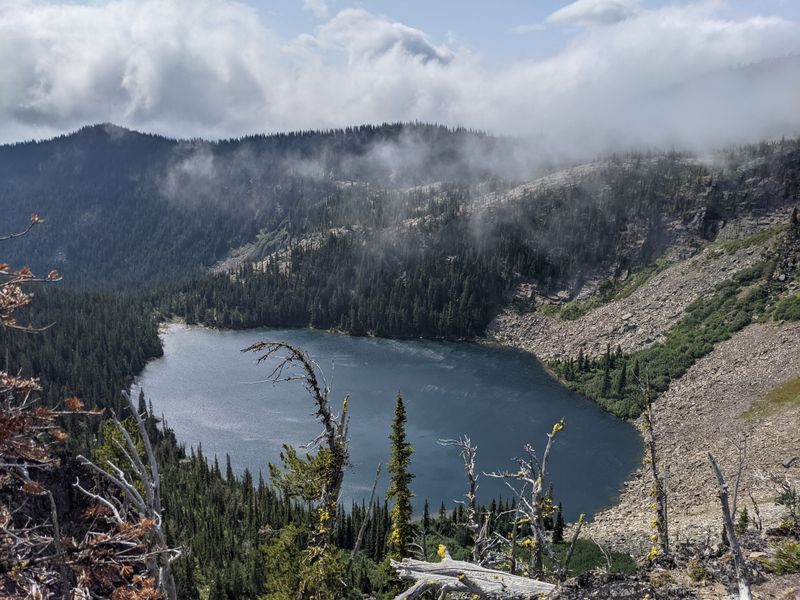
Backpackers treasure this alpine gem tucked away in Washington’s mountain wilderness. Reaching Loch Eileen requires dedication and strong legs, but the reward justifies every uphill step. The trail winds through ancient forests before breaking into open meadows dotted with wildflowers.
Scottish-inspired naming gives this lake a romantic quality that matches its stunning beauty. Granite cliffs rise dramatically from the far shore, their faces streaked with mineral deposits. The water maintains a deep blue color that seems almost artificial in its intensity.
Few casual tourists make it this far, keeping the area peaceful and pristine. Camping near the shore means waking to mountain views that take your breath away. Afternoon thunderstorms roll through regularly during summer, so plan accordingly and bring proper rain gear.
The elevation keeps temperatures cool even in July and August. Snow can fall unexpectedly, making this a destination for experienced outdoor enthusiasts rather than beginners. Solitude seekers find exactly what they are looking for here.
8. Forget-me-not Lakes, Wyoming
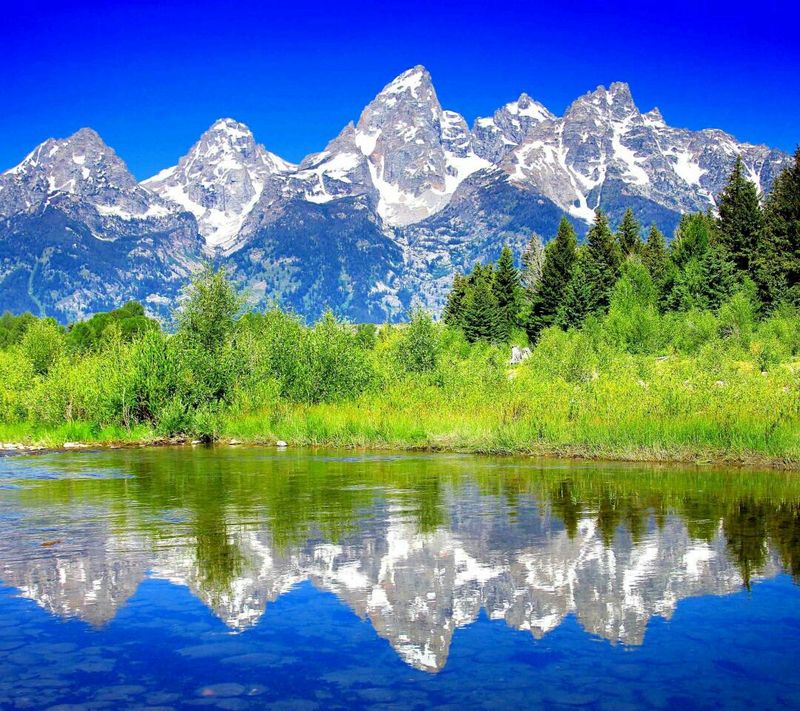
Did you know these alpine lakes got their name from the tiny blue wildflowers that bloom around their shores each summer? Hikers who make the journey understand why the name fits so perfectly. The stunning beauty of these high-elevation waters stays with you long after you return home.
Multiple small lakes cluster together in a rocky basin, each one offering slightly different views and character. Snowmelt feeds them throughout the season, keeping the water frigid and crystal-clear. Mountain peaks surround the area, creating a natural amphitheater of stone and sky.
The trail leading here challenges even fit hikers with steep grades and high altitude. Bring plenty of water and snacks since this journey burns serious calories. Wildlife includes pikas, marmots, and occasionally mountain goats navigating the rocky terrain.
Most people visit during July and August when snow has melted enough for safe passage. Afternoon clouds often build up, sometimes bringing brief showers or hail. The remoteness ensures you will likely have these lakes mostly to yourself.
9. Ice Lake, San Juan Mountains, Colorado
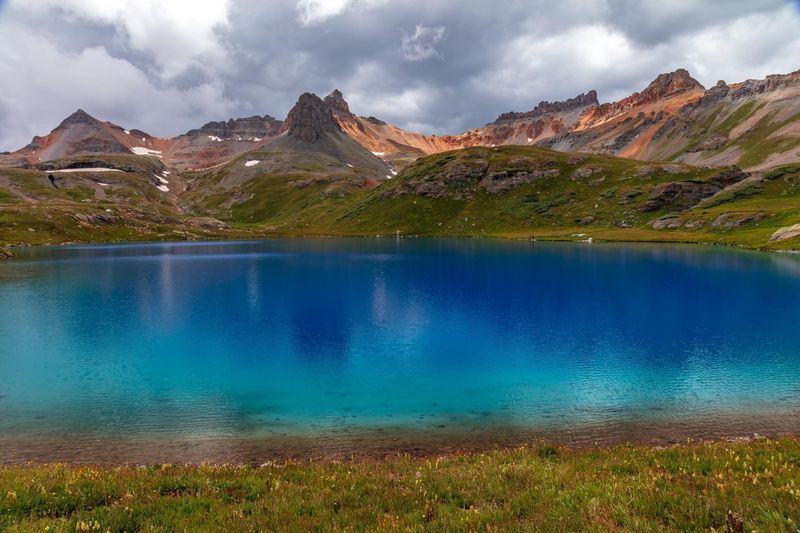
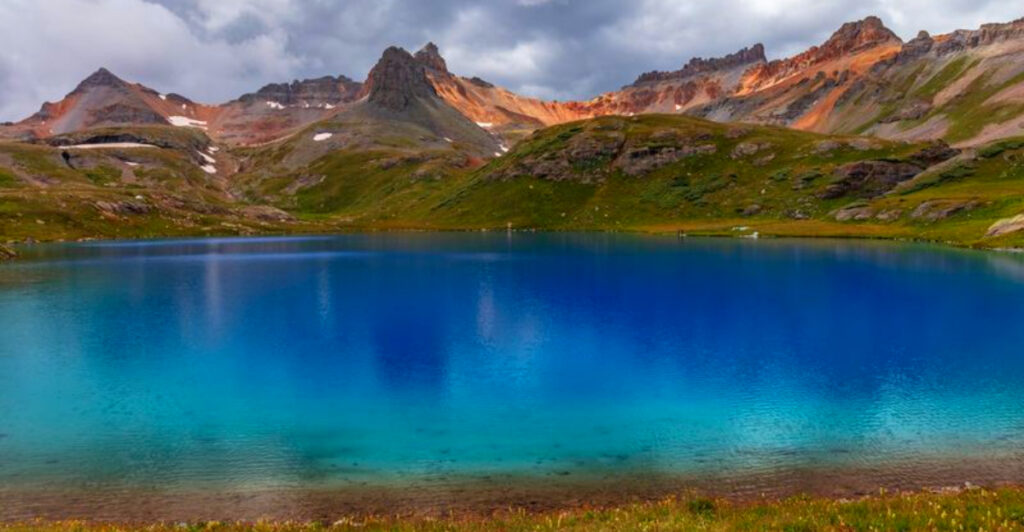
Popular among serious hikers yet still wonderfully remote, Ice Lake dazzles visitors with its otherworldly turquoise color. The vivid hue comes from glacial minerals suspended in the water, creating a shade rarely seen in nature. Surrounding peaks tower overhead, their faces streaked with rust-red and yellow mineral deposits.
The trail gains significant elevation, making this a workout that rewards you with incredible views. Wildflowers carpet the meadows during peak season, adding splashes of purple, yellow, and red to the landscape. Alpine basins like this one showcase Colorado’s high country at its absolute finest.
Summer weekends bring more visitors than weekdays, but the area never feels truly crowded. Arrive early to claim a good spot for photos and exploration. The water stays bone-chilling cold year-round, discouraging all but the bravest swimmers.
Afternoon thunderstorms develop frequently, so start your hike at dawn and plan to descend by early afternoon. This precaution keeps you safe from lightning strikes common at high elevations.
10. Crescent Lake, Olympic National Park, Washington
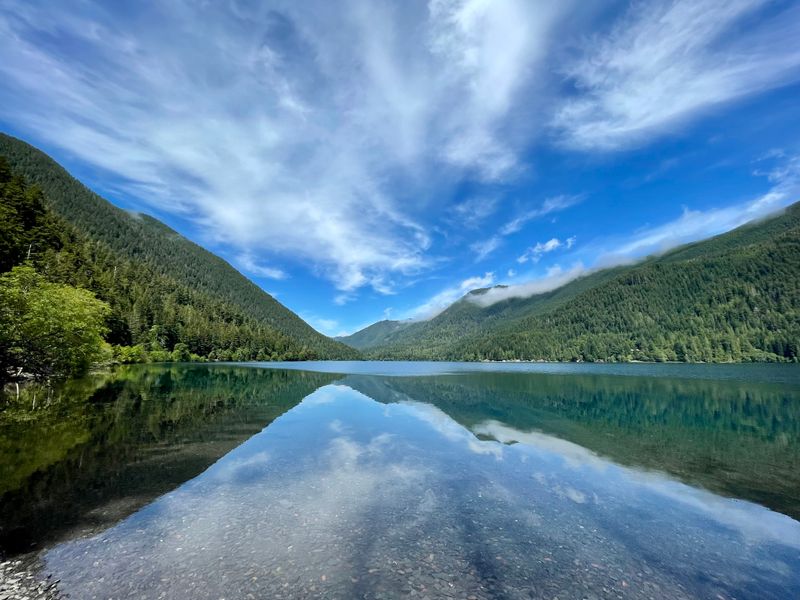
Cradled within the lush rainforests of Olympic National Park, Crescent Lake stretches for miles beneath towering mountains. Unlike many hidden lakes, you can drive right to its shore, making it accessible for families and those with limited mobility. That convenience does not diminish its wild beauty one bit.
The lake formed thousands of years ago when glaciers carved out the valley, leaving behind this deep, clear basin. Ancient trees crowd the shoreline, their branches draped with moss and ferns. Storm King Mountain rises dramatically from the southern shore, its peak often shrouded in mist.
Kayaking and canoeing offer the best ways to explore the quieter corners away from the main access points. Trout fishing draws anglers hoping to land a big one. A historic lodge sits on the shore, offering rustic accommodations for those wanting to linger overnight.
The combination of accessibility and genuine natural beauty makes this lake special. You get wilderness atmosphere without requiring extreme fitness or backcountry skills.
Share this story