 Unearth The Voyage
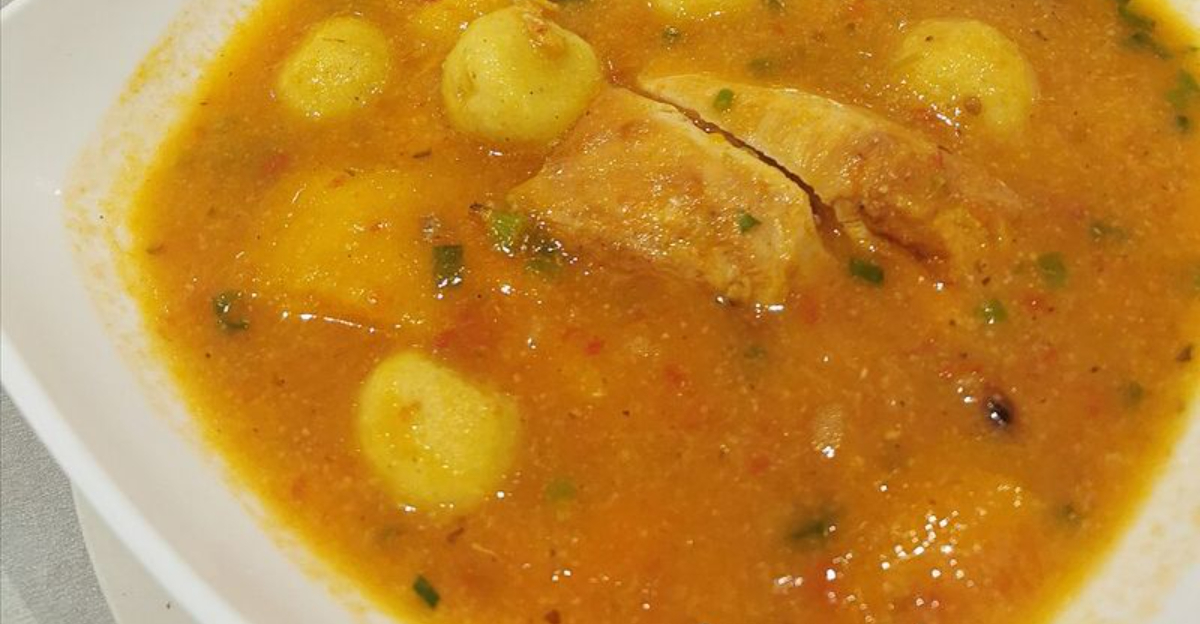
A Paraguayan soup just won the title of the world’s best dish, beating out famous favorites like Neapolitan pizza and thousands of other contenders. Vori-vori, a hearty combination of chicken, vegetables, and corn dumplings, earned its crown through nearly half a million reviews on Taste Atlas. Most people have never even heard of it, let alone tasted it, but food lovers around the globe are now rushing to discover what makes this humble soup so special.
1. The World’s Best Dish Comes From Paraguay
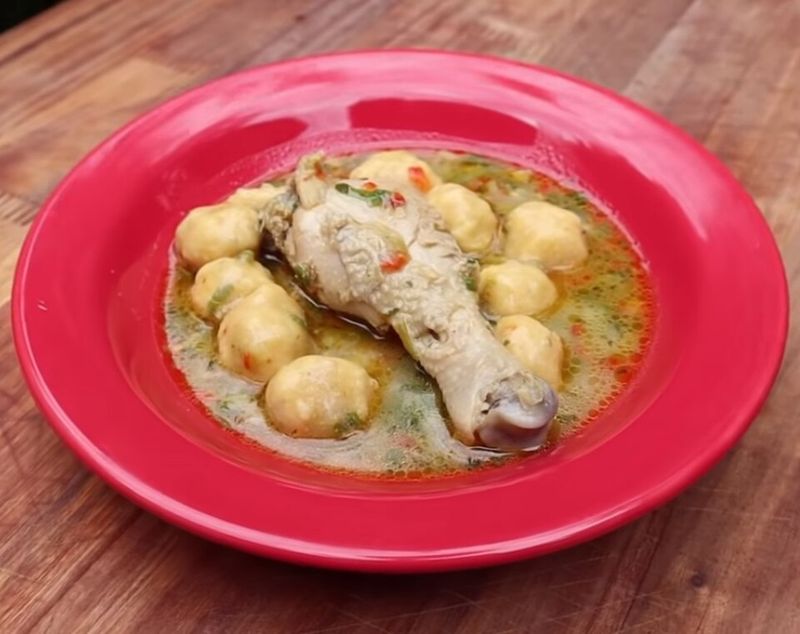
Vori-vori, a traditional Paraguayan soup, claimed the top spot on Taste Atlas’ global ranking. This humble dish beat out thousands of competitors from every corner of the planet. Paraguay, a landlocked country in South America, isn’t usually the first place people think of when discussing world-class cuisine.
Yet this small nation delivered a winning recipe that captured the hearts and taste buds of reviewers worldwide. The soup represents centuries of culinary tradition passed down through generations. Its victory puts Paraguayan cooking on the international map in a big way.
Food experts were surprised by the outcome, expecting a more famous dish to win. But vori-vori’s rich flavors and comforting qualities won over even the toughest critics. The announcement sparked curiosity about Paraguayan food culture and inspired travelers to add the country to their bucket lists.
2. Most People Have Never Heard of It
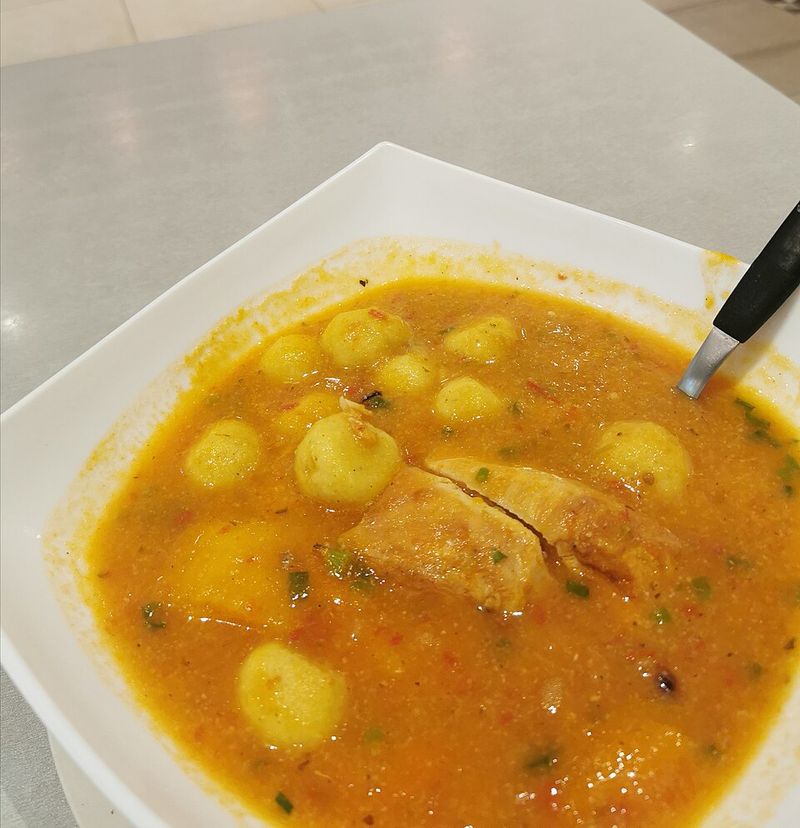
Unlike globally famous dishes such as pizza, sushi, or tacos, vori-vori remains largely unknown outside Paraguay. Ask a hundred people on the street, and chances are none of them could describe this soup or even pronounce its name correctly. The dish hasn’t spread through restaurant chains or appeared in popular cooking shows.
Its reputation stayed mostly within Paraguay’s borders, shared mainly through word of mouth among locals. Travelers who visited the country and tasted the soup became its unofficial ambassadors. But even their enthusiasm couldn’t match the reach of more commercialized international foods.
This obscurity makes the Taste Atlas ranking even more remarkable and intriguing. The win proves that delicious food doesn’t need fancy marketing or celebrity chefs to be exceptional. Sometimes the best flavors hide in unexpected places, waiting for adventurous eaters to discover them and share their experiences with the world.
3. The Ranking Is Based on Nearly Half a Million Reviews
Taste Atlas analyzed an impressive 453,720 user reviews and ratings to determine the winner. This massive collection of opinions came from food lovers, travelers, and culinary experts from around the world. Each person shared their honest experience with dishes they had tried during their travels or in local restaurants.
The sheer volume of reviews makes this ranking particularly trustworthy and comprehensive. Unlike lists created by a handful of judges, this one reflects the collective taste of hundreds of thousands of real diners. Every review counted equally, whether from a professional food critic or an everyday traveler.
The platform spent considerable time gathering and verifying these ratings to ensure accuracy. They filtered out fake reviews and spam to maintain the integrity of the results. This democratic approach to ranking food gives lesser-known dishes like vori-vori a fair chance to shine based purely on merit and flavor.
4. Over 11,700 Dishes Were Evaluated
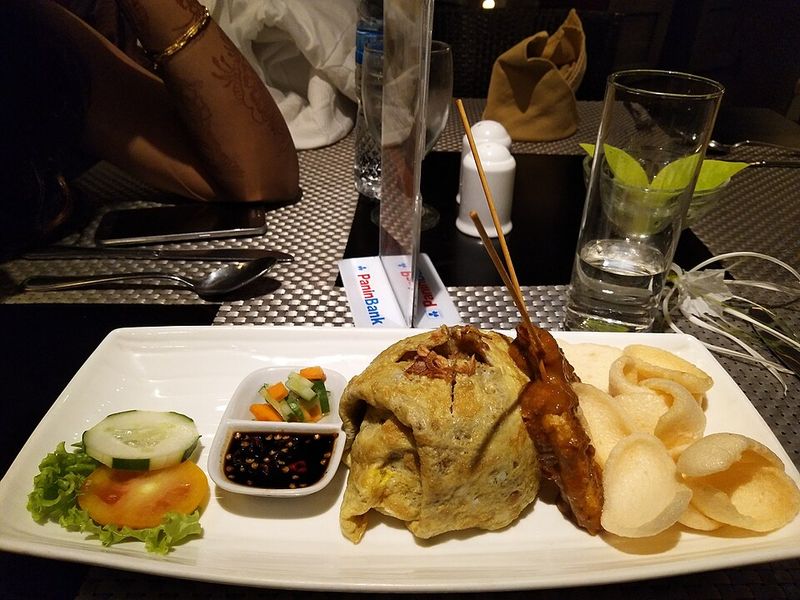
A staggering total of 11,781 dishes competed for the title of world’s best. This number represents an incredible diversity of culinary traditions from every inhabited continent. From street food to fine dining, from ancient recipes to modern fusion creations, the competition included them all.
Organizing and comparing such a vast array of dishes required sophisticated systems and careful categorization. The platform had to account for regional variations, cooking methods, and ingredient availability. Each dish received fair consideration regardless of its country’s size or economic power.
This comprehensive approach ensures that the ranking truly reflects global cuisine rather than just popular Western favorites. Small countries with rich food traditions finally got recognition alongside culinary powerhouses like Italy and France. The massive scope of evaluation makes vori-vori’s victory even more impressive, as it outperformed nearly twelve thousand other worthy contenders from around the world.
5. Vori-Vori Is a Hearty Soup
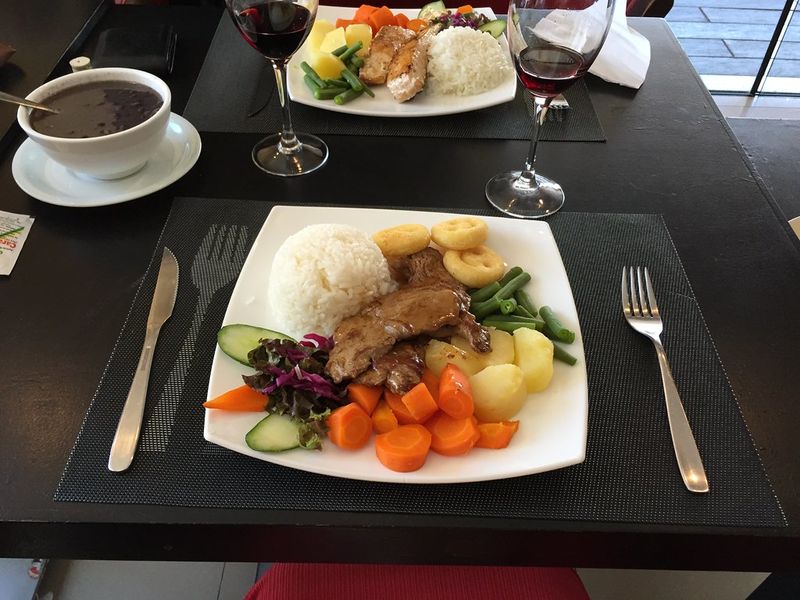
The dish combines chicken, vegetables, herbs, and cornmeal dumplings in a rich, flavorful broth. Every spoonful delivers a satisfying mix of textures and tastes that warm you from the inside out. The chicken provides protein and depth, while fresh vegetables add color and nutritional value.
Herbs like parsley and oregano infuse the broth with aromatic qualities that make your mouth water. The soup isn’t thin or watery but rather thick and substantial, almost like a stew. It’s the kind of meal that sticks to your ribs and keeps you full for hours.
Families often prepare large pots to share during gatherings or Sunday dinners. The cooking process fills homes with inviting smells that draw everyone to the kitchen. Each region of Paraguay adds its own twist, but the core elements remain consistent, creating a dish that’s both comforting and exciting to eat.
6. Cornmeal Dumplings Are the Star
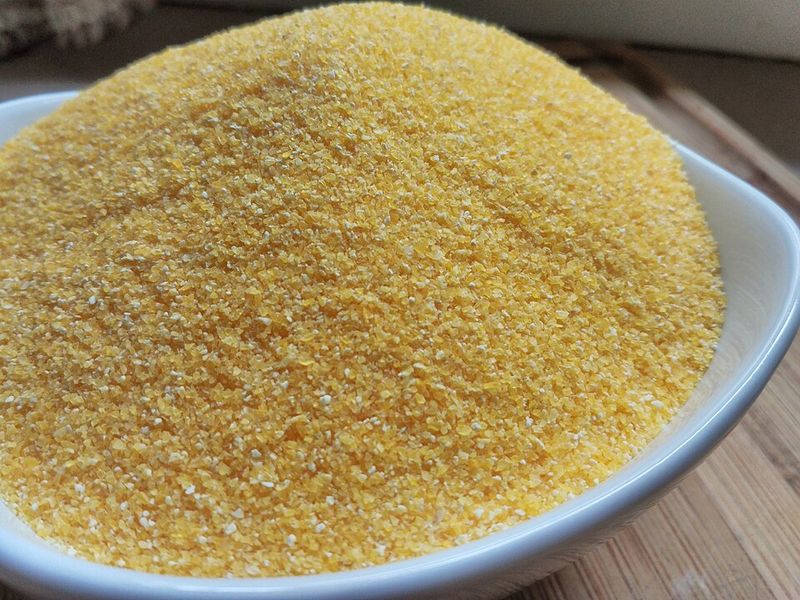
Small balls made from cornmeal and cheese give the soup its signature texture and name. These dumplings, called vori-vori in the Guaraní language, provide the dish with its unique identity. They’re slightly chewy on the outside but soft and creamy inside, creating a delightful contrast.
The cheese melts slightly during cooking, adding richness to each bite. Making the dumplings requires skill, as the dough must be just the right consistency. Too dry and they’ll crumble; too wet and they’ll dissolve into the broth.
Experienced cooks can roll dozens of uniform balls in minutes, a skill passed down through generations. The dumplings absorb the flavorful broth while maintaining their shape and texture. They’re not just a filler ingredient but the true highlight of the dish, offering a taste and mouthfeel that’s completely different from wheat-based dumplings found in other cultures’ soups.
7. It Has Deep Indigenous Roots
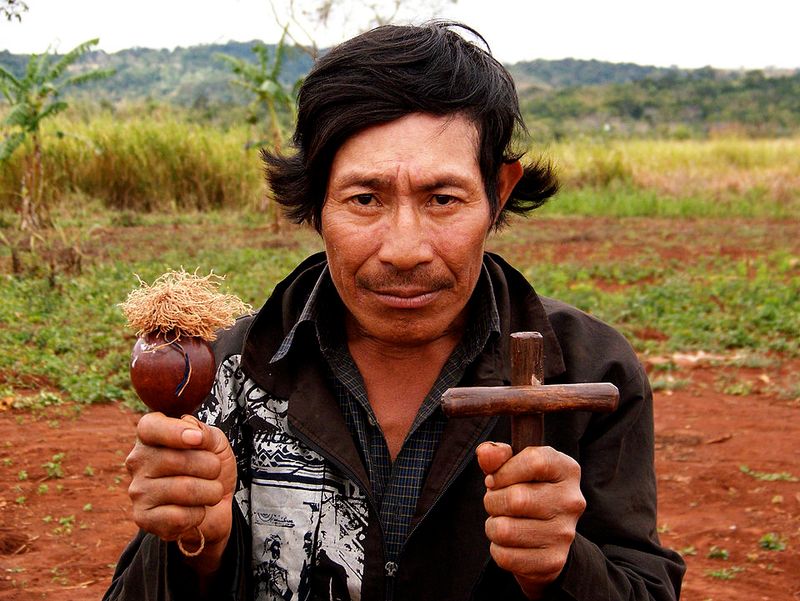
The dish connects directly to the Guaraní people’s long tradition of using corn and poultry in their cooking. Before European colonization, indigenous communities in Paraguay had already developed sophisticated agricultural practices. Corn was a sacred crop, central to both diet and cultural ceremonies.
The Guaraní raised native birds and created various corn-based preparations that sustained their communities. When Spanish colonizers arrived, they introduced chickens and cheese, which locals incorporated into existing recipes. This fusion created what we now know as vori-vori, a perfect example of culinary evolution.
The dish preserves indigenous cooking techniques while embracing new ingredients from other cultures. Many Paraguayans still speak Guaraní alongside Spanish, and the food reflects this bilingual heritage. Eating vori-vori connects modern diners to centuries of history and tradition, making each bowl a taste of living cultural heritage that honors the past while nourishing the present.
8. The Recipe Evolved During Times of Scarcity

Dense corn dumplings were historically used to stretch ingredients when food was limited. During difficult economic periods or poor harvests, families needed creative ways to feed everyone. Adding filling dumplings to a pot of broth made a small amount of chicken feed many mouths.
This practical approach to cooking reflects the resourcefulness of Paraguayan home cooks throughout history. The dish became associated with resilience and making the most of available ingredients. Even when times improved, people continued preparing vori-vori because they had grown to love it.
What started as necessity became tradition and eventually a source of national pride. The soup reminds Paraguayans of their ancestors’ strength during challenging times. Today, even though ingredients are more readily available, the dish maintains its original character, honoring the clever adaptations that helped families survive and thrive through generations of hardship and change.
9. It’s Eaten Across All of Paraguay
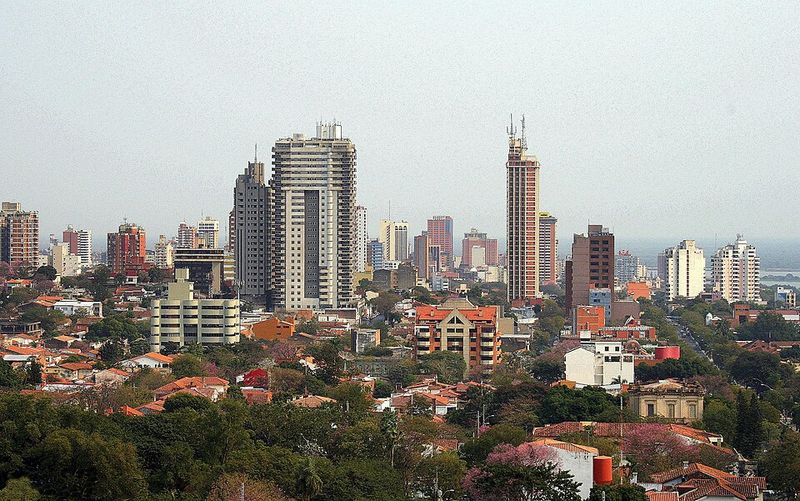
Vori-vori is considered a national staple in both rural and urban households throughout Paraguay. Whether in the capital city of Asunción or a remote village, you’ll find families preparing this beloved soup. It crosses social and economic boundaries, appearing on tables in modest homes and upscale restaurants alike.
Street vendors sell it from carts during lunch hours, while grandmothers prepare it for Sunday family gatherings. The recipe varies slightly from region to region, with some areas adding different vegetables or spices. But the core components remain recognizable everywhere, creating a shared culinary experience.
This widespread popularity demonstrates how deeply the dish is woven into Paraguayan identity. Children grow up eating it and later teach their own kids the family recipe. It’s comfort food that brings people together regardless of their background, serving as an edible symbol of national unity and shared cultural heritage.
10. It’s Often a Main Meal in Winter

The soup is especially popular during colder months due to its filling and warming nature. While Paraguay is generally warm, it does experience cooler weather from May to August. During these months, demand for vori-vori increases dramatically as people seek comfort in hot, substantial meals.
The thick broth and hearty dumplings provide the perfect defense against chilly evenings. Families gather around steaming pots, enjoying the warmth that spreads through their bodies with each spoonful. Restaurants often feature it as a daily special during winter, knowing it will sell out quickly.
The soup’s ability to satisfy hunger for hours makes it ideal for cold days when your body needs extra fuel. Even in moderate temperatures, people crave it for the emotional comfort it provides. The association with warmth and family togetherness has made vori-vori synonymous with cozy winter evenings in Paraguay, though devoted fans enjoy it year-round.
11. Last Year’s Winner Was Neapolitan Pizza
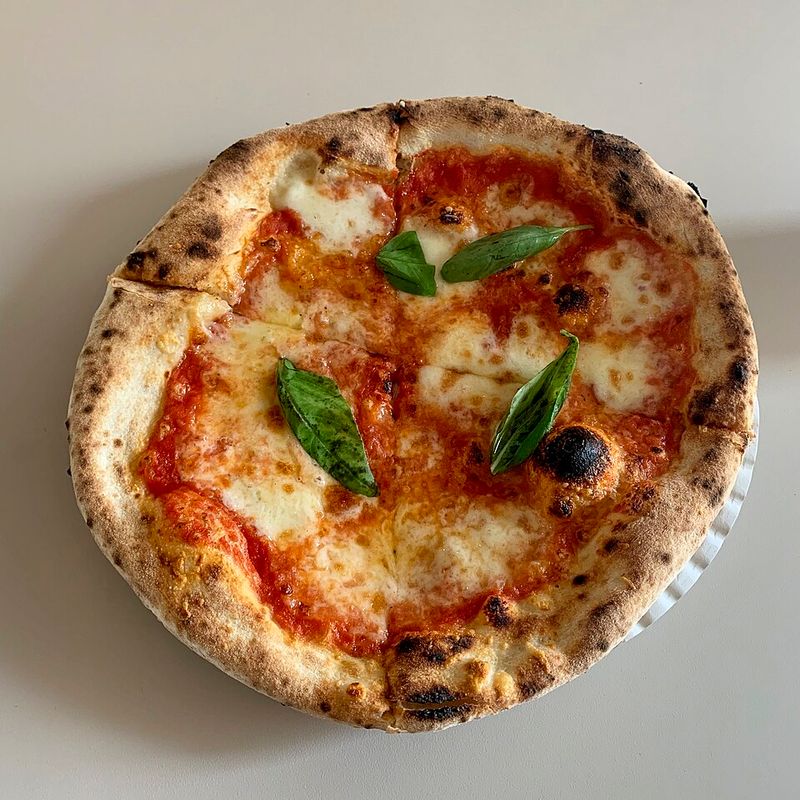
The famous Italian dish dropped to second place in this year’s ranking, losing its crown to vori-vori. Neapolitan pizza, with its thin crust, San Marzano tomatoes, and fresh mozzarella, had seemed unbeatable. It’s recognized worldwide and even has UNESCO World Heritage status protecting its traditional preparation methods.
The pizza’s fall from the top spot shocked food enthusiasts and sparked debates across social media. Some argued that pizza’s global popularity should have kept it in first place. Others celebrated the victory as proof that lesser-known dishes deserve recognition too.
This changing of the guard demonstrates how food preferences evolve and how crowdsourced rankings can produce surprising results. Pizza remains incredibly popular and delicious, but the new champion offers something different and equally special. The shift also highlights how people are increasingly interested in discovering authentic regional dishes rather than sticking only with familiar international favorites they already know.
12. Italy Dominates the Top 10

Multiple Italian dishes made the list, including tajarin al tartufo bianco d’Alba and pappardelle al cinghiale. Despite losing the top spot, Italy’s culinary excellence remains undeniable with several entries in the highest ranks. Tajarin are delicate egg pasta ribbons served with precious white truffles from Alba, a combination that melts in your mouth.
Pappardelle al cinghiale features wide pasta ribbons with rich wild boar sauce, a Tuscan specialty that’s rustic and refined simultaneously. These dishes represent Italy’s regional diversity, as each area contributes unique flavors and techniques. The country’s strong showing reflects centuries of perfecting recipes and using quality ingredients.
Italian cooking emphasizes simplicity and letting natural flavors shine, a philosophy that resonates with food lovers globally. The multiple rankings prove that while vori-vori won this year, Italian cuisine continues dominating international food conversations. This consistent excellence has made Italy a culinary powerhouse whose influence extends far beyond its borders.



