Tucked into eastern Queens, this 47 acre historic farm feels like a deep breath you forgot you needed. You get roaming hens, rows of vegetables, and a colonial farmhouse just a subway plus bus ride from Manhattan. It is the kind of place locals quietly love, where weekends mean goats, hayrides, and farm stand treats. Come curious, leave with dirt under your nails and a calmer mind.
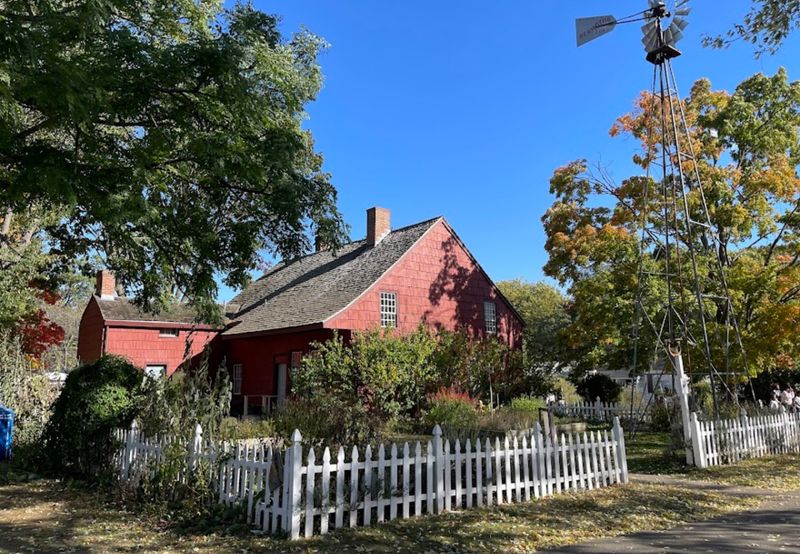
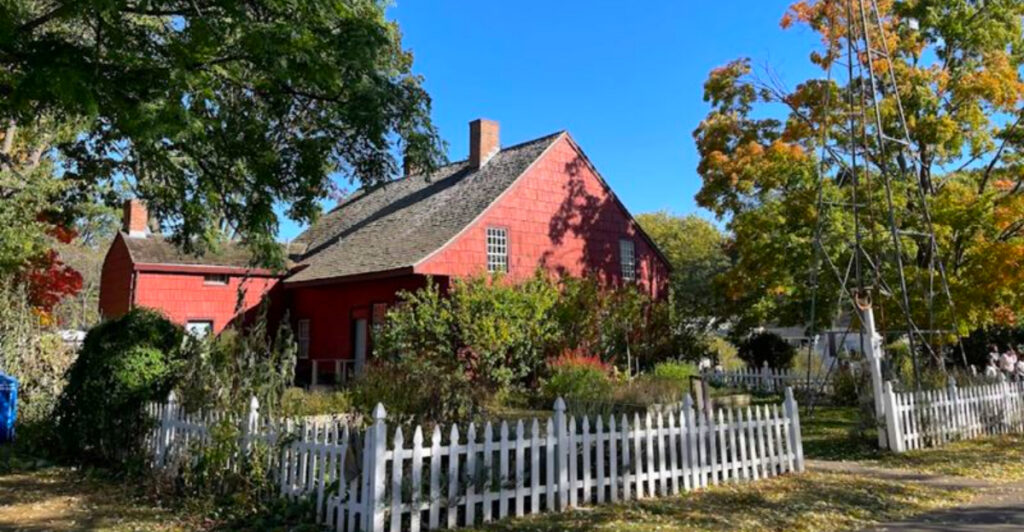
Step into the 1772 Adriance Farmhouse and you will feel time slow down. Guides share stories about Dutch families, hand hewn beams, and the tools that kept this working farm alive. You can run your fingers along wavy glass panes and imagine winter hearths, tight knit suppers, and stubborn Queens winds.
The rooms are modest and practical, yet surprisingly elegant in their simplicity. You learn how crops, livestock, and local trade shaped daily life across centuries. It is not a museum behind velvet ropes, but a home that whispers about chores, patience, and weather.
You will leave noticing details outside too, like hedgerows and field patterns that grew from necessity. The tour connects past to present, making your stroll through the grounds feel purposeful. Ask questions, linger by the fireplace, and let the creak of floorboards tell the rest.
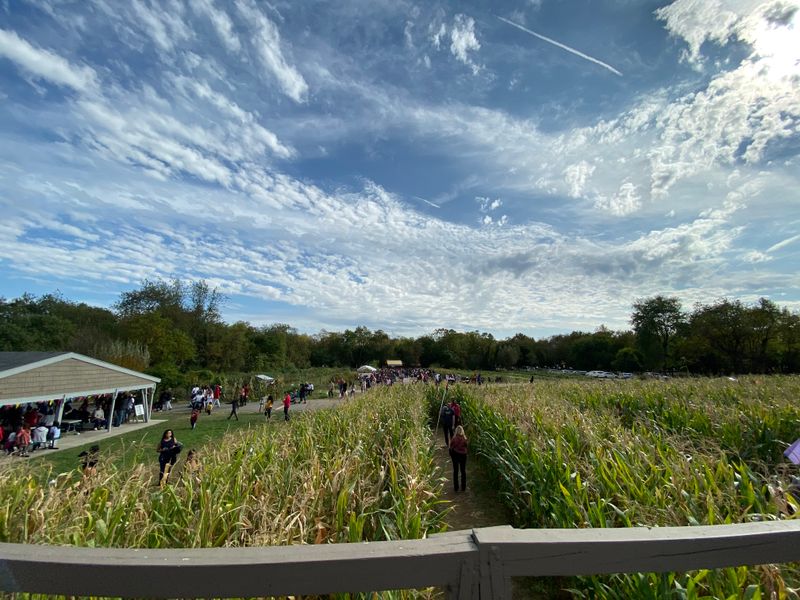
Hop onto the wagon and roll past vegetable rows, orchards, and big sky you did not expect in New York City. The tractor chugs steadily, and suddenly the urban rush fades to bird calls and soft chatter. Children wave to goats while adults breathe easier and watch the landscape unfold.
Seasonal rides highlight what is growing, from pumpkins to hardy greens. Guides point out compost piles, pollinator plantings, and field rotation patterns. Even if you have ridden before, the view shifts with the crops and the light.
Bring a hat, hold onto the rail, and let the breeze do its work. You will get practical tidbits about sustainable practices while simply enjoying the ride. It is an easy, memory making way to see the farm’s 47 acres without missing the subtle details.
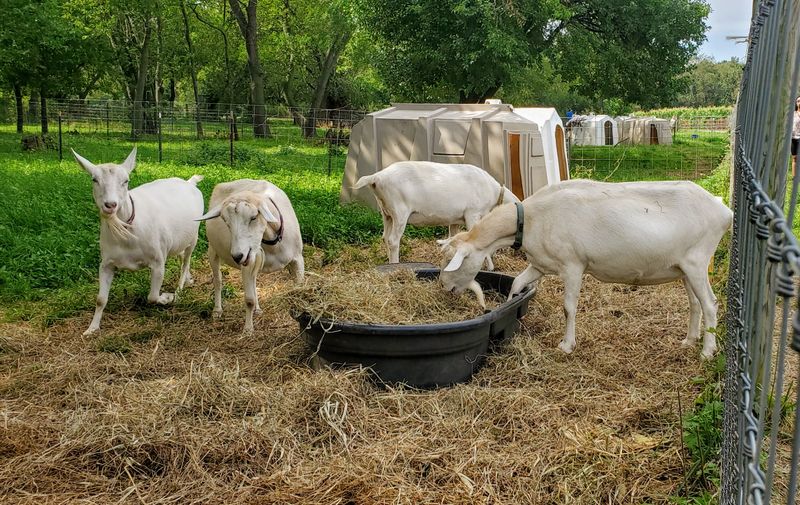
The barnyard is where you will smile without trying. Goats stretch their necks, sheep chew thoughtfully, and chickens fuss in a chorus that makes city noise feel far away. You can observe feeding times and learn why heritage breeds matter to the farm’s mission.
Staff and volunteers share how animals support soil health and educational programs. You will hear how manure becomes compost, and how grazing rhythms shape pastures. The animals are not props, but partners in a working landscape.
Stand quietly and watch personalities emerge, from curious goats to aloof roosters. Keep respectful distance, follow posted signs, and ask what the animals eat through the seasons. Before you leave, notice the barn architecture and the way light slips across straw. It is simple, grounding, and unforgettable.
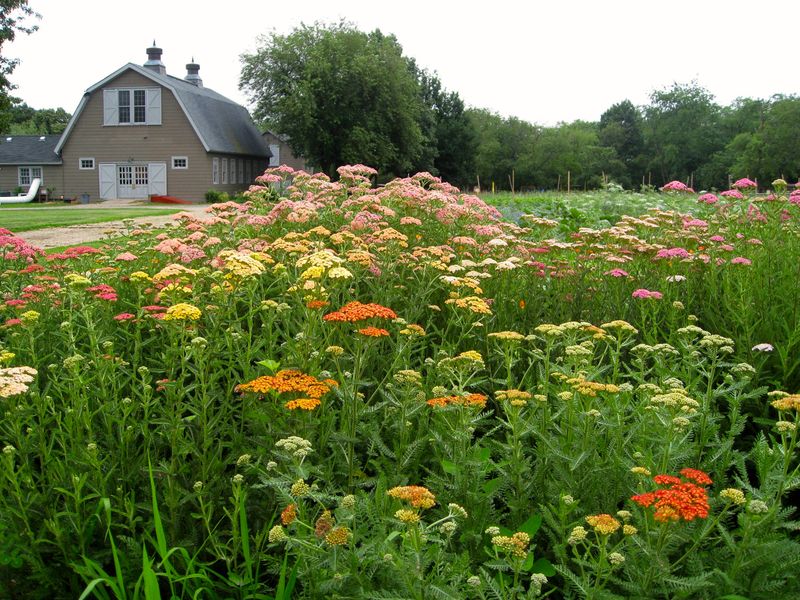
Bring a tote because the farm stand tempts even the most disciplined shopper. You will find seasonal vegetables, eggs, honey, and sometimes flowers that still smell like morning dew. Everything reflects the fields you just walked past, harvested with care and transparency.
Ask staff what is at peak flavor and how to store it. They will happily share simple recipes and storage tips that keep greens crisp and herbs aromatic. Weekends can be busy, so arrive earlier for the best selection.
Nothing beats cooking dinner with ingredients grown steps away. You taste the soil, the weather, and the patience of farmers. Pay attention to unusual varieties that never hit big supermarkets. Trying new produce here feels like a tiny adventure that follows you home and onto your plate.
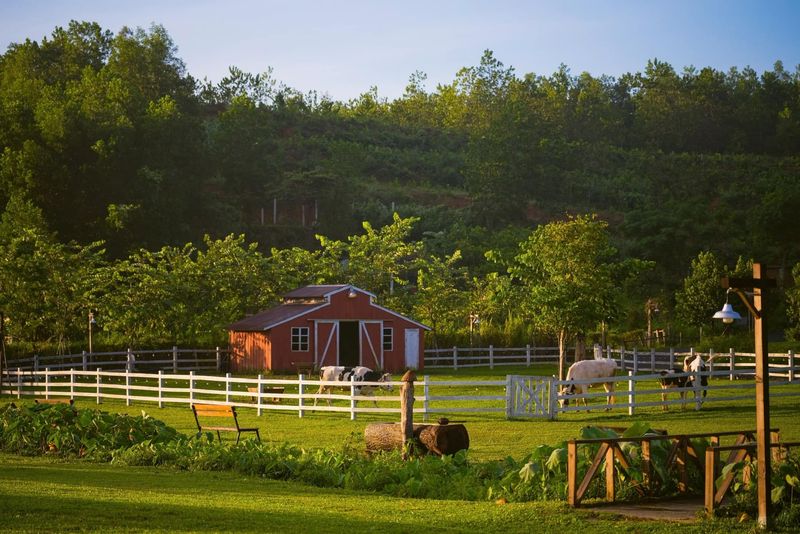
Queens residents bring food scraps here and turn waste into rich, living soil. You can drop off peels and coffee grounds, then see how aerated piles transform with heat and time. Staff explain carbon to nitrogen balance and why finished compost smells like a forest after rain.
It is practical sustainability you can adopt at home. Learn what to include, what to avoid, and how to set up a bin in a small apartment. The program keeps thousands of pounds out of landfills and feeds the farm’s beds.
Watch steam curl from turning piles on cool mornings. You will leave understanding that soil is a community, not dirt. That shift changes how you shop, cook, and garden. It feels empowering to participate in something that begins in a kitchen and blossoms in a field.
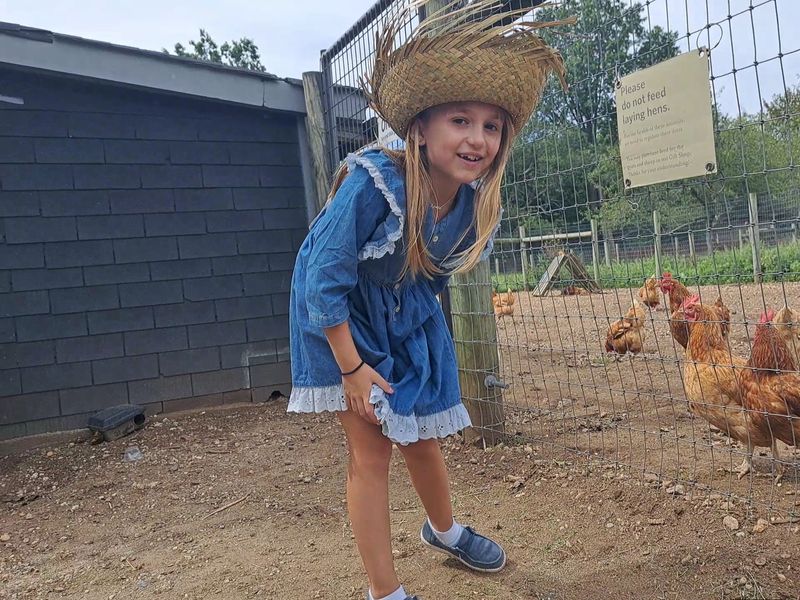
Field trips here do not sit still. Kids dig, plant seeds, and meet animals up close while learning how food systems work. Educators connect science, history, and ecology with hands on moments that stick long after the bus ride home.
Teachers love clear curricula tied to standards, plus activities that adapt to different ages. You can expect soil investigations, plant life cycles, and seasonal tastings. The farm treats curiosity like a muscle worth exercising.
Parents, look for school break programs and summer offerings too. Children leave proud of what they discovered and eager to share it at dinner. That spark can change how families shop and cook. Start early, keep it playful, and let the farm do the heavy lifting.
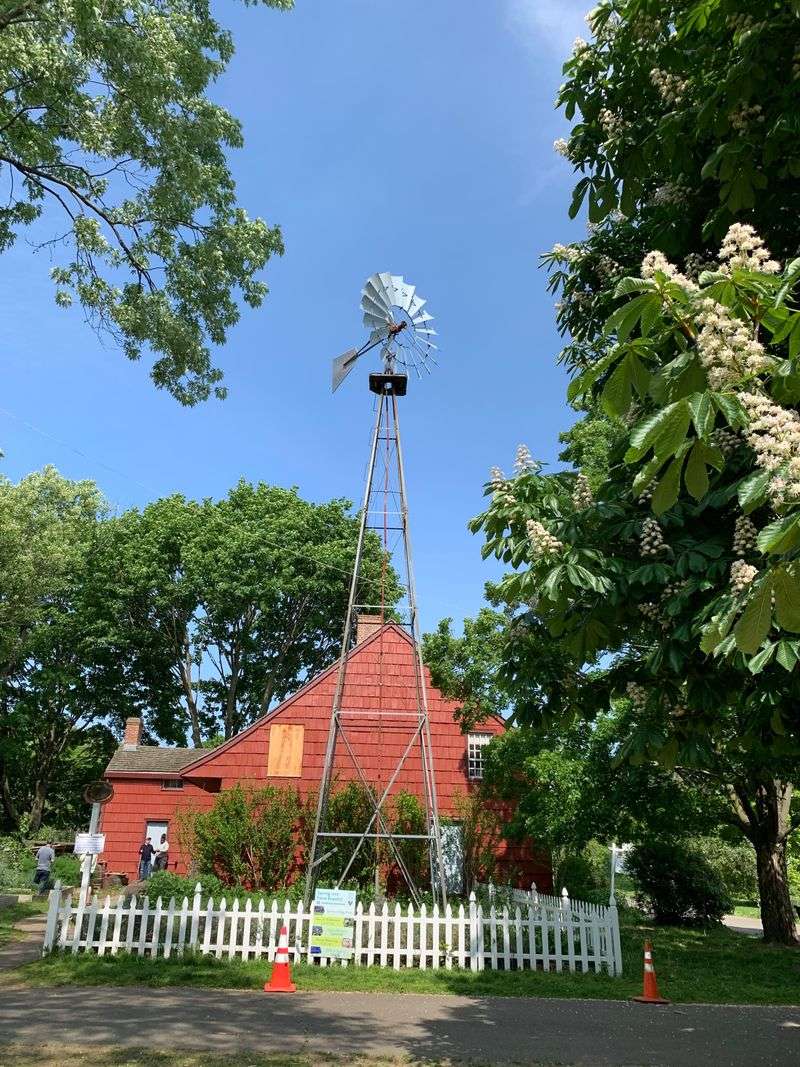
Walk the orchard when petals fall like confetti and you will forget you are in Queens. In spring, blossoms hum with bees. By fall, trees hang heavy with apples, and the air smells like cider dreams.
The orchard frames the farm’s rhythm, showing how pollinators and pruning shape each harvest. Staff can explain varietals and why diversity matters for resilience. Even when trees are bare, silhouettes against winter sky feel poetic and clean.
Bring a camera, move slowly, and notice the understory plantings supporting beneficial insects. You will start seeing patterns in color, texture, and light. That eye for detail follows you through the rest of the grounds. It is a gentle masterclass in patience that tastes wonderfully sweet.
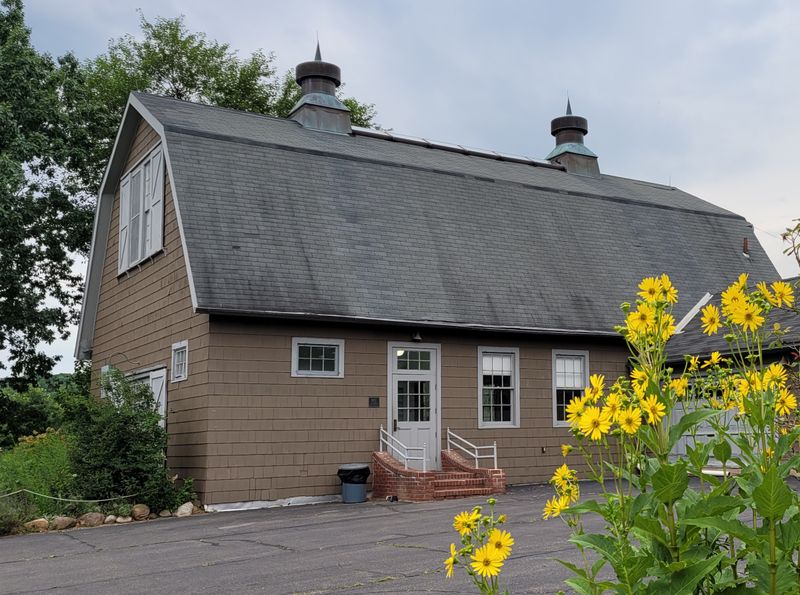
When the sunflower maze opens, it is pure gold. Towering stems turn their faces to the sun, and paths weave just enough to make you laugh at your own sense of direction. Kids run ahead while you frame that perfect shot.
This is where phones come out, but do not forget to simply look up. The scale is joyful, the color impossible to fake. Staff manage crowds kindly, so be patient and let everyone get their moment.
Wear comfortable shoes and mind the bees who are busy at work. You will leave with bright photos and brighter moods. It is a short, sweet detour that proves wonder can be planted and scheduled, yet still feel spontaneous.
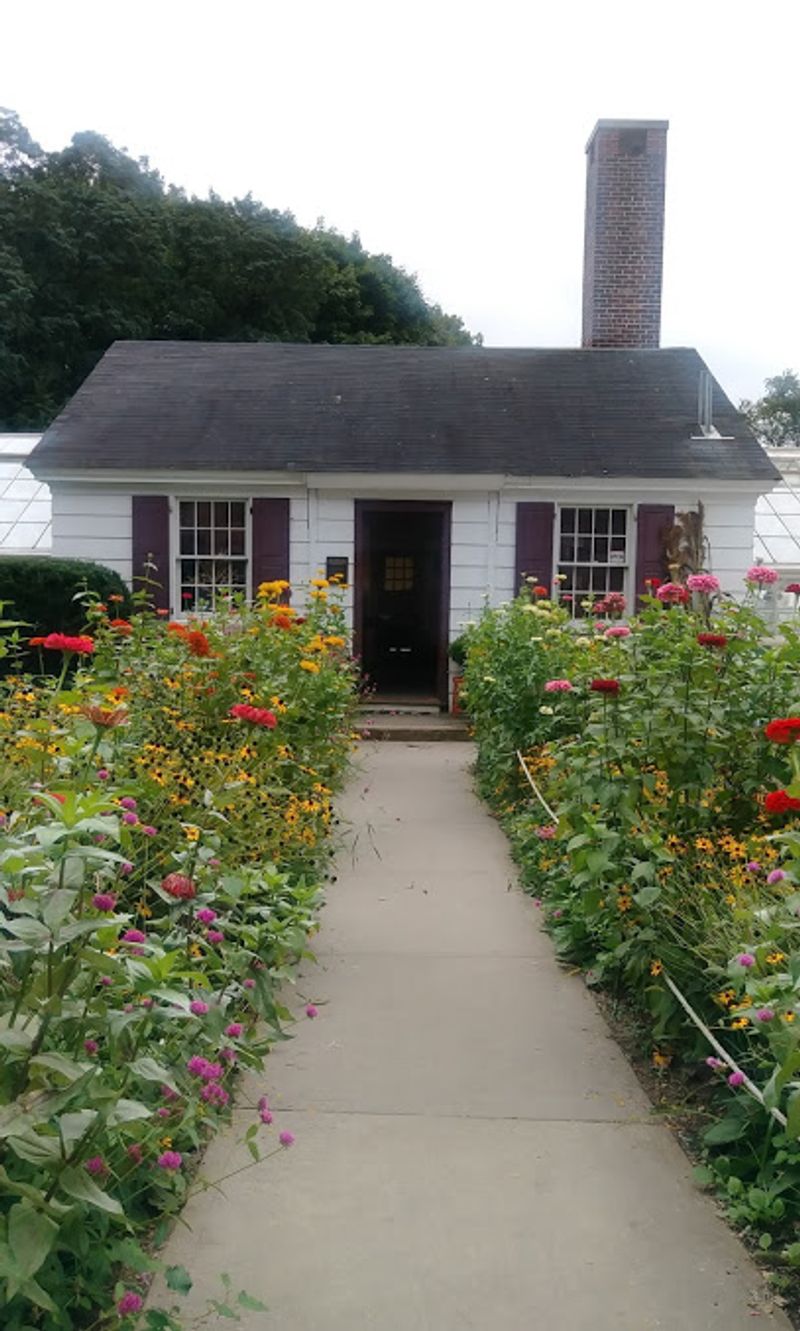
Honeybees are tiny farmers here. You can spot hives from a respectful distance and learn how colonies support the orchard and vegetable fields. Staff explain nectar flows, hive health, and why planting native flowers on balconies helps.
Pollinator gardens buzz with life from spring to fall. Signs identify plants so you can remember them at the nursery. It is satisfying to connect your own window box to the farm’s bigger ecosystem.
Ask about workshops or talks if you want to dive deeper. You will come away appreciating bees as neighbors, not nuisances. The honey tastes of clover and a little city grit, and somehow that feels honest. Sweetness with a story you can support.
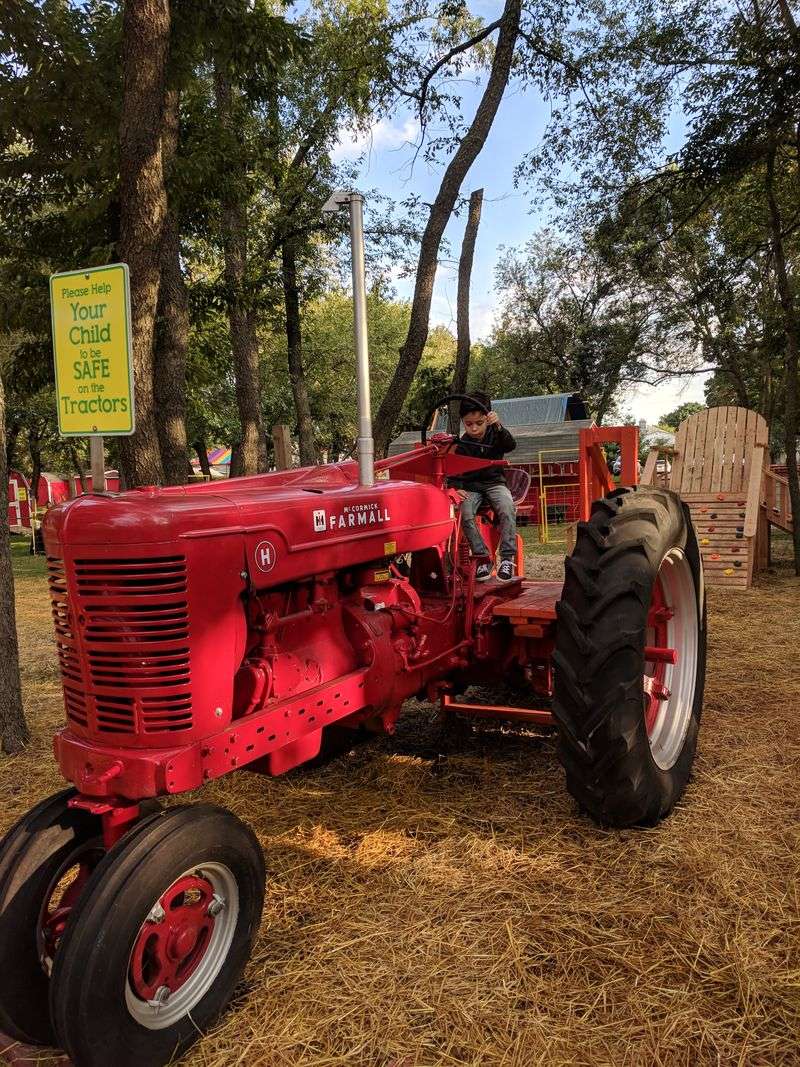
Watch staff prep beds and you will learn more than any gardening book taught you. From broadforks to seeders, the tools and techniques are efficient without losing soul. Soil fluffs, rows straighten, and a field becomes intention.
These demonstrations demystify timing, spacing, and irrigation. You will hear why crop rotation matters and how cover crops build fertility. It is practical knowledge you can adapt to a balcony or community plot.
Stand back, observe the rhythm, then try a tool if offered. You will understand the quiet choreography that brings carrots to your table. Farming looks simple from afar, but up close it is measured, sweaty poetry. Respect grows with every pass down the row.
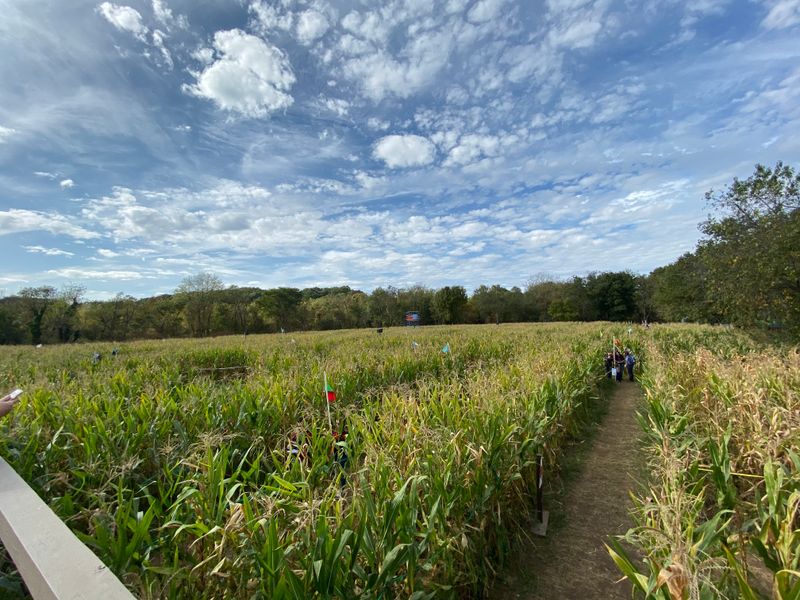
Look closely and you will notice unusual beans, colorful corn, and tomatoes with names you will want to Google later. The farm grows heritage varieties to preserve flavor, history, and resilience. Seed saving ties seasons together, ensuring next year remembers this one.
Staff might show how to ferment tomato seeds or dry beans for storage. Labels and logs keep stories alive, from immigrant gardens to regional favorites. It is living culture you can taste.
Ask which varieties thrive on balconies or small plots. You will leave with new favorites and a respect for seeds as time capsules. Plant a packet at home and you are suddenly part of the farm’s extended family, sharing flavor across boroughs.
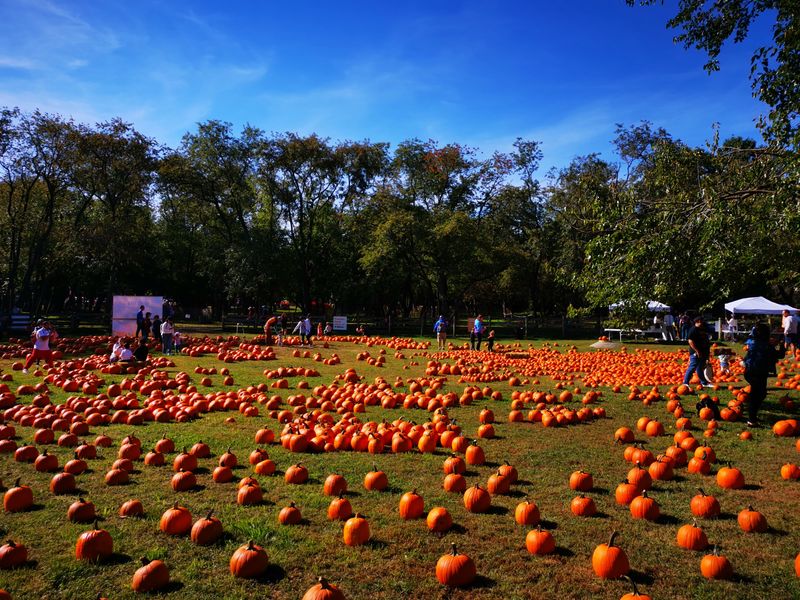
Mark your calendar for the big days. From fall harvest weekends to spring plant sales, the farm knows how to throw a celebration that still feels grounded. Music, hayrides, pumpkins, and local vendors create a mood that attracts families and date nights alike.
Lines can be long, but staff keep things moving and friendly. You can snack on seasonal treats, pick up seedlings, and catch demos between sets. It is the sweet spot where city energy meets country patience.
Dress for weather and bring cash just in case. You will head home buzzing, with a bag of something green or a pumpkin you swear has personality. Traditions start here without trying too hard. That is the magic.
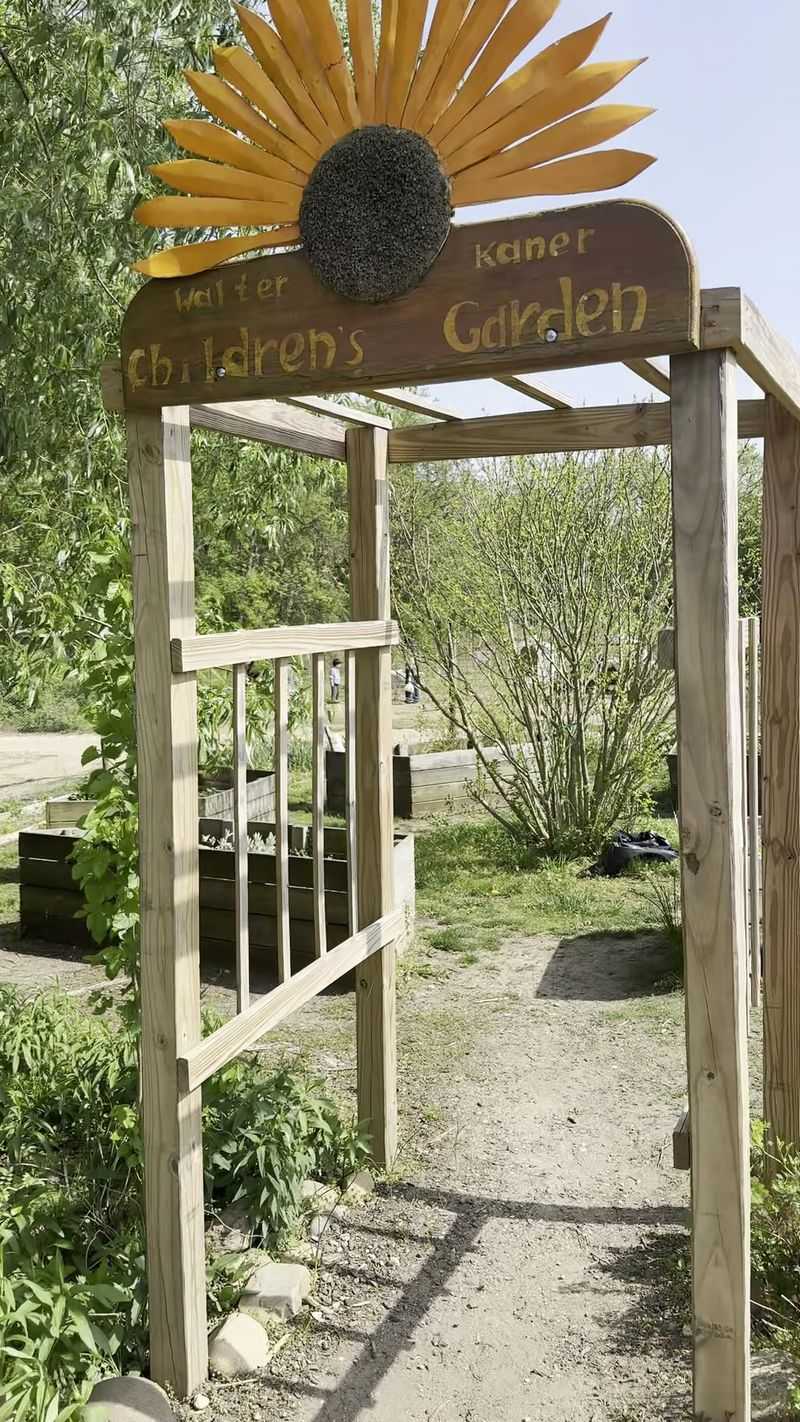
Slip away from the barnyard and you will find quiet lanes edged with hedgerows. Birds flit, leaves whisper, and your shoulders drop a notch. These paths give space to decompress while staying close to the heart of the farm.
Hedgerows are habitat and windbreak, not just pretty borders. They shelter beneficial insects and lend structure to fields. You start seeing farming as a mosaic of edges, not just rows.
Walk slowly, stay on paths, and notice how light changes from morning to late afternoon. You will catch small dramas like spiderwebs catching dew. It is a reminder that restoration happens in tiny, repeatable moments. Bring that pace back to your week.
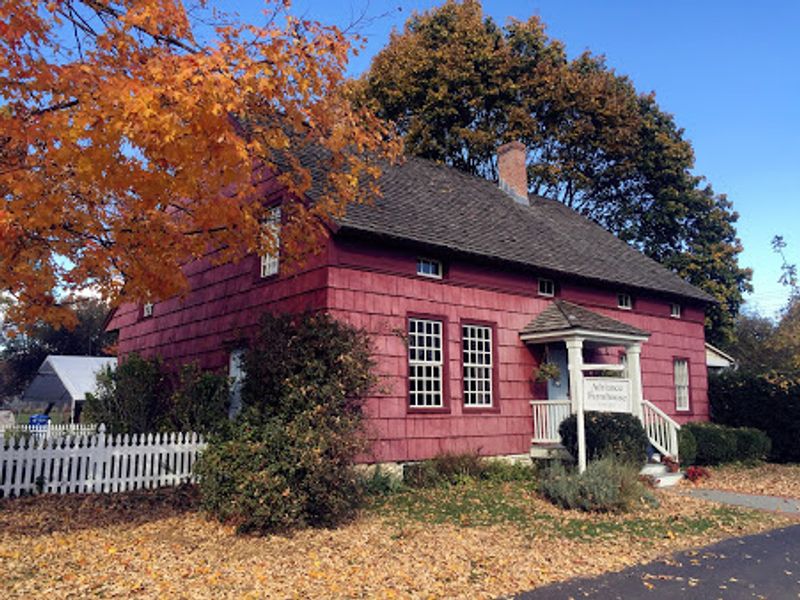
Peek into the farmhouse kitchen and you can almost hear chopping boards and kettle whistles. The hearth anchors the room, a practical heart of colonial life. Tools are simple, sturdy, and thoughtfully placed.
Interpretive talks connect recipes to seasons and storage. Root cellars, preserved fruits, and careful planning kept families fed through long winters. You will appreciate your modern fridge a little more, but also crave slow simmered soup.
Details matter here, from iron hooks to ceramic crocks. Ask about cooking demonstrations or tastings if scheduled. You will leave inspired to respect the pantry again, with a new love for humble ingredients and quiet rituals.
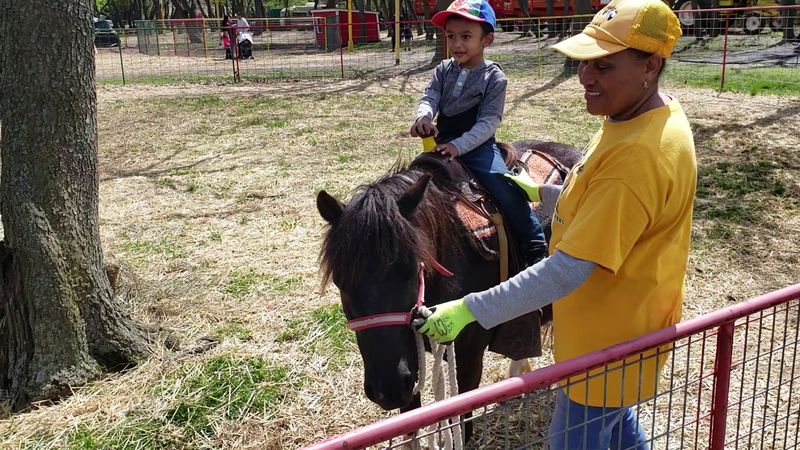
Roll up your sleeves and join volunteer days if you want a deeper connection. Tasks range from weeding beds to packing seedlings for sales. You work alongside staff who teach as they go, sharing tips that stick.
It is satisfying to see tangible progress by lunchtime. Rows straighten, pathways clear, and your hands tell you the truth about healthy soil. You will sleep well and feel part of something bigger than a visit.
Sign up early, wear sturdy shoes, and bring water. You will meet neighbors who care about food, land, and community. The farm benefits, you learn, and Queens somehow feels smaller in the best way.
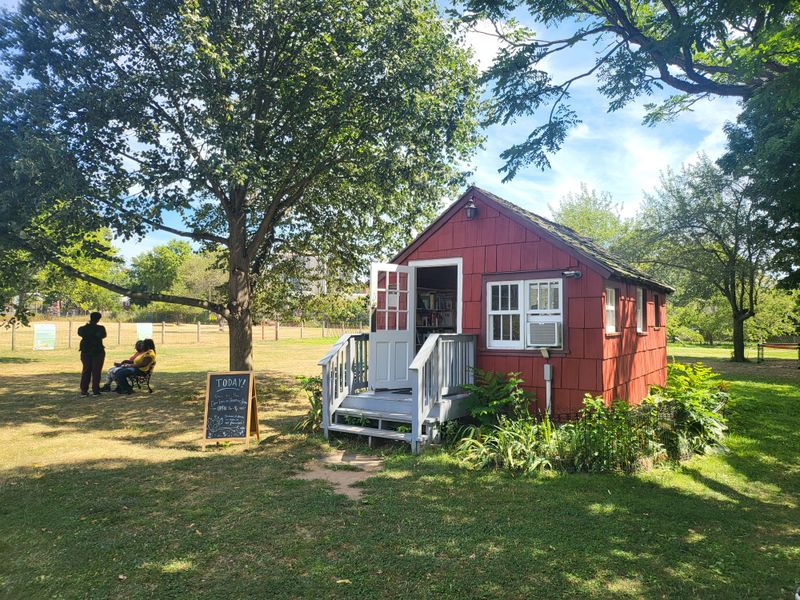
The farm is open daily 10 AM to 5 PM, and general grounds access is free. Check the website for special event tickets, hayride schedules, and tour availability. Transit is straightforward with bus connections, and parking is available but fills on busy weekends.
Wear comfortable shoes, pack water, and bring a tote for farm stand finds. Call ahead if weather looks iffy, since outdoor activities can shift quickly. The phone number and website make planning easy.
Keep an eye on seasonal highlights like blossoms, festivals, and the sunflower maze. Arrive early for quieter paths and fresher produce. You will leave grounded and ready to return with friends who need the same reset you found between fields.
Share this story