Some places do not chase cool, they build it quietly block by block. You feel it in the murals, the corner bars, and the late night diners where stories outnumber selfies. These neighborhoods earned their buzz through grit, culture, and community before investors learned their names. Keep reading to spot the subtle signals of real momentum and plan your next walkable escape.
1. Williamsburg – Brooklyn, New York
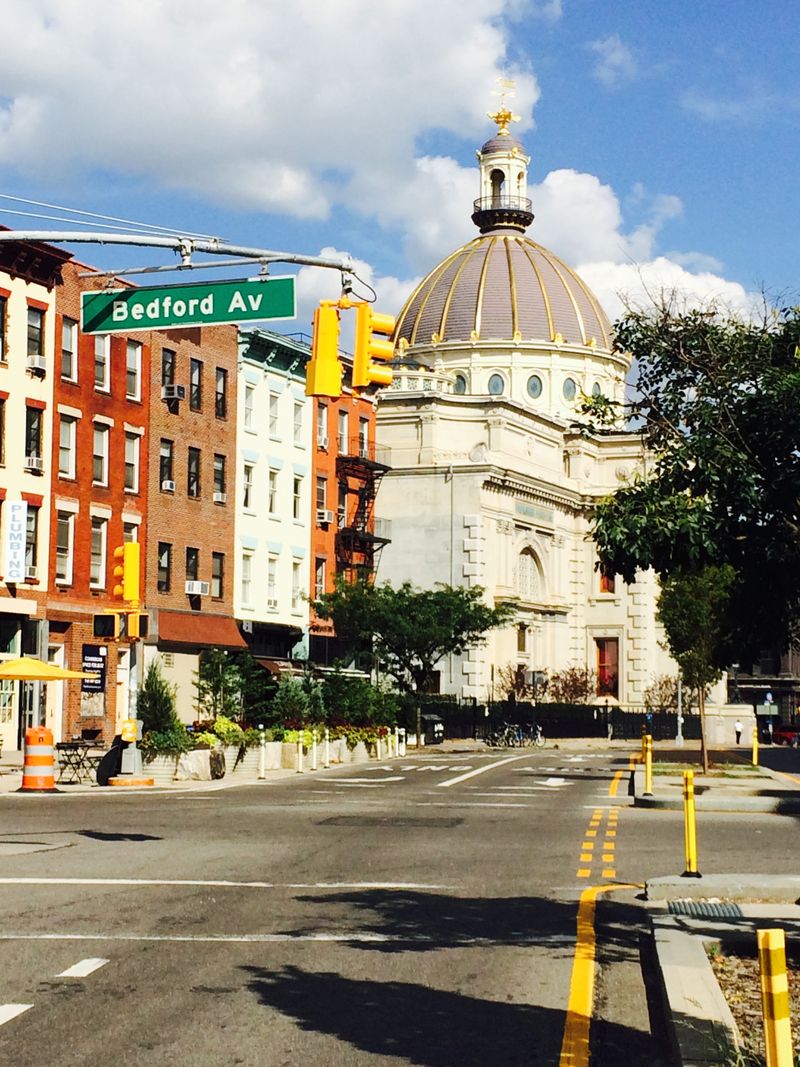
Before glossy towers, Williamsburg was a patchwork of brick warehouses, loading docks, and muffler shops. Artists came for space and silence, then layered in noise from basement shows and pop up galleries. You could taste the shift in bodega coffee and hear it in the clatter of skateboards along Kent Avenue.
Culture arrived first, then recognition. Independent venues booked bands before blogs cared, and old Polish bakeries shared sidewalks with vegan spots. You learned the rhythm by wandering from a pier sunset to a cramped loft party, then stumbling into a 2 a.m. slice joint.
Developers followed the energy, not the other way around. The DNA still shows in the murals, the thrift racks, and that stubborn sense of DIY hospitality. If you listen closely under the L train, you can still hear the hum of printers, painters, and friends figuring it out together.
2. Silver Lake – Los Angeles, California
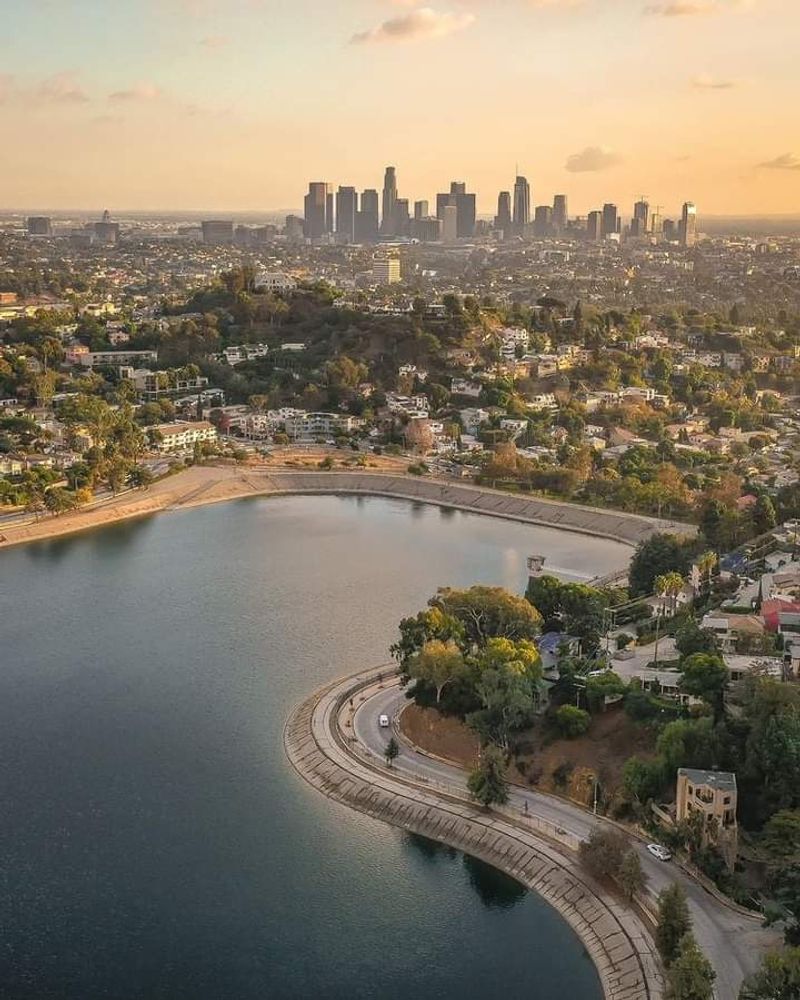
Silver Lake felt like a refuge long before anyone called it a scene. Musicians carted amps up stair streets, writers edited drafts on patios, and queer bars anchored nights that turned into mornings. The reservoir mirrored a sky filled with ideas that did not need permission.
It never tried to be Hollywood. Hillside bungalows, vintage neon, and corner cafes mapped a slower script. You could follow guitars from a garage to an intimate venue, then drift to tacos under twinkly lights without checking a list.
Community made the cool feel inevitable. Activists organized, neighbors swapped cuttings for drought gardens, and film crews borrowed backdrops that already looked cinematic. The vibe stuck because it belonged to locals before it belonged to headlines, and you still sense that independence when the sun drops behind the palms and the reservoir turns copper.
3. The Mission District – San Francisco, California
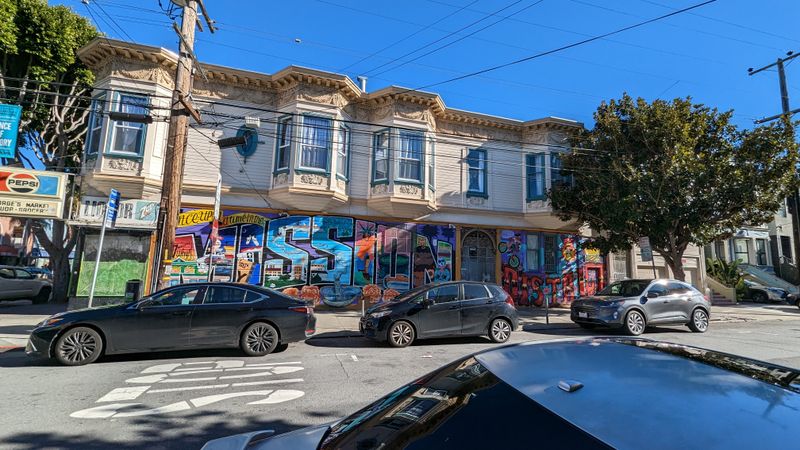
The Mission tells its story in color. Murals stretch across alleys, honoring labor, love, and layered histories, while the scent of carne asada drifts from doorways. You learn the neighborhood by ordering the wrong salsa once and never forgetting.
Long before tech badges, this was a hub for Latino culture, community organizing, and poetry readings in packed bookstores. Streets moved to rhythms shaped by lowriders and live percussion, not product launches. You could spend all day between bakeries, bodegas, and park blankets.
The energy remains rooted. Activists still canvas, taqueros still slice al pastor, and artists still paint the walls that remember. Even as rents rose, the Mission’s center of gravity stayed tied to families, festivals, and food that tastes like home. Walk Valencia for boutiques, then slip into an alley where the city’s heart speaks in color and spray paint.
4. East Nashville – Nashville, Tennessee
East Nashville rebuilt itself with porch lights, guitars, and stubborn optimism. After the 1998 tornado, neighbors hauled branches, shared grills, and tuned up bands in living rooms. Music stitched the blocks together while landlords still ignored them.
What grew was not a brand but a community habit. Songwriters traded verses at dive bars, chefs tested recipes in tiny kitchens, and thrift finds became stage outfits. You could catch a set, ride a bike home, and wave to half the street.
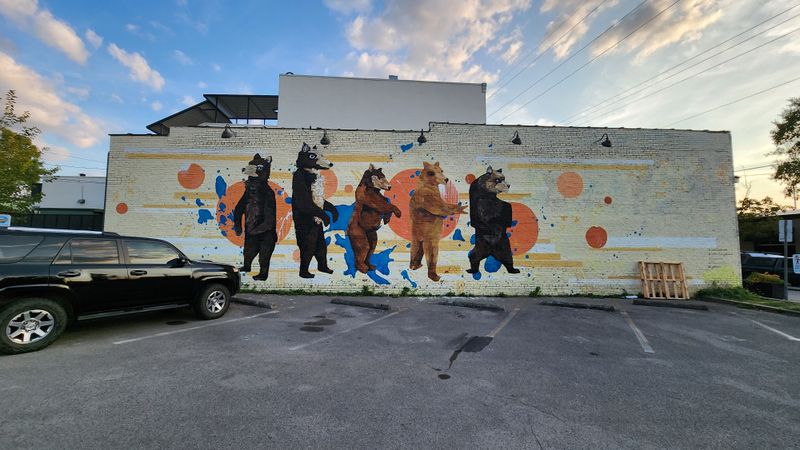
The cool arrived as a side effect of care. Markets, murals, and micro venues sprouted from resilience rather than hype. When you sit on a porch and hear harmonies drift over cicadas, it feels earned. East Nashville keeps its tempo steady, measuring time in open mics, potlucks, and new names added to old lineups.
5. Bushwick – Brooklyn, New York
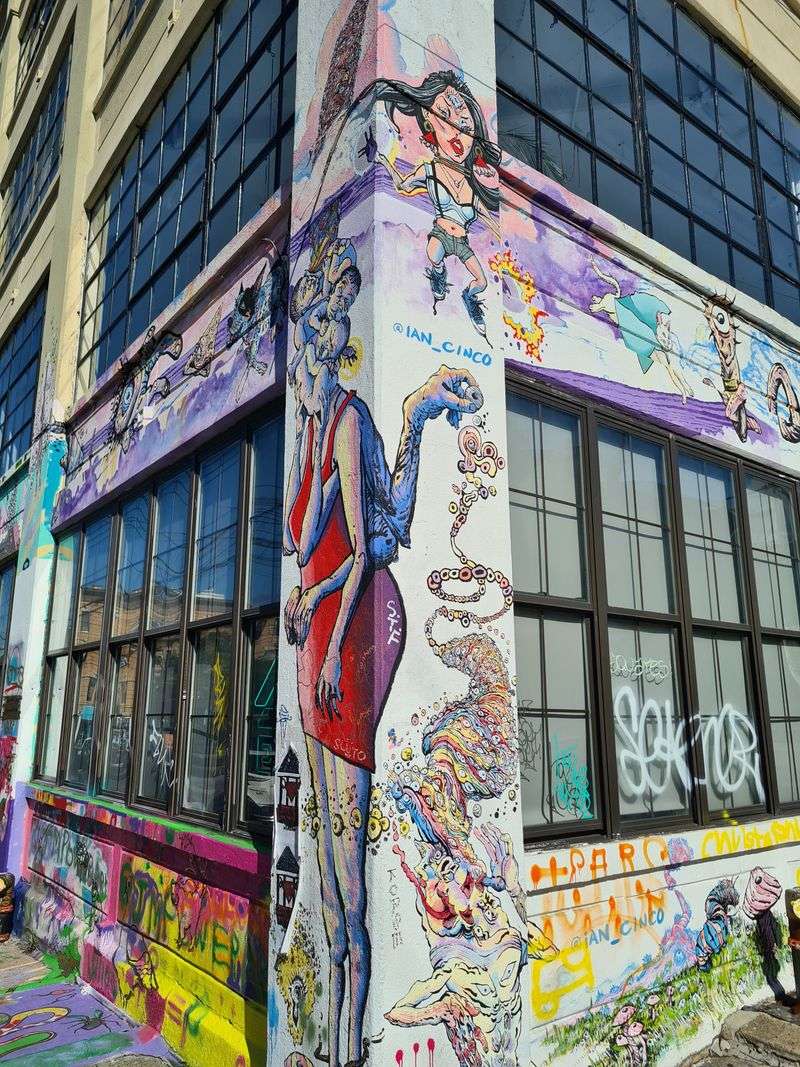
Bushwick’s map was drawn in paint cans. Artists chased cheap lofts through cavernous factories, turning concrete into canvases and hallways into galleries. The streets became a rotating museum that did not wait for permission.
There was nothing curated about those first parties. You navigated by word of mouth, climbed freight stairs, and found world class art beside dusty windows. Murals wrapped blocks in color that travelers flew across oceans to see.
That visibility came from walls, not marketing decks. Coffee shops followed studio lights, and bakeries learned to expect paint on hands at 7 a.m. Even as new buildings rise, the industrial bones show through, reminding you that Bushwick’s reputation grew from people who saw possibility in brick, steel, and wide open rooms.
6. Wicker Park – Chicago, Illinois
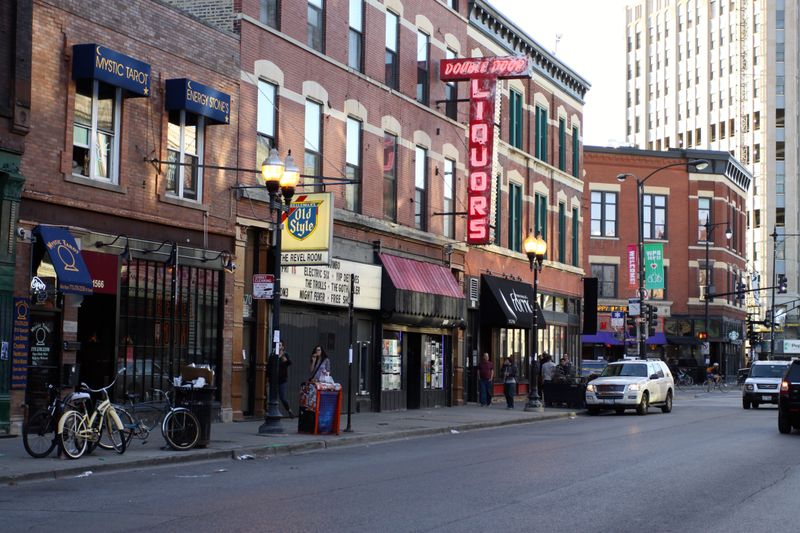
Wicker Park earned its reputation in the 90s with guitars, zines, and espresso. Immigrant families kept the storefronts alive while musicians and poets filled the nights. You could grab pierogi, flip through vinyl, and walk to a basement show without crossing a highway.
The grit never canceled the warmth. Independent shops stacked against train tracks, and the Damen intersection felt like a village square. People lingered under awnings to finish conversations, rain or not.
As attention arrived, the core stayed stubbornly creative. Murals multiplied, bookstores hosted readings, and cafes kept bulletin boards thick with flyers. The neighborhood’s cool did not need a declaration because it lived in daily routines. If you time it right, you can still hear an amp thrum from a second floor window as the Blue Line roars past.
7. Capitol Hill – Seattle, Washington
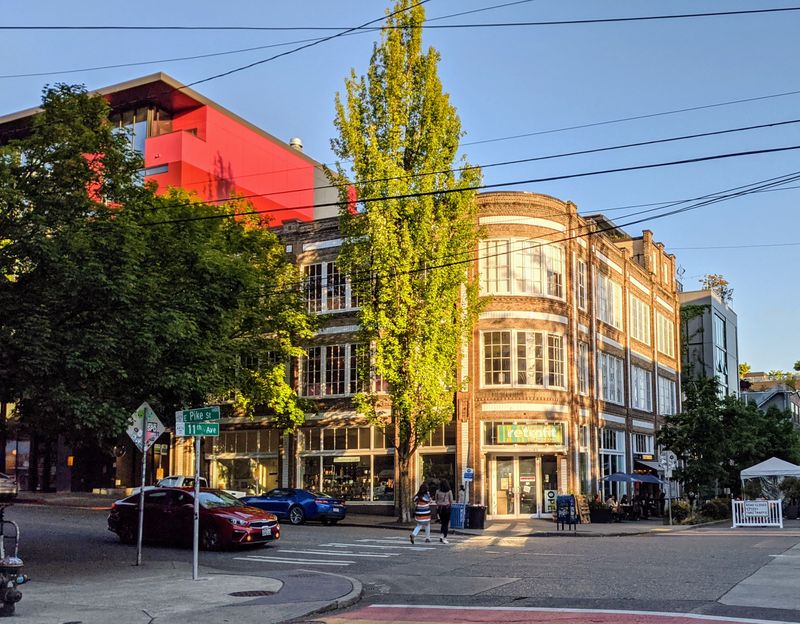
Capitol Hill feels like a city within a city. Queer bars, drag stages, and indie venues set the tone long before tech badges filled lobbies. Rain-polished sidewalks reflect neon like a second nightlife.
It has always welcomed the outliers. Zines in bookstore stacks, synths in small rooms, and activism that organizes by group text keep things moving. You can wander from a poetry open mic to a late ramen bowl without a plan.
Even as rents climbed, the counterculture stayed visible in crosswalks, posters, and mutual aid fridges. People show up for each other here. The cool comes from participation, not spectatorship, and you feel invited the moment the door staff nods you in and the bass hums through your jacket.
8. Bywater – New Orleans, Louisiana
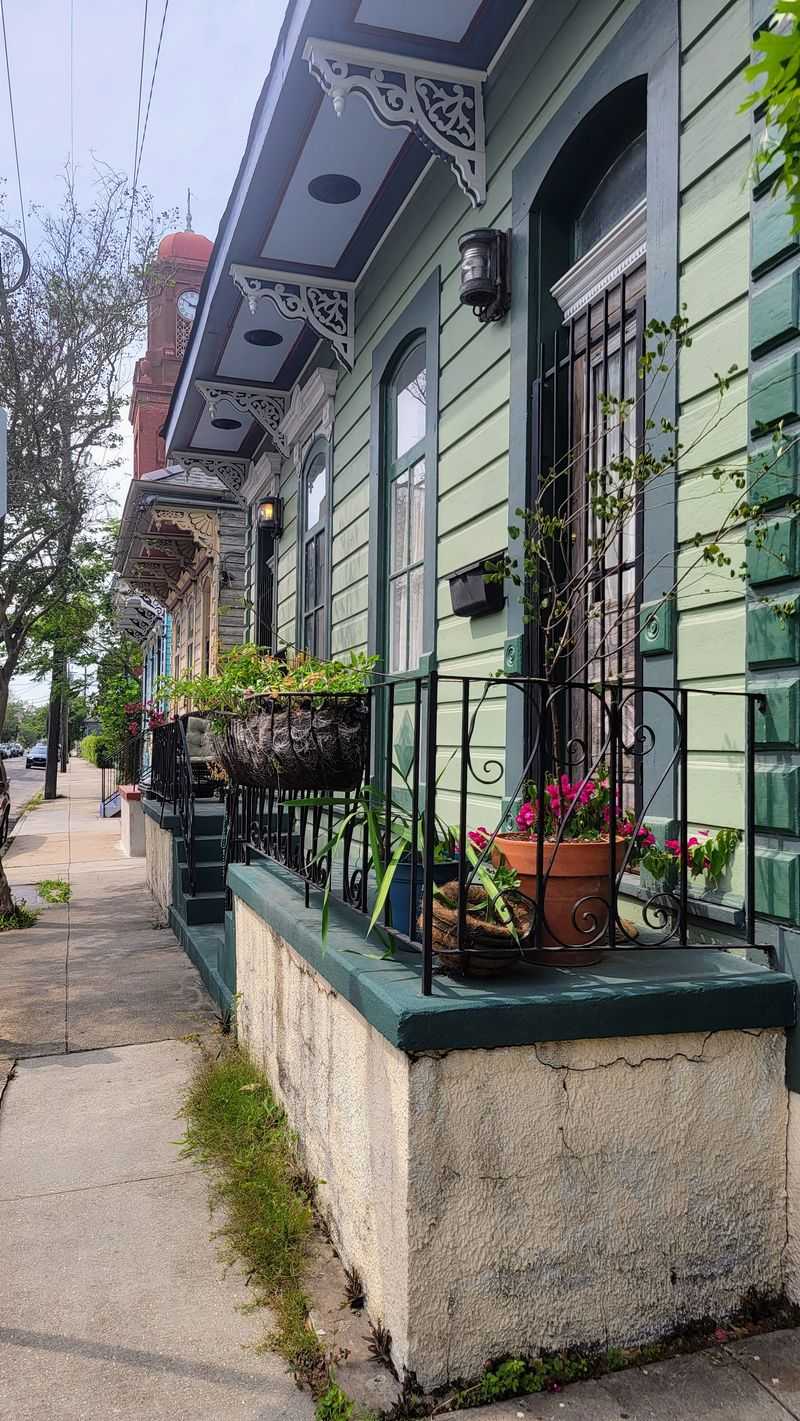
Bywater moves at porch speed. Shotgun houses glow in sherbet colors, and you catch brass lines drifting from stoops as you pass. Old New Orleans families share blocks with painters who trade canvases for supper.
This charm predates polish. Corner bars host second line rehearsals, and the levee offers a quiet walk where the city exhales. You can hop between a backyard pop up and a tiny café without checking your phone once.
The neighborhood’s cool is cumulative, built from laughter, sazeracs, and stories told twice. Murals, mismatched chairs, and hand painted signs feel like signatures rather than branding. When cicadas start their chorus and the air turns sweet, you understand why people stay. Bywater does not perform for you. It invites you to sit, listen, and become part of the slow rhythm.
9. Fishtown – Philadelphia, Pennsylvania
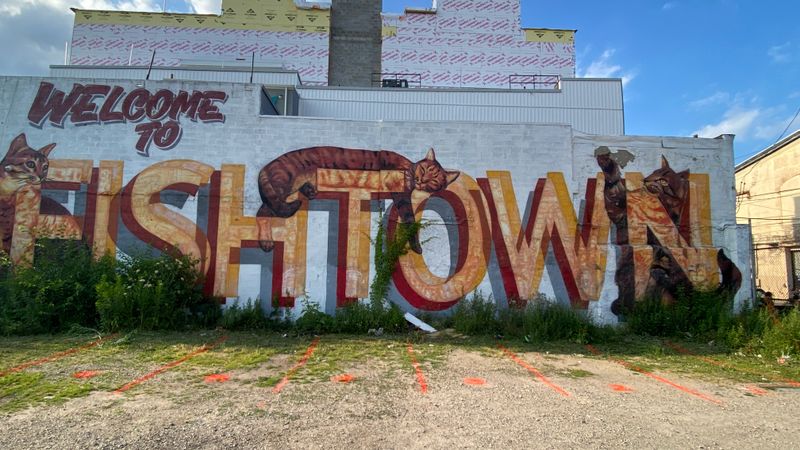
Fishtown grew from docks and drums. When fishing declined, wide rooms and low rents pulled in painters, bands, and coffee roasters. The old industrial brick kept its scars and made a perfect backdrop for new noise.
Nothing about the rise felt rushed. Neighborhood groups organized cleanups, venues opened in patched buildings, and rowhouse stoops became front row seats. You could hear a snare crack across Kensington on summer nights.
The identity stayed local. Bakers shook hands with bartenders, and murals tipped their hats to union stories. Visitors come for acclaimed restaurants now, but the heartbeat sounds the same: DIY shows, corner bar conversations, and a river breeze slipping between blocks. If you wander long enough, someone points you toward a hidden set in a room that used to pack nails and now packs guitars.
10. East Austin – Austin, Texas
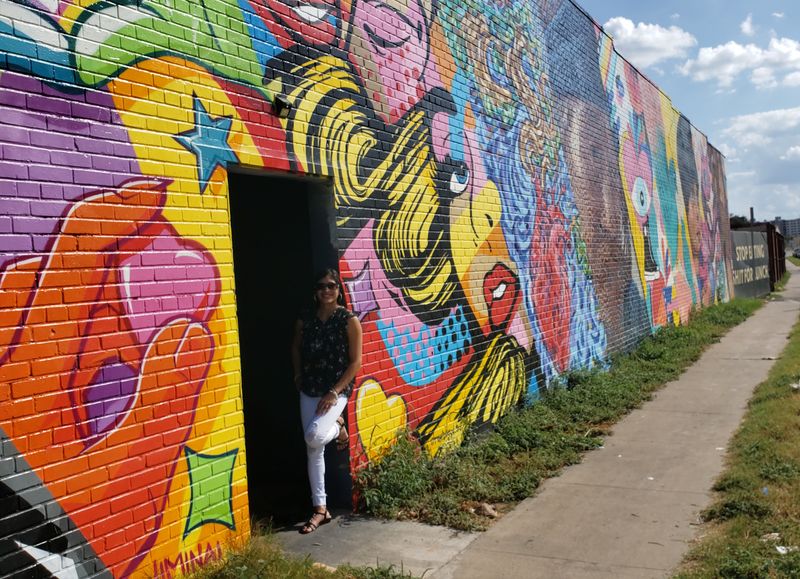
East Austin’s cool was brewed in community kitchens and backyards. Black and Latino families shaped the music, food, and festivals long before brokers noticed. You taste the story in smoky barbecue and hear it in Tejano riffs spilling from porches.
Activism anchored the growth. Neighborhood groups fought for schools, parks, and protections while creatives layered in galleries and studios. You can spend all day between a food truck court and a mural tour without repeating a flavor.
The vibe resists polish. Hand painted signs, Sunday cookouts, and low slung bungalows keep the scale human. Even as cranes circle, locals set the tempo with block parties and benefit shows. When the sun sets orange over the oak trees, you feel why East Austin’s reputation arrived without a marketing plan.
11. Over-the-Rhine – Cincinnati, Ohio
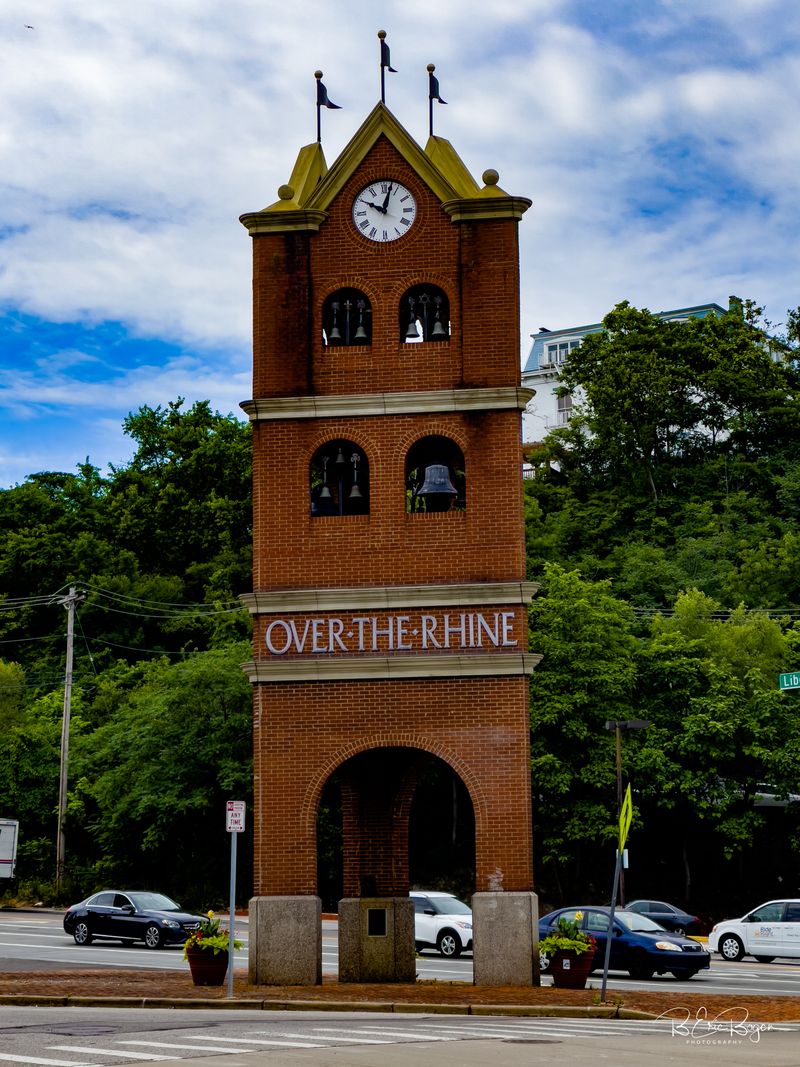
Over the Rhine wears its history on cornices and stoops. German immigrants built dense blocks, breweries bubbled, and music spilled from beer halls. The architecture survived rough decades, holding space for a new chapter.
Revival started small. Artists opened studios in intact shells, neighbors planted window boxes, and markets returned to old stalls. You can trace progress by the smell of fresh bread and the echo of church bells.
Even as headlines shouted revitalization, the base notes stayed local. Walk the streetcar line and you will see century old brick, new galleries, and long running delis sharing light. The neighborhood feels lived in rather than staged. Community events fill squares where horses once clattered, and the past shakes hands with the present on every block.
12. Highland Park – Los Angeles, California
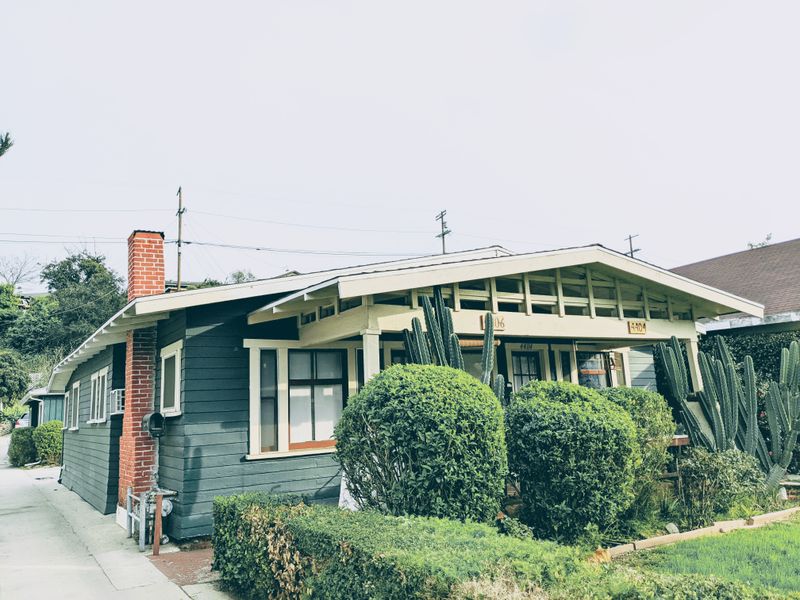
Highland Park is one of LA’s oldest neighborhoods, and the age shows beautifully. Craftsman homes tuck into hillsides, and vintage neon glows over Figueroa and York. Artists and families arrived for history and affordability, not crystal ball forecasts.
The blend feels effortless. Record stores neighbor panaderias, and taco stands write the nightly schedule. You wander from a pop up gallery to a backyard cumbia set without breaking pace.
The cool remains friendly. Murals honor elders, school parades tie up traffic, and sidewalks buzz with strollers and skateboards. Newcomers learn quickly that the scene belongs to the community first. When the theater marquee clicks on at dusk, it feels like a reunion more than a reveal.
13. Old Fourth Ward – Atlanta, Georgia
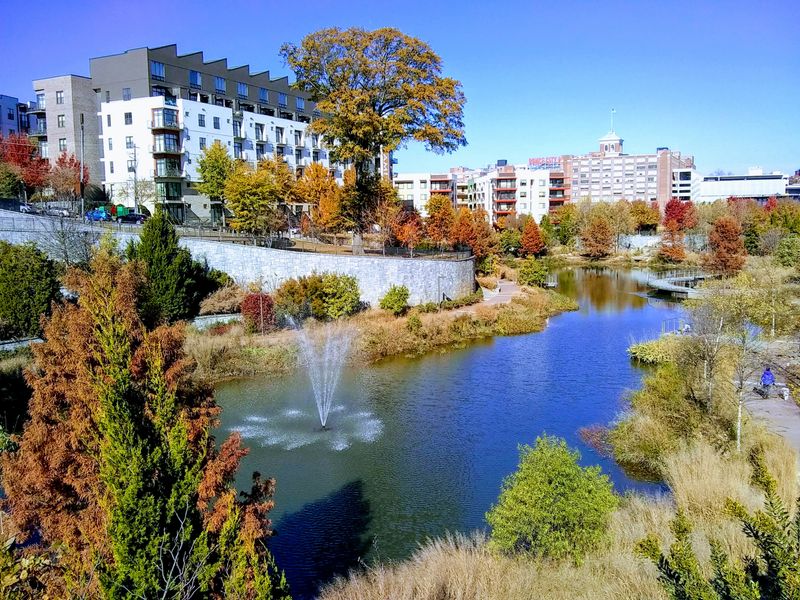
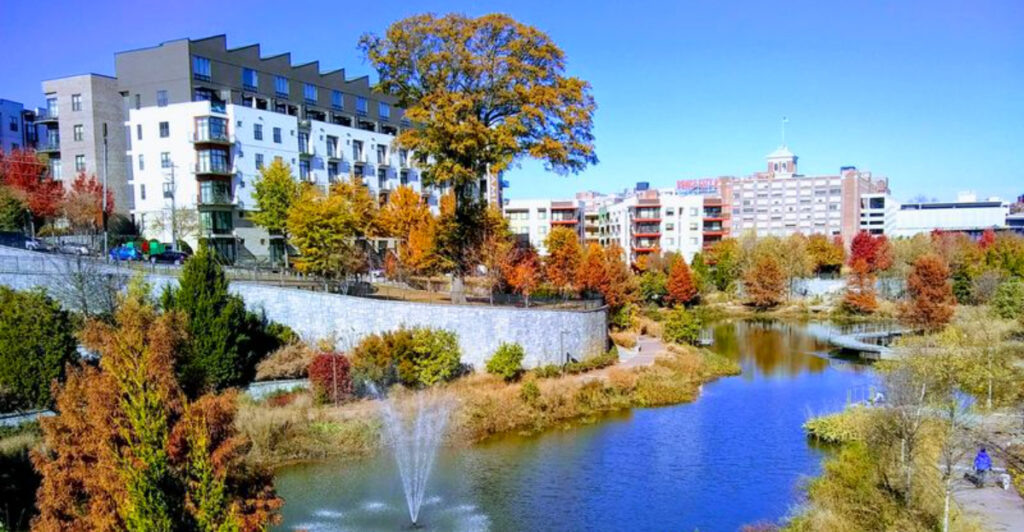
Old Fourth Ward balances legacy and motion. Civil rights history lives in its churches and streets, while the BeltLine brings steady foot traffic. Walk a few blocks and you feel both reverence and momentum.
Community culture preceded the real estate glow. Longstanding neighbors hosted block parties and kept gardens thriving. Small venues and kitchens added spice without changing the recipe.
Walkability makes the cool tangible. You can bike from murals to markets, stop for biscuits, then detour past landmarks that deserve a quiet minute. The draw is not hype but proximity to stories that matter. When twilight hits the skyline, the BeltLine hum becomes the soundtrack to a neighborhood still writing chapters.
14. Venice – Los Angeles, California
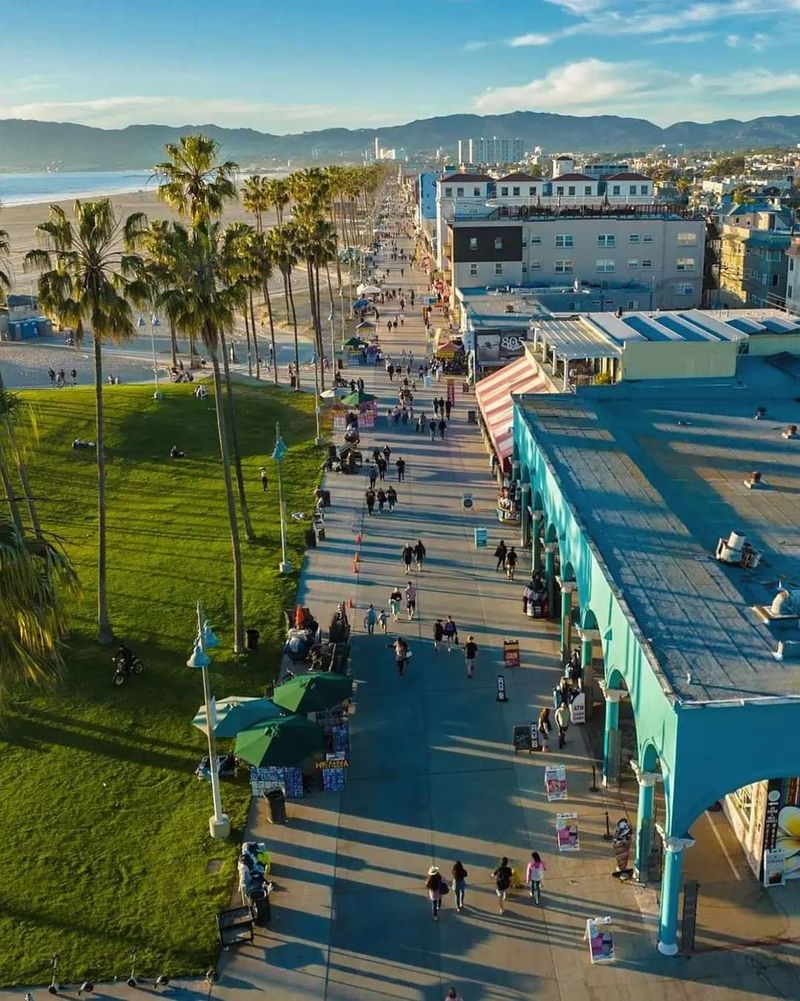
Venice has always been a magnet for eccentrics and dreamers. Beat poets scribbled on porches, surfers chased morning glass, and artists built studios steps from salt air. The boardwalk never needed an introduction.
That lineage outlived every trend. Muscle Beach flexed, drum circles gathered, and spray paint turned the walls into a living diary. You can wander from the canals to a sunset set and never run out of characters.
Tech money arrived late to the party. Venice stayed Venice because the weirdness is woven in. If you come with curiosity, the neighborhood rewards you with contradictions that fit perfectly: bare feet and gallery openings, yoga mats and mosh pits, sea spray and fresh paint drying under pink skies.
15. North Loop – Minneapolis, Minnesota
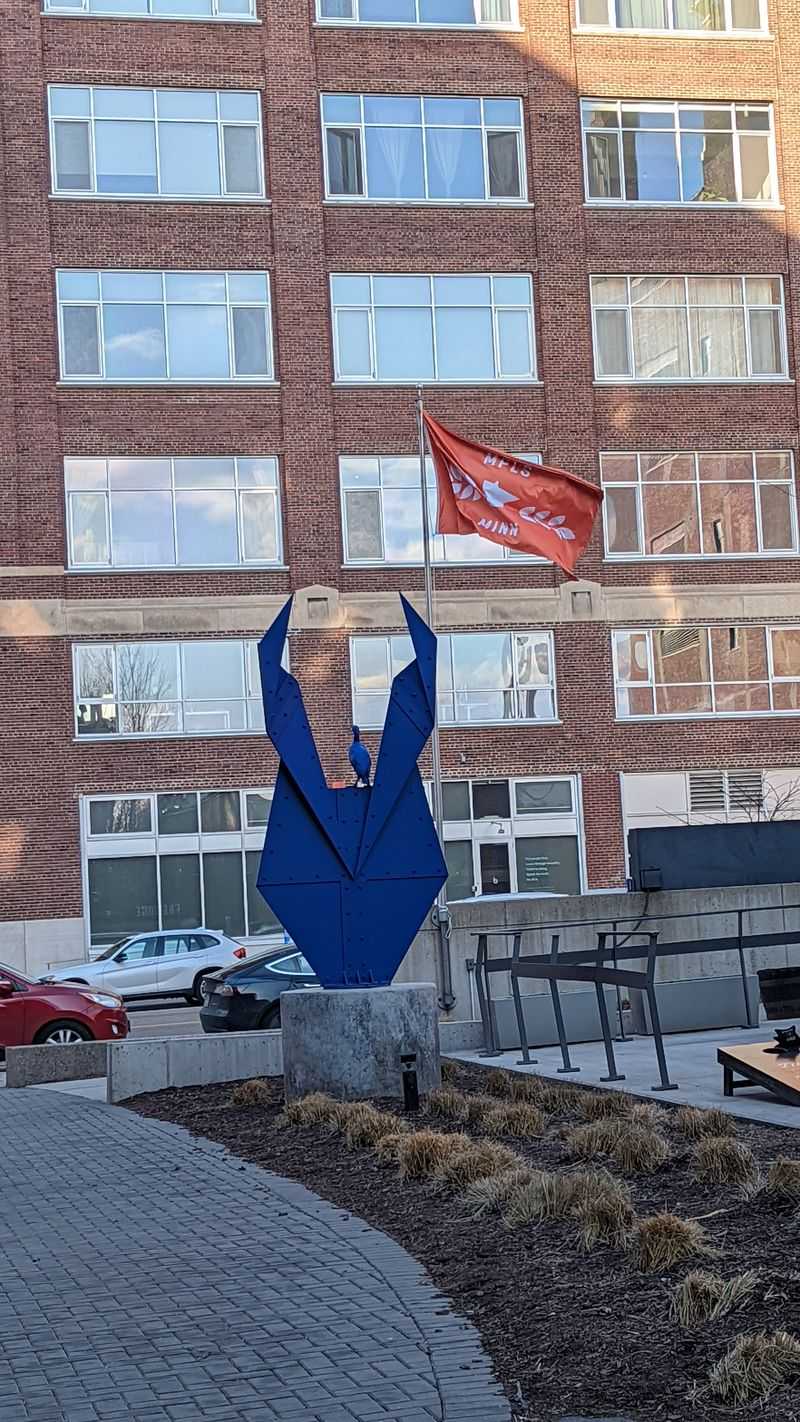
North Loop found its second life inside old warehouses. Studios, roasters, and small businesses arrived first, filling brick canyons with new sounds and smells. The cobblestones remembered freight, then learned footsteps.
The change felt practical rather than flashy. Entrepreneurs sanded floors, hung lights, and opened doors to neighbors. You could sip a cappuccino while freight trains whispered from memory down the river.
When luxury condos appeared, the character was already set. Signage stayed modest, and alleys kept their mystery. The neighborhood works because it invites a slow wander past loading docks turned patios and windows that frame roasters in morning steam. It is easy to feel at home among the bricks.
16. Asbury Park – New Jersey
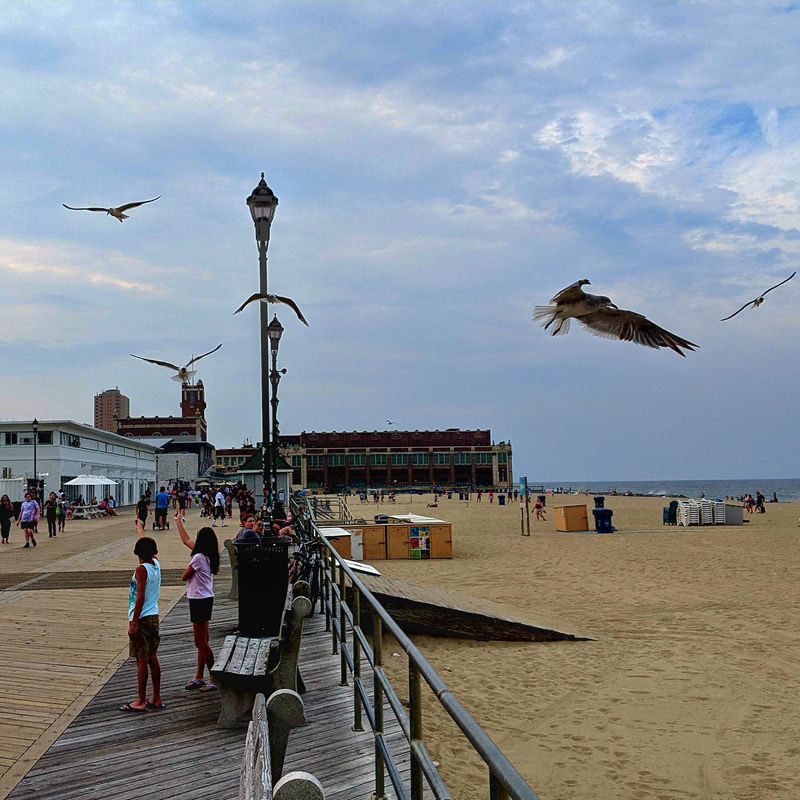
Asbury Park’s soundtrack started decades ago. Boardwalk arcades flickered beside legendary stages, and young bands learned to roar under salt stained ceilings. You can still feel the Springsteen era pulse in the floorboards.
The revival was grassroots. Locals reopened venues, painted murals, and hosted markets that turned day trippers into loyalists. Coffee shops and surf stores joined without sanding off the edges.
Corporate planning never wrote the script. The ocean sets the tempo, gulls provide percussion, and dusk paints the wooden planks gold. Walk from the Stone Pony to the beach and you will understand how music, community, and salt air built a comeback that feels personal.
Share this story