Some cities are best discovered one step at a time, where every block reveals character, flavor, and history. This list highlights places where streets were practically designed for strolling, with compact cores, inviting squares, and pedestrian zones that make navigation effortless.
Expect scenic riversides, grand boulevards, and old towns that reward curiosity at a walking pace. Lace up comfortable shoes and let these walkable capitals and cultural hubs unfold naturally.
Milan, Italy
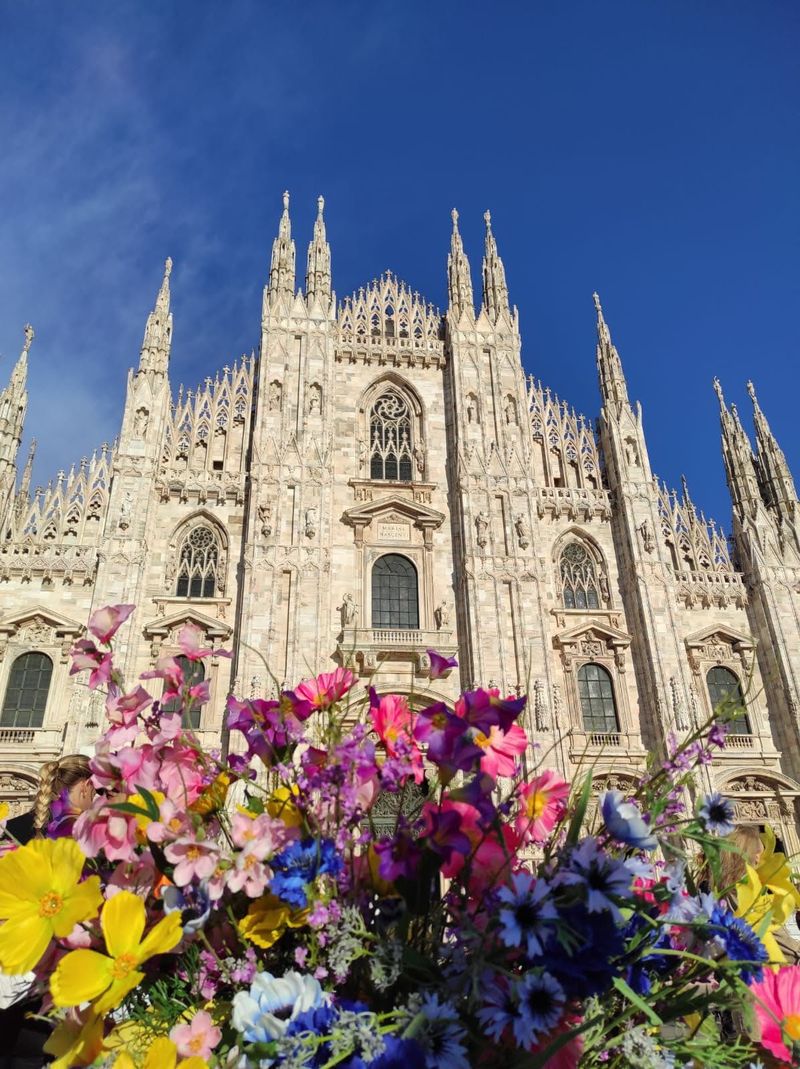
Milan invites slow exploration, with the Duomo’s marble spires guiding the way through a compact historic core. Around the cathedral, the Galleria’s iron and glass arcades frame polished mosaics, where window shoppers drift beneath soft light.
Brera’s artsy lanes spill into leafy courtyards, and Sforza Castle anchors a graceful park ideal for unhurried loops.
Fashion energy hums along Via Montenapoleone, yet side streets keep a human scale and steady rhythm. Pedestrian zones and wide sidewalks make crossing between churches, galleries, and espresso counters simple.
Design landmarks, intimate bakeries, and neighborhood trattorie appear at quick intervals, rewarding frequent stops.
Evening strolls reveal aperitivo culture, with clinking glasses on porticoed corners and warm conversation echoing down stone corridors. Navigli’s canal paths glow with reflections, turning a routine walk into a cinematic glide.
Distances stay short, wayfinding feels intuitive, and the architecture offers constant hints about the next turn.
Art, commerce, and daily life intersect in compact quarters where walking never feels like a chore. Street trees soften grand boulevards while courtyards provide small moments of quiet.
In Milan, steps link icons and local habits seamlessly, delivering culture at a comfortable cadence.
Copenhagen, Denmark
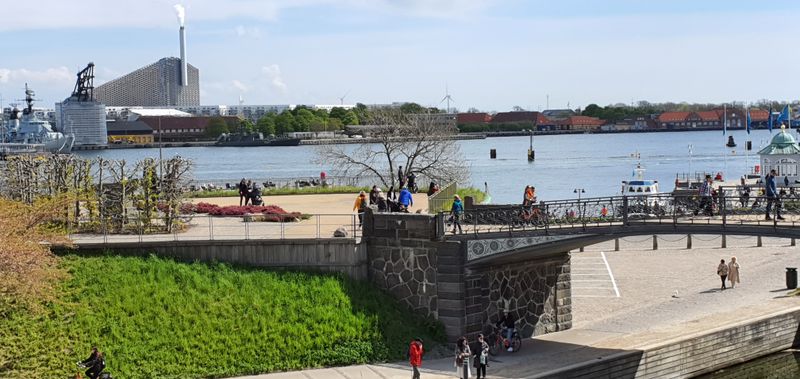
Copenhagen centers the pedestrian experience, letting Strøget run like a spine through lively squares and shop dotted passages. Streets calm traffic and favor human pace, while bridges tie together waterfront neighborhoods with scenic views.
Nyhavn’s painted townhouses reflect on rippling water, adding color to easy ambles.
Green spaces feel close at hand, from castle gardens to harbor baths that buzz in warm weather. Sidewalks stay generous, crossings intuitive, and signage crisp, so wandering rarely requires a map.
Cyclists glide alongside walkers, establishing a peaceful cadence and predictable rhythm.
Historic brick, modern Nordic design, and honest materials make visual wayfinding simple. Cafes spill onto cobbles, encouraging pauses for smorrebrod and a lingering coffee.
Museums, boutiques, and markets cluster conveniently, keeping errands and exploration compact.
Evening light stretches across plazas where street performers add a friendly soundtrack. Waterfront promenades offer uninterrupted movement that feels safe and scenic.
The city rewards curiosity with micro discoveries between landmarks, proving that pedestrian first planning turns everyday routes into pleasant rituals.
Paris, France
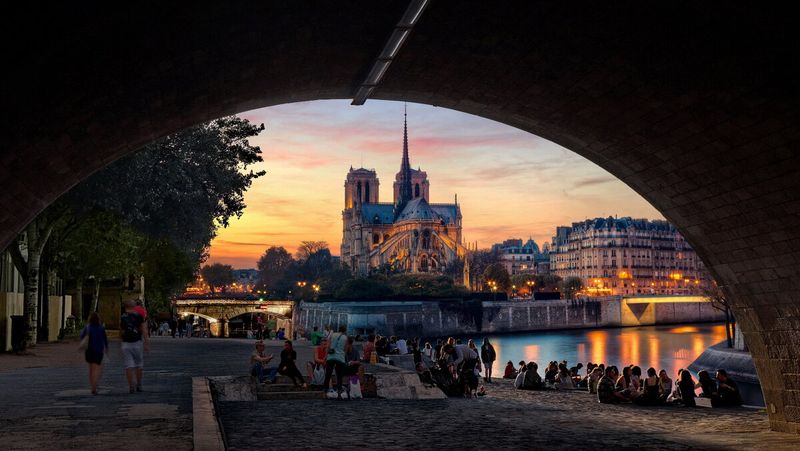
Paris condenses grand boulevards and intimate lanes into a walker’s tapestry. Along the Seine, stone quays deliver postcard angles, while bridges drop into islands where history feels close.
Le Marais twists through galleries and patisseries, and Montmartre climbs gently toward studios and sweeping views.
Sidewalks link museums, gardens, and markets without long gaps, so detours never feel costly. Street life thrives on terraces where chairs face outward, turning people watching into a pastime.
Each arrondissement carries a distinct mood, yet distances remain friendly for day long wandering.
Wayfinding benefits from landmarks that always seem to reappear at just the right moment. Arcades shelter shoppers, and pocket parks offer shade near ornate fountains.
Bakeries punctuate blocks with warm aromas that attract steady streams of pedestrians.
Even after dark, well lit avenues keep the stroll inviting, especially around lively squares. Pedestrian improvements along riverbanks and plazas continue to expand routes.
Paris proves that walking can be both practical and romantic, linking daily rituals with art, cuisine, and conversation.
Florence, Italy
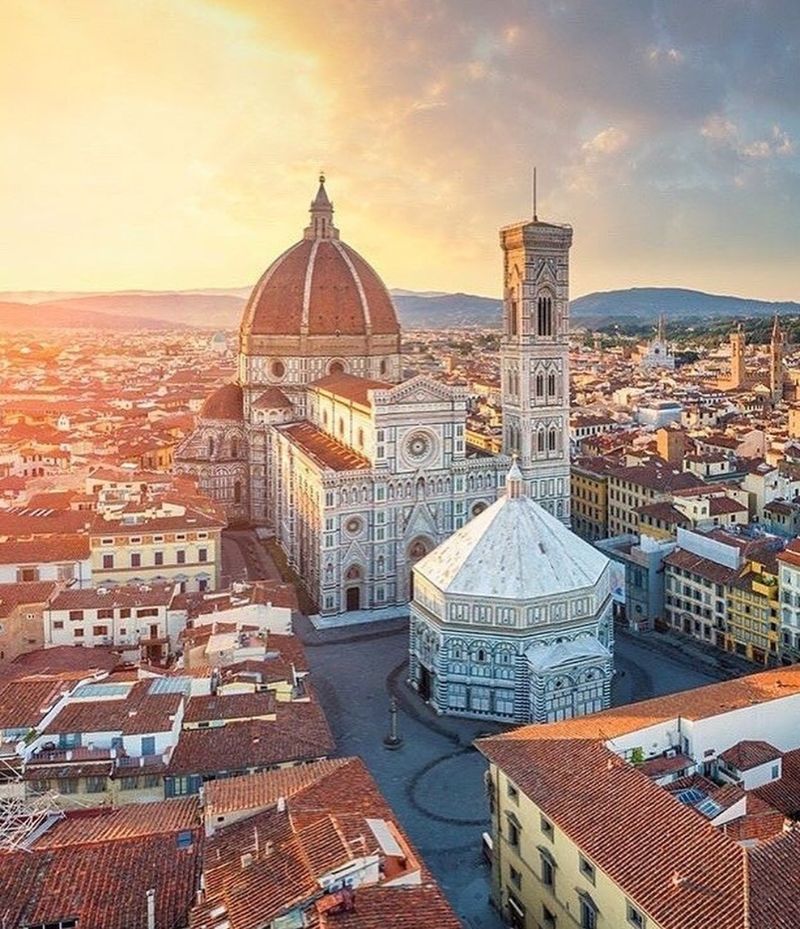
Florence feels purpose built for walking, with the Duomo rising like a compass needle above tiled roofs. Streets knit together cathedrals, museums, and artisan workshops in tight formation.
Piazzas act as living rooms where musicians play and gelato brightens every pause.
Crossing Ponte Vecchio folds jewelry windows into river views, then alleys climb toward Oltrarno studios. The Uffizi’s galleries sit within easy reach of churches and cloisters, inspiring short loops rather than long commutes.
Cobblestones slow traffic, elevating the experience for pedestrians.
Renaissance facades supply legible edges and friendly sightlines, so navigation rarely strains patience. Courtyard cafes offer shade and quick respites between exhibits.
Distances encourage savoring details, from carved doorways to faded fresco fragments hiding in plain sight.
Evening brings a soft glow to stone, inviting another lap past statues and fountains. Street musicians and artisans keep momentum lively without feeling rushed.
In Florence, walking does not just connect destinations, it connects eras, allowing history and daily life to meet naturally around each corner.
Prague, Czech Republic
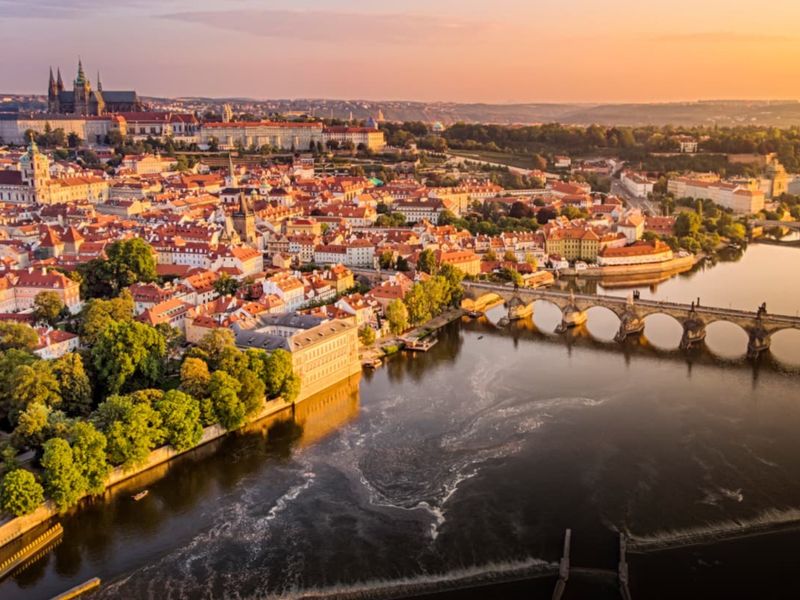
Prague’s compact heart rewards every step with layered history and theatrical scenery. Charles Bridge frames statues against the Vltava, while spires prick the horizon in every direction.
Old Town Square gathers clocks, facades, and performers into a walk friendly stage.
Cobbles lead toward courtyards, hidden gardens, and cellars turned cafes. Distances between icons stay short, so it feels natural to string landmarks into a single outing.
Side lanes deliver quiet moments away from the main stream without losing proximity.
Gothic, Renaissance, and Baroque silhouettes create intuitive wayfinding, like arrows made of stone. Strolls across the river reach Malá Strana’s slopes and noble palaces quickly.
Street lighting and generous sidewalks keep movement comfortable long after sunset.
Seasonal markets add rhythm, inviting loops for mulled drinks or local pastries. River promenades open sightlines that make orientation easy even to first timers.
Prague turns walking into a cinematic glide, every angle promising another photogenic reveal within minutes.
Porto, Portugal
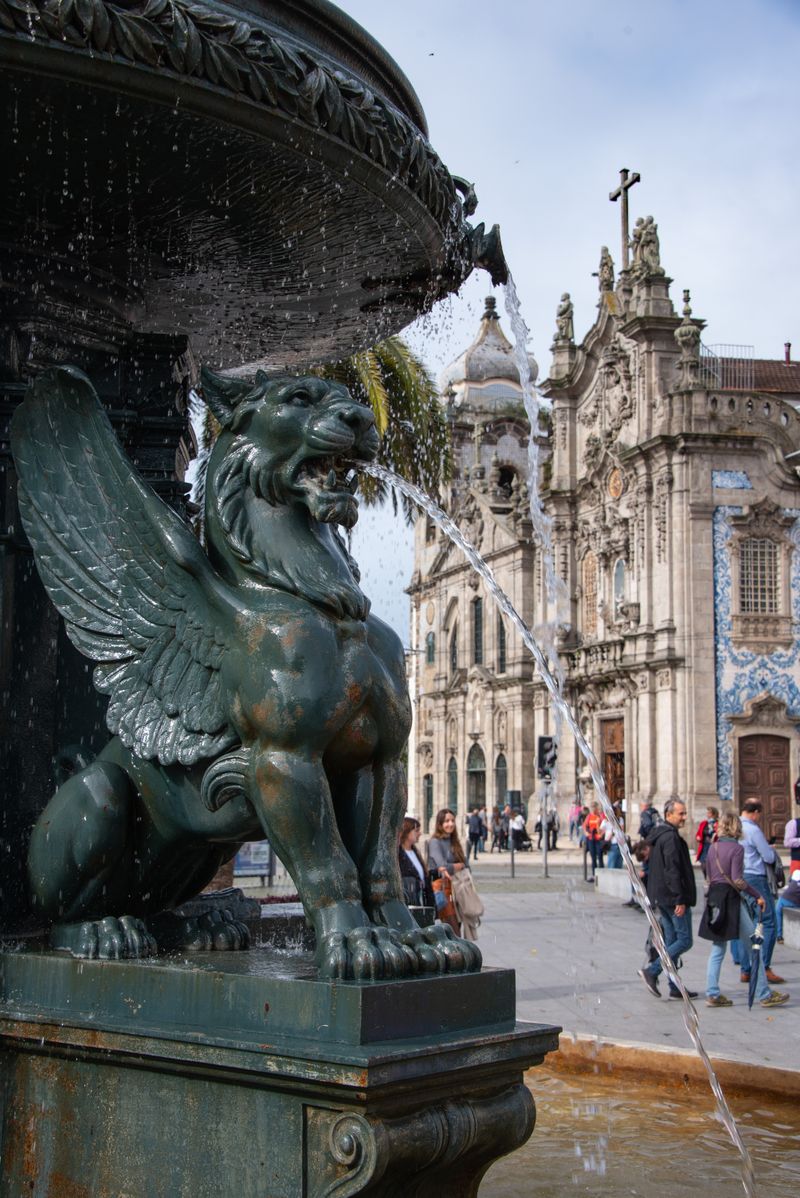
Porto spills downhill toward the Douro, making riverside strolls feel natural and scenic. The Ribeira’s colorful facades stack above arcades where boats drift by and music floats across the water.
Narrow lanes curl into small squares packed with azulejos and family run eateries.
Footpaths climb toward viewpoints where terracotta roofs ripple like waves. Wine cellars sit across the bridge within easy walking distance, delivering tastings after gentle ascents.
Sidewalks and stepped streets keep routes legible, even when elevation changes add a playful challenge.
Markets, bakeries, and tiled churches appear frequently enough to break longer climbs. Sunset paints steel spans and river eddies in warm tones, encouraging an unhurried pace.
The compact center lets multiple neighborhoods fit into a single day’s circuit without strain.
Evening promenades trace the water’s edge, where lights twinkle beneath arching iron. Street art and artisan shops fill gaps between landmarks, rewarding curiosity with quick finds.
Porto makes walking feel like stitching together vistas, aromas, and songs into one satisfying thread.
Lyon, France
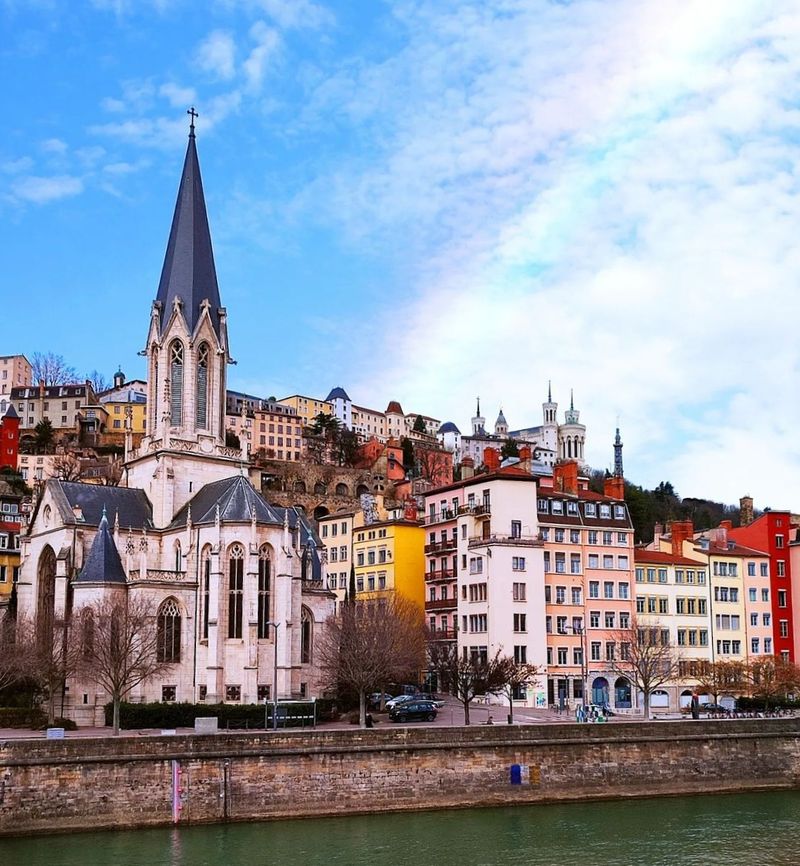
Lyon’s Presqu’île forms a slim, walkable spine between two rivers, perfect for urban loops. Vieux Lyon unfolds with Renaissance facades and secret traboules that connect courtyards like hidden hallways.
Markets and bouchons cluster tightly, keeping meals and sights within easy reach.
Riverside promenades along the Rhône and Saône deliver long, flat routes for relaxed pacing. Broad plazas anchor shopping streets that feel lively without overwhelming foot traffic.
Signage is clear, distances modest, and crossings predictable, so movement remains smooth.
Neighborhood character shifts gently from historic textures to contemporary design. Cultural institutions sit close enough to link in a single day, from Roman amphitheaters to daring murals.
Cafes punctuate corners, offering quick breaks between viewpoints and museums.
Evenings light up bridges and squares, inviting another circuit after dinner. The balance of pedestrian streets and scenic paths makes navigation straightforward.
Lyon demonstrates how heritage and daily life can share compact ground, turning ordinary walks into memorable encounters.
Edinburgh, Scotland
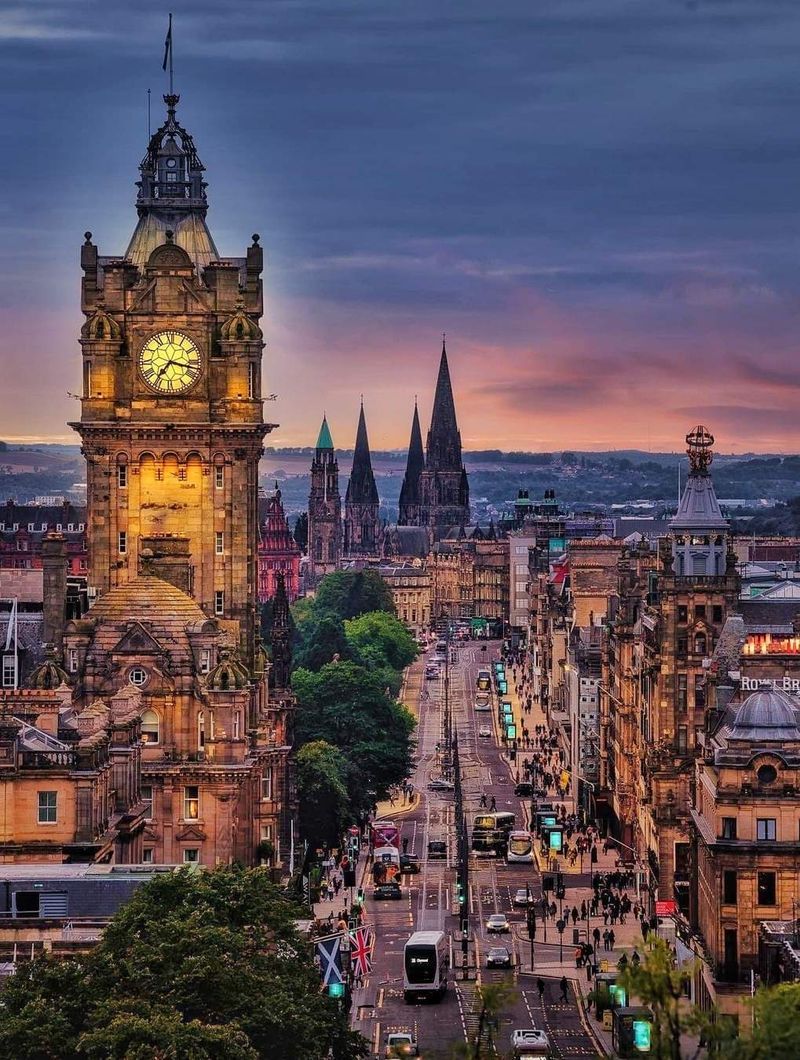
Edinburgh stacks drama within a surprisingly tight footprint. The Royal Mile threads from castle to palace, with closes dropping into hidden courtyards.
New Town’s Georgian grid balances the medieval warren, offering straighter lines and stately rhythm.
Arthur’s Seat rises near the center, turning a city walk into a quick hill adventure. Museums, pubs, and bookshops cluster at short intervals, encouraging frequent pauses.
Stone underfoot, spires overhead, and brisk air create a distinctive walking tempo.
Paths feel intuitive, with landmarks visible from multiple angles to guide progress. Parks fringe the core, delivering green relief without long detours.
Crossing between neighborhoods rarely demands transit, keeping plans flexible and spontaneous.
Evening brings warm windows along cobbles, and live music drifts from tucked away doorways. Safer crossings and well marked routes make night wandering comfortable.
Edinburgh merges nature and story filled streets so tightly that every walk reads like a chapter.
Vienna, Austria
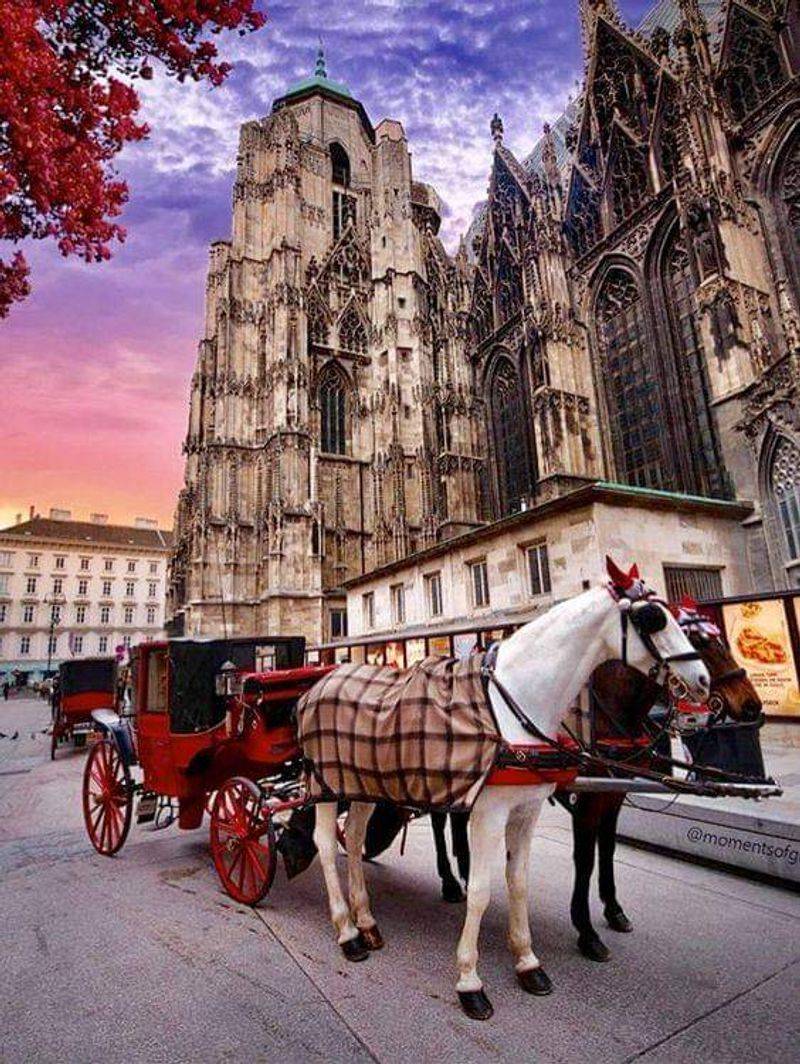
Vienna arranges culture along gracious boulevards that favor unhurried movement. The Ringstrasse loops grand institutions, parks, and statues within a comfortable circuit.
Stephansdom’s spire serves as a beacon, keeping orientation simple between cafes and museums.
Pedestrian zones weave through the historic core, linking courtyards and arcades. Sidewalks are wide, surfaces smooth, and crossings logical, inviting long days on foot.
Music, pastry counters, and galleries appear in steady rhythm along elegant streets.
Green pockets and palace gardens offer shaded detours when energy dips. Distances between highlights remain short, so itineraries can shift without cost.
Architecture maintains consistent height and material, helping with intuitive wayfinding.
Evening lights gild facades and fountains, and trams complement walks when legs tire. Plazas host seasonal markets that add festive energy without disrupting flow.
Vienna’s calm, ordered layout makes strolling a pleasure, tying imperial memory to daily life.
Berlin, Germany
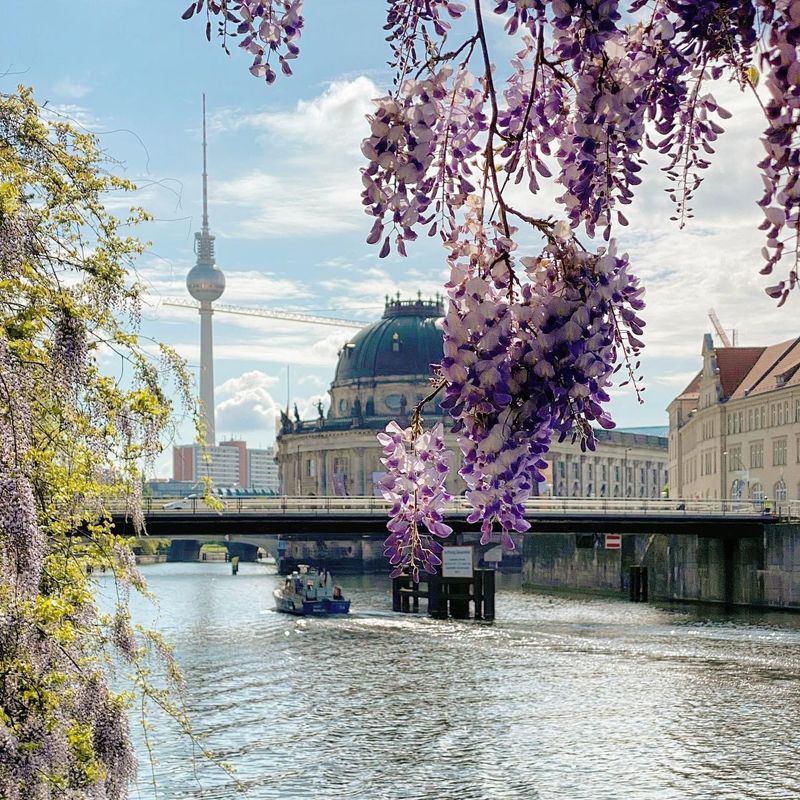
Berlin spreads out yet keeps walks rewarding through layered neighborhoods and strong landmarks. Brandenburg Gate and Unter den Linden provide a ceremonial axis, while Museum Island clusters culture within steps.
Parks and canals stitch districts together, offering green corridors for relaxed pacing.
Kreuzberg and Friedrichshain showcase murals, courtyards, and market halls that invite casual detours. Sidewalks stay broad, crossings frequent, and signage clear enough for newcomers.
When distances stretch, transit meshes smoothly with walking to extend reach.
History traces the streets, from memorials to preserved fragments that spark reflection. Cafes and bakeries sit at dependable intervals, supporting long exploration days.
River promenades and repurposed rail lines create linear routes with minimal interruptions.
Evening brings soft light to brick arches and modern glass, keeping routes welcoming. Neighborhood squares turn lively without overwhelming foot traffic.
Berlin proves that a large city can still feel navigable, combining breadth with steady pedestrian comfort.
Dublin, Ireland
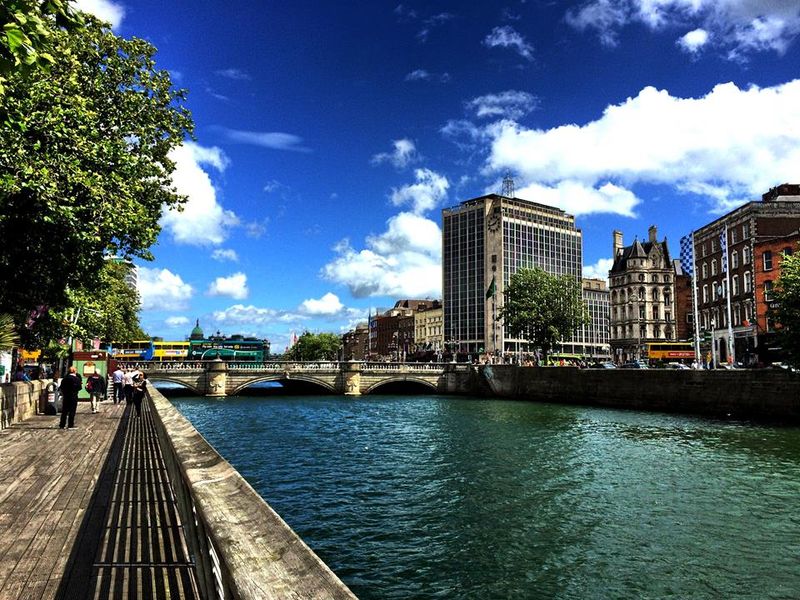
Dublin’s compact center makes covering highlights on foot feel easy and enjoyable. Quays line the River Liffey, with bridges like the Ha’penny offering quick crossings between sights.
Georgian squares reveal colorful doors and tidy parks just steps from busy streets.
Museums, bookstores, and music venues gather within a small radius, encouraging meandering agendas. Pubs brighten corners with live tunes and friendly chatter, often visible from one block away.
Sidewalks remain generous, crossings clear, and distances modest throughout the core.
Markets and cafes provide frequent stops, keeping energy steady between landmarks. Wayfinding benefits from distinctive building colors and reliable river orientation.
Even in shifting weather, sheltered passages and compact blocks shorten exposure.
Evenings feel spirited but manageable, with well lit routes back to central squares. Detours toward canals add calm water reflections and leafy edges.
Dublin’s walkability pairs culture and convenience, letting the city’s wit and warmth unfold at street level.
Valencia, Spain
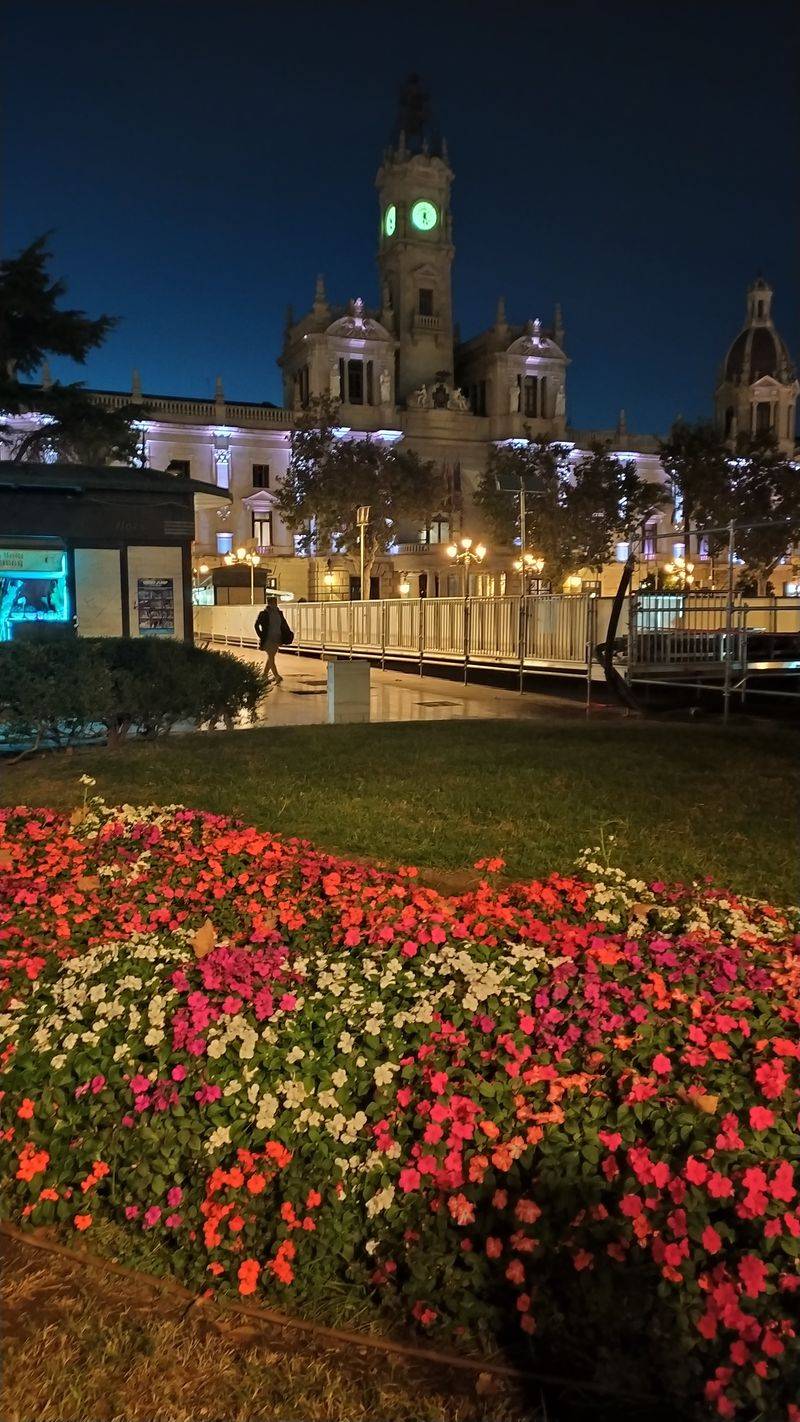
Valencia balances historic lanes with futuristic curves in a layout that favors pedestrians. The Turia Garden replaces a former riverbed with miles of shady paths linking museums and playgrounds.
Old town plazas host markets and tapas bars within easy spacing.
Walks stretch from cathedral towers to the City of Arts and Sciences without feeling strenuous. Bike and foot paths run parallel, keeping movement calm and predictable.
Beach promenades add sea breezes and long, flat distances perfect for steady pacing.
Wayfinding stays simple thanks to consistent signage and the green ribbon of the Turia. Side streets reveal street art, bakeries, and tiled facades that reward curiosity.
Public spaces feel human scaled, with frequent benches and fountains.
Evenings light up futuristic shells and historic stone, connecting eras in a single stroll. Seasonal festivals spill into squares while preserving pedestrian flow.
Valencia shows how adaptive planning can craft a city that invites walking from park to port.
Pontevedra, Spain
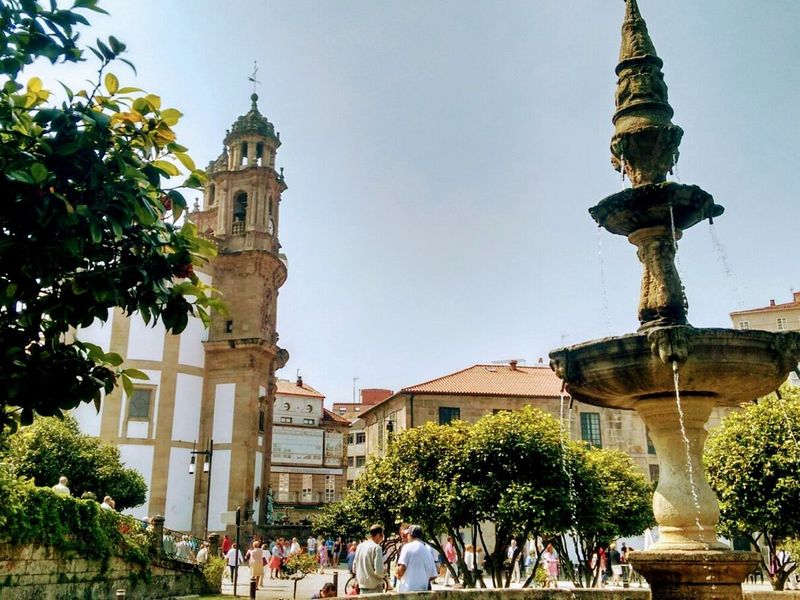
Pontevedra demonstrates what a pedestrian first strategy can achieve. The historic center restricts cars, turning streets into calm corridors for conversation and play.
Granite facades wrap intimate squares where markets and festivals unfold without traffic noise.
Clear maps and low speed zones around the core keep arrivals simple and safe. Distances between schools, shops, and civic buildings stay manageable, supporting daily life on foot.
Benches, shade, and accessible surfaces encourage all ages to linger comfortably.
Wayfinding elements appear frequently, reducing reliance on digital directions. Cultural sites and cafes cluster within a short radius, forming a complete experience without transit.
Waterfront paths and park edges extend routes for longer ambles.
Evenings feel welcoming, with warm lighting and steady foot traffic maintaining a sense of security. Residents and visitors share plazas easily, reinforcing the social value of walkable streets.
Pontevedra stands as a clear model, proving that prioritizing pedestrians can transform urban rhythms.
Lisbon, Portugal
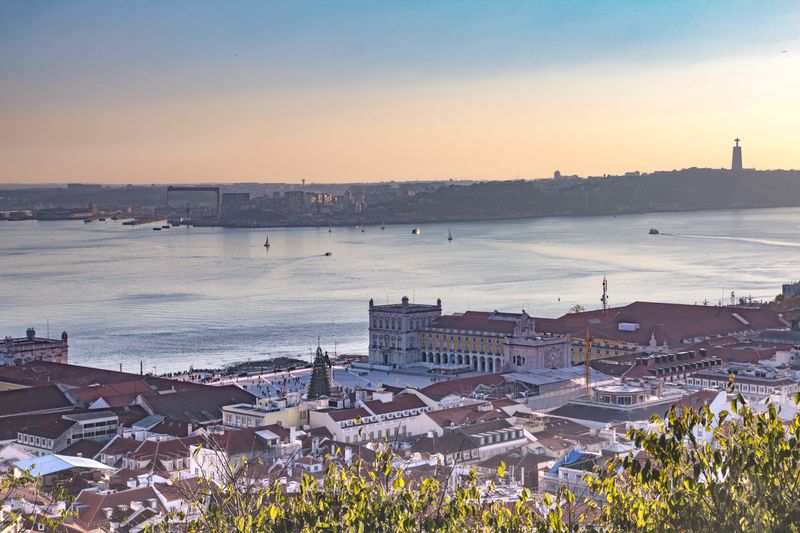
Lisbon stacks neighborhoods over hills that reward steady walking with big views. Alfama’s tiled alleys curl upward toward miradouros where rooftops pour into the river.
Tram tracks thread through steep lanes, but streets stay intimate and human scaled.
Short distances connect churches, fado venues, and bakeries with pastel de nata in the window. Sidewalk mosaics pattern the ground, adding texture to every step.
Elevation changes create natural pauses at overlooks that double as social hubs.
Wayfinding follows viewpoints, plazas, and the Tagus, helping orientation between climbs. Even with cobbles, routes feel inviting and well lit into the evening.
Neighborhoods shift quickly, so a single walk can sample history, music, and cuisine.
Riverfront promenades offer flatter options when legs need a break. Cafes anchor corners where conversations extend walks without planning.
Lisbon’s hills turn strolling into a lively rhythm, weaving effort and reward into each block.
Milan, Italy – Fashion Capital with Foot-Friendly Streets
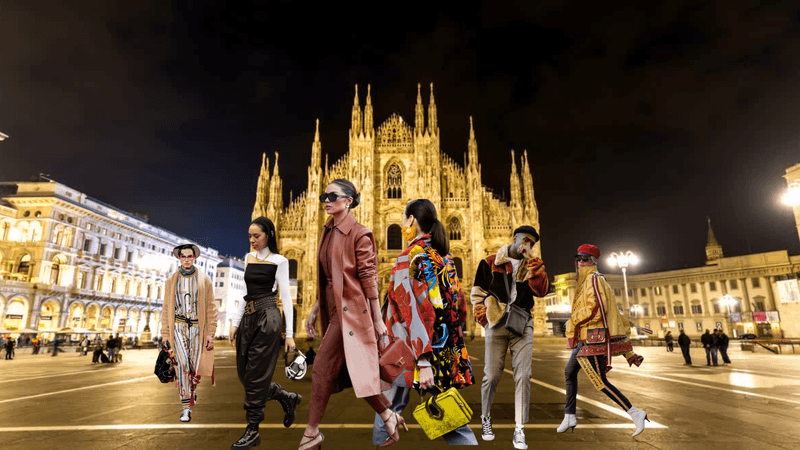
Milan’s core compacts icons so closely that fashion, design, and history align along easy routes. The Duomo’s plaza funnels movement into arcaded passages beneath shimmering glass.
Sforza Castle and Parco Sempione create a green anchor for leisurely loops.
Brera’s galleries, cafes, and artisan boutiques cluster within minutes, minimizing reliance on transit. Pedestrian zones calm traffic and keep sidewalks wide, with trees softening stone edges.
Elegant storefronts and careful signage steer walks without fuss.
Evening aperitivo rituals fill courtyards, turning a simple errand into a social hour. Navigli’s canal paths extend strolls with reflections under arched bridges.
Distances remain gentle, enabling a full itinerary at a relaxed pace.
Architecture provides consistent cues that help with orientation around key squares. Public art, fountains, and covered passages add variety during quick detours.
Milan suits travelers who prefer discovery on foot, where steps stitch together scene after scene effortlessly.
Copenhagen, Denmark – Europe’s Pedestrian-First City
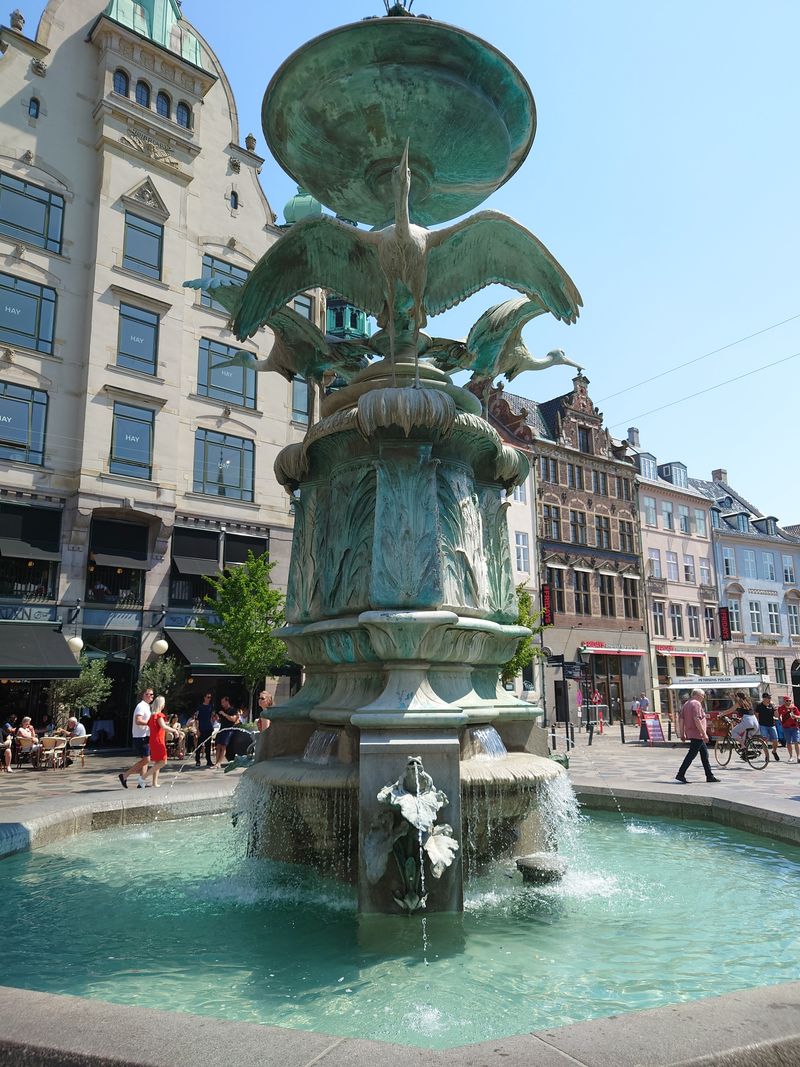
In Copenhagen, pedestrian comfort sets the tone for daily life. Strøget runs through the center linking plazas, shops, and street performers in a calm flow.
Car traffic eases off in the core, giving sidewalks and squares room to breathe.
Waterfront promenades and pocket parks punctuate routes with air and light. Wayfinding remains straightforward thanks to consistent materials and tidy signage.
Neighborhood edges meet gently, so drifting between them feels natural.
Cyclists share space predictably, establishing a rhythm that supports stress free walking. Cafes and bakeries dot corners at convenient intervals for refueling.
Museums and design shops cluster close enough to turn errands into pleasant loops.
Evenings bring glow to brick warehouses and modern glass, extending walk hours comfortably. Seasonal markets and cultural events animate squares without overwhelming movement.
Copenhagen shows how thoughtful planning turns city blocks into a string of welcoming rooms.
Share this story