Some compliments feel sweet on the surface but land weird once you unpack them. If you have ever smiled politely while wondering why a remark stung, you are not alone. These common Boomer phrases can sound supportive while quietly dismissing what younger people value. Let us decode the hidden messages so you can respond with clarity, set boundaries, and keep conversations respectful without the awkward aftertaste.
1. You are so articulate.

When someone says you are so articulate, it can sound like praise for speaking clearly. But the hidden message often implies surprise that you can express yourself at all. That surprise can feel rooted in low expectations tied to age, identity, or background.
Instead of celebrating your ideas, the compliment centers delivery, not substance. You are invited to perform competence rather than be heard. A better approach is acknowledging your insight or specific contribution. Try redirecting with thanks and a mention of your point.
2. You clean up nicely.

You clean up nicely suggests your usual look is subpar until proven otherwise. It frames formality as the default for being taken seriously. That can invalidate personal style, cultural expression, or comfort-based choices that matter to Gen Z.
Compliments should not require erasing individuality. If someone loves your suit, they can say the suit looks great. If they appreciate effort, they can note your attention to detail. You deserve praise that does not imply your baseline is messy. Redirect gently by naming what you chose intentionally.
3. You will make such a good wife one day.
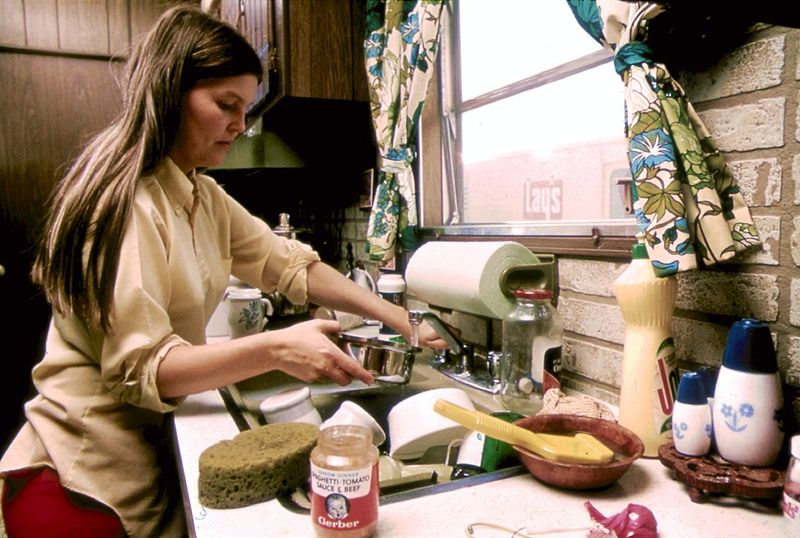
This frames your value around marriage and service to a future partner. It overlooks ambitions, friendships, chosen family, and self-defined success. Many Gen Z folks prioritize autonomy and shared labor, not prescribed roles.
Compliments can honor qualities like empathy, leadership, or reliability without funneling them into domestic expectations. Try responding with Thanks, I hope to be a good partner and professional, too. You are allowed to define your life by more than someone else’s household. Respect recognizes breadth, not confinement.
4. You would be so pretty if you smiled more.

This comment polices expression and centers appearance over autonomy. It assumes your face exists for others’ comfort. For many, it feels sexist and outdated, ignoring mental health, boundaries, and context.
Beauty is not an obligation. Compliments should not require emotional labor to be acceptable. Try replying with I will smile when I feel like it or opting out entirely. Better praise highlights style, creativity, or presence without demanding performance. Respect means letting people own their expressions. You are not a mood service.
5. You do not look depressed.

Mental health does not have a uniform look. Saying you do not look depressed dismisses invisible struggle. It can make people mask more, delaying care.
Better support asks, How are you really doing? or What helps right now? Validation is not diagnostic. If you hear this, you can say Depression shows up differently for me. I appreciate listening, not judging. Normalize believing people when they share. It saves energy for healing rather than convincing skeptics.
6. You do not have real responsibilities.

This line ignores student debt, gig instability, caregiving, and rising costs. It equates responsibility with old milestones like marriage or mortgages only. That erases newer burdens Gen Z manages daily.
Reality check: responsibility adapts to the economy. Respect shows up as curiosity about pressures you face, not scorekeeping. Try answering with specifics if you have energy, or set a boundary: My responsibilities look different, not lesser. Conversations improve when both sides name facts over nostalgia. Complexity deserves acknowledgment.
7. Why are young people offended by everything now?
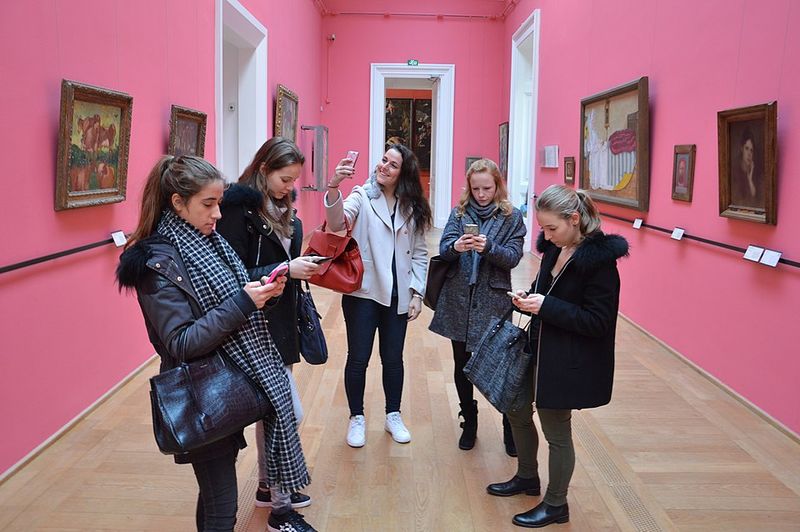
This question presumes oversensitivity instead of evolving values. Many Gen Z folks advocate for inclusion, consent, and accurate language. Calling that offense trivializes ethical progress.
Swap accusation for inquiry: What standards are changing and why? You can answer by giving concrete examples of harm reduction through language. Or decline the debate when it is not in good faith. Respectful dialogue requires willingness to learn, not bait arguments. Culture moves. Paying attention is not fragility.
8. You should be grateful.

Gratitude is not a gag order. You can appreciate opportunities and still name harm. Telling you to be grateful often shuts down feedback about inequity, access, or burnout.
Respond with nuance: I am grateful and I want to improve this, too. That reframes critique as care, not complaint. Boundaries help when the phrase becomes control. Your gratitude should be chosen, not demanded. Healthy relationships allow both appreciation and advocacy.
9. You are mature for your age.

Being told you are mature for your age can feel like a gold star with a side of surprise. It implies maturity is rare or unexpected in younger people. That undercuts your work, planning, and earned confidence.
Gen Z often shoulders real responsibilities early, from jobs to caregiving. Recognize competence without the age qualifier. Try Thanks, I have worked hard on this project. Or define what maturity means here, like reliability or emotional regulation. Specific praise gives credit for skills you built, not stereotypes you disproved by accident.
10. You do not know how good you have it.

Gratitude is healthy, but comparison erases context. This phrase pits eras against each other instead of mapping different challenges. Cheaper education then, higher housing now. Less connectivity then, more burnout now.
Invite nuance: We both faced obstacles, just different ones. If someone insists on hierarchy, step back. You are not obligated to out-suffer to be taken seriously. Shared understanding grows when experiences are treated as parallel, not competing. Respect means acknowledging both privilege and pressure.
11. You are not like other Gen Zers.
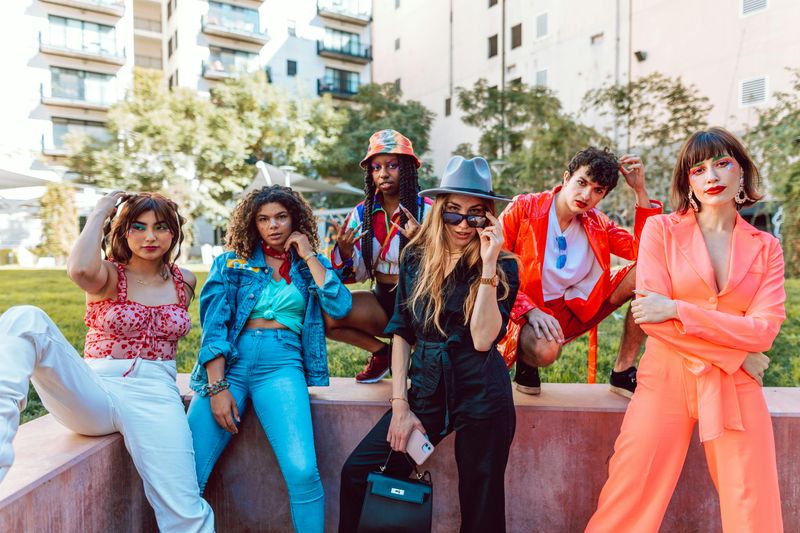
This line pretends to celebrate individuality while smuggling in a dunk on your entire generation. You are not like other Gen Zers implies negative stereotypes are mostly true. It asks you to accept distance from your peers to earn approval.
That pressure is divisive and outdated. You can respond by reframing: I am proud of my generation and also unique, like anyone. Better compliments focus on specific strengths without comparison. Ask what they noticed about your work or approach. You deserve affirmation that does not trash your community.
12. Back in my day…

Back in my day can start as storytelling but quickly become a measuring stick. It risks minimizing current pressures like housing costs, digital burnout, and social volatility. Nostalgia can be sweet, yet weaponized comparisons are sour.
If the intention is connection, focus on shared themes rather than superiority. Try steering toward curiosity: What is it like now? What has changed? Stories should bridge, not belittle. You can set boundaries by saying you appreciate their experience but your realities differ. Mutual respect makes the past useful rather than dismissive.
13. Good for you!
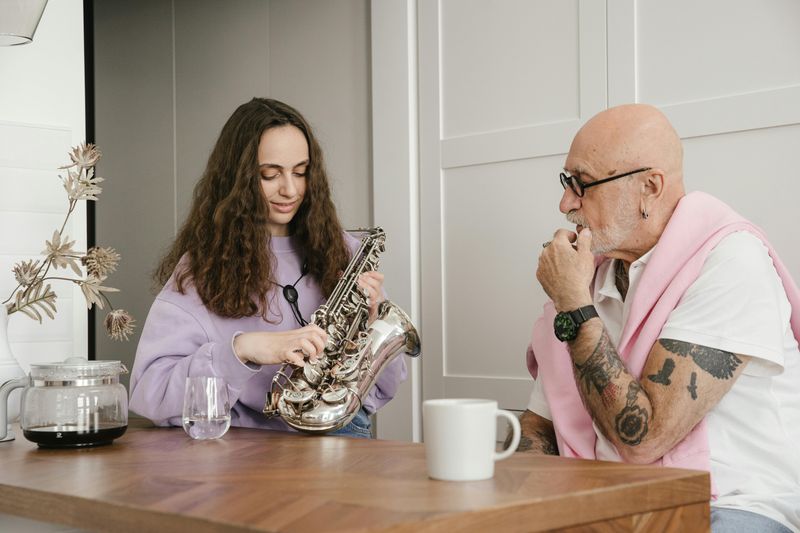
Good for you can land like a pat on the head depending on tone and context. If it replaces meaningful engagement, it sounds dismissive. You did something hard, and you want acknowledgment, not a verbal participation ribbon.
Ask for specificity: What stood out to you about the project? Or reply with details to invite real dialogue. Praise that names effort, creativity, or impact validates your work. Encouragement should feel collaborative, not condescending. Words matter, but so does delivery. You deserve feedback that treats your success as real.
14. You are wise beyond your years.

On the surface, this sounds flattering. But it treats wisdom as age-exceptional rather than experience-based. It can also saddle you with expectations to be endlessly composed.
Ask for specificity: Did your research help, your empathy, or your strategy? That centers actions you can repeat. You can accept the compliment while refusing the pedestal. Wisdom should be shareable, not isolating. Growth stays possible when we stop mythologizing age and start recognizing effort.
15. You are so tech savvy.

Being called tech savvy is often meant kindly, but it can sound like you are magical for using everyday tools. For Gen Z, digital fluency is basic literacy, not a party trick. The compliment can minimize deeper skills in analysis, design, or security.
Ask for precision: Do they mean your troubleshooting, your UX insight, or your automation? Specific language honors expertise. You might say, Happy to help. I can also document the workflow. That shifts the conversation from novelty to knowledge transfer, showing your competence is systematic, not accidental.
16. That is an interesting outfit.

Interesting can be code for weird when tone goes sideways. What sounds like approval may really be passive critique. Gen Z often experiments with clothes to express identity, values, or subculture.
Style is communication. If someone likes a color or silhouette, they can say so. Vague praise leaves you guessing and erodes trust. You can redirect by asking what they liked specifically. Or let it slide if the vibe feels snarky. Your outfit does not need a permission slip to be legitimate, expressive, or professional.
17. You are so much more confident than I would be.
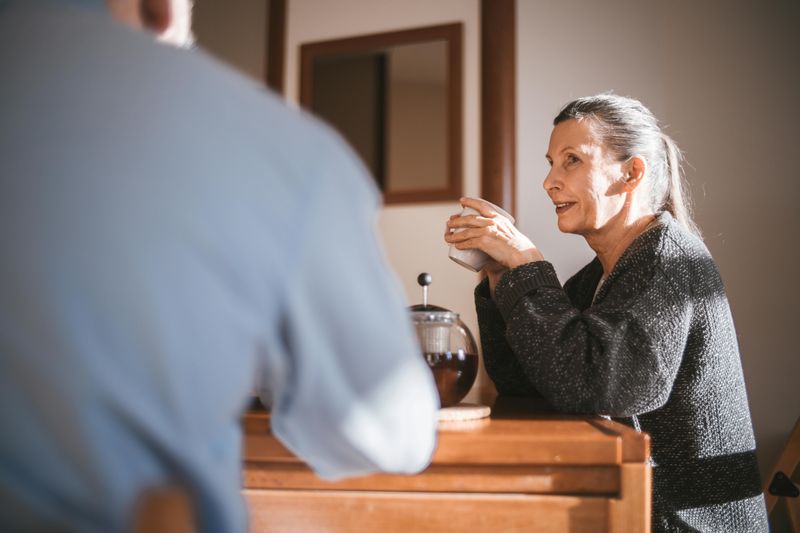
At first, this sounds admiring. But it can frame your confidence as unusual given your body, style, or identity. That quietly mirrors old beauty standards. You become brave for existing, not respected for being you.
Confidence is not surprising. It is earned by self-acceptance, community, and practice. Better compliments celebrate how you carry yourself or your skill, without implying you should not feel confident. You can answer, Thanks, I like how this makes me feel. Naming joy instead of justification sets the tone you deserve.
18. You are resilient for someone so young.

Resilience praise can backfire by normalizing hardship. For someone so young implies you should not have faced much, which denies reality for many. It risks glorifying endurance over prevention.
Better support is resourcing, not romanticizing. Try, Thanks. I am working on making things sustainable, too. That shifts attention from survival to systems. Celebrate boundaries, rest, and access alongside grit. Resilience should be a bridge, not a destination.
Share this story