Greenland is suddenly everywhere. Travel magazines, social media feeds, and bucket lists are all buzzing about this icy island that feels like another planet.
Why now? Because adventurous travelers are discovering what makes Greenland so special: massive icebergs, dancing northern lights, ancient cultures, and landscapes that make you feel wonderfully tiny against nature’s grand stage.
1. It’s the World’s Largest Island – And It Shows
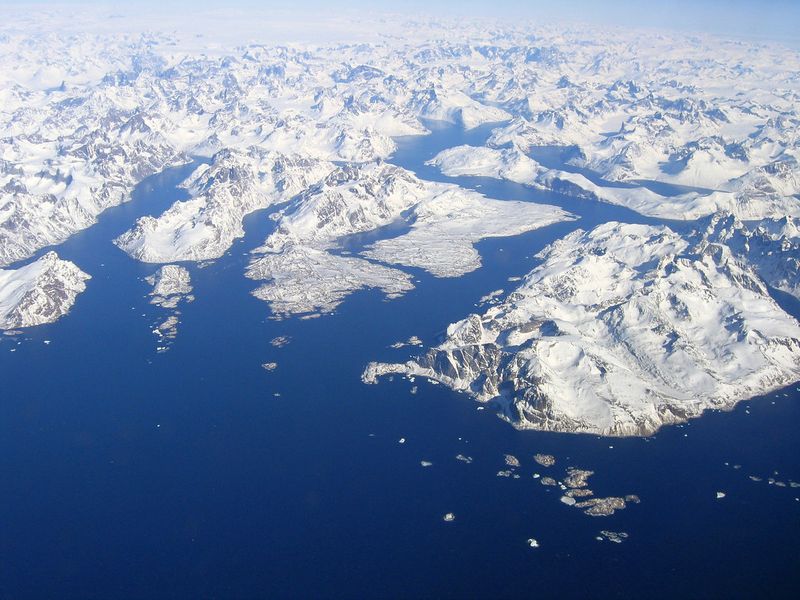
Greenland claims the title of world’s largest island, and when you arrive, that fact hits you immediately. Standing on the edge of a tiny coastal town, you look out and see nothing but endless wilderness stretching in every direction.
Most communities cling to the coastline, creating a unique travel rhythm. You step out of a colorful village and boom—you’re surrounded by raw, untouched nature.
That contrast between human settlement and vast emptiness makes every moment feel significant and humbling in the best way.
2. The Ice Sheet Is a Headline All by Itself
About 80% of Greenland wears a frozen blanket called the Greenland Ice Sheet. Covering roughly 1.7 million square kilometers, this isn’t just scenery—it’s the star of the show.
Everything about visiting Greenland connects back to this ice world. It shapes the weather, the wildlife, and the incredible experiences you’ll have.
When you see it in person, you understand why scientists and adventurers alike become obsessed. This frozen giant isn’t background decoration; it’s the main character in Greenland’s story.
3. Ilulissat Icefjord Is the Must-See That’s Genuinely World-Class
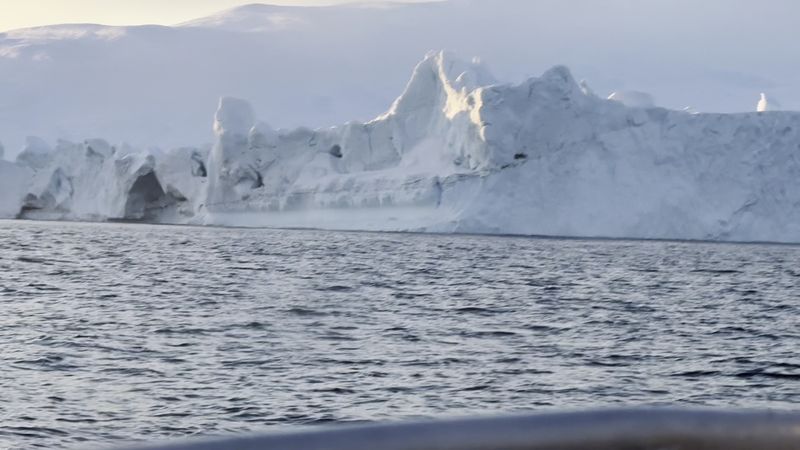
If Greenland has one superstar attraction, Ilulissat Icefjord takes the crown. This UNESCO World Heritage area gets fed by Sermeq Kujalleq, one of the most active glaciers where ice meets ocean.
What does that mean for you? You’re watching the ice sheet in motion.
Enormous icebergs break off and drift majestically toward Disko Bay, creating a constantly changing frozen parade. Standing there, you witness geology happening in real time—a sight that earns every bit of its world-class reputation.
4. Iceberg-Watching Here Isn’t a Side Activity – It’s a Whole Atmosphere
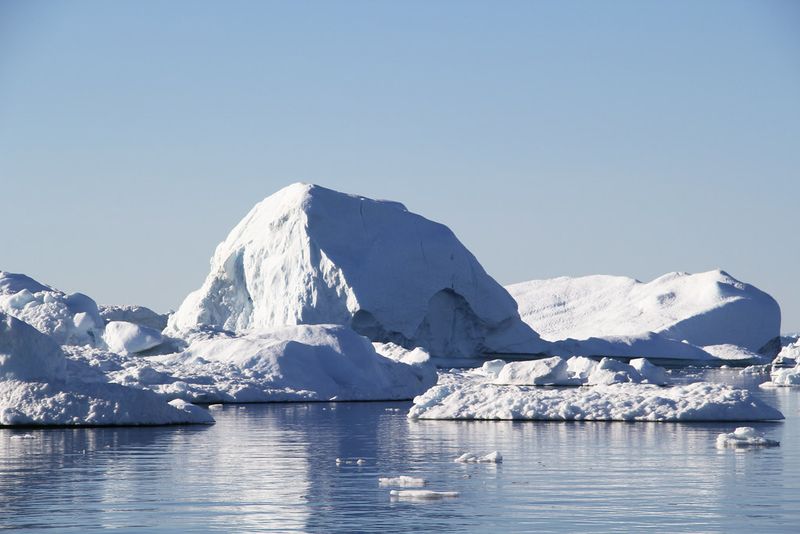
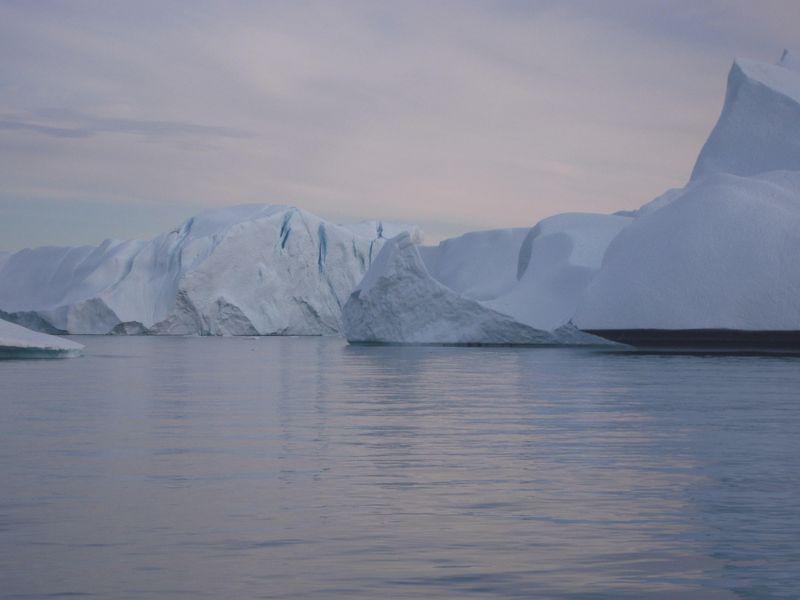
Around Ilulissat and Disko Bay, icebergs aren’t just something you photograph once and move on. They’re part of daily life, floating sculptures that shift shape, color, and mood depending on weather and light.
Some days they glow blue under bright sun. Other times they look ghostly white in fog.
Each iceberg tells a different story, and watching them becomes almost meditative. Official destination guides emphasize this atmosphere because it’s truly unlike anywhere else on Earth.
5. Whale Watching Is a Real Summer Highlight
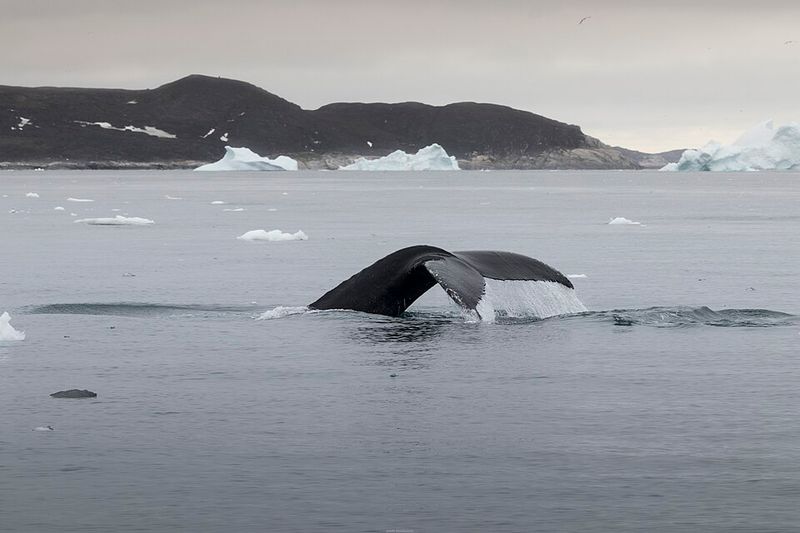
Summer transforms Greenland’s waters into a whale playground. Tourism officials specifically highlight humpback, fin, and minke whales as species you might encounter on guided tours.
Picture this pairing: massive whales surfacing near towering icebergs. It’s a bucket list combo that’s hard to beat.
The whales come to feed in these nutrient-rich Arctic waters, and watching them glide through icy seas creates memories that stick with you long after you’ve returned home. Summer timing is everything for this experience.
6. Northern Lights Season Is Long (And Greenland Is Seriously Dark When It Needs to Be)
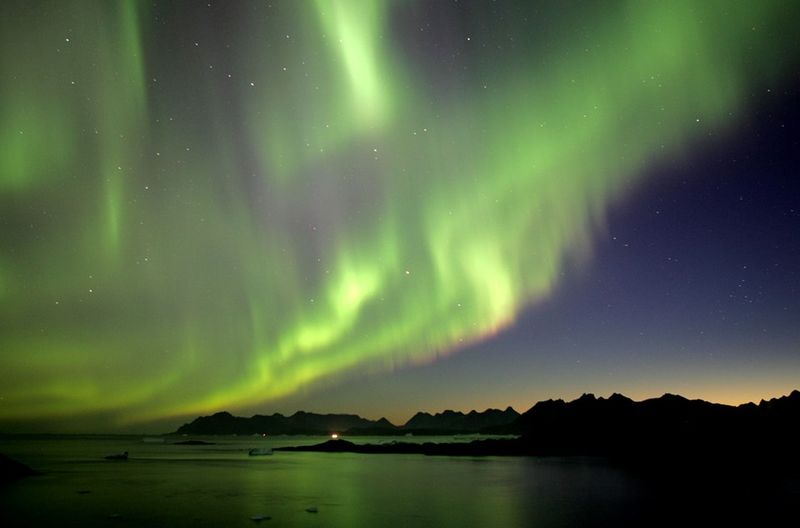
Aurora hunters, pay attention. Greenland offers dark skies for months on end, with a commonly cited viewing window running from September through April.
During these months, the midnight sun isn’t washing out the night, giving the northern lights center stage. With minimal light pollution across most of the island, your chances of seeing those dancing green curtains improve dramatically.
Greenland’s advantage is simple: when it gets dark here, it gets really dark—exactly what you need for spectacular aurora displays.
7. Dog Sledding Is Not Just for Tourists—It’s Part of the Cultural Fabric
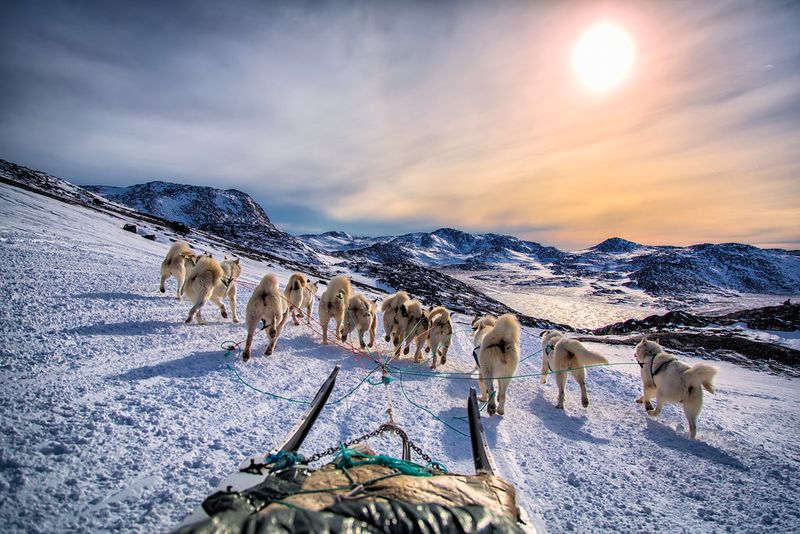
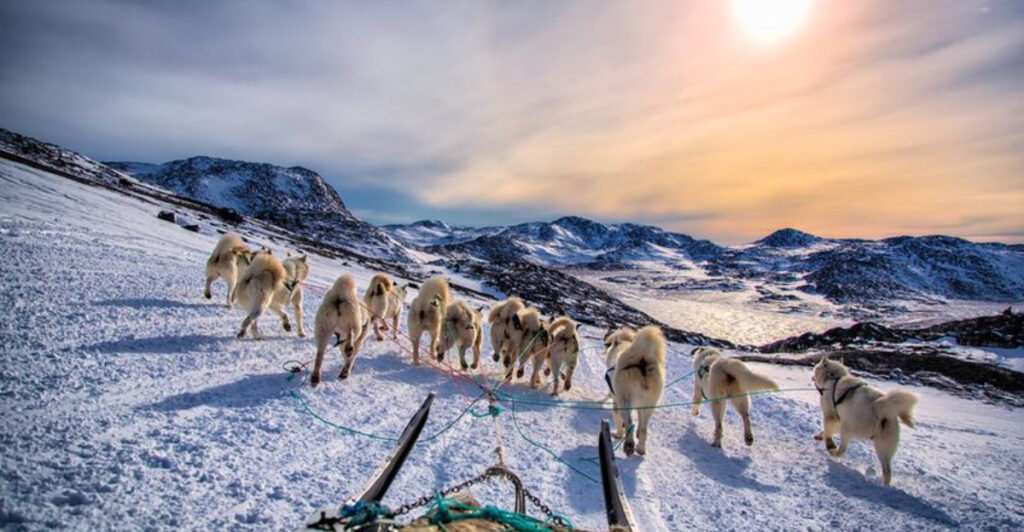
Dog sledding in Greenland isn’t a tourist gimmick. It’s woven into Arctic tradition and survival, a transportation method that’s been essential for centuries.
When you join a dog sled expedition, you’re experiencing something authentic and deeply rooted in place. The powerful Greenland huskies, the musher’s commands, the swoosh of runners on snow—it all connects to generations of Arctic life.
Travel guides consistently frame this as a signature Greenland winter experience because it genuinely represents the culture, not just the scenery.
8. Nuuk Is Tiny for a Capital—Yet Packed with Culture
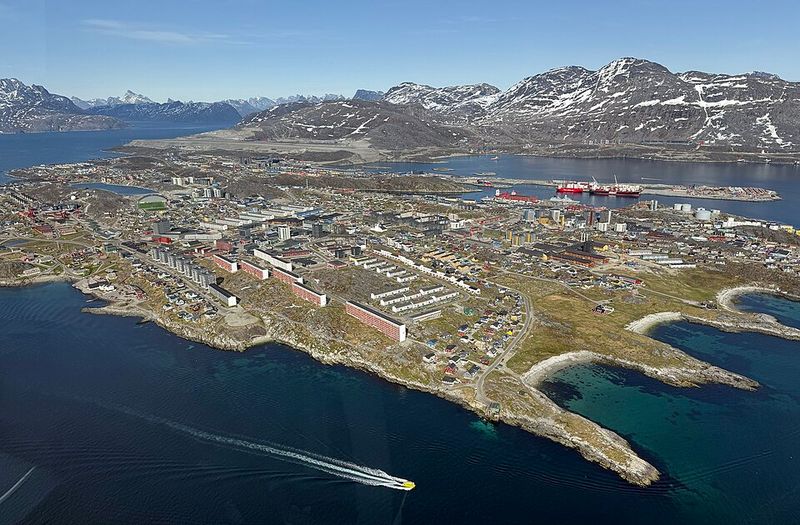
Nuuk serves as Greenland’s capital but feels more like a walkable Arctic hub than a bustling metropolis. Small size doesn’t mean boring, though.
Two cultural stops stand out: the Greenland National Museum holds nationally important collections revealing deep history, while Katuaq Cultural Centre dazzles with architecture inspired by northern lights and Arctic ice. Both places pack serious cultural punch into an intimate setting.
You can explore meaningful museums, grab local food, and still feel the wilderness nearby—all in one compact capital.
9. South Greenland Offers a Different Greenland—Green Valleys and Farming History
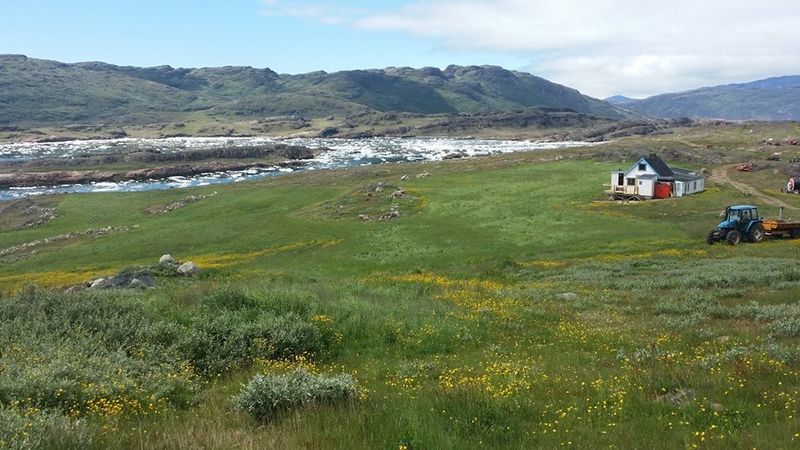
Everyone pictures ice when they think of Greenland, but South Greenland surprises visitors with something unexpected: green.
Subarctic valleys here tell a fascinating farming story spanning many centuries. The UNESCO-listed Kujataa landscape recognizes the combined Norse and Inuit farming heritage that survived at the edge of the ice.
Sheep graze on surprisingly lush hillsides, and the history of human adaptation runs deep. This region shows a completely different side of Greenland that challenges your assumptions.
10. East Greenland Is the Dramatic Mountains Chapter
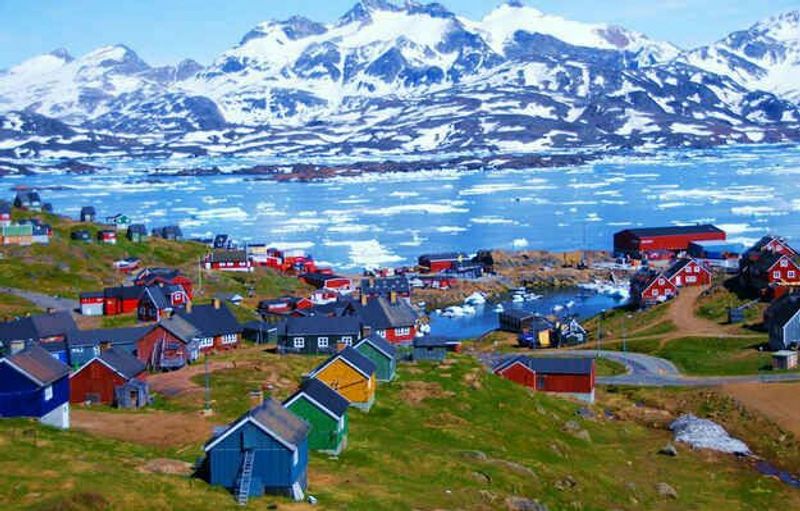
Want sharper peaks and deeper fjords? East Greenland delivers that rugged, almost Patagonian vibe people rave about.
Towns like Tasiilaq act as gateways to these spectacular fjord systems and coastal landscapes. The mountains here rise more dramatically than elsewhere on the island, creating scenery that outdoor photographers dream about.
If your Greenland fantasy involves serious mountain backdrops and remote wilderness exploration, East Greenland writes that particular chapter better than anywhere else on the island.
11. The Arctic Circle Trail Is Greenland’s Iconic Long Hike
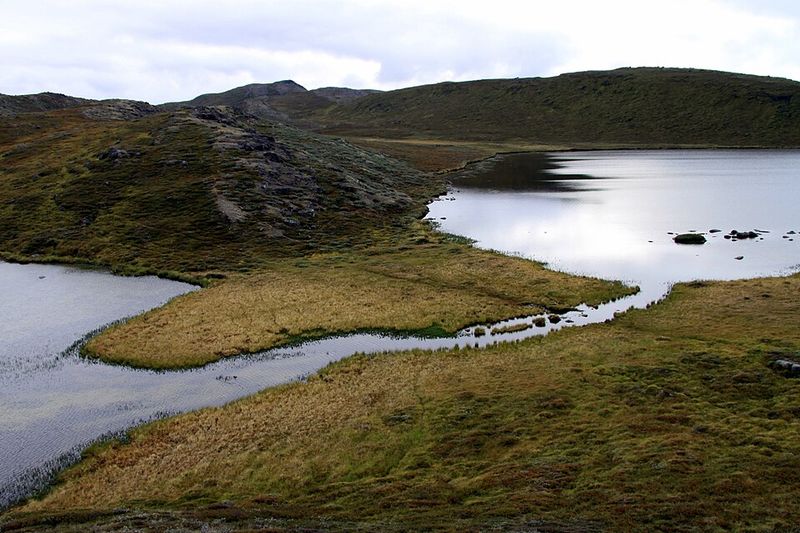
Greenland’s signature trek is the Arctic Circle Trail, stretching roughly 160 kilometers between Kangerlussuaq and Sisimiut through pure backcountry.
This isn’t a casual day hike. It’s explicitly described as remote and suitable only for hikers with solid multi-day wilderness experience.
You’ll cross tundra, navigate streams, and camp under endless skies. For serious trekkers, completing this trail represents a genuine Arctic achievement—a chance to test yourself against one of the planet’s most beautiful and demanding hiking routes.
12. Greenland’s Food Scene Is a Destination in Its Own Right – Rooted in Land and Sea
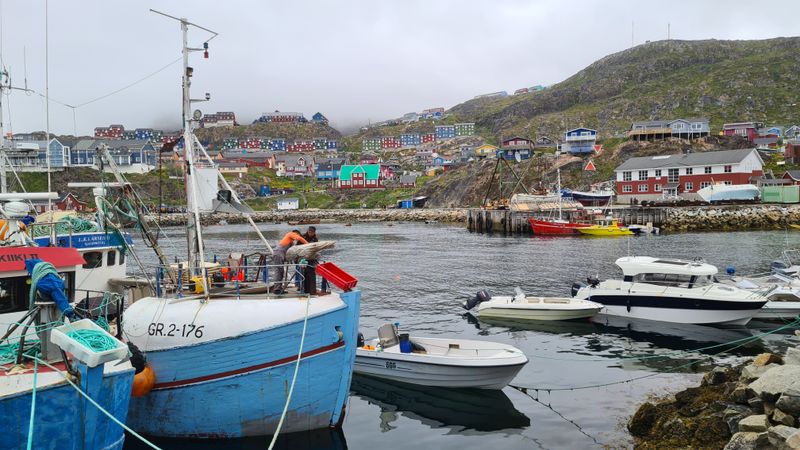
Greenlandic cuisine grows directly from what the Arctic provides: fish, seafood, game, birds, and traditionally, marine mammals. This food culture was built for survival and now evolves into modern gastronomy.
For culinary travelers, the thrill comes from tasting ingredients with true sense of place. The environment literally defines the menu.
You might try freshly caught halibut, muskox, or Arctic char—foods that carry the flavor of the land and sea. Eating here becomes part of understanding Greenland itself.
13. Why the Buzz Is Peaking Now (Besides the Politics)
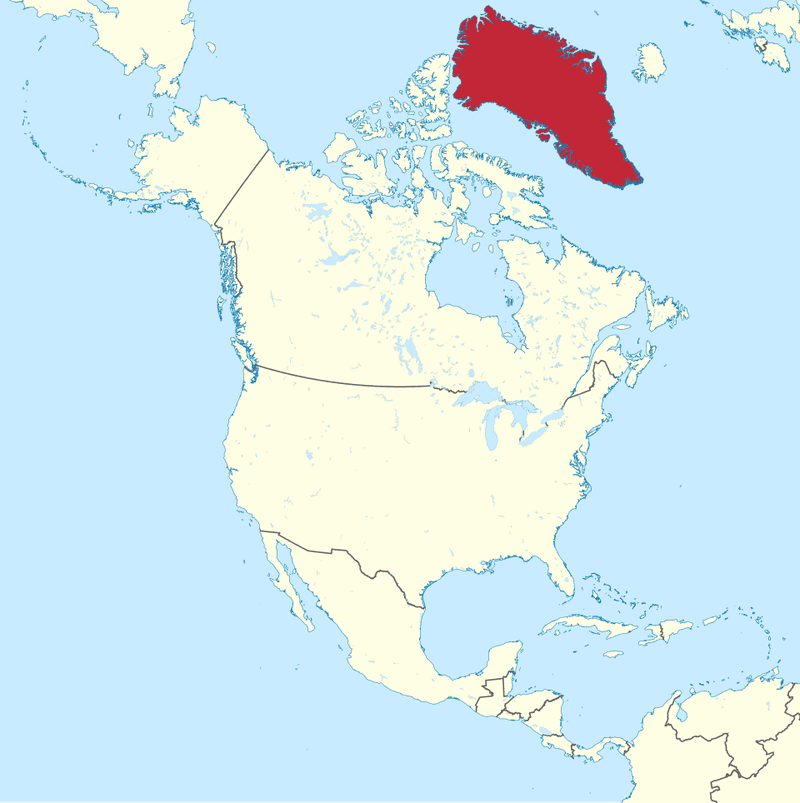
This attention surge isn’t random. Major travel outlets like Condé Nast Traveler have featured Greenland in their best destinations coverage, and high-profile travel rankings keep highlighting it.
Meanwhile, Greenland’s own tourism narrative points to changing accessibility and growth through 2026, adding momentum to curiosity and trip planning. More flights, better infrastructure, and growing international awareness are converging right now.
Whether politics sparked your initial interest or not, the destination itself has earned its moment in the spotlight through genuine appeal.
Share this story