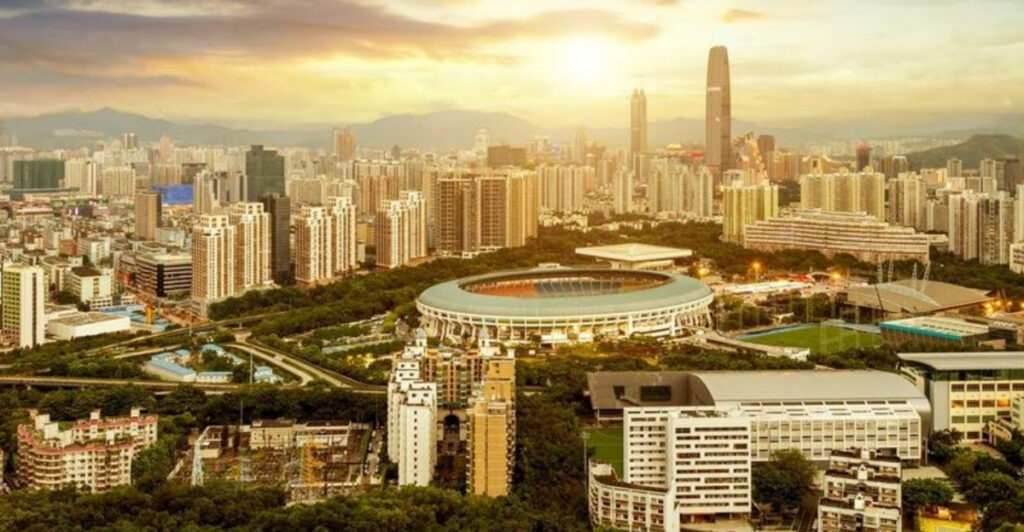
Have you ever walked into a place that felt like it belonged in a movie about the future? Shenzhen, China is that city.
In just a few decades, it transformed from a small fishing village into a sprawling metropolis packed with robots, electric vehicles, and technology that seems straight out of science fiction. What makes this city so jaw-droppingly futuristic is not just the gadgets, but how everything works together to create a living, breathing experiment in modern urban life.
1. It was designed as an experiment, not a legacy city
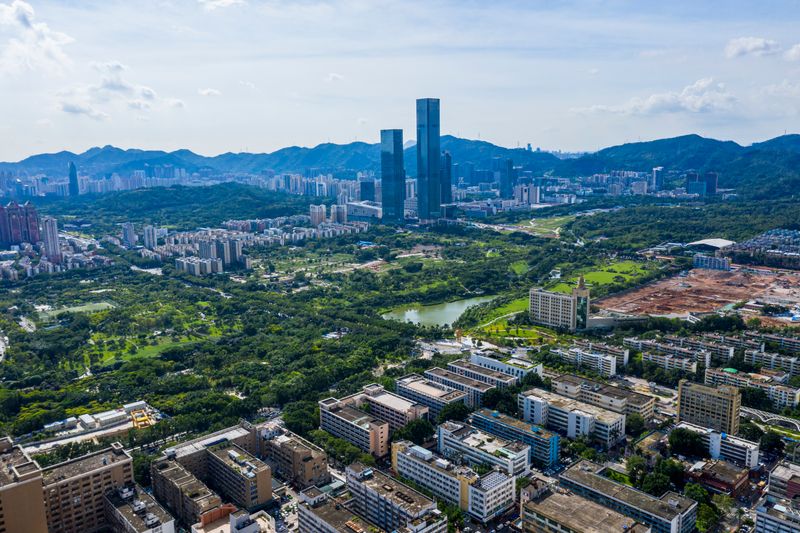
Shenzhen became China’s playground for bold ideas when leaders picked it as a Special Economic Zone in the late 1970s. Unlike cities that evolved slowly over centuries, Shenzhen got a blank canvas and permission to try things no other Chinese city could.
Imagine building a city from scratch with the goal of testing new rules about business, trade, and growth. That is exactly what happened here.
The government wanted to see if opening up to market forces could spark rapid development, and Shenzhen became the laboratory.
This experimental spirit still shapes the city today, making it a place where innovation is not just encouraged but expected.
2. Location did half the work: it sits right next to Hong Kong
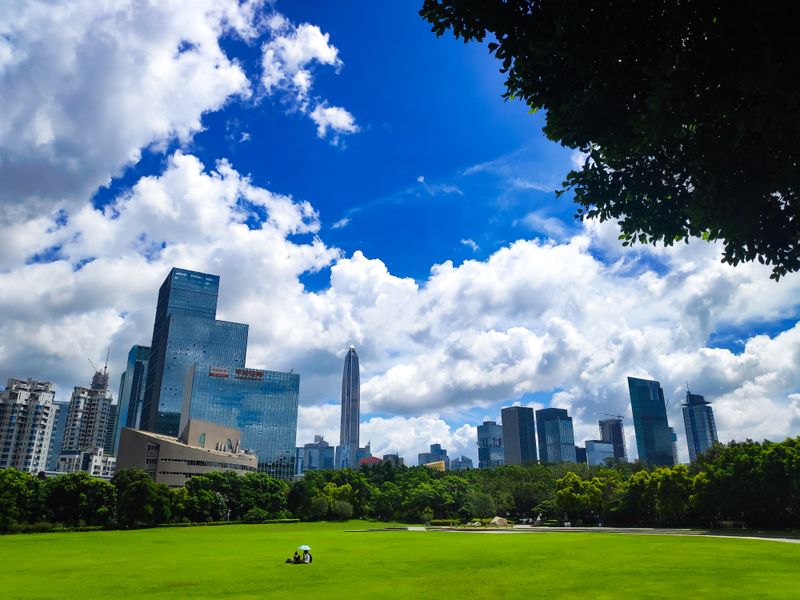
Geography gave Shenzhen a massive advantage. Sitting right on the border with Hong Kong meant instant access to one of the world’s busiest financial and trade hubs.
Think of it like having the coolest, most connected neighbor who introduces you to everyone important. Hong Kong brought global connections, investment money, and business expertise that flowed directly into Shenzhen.
The proximity made moving goods, people, and ideas incredibly easy.
This strategic location turned Shenzhen into a gateway between China and the rest of the world. Companies could manufacture in Shenzhen and ship through Hong Kong, creating a powerful economic partnership that fueled explosive growth.
3. It exploded into a mega-city in one generation
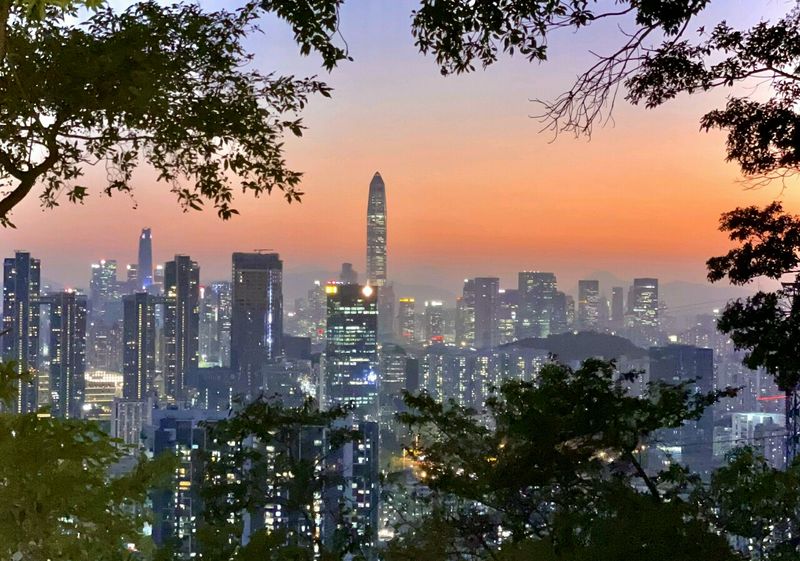
In 2020, Shenzhen’s permanent population hit 17.56 million people. To put that in perspective, the city had fewer than 30,000 residents in 1979.
That means millions of people moved there in roughly 40 years.
Your grandparents might remember when Shenzhen was barely on the map. Now it rivals major global cities in size and importance.
This kind of growth is almost unheard of in human history.
The speed of transformation means most buildings, roads, and infrastructure are brand new. Walking through Shenzhen feels different because nearly everything around you was built within a single lifetime, creating a uniquely modern urban landscape.
4. Prototype culture is part of the city’s DNA

While Silicon Valley dominates software innovation, Shenzhen owns the hardware world. The Huaqiangbei electronics market is legendary among engineers and inventors because you can find almost any component imaginable within blocks.
Need a custom circuit board by tomorrow? No problem.
Want to test five different battery types? They are all nearby.
This density of suppliers, manufacturers, and repair shops means turning an idea into a working prototype happens shockingly fast.
Entrepreneurs and makers from around the world flock here because nowhere else offers this combination of speed, expertise, and resources. The city breathes prototyping, making physical innovation feel as quick as coding an app.
5. Everyday life that feels like a beta test of tomorrow
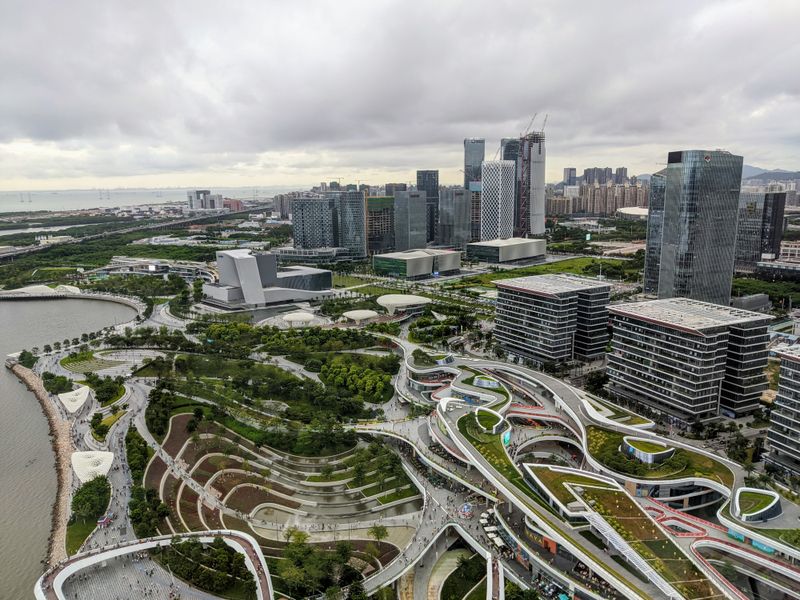
Living in Shenzhen means experiencing technologies that other cities only talk about. Residents interact daily with systems and services that feel experimental elsewhere.
From payment methods to transportation, everything operates with a future-forward mindset. The city serves as a real-world testing ground where new ideas get deployed at full scale rather than in limited pilot programs.
Walking down the street, you encounter innovations that seem straight from a sci-fi novel, yet locals treat them as completely normal. This casual relationship with cutting-edge technology defines the Shenzhen experience and makes visitors feel like time travelers stepping into tomorrow.
6. Street-cleaning robots are not a gimmick—they are operational
Forget the novelty factor. Shenzhen has put AI-powered street sweeper robots to work as part of regular city maintenance operations, not just for show.
These machines navigate sidewalks and streets, cleaning as they go, using sensors and programming to avoid obstacles and people. They operate in demonstration areas but also in everyday neighborhoods where they handle real cleaning duties.
Seeing one roll past feels surreal at first, but locals barely glance up. The robots represent how Shenzhen integrates advanced technology into mundane tasks, proving that automation can move beyond factories into public spaces effectively and reliably.
7. There are real sanitation-robot rollouts, not just demos
Reports document entire fleets of cleaning robots actively working across Shenzhen neighborhoods. These are not publicity stunts or one-off demonstrations but actual operational deployments handling sanitation work.
The robots clean sidewalks, tackle corners, and even manage sections of roadway. They work alongside human sanitation workers, sharing the workload and covering areas that benefit from consistent, automated attention.
This fleet approach shows commitment to robotic infrastructure rather than just experimenting with a few units. Shenzhen treats these machines as legitimate members of the city’s maintenance team, fundamentally changing how urban cleaning gets done at scale.
8. Cash is not banned—it is just socially obsolete

Technically, you can still use cash in Shenzhen, but doing so might earn you curious looks. Digital payments dominate so completely that paper money feels almost old-fashioned.
Scanning QR codes with your phone is the default way to pay for practically everything, from street food to taxis to shopping malls. Even small vendors prefer digital transactions because they are faster and easier to track.
Older residents and occasional edge cases still rely on cash, but the overwhelming majority of daily transactions happen through apps. The shift happened so smoothly that many younger residents rarely carry physical money at all.
9. The convenience comes with a rule: you must be connected
Living in a near-cashless city sounds amazing until your phone battery dies. Suddenly, basic activities like buying food or taking a bus become surprisingly difficult.
Internet access, a charged device, and properly configured apps transform from conveniences into essential infrastructure. Without them, you are effectively locked out of participating in daily commerce and services.
This dependency represents the flip side of digital convenience. The system works brilliantly when everything functions, but it creates vulnerability when technology fails.
Residents learn quickly to keep backup batteries handy and maintain constant connectivity as part of basic life management.
10. It is a headquarters city for serious tech power
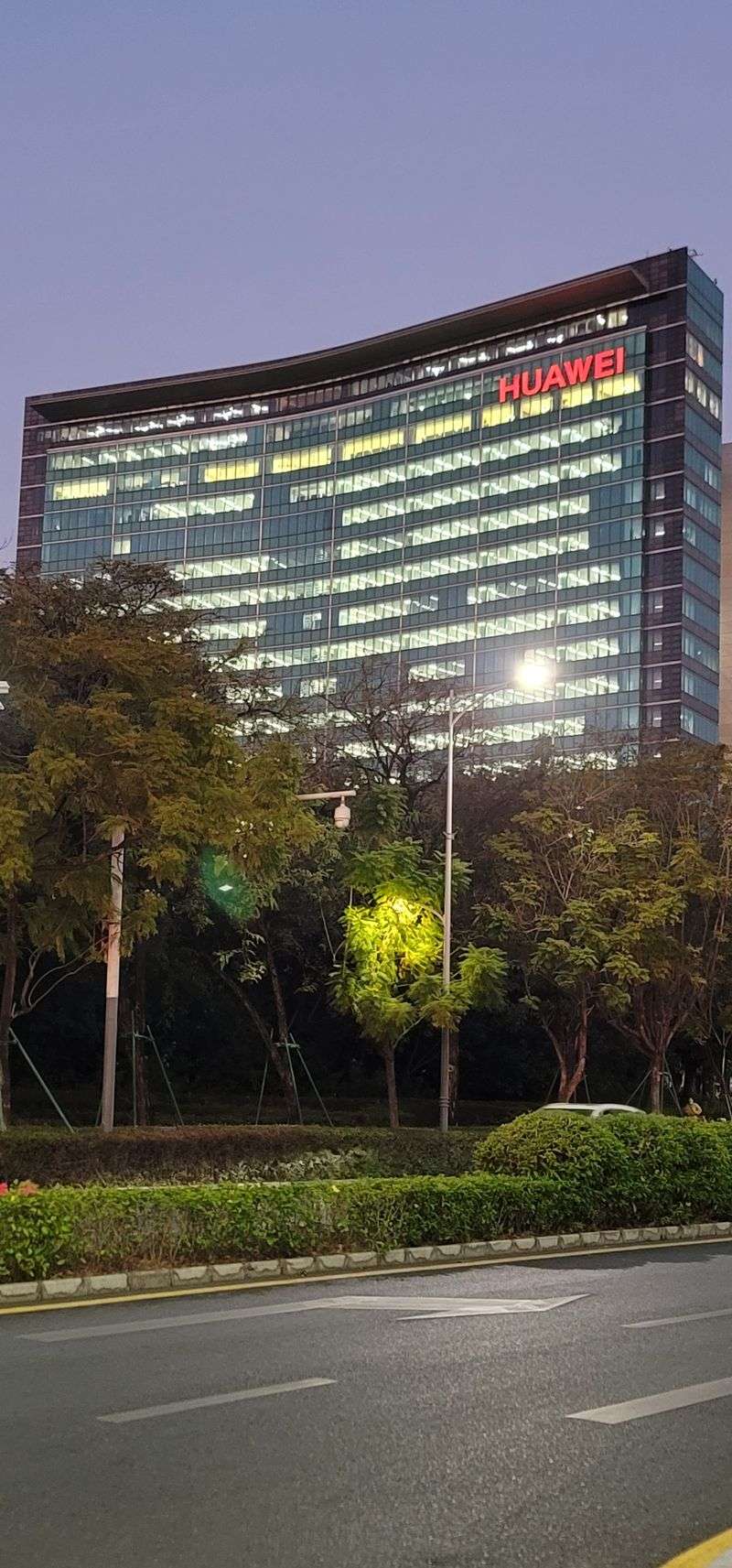
Major technology companies call Shenzhen home, with Huawei being perhaps the most prominent example. The company’s history and massive campus development are deeply intertwined with the city’s emergence as a tech powerhouse.
Having these headquarters locally creates a concentration of engineering talent, research facilities, and innovation resources. The presence of major players attracts smaller companies, startups, and suppliers, building a complete ecosystem.
This is not just about office buildings. The companies shape the city’s character, influence its policies, and drive its technological advancement.
Shenzhen’s identity as a tech hub comes from having serious industry leaders invested in its success and growth.
11. Public transport went electric at a scale most cities only plan for
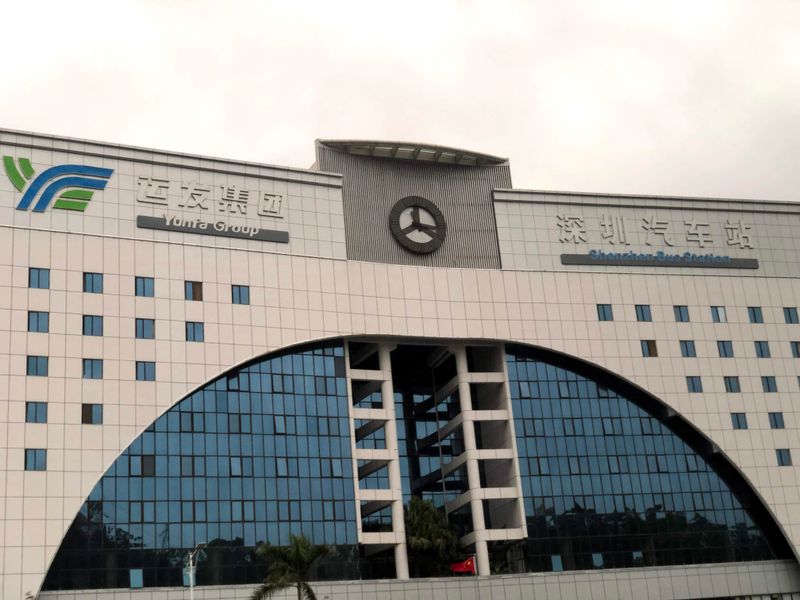
Shenzhen earned recognition as the first city to completely electrify its entire bus fleet, and the scale is staggering. Thousands of electric buses replaced diesel vehicles, transforming urban mobility across the metropolis.
The change affects more than just emissions. Electric buses run quieter, improving the urban soundscape dramatically.
Air quality benefits citywide, and operating costs shift in ways that change transit economics.
Other cities talk about electric bus pilots or gradual transitions. Shenzhen simply did it, proving that full-scale electrification is possible with commitment and coordination.
The project demonstrates how infrastructure changes can happen quickly when government and industry align.
12. It did not stop at buses: electric taxis became part of the model
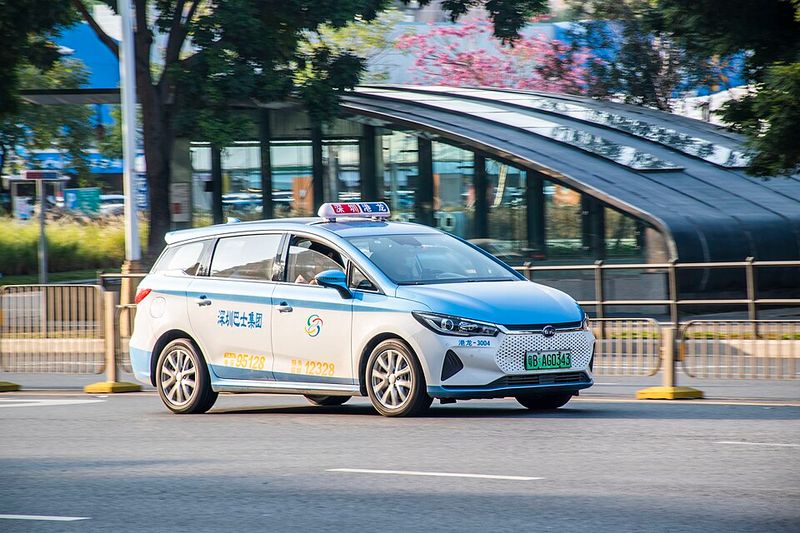
After electrifying buses, Shenzhen tackled taxis with the same ambitious approach. Case studies highlight the city as having the world’s first and largest fully electric taxi fleet, pushing beyond pilot projects into system-wide transformation.
Electric taxis change the rider experience with quieter cabins and zero tailpipe emissions. For drivers, the shift means different refueling routines and vehicle maintenance patterns.
The infrastructure had to expand to support thousands of charging vehicles.
This comprehensive approach shows Shenzhen’s strategy: change entire systems rather than dabble with experiments. The city treats electrification as a complete mobility overhaul, not a piecemeal upgrade, setting a model other cities now study.
13. It does not feel ancient China because it is not built that way
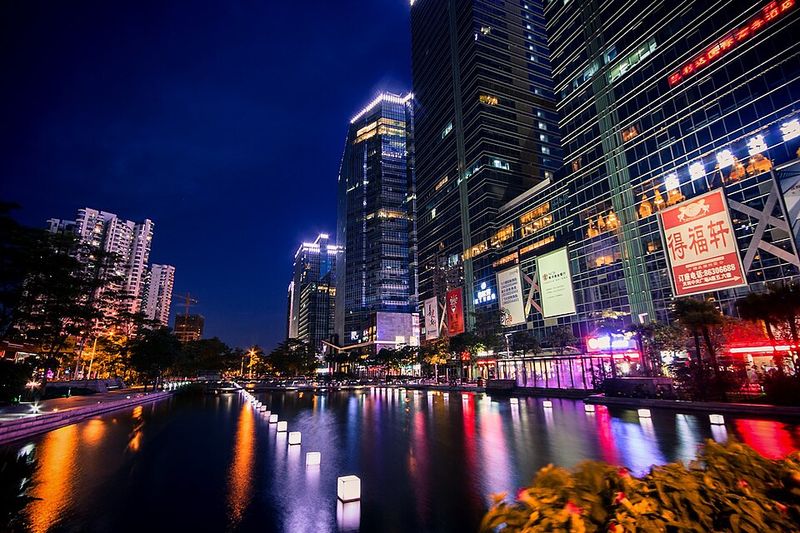
Visitors expecting traditional architecture, old temple quarters, and layered historical neighborhoods often feel surprised by Shenzhen. The city looks and feels overwhelmingly modern because it basically is.
Glass towers, organized grids, and new districts dominate the landscape. You will find few ancient sites or centuries-old buildings because the city’s explosive growth happened recently.
This lack of historical depth is not a flaw but part of Shenzhen’s identity.
The modernity can feel shocking if you are touring other Chinese cities first. Shenzhen offers a completely different experience, trading historical charm for cutting-edge urban design and contemporary energy that defines its unique character.
14. Weather is real: hot, humid summers; milder autumns
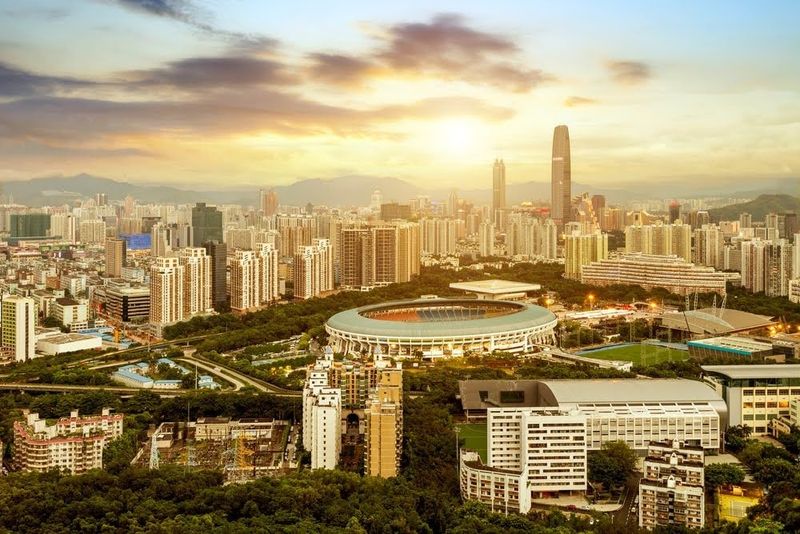
Shenzhen sits in a humid subtropical climate zone, which means summers get seriously hot and sticky. Expect long periods of high humidity and warm temperatures that can feel overwhelming if you are not prepared.
The wet season brings frequent rain, adding to the moisture in the air. Many visitors find summer conditions challenging, especially when exploring the city on foot or spending time outdoors.
Autumn through early winter offers the most comfortable visiting conditions. Temperatures moderate, humidity drops, and the weather becomes much more pleasant for sightseeing and outdoor activities.
Planning your trip around weather patterns can dramatically improve your experience in this otherwise amazing city.
Share this story